Storing a Boat on Stands and Blocks: Keel Blocking, Stand Placement and Safety Chains
Learn how a boat should sit on keel blocks and boat stands for winter or a haul-out, so you can check the yard's work, spot dangerous setups, and keep your boat from settling, distorting or falling over in wind, rain or a storm.
Time
1 h
Applies to
All engines
Safety first: A boat on stands weighs thousands of pounds and can fall without warning if a stand slips, sinks or is loosened. Never adjust, move or remove a stand by yourself, never crawl under a boat that looks like it is leaning or settling, and keep kids and pets away from the blocking. In most yards only trained staff may block or re-block a boat. If a stand has shifted or the boat has moved, get everyone clear and call the yard right away.
Owners often ask
- How many jack stands does my boat need for winter storage, and do they need chains?
- Can I tie my winter cover or tarp to the boat stands?
This guide walks you through it. Still stuck? Ask the AI Mechanic about your engine.
Tools
- Flashlight and a phone camera
- Long straightedge or string line for sighting along the hull
- Work gloves
- Stable ladder that can be tied off to the boat
Parts & supplies
- Boat stands rated for your boat's weight (the yard's or your own)
- Wide, thick hardwood timbers for keel blocking
- Exterior plywood pads for under every stand base
- Safety chain sized for your stands (the stand maker lists it)
- Extra stands for long overhangs and storm season
Before you start
Who does what. Boats are blocked by the yard crew when they come out of the water. Your job as the owner is usually to give the yard the right information (weight, support points, drive type, any manufacturer warnings), to check the setup with your own eyes, and to report problems instead of fixing them yourself. Read your storage contract: many yards forbid owners from touching stands at all, and some insurance policies care how the boat was blocked.
Why it matters. BoatUS notes that almost as many hulls are damaged by mishandling ashore as by accidents afloat. Some damage is sudden (a stand sinks into mud and the boat falls over). Some is slow: a hull stored year after year without proper support can distort, leading to problems like engine misalignment or broken stringers. BoatUS points out that sudden falls are usually insured, but slow "wear and tear" damage is not.
What you are looking at. There are two jobs in any blocking setup:
- Keel blocks (or keel stands) carry the boat's weight.
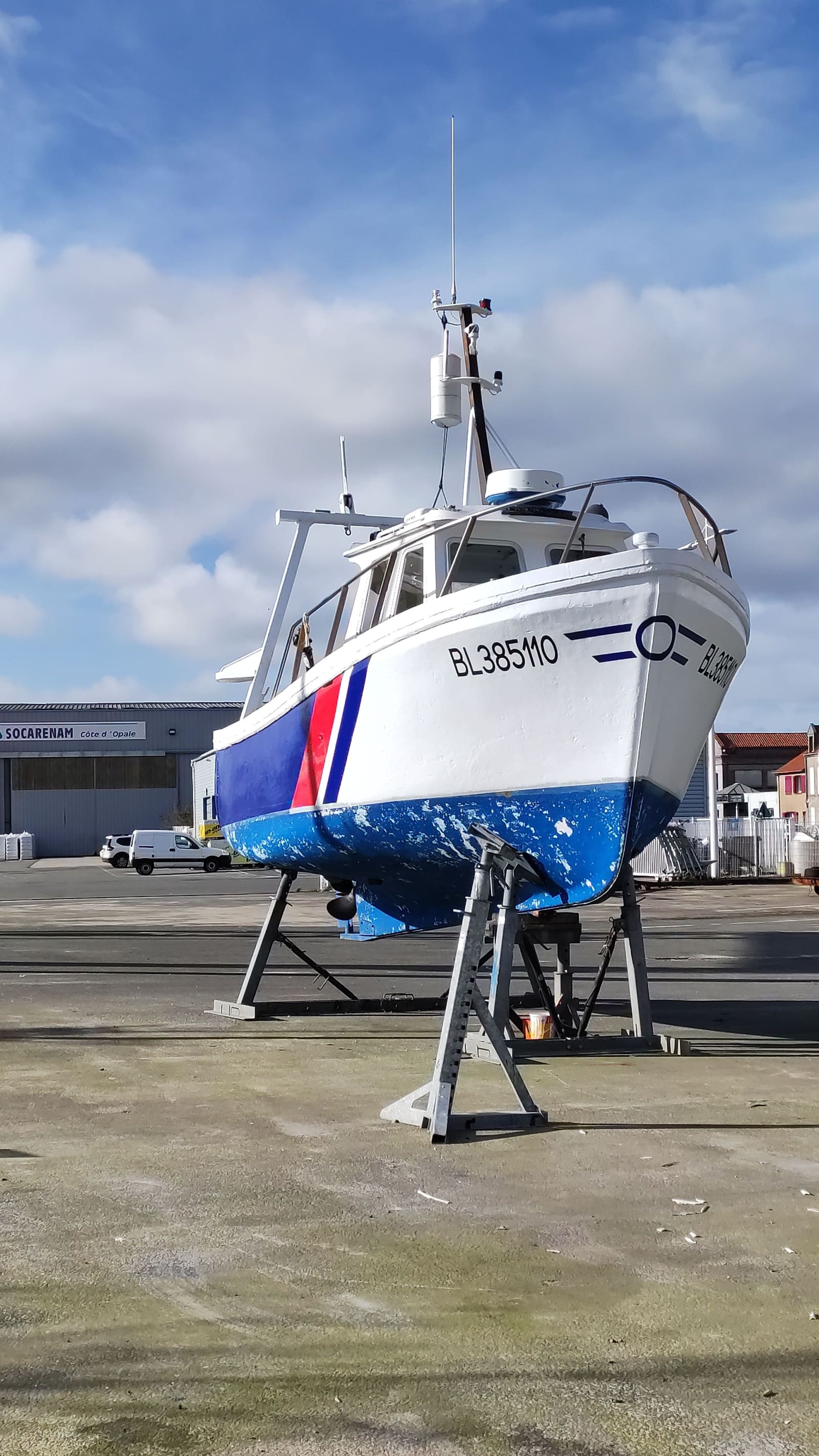
- Boat stands (jack stands) keep the boat upright and stable. They are not meant to carry the boat.
A custom cradle built for your exact model is the most reliable support of all, if your yard has room to store it.
Steps
Look in your owner's manual or ask the builder where the boat should be supported and whether it has any special keel requirements. BoatUS notes that some boats have specific keel-support rules and that at least one builder warns against putting weight on the keel at all. Mark heavy items (inboard engines, fuel tanks, generators) and the main bulkheads on a sketch for the yard. If the yard has never handled your model, give them this information in writing.
The best blocking in the world fails on bad ground. Check that the storage spot is firm, fairly level and drains well. Puddles, soft fill, sand, fresh gravel and clay that turns to mud in spring rain are all warning signs. BoatUS warns that stand bases can sink into mud, sand or even asphalt, and that clay that seems brick-hard can loosen after heavy spring rain. In storm areas, the spot should also be well above expected storm surge.
The weight should sit on wide, thick timbers under the keel; the wider, the better the load spreads. Cinder blocks should not be used: they crack and shift, especially when the ground softens. Brownell's training (as reported by Boating Magazine) calls for at least two sets of keel support per boat. On outboard and sterndrive boats, BoatUS recommends taking weight off the transom by lowering the drive or motor onto a block. Powerboats often need extra support under inboard engines, fuel tanks and other heavy machinery.
More is better, and more again in storm country:
- BoatUS (winter storage): at least three stands per side for boats longer than 26 feet, plus extra supports under long overhangs. One BoatUS photo shows a boat that fell when a rusted stand failed; with three stands per side instead of two, it probably would have stayed up.
- Brownell (powerboats): a minimum of four stands, with about one pair for every 8 to 10 feet of boat length as a good rule.
- Hurricane season (BoatUS): three or four per side for boats under 30 feet and five or six per side for larger boats.
These are typical guidelines; your yard, stand maker or surveyor may call for more.
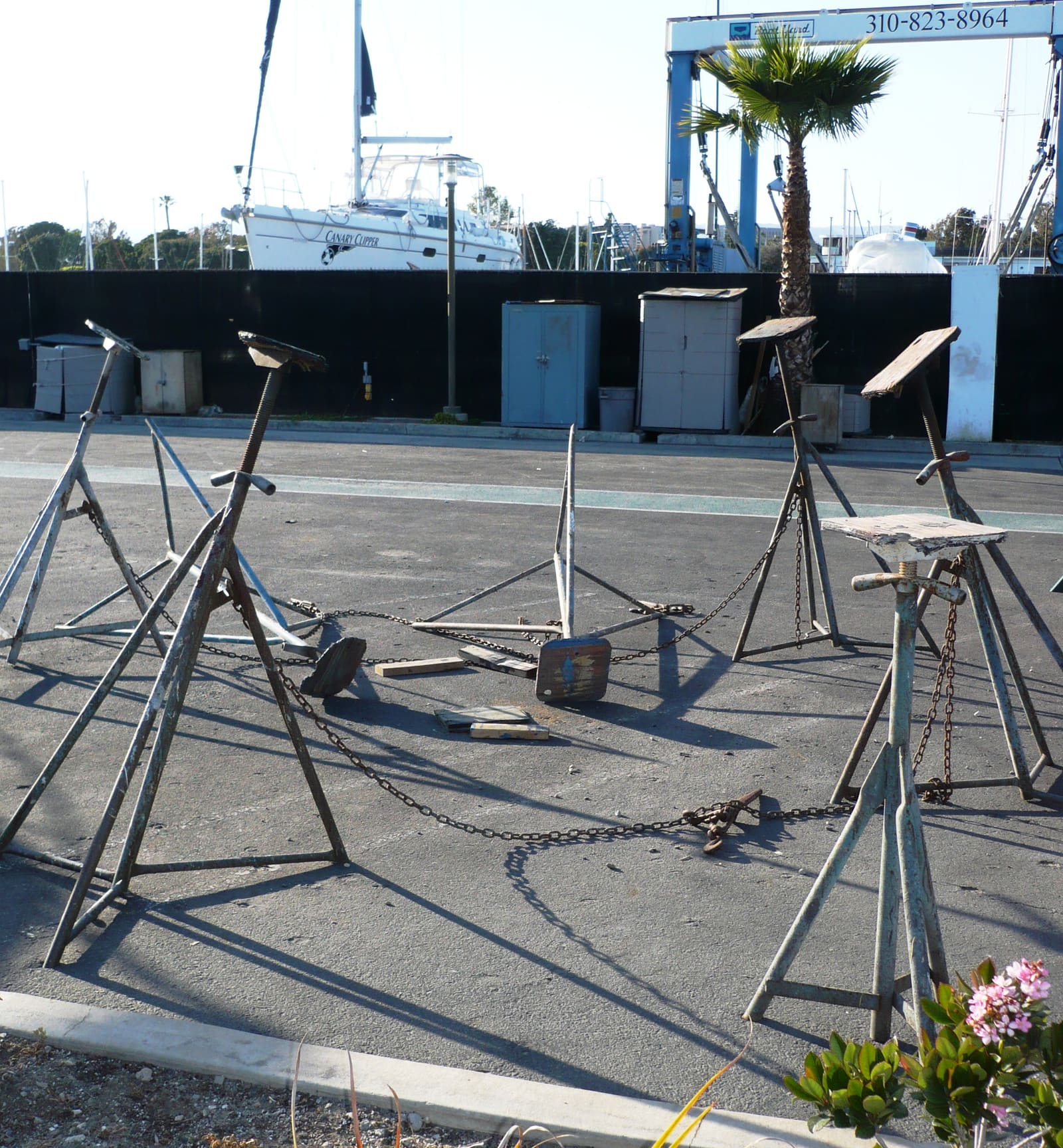
Photo: Polylerus / Wikimedia Commons · CC BY-SA 3.0 - Stands should sit under strong structure: the transom, bulkheads and other main structural members. A pad pressing on an unsupported panel can push the hull in.
- They should be spread as far out from the boat as practical, which resists tipping in high wind. BoatUS shows a boat that fell after its stands were bunched together near the middle of the hull.
- The pad should meet the hull squarely so the boat's weight pushes the stand straight down. A stand that meets the hull at an angle can be forced out as the load comes on.
- On deep-V hulls, Brownell notes that sailboat-style (angled) stands often fit the bow better than vertical motorboat stands.
- Sailboats: most of the weight belongs on the keel, and Brownell still considers stacked wood blocks the best support under a sailboat keel. It also recommends a stand with a V-top on the centerline toward the bow, so the boat cannot tip forward on its keel.
- Pontoons: never put a jack or stand under the motor pod, a transducer box or the thin middle of a tube. Owners who jack pontoons on the trailer usually lift under the cross-members with a wide board to spread the load, or right at the welded seams between tube sections. Ask the pontoon builder or a dealer for safe lift points before you try it.
Each stand base should rest on a plywood pad, even on pavement. A small scrap barely larger than the base does not count; the pad has to spread the load. In the BoatUS North Carolina case, a 43-foot boat fell over on a wet, windy night after one stand without plywood sank into the mud.
Stands facing each other across the boat should be chained together so they cannot slide outward. BoatUS says safety chains must be used even when the stands are aligned perfectly, and Brownell says chain must be used with sailboat stands, which have a built-in slot to hold it. In storm season, BoatUS says stands must be on plywood and chained to stop them from spreading. If you see stands without chains, ask the yard to add them.
Once the boat is blocked, stand off at each end and look along the hull and keel, or hold a straightedge against the hull near each pad. You are checking that no stand is pushing a dent into the hull. Also check that the deck is close to level so rain drains away; standing water causes stains, mildew and gelcoat crazing. Take photos of every stand from the same spots so you can compare later.
Do not tie a tarp, cover or frame to the stands or blocking. BoatUS claim files include several boats that fell after wind filled a cover tied to the stands and pulled them out one by one. Tie covers to the boat itself, support them so they cannot fill with snow or rain, and leave scuppers and drains open so water runs off the deck.
Boats settle. BoatUS recommends checking again about two weeks after blocking. Brownell's course says stands must be checked after freeze-thaw cycles, heavy rain, wind or snow and at seasonal changes. Look for:
- A gap between a pad and the hull, or a pad that has slid
- A base that has sunk, tilted or moved off its plywood
- Rust at welds or bent stand parts
- A cover that is sagging with water or snow
Report anything you find to the yard. Do not crank a stand up yourself.
If a named storm or hurricane is forecast:
- Ask the yard to add stands to the storm counts in Step 4, all on plywood and chained.
- Ask whether they can strap the boat down to anchors in the ground or to concrete. BoatUS reports good results at marinas that strapped boats to eyes set in concrete (polyester straps work better than stretchy nylon).
- Reduce windage: remove canvas, biminis and sails, and unstep the mast if the yard can do it in time.
- Remember that boats stored ashore generally fare much better than boats left in the water, even when rising water tips them off their stands.
- Tie your ladder to the boat at the top and set its feet on firm ground, never on a stand base or plywood pad.
- Do not pull or push on a stand to steady yourself.
- When you paint the bottom, the pads leave unpainted spots. Ask the yard to move pads one at a time, with an extra stand placed first, so the boat is never short of support.
- Before launch, let the yard remove the stands and blocking. Do not loosen any of them to "help".
Common mistakes
- Tying the winter cover or tarp to the stands.
- Stands placed close together near the middle of the hull, instead of spread out under strong structure.
- Stands sitting directly on dirt, gravel or asphalt with no plywood, or on a tiny scrap of wood.
- Missing safety chains, or chains that have been taken off and not put back.
- Cinder blocks used under the keel.
- An owner "just snugging up" one stand, or removing one to paint under it, without the yard.
- Never checking the boat again after it was blocked in the fall.
When to call a pro
- Any stand has moved, sunk, tilted or lost contact with the hull, or the boat looks like it is leaning (call the yard; keep everyone away)
- A stand is rusted at the welds, bent or missing parts
- The hull shows dents, cracks or a new hard spot at a pad
- You need the boat re-blocked, moved, or a stand moved for painting or repairs
- You want to store the boat on your own property on stands; have an experienced yard or rigger set it up, and consider a stand-safety course before you touch them yourself
- A storm is coming and you need extra stands, straps or the mast unstepped
Tips
- Give the yard a one-page sheet with your boat's weight, length, drive type and support points, and keep a copy in BoatMend.
- Ask what stands the yard uses and whether they carry a rated safe working load.
- Photos of the blocking taken in the fall make it easy to spot changes in spring.
- If you store on a trailer instead, note that BoatUS warns deep-draft sailboats are rarely secure on a trailer in strong beam winds; they need extra stands along the hull and the mast down.
Official references
We read these to write this guide. Your engine's own manual always wins.
- BoatUS – What To Look For In Winter Boat Storage
- BoatUS – Where To Keep Your Boat During A Hurricane
- Boating Magazine – Boat Stand Safety (Brownell boat stand course)
- Brownell Boat Stands – Safety training program and stand ratings
- Brownell Boat Stands – Sailboat Stands (chains, bow V-top stand, spacing)
- Brownell Boat Stands – Keel Support (keel stands, benches and wood blocking)
Safety: BoatMend is for information only and does not replace a certified marine technician. You are responsible for your safety and your boat. Read the full disclaimer.
Last updated 2026-10-24
Related guides
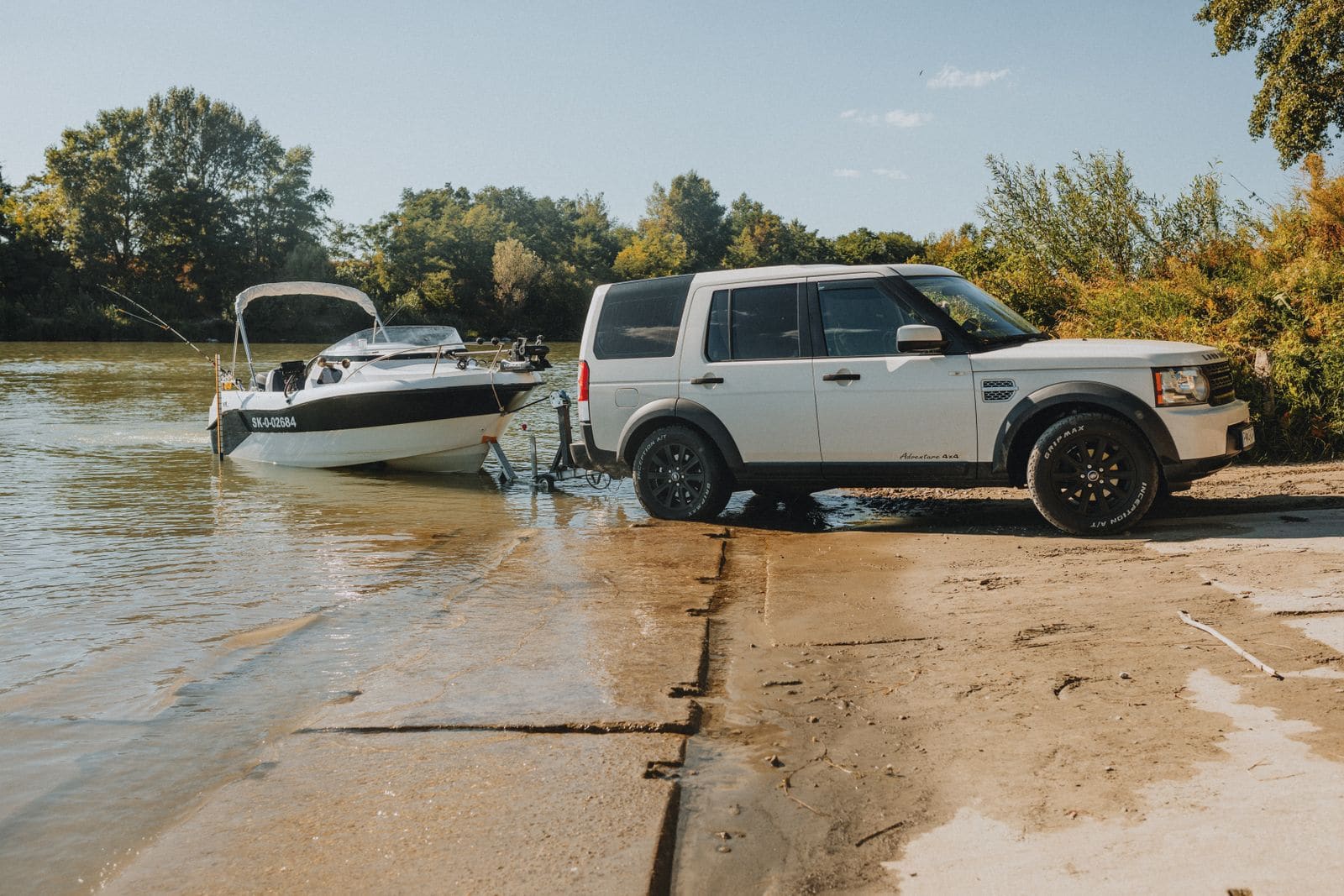
Launch Day and Haul-Out Checklist for Trailer Boats
A step-by-step checklist for getting your boat off the trailer and back on again safely and quickly, from the drain plug and tie-downs to the blower and ramp etiquette. Following it in order prevents the classic mistakes that sink boats and back up the ramp.
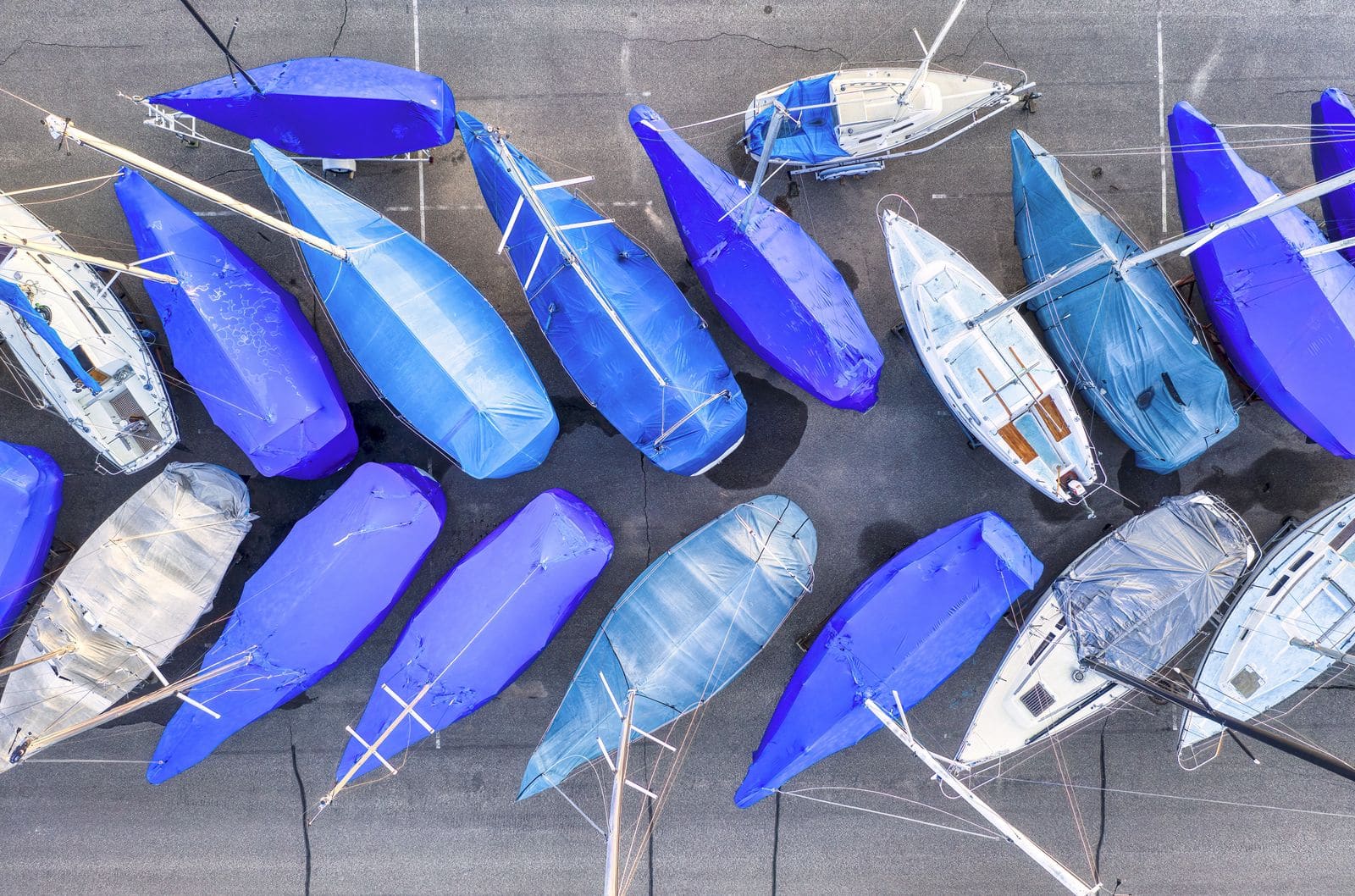
Winter Boat Cover vs Shrink Wrap: Support, Ventilation, Safety and Spring Removal
Choose between a reusable winter cover and shrink wrap, build a support frame that sheds snow, vent it so the boat doesn't mildew, and know the fire risks before you try DIY shrink wrap. Includes spring removal and recycling.

How to Prepare Your Boat for a Hurricane or Tropical Storm
Make a written storm plan before the season, then haul out or secure the boat with doubled lines and chafe gear, strip off everything that catches wind, and check it safely after the storm. Never ride out a hurricane aboard.
Stepping and Unstepping a Sailboat Mast: Trailer Sailers and Yard Cranes
How to raise and lower a sailboat mast safely, whether you step a trailer sailer's mast at the ramp or help the yard crane do it, including power-line checks, mast wiring, basic tuning afterward, and when to leave the job to the yard.
Bottom Paint (Antifouling): Do You Need It, Which Type, and How to Repaint
Learn whether your boat needs antifouling bottom paint, how ablative and hard paints differ, and how to prep and roll on a fresh coat safely, without poisoning yourself or the water and without ruining an aluminum hull.