Carbon Monoxide on Boats: Where It Comes From, CO Alarms and Warning Signs
Carbon monoxide can build up in cabins, under canvas and around the swim platform, and its first symptoms look like seasickness. Learn the danger zones, where to mount marine CO alarms, how to test and replace them, and exactly what to do if an alarm sounds or someone feels sick.
Time
45 min
Shop would charge
$100-400
Applies to
All engines
Safety first: Carbon monoxide (CO) is invisible, odorless and tasteless, and the Coast Guard warns that in high concentrations a few breaths can kill. If a CO alarm sounds or anyone has headache, dizziness, nausea or sleepiness: get everyone into fresh air immediately, shut off engines, the generator and any heater or stove, and ventilate. Call 911 or the Coast Guard on VHF Channel 16 for anyone with symptoms, even if they seem to recover. If someone is unconscious or not breathing, start CPR if trained and call for help at once. Never go back into a space with an alarm sounding to "check," and never disconnect a CO alarm because it is annoying.
Fuel smell, water coming in, CO alarm or smoke? Stop, get everyone in life jackets and call USCG on VHF 16 or 911. For a tow: Sea Tow or TowBoatUS.
Owners often ask
- Where should I mount a carbon monoxide detector on my boat, and how often do I replace it?
- My CO alarm keeps going off at the dock. Is it safe to just unplug it?
This guide walks you through it. Still stuck? Ask the AI Mechanic about your engine.
Tools
- Flashlight
- Screwdriver and drill (to mount alarms)
- Calendar or the BoatMend reminder for alarm replacement dates
Parts & supplies
- Marine CO alarm listed to UL 2034 and labeled for marine use, one for each enclosed cabin or sleeping area
- Replacement batteries if your alarm uses them
Before you start
Carbon monoxide is produced whenever a carbon fuel burns. The Coast Guard lists the sources on boats: engines, gasoline generators, cooking ranges, and space and water heaters. BoatUS adds grills and any open-flame appliance, and points out that your neighbor's boat can poison you too.
CO blocks the oxygen your blood carries. The Coast Guard notes early symptoms (irritated eyes, headache, nausea, weakness, dizziness) are often mistaken for seasickness or drinking, so people do not get help in time. Children, older people, smokers, people who have been drinking and those with heart or lung problems are more vulnerable, and physical activity speeds up how fast CO is absorbed.
The good news from BoatUS: reported boating CO deaths have dropped sharply thanks to cleaner engines, catalytic converters on many newer gas inboards and sterndrives, better boat designs and CO alarms. In BoatUS insurance claims for CO deaths and near-deaths in cabins, the one thing they all had in common was no working CO detector. Every boat with an enclosed cabin needs one.
Steps
The Coast Guard says CO can build up anywhere in or around a boat, including:
- Under canvas enclosures, camper tops and bimini curtains with poor airflow
- In enclosed spaces where exhaust is trapped
- Near blocked exhaust outlets
- From another boat's exhaust next to you at a dock, raft-up or anchorage
- Through the "station wagon effect" (back drafting): when the boat moves slowly, idles or sits stopped, exhaust can be pulled back into the cockpit and cabin. BoatUS reports this with cockpit-to-cabin doors open, and under a sailboat's dodger when motoring downwind.
CO can stay at dangerous levels even after the engine is turned off.
The swim platform and the space just behind the transom can have extreme CO levels.
- Never sit on, ride on or hang off the swim platform or back deck while engines or the generator are running.
- Never "teak surf" (being towed or body-surfing on the boat's wake right behind the transom). The Coast Guard says it is never safe.
- Do not swim or let kids play near exhaust outlets, and never go under a swim platform where exhaust exits unless the area has been aired out.
BoatUS recommends staying at least 20 feet from boats running an engine or generator, especially if the wind is blowing their exhaust toward you. At a raft-up, agree that nobody runs a generator, or put that boat on the downwind end.
BoatUS recommends a working CO alarm tested to UL 2034 and approved for marine use; household alarms are tested to a different standard and may not hold up in a marine environment. ABYC (as cited by BoatUS) recommends a CO alarm in every enclosed accommodation space, especially any cabin below the waterline.
Hard-wired marine alarms that run off the boat's 12-volt system avoid dead batteries; some can also shut down the generator when they sense CO, or show alerts on your chartplotter. BoatUS points out that an alert on the helm display helps when the alarm itself cannot be heard over the engines. If yours is hard-wired, remember it only works while it has power: know whether it stays on when you turn the battery switch off for the night.
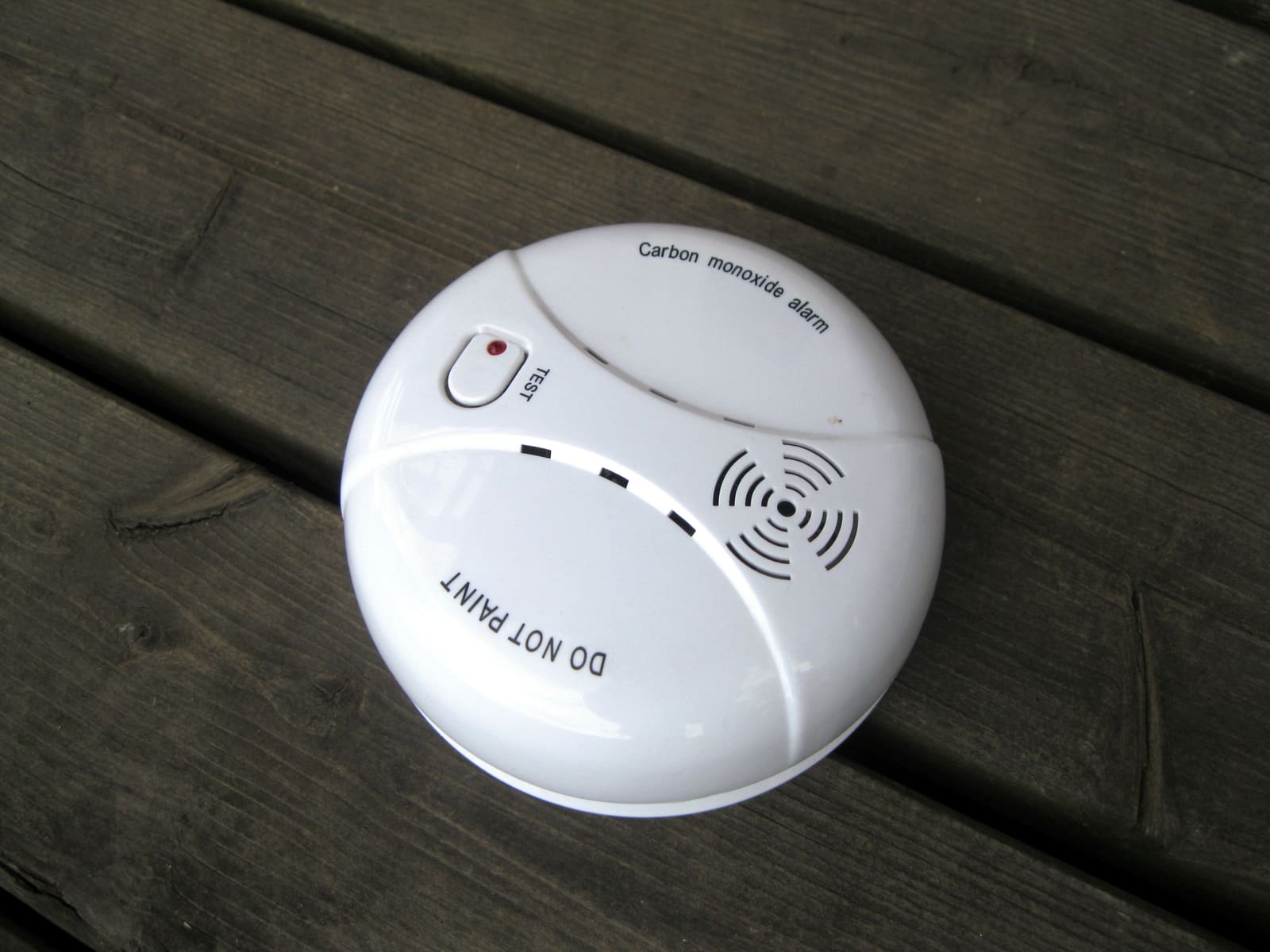
Every CO alarm has a test button. Press it before each trip. For boats, buy a model listed and labeled for marine use. Photo: Santeri Viinamäki / Wikimedia Commons · CC BY-SA 4.0 Follow the alarm maker's instructions. General guidance from BoatUS and ABYC:
- In or near sleeping areas, where you will hear it at night
- Away from hatches, ports, vents and fans, where fresh air would dilute the sample and delay the alarm
- Not in dead-air corners where air does not circulate
- Protected from rain, spray and direct sunlight
- Not right next to a stove or heater; your alarm's manual gives a minimum distance
The Coast Guard's per-trip checklist includes pressing the test button on every CO alarm. If an alarm does not sound, replace its battery (if it has one) or the alarm before anyone sleeps aboard. A "chirp" from somewhere you cannot find often means a weak battery in a CO alarm, BoatUS notes.
CO sensors wear out. Fireboy-Xintex says its marine CO detectors enter an end-of-life warning at about 4 years and 11 months (a beep every 30 seconds and a red light), and at five years the alarm can no longer be silenced and the unit must be replaced. Other brands have their own lifespan printed on the label. Write the install date on each alarm and set a reminder in your boat profile.
From the Coast Guard's checklists:
- Each trip: know where every exhaust outlet is, confirm cooling water comes out of the exhaust when engines and the generator start, and listen for any change in exhaust sound. BoatUS adds: make sure vents, heater and stove flues and exhaust outlets are not blocked by debris, seaweed or algae, and remember a dock line, fender or swim platform gear can also block an outlet.
- Monthly: make sure exhaust clamps are tight, and look for rust or black streaks, water leaks, or corroded or cracked fittings. Inspect rubber exhaust hoses for burned, cracked or stiff sections.
- Yearly, by a qualified technician: replace damaged exhaust hoses, tune engines and generators, inspect water pump impellers and housings, check metal exhaust parts (manifolds, risers/elbows and the nipple between them) for cracks, rust or leaks, and service the generator's anti-siphon valve if it has one.
If you ever smell exhaust inside the boat, CO is present: act on it.
The Coast Guard says to run the exhaust blowers whenever the generator is operating. BoatUS advises not running the generator while you sleep, even for air conditioning, unless you have a CO alarm system designed to shut the generator off when it detects CO. Never run a portable gas generator on board or on the swim platform.
Treat any of these as possible CO poisoning, especially if several people feel ill at once or symptoms ease in fresh air:
- Headache, dizziness, weakness, sleepiness
- Nausea or vomiting
- Irritated eyes
- Confusion, or acting "drunk" without drinking
The Coast Guard's advice: treat seasickness symptoms as possible CO poisoning, get the person into fresh air right away and seek medical attention unless you are sure it is not CO.
Based on the Coast Guard's emergency guidance:
- Move everyone to fresh air on deck, upwind of exhausts.
- Shut off engines, generator and any flame appliances if you can do it safely.
- Open hatches, ports and windows to ventilate.
- Call 911, or the Coast Guard on VHF 16 if you are on the water. Give oxygen if you have it.
- If someone is not breathing, start rescue breathing or CPR if trained, and continue until help arrives.
- Do not run the boat again until the source is found and fixed by a technician.
Before you leave the dock, tell guests about CO: where exhausts are, no riding on the swim platform, and that feeling "seasick" should be reported. The Coast Guard recommends a free Vessel Safety Check from the Coast Guard Auxiliary or a partner organization; examiners look at safety equipment and can point out risks.
Common mistakes
- Using a household CO alarm, or having no alarm at all.
- Disconnecting an alarm after "false" alarms instead of finding the source.
- Mounting the alarm next to an open hatch or a vent fan.
- Ignoring an end-of-life beep, or keeping an alarm past its replacement date.
- Running the generator overnight to keep the air conditioning on.
- Idling or running slowly for a long time with the canvas enclosure up and the cabin door open.
- Rafting up or docking right next to a boat running its generator.
- Letting kids ride on the swim platform or teak surf.
- Writing off headache and nausea as seasickness.
- Putting off exhaust hose, clamp and riser inspections.
When to call a pro
- Any CO alarm activation with no obvious outside source (like a neighbor's generator): do not use the boat until a marine technician finds the cause
- Exhaust smell inside the boat, black soot streaks, leaking or cracked exhaust parts, or a change in exhaust sound
- Overdue or worn exhaust risers, elbows or hoses (see the exhaust manifold and riser guide)
- Installing hard-wired CO alarms, a generator shut-down system or networked alarms
- Generator exhaust that seems to reach the cockpit or cabin when it runs
Tips
- Put a reminder in your BoatMend boat profile for each CO alarm's replacement date and a monthly exhaust check.
- Keep the alarm manual aboard so you can tell a low-battery chirp from an end-of-life signal and a real alarm.
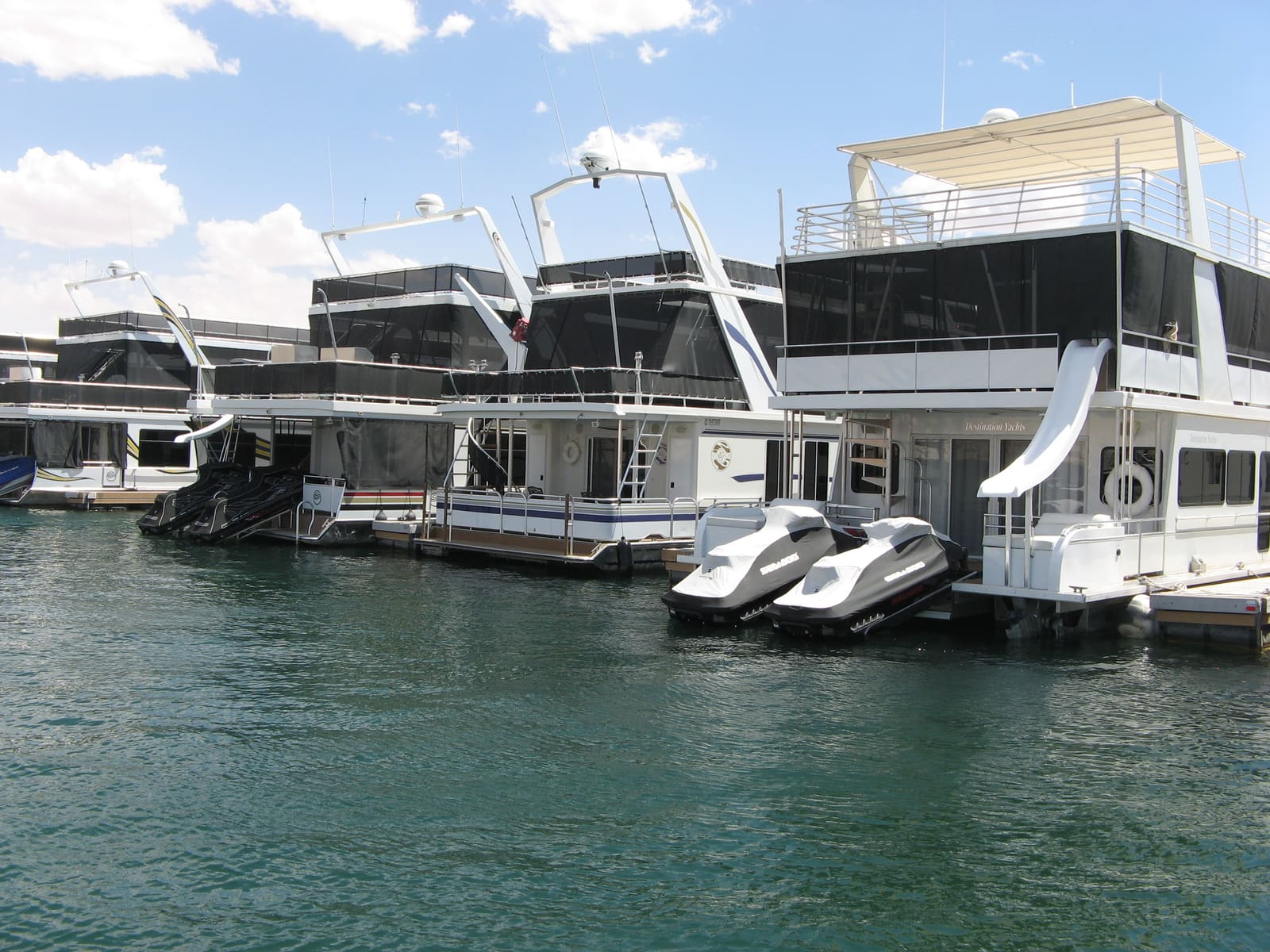
- On a houseboat or cruiser, walk around the boat with the generator running and note where exhaust collects in different wind directions.
- A pocket CO alarm is a cheap extra for small cuddy cabins and canvas-enclosed cockpits.
Official references
We read these to write this guide. Your engine's own manual always wins.
- U.S. Coast Guard Boating Safety – Carbon Monoxide
- U.S. Coast Guard Boating Safety – The Dangers of Carbon Monoxide
- U.S. Coast Guard Boating Safety – Where CO May Accumulate
- U.S. Coast Guard Boating Safety – How to Protect Others and Yourself
- U.S. Coast Guard Boating Safety – CO Checklists and Maintenance Tips
- BoatUS – What You Can't See Can Hurt You
- Fireboy-Xintex – CO Detectors End of Life
Safety: BoatMend is for information only and does not replace a certified marine technician. You are responsible for your safety and your boat. Read the full disclaimer.
Last updated 2026-10-23
Related guides
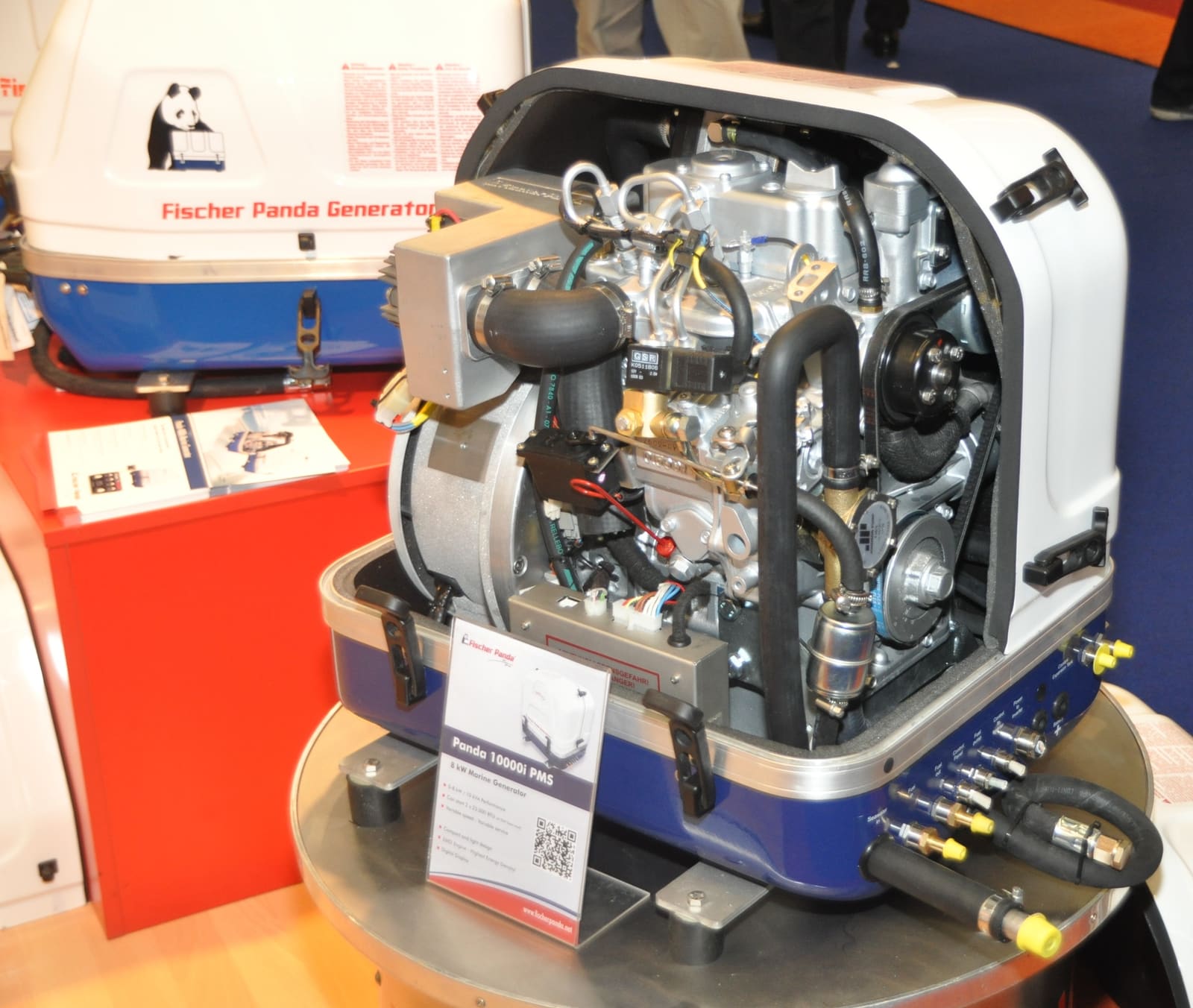
Marine Generator Routine Maintenance and CO Safety
Keep an Onan, Kohler/Rehlko, Northern Lights, Westerbeke or similar marine generator reliable with regular checks of oil, raw-water cooling, fuel, exhaust and the start battery, plus a monthly run under load. Generator exhaust is a leading source of carbon monoxide on boats, so safety checks come first.
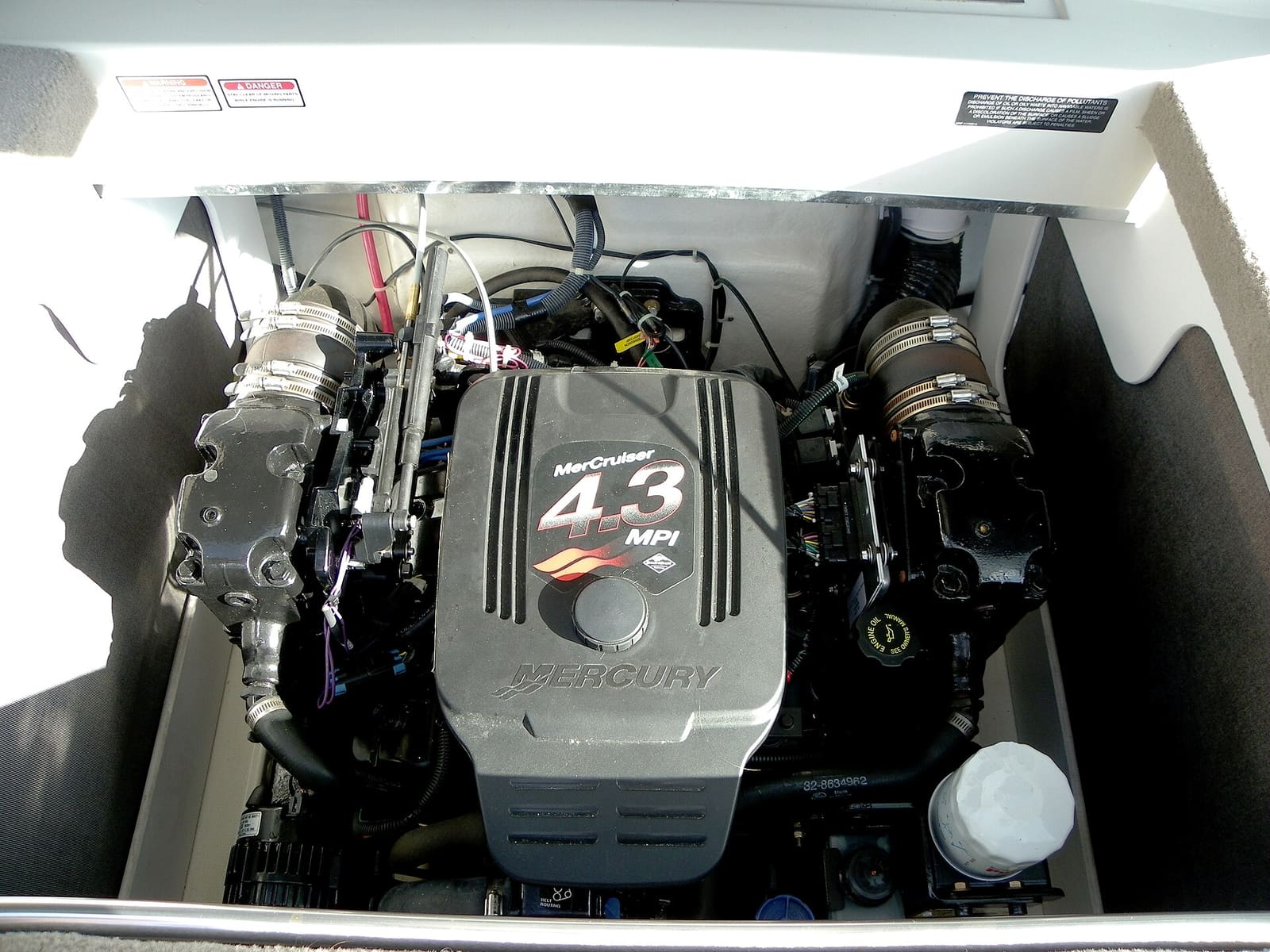
How to Inspect Exhaust Manifolds and Risers on a Sterndrive or Inboard
Cast-iron exhaust manifolds and risers rust from the inside, and when they fail they can let water into the cylinders and ruin the engine. Learn the warning signs, how often to inspect them in salt and fresh water, how to check a riser yourself, and when replacement is a job for a pro.
USCG Required Safety Equipment Check by Boat Length
Walk through your boat and confirm you carry every piece of safety gear the US Coast Guard requires for your boat's length and type, and that none of it is expired or worn out. Missing or expired gear is one of the most common tickets on the water, and it is the gear you need when things go wrong.
Launch Day and Haul-Out Checklist for Trailer Boats
A step-by-step checklist for getting your boat off the trailer and back on again safely and quickly, from the drain plug and tie-downs to the blower and ramp etiquette. Following it in order prevents the classic mistakes that sink boats and back up the ramp.
Engine Warning Horn and Dash Lights: What They Usually Mean and What to Do
Learn what a warning horn, beeps or a dash light usually mean on a boat engine, from overheating and low oil pressure to water in the fuel and reduced-power (limp) mode. Find out what to do right away and when to stop the engine. Patterns differ by brand, so match what you hear and see to your owner's manual.