Engine Cut-Off Switch (Kill Switch) and Lanyard: The Law, Testing and Daily Use
How the engine cut-off switch (ECOS) and its lanyard or wireless fob work, when federal law requires you to wear it (boats under 26 feet, 3 hp or more, on plane), how to test it before every trip, and why a spare clip aboard matters.
Time
10 min
Shop would charge
$50-250
Applies to
Outboard, Sterndrive (I/O), Gas inboard, Jet boat, Jet ski / PWC
Safety first: If the operator falls overboard or is thrown from the helm with the engine running, the boat keeps going, often turning in tight circles right back toward the person in the water. The cut-off switch only protects you if the lanyard or fob is attached to you. Never bypass, tape down or disable the switch. If someone goes overboard, stop, keep them in sight and approach going forward; the Coast Guard warns never to back down on a person in the water. Call the Coast Guard on VHF 16 or 911 if you lose sight of them.
Owners often ask
- Do I legally have to wear the kill switch lanyard on my boat?
- My boat won't start or crank all of a sudden. Could it be the kill switch clip?
This guide walks you through it. Still stuck? Ask the AI Mechanic about your engine.
Tools
- None for testing; basic hand tools only if replacing a switch
Parts & supplies
- Spare lanyard/clip that matches your switch (same brand and key style)
- Replacement fob battery, if you use a wireless cut-off system
Before you start
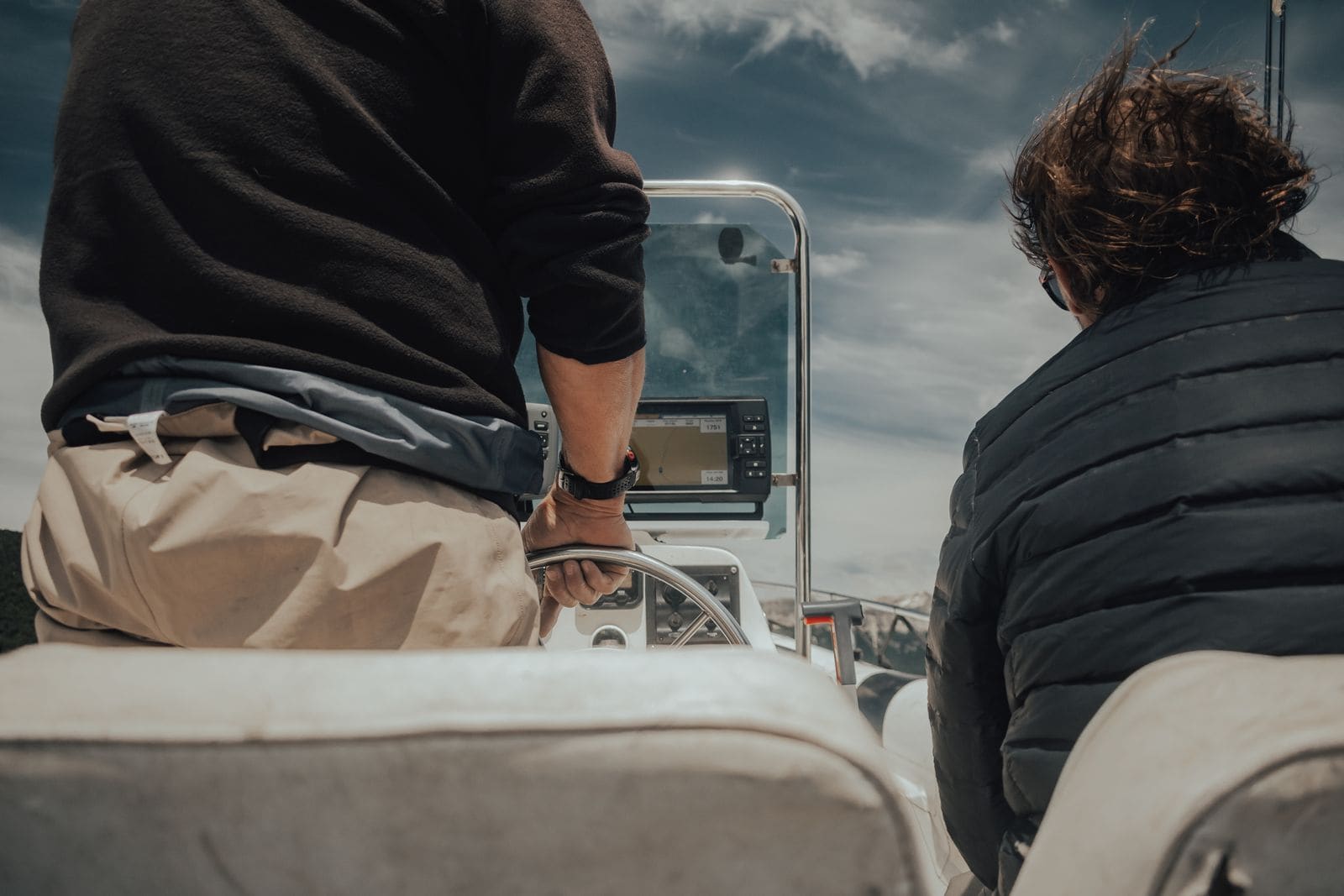
The engine cut-off switch (ECOS, also called a kill switch) is the red or yellow switch on the dash, the side of the console or the tiller of an outboard. A coiled lanyard clips from the switch to the operator. Pull the clip off the switch and the engine stops. Wireless versions use a small fob worn by the operator that shuts the engine down when it goes into the water or too far from the helm.
Why it matters: The Coast Guard points out that a three-blade propeller turning at 3,200 rpm can strike 160 times in one second. A runaway boat also endangers swimmers, other boats and the people trying to stop it.
What the federal law says (in force since April 1, 2021):
- It covers recreational boats under 26 feet whose engine makes at least 115 pounds of static thrust, which the Coast Guard says is about 3 horsepower.
- On those boats, the operator must use the cut-off link when on plane or above displacement speed.
- You don't have to wear it at idle, while docking, trolling or in no-wake zones.
- It does not apply if the main helm is inside an enclosed cabin.
- The link must be attached to the operator, the operator's clothing or their life jacket.
- Boats built from January 2020 must come with a cut-off switch, and owners must keep it working for the life of the boat.
- If your boat has a working switch, you must use it, even on an older boat or one where you added a wireless system yourself.
Boats 26 feet and longer are not covered, and older boats with a missing or broken switch are not required to repair it, but the Coast Guard recommends fixing it and wearing it anyway. BoatUS reported a possible $100 civil penalty for a first offense, and some states have their own cut-off rules.
Personal watercraft: many states have their own PWC lanyard rules that apply at any speed, not just on plane. In the national park areas that allow PWCs, federal park rules require the rider to attach the maker's lanyard to their body, clothing or life jacket, and everyone aboard must wear a life jacket. Check your state's boating rules before you ride.
Steps
Look at the helm (or the tiller handle and front of a tiller outboard). Note which type you have:
- Clip style: a horseshoe clip or key slides over or into the switch.
- Lanyard key: a plastic key that plugs into the switch.
- Wireless: a small fob on a wrist strap or clip, paired with a receiver at the helm.
- Personal watercraft: a lanyard key on the handlebar area; some brands use a coded key.
Write the brand and style in your BoatMend boat profile; you need it to buy the right spare.
If you're not sure when your boat was built, the Coast Guard's FAQ explains how to use the hull identification number (HIN) on the starboard side of the transom. In short: the last two characters are the model year. Model year 21 or later must have a switch; model year 19 or earlier is not required to; model year 20 depends on the certification date shown in characters 9 and 10. Either way, if a switch is fitted, use it.
Before each trip, look over the link:
- Coiled cord not cut, cracked, sun-rotted or stretched out.
- The snap hook or clip on the operator end opens and closes firmly.
- The switch-end clip or key is not cracked, bent or worn loose.
- The switch boot or button cover is not torn.
Replace a worn lanyard right away. They are inexpensive, and a stretched coil can let you move too far before it pulls free.
At the dock or on the trailer with water supply (muffs or a test tank, never run an outboard dry), start the engine at idle, in neutral. Then pull the lanyard clip off the switch. The engine should stop immediately. BoatUS recommends confirming the switch works at the start of each season, and outboard makers commonly call for this test before each use; check your owner's manual. If the engine keeps running, do not use the boat until the switch is repaired.
Reinstall the clip and restart. This confirms the switch resets properly and that you know how to restart quickly. On most boats, the engine will crank but not start, or won't crank at all, without the clip in place. A switch that lets the engine start with the clip removed may have been bypassed or have failed.
Wireless cut-offs need their own routine. Follow the maker's test procedure, which usually means confirming the fob is paired and that the engine stops when the fob is out of range or in the water. BoatUS reminds owners to refresh the batteries in fobs and wrist-worn devices at the start of the season. Some systems can register more than one fob, so passengers can be monitored too.
Clip the lanyard to something that stays on you: a life jacket D-ring or strap, a belt loop or a wrist strap. Clipping it to the steering wheel, the seat or a cup holder defeats the purpose. Attach it before you shift into gear, and leave it on until you're back to idle. If you hand the helm to someone else, hand them the lanyard too.
If the operator goes overboard wearing the lanyard, the engine stops, and the people still aboard need a clip to restart and go back. BoatUS's preseason checklist lists a spare engine cut-off lanyard among the safety items to have aboard.
- Buy a spare that matches your switch exactly. In BoatUS Foundation testing, one brand's key didn't fit any key in two "universal" key sets.
- Keep it somewhere every passenger can find without searching, and show them how to clip it in and start the engine.
- Store a second spare in your tackle box or ditch bag.
A clip that is missing, not fully seated or knocked slightly loose is a common reason a boat suddenly won't start or crank. Boating Magazine notes a key can look engaged but have slipped just enough to trigger the switch. BoatUS's outboard no-start checklist puts the cut-off cap right after the battery switch and neutral, and points out that on some setups the engine won't even crank without it. Before anything else, reseat the clip firmly, then work through the engine-won't-start guide.
The switch itself can also fail the other way: owners regularly find that a worn or corroded cut-off switch keeps the engine from starting even with the clip seated. If the engine is dead on an otherwise good battery and the clip is on, have the switch tested (step 10) rather than bypassing it.
If the engine doesn't stop when you pull the lanyard, or it cuts out over bumps with the clip in place, the switch or its wiring needs attention. Boating Magazine notes that aftermarket switches can be fitted to almost any engine and that the job is usually simple on modern ignitions, but wiring differs by engine and age (older engines with points ignition are more involved). Follow the kit's wiring diagram for your exact engine, or have a marine technician do it, then repeat the test in step 4.
A switch that works backward (the engine runs only with the clip off) was usually assembled or wired wrong, often after a replacement. Don't use the boat that way; have it corrected so it stops the engine when the clip comes off.
Common mistakes
- Clipping the lanyard to the wheel, throttle or seat "so it's handy," which means it won't pull free if you go over.
- Wearing it only on long runs and not on short hops across the bay.
- Taking it off while running on plane to move around the boat.
- No spare clip aboard, so passengers can't restart the engine after the operator falls in.
- Buying a "universal" spare that doesn't actually fit your switch.
- Forgetting the fob battery on a wireless system.
- Bypassing or taping a switch that causes nuisance shutdowns instead of fixing the cause.
- Spending an hour troubleshooting a no-start when the clip simply wasn't seated.
- "Testing" the switch by pulling the lanyard at planing speed. The boat stops hard, people get thrown forward and the following wave can wash over a low transom. Test at idle in neutral (step 4).
When to call a pro
- The engine keeps running when the lanyard is pulled or the fob is out of range
- The engine cuts out by itself with the clip in place (worn switch, loose wiring or a corroded connector)
- Installing a switch on a boat or engine that doesn't have one, or adding a wireless system
- Any wiring changes on electronic or computer-controlled engines
- Someone has gone overboard and you can't recover them: call the Coast Guard on VHF 16 or 911 immediately
Tips
- Make clipping in part of your starting routine: key, clip, check behind, then shift.
- A bright-colored lanyard is easier for passengers to spot and grab in an emergency.
- Brief new passengers in 30 seconds: "If I go in, the engine stops. The spare clip is here, the key is here, here's neutral."
- Life jackets with a D-ring make a natural attachment point and remind you to wear both.
- Pull the clip whenever you work on the propeller or drive, even with the key out. MasterCraft's propeller check starts with the engine off and the emergency stop switch disconnected; it's a cheap second layer of protection against someone bumping the key.
- On a personal watercraft, keep the lanyard on your wrist or life jacket; the same principle applies.
Official references
We read these to write this guide. Your engine's own manual always wins.
- USCG Boating Safety – Engine/Propulsion Cut-Off Devices
- USCG Boating Safety – Engine/Propulsion Cut-Off Devices FAQ
- BoatUS – New Law Requires Skippers To Use Engine Cutoff Device
- BoatUS – Time-Tested Spring Boat Launch Checklist
- BoatUS Foundation – Engine Cut-off Device Tests (Findings
- Boating Magazine – Adding an Engine Cutoff Switch to an Old Motor
- Boating Magazine – Most Common Boat Engine Problems and How to Fix Them
- eCFR – 36 CFR 3.9, Personal watercraft in National Park System waters
- BoatUS – What to Do if Your Outboard Won't Start
- MasterCraft – Knowledge Center, Propeller Maintenance
Safety: BoatMend is for information only and does not replace a certified marine technician. You are responsible for your safety and your boat. Read the full disclaimer.
Last updated 2026-10-24
Related guides
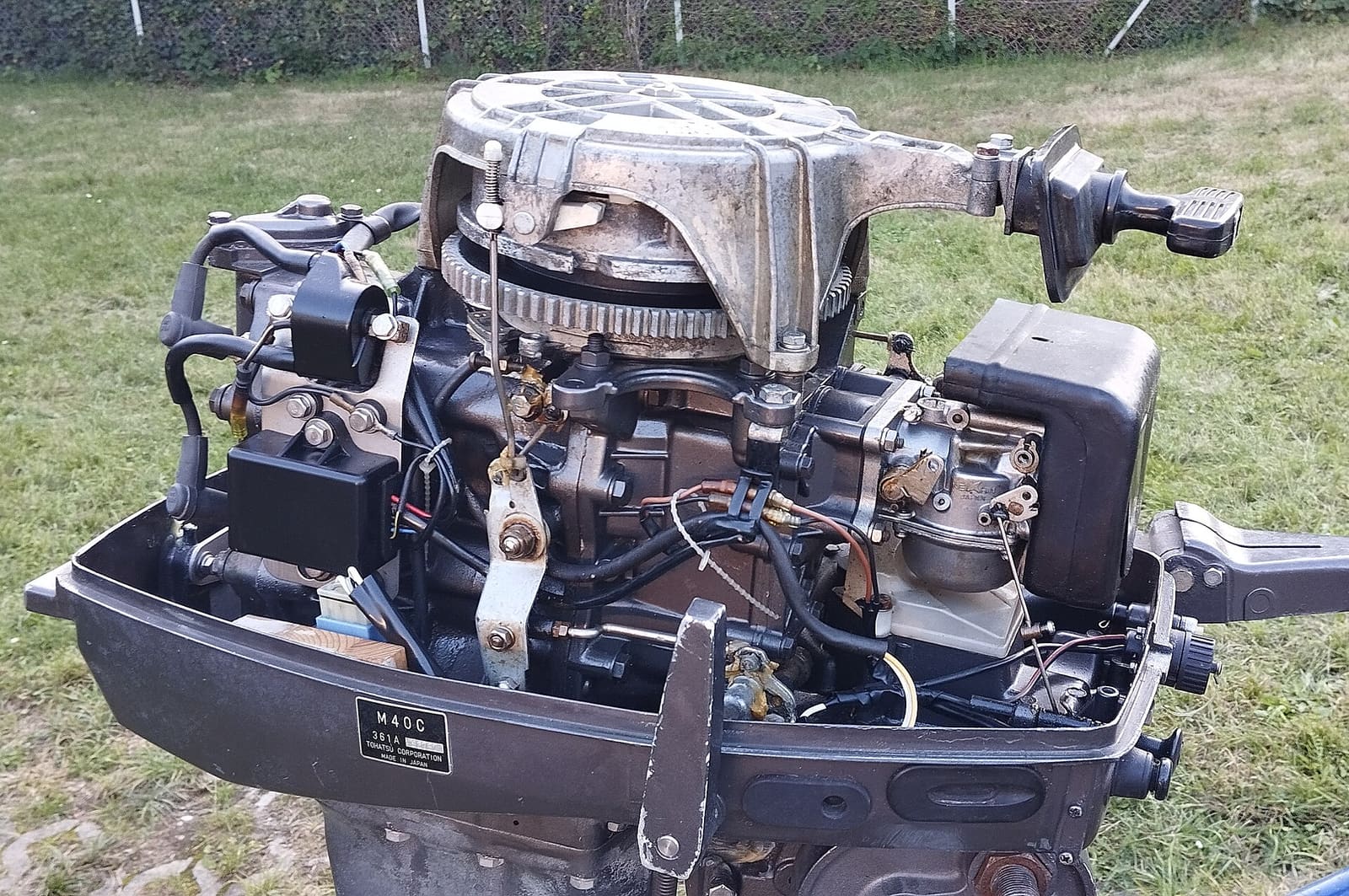
Engine Won't Start or Won't Crank - Troubleshooting Guide
Find out why your boat engine will not turn over or will not fire, starting with the simple things owners miss most, like the kill switch lanyard and battery switch. Many no-starts are fixed at the ramp in minutes without a tow.

USCG Required Safety Equipment Check by Boat Length
Walk through your boat and confirm you carry every piece of safety gear the US Coast Guard requires for your boat's length and type, and that none of it is expired or worn out. Missing or expired gear is one of the most common tickets on the water, and it is the gear you need when things go wrong.
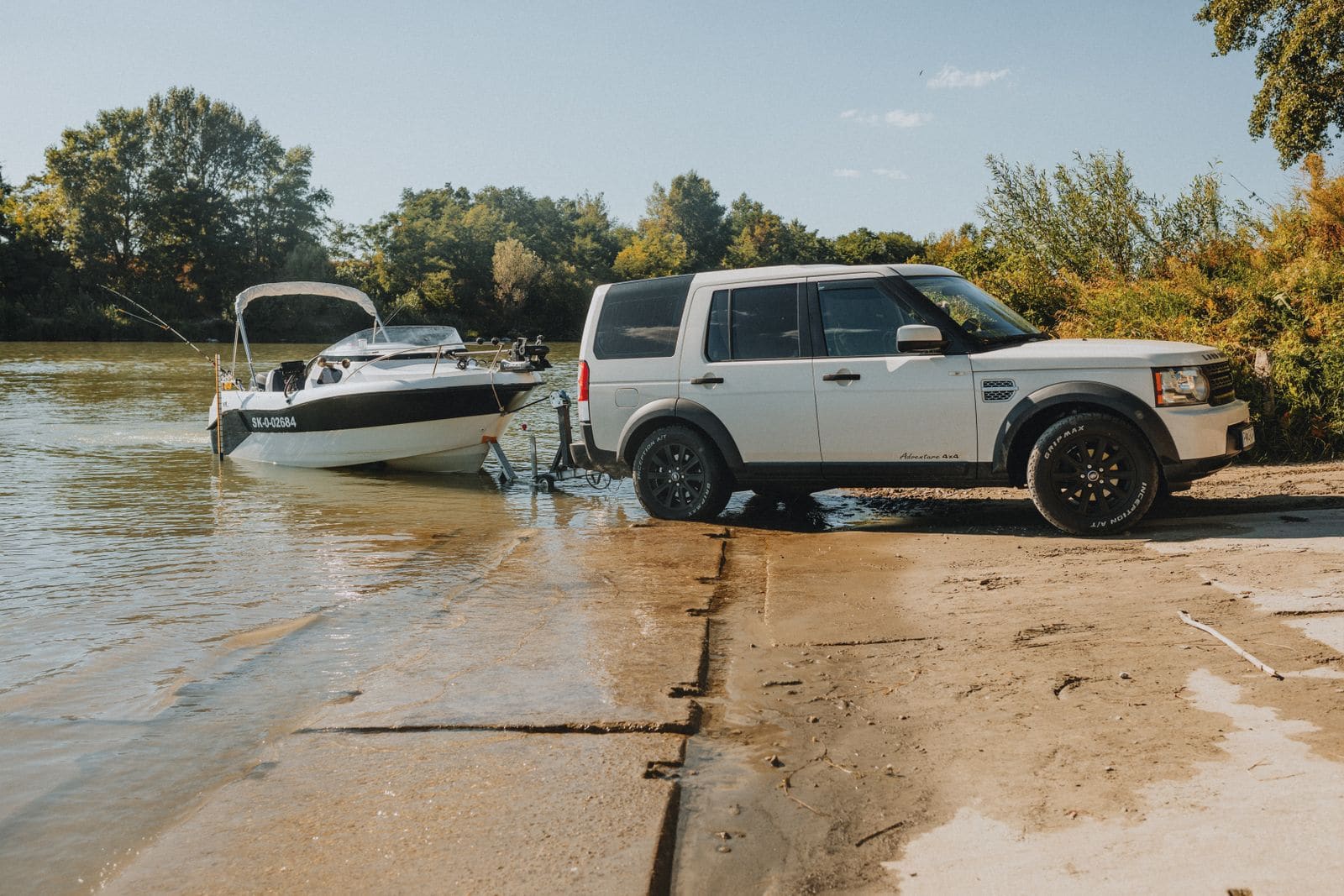
Launch Day and Haul-Out Checklist for Trailer Boats
A step-by-step checklist for getting your boat off the trailer and back on again safely and quickly, from the drain plug and tie-downs to the blower and ramp etiquette. Following it in order prevents the classic mistakes that sink boats and back up the ramp.
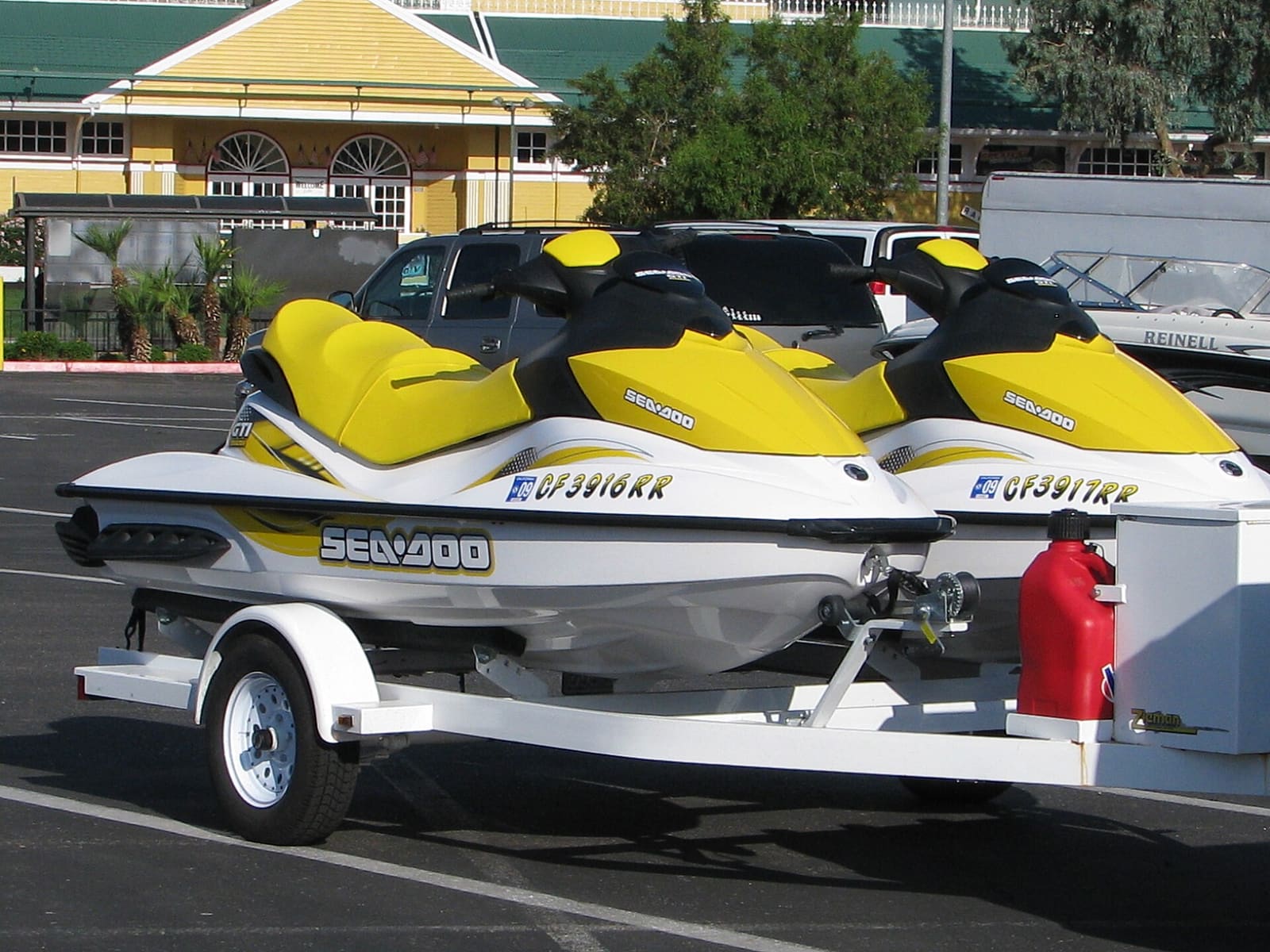
Jet Ski Won't Start or Won't Beep: A Step-by-Step Check
Most personal watercraft that refuse to start have a simple cause: the key or lanyard, a weak battery, a blown fuse, a security lock or a flooded engine. Work through these checks from the cheapest to the most involved and learn what each result means for Sea-Doo, Yamaha and Kawasaki models.
How to Refuel a Boat Safely (Gas Dock, Gas Station and Portable Tanks)
A step-by-step fueling routine that keeps gasoline vapor out of your bilge and fuel out of the water: shut everything down, close up, keep the nozzle in contact, stop short of full, ventilate, run the blower and sniff before you start. Includes portable tanks, personal watercraft and what to do about a spill.
Set Up Your VHF Radio: MMSI, DSC, GPS Hookup and Radio Checks
Get a free or low-cost MMSI number, program it into your DSC radio, connect your GPS so a distress alert sends your exact position, check the antenna, and learn the Channel 16 rules and the right way to do a radio check.