How to Inspect Sterndrive Bellows, Gimbal Bearing, U-Joints and Shift Cable
Learn to spot a cracked sterndrive bellows before it lets water into the boat, and to recognize the warning signs of a worn gimbal bearing, U-joints and shift cable. A failed bellows is one of the top reasons boats sink at the dock, and a 20-minute inspection can catch it.
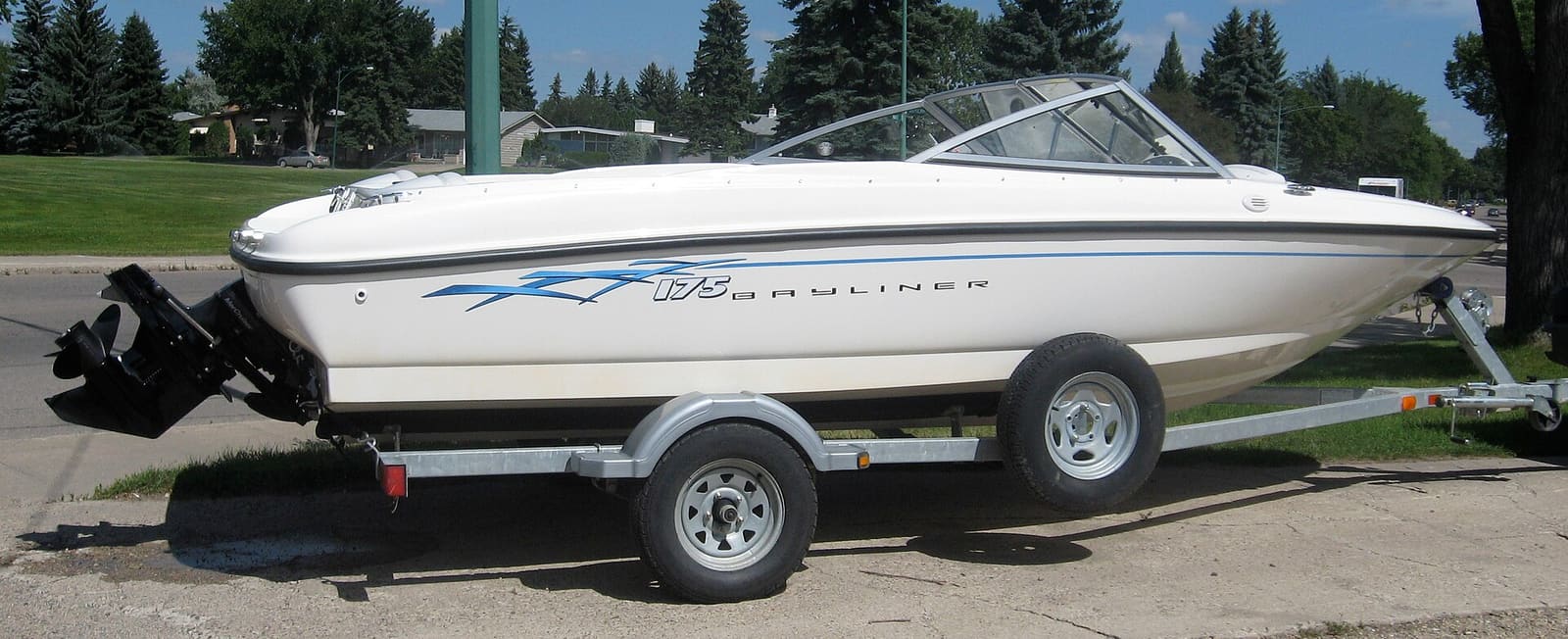
Time
45 min
Shop would charge
$400-1200
Applies to
Sterndrive (I/O) · Bowrider / runabout, Cabin cruiser, Fishing boat
Safety first: If you find water coming into the boat around the transom assembly, treat it as an emergency. Keep the bilge pump running, get the boat out of the water as soon as possible, and if water is coming in faster than the pump can handle, call the Coast Guard on VHF channel 16 or 911, or TowBoatUS/Sea Tow. Never work under a raised drive held only by the trim system.
Owners often ask
- How do I know if my sterndrive bellows need replacing?
This guide walks you through it. Still stuck? Ask the AI Mechanic about your engine.
Tools
- Bright flashlight and a small inspection mirror
- Phone camera (to photograph the bellows folds and compare later)
- Rags
- Screwdriver for checking clamp tightness (do not overtighten)
- Blocks or the trim support to hold the drive when raised
Parts & supplies
- None for inspection; bellows kit, gimbal bearing and U-joint parts for your exact drive model and serial number if replacement is needed
- Engine coupler spline grease and the U-joint grease your manual specifies (shop or advanced DIY)
Before you start
What the bellows do: a sterndrive passes through a large hole in the transom. Flexible rubber boots, called bellows, seal that opening while letting the drive steer and tilt. A typical drive has three:
- U-joint (drive shaft) bellows: the big one. It surrounds the drive shaft and U-joints and keeps the lake or sea out of the boat. If it splits, water can pour into the bilge. This is why bellows failures sink boats.
- Exhaust bellows: carries exhaust from the engine to the drive. When it fails, the boat gets louder and exhaust or water can go where it shouldn't. Discover Boating also lists overheating as a possible sign.
- Shift cable bellows: a small boot around the shift cable where it passes through the transom. A split one can also let water in.
Why it matters: BoatUS Marine Insurance claim files list water entering at the sterndrive bellows as one of the three usual reasons boats sink at the dock. Insurance typically will not pay for the worn bellows itself, since it is a wear item.
How often: BoatUS suggests inspecting the bellows every couple of months and replacing them every three to six years. In a later claims review it put it more simply: replace them at the first sign of wear, and at least every five years, as a set. A surveyor writing for BoatUS adds that most drive makers consider a five-year-old bellows to be living on borrowed time, and that Mercury and Volvo customer service will tell you the interval for your drive if the manual is missing. Many mechanics replace them every few years regardless of looks, and always after the drive has been off. Typical; confirm in your manual.
What you can and can't see: with the drive installed you can see part of the bellows with the drive trimmed up. A full inspection, plus checking the gimbal bearing, U-joints and engine coupler, requires removing the drive. Mercury recommends having a dealer pull the drive to grease the coupler splines and check the U-joints and gimbal bearing. This guide shows what you can check yourself and what the symptoms mean.
Steps
Before anything else, look and feel along the inside of the transom around the drive opening and in the bilge below it. Water collecting there with no other source, water tracks running down from the transom openings, or a bilge pump that cycles on and off more than usual can mean a bellows leak. Note the date and how much water you find so you can compare.
With the boat on the trailer or out of the water, trim the drive fully up so the bellows are visible behind the transom plate. Turn off the battery switch so nobody can trim it while you are behind it. Do not reach under or between the drive and the transom unless the drive is supported.
Use a flashlight and mirror. Look for:
- Cracks, especially deep in the folds (BoatUS says to look in the folds especially)
- Dry, chalky, faded or hard rubber
- Pinholes, cuts or chafe marks
- Areas that feel sticky or soft
Turn the drive left and right to open up the folds you can't see straight on. Photograph what you see so you can compare next time.
Scrape off any barnacles, mussels or other growth on or next to the bellows. A BoatUS surveyor warns that shells are razor sharp and can slice the rubber as the drive steers and tilts. On boats kept in the water, this is one more reason to haul or lift the drive and look regularly.
The bellows are held on with stainless band clamps at each end. Look for loose, broken or heavily corroded clamps and for gaps where the rubber meets the housing. Do not crank the clamps tighter to "fix" a leak; that can cut the rubber.
Look at the smaller shift cable boot and the exhaust bellows if you can see them. Same signs: cracks, splits, dry rubber, loose clamps. A failing exhaust bellows often makes the boat noticeably louder. BoatUS notes the shift bellows is the smallest and the most likely to crack in its folds, so give it extra attention.
If the drive is removed for service, look inside the U-joint bellows:
- Water inside: the bellows has a hole. Water also wears out the U-joints and gimbal bearing quickly.
- Gear oil inside: usually a leaking drive shaft seal, not a bellows problem. Have it checked.
- Rust on the U-joints or yoke: water has been getting in for a while.
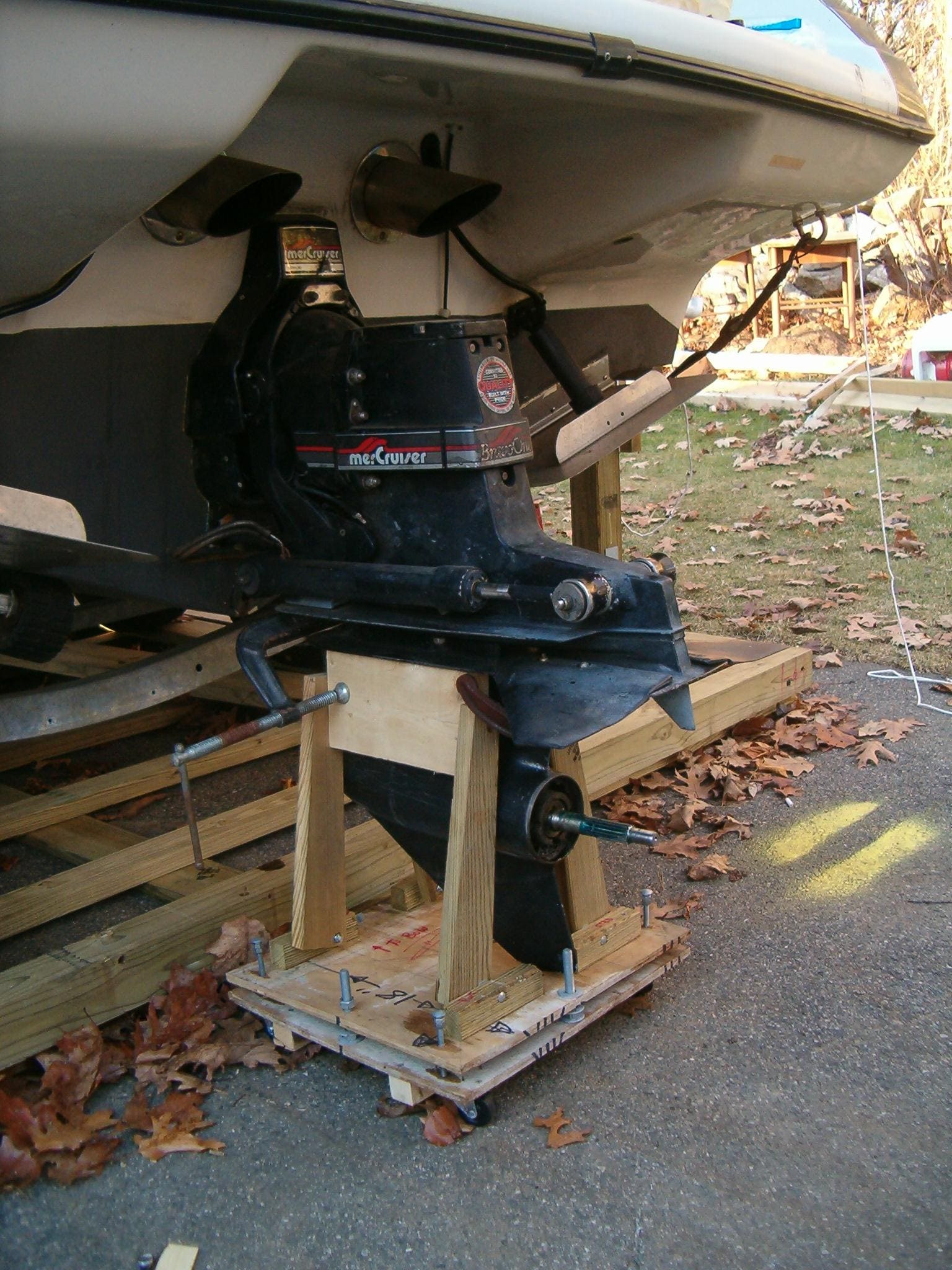
Drive work starts with the leg properly supported, here on a wooden dolly with the prop off. The gimbal housing and trim cylinders sit right behind the transom. Photo: Fabartus / Wikimedia Commons · CC BY-SA 3.0 The gimbal bearing supports the drive shaft where it passes through the transom. Signs it is wearing:
- A growl, grinding or rumble from the back of the boat that changes with engine speed, often louder in gear
- Noise when turning
- A rough or gritty feel when a mechanic spins it with the drive off
Worn U-joints often clunk when shifting or make a clicking or knocking sound while turning. These parts fail faster once water gets past the bellows, so noise plus an older bellows is a good reason to pull the drive.
Shift through forward, neutral and reverse at the dock with the engine running and the boat secured. Hard shifting, grinding, a shifter that won't return to neutral cleanly, or a shift that "clunks" harder than usual can point to a worn shift cable, a split shift cable bellows, or an out-of-adjustment linkage. Shift cable adjustment on many drives is precise; leave it to a pro.
Mercury advises storing a sterndrive in the down position when the boat is stored with the drive installed. Keeping it tilted up for long periods can permanently deform the bellows and cause them to fail. For a boat kept in the water, Mercury gives a second reason for down: it keeps the drive's anodes in the water, where they can protect it. A BoatUS surveyor adds a winter reason: rain and snowmelt can run into the exhaust outlet at the propeller hub of a drive left up, collect inside and freeze, which can crack the housing. If the drive must stay up, cover the prop and hub with a sturdy waterproof cover. Trailer it according to your manual's instructions.
Replace the bellows if you saw any cracks, dry rot or water inside, if they are older than your manual's interval, or if age is unknown. Most mechanics replace all bellows at the same time, along with the gimbal bearing if it is rough and any worn U-joints. It is a drive-off job with special tools for bellows installation and engine alignment. You may find videos showing the exhaust bellows changed with the drive still on (it is the only one that can be). Skip that shortcut: the U-joint and shift cable bellows are the same age, and a surveyor's rule is that when one of a set of underwater parts wears out, you check and replace them all.
Whenever the drive is off, have the engine coupler splines greased and the engine alignment checked. Mercury notes that engines can drift out of alignment with time, and that misalignment or a lack of coupler lubrication causes damage that the warranty does not cover.
Write the date, what you saw and your photos into your BoatMend log. Next inspection, compare. A crack that is growing is a clear signal.
Common mistakes
- Assuming the bellows are fine because the outside looks OK. Cracks start deep in the folds.
- Storing the boat all winter with the drive trimmed fully up, which can deform the bellows.
- Replacing only the obviously cracked bellows and leaving the other old ones in place.
- Ignoring a growling noise from the stern until the gimbal bearing or U-joints fail on the water.
- Using a car tire sealant, tape or household glue to patch a bellows. Bellows need the proper adhesive and clamps for your drive.
- Reinstalling a drive without checking engine alignment.
When to call a pro
- Any water inside the boat around the transom assembly or inside the bellows
- Cracks, splits or dry rot in any bellows
- Growling, grinding or knocking from the drive or transom
- Hard or rough shifting
- The drive needs to come off; this takes alignment tools, a hoist or helper, and model-specific steps
- You don't know when the bellows were last replaced
Tips
- If your boat lives in the water, a high-water bilge alarm is cheap insurance against a bellows failure. BoatUS recommends one.
- Ask for the old bellows back after a replacement. Cutting one open and seeing the cracks is a good lesson in why it was due.
- Some newer drives have sensors that warn you if water gets into the bellows. If yours has one, never ignore that warning.
- Combine bellows checks with your gear lube change and drive anode check so the drive gets looked at as a whole.
- While the drive is trimmed up, look at its paint too. Mercury says paint blistering on sharp edges below the waterline, with white powder on bare metal, is an early sign of galvanic corrosion of the aluminum drive. A stainless prop or other added stainless parts can speed it up.
- Many Bravo drives (and some Alphas) have a MerCathode system, a small electronic corrosion protector. Mercury says not to paint it or power-wash it and to have a dealer test it every year. If you keep the boat on shore power, a galvanic isolator helps protect the drive from stray current.
- Mercury's Sterndrive and Inboard Care page has short official videos for MerCruiser drain systems, gear lube and flushing, model by model.
Official references
We read these to write this guide. Your engine's own manual always wins.
- BoatUS – Three Alarms That Can Save Your Boat
- Mercury Marine – How to Bring an Old Boat Out of Retirement
- Mercury Marine – Service and Support FAQs (MerCruiser maintenance and storage)
- Discover Boating – What Are Bellows on a Boat and Why Are They Important?
- Mercury Marine – Sterndrive and Inboard Care
- Mercury Marine – Owners Resources FAQs (sterndrive corrosion, MerCathode, storage position)
- BoatUS – The Care and Feeding of Sterndrives
- BoatUS – 5 Spring Claims to Avoid
Safety: BoatMend is for information only and does not replace a certified marine technician. You are responsible for your safety and your boat. Read the full disclaimer.
Last updated 2026-10-24
Related guides
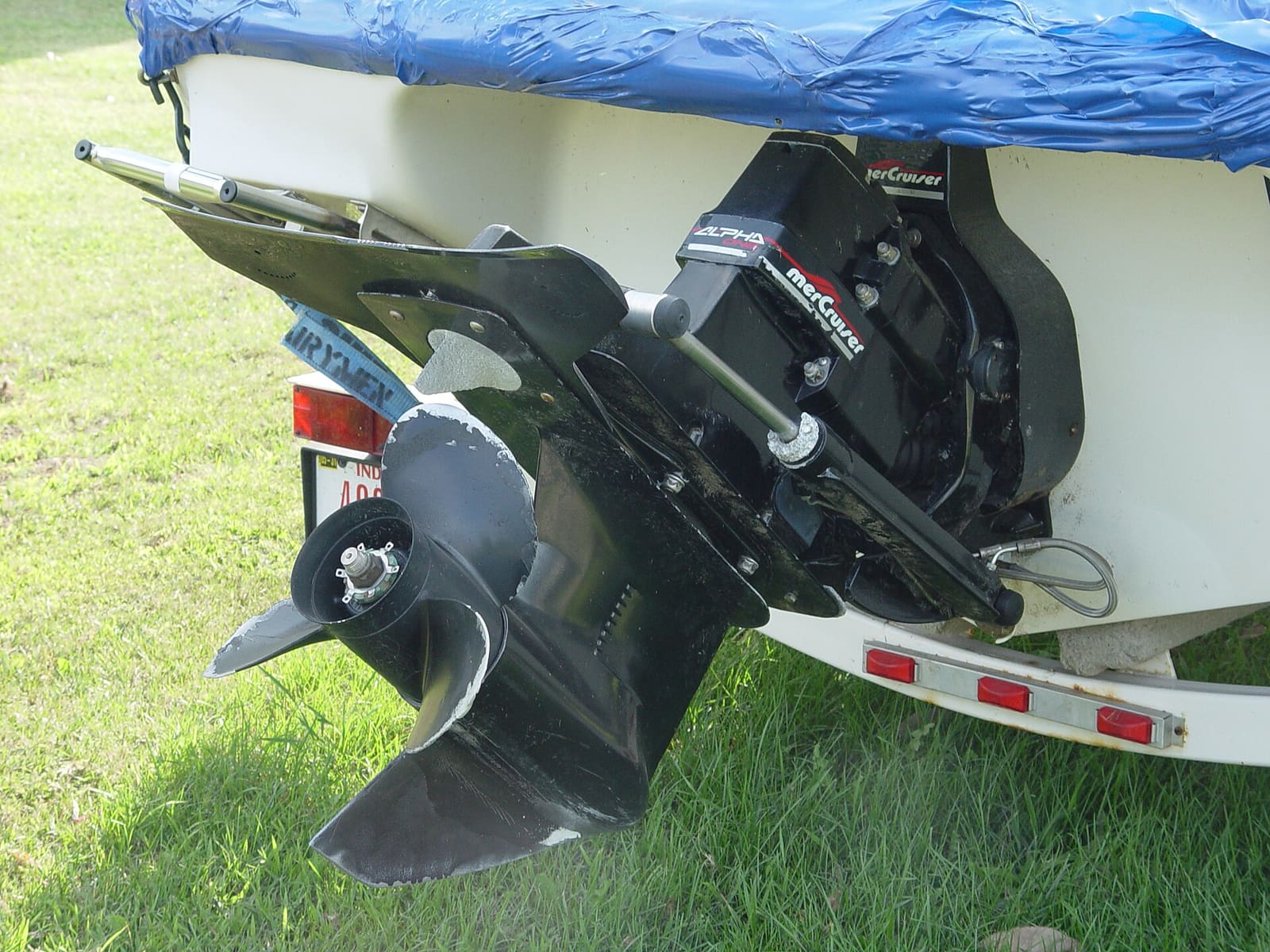
How to Winterize a Sterndrive (MerCruiser, Volvo Penta and Similar)
Get the water out of your sterndrive engine, protect it with antifreeze, and service the drive before storage. A cracked block or manifold from one missed drain plug can cost thousands, and doing it yourself saves a shop bill of several hundred dollars.
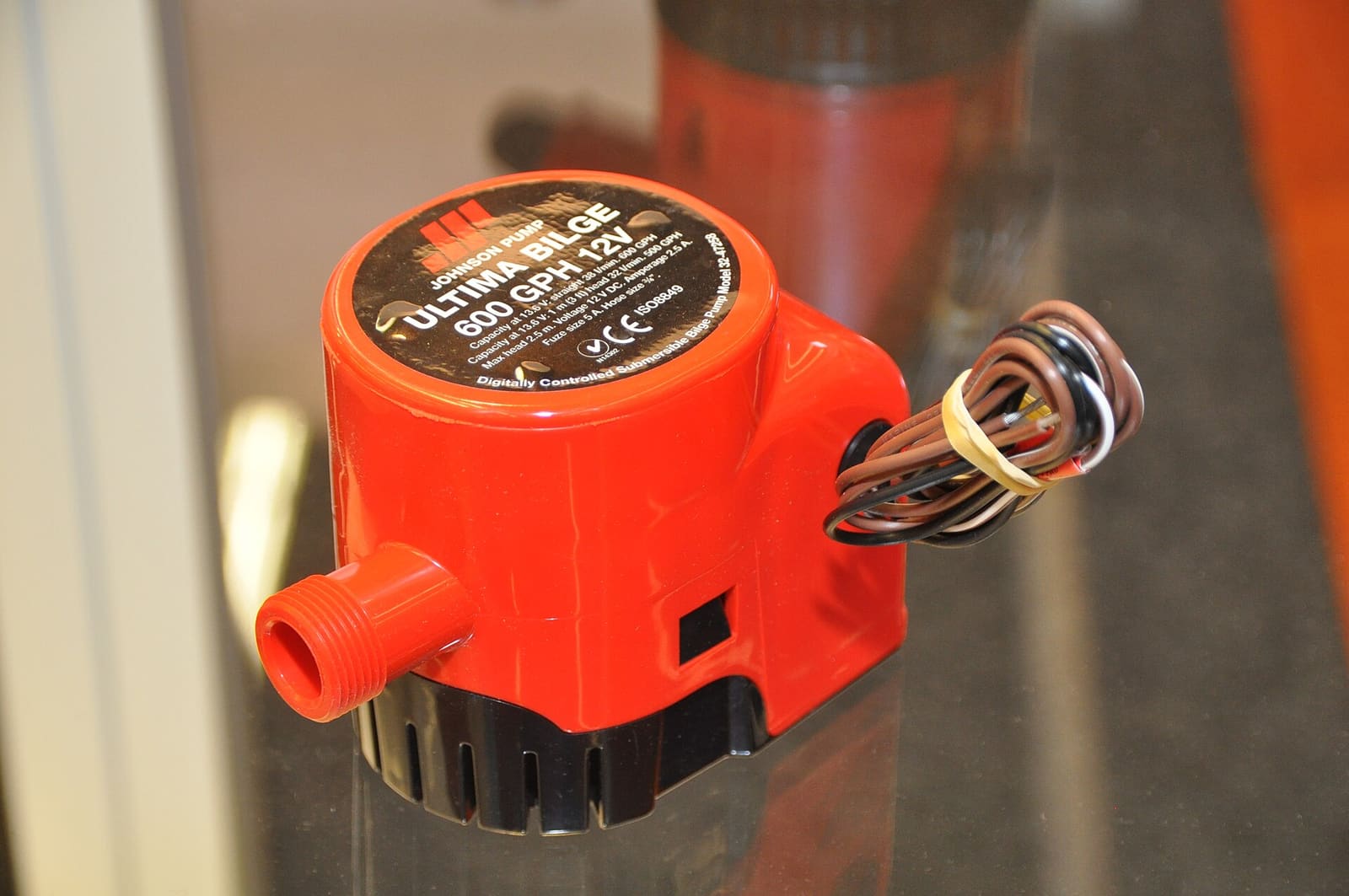
How to Test and Clean Your Bilge Pump and Float Switch
Make sure your bilge pump actually moves water overboard, both on the manual switch and automatically through the float switch. A working bilge pump is one of the most important safety systems on any boat that stays in the water.
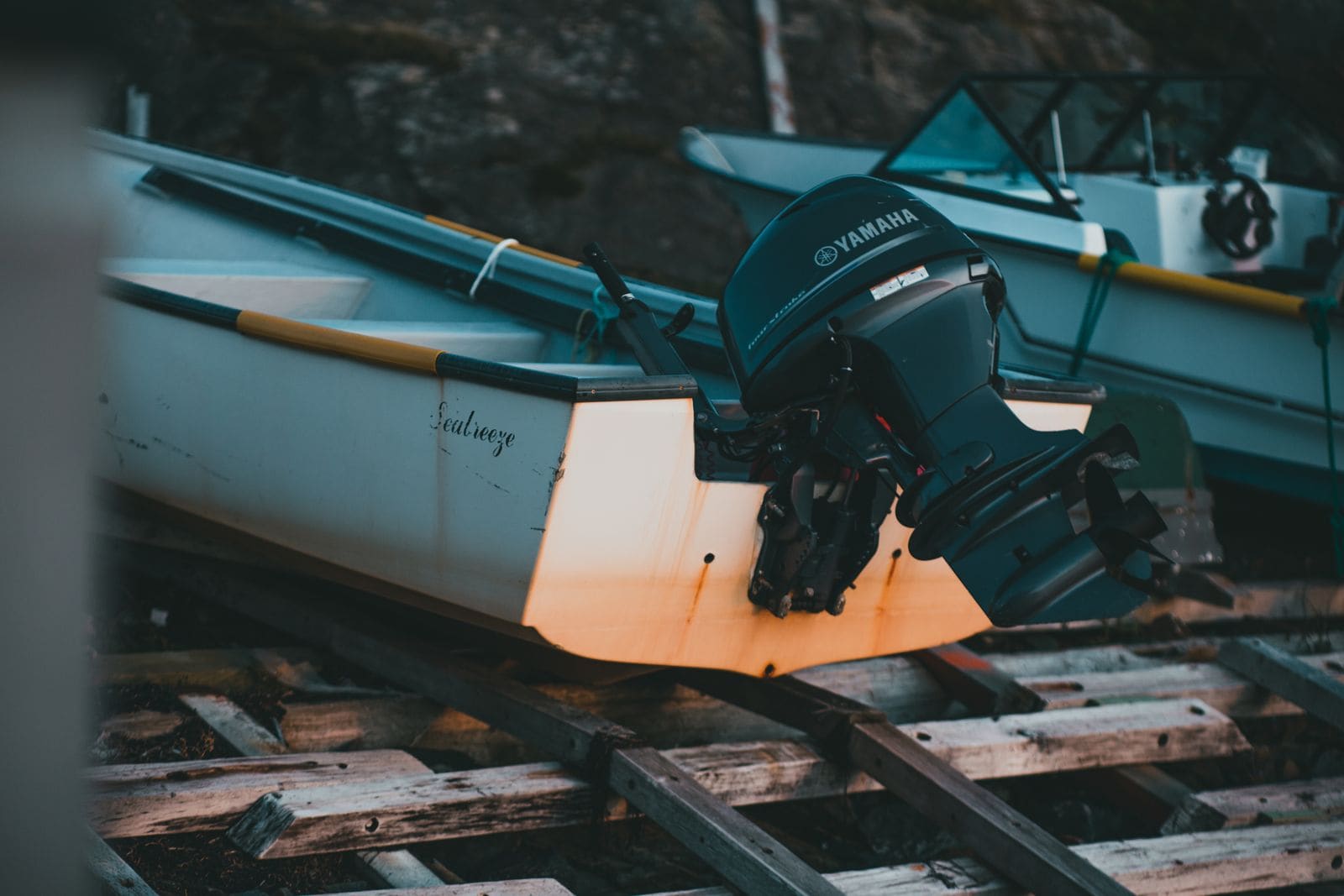
How to Check and Top Up Power Trim and Tilt Fluid
Check and top up the hydraulic fluid in your power trim and tilt unit, then work through the simple checks when the motor won't go up, won't go down or slowly sinks. Most trim problems are a dead battery, a bad relay, low fluid or a release valve left open, and you can find those yourself.
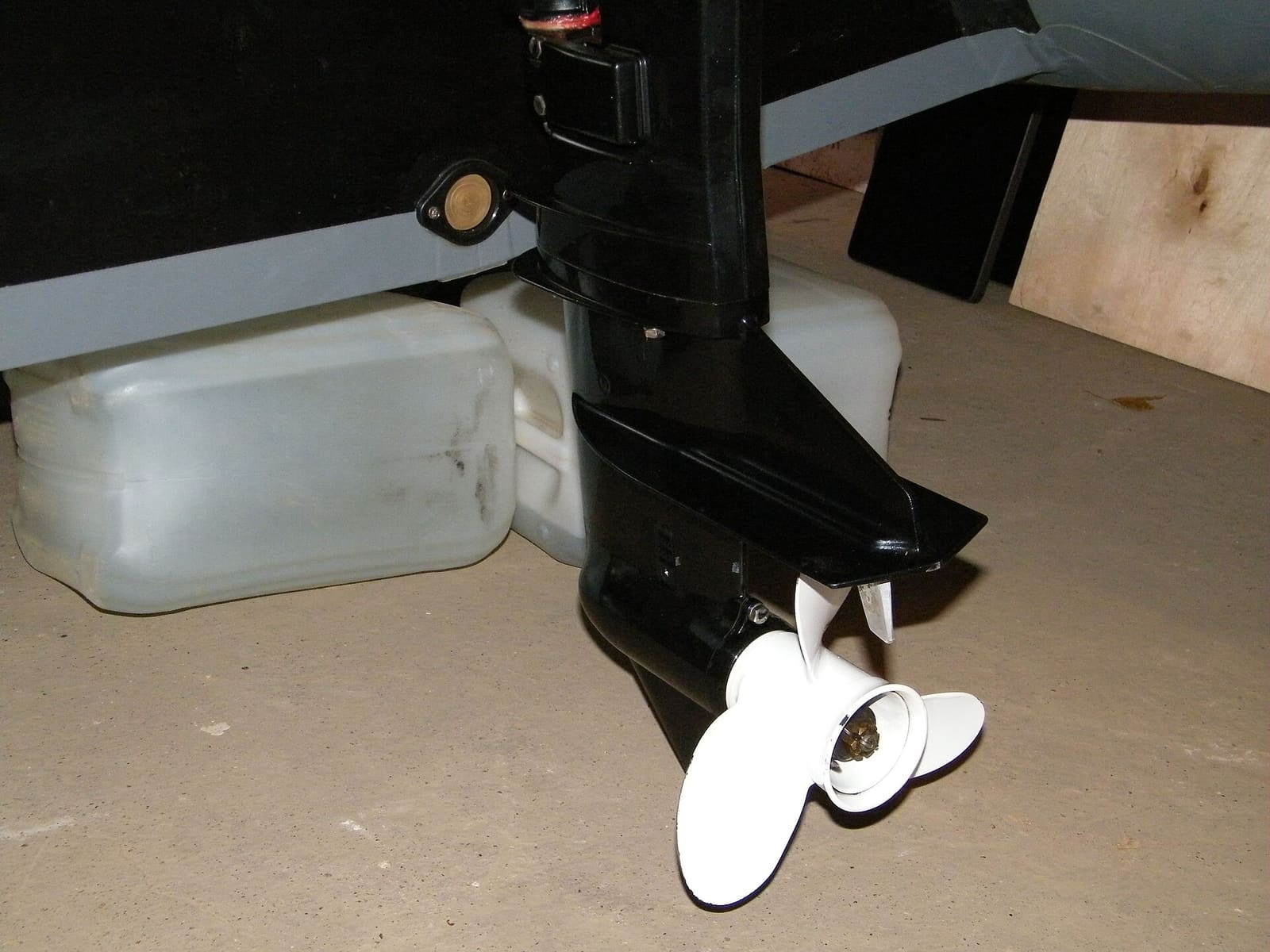
How to Change Lower Unit (Gearcase) and Sterndrive Oil
Drain and refill the gear oil in your outboard lower unit or sterndrive, and learn to spot water intrusion before it destroys the gears. It is a 30-minute job that protects a gearcase costing thousands to replace.
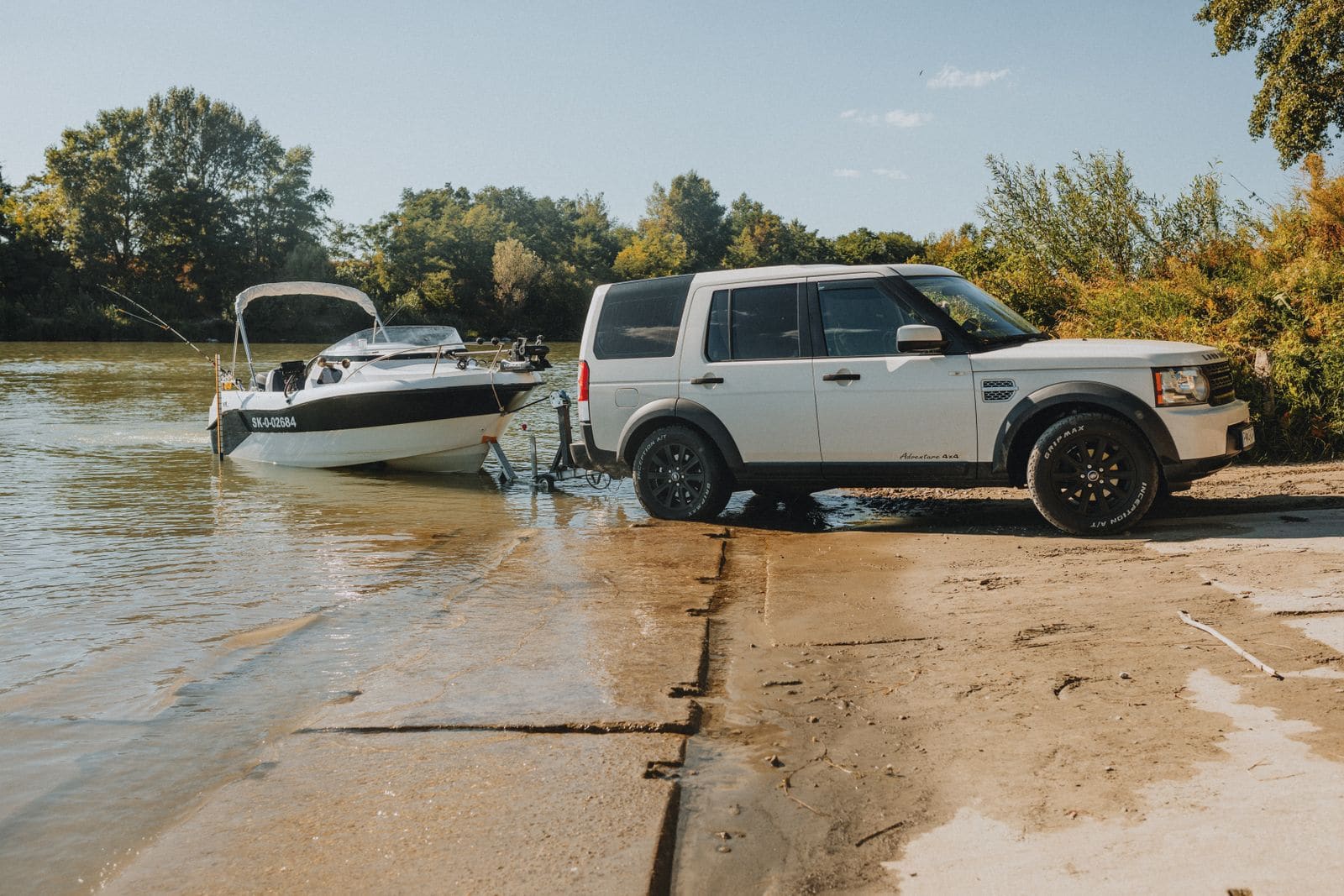
Launch Day and Haul-Out Checklist for Trailer Boats
A step-by-step checklist for getting your boat off the trailer and back on again safely and quickly, from the drain plug and tie-downs to the blower and ramp etiquette. Following it in order prevents the classic mistakes that sink boats and back up the ramp.