What to Do When Your Boat Is Taking On Water: Emergency Steps and Prevention
A step-by-step emergency plan for water coming into the boat - life jackets on, call for help early on VHF 16, find and slow the leak, pump, and head for shallow water if needed - plus the maintenance checklist that prevents most sinkings.
Time
30 min
Applies to
All engines
Safety first: People first, boat second. The moment you find more water than your pumps can easily handle, put life jackets on everyone and call for help on VHF channel 16: it is far better to cancel a call than to make it too late. Never go into a flooding engine room with the engine running or wires under water (shock and moving parts), and stay with the boat unless it is on fire or going under: a swamped boat is easier for rescuers to spot than a person in the water.
Fuel smell, water coming in, CO alarm or smoke? Stop, get everyone in life jackets and call USCG on VHF 16 or 911. For a tow: Sea Tow or TowBoatUS.
Owners often ask
- Water is coming into my boat and the bilge pump can't keep up. What do I do first?
- What should I keep on board to plug a leak or a broken through-hull?
This guide walks you through it. Still stuck? Ask the AI Mechanic about your engine.
Tools
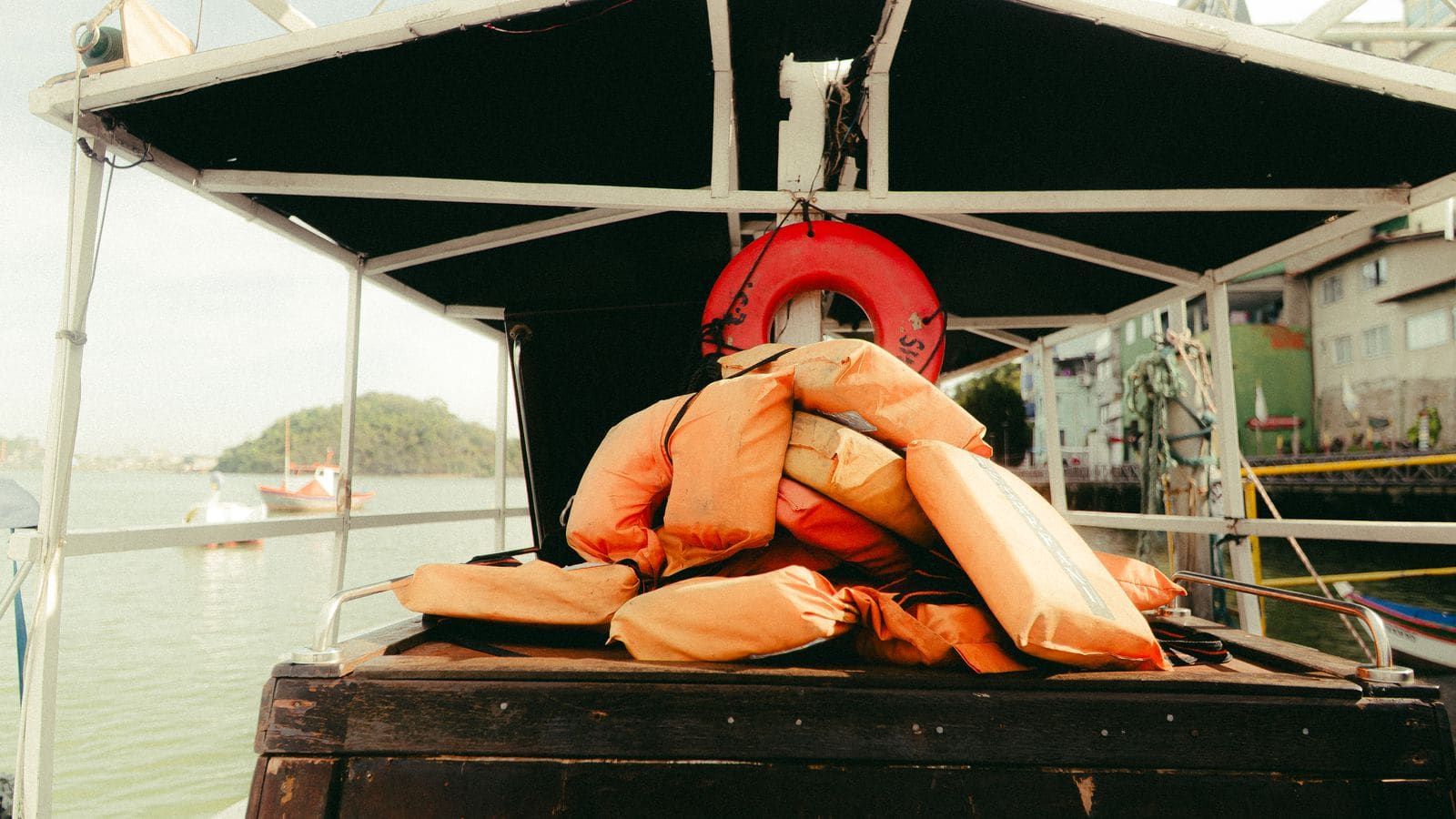
- Life jackets for everyone aboard, sized and within reach
- VHF radio (DSC-equipped and connected to GPS if possible) and a charged phone in a waterproof pouch
- Manual bilge pump or large bucket
- Flashlight or headlamp
- Knife, screwdriver and nut driver kept near the engine and seacocks
Parts & supplies
- Tapered softwood plugs in sizes that fit your through-hulls (one tied near each)
- Damage-control putty or underwater epoxy stick
- Spare hose clamps (all stainless) and a few feet of rescue tape
- Plastic sheeting or a collision mat, duct tape and rags
Before you start
Read this guide before you need it, and walk your crew through it once a season. In an emergency there is no time to learn where the seacocks are.
Where water comes from: BoatUS analyzed a year of sinking claims and found boats sink at the dock more than twice as often as underway. At the dock, the top cause is a small part below the waterline giving out from age: hoses, clamps, through-hulls, stuffing boxes, sterndrive bellows. Underway, the top cause is hitting something (a log, the bottom, another boat), sometimes with the leak showing up hours later. Forgotten drain plugs, strainer lids left loose, swamping by waves at the dock, and blocked cockpit drains in heavy rain follow.
A working bilge pump is not a fix. BoatUS found many boats lived for weeks "between floating and sinking," kept up only by the pump until the pump clogged, the battery died, or the leak got bigger.
Steps
As soon as you notice water rising, have everyone put on a life jacket and fasten it. Put children and non-swimmers in theirs first. Bring the handheld VHF, phone, flares and a flashlight up on deck.
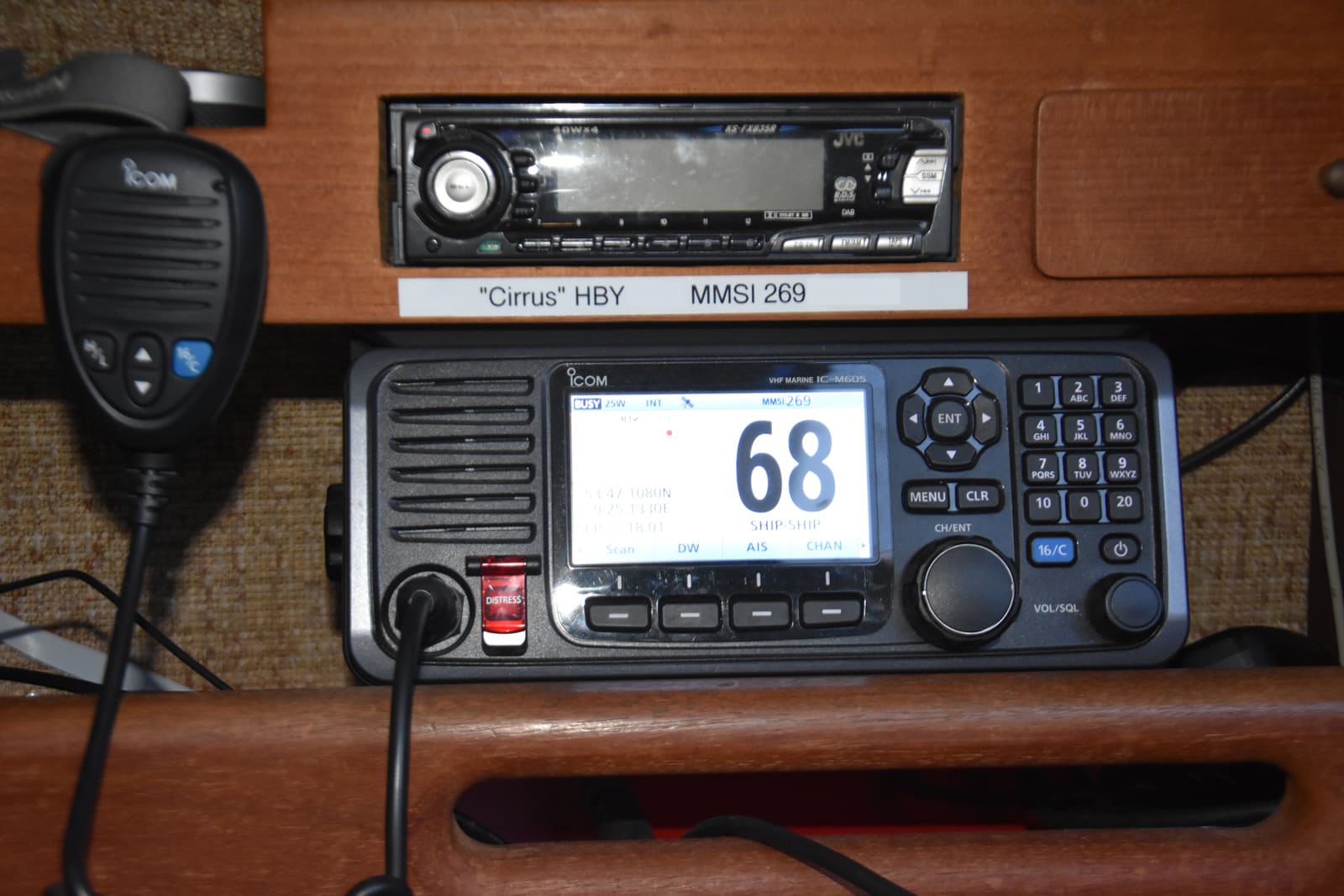
If the water is gaining or you're not sure you can stop it, call before it gets worse. The USCG's MAYDAY format on VHF channel 16:
- "MAYDAY, MAYDAY, MAYDAY"
- "This is [boat name, three times], [registration or call sign]"
- "MAYDAY [boat name]"
- Your position (GPS latitude/longitude, or bearing and distance from a landmark)
- The problem ("taking on water, sinking")
- Number of people aboard, life jackets on, boat length, type and hull color Then release the mic and listen. Repeat if no answer. A DSC radio connected to GPS can send an automatic distress alert with your position by holding the red distress button; follow it with the voice call on 16. If the situation is serious but not yet life-threatening, call "PAN-PAN" instead, or call your tow service (Sea Tow or TowBoatUS). Near shore, 911 on a phone also works. If no one answers, activate your EPIRB or PLB.
If you're underway, slow down and stop unless you need to run for shallow water (step 9). Speed can force water in through a damaged hull, and the bow wave often hides where it's coming from. Lift hatches and floorboards and look with a flashlight.
Follow the water uphill to where it's coming from. In salt water, a fingertip taste helps: salty means the sea is coming in; fresh water may be the boat's water tank or a burst freshwater line (shut off the freshwater pump). Check in this order, fastest first:
- Drain plug (trailer boats): is it in and tight?
- Raw-water strainer lid, engine cooling hoses and the raw-water pump
- Through-hulls and hoses: head, sinks, livewell, washdown, cockpit drains, transducers
- Shaft stuffing box or dripless seal, rudder post
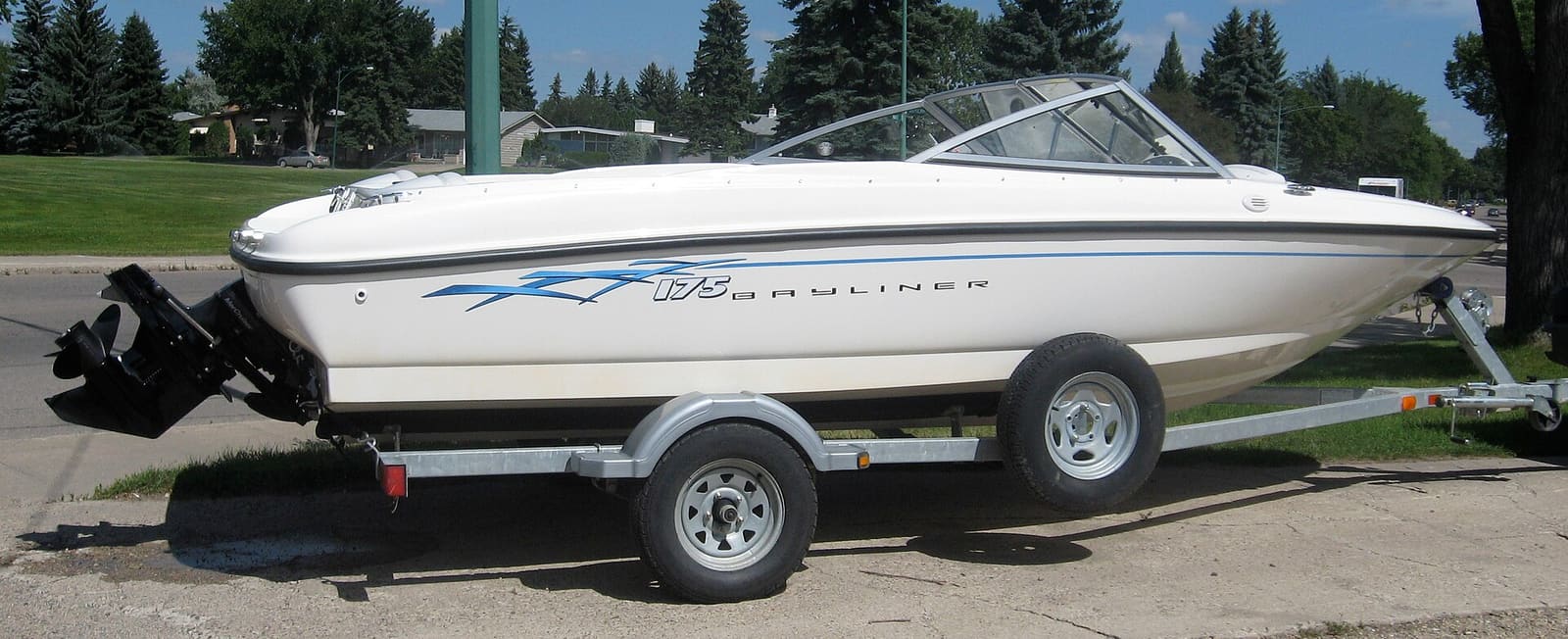
- Sterndrive bellows or outboard transom fittings
- Exhaust hose and muffler (a melted exhaust hose after overheating can let water in)
- Hull damage after hitting something
If the leak is from a hose or fitting with a seacock, close that seacock. If you can't tell which one, close every seacock you can reach except the engine intake if you need the engine to get to safety (and the cockpit drains). On engines that run with cooling water, an overheated engine is better than a sunk boat.
Make sure the electric bilge pumps are on (switch them to manual), and that their intakes aren't clogged with debris. Start the manual pump and put someone on buckets. Keep the batteries charged by running the engine if it's safe to do so.
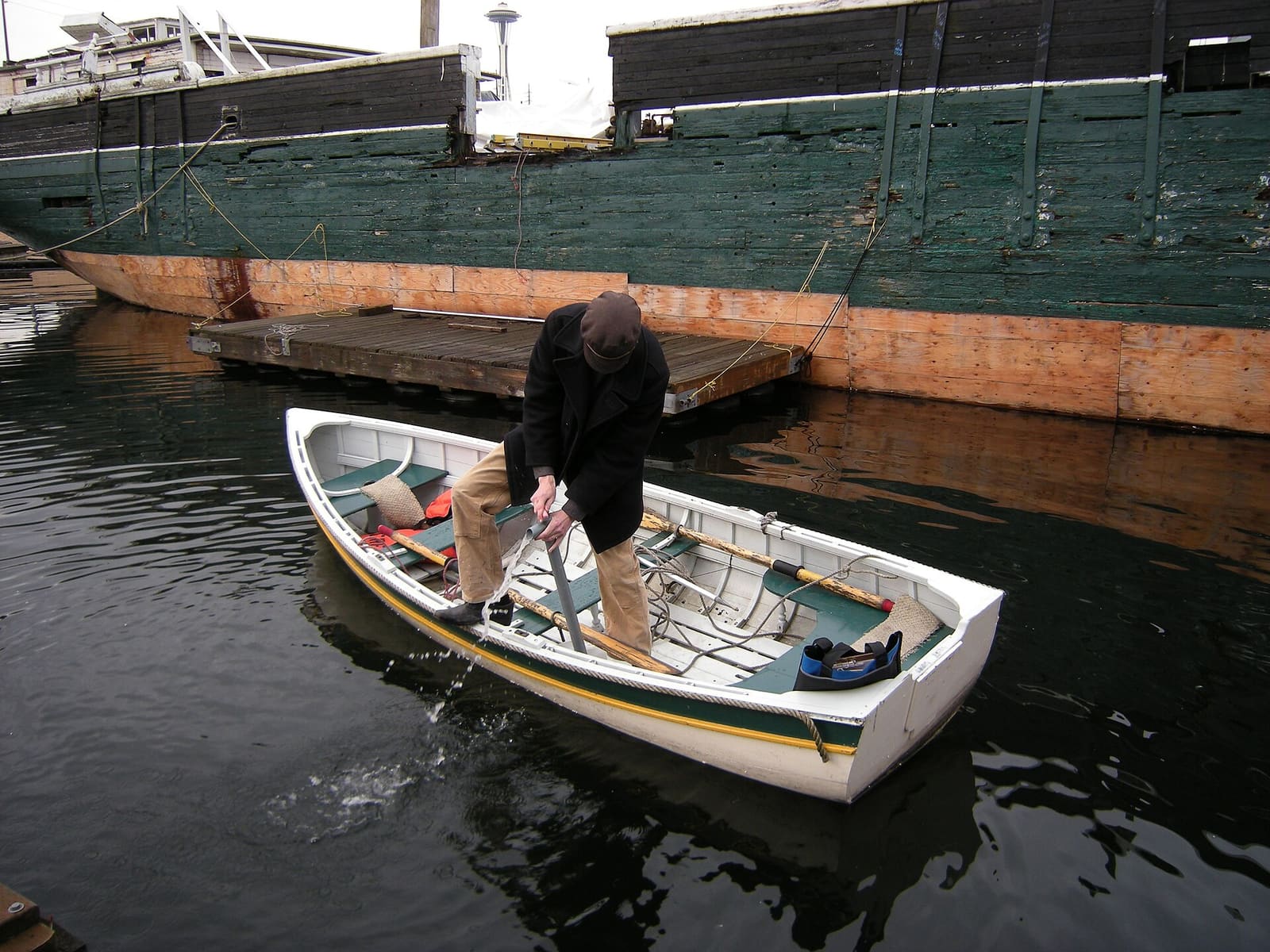
Photo: Joe Mabel / Wikimedia Commons · CC BY-SA 3.0 - Broken through-hull or hose with no seacock: push a tapered softwood plug firmly into the opening and tap it in. Wood swells as it gets wet and seals better over time. Tie it in place if you can.
- Split hose: wrap rescue tape tightly, or cut off the bad end and re-clamp if there's slack.
- Loose hose: push it back on and tighten or add a spare clamp.
- Crack or hole in the hull: stuff rags, cushions or a life jacket into it from inside and brace them with a boathook, floorboard or anything solid. A sheet of plastic or a sail pulled over the outside of the hole with lines lets water pressure hold it against the hull. Underwater epoxy putty can seal small leaks once the flow is slowed.
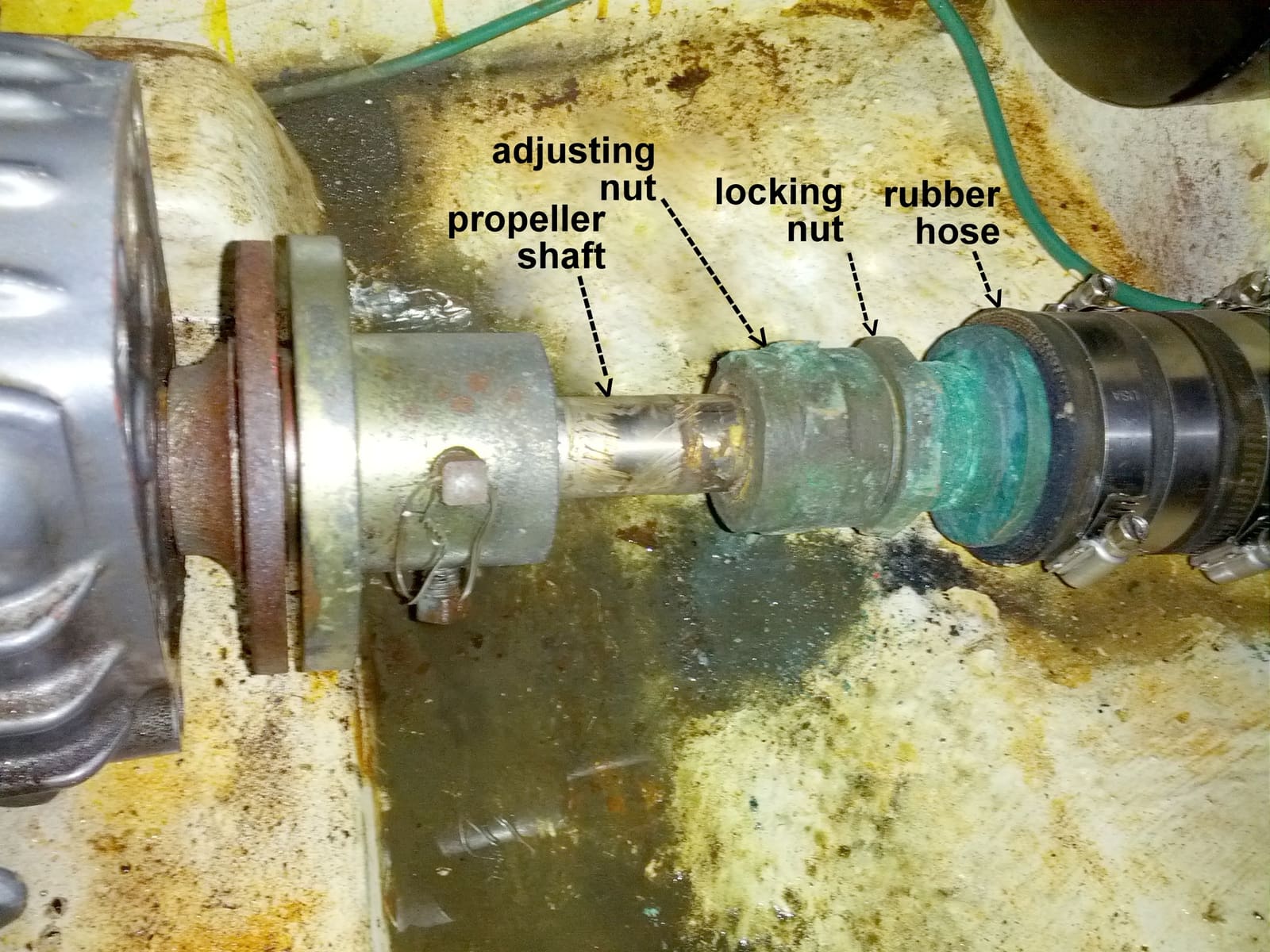
- Stuffing box gushing: stop the shaft (shut down the engine) and tighten the packing nut a little if you know how.
Shift weight to raise the leaking side or end, if that brings the damage above the waterline. Keep monitoring the water level: mark it on something and watch whether it's rising, steady or falling. Update the Coast Guard or your tow service if things change.
If the water keeps gaining and help is far away, head for the nearest safe shallow water, sandbar or beach while the engine still runs. A boat sitting on the bottom in shallow water is far easier to save, and people can stand up. Avoid rocks and surf if there's a choice. Tell the Coast Guard where you're going.
Stay together, life jackets on, and stay with the boat as long as it floats: most boats float awash, and rescuers look for the boat. Take the handheld VHF, phone, EPIRB or PLB and signals. Only leave if the boat is on fire or about to drag you under.
Once you're safe and towed or beached, have the boat hauled and the cause found and fixed before it goes back in. If it sank or the engine got wet, call your insurance company first, and get the engine "pickled" by a pro quickly. BoatUS notes that a hit you hardly noticed can cause a sinking hours or days later, so after any hard grounding or strike, do a short haul and check below the waterline.
Most sinkings in the BoatUS files were preventable. Check:
- Every below-waterline hose, clamp, through-hull and seacock (see the seacocks guide). BoatUS suggests replacing hoses that are 10 years old or more.
- Stuffing box or dripless seal drip rate; repack rather than just tightening.
- Sterndrive bellows: inspect yearly and replace at least every five years (BoatUS).
- Raw-water impeller: an impeller failure leads to overheating, which can melt the exhaust hose and let water in.
- Cockpit drains, scuppers and their hoses: run a garden hose into them and watch where the water goes.
- Transducers and sensors with no seacock: look for dampness around them.
- Drain plug: keep it on your key ring or tie it to the transom strap so it can't be forgotten.
- Bilge pumps, float switches and a high-water alarm; a pump cycle counter shows a slow leak early.
- A softwood plug tied near each through-hull, and a crew briefing on where they are.
Common mistakes
- Waiting too long to call. Help can be an hour or more away. Call early; you can always cancel.
- Fighting the leak without life jackets on. Boats can capsize or flood suddenly.
- Assuming the pump has it handled and not finding the source.
- Not knowing where the seacocks are, or finding them seized when you need to close them.
- Abandoning a boat that is still floating for a raft or swimming.
- Ignoring a small daily leak at the dock that the bilge pump keeps up with, until the pump fails.
- Launching a trailer boat without the drain plug.
When to call a pro
- Any time water comes in faster than you can stop it: call USCG on VHF 16 (MAYDAY) or 911, and your tow service
- After any leak, grounding or strike: haul out and have the hull, running gear and fittings inspected
- Any seacock, through-hull, hose or bellows below the waterline needs replacement (haul-out job)
- The bilge pump runs more often than usual and you can't find why
- The boat sank or the engine was submerged: call your insurer first and let them arrange salvage
Tips
- Program your MMSI into the DSC radio and connect it to GPS; the USCG urges every boater to do this.
- Post a MAYDAY card next to the radio with the boat's name, registration, length and color filled in.
- Practice a "find the leak" drill: have each crew member point to every seacock and the manual pump.
- Keep a cheap waterproof flashlight and the softwood plug kit in the same spot every time.
- Leave a float plan with a reliable person ashore every trip: where you're going, who is aboard, when you'll be back, and a recent photo of the boat, as the USCG recommends. If your radio call never gets through, that plan is what starts the search.
Official references
We read these to write this guide. Your engine's own manual always wins.
- USCG Navigation Center – Radio Information for Boaters (MAYDAY procedure)
- USCG Navigation Center – Digital Selective Calling
- BoatUS – Keeping Your Boat Afloat (analysis of sinking claims)
- BoatUS – Show Your Seacocks Some Respect
- USCG Boating Safety – Life Jacket Wear
- USCG Boating Safety – Float Plan
Safety: BoatMend is for information only and does not replace a certified marine technician. You are responsible for your safety and your boat. Read the full disclaimer.
Last updated 2026-10-24
Related guides
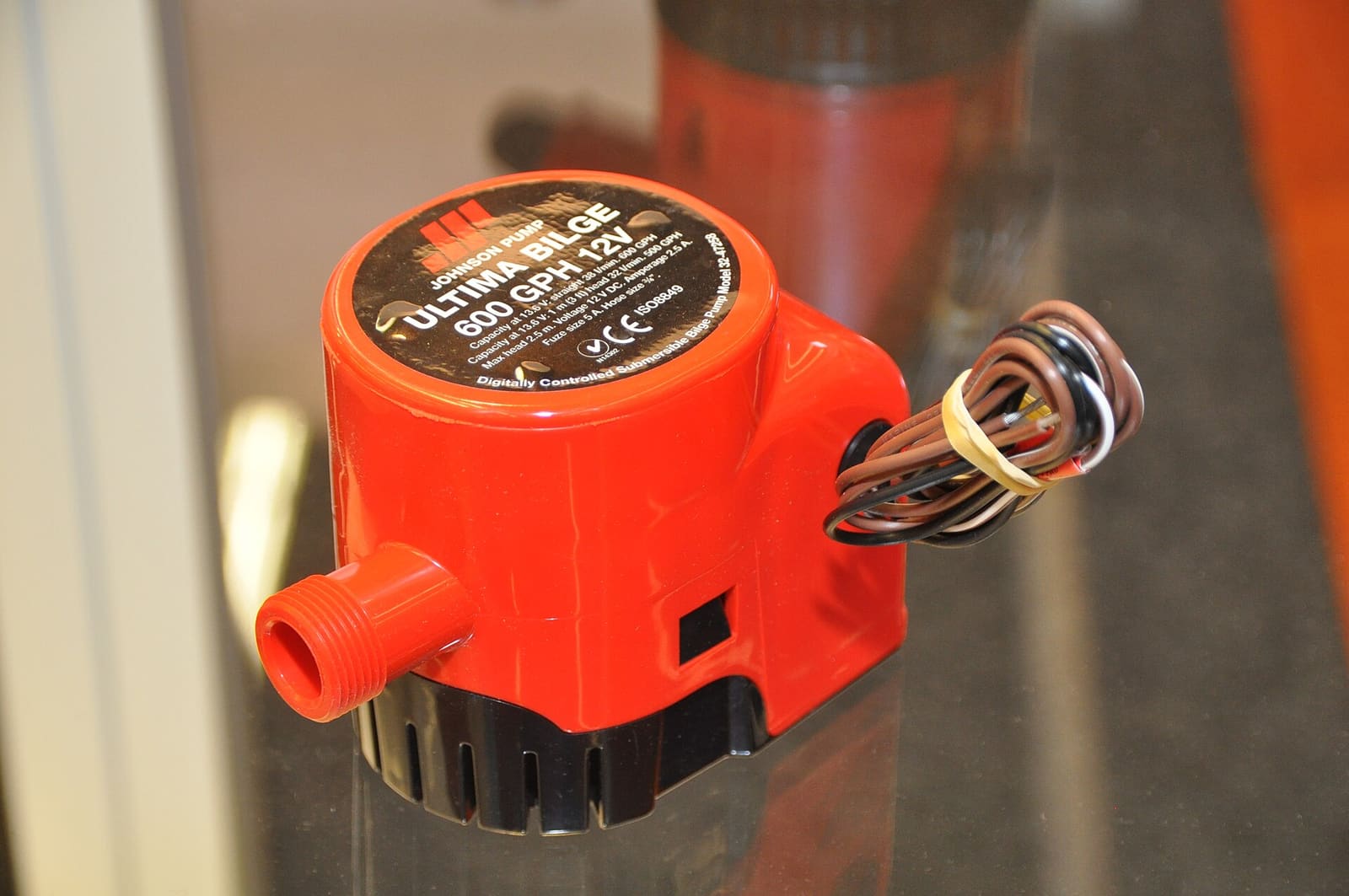
How to Test and Clean Your Bilge Pump and Float Switch
Make sure your bilge pump actually moves water overboard, both on the manual switch and automatically through the float switch. A working bilge pump is one of the most important safety systems on any boat that stays in the water.
How to Inspect and Exercise Seacocks, Through-Hulls and Hose Clamps
Check every hole in your hull below the waterline, work each seacock open and closed, and inspect the hoses and clamps attached to them. A single failed fitting or hose is one of the most common reasons boats sink at the dock.
How to Check, Adjust and Repack a Stuffing Box (and Care for a Dripless Shaft Seal)
Learn the right drip rate for a traditional packing gland, how to adjust it safely, when to repack it, and how to inspect and service a dripless shaft seal. The shaft seal is one of the few holes in an inboard boat that moves, and a neglected one can sink a boat at the dock.
How to Inspect Sterndrive Bellows, Gimbal Bearing, U-Joints and Shift Cable
Learn to spot a cracked sterndrive bellows before it lets water into the boat, and to recognize the warning signs of a worn gimbal bearing, U-joints and shift cable. A failed bellows is one of the top reasons boats sink at the dock, and a 20-minute inspection can catch it.
USCG Required Safety Equipment Check by Boat Length
Walk through your boat and confirm you carry every piece of safety gear the US Coast Guard requires for your boat's length and type, and that none of it is expired or worn out. Missing or expired gear is one of the most common tickets on the water, and it is the gear you need when things go wrong.
Set Up Your VHF Radio: MMSI, DSC, GPS Hookup and Radio Checks
Get a free or low-cost MMSI number, program it into your DSC radio, connect your GPS so a distress alert sends your exact position, check the antenna, and learn the Channel 16 rules and the right way to do a radio check.