Boating Accident Reports: When You Must File and What to Collect
Know when federal rules require a written boating accident report, how fast it is due, who to send it to and what details and photos to gather at the scene, so you meet the deadline and your insurance claim goes smoothly. Practical help, not legal advice.
Time
1 h
Applies to
All engines
Safety first: People come before paperwork. If anyone is hurt, missing or in the water, or a boat is sinking, burning or leaking fuel, call USCG on VHF channel 16 (Mayday if lives are at risk) or dial 911 right now. Put life jackets on everyone. This guide explains the general rules in plain English; it is not legal advice. Your state may have stricter rules, so check with your state boating agency, and talk to a lawyer if someone was seriously hurt or there is a dispute.
Owners often ask
- Do I have to file a report if I hit a dock and the damage looks small?
- How long do I have to file a boating accident report after someone gets hurt?
This guide walks you through it. Still stuck? Ask the AI Mechanic about your engine.
Tools
- Phone with camera (or a waterproof camera)
- Notepad and pen kept aboard in a zip bag
- Your registration or documentation and insurance card
Before you start
Who must report. Under 33 CFR Part 173, the operator of a recreational boat must file a written accident report when an accident involving the boat or its equipment causes any of the following:
- A person dies.
- A person is injured and needs medical treatment beyond first aid.
- A person disappears from the boat in a way that suggests death or injury.
- Damage to boats and other property totals $2,000 or more, or a boat is a complete loss.
If the operator cannot file (for example, they were hurt or killed), the owner must.
States can be stricter. The Coast Guard notes that some states and territories use lower damage thresholds. Many states also want a report for other events, so always check your own state's rules.
Why it matters beyond the law. The Coast Guard says the information in these reports is used to set safety rules and standards, find and fix boat defects, educate boaters and build the national accident statistics. Filing an honest, complete report helps the next boater too.
Who gets the report. Reports go to the state boating authority where the boat is numbered (or mainly used). If the accident happened in another state, send it to the reporting authority in that state. The Coast Guard's accident reporting page points to the NASBLA list of state boating contacts.
Steps
Check every person aboard and in the water. Get injured people first aid and call for medical help. Stop any flooding or fire if you can do it safely, and turn off the engines if fuel is leaking. Show your distress signals if you need help. The scene can wait.
Federal law (46 U.S.C. 2303) requires the person in charge of a boat involved in a casualty to help anyone affected, as far as they can without seriously endangering their own boat or crew. You must also give your name, address and boat identification to the other operator, to anyone injured and to the owner of any damaged property. Leaving the scene without doing this can bring a fine or jail time. The same law protects people who help in good faith and act reasonably.
If someone dies or disappears from a boat, the operator must notify the nearest reporting authority without delay, by the quickest means available. In practice that means calling 911, the state boating or wildlife agency, or the Coast Guard on VHF channel 16 right away. The rule also covers everyone else aboard: each person must make the notice or confirm someone else has. This call is separate from the written report.
For any accident with injuries, serious damage or a dispute about fault, call 911 or the local marine patrol (sheriff, state wildlife or natural resources officers, or harbor patrol). An officer's report helps later with the state, your insurer and the other party. Write down the officer's name, agency and any case number.
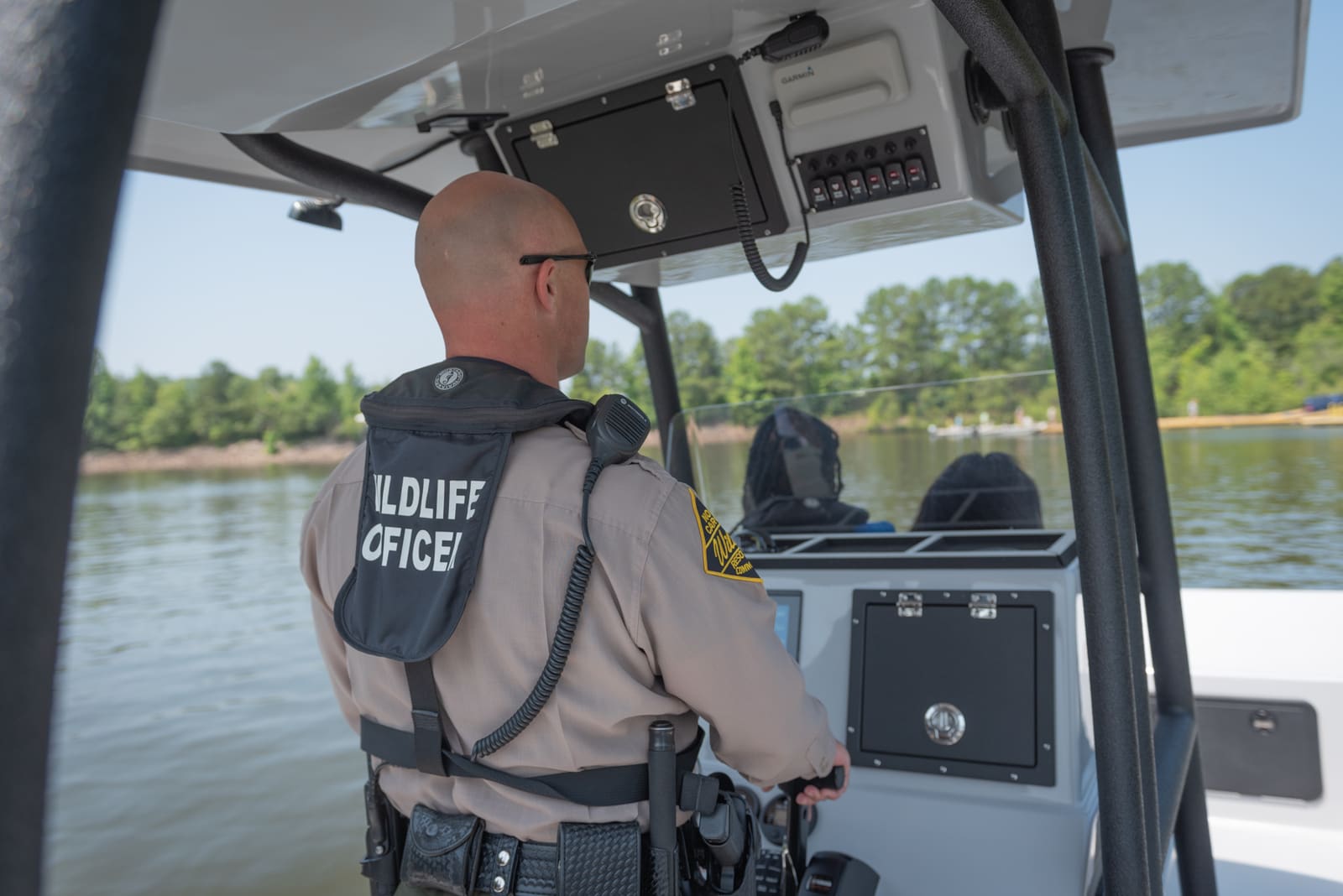
State wildlife and natural resources officers often investigate boating accidents. Photo: NCDOT Communications / Wikimedia Commons · CC BY 2.0 Once people are safe, take lots of photos and video:
- Damage to every boat involved, close up and from a distance, plus any damaged dock, piling or other property.
- Each boat's registration numbers or name, and its hull identification number (HIN) if you can see it.
- The scene: water conditions, weather, nearby buoys, markers, landmarks and any obstruction.
- Injuries, with permission.
- Your chartplotter screen showing position and track, before you clear it.
Take more than you think you need. Phone photos record the time, and many also save the location.
Use the notepad in your zip bag. Federal rules list what a report must contain, if available, so collect it now:
- Date, time and exact location: nearest town, county, state and body of water, plus GPS position if you have it.
- Everyone involved: names, addresses, phone numbers and ages of operators, owners, passengers, injured people and witnesses.
- Each boat: registration or documentation number, HIN, make, model, length, hull material, engine type and horsepower.
- Conditions: weather, wind, waves, visibility, and the weather forecasts and reports you used before and during the trip.
- What happened: speed, direction, what each boat was doing (cruising, fishing, towing a skier and so on) and the type of accident (collision, grounding, capsizing, fire, fall overboard and so on).
- Equipment failures: anything that broke or failed and may have contributed.
- Injuries and damage: a description of each injury and treatment, and of all damage, with a rough repair estimate.
- Life jackets, alcohol and training: whether life jackets were worn, whether alcohol or drugs were involved, and the operator's experience and boating safety training.
33 CFR 173.55 sets these deadlines for the written report:
- Within 48 hours if a person dies within 24 hours of the accident, is injured and needs medical treatment beyond first aid, or disappears from the boat.
- Within 10 days in all other reportable cases, such as a death more than 24 hours later or damage of $2,000 or more.
Your state may set shorter deadlines. Mark the date on your calendar the day of the accident.
The federal form is the USCG Recreational Boating Accident Report (CG-3865), with a Spanish version (CG-3865-SP). The Coast Guard says most states accept it, but some require their own form, and some take reports online. Find your state boating agency on the NASBLA contacts list or your state's boating or wildlife website, and use the form they want.
The report must be in writing, dated and signed by the person who prepared it. Stick to facts you know. Where the form asks for your opinion of the cause, give it honestly and briefly. Attach photos or a sketch if the form allows. Make a copy or take photos of every page before you send it, and note how and when you sent it.
Report the accident to your insurer as soon as people are safe, even if you are not sure it is a covered claim. BoatUS Marine Insurance's claims manager advises calling right away when in doubt. A small claim under the deductible can be withdrawn, but a late report can cause problems. Ask for a claim number and your adjuster's contact information. Do this even when the other boater is clearly at fault and their insurer is paying; your own agent can tell you what your policy covers and how to deal with the other company. The accident report to the state does not replace the insurance claim, and the claim does not replace the state report.
Take reasonable steps to stop more damage: pump out water, cover openings, and get the boat hauled or towed if needed. Keep receipts for that work. Do not throw away damaged parts. BoatUS describes a claim that could not be decided because the repair shop discarded a water-damaged air conditioner before the insurer saw it. Let the adjuster inspect before major repairs unless it is an emergency.
Someone who says "I'm fine" at the dock may see a doctor the next day. If they get treatment beyond first aid, the 48-hour federal deadline may apply. Tell your insurer about any possible injury. BoatUS notes cases where a guest said it was no big deal, then filed a lawsuit months or years later.
Put everything in one place: your notes, photos, a copy of the report, the officer's case number, the insurance claim number, repair estimates and invoices, medical bills, and every letter or email. Write down the date, name and summary of each phone call.
Common mistakes
- Thinking only collisions count. Groundings, falls overboard, fires, capsizings and injuries from wakes can all be reportable.
- Guessing that damage is under $2,000. Fiberglass, outdrive and electronics repairs often cost far more than they look. When in doubt, file.
- Missing the 48-hour deadline because the injured person only saw a doctor the next day.
- Assuming the insurance claim covers the state report. They are separate.
- Fixing the boat before photos and the adjuster's inspection.
- Leaving the scene without exchanging information.
- Arguing about fault at the scene. Stick to facts and help people; let the officers, the report and the adjusters sort out fault.
When to call a pro
- Anyone is seriously hurt, killed or missing: call 911 or USCG on VHF channel 16 immediately, and talk to a maritime or personal-injury attorney before you sign statements beyond the required report.
- You are not sure whether the accident is reportable or which state to file with: call your state boating agency and ask.
- The other party disputes fault or their insurer contacts you: refer them to your insurer.
- The boat is taking on water, leaking fuel or was in a fire: have it surveyed and repaired by a qualified marine shop before you use it again.
Tips
- Keep a printed copy of your state's accident report form, a pen and a short checklist in a zip bag with the boat papers.
- Save the phone numbers of your state boating agency, local marine patrol, insurer and towing service in your phone.
- Take a few "before" photos of your boat each season. They help prove what damage is new.
- Even when a report is not required, write a short note of what happened and when. Memories fade fast.
Official references
We read these to write this guide. Your engine's own manual always wins.
- eCFR – 33 CFR Part 173 Subpart C, Casualty and Accident Reporting (173.51 to 173.59)
- eCFR – 33 CFR 173.55, Report of casualty or accident
- USCG Boating Safety – Accident Reporting
- U.S. Coast Guard – Boating Safety, Accident Reporting
- Cornell LII – 46 U.S. Code 2303, Duties related to marine casualty assistance and information
- BoatUS – How To Get Your Claim Settled Faster (2016)
Safety: BoatMend is for information only and does not replace a certified marine technician. You are responsible for your safety and your boat. Read the full disclaimer.
Last updated 2026-10-25
Related guides
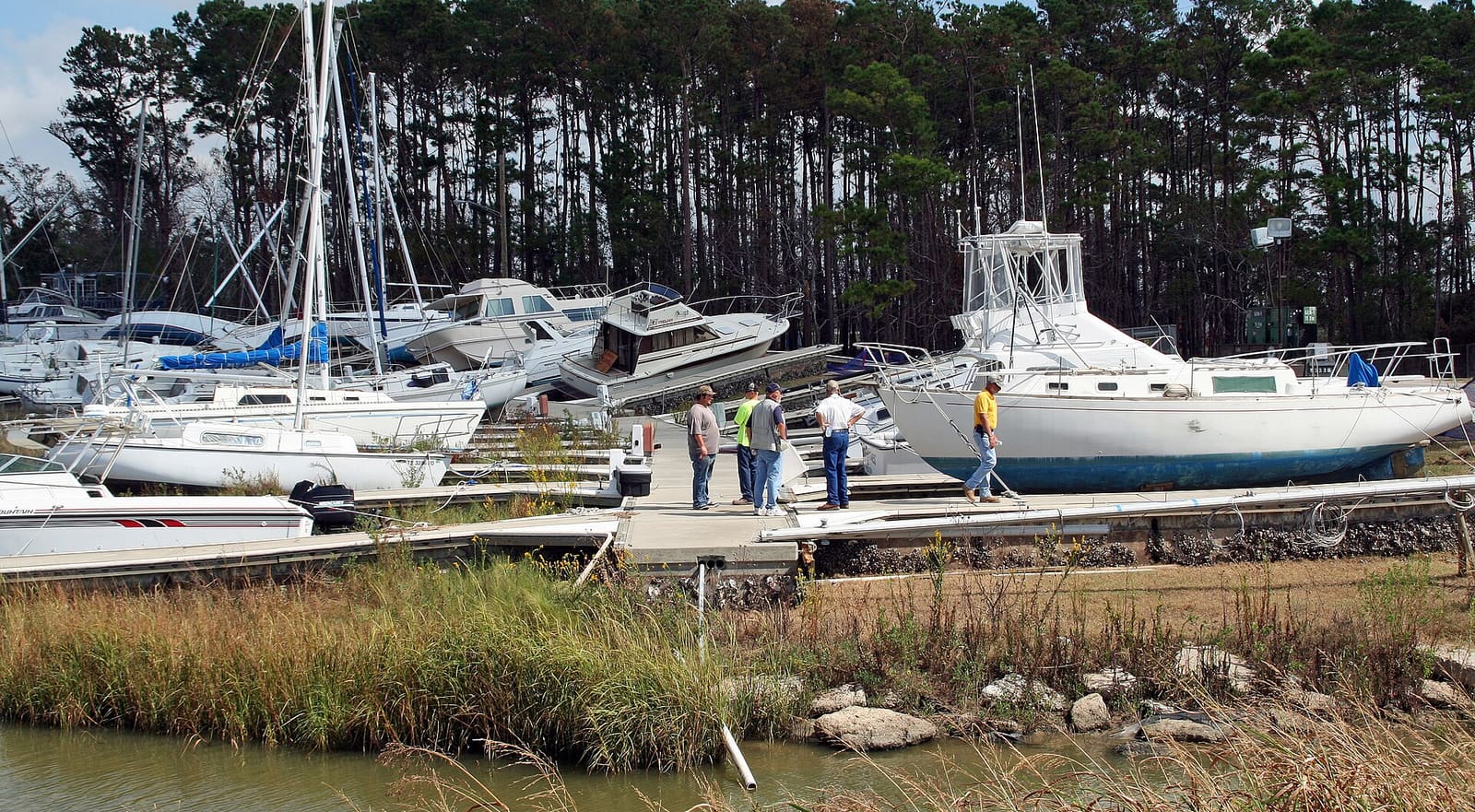
How to File a Boat Insurance Claim: Safety, Mitigation, Documentation and Settlement
What to do from the moment something goes wrong until the check arrives: make everyone safe, stop further damage, report right away, document with photos and your maintenance log, handle towing versus salvage, work with the adjuster or surveyor, and understand agreed value, actual cash value and the common exclusions. Policies differ, so your own policy wording always wins.
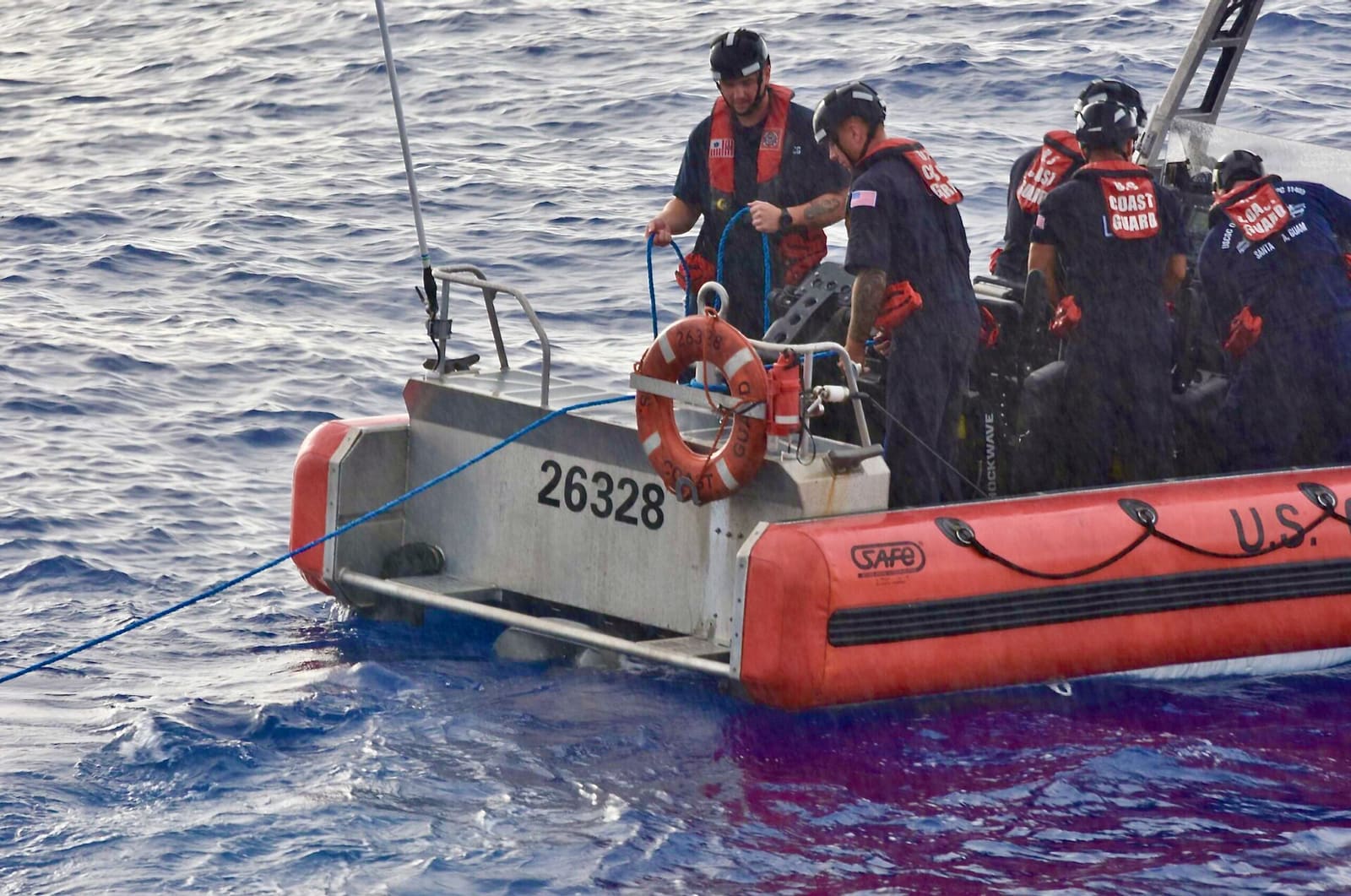
Helping Another Boater: Your Duty to Assist, Safe Approaches, and When Not to Tow
What the law expects when you come across a boater in trouble, how to approach a disabled or sinking boat safely, how to take people aboard, the basics of a short tow, and when to stand by and call the Coast Guard, Sea Tow or TowBoatUS instead. People first, boats second.
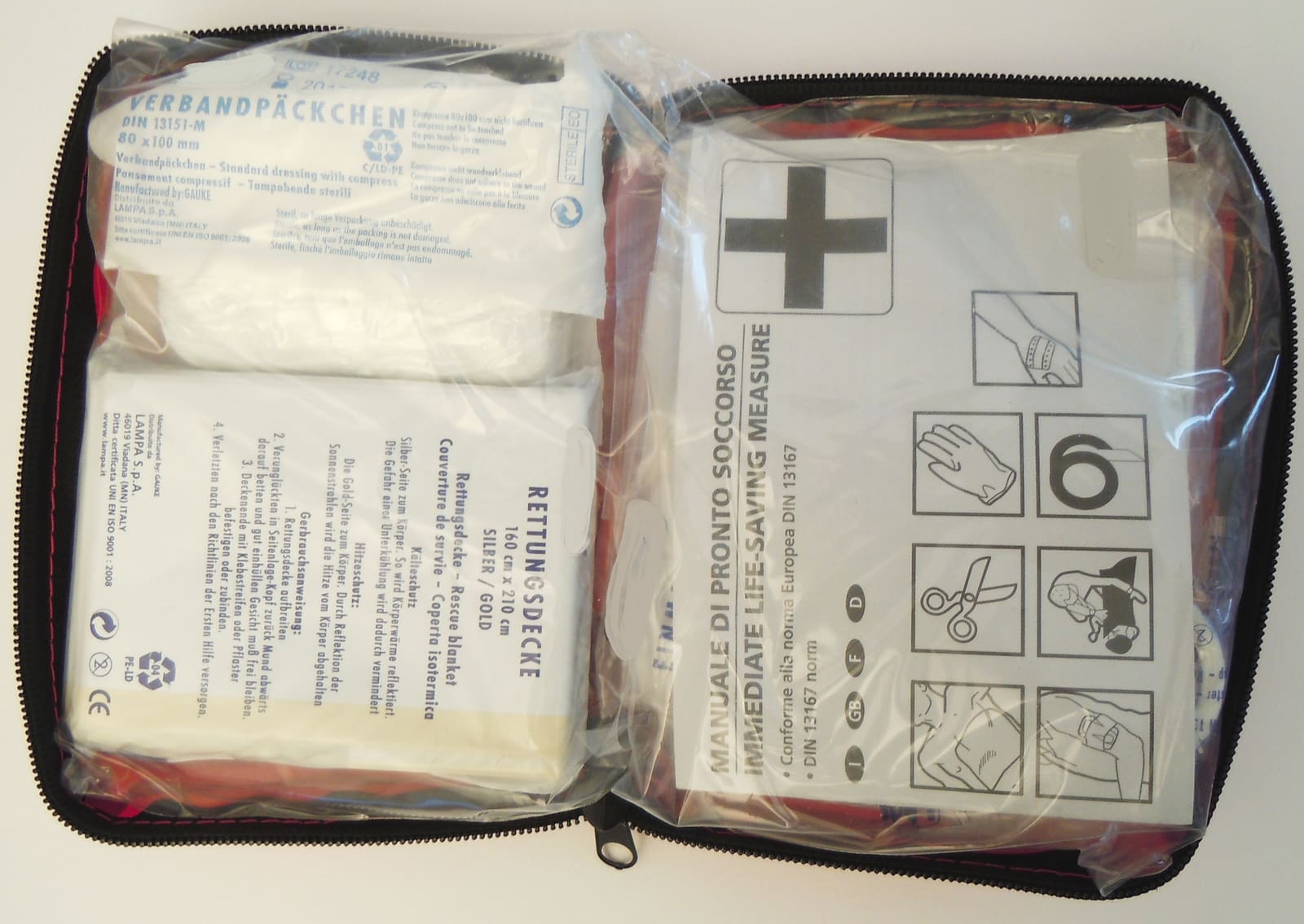
Boat First-Aid Kit and Medical Prep: What to Carry, Day Trips to Offshore
Build and maintain a boat first-aid kit that fits how far from help you go, with the extras boaters actually need for seasickness, fish hooks, cuts, burns, sun, heat and cold, plus a crew briefing, expiration-date checks and training. General preparation only, not medical advice.
What to Do When Your Boat Is Taking On Water: Emergency Steps and Prevention
A step-by-step emergency plan for water coming into the boat - life jackets on, call for help early on VHF 16, find and slow the leak, pump, and head for shallow water if needed - plus the maintenance checklist that prevents most sinkings.
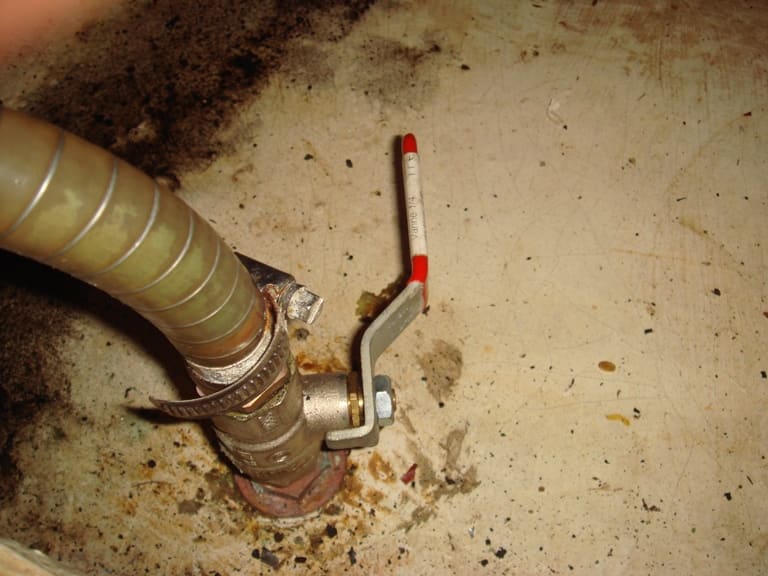
How to Build a Damage-Control Kit: Plugs, Patches and a Plan for Leaks
Put together a labeled kit that can slow or stop water coming into your boat - softwood plugs tied at every through-hull, rescue tape, spare clamps, rubber and plywood patches, plastic sheeting, underwater sealant, a manual pump and the tools to reach a hidden leak - and practice with it so your crew knows where everything is.
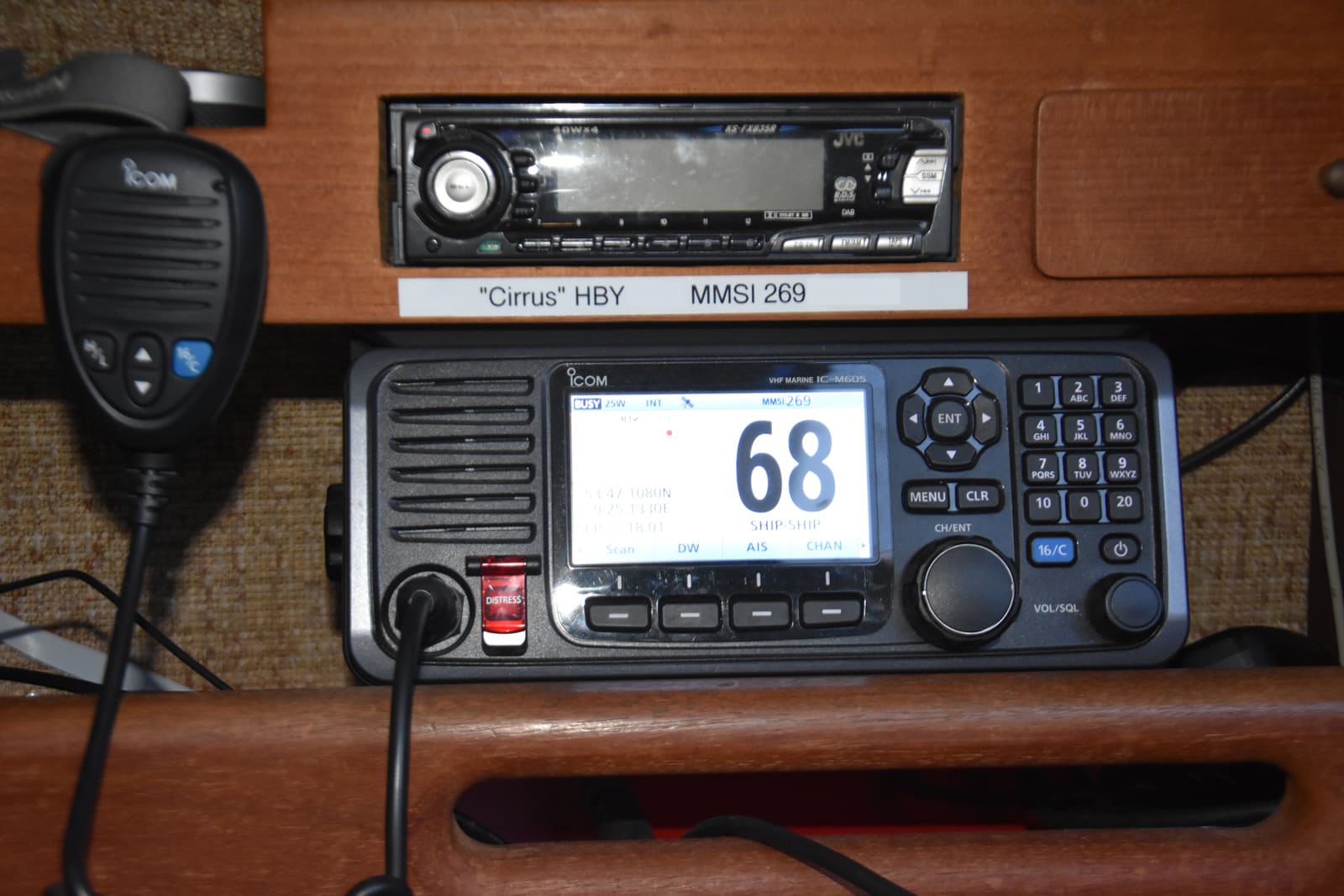
Set Up Your VHF Radio: MMSI, DSC, GPS Hookup and Radio Checks
Get a free or low-cost MMSI number, program it into your DSC radio, connect your GPS so a distress alert sends your exact position, check the antenna, and learn the Channel 16 rules and the right way to do a radio check.
How to Prepare Your Boat for an Insurance or Condition Survey
Get ready for a marine survey your insurer or lender asked for: what a SAMS or NAMS surveyor looks at, the common findings you can fix beforehand (hose clamps, seacocks, bilge, fire extinguishers, wiring), the paperwork to have ready, and how to handle the recommendations afterward.