Coming Back to the US by Boat: Reporting to CBP with the ROAM App, the User Fee Decal and the Penalties
Every boat returning from a foreign port (the Bahamas, Canada, Mexico or anywhere else) must report its arrival to US Customs and Border Protection right away. Learn who has to report, how to use the free CBP ROAM app or the phone line, when you still have to show up in person, the annual user fee decal for boats 30 feet and longer, and what happens if you skip it. General information, not legal advice.
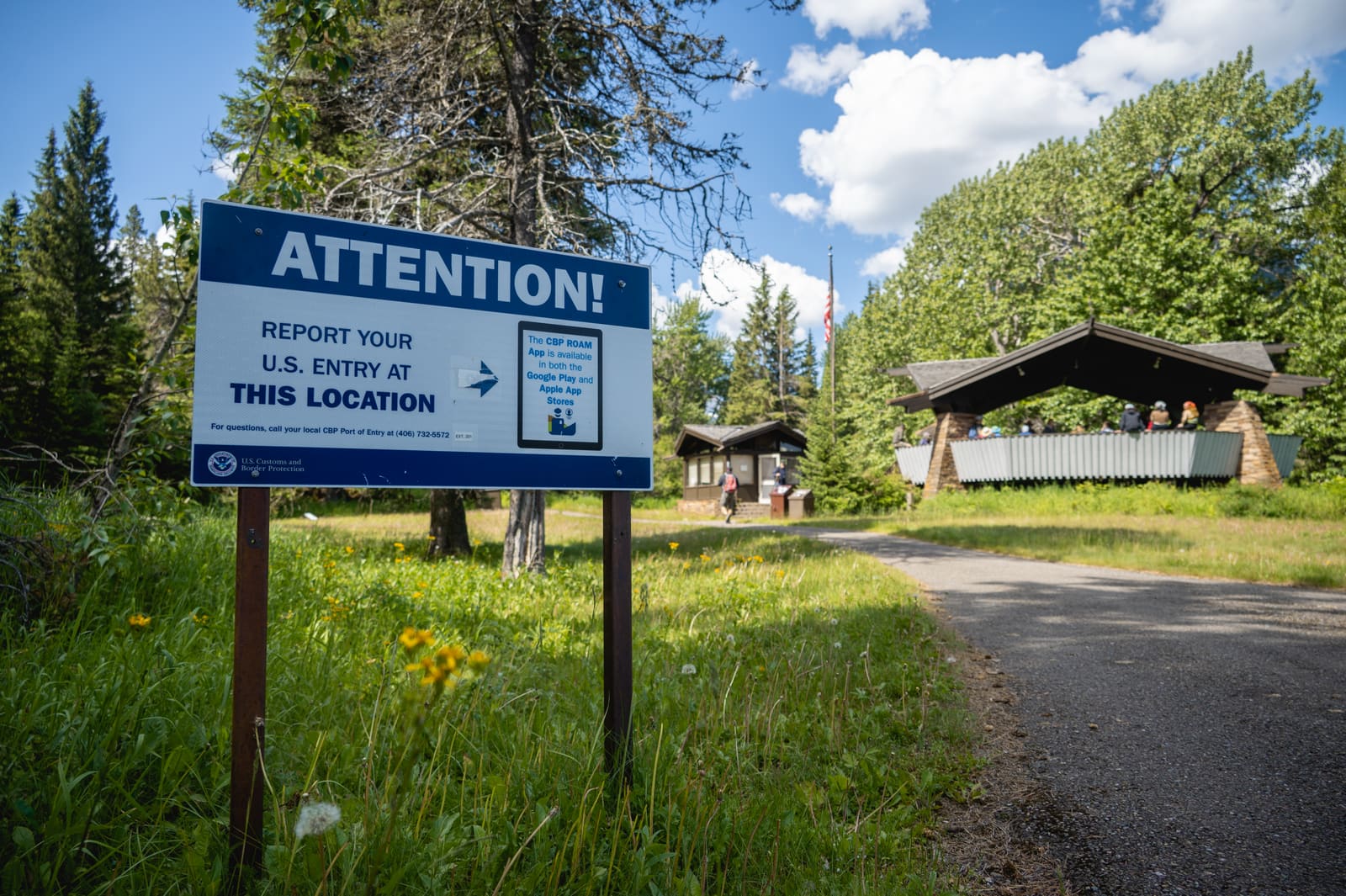
Time
45 min
Applies to
All engines
Safety first: Never let reporting pressure push you into a bad decision on the water: if weather or a mechanical problem forces you into a different harbor, go there safely first, then report from the dock. In an emergency, call the Coast Guard on VHF 16 or 911. This guide is general information, not legal advice; CBP's local instructions can differ by port, so check the CBP page for your arrival area before every trip.
Owners often ask
- Do I still need to report to CBP if I only stopped in Bimini for lunch, and how does the ROAM app work?
- My boat is 28 feet. Do I need the CBP user fee decal to go to the Bahamas?
- ROAM keeps saying pending or the video call won't connect after we got back from the Bahamas. What do I do?
This guide walks you through it. Still stuck? Ask the AI Mechanic about your engine.
Tools
- Smartphone or tablet with the CBP ROAM app and a login.gov account
- Passports or other accepted travel documents for everyone aboard
- Boat registration or USCG documentation number
- CBP user fee decal number (boats 30 feet and longer)
Parts & supplies
- Yellow "Q" (quarantine) flag
Before you start
The rule in one sentence. Under federal law (19 CFR 4.2 and 19 U.S.C. 1433), the master of a boat arriving in the US from a foreign port or place must immediately report the arrival to CBP. CBP says this applies to pleasure boats and yachts of any size and any flag.
What counts as "foreign":
- Any stop in another country (the Bahamas, Canada, Mexico, the Caribbean), even a quick fuel stop or a visit ashore
- Meeting a "hovering vessel" offshore, or receiving goods from another boat outside US territorial waters
What doesn't: CBP says a boat that leaves a US port and comes back without calling at a foreign port or place hasn't departed the US. A day of fishing in international waters with no foreign stop and nothing taken aboard from another boat doesn't trigger reporting.
What changed recently. CBP retired its old Small Vessel Reporting System (SVRS) and no longer accepts float plans. Today you report through the free CBP ROAM app or by calling the designated phone number for your area. Information below was checked on cbp.gov in November 2026.
Steps
Download the CBP ROAM app (Apple App Store or Google Play) at home, on good Wi-Fi. CBP says you need a free login.gov account. Then create and save:
- A traveler profile for each person who'll be aboard (name, date of birth, citizenship and passport or other travel document details)
- A conveyance (boat) profile with the boat's name, registration or documentation number and, for boats 30 feet and longer, the user fee decal number
These profiles can be reused for every trip, so the actual report at the dock takes minutes.
Federal rules (19 CFR 24.22) require private vessels to pay an annual user fee on their first arrival each calendar year, shown by a decal on the boat. Key points:
- Boats under 30 feet are exempt, as long as they aren't carrying goods that have to be declared.
- The fee is adjusted for inflation every federal fiscal year. For fiscal year 2027 (required from October 1, 2026) the Federal Register notice of July 31, 2026 (CBP Dec. 26-14) lists $38.04 for the "Private Vessel or Private Aircraft First Arrival/Calendar Year Prepayment Fee" (it was $36.94 in fiscal year 2026). We re-checked that figure on November 6, 2026; the DTOPS checkout shows the price you'll actually pay.
- Order it online through CBP's Decal and Transponder Online Procurement System (DTOPS), linked from CBP's Pleasure Boats page, well before the trip so the decal arrives in time. CBP's Florida page asks for the decal number when you report.
CBP lists the documents US citizens can use when entering by sea, including a US passport, passport card, enhanced driver's license or a trusted traveler card (NEXUS, SENTRI or FAST). US citizen children under 16 may use a birth certificate. Non-US citizens need whatever their status requires and may have to be seen in person (step 6). If you'll bring fish back from the Bahamas, everyone aboard needs a passport book with Bahamas stamps for the fillet rule (see our Bahamas paperwork guide).
When you reach US waters and tie up or anchor at your arrival point:
- Open ROAM, start a new trip, pick your saved travelers and boat, add the trip details, and submit it for CBP officer review.
- CBP says an officer may start a video chat to interview you. You then get a push notification and email with the admissibility decision and next steps.
- If you don't use the app, call the designated number for your area. In Florida, CBP lists a Small Vessel Call Center (check its page for the current numbers). Have ready: names, dates of birth, citizenship and passport numbers for everyone aboard; the boat's name or registration number; the decal number (30 feet and up); your home port and current location; and a contact number.
Make sure the phone has signal and charge before you come in. No phone? CBP says that in certain locations the ROAM app is also available on tablets at partner businesses (such as some marinas); ask your arrival marina before the trip.
Coming back from Canada on the northern border? CBP's Canadian Border Boat Landing (I-68) program lets approved boaters report arrival by phone instead of appearing at a port of entry. You apply in person, by appointment, at one of the listed ports (Great Lakes and northern-border ports from Minnesota to New York); everyone 14 or older must appear for an interview and pay the fee, and children under 14 are listed on a parent's form. It's optional, but without an I-68 (or another accepted option such as ROAM), CBP says you must report in person each time.

The yellow Q flag tells officials your boat hasn't been cleared yet. Fly it on arrival and keep everyone aboard until you're released. Illustration: Denelson833 / Wikimedia Commons · Public domain CBP's instructions say no one other than as permitted may get off or on the boat, and no baggage or goods may be unloaded, until CBP releases you. CBP's southeastern ports tell boaters arriving after hours to tie up or anchor, fly the yellow "Q" flag, and keep everyone aboard until inspected. Don't run to the fuel dock store or let the crew walk the dog first.
CBP says ROAM satisfies the in-person inspection requirement with exceptions:
- Travelers who need an I-94 (many non-US citizens)
- Travelers who must pay duty on goods they're bringing in
- Other circumstances CBP decides
And CBP can always require you to report in person on request. If the app or the officer directs you to a reporting location or port of entry, take the boat and everyone aboard there during its posted hours. Some reporting sites are open only certain days, and after-hours service may need an appointment.
CBP requires travelers to declare meats, fruits, vegetables, plants, seeds, soil, animals and plant or animal products. Undeclared prohibited items are confiscated, and CBP says civil penalties can reach up to $1,000 for a first non-commercial offense. Before you leave the foreign port, use up or toss fresh fruit, vegetables and meat you won't be allowed to bring back. Declare purchases too. Pets have their own US entry rules (for dogs, the CDC's requirements; see our pets guide and the Bahamas paperwork guide).
Fish caught abroad must still follow US rules. For Bahamian catch, the "skin on the entire fillet" exception has strict conditions, including Bahamian permits aboard, Bahamas passport stamps for everyone and no fishing in US federal waters on the way home. Our Bahamas paperwork and fish cleaning guides cover the details.
Failing to report is not a paperwork slip. Under 19 U.S.C. 1436, a master who fails to comply with the arrival reporting law faces a civil penalty of $5,000 for the first violation and $10,000 for each later one, and the boat can be seized and forfeited. Intentional violations can also bring criminal fines and up to a year in prison, with much stiffer penalties if prohibited goods are aboard. CBP's Baltimore office has repeated the $5,000 / $10,000 figures in its boater reminders.
CBP says the reporting rule applies to all boats regardless of where they're registered, and boats registered outside the US and Canada must contact a local CBP office about a cruising license. ROAM can be used to apply for and update cruising licenses. If you're buying or bringing in a foreign boat, talk to CBP before it arrives.
Keep the ROAM approval email or the officer's name, the time and any confirmation number from a phone report. Store it with your trip papers in your BoatMend boat profile. It's your proof if anyone asks later.
Common mistakes
- Assuming a short hop to Bimini or a Canadian island "doesn't count."
- Setting up login.gov and ROAM profiles at the dock with one bar of signal and a dying phone.
- Letting guests step ashore, or unloading coolers, before CBP releases the boat.
- Forgetting the user fee decal on a boat 30 feet or longer, or ordering it the week of the trip.
- Bringing back fresh fruit, meat or plants without declaring them.
- Carrying a non-US citizen aboard and expecting the app to clear everyone; they may need an in-person inspection.
- Relying on an old marina flyer with SVRS numbers or float plans; those programs are gone.
When to call a pro
- A crew member isn't a US citizen or permanent resident, or you're bringing in goods that may owe duty: call the CBP office for your arrival port before you leave
- You're importing a boat bought abroad, or bringing in a foreign-flagged boat: contact CBP and consider a licensed customs broker
- You received a penalty notice or your boat was detained: talk to a maritime or customs attorney promptly
- Bad weather forces you into an unplanned harbor: get safe first, then call CBP and explain
Tips
- Save your arrival port's CBP phone number in your phone and on paper before the trip.
- Put the decal number, registration number and everyone's passport numbers on one laminated card at the helm.
- Arrive during the reporting location's posted hours when you can; after-hours service may need an appointment.
- If several boats are traveling together, each boat's master reports separately.
Official references
We read these to write this guide. Your engine's own manual always wins.
- U.S. Customs and Border Protection – Pleasure Boat Reporting Requirements
- U.S. Customs and Border Protection – CBP Reporting Offsite Arrival – Mobile (ROAM)
- U.S. Customs and Border Protection – Pleasure Boats (DTOPS decal link)
- U.S. Customs and Border Protection – Florida pleasure boat reporting (call center, reporting locations)
- U.S. Customs and Border Protection – Virginia, North Carolina, South Carolina and Georgia pleasure boat reporting
- U.S. Customs and Border Protection – Baltimore CBP Reminds Private Vessel Operators of Federal Reporting Requirements (archived release)
- U.S. Customs and Border Protection – Western Hemisphere Travel Initiative
- U.S. Customs and Border Protection – Bringing Agricultural Products Into the United States
- eCFR – 19 CFR 4.2, Reports of arrival of vessels
- eCFR – 19 CFR 24.22, Fees for certain services (private vessel annual fee)
- Federal Register – Customs User Fees To Be Adjusted for Inflation in Fiscal Year 2027 (CBP Dec. 26-14, July 31, 2026)
- Cornell LII – 19 U.S. Code 1436, Penalties for violations of arrival, reporting, entry and clearance requirements
- Federal Register – Customs User Fees To Be Adjusted for Inflation in Fiscal Year 2027 (document page, July 31, 2026)
- U.S. Customs and Border Protection – Canadian Border Boat Landing (I-68) Program
Safety: BoatMend is for information only and does not replace a certified marine technician. You are responsible for your safety and your boat. Read the full disclaimer.
Last updated 2026-11-06
Related guides
Taking Your Boat to the Bahamas: Cruising Permit, Fishing Permit, Passports, Radio License and Insurance
A paperwork checklist for running a US recreational boat to the Bahamas: the Bahamas cruising and fishing permits and their current fees, passports, the FCC ship station license, insurance navigation limits, pets, and the US 'skin on the fillet' rule for bringing Bahamian fish home. General information, not legal advice; fees and rules change often.
FCC Ship Station License vs. a Free MMSI: Which One Your Boat Needs, and How to Keep It Current
Most U.S. recreational boats that stay in U.S. waters don't need an FCC radio license, but every DSC radio and AIS needs a registered MMSI. Learn when an FCC ship station license and operator permit are required (foreign ports, SSB/HF, satellite), how to get an MMSI from BoatUS, America's Boating Club or Shine Micro, and what to do when you sell, buy or rename a boat.
Boat Insurance Policy Basics: Agreed Value vs Actual Cash Value, Navigation Limits, Storm Deductibles and Exclusions
Learn to read a boat insurance policy before you need it: agreed value versus actual cash value, navigation limits and lay-up periods, named storm deductibles, towing, salvage and wreck removal, liability limits, and the exclusions that cause most claim surprises. General information, not legal or insurance advice.
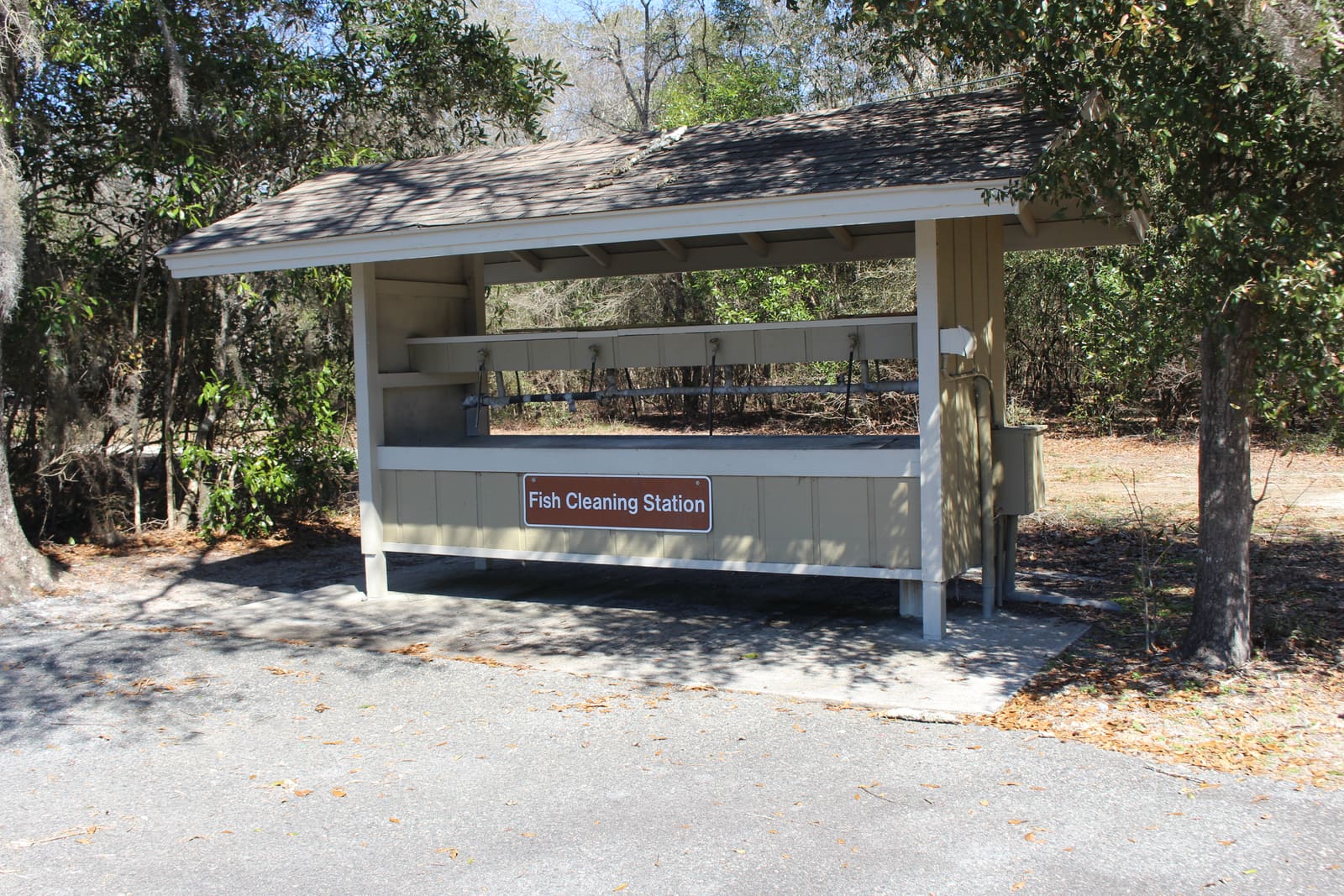
Where to Clean Fish and Get Rid of the Waste: Marina Rules, State Laws and Fishing Line Recycling
Tossing fish guts over the side is legal in some places and a fine in others, and filleting at sea can break size-limit rules. Learn when to keep fish whole, how to use a cleaning station, what to do with carcasses, and how to recycle old monofilament line, with dated examples from state and federal rules.
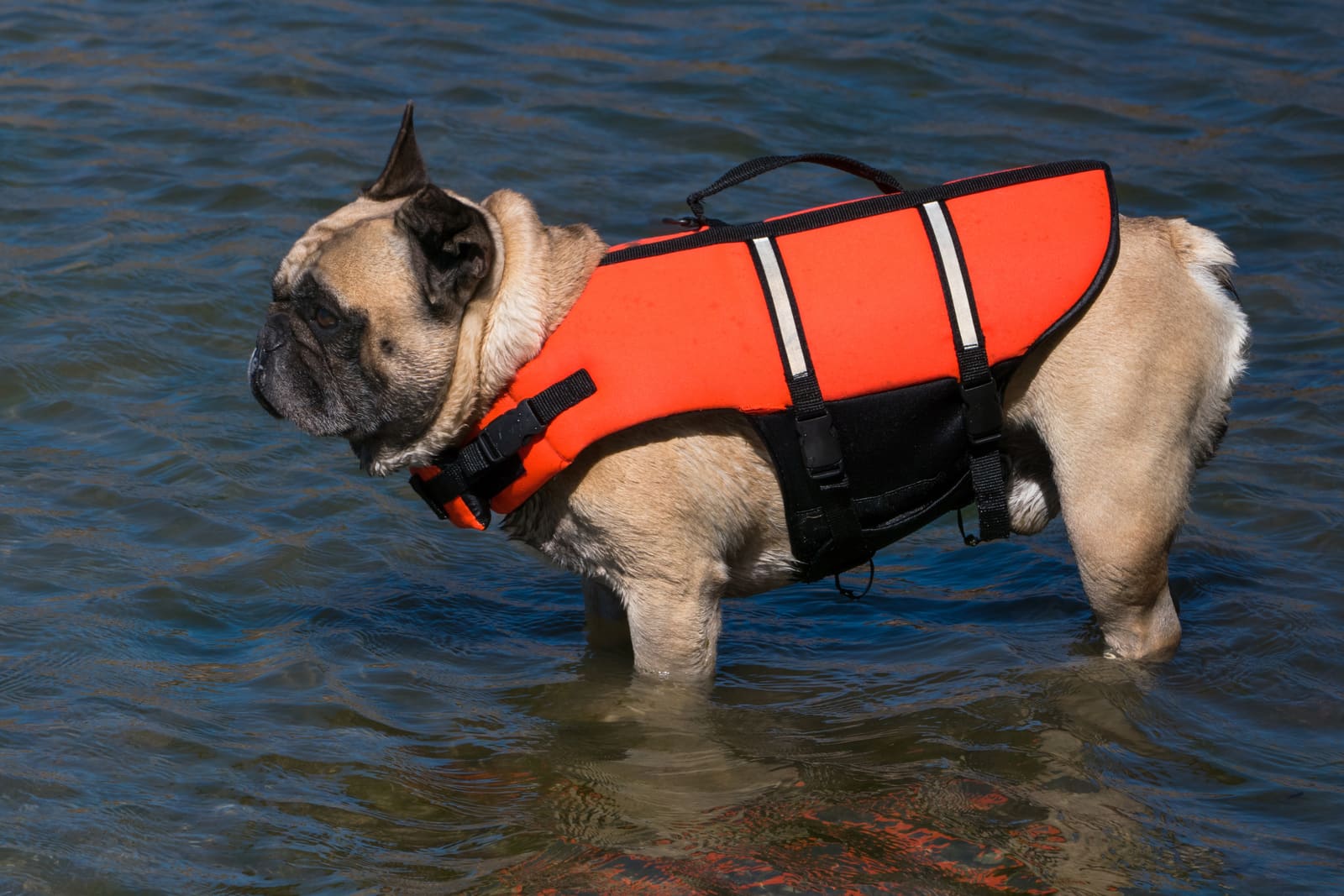
Dogs and Pets Aboard: A Safety Checklist for Boat Owners
Set your boat and your dog up for a safe day on the water, from a well-fitted pet life jacket with a handle to shade, fresh water, safe boarding and a plan for getting a dog back aboard if it goes over the side.
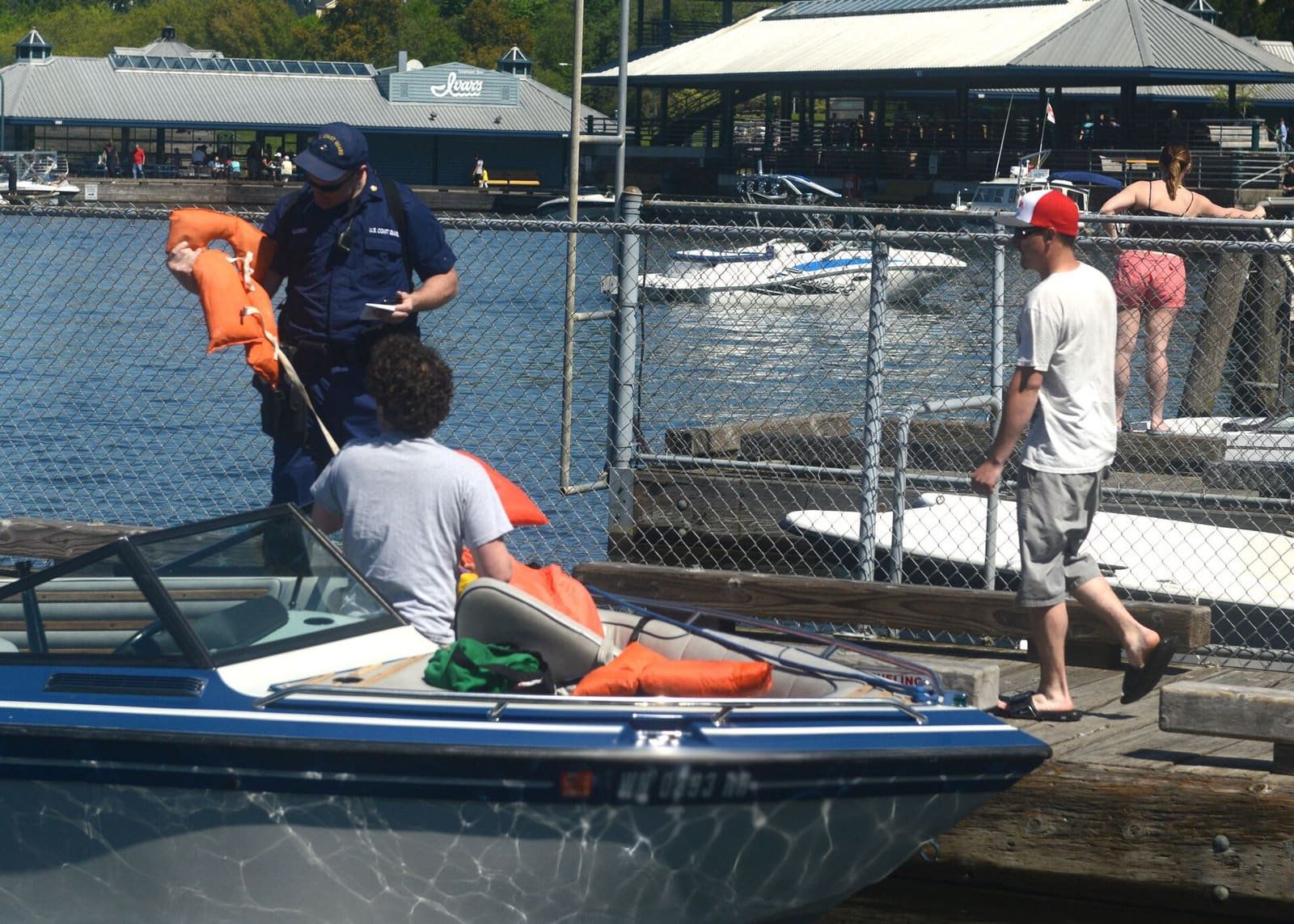
Boat Registration Numbers and Validation Decals: Federal Display Rules, State Placement and Renewals
Display your state registration number and validation decal the way federal rules (33 CFR 173 and 174) and your state require: size, block style, contrast, spacing, placement on the forward half, decal position, what documented boats show instead (name and hailing port), what to carry aboard, and how to never miss a renewal. States add their own details, so check your state boating agency.