FCC Ship Station License vs. a Free MMSI: Which One Your Boat Needs, and How to Keep It Current
Most U.S. recreational boats that stay in U.S. waters don't need an FCC radio license, but every DSC radio and AIS needs a registered MMSI. Learn when an FCC ship station license and operator permit are required (foreign ports, SSB/HF, satellite), how to get an MMSI from BoatUS, America's Boating Club or Shine Micro, and what to do when you sell, buy or rename a boat.
Time
45 min
Applies to
All engines
Safety first: A DSC distress alert only helps if your MMSI is registered and up to date, because the Coast Guard uses the registration to learn who you are, what boat to look for and who to call. Never make up an MMSI, copy one from another boat, or use one from a radio you bought used. The Coast Guard and FCC say inaccurate MMSIs violate FCC rules and can bring fines. In an emergency, use channel 16 or the DSC distress button; your paperwork can wait.
Owners often ask
- Do I need an FCC license for the VHF radio on my boat?
- I sold my boat. What do I do with the MMSI number in the radio?
This guide walks you through it. Still stuck? Ask the AI Mechanic about your engine.
Tools
- Computer or phone with internet access
- Boat registration or USCG documentation number
- Radio and AIS owner's manuals (for entering or deleting the MMSI)
Parts & supplies
- DSC-capable VHF radio connected to GPS (and AIS, if fitted)
Before you start
Two different things that people mix up:
- MMSI (Maritime Mobile Service Identity): a nine-digit number that identifies your boat on DSC radios and AIS. NAVCEN explains that Coast Guard search and rescue uses the registration to identify and locate boats in distress and to tell real alerts from accidental ones.
- FCC ship station license: the FCC's authorization for the radio station on your boat. It comes with a call sign and an FCC-issued MMSI.
The short answer for most owners: the FCC says you don't need a license to operate a marine VHF radio, radar or EPIRB aboard a "voluntary ship" (one not required by law to carry a radio, which generally means recreational boats) operating domestically. You still need an MMSI for any DSC radio or AIS, and you can get one for free or a small fee.
Domestically means not traveling to foreign ports and not transmitting to foreign stations. The FCC notes that sailing in international waters is fine as long as you meet those conditions.
Steps
Use this checklist, based on FCC rules (47 CFR 80.13) and the FCC and NAVCEN pages:
You need an FCC ship station license if any of these is true:
- You will visit a foreign port (the FCC lists Canada, Mexico, the Bahamas and the British Virgin Islands as examples) or communicate with foreign stations.
- You have SSB/HF radio, satellite radio terminals, or any transmitter other than the ones "licensed by rule." Under 80.13, a boat licensed by rule may transmit only on marine VHF (156-162 MHz), AIS, EPIRB and radar; all other transmissions need a license.
- Your boat is required by law to carry a radio (for example, a vessel certified to carry more than six passengers for hire on the open sea, a power-driven vessel over 20 meters on navigable waterways, or a vessel required to carry AIS). Our passengers-for-hire guide covers the charter side.
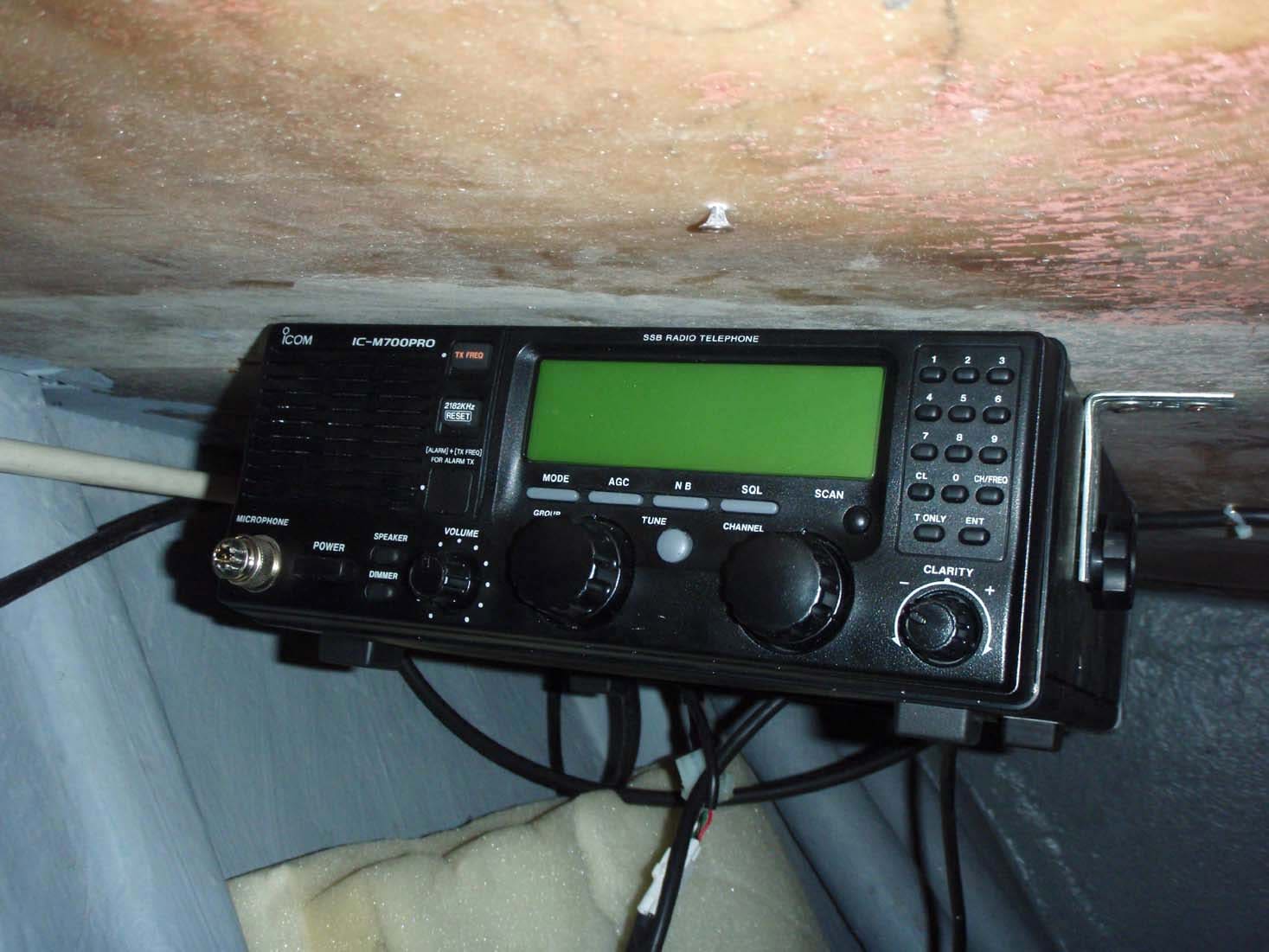
An SSB (HF) radio like this one is outside 'license by rule': the boat needs an FCC ship station license. Photo: PO1 Nico Figueroa, U.S. Coast Guard / Wikimedia Commons · Public domain If none of these apply, you're "licensed by rule." You only need an MMSI from an approved private registrar (step 2). You can still get an FCC license voluntarily if you want one (step 4).
NAVCEN lists the approved registrars for recreational boats that don't need an FCC license:
- BoatUS (free for members, $25 for non-members, as BoatUS listed it in October 2026; membership isn't required)
- U.S. Power Squadrons (America's Boating Club)
- Shine Micro
Sea Tow no longer registers MMSIs. NAVCEN says Sea Tow withdrew from the program and all Sea Tow accounts were moved to the U.S. Power Squadrons. If yours came from Sea Tow, log in there to update it.
BoatUS says its MMSIs are for U.S. registered or documented recreational boats, under 65 feet, not required to carry a radio and not visiting foreign ports. Have your boat's registration or documentation number, description, home port, contact info and emergency contacts ready. If you have an EPIRB, BoatUS asks for its ID code too (it doesn't replace NOAA beacon registration; see our EPIRB guide).
These domestic MMSIs are not valid internationally; the FCC says they end in a digit other than zero.
NAVCEN says each radio on the vessel must use the same MMSI (the exceptions are AIS-SARTs and VHF handhelds that aren't dedicated to that boat).
- Enter the MMSI exactly, following the radio's manual. Most radios let you enter it once or twice only; a typo may need the manufacturer to fix it.
- Connect the radio to GPS so a distress alert sends your position.
- Enter it in your AIS (Class B units are often programmed by the dealer or with the maker's software).
Our VHF/DSC and AIS guides walk through setup and test calls.
The FCC process, as described on its licensing page:
- File FCC Form 605 online in the FCC's Universal Licensing System (ULS). You'll first need an FCC Registration Number (FRN).
- Ask for a new MMSI on the form. The FCC will not accept an MMSI issued by BoatUS or another private registrar; leave that field blank and it will issue a new one.
- The license is valid for 10 years. The FCC no longer mails licenses; you print it from the link it emails you or from ULS.
- You may operate while the application is pending; the FCC says that temporary authority lasts 90 days and you should keep a copy with the station records.
- There's a filing fee; ULS calculates it.
Already have a domestic MMSI? NAVCEN warns you'll have to delete the old MMSI from your radios and enter the FCC one, and you usually can't do that yourself without the radio maker's instructions (step 8).
The FCC says that if you travel to a foreign port, you also need an operator permit: for recreational boaters, the Restricted Radiotelephone Operator Permit.
- File Form 605 in ULS; no test is required.
- It's valid for your lifetime, and the FCC says to keep it even if you sell the boat.
The station license belongs to the boat; the operator permit belongs to you.
A DSC handheld you carry from boat to boat (a dinghy, friends' boats, kayaking) is different:
- NAVCEN says handheld MMSIs have their own format (starting with 8) and are currently issued only by the FCC and Shine Micro.
- BoatUS and Power Squadron MMSIs are for boats; don't put them in a handheld unless the handheld stays with that one boat.
- NAVCEN says a handheld used only on boats that are "licensed by rule" (step 1) can get its handheld MMSI from a license-by-rule provider such as Shine Micro. A handheld used for anything else must be licensed by the FCC and get its MMSI from the FCC.
- The FCC explains why the special format matters: the handheld MMSI tells rescuers they're dealing with a low-power radio with limited range. Its VHF Handheld Stations page lists two license options: a portable ship license (SA radio service) for a radio that moves between boats, and a coast station handheld license for use mainly on land.
Using a handheld on shore. NAVCEN notes that the FCC allows portable marine VHF radios ashore only in areas next to the water, such as docks and beaches, and only for the operational needs of the associated boat, with transmissions kept as short as practical. A marine handheld isn't a walkie-talkie for the campground or the ski slope, and calling boats from your living room isn't allowed either.
NAVCEN says to update your registration whenever contact or vessel information changes; registrars send reminders every two years. Update it when you:
- Change phone, address, email or emergency contacts
- Rename the boat, repaint it a new color, or change the home port (our renaming guide covers the rest of the paperwork)
- Add an EPIRB or change your float plan habits
With an FCC license, address, email, name and emergency contact changes are a free Administrative Update in ULS. Changes to vessel data or the MMSI on the license go through FCC support.
NAVCEN is clear: the MMSI goes with the vessel, not the user. Before the sale closes, either:
- Transfer the registration to the buyer (BoatUS has a "Transfer to New Owner" option; the buyer then claims it), or
- Have the own-ship MMSI deleted from every DSC radio and AIS on the boat, using the manufacturer's procedure, and cancel your registration.
If you keep any radio or AIS, its MMSI must be deleted. NAVCEN warns that if you skip this, you could be held responsible if the new owner sends a distress alert or uses the AIS under your MMSI.
With an FCC license: the FCC says you can cancel it in ULS (the new owner then applies for a new license and can reuse the MMSI once yours is canceled), or request an assignment to the buyer with Form 603.
- Ask the seller for the MMSI and who registered it, and do the transfer together.
- If you can't reach the seller, NAVCEN says contact the radio manufacturer to delete the old MMSI before you use the radio, then register your own.
- Don't know who issued an MMSI? NAVCEN publishes a list of MMSI blocks by registrar.
- Before buying a used DSC radio or AIS, NAVCEN suggests finding out how that model's MMSI is deleted; on some it takes a dealer visit or return to the factory.
For an FCC-licensed boat, keep a printed copy of the license (and operator permits) with the boat's papers, as foreign officials may ask. For a domestic MMSI, keep the number and registrar on a card by the radio along with the boat name and Mayday steps.
Common mistakes
- Believing every boat needs an FCC radio license. Domestic recreational boats with VHF, AIS, EPIRB and radar don't.
- Heading to the Bahamas or Canada with a BoatUS MMSI. You need an FCC license, an FCC MMSI, and an operator permit.
- Making up an MMSI, or entering a friend's, to get the DSC button to work.
- Mistyping the MMSI and locking the radio.
- Selling the boat without transferring or deleting the MMSI.
- Assuming Sea Tow still manages your MMSI.
- Putting a boat MMSI in a handheld that goes on every boat you ride.
When to call a pro
- Your radio or AIS won't accept the MMSI, or you need an old MMSI deleted: contact the manufacturer or an authorized marine electronics dealer.
- Installing SSB/HF, a satellite terminal or a new AIS: a marine electronics installer can set it up and help with licensing details.
- Planning international cruising: talk with your registrar, the FCC (1-877-480-3201 for licensing help) and a cruising organization about all the radio and customs paperwork.
- Your radio's DSC distress button was pressed by mistake: cancel the alert on the radio if it allows, then call the Coast Guard on channel 16 and explain. Never ignore it.
Tips
- Write the MMSI on a label next to the radio along with your boat's name; it's handy for the Mayday script and for radio checks.
- Register your EPIRB with NOAA separately; an MMSI registration doesn't cover it.
- After registering, do a DSC test call to a friend's boat to confirm the radio sends your MMSI and position (see our VHF guide).
- Set a reminder to confirm your MMSI details each spring along with your boat registration.
Official references
We read these to write this guide. Your engine's own manual always wins.
- FCC – Ship Radio Stations (voluntary vs. compulsory ships)
- FCC – Ship Radio Stations Licensing (who needs a license, renewals, selling your ship, operator permit)
- FCC – Maritime Mobile Service Identities (MMSI)
- eCFR – 47 CFR 80.13, Station license required
- U.S. Coast Guard NAVCEN – Maritime Mobile Service Identity
- U.S. Coast Guard NAVCEN – MMSIs for Recreational Vessels
- U.S. Coast Guard NAVCEN – What to do when Selling or Disposing of your Radio or Radio-equipped Vessel
- U.S. Coast Guard NAVCEN – MMSIs for VHF Handhelds
- FCC – VHF Handheld Stations (handheld MMSI format and license options)
- BoatUS – MMSI Numbers
Safety: BoatMend is for information only and does not replace a certified marine technician. You are responsible for your safety and your boat. Read the full disclaimer.
Last updated 2026-10-26
Related guides
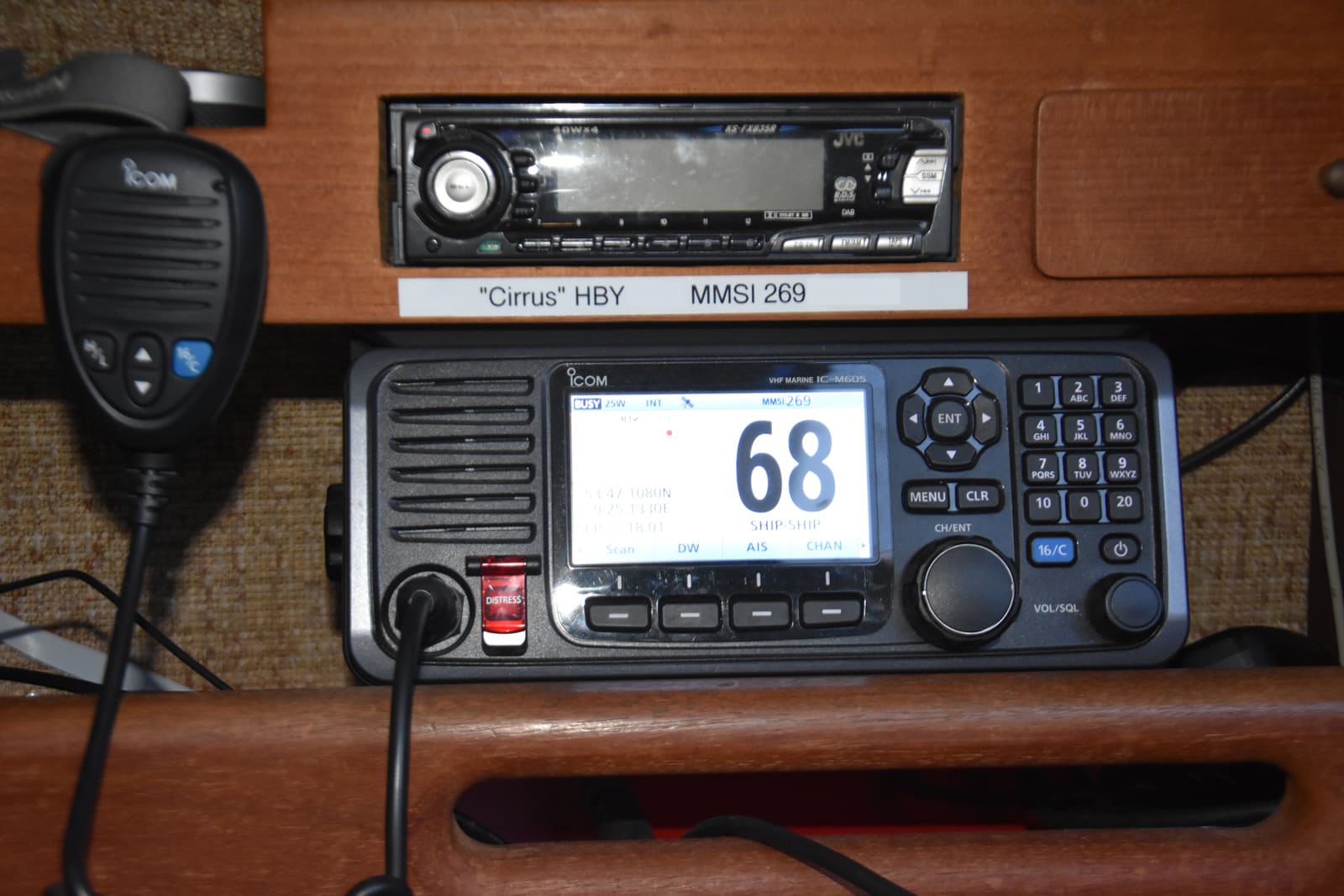
Set Up Your VHF Radio: MMSI, DSC, GPS Hookup and Radio Checks
Get a free or low-cost MMSI number, program it into your DSC radio, connect your GPS so a distress alert sends your exact position, check the antenna, and learn the Channel 16 rules and the right way to do a radio check.
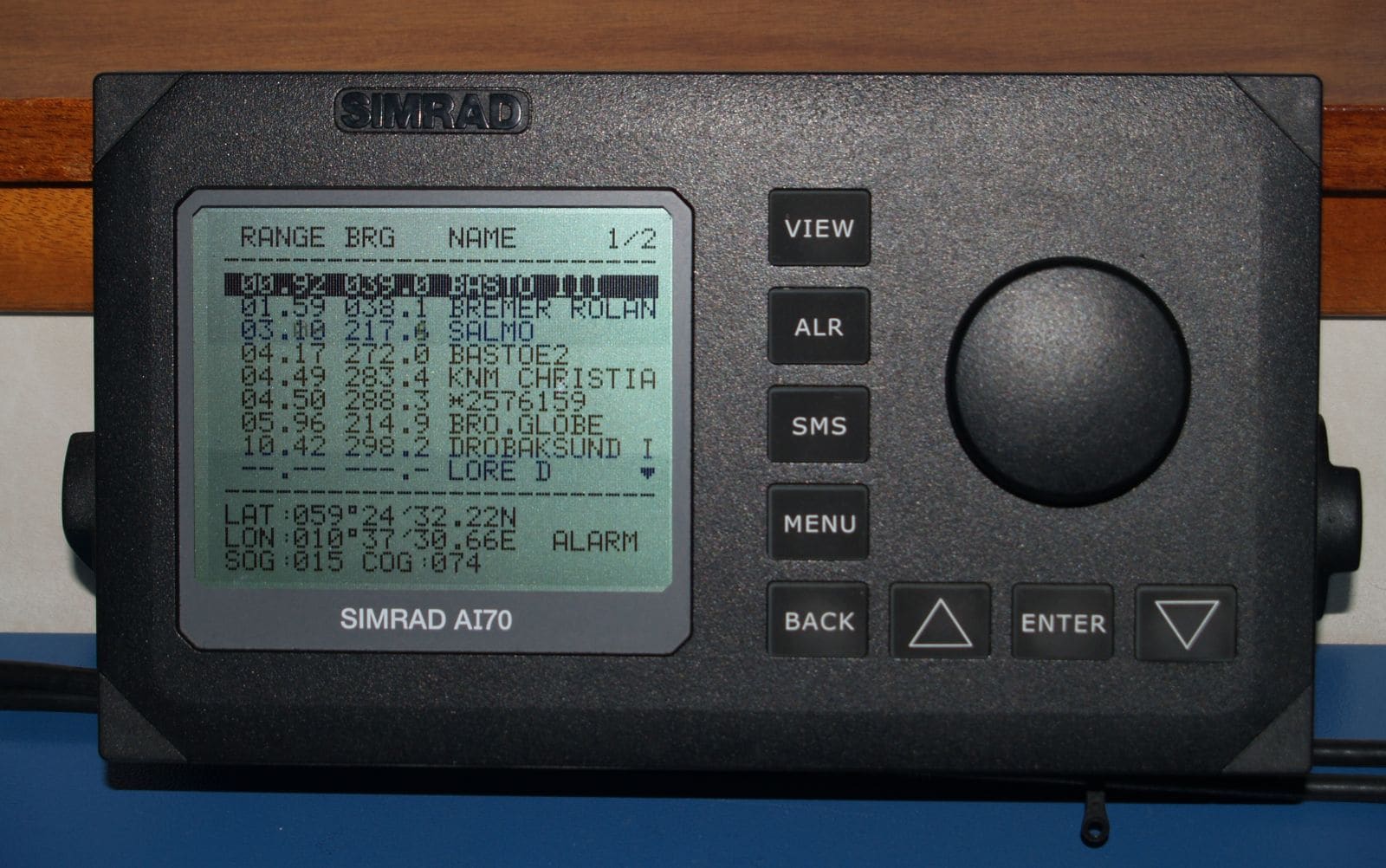
AIS on Your Boat: Receiver vs. Class B, MMSI Programming, Antennas and Checking You're Seen
Choose between a receive-only AIS and a Class B transponder, get the MMSI programmed the legal way, sort out the GPS and VHF antenna (or splitter), confirm other boats and the Coast Guard actually see you, and understand silent mode and AIS man-overboard beacons.
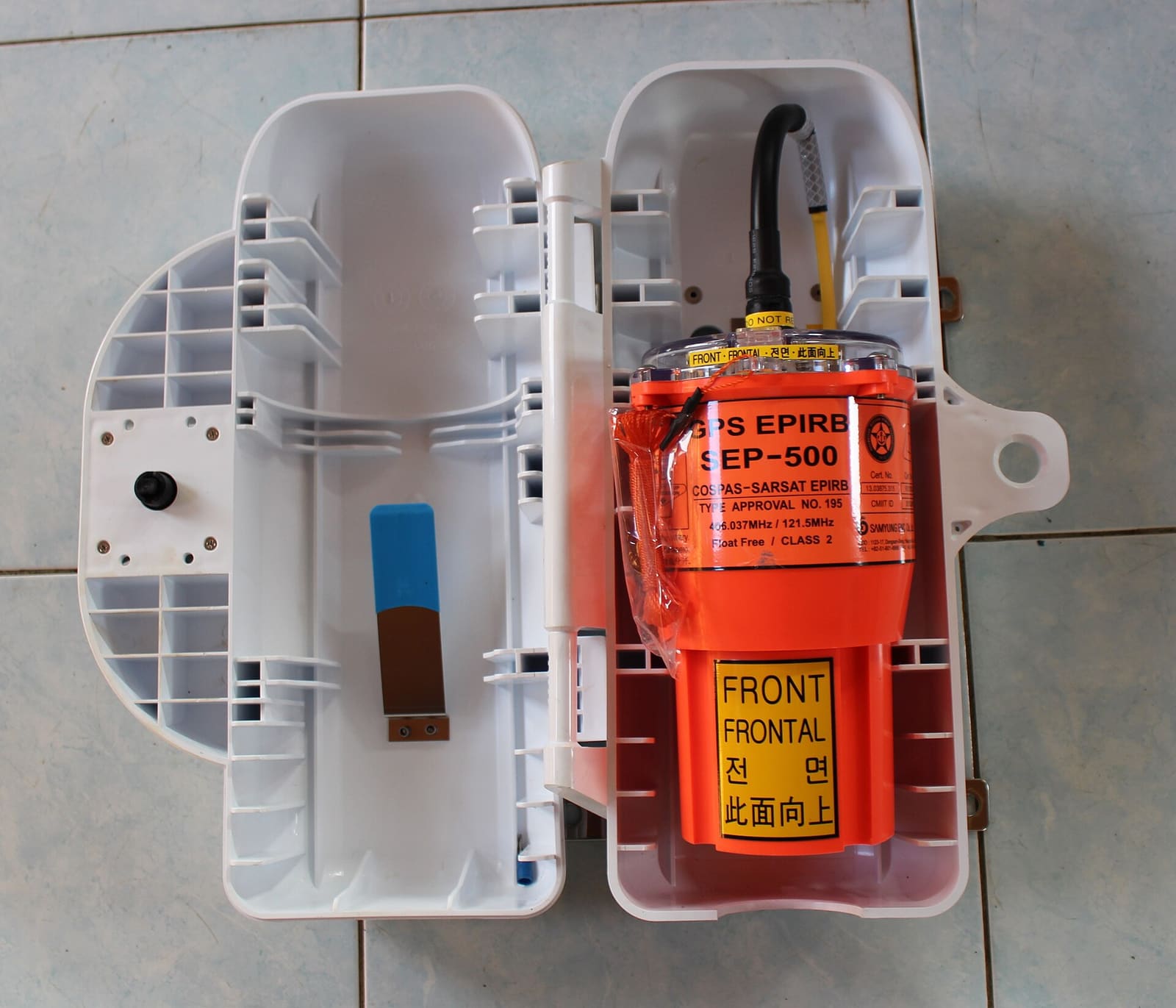
EPIRB and PLB Care: Registration, Batteries, Self-Test and Mounting
Keep your 406 MHz emergency beacon ready to work on the worst day of your life. Register it free with NOAA and renew every two years, track the battery and hydrostatic release dates, run the self-test without triggering a false alert, and know what happens after you press the button.
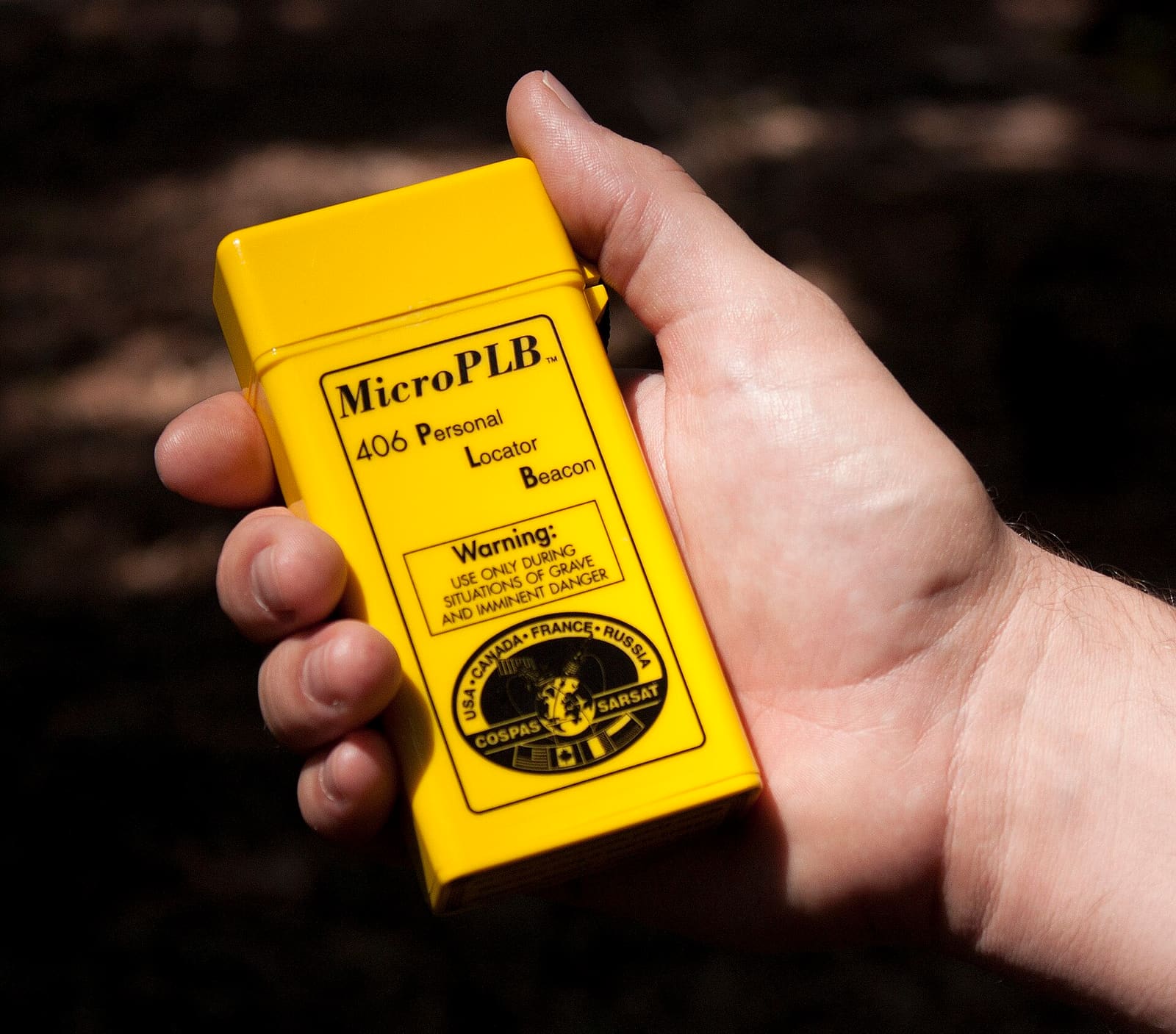
Satellite Messenger vs PLB vs EPIRB: Which Emergency Device Should You Carry?
A PLB or EPIRB calls government search and rescue through the 406 MHz Cospas-Sarsat satellites with no subscription; a satellite messenger like an inReach or SPOT sends an SOS through a private network and adds texting and tracking for a monthly or yearly fee. Learn how each one alerts rescuers, what registration, subscriptions and batteries they need, what to carry for lakes, coastal and offshore boating, and how to test without causing a false alarm.
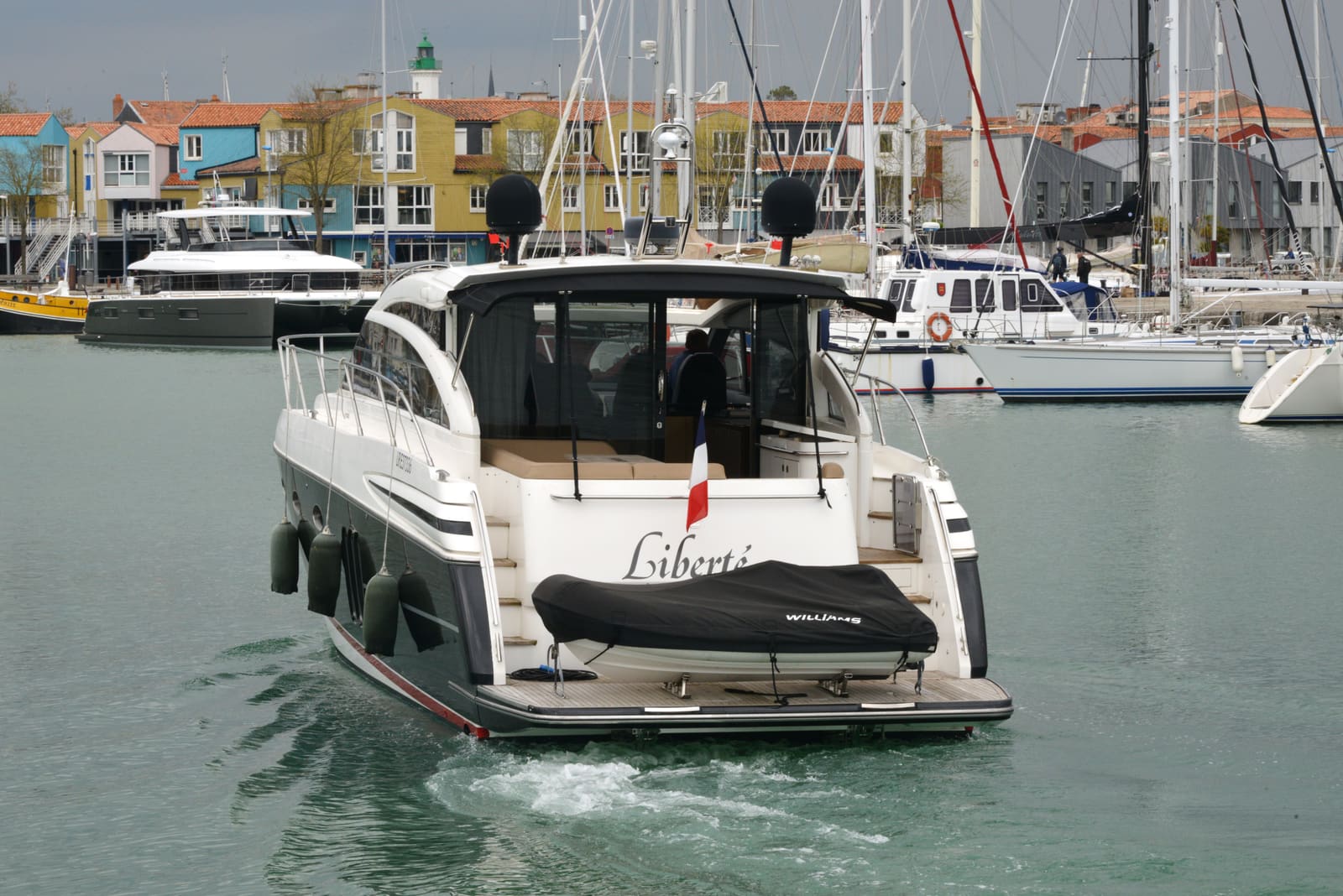
Renaming a Boat: Paperwork, Removing the Old Name and the Optional Ceremony
Change your boat's name the right way: what a state-registered boat needs versus a Coast Guard documented boat (name change and hailing port go through the NVDC before you letter the hull), getting every trace of the old name off, lettering rules for documented boats, who else to tell (insurer, marina, MMSI, EPIRB, AIS), and the traditional renaming ceremony if you want the fun.
USCG Documentation Renewal: When, How, What It Costs and How to Avoid Look-Alike Renewal Mailers
Keep your boat's Coast Guard Certificate of Documentation current: how long a recreational certificate lasts (1 to 5 years), the federal fee schedule, renewing directly with the NVDC online, what happens if it lapses, why many states still want registration and a decal, and how to spot the third-party letters that charge several times the real fee.
Used Boat Paperwork: Titles, Liens, HIN Checks, Bill of Sale and Registration
A practical checklist for the paperwork side of buying a used boat: state title or Coast Guard documentation, checking for liens and theft, verifying the hull ID number, writing a proper bill of sale, the trailer's own title, registering in your name, and transferring warranties and checking recalls. Rules vary by state, so confirm each step with your state agency.

How to Get Your Boat Ready to Sell (Records, Title and Prep)
Prepare your boat for sale the way buyers and surveyors expect: gather the title, registration and HIN paperwork, organize your maintenance records and receipts, fix the small stuff, detail the boat, get it ready for a sea trial and buyer's survey, and close the deal with the right documents.
The Pre-Departure Safety Briefing: What to Tell Every Passenger (with a Printable Checklist)
A five-minute talk before you leave the dock turns guests into a crew that can help in an emergency. Cover life jackets, the engine cut-off switch, the fire extinguisher, how to call for help on the VHF, what to do if someone falls overboard, staying seated, seasickness and carbon monoxide near the stern, then use the printable checklist every trip.