How to Get Your Boat Ready to Sell (Records, Title and Prep)
Prepare your boat for sale the way buyers and surveyors expect: gather the title, registration and HIN paperwork, organize your maintenance records and receipts, fix the small stuff, detail the boat, get it ready for a sea trial and buyer's survey, and close the deal with the right documents.

Time
10 h
Shop would charge
$200-1000
Applies to
All engines
Safety first: You are responsible for everyone aboard during a sea trial. Bring enough life jackets for every person, check the weather and keep the kill switch lanyard attached. Do not let strangers take your boat out alone. If you smell fuel while prepping the boat, stop and fix the leak before anyone runs the engine.
Owners often ask
- What paperwork do I need to sell my boat privately, and how do I handle the title and bill of sale?
- Do maintenance records and receipts really help when selling a used boat?
This guide walks you through it. Still stuck? Ask the AI Mechanic about your engine.
Tools
- Folder, binder or a scanner app for documents
- Boat soap, brushes, bilge cleaner, gelcoat cleaner and wax
- Vacuum and upholstery cleaner
- Basic hand tools and a multimeter for small repairs
- Phone or camera for listing photos
Parts & supplies
- Bulbs, fuses and hose clamps for small fixes
- Fresh engine oil and filter if a service is due
- Fuel stabilizer, if the boat will sit before it sells
Before you start
Buyers pay more for a boat that looks cared for, runs well and comes with clean paperwork. Discover Boating says the amount of prep you do has a big effect on what someone will pay, and that you should have the title, the trailer's title and registration, and your maintenance records ready before you list.
Decide first how you will sell, because it changes how much of this work falls on you:
- Private sale: you keep the full price, but you handle the ads, showings, sea trials and paperwork.
- Broker: a broker handles marketing, showings and the closing for a commission. Discover Boating suggests looking for a member of the Yacht Brokers Association of America or a Certified Professional Yacht Broker.
- Dealer trade-in: fastest and simplest, but you rarely get top dollar. In most states you only pay sales tax on the difference between the new boat's price and your trade-in.
Timing matters too. Discover Boating says early spring and late fall are usually the best times to sell, with spring often bringing a slightly better price.
Steps
Find your title (if your state titles boats), your current state registration, and the trailer's title or registration. If you still owe money on the boat, ask your lender how a payoff and lien release work, because the buyer will want a clean title. A boat documented with the Coast Guard instead of state-titled is transferred through the National Vessel Documentation Center, so check its current forms and fees. The NVDC accepts bills of sale and related papers directly, and it warns that private companies offering to handle documentation for a fee are not part of the Coast Guard.
The 12-character Hull Identification Number is on the starboard (right) side of the transom, near the top. It must match the title and registration exactly; the Coast Guard notes that one wrong character changes the boat's identity. Boats built after August 1, 1984 also have a hidden secondary HIN inside the hull. If the HIN is damaged, hard to read or does not match, sort it out with your state boating agency before you list. It is illegal to alter or remove a HIN. Write down the engine, drive and trailer serial numbers too (see the engine serial number guide).
A complete service history is one of the strongest things you can offer. It lets the buyer and their surveyor see what was done and when, instead of guessing. Put together:
- A simple service log: date, engine hours, what was done and who did it
- Receipts and invoices, sorted by date (oil changes, impellers, lower unit service, bellows, risers, bottom paint, batteries, tires)
- Invoices for upgrades and new equipment
- Owner's manuals, warranty papers and any previous survey reports
- Oil analysis or compression test results, if you have them
Is there factory warranty left? If the engine is still under its original warranty, tell buyers and explain how it moves to them. Mercury's owner FAQ, for example, says the remaining factory warranty is transferred into the new owner's name when a copy of the bill of sale is sent to its registration and warranty department; extended service plans can have their own rules, and some aren't transferable at all. Check the engine maker's rules for your brand and plan, and put the details in your listing.
Be factual. Do not fill gaps with guesses. If you did work yourself, list it honestly with the date and parts used, and keep the parts receipts.

Keep every receipt and record for the boat in one place. Photo: Anete Lusina / Pexels · Pexels License Small, visible problems make buyers wonder what else was neglected. Discover Boating recommends fixing broken or malfunctioning equipment, especially the engine, before you list. Walk the boat and test:
- Navigation lights, horn, bilge pump and blower, gauges, trim, steering and electronics
- Hatches, latches, seat hinges and cushions with small tears
- Rusty hose clamps, cracked hoses and loose hardware
- Trailer lights, tires (check the date code) and wheel bearings
Keep a list of anything you cannot or will not fix. You will use it in step 8.
Discover Boating's advice is to clean the boat inside and out, wash it and wax every inch, including places buyers open but owners forget, like stowage under seats and fish boxes. Also:
- Clean the bilge and wipe down the engine so it looks dry and leak-free.
- Remove clutter and personal items so the deck and cabin look bigger.
- Clean canvas, vinyl and clear enclosure panels with products made for them.
- Air out the cabin and fix sources of mildew smell rather than covering them with fragrance.
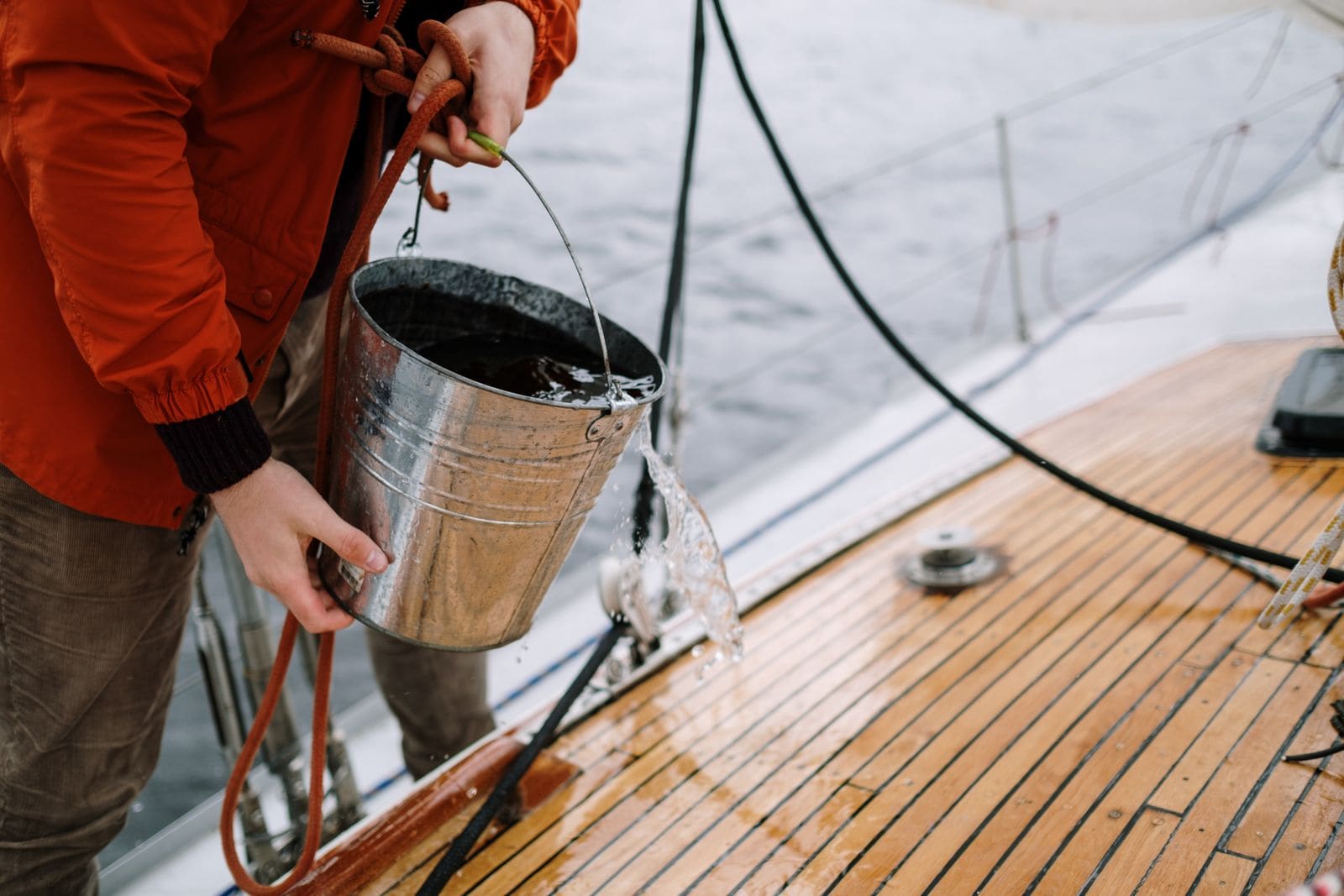
Photo: cottonbro studio / Pexels · Pexels License If an oil change, impeller or lower unit service is due, do it now and add it to the log. Fill up with fresh fuel (with stabilizer if the boat will sit), charge or replace a weak battery and test that the engine starts and idles smoothly. A boat that will not start on the first showing loses buyers fast.
Price guides like the NADA values give only a rough starting point. Discover Boating suggests comparing similar boats by make, model, size and age, and notes that location, freshwater versus saltwater use and the season all affect price. For the listing:
- Take lots of clear, bright photos: hull sides, deck, helm, cabin, engine, trailer and the hour meter.
- List the engine hours, recent service and upgrades, and say that records are available.
- Give the full HIN to serious buyers who ask; they may want it to check the boat's history.
Honesty is the best policy, as Discover Boating puts it, and it also protects you. Make a short written list of known problems and give it to buyers. Disclosure rules and "as-is" sales vary by state, so check your state's rules or ask an attorney if the sale is large or complicated.
BoatUS theft investigators warn that a "For Sale" sign in a public place can attract thieves posing as buyers to check how easy the boat is to take. When you show the boat:
- Talk to buyers by phone first and meet them in person.
- Never leave keys, the title or the registration aboard.
- Keep the trailer locked between showings (see the theft prevention guide).
Have the boat in the water or at the ramp, fueled, with a charged battery and all the required safety gear aboard: life jackets for everyone, fire extinguisher, sound signal and lights. Check that your insurance covers the trial. You (or a captain you hire) should handle the boat leaving and returning to the dock; let the buyer take the helm in open water if you are comfortable.
Serious buyers of bigger or pricier boats will hire a marine surveyor, often with a haul-out and a short trial run. BoatUS notes it is the seller's job to make sure systems are accessible and the boat is not cluttered. Surveyors want a cold start, so do not run the engine for about a day before. Have your records folder aboard for the surveyor to read.
Use a written bill of sale that lists:
- Buyer and seller names, date and price
- The boat's make, model, year and full HIN
- Engine, drive and trailer serial numbers
- What is included (electronics, covers, spare prop, safety gear)
- Any "as-is" terms you agreed on, and both signatures
Make sure the payment has fully cleared before you sign over the title. Watch for the classic overpayment scam: a "buyer" sends a check for more than the price and asks you to wire, or pay by gift card, the difference back (often for a "shipper"). The FTC warns that fake checks look real, even to bank staff, and that banks must make deposited money available quickly, so seeing the funds in your account doesn't mean the check is good; it can take weeks to bounce, and then you owe the bank. Never send money back from a buyer's check. Meeting the buyer at their bank, or waiting until your own bank confirms the funds are final, is safer. Discover Boating's point applies here: a buyer can change their mind after a handshake, but not after signatures and payment, so have every document ready ahead of time.
Hand over the manuals, records and spare keys. Then check your state's rules: many states want the seller to report the sale or handle the registration in a specific way. Cancel or move your insurance only after the boat has changed hands, and give notice to your marina or storage yard.
Common mistakes
- Listing before finding the title or getting a lien release from the lender.
- A HIN that does not match the paperwork, which stops serious buyers and lenders cold.
- "Records? I did everything myself" with no dates, notes or receipts.
- Showing a dirty bilge and a cluttered cabin.
- Warming the engine before the buyer arrives. Buyers and surveyors read that as hiding a hard start.
- Signing the title before the payment clears, or refunding an "overpayment" from a buyer's check.
- Not disclosing a salvage or rebuilt history from an insurance total loss; buyers and their insurers will find it.
- Letting a stranger take the boat out alone for a "test drive."
When to call a pro
- Mechanical problems you cannot fix before the sale, especially engine, drive or steering issues
- Soft decks, transom flex or structural cracks
- Title problems, a missing title, liens or a HIN that does not match: contact your state boating agency
- Large or complicated sales: a yacht broker, and an attorney for the contract
- A documented vessel: follow the National Vessel Documentation Center process
Tips
- Start a service log the day you buy a boat. When you sell, the records are already done.
- Scan every receipt and keep a digital copy as well as the paper folder.
- Price slightly above your bottom line, then lower it in small steps if interest is slow.
- If the trailer is included, list its title or registration and recent tire and bearing work too.
Official references
We read these to write this guide. Your engine's own manual always wins.
- Discover Boating – The Ultimate Boat Seller's Guide, How to Sell a Boat
- Discover Boating – Sell Your Boat or Trade-In, Understanding Your Options
- Discover Boating – Play the Numbers Game (Hull Identification Numbers)
- U.S. Coast Guard Boating Safety – Hull Identification Number (HIN) state guidance
- U.S. Coast Guard – National Vessel Documentation Center
- BoatUS – The Boat Survey (what buyers and surveyors do on survey day)
- BoatUS – How To Prevent Your Boat From Being Stolen
- FTC Consumer Advice – How To Spot, Avoid, and Report Fake Check Scams
- U.S. Coast Guard – National Vessel Documentation Center, Instructions and Forms
- Mercury Marine – Owner FAQs (warranty transfer to a new owner)
Safety: BoatMend is for information only and does not replace a certified marine technician. You are responsible for your safety and your boat. Read the full disclaimer.
Last updated 2026-10-24
Related guides
How to Inspect a Used Boat Before You Buy
A step-by-step checklist for looking over a used boat, from paperwork and the hull ID number to the transom, engine, compression test, sea trial and trailer. Know what to check yourself, what the red flags mean, and when to pay a marine surveyor.
How to Prepare Your Boat for an Insurance or Condition Survey
Get ready for a marine survey your insurer or lender asked for: what a SAMS or NAMS surveyor looks at, the common findings you can fix beforehand (hose clamps, seacocks, bilge, fire extinguishers, wiring), the paperwork to have ready, and how to handle the recommendations afterward.
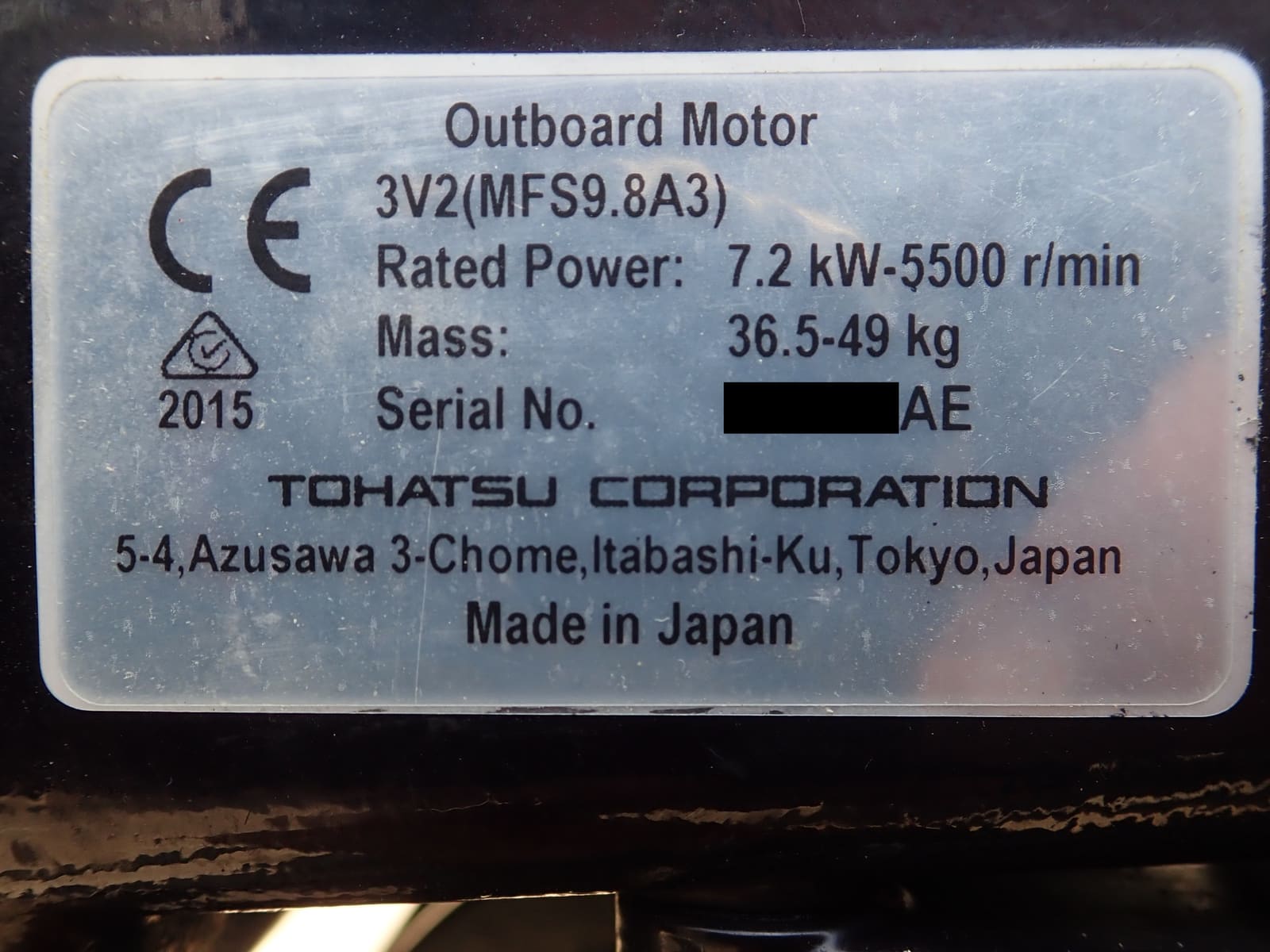
How to Find Your Engine's Serial Number, Model and Year (and Get the Official Manual)
Find the ID label on your outboard, sterndrive, inboard diesel or PWC, read the model and serial number correctly, tell it apart from the boat's HIN, and use it to open the free official owner's manual. It's the first step for ordering the right parts and following the right maintenance plan.

How to Clean, Remove Oxidation and Wax Your Boat's Gelcoat (Plus Pontoon Tubes)
Wash your hull the right way, bring back chalky, faded gelcoat with compound, and seal it with wax so it stays glossy and protected from the sun. Includes how to clean and protect the aluminum tubes on a pontoon boat.
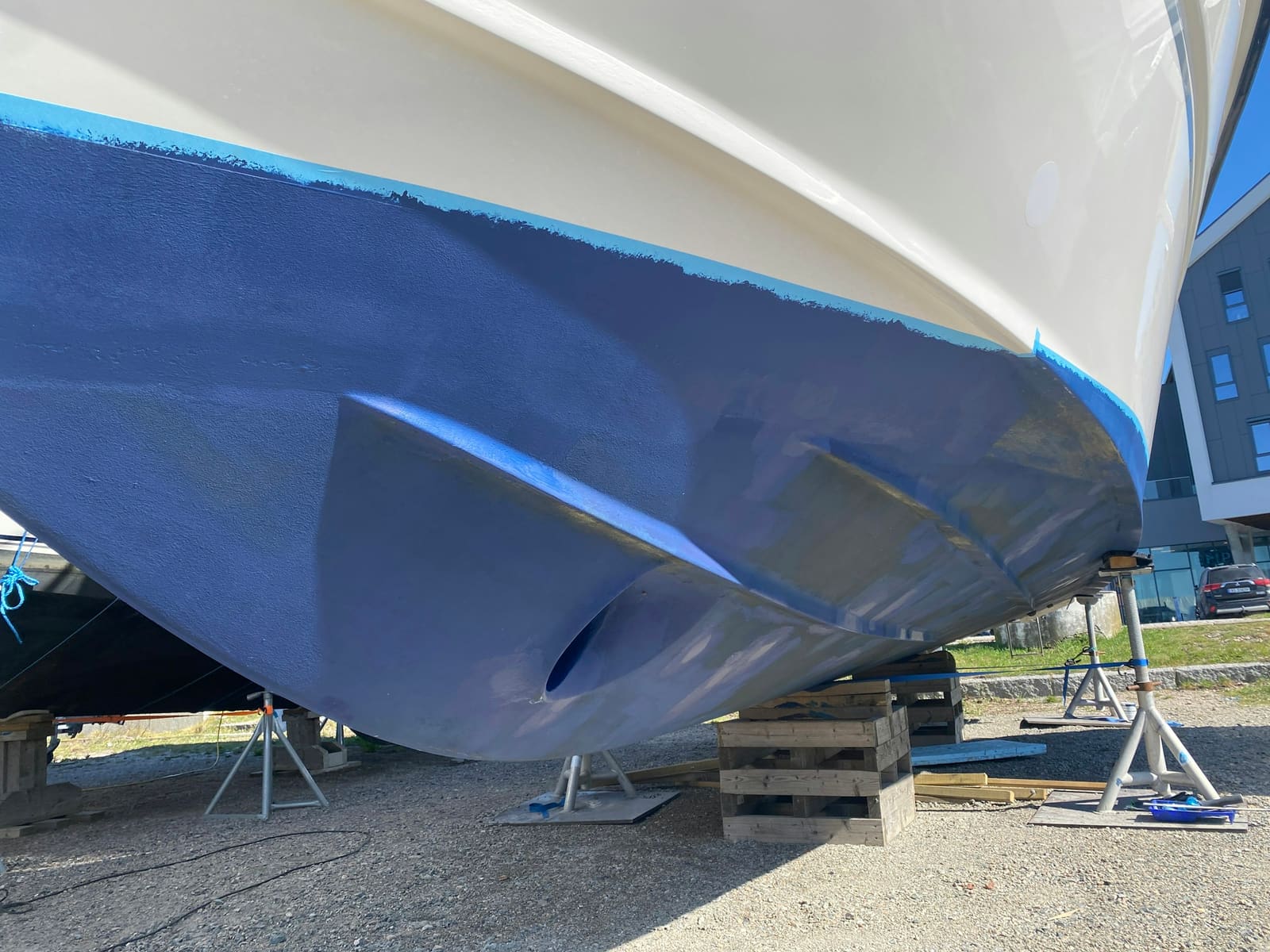
How to Repair Small Gelcoat Chips and Scratches
Fill and blend small chips, dings and scratches in your boat's gelcoat with a repair kit so they stop letting water into the fiberglass and look close to new. Also learn to spot damage that is structural and needs a pro.

How to Clean and Protect Boat Canvas, Bimini Tops and Vinyl Seats
Wash your bimini, covers and enclosure the right way, beat mildew without wrecking the stitching, keep vinyl seats soft and stain-free, look after zippers and snaps, and store everything so it comes out clean next spring.
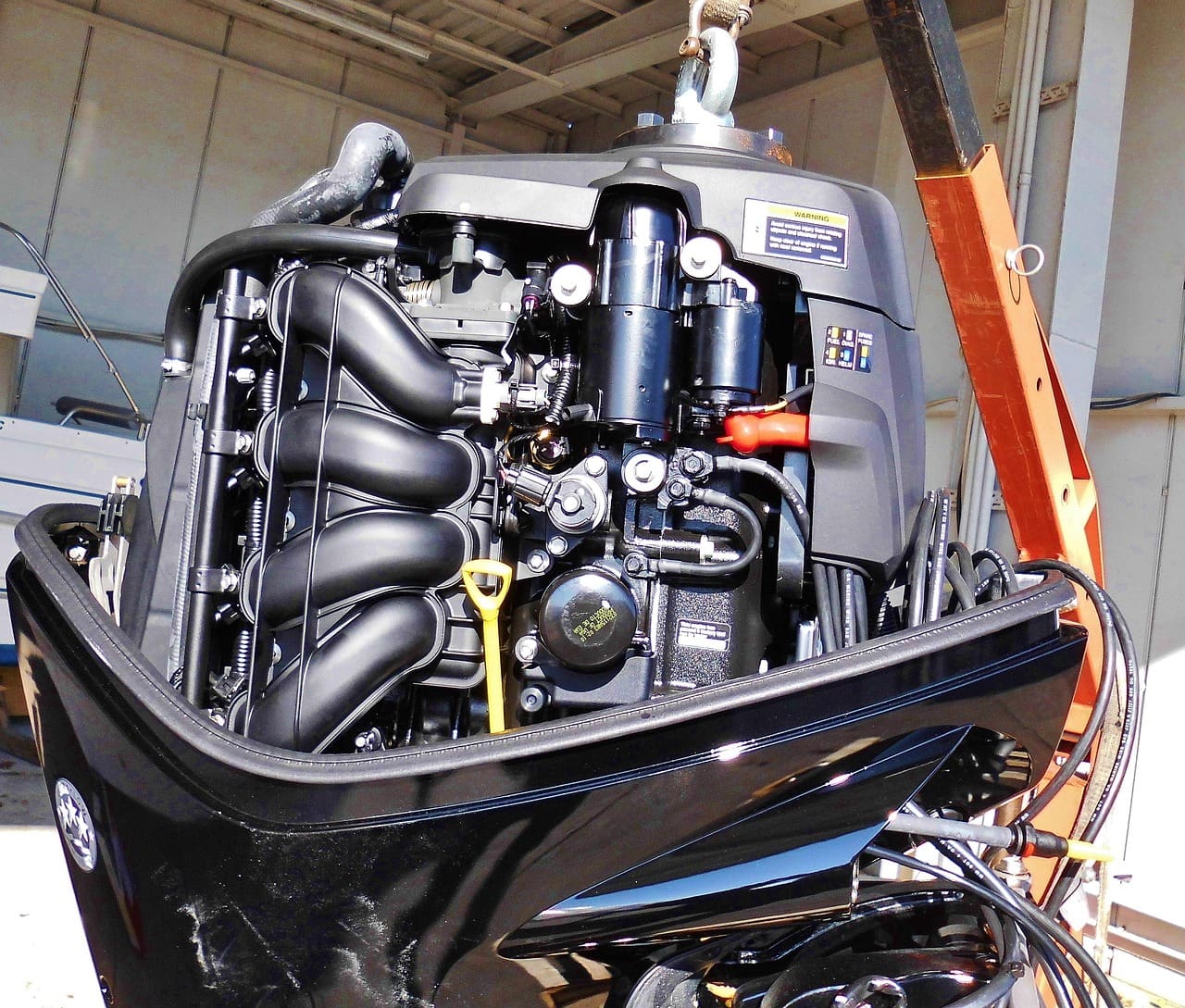
How to Change the Oil and Filter on a 4-Stroke Outboard
Drain the old oil, swap the filter and refill with the right marine oil on your 4-stroke outboard. It is the most common service job, takes about an hour, and costs a fraction of the dealer price.
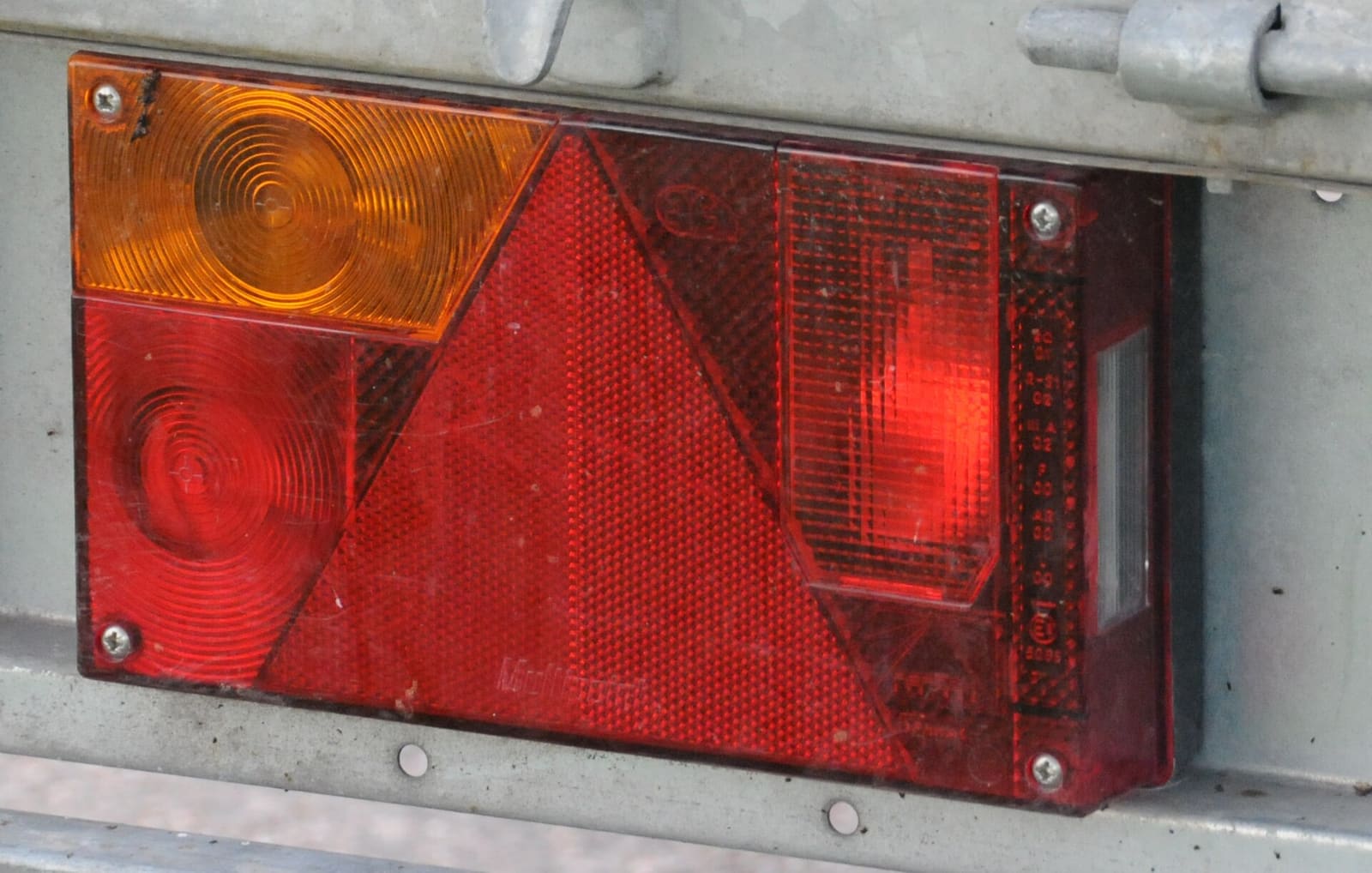
How to Fix Boat Trailer Lights That Flicker, Dim or Don't Work
Track down the real cause of dead or flickering trailer lights, from a bad ground to a corroded plug, and fix it so the repair lasts. Working brake, turn and tail lights are required by law and keep the driver behind you from rear-ending your boat.
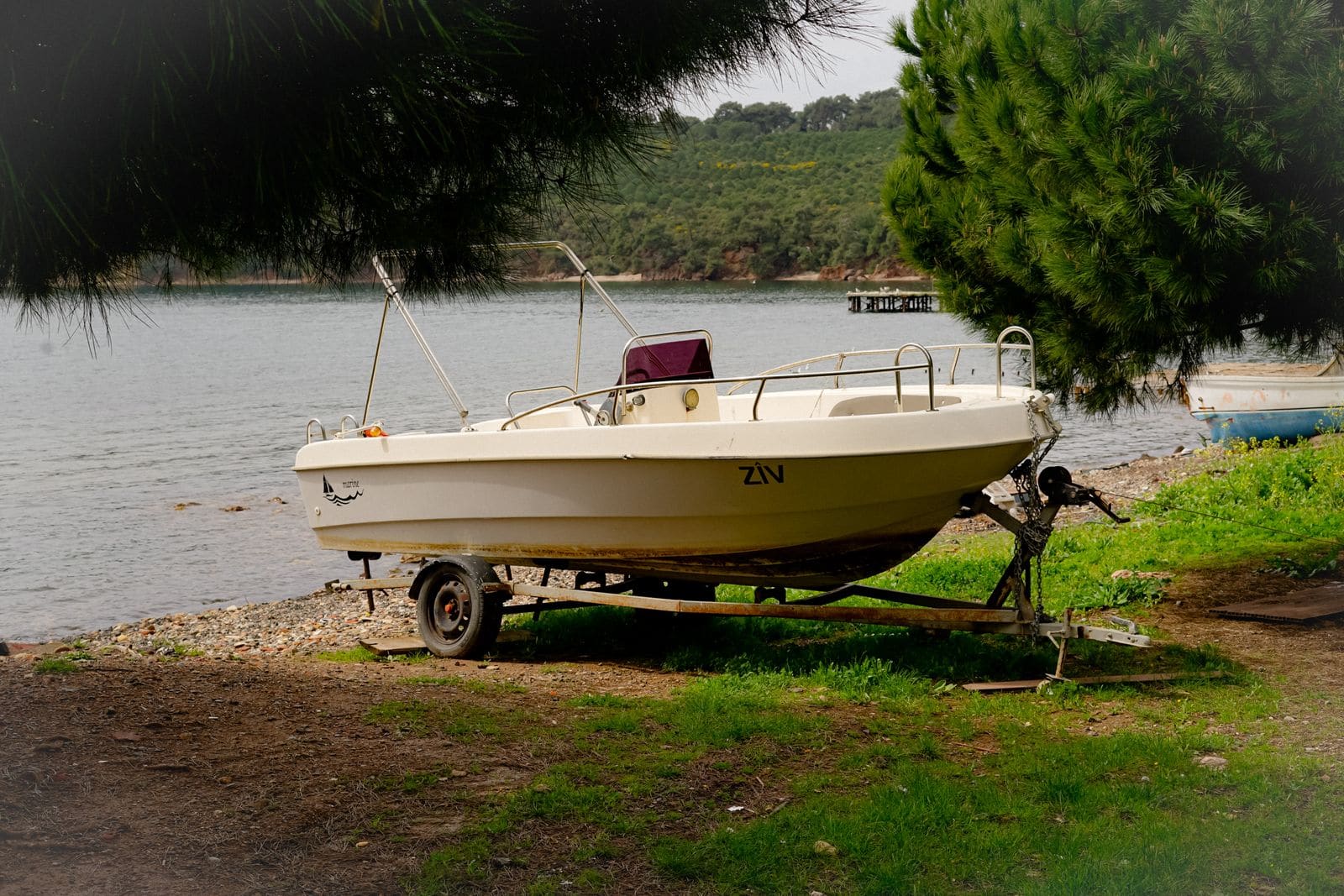
How to Inspect, Inflate and Replace Boat Trailer Tires
Check your trailer tires the way the pros do: the right type (ST), the right load range, the right cold pressure, and an honest look at their age. Tires are the number one reason boat trailers end up on the side of the highway.

USCG Required Safety Equipment Check by Boat Length
Walk through your boat and confirm you carry every piece of safety gear the US Coast Guard requires for your boat's length and type, and that none of it is expired or worn out. Missing or expired gear is one of the most common tickets on the water, and it is the gear you need when things go wrong.