How to Inspect a Used Boat Before You Buy
A step-by-step checklist for looking over a used boat, from paperwork and the hull ID number to the transom, engine, compression test, sea trial and trailer. Know what to check yourself, what the red flags mean, and when to pay a marine surveyor.
Time
3 h
Shop would charge
$300-1500
Applies to
All engines
Safety first: Do not climb onto a boat on a trailer unless it is hitched or the trailer is chocked and the tongue is supported. Never run an outboard out of the water without flushing muffs and water flowing, and stay clear of the propeller whenever the engine is running. If you smell gasoline in the bilge, do not start the engine or flip switches: that is a fire risk and a red flag. Wear a life jacket on the sea trial.
Owners often ask
- What should I check before buying a used boat, and how do I do a compression test?
This guide walks you through it. Still stuck? Ask the AI Mechanic about your engine.
Tools
- Bright flashlight and a small inspection mirror
- Plastic or phenolic mallet (or a sounding hammer)
- Digital multimeter
- Clean glass jar (for a fuel sample, with the owner's permission)
- Compression gauge with the right spark plug adapter (or a mechanic who brings one)
- Spark plug socket
- Rags, gloves and a notebook or phone for photos
Before you start
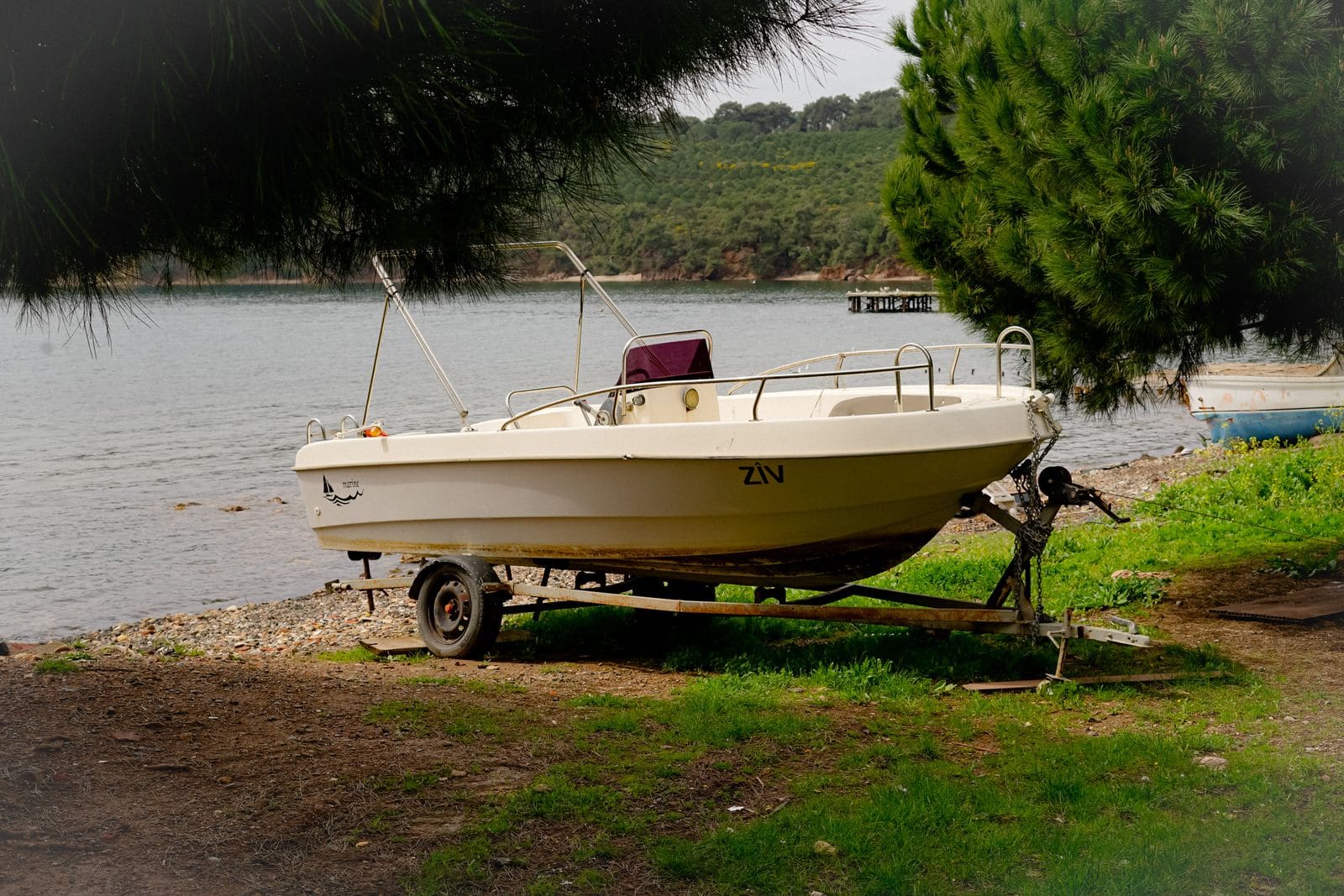
Most boats sold in the US are pre-owned, and private sales come with no warranty. Your inspection is how you avoid buying someone else's expensive problem. Plan on two to three hours for a small trailer boat, and bring a friend who knows boats if you can.
How deep you go depends on the boat:
- Small, low-cost trailer boat: your own careful inspection, a compression test and a sea trial are often enough.
- Bigger, newer or more expensive boat, or one you will finance or insure: hire a marine surveyor and, if the engines are a big part of the value, a separate engine inspection. Lenders and insurers often require a survey.
Ask the seller ahead of time not to run the engine before you arrive. A cold start shows things a warm engine hides.
Steps
On the phone (not only by text or email, which scammers prefer), ask: how many engine hours, what maintenance was done and is there paperwork, where the boat was stored, fresh or salt water, why they are selling, and whether the title is in their name with no loan on it. Look up the make and model for known problems and check the US Coast Guard recall search, which you can search by company name or by the Manufacturer Identification Code (the first three characters of the HIN). BoatUS explains that a Coast Guard safety recall applies to boats and equipment less than 10 years old, and the maker must fix it at no charge even if the defect is found years later; haulout and travel costs are usually yours. Never buy a boat you have not seen in person or had someone you trust look over.
Find the 12-character Hull Identification Number (HIN) on the starboard (right) side of the transom, near the top. It must match the title or registration exactly. Many states title boats, but the rules vary by state, so check with yours; some also title the trailer separately.
Walk away if the HIN is missing, ground off, painted over or looks altered: it is illegal to alter or remove a HIN. Boats built after August 1, 1984 also have a second, hidden HIN somewhere inside the hull. Ask about liens, and if the boat has no title, ask for the seller's own bill of sale as proof of ownership. Larger boats are often Coast Guard documented instead of (or as well as) state titled. For those, you can request an Abstract of Title from the Coast Guard's National Vessel Documentation Center; it lists the mortgages and lien notices recorded while the boat was documented. It is not a complete history (a boat may have spent years state-registered, and recording most liens is optional), so lenders and buyers often also use a documentation service or a title search. Write down the engine serial numbers too; you will need them for manuals, parts and records.
Look along the hull in good light, ideally out of the water. Note:
- Cracks, especially star-shaped or long straight ones near the transom, chines, hull-to-deck joint or where hardware is mounted
- Blisters below the waterline
- Patches that do not match the gelcoat color (past repairs: ask what happened)
- Damage to the keel and bow from beaching or trailering
- A gap or separation along the hull-to-deck joint
Some gelcoat crazing is cosmetic, but long-ignored cracks can let water into the core.
These are the big-money items. Tap the transom and deck every few inches with a plastic mallet: a sharp click is good; a dull thud can mean a void or wet core. Walk the deck and feel for soft or bouncy spots.
On an outboard boat with the motor tilted down, grab the lower unit and push and pull hard, leaning some body weight into it, while a helper watches the top of the transom and the motor brackets. The transom should not flex. Cracks around the motor mounting bolts, rust or brown stains weeping from screws, and fresh caulk over old holes are warning signs. See the transom and stringer rot guide for a full check. Soft structure usually costs more to fix than the boat is worth.
Use the flashlight and mirror. Look for oil, fuel or a fuel smell, standing water, sawdust-like debris (rotting wood), and a bilge pump that works. An older boat that sits low, lists or feels sluggish may have waterlogged flotation foam under the floor, which usually travels with rotten stringers (see our waterlogged foam guide). Check hoses for cracks and double clamps, through-hull fittings and seacocks that open and close, and wiring that is neat, protected and fused rather than a tangle of household wire and tape. Ask permission to take a small fuel sample: water or gel in the jar means the tank needs attention.
Ask what the fuel tank is made of and how old it is. Mercury warns that some fiberglass tanks built before 1991 may not be compatible with ethanol fuel, and on engines from 1990 or earlier it advises checking every fuel line and fitting for softening, swelling or leaks. Old fuel hoses that feel hard or mushy are a negotiating point, not a detail.
Look for corrosion, salt crust, oil leaks, chafed wires and discolored or blistered paint (a sign of past overheating). Check the oil level and color on four-strokes: milky oil is a serious warning.
Do not trust the hour meter alone. Meters can be replaced or disconnected. Compare the hours with the maintenance records and the general wear on controls, seats and hardware. Many modern engines store their running hours in the engine computer, which a dealer can read with a diagnostic tool.
With the seller's OK, crack the lower drain screw on an outboard or sterndrive gearcase and let a few drops out. Clean, honey-colored gear oil is good. Milky or gray oil means water is getting past the seals. Metal flakes or a lot of fine glitter on the drain magnet point to worn gears. On sterndrives, look at the rubber bellows for cracks and ask when they were last replaced. Check the propeller for dings and the shaft for wrapped fishing line.
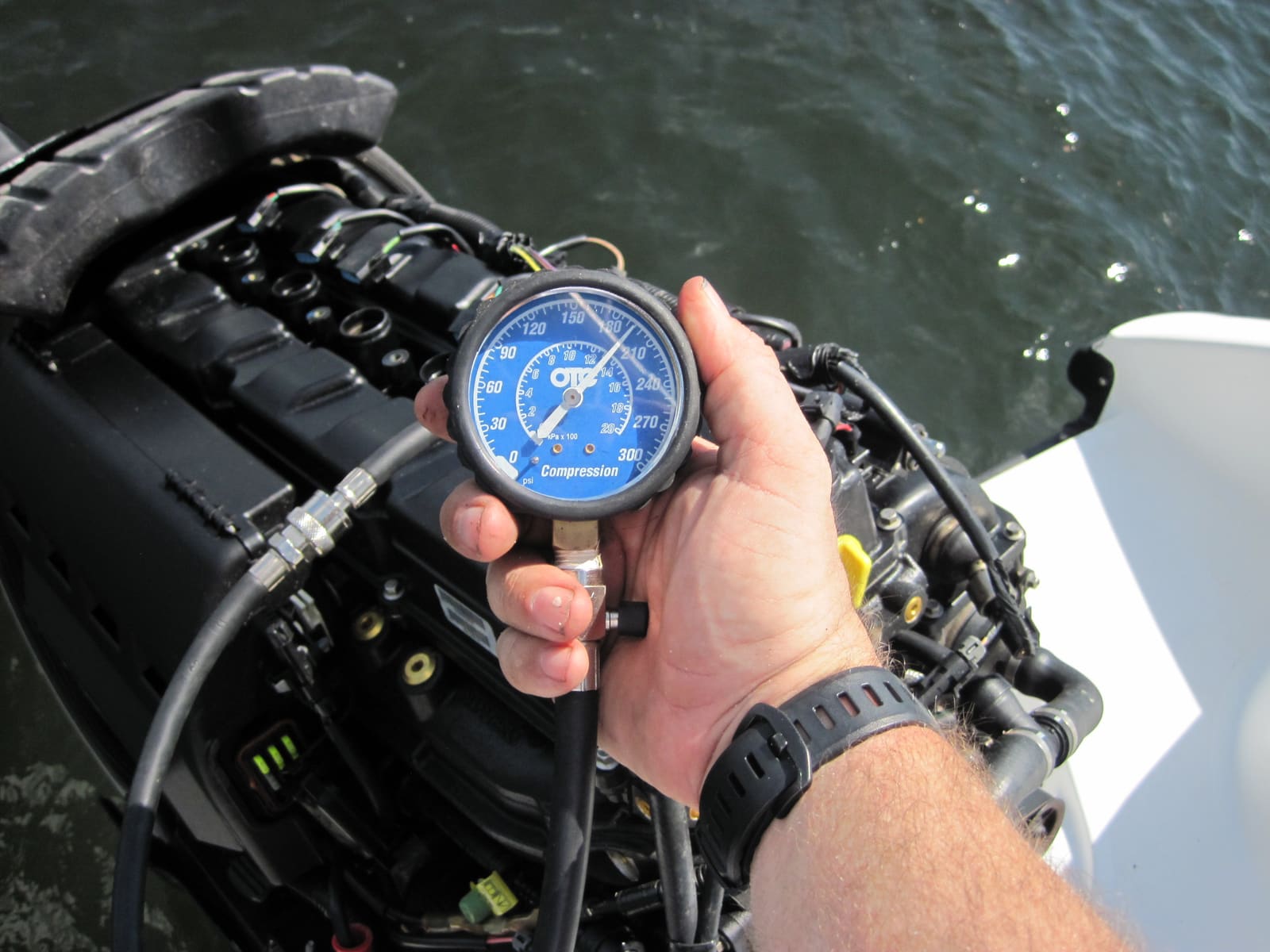
A compression test is one of the best checks on an older engine. With the engine warm and the kill switch clip removed, all spark plugs are taken out, a gauge is threaded into each plug hole in turn, and the engine is cranked with the throttle wide open for the same number of turns on every cylinder.
Your service manual gives the expected range, but what matters most is that the cylinders read close to each other. One cylinder much lower than the rest can mean worn rings, a burned piston or a valve problem. If you are not comfortable doing this, a mechanic can do it for a modest fee; our compression test guide walks through it step by step. Low or uneven compression is a strong reason to walk away or renegotiate for a repower.
Turn on and check every system: battery switch, gauges, horn, navigation lights, bilge pump and blower, power trim and tilt, steering from lock to lock (it should be smooth, with no binding or play), and the shift and throttle controls. Electronics should power up. Write down anything that does not work: it is money off the price or a reason to walk.
Have the seller start the engine cold, with cooling water available. It should start without long cranking. A puff of smoke on a 2-stroke is normal; heavy, continuous smoke is not. On outboards, check that the cooling water telltale stream comes out strong within a few seconds. Listen for knocking or rattling.
Any boat worth buying is worth a sea trial; if the seller refuses, walk away. For a trailer boat, meet at the launch ramp so you can also see the trailer in use. Let the seller drive away from the dock and back, then ask to take the helm for a while.
- Let the engine warm up, then run it at wide-open throttle briefly. The RPM should reach the range your engine maker specifies.
- Check how quickly the boat gets on plane, whether the steering pulls, and whether you feel vibration.
- Shifting should be smooth between forward, neutral and reverse.
- Watch the gauges and listen for alarms, then check the bilge again afterward for new water.
Check the tire date codes and sidewalls for cracks, the wheel bearings for noise or heat, the lights, the frame for rust and cracks, the bunks or rollers, the winch strap and the coupler. Make sure the trailer is rated for the weight of the boat, engine and fuel.
A surveyor works for you, not the seller. Look for a member of SAMS (Society of Accredited Marine Surveyors) or NAMS (National Association of Marine Surveyors), and ask your insurer and lender which they accept. Discover Boating puts typical survey prices at about $15 to $25 per foot of boat.
Most surveyors only inspect the engine externally. For a full engine check (compression, oil analysis, diagnostic scan), hire a mechanic who knows that engine brand; BoatUS cited about $500 per engine. Some engine makers also offer factory-backed coverage for used engines: Mercury's Certified Pre-Owned plan, for example, lets an authorized dealer inspect and certify a used Mercury engine that has no remaining warranty and sell a one- or two-year plan. Ask the selling dealer whether the engine qualifies. If the engine is young enough to still have factory warranty, an authorized dealer can check the remaining coverage from the serial number, and Mercury, for example, transfers the remaining warranty to a new owner when you send it a copy of the bill of sale; other brands have their own process, so ask. Attend the survey, ask questions, and make your offer subject to an acceptable survey and sea trial.
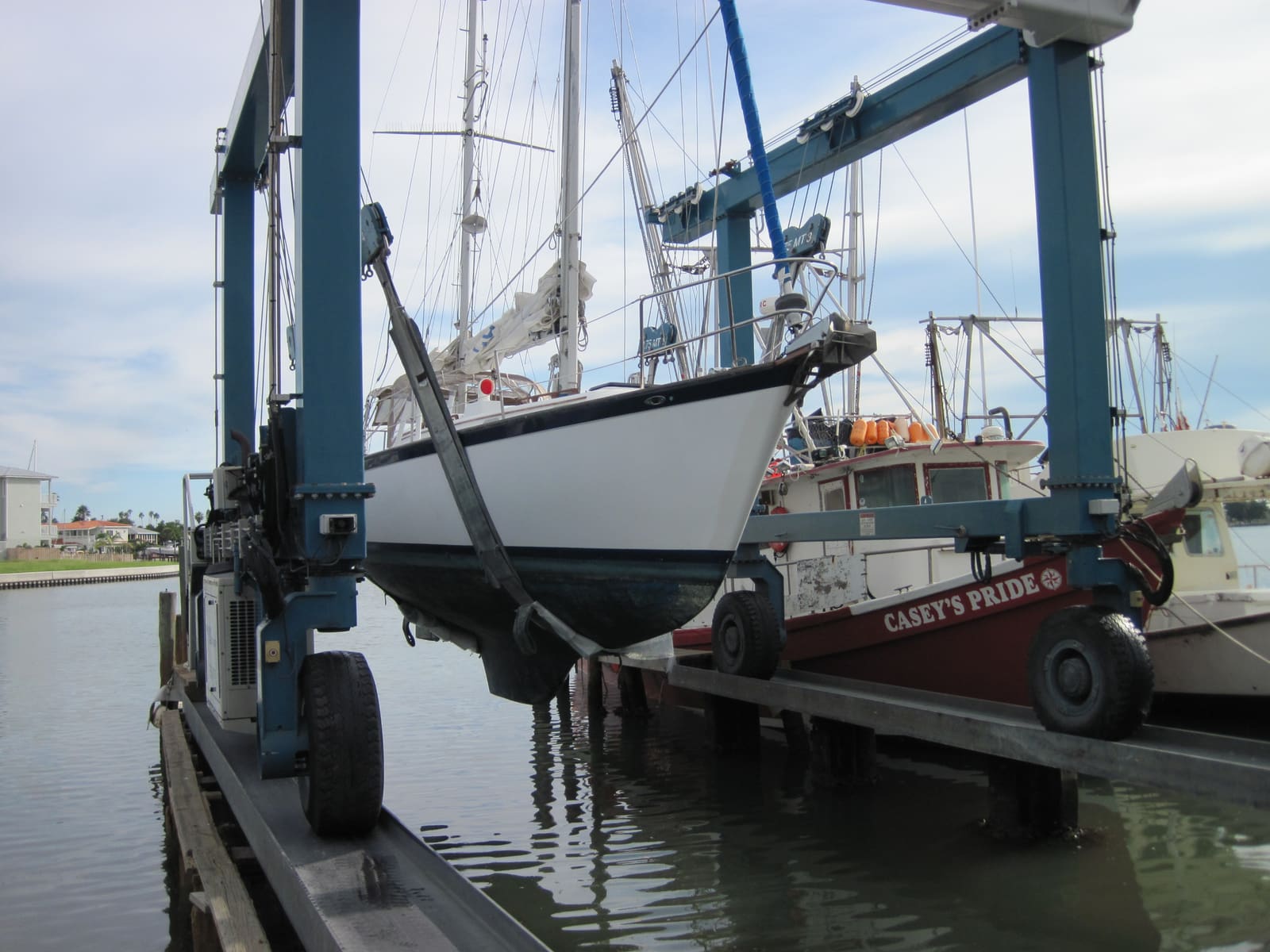
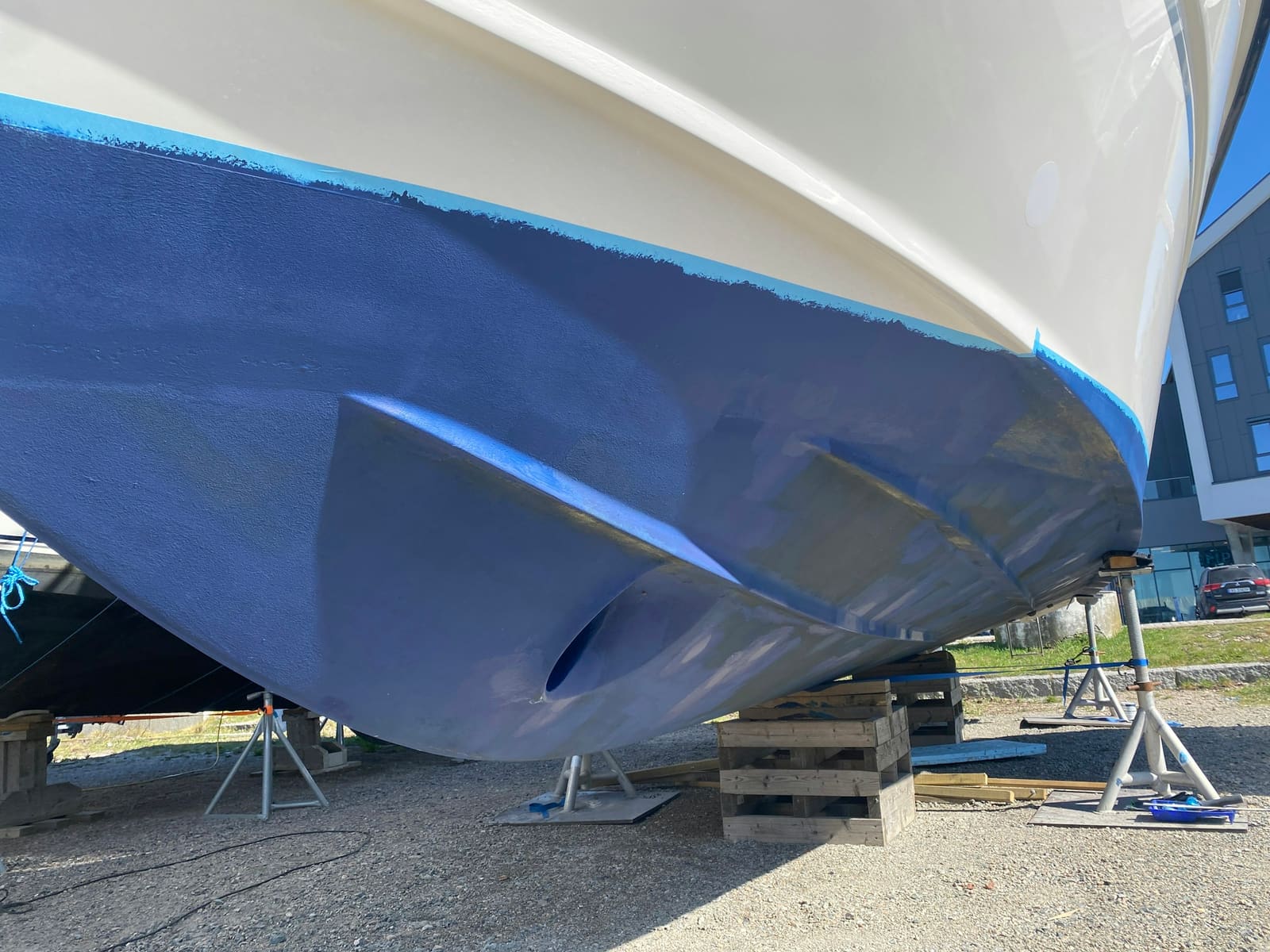
During a survey the boat is usually hauled out briefly so the bottom, running gear and anodes can be checked. Photo: Suenosazules / Wikimedia Commons · CC BY-SA 4.0 Use a written bill of sale or purchase agreement that lists the boat, engine and trailer serial numbers and every item included (electronics, spare prop, safety gear). Your state's boating agency, BoatUS and the Coast Guard offer blank forms. Pay only when you receive a clean, signed title (or proof of ownership), then register the boat in your state and arrange insurance before you launch.
Common mistakes
- Falling in love with the boat and skipping the boring parts: paperwork, compression, survey.
- Trusting the hour meter or "it ran great last fall."
- Arriving after the seller has already warmed the engine up.
- Brushing off a soft deck as "just the floor." Soft decks often mean wet stringers or transom.
- Not checking that the HIN on the boat matches the title.
- Assuming the surveyor checked the engine in depth. Most only do an external look.
- Ignoring the trailer, then paying for tires, bearings and lights on the way home.
- Buying without a sea trial because "the battery is dead today."
When to call a pro
- Any boat you will finance or insure, or any boat above your comfort level: hire a SAMS or NAMS surveyor
- Older or high-hour engines, or engines that are a big part of the price: get a mechanical inspection by a technician for that brand
- Soft spots, transom flex, delamination or signs of past structural repair
- A fuel smell, fuel in the bilge or a leaking tank
- A HIN that looks altered or does not match the paperwork: walk away, and consider reporting it to local law enforcement
Tips
- Take photos of everything, including the HIN and engine serial tags, so you can compare boats later.
- Make a list of every repair you find, price it, and add about 15% for surprises. Use that total when you negotiate.
- If you cannot judge the boat yourself, bring a friend who owns a similar boat, or pay a mechanic for an hour.
Official references
We read these to write this guide. Your engine's own manual always wins.
- Discover Boating – How to Buy a Pre-Owned Boat from a Private Seller
- Discover Boating – Play the Numbers Game (Hull Identification Numbers)
- BoatUS – The Boat Survey
- BoatUS – Buying a Used Boat? (Choosing a Surveyor)
- BoatUS – What a Surveyor Should Look For
- BoatUS – The Value Proposition
- Mercury Marine – Owner FAQs (Certified Pre-Owned, warranty transfer, ethanol and fuel tanks)
- BoatUS – Recalls, Bulletins, and Advisories Explained
- U.S. Coast Guard Boating Safety – Recalls
- U.S. Coast Guard – National Vessel Documentation Center
Safety: BoatMend is for information only and does not replace a certified marine technician. You are responsible for your safety and your boat. Read the full disclaimer.
Last updated 2026-10-24
Related guides
How to Check a Boat for Transom and Stringer Rot
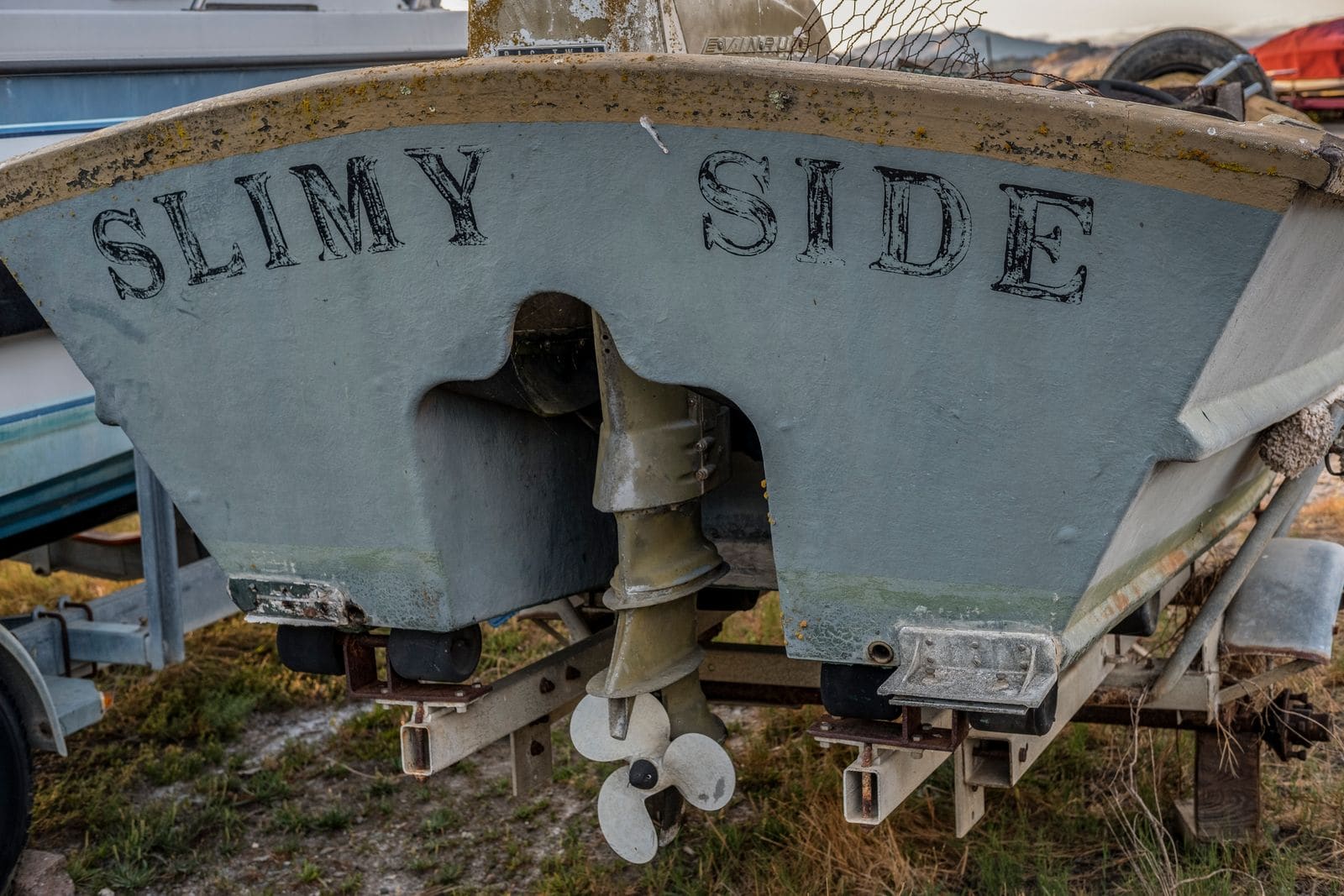
Many older fiberglass boats have wood inside the transom, stringers and deck, and water that gets in slowly rots it. Learn the tap test, the flex test, how to read a moisture meter and the other warning signs, and why a rotten transom or stringer is a structural job for a pro, not a weekend patch.
How to Change Lower Unit (Gearcase) and Sterndrive Oil
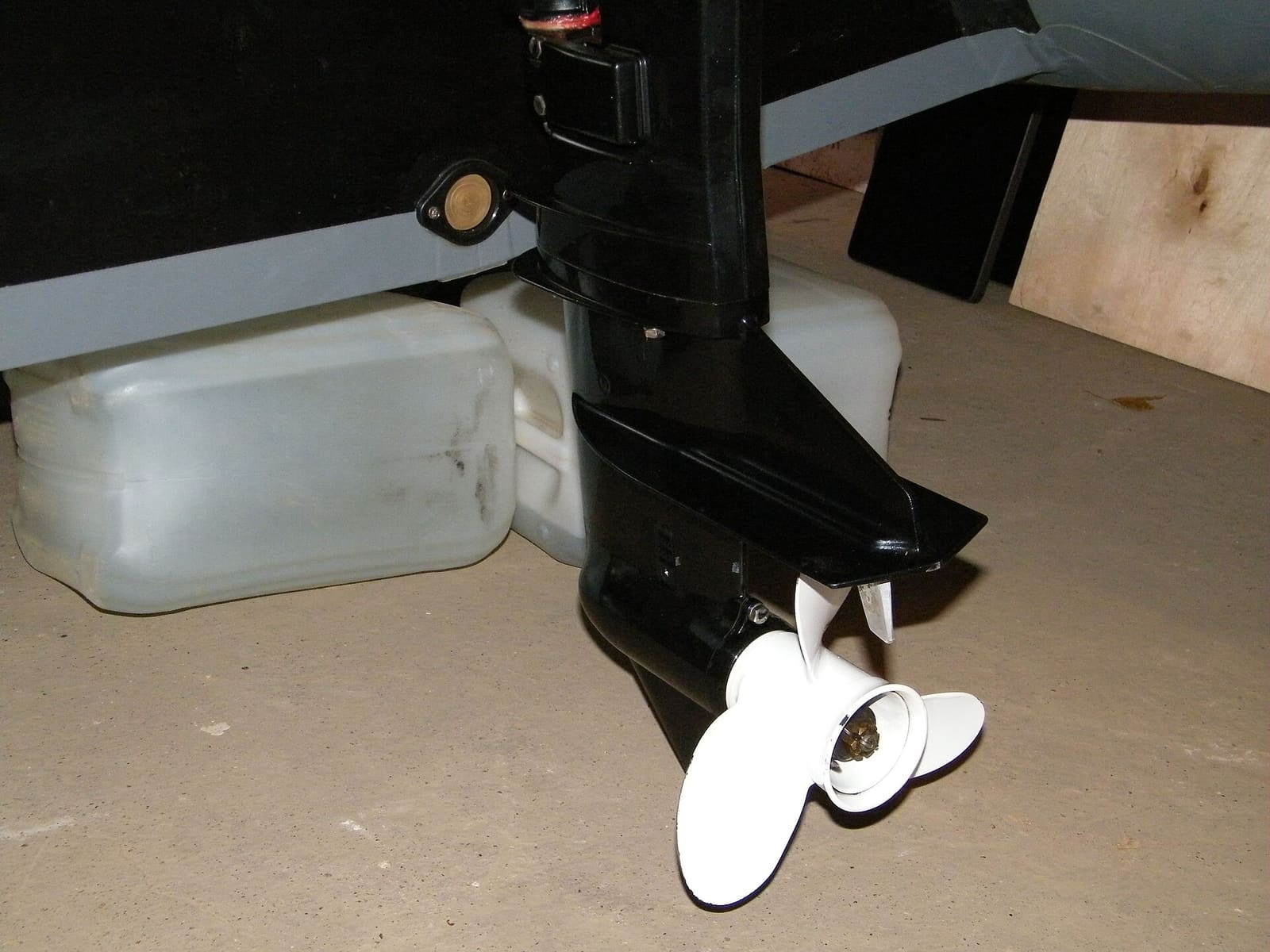
Drain and refill the gear oil in your outboard lower unit or sterndrive, and learn to spot water intrusion before it destroys the gears. It is a 30-minute job that protects a gearcase costing thousands to replace.
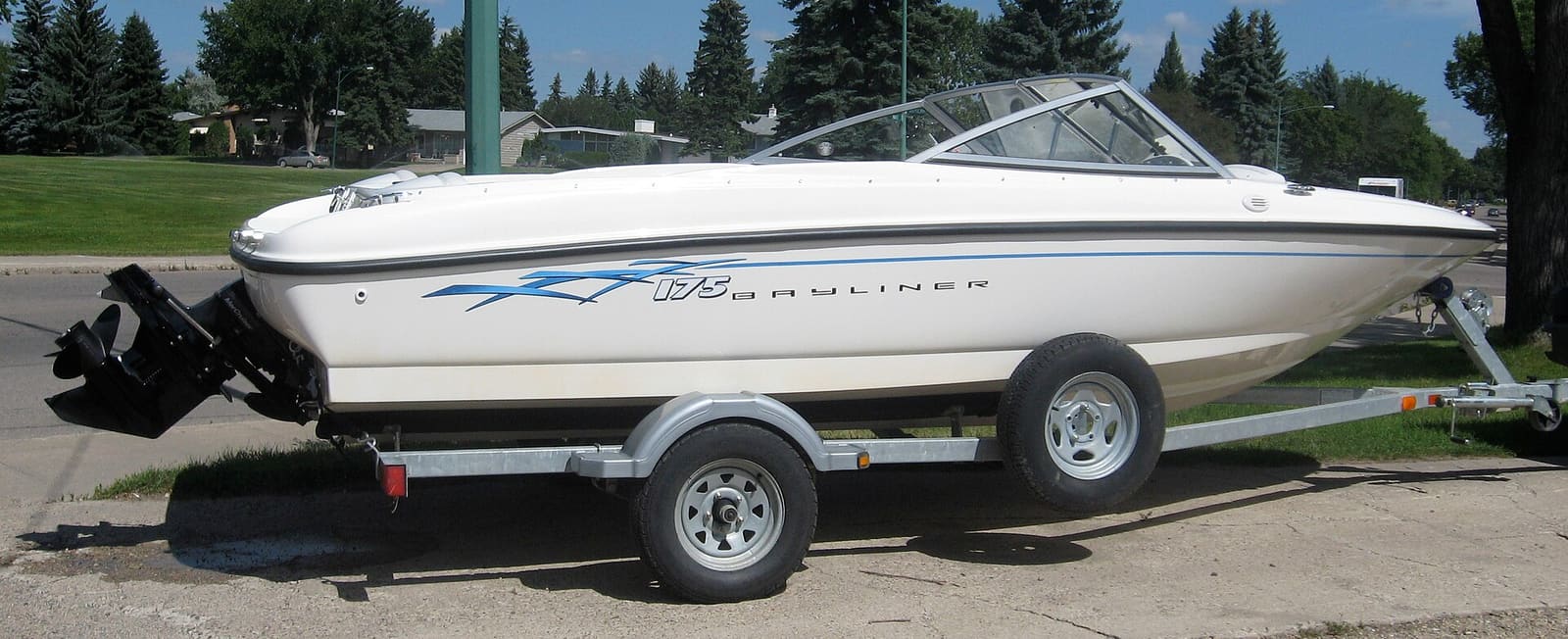
How to Inspect Sterndrive Bellows, Gimbal Bearing, U-Joints and Shift Cable
Learn to spot a cracked sterndrive bellows before it lets water into the boat, and to recognize the warning signs of a worn gimbal bearing, U-joints and shift cable. A failed bellows is one of the top reasons boats sink at the dock, and a 20-minute inspection can catch it.
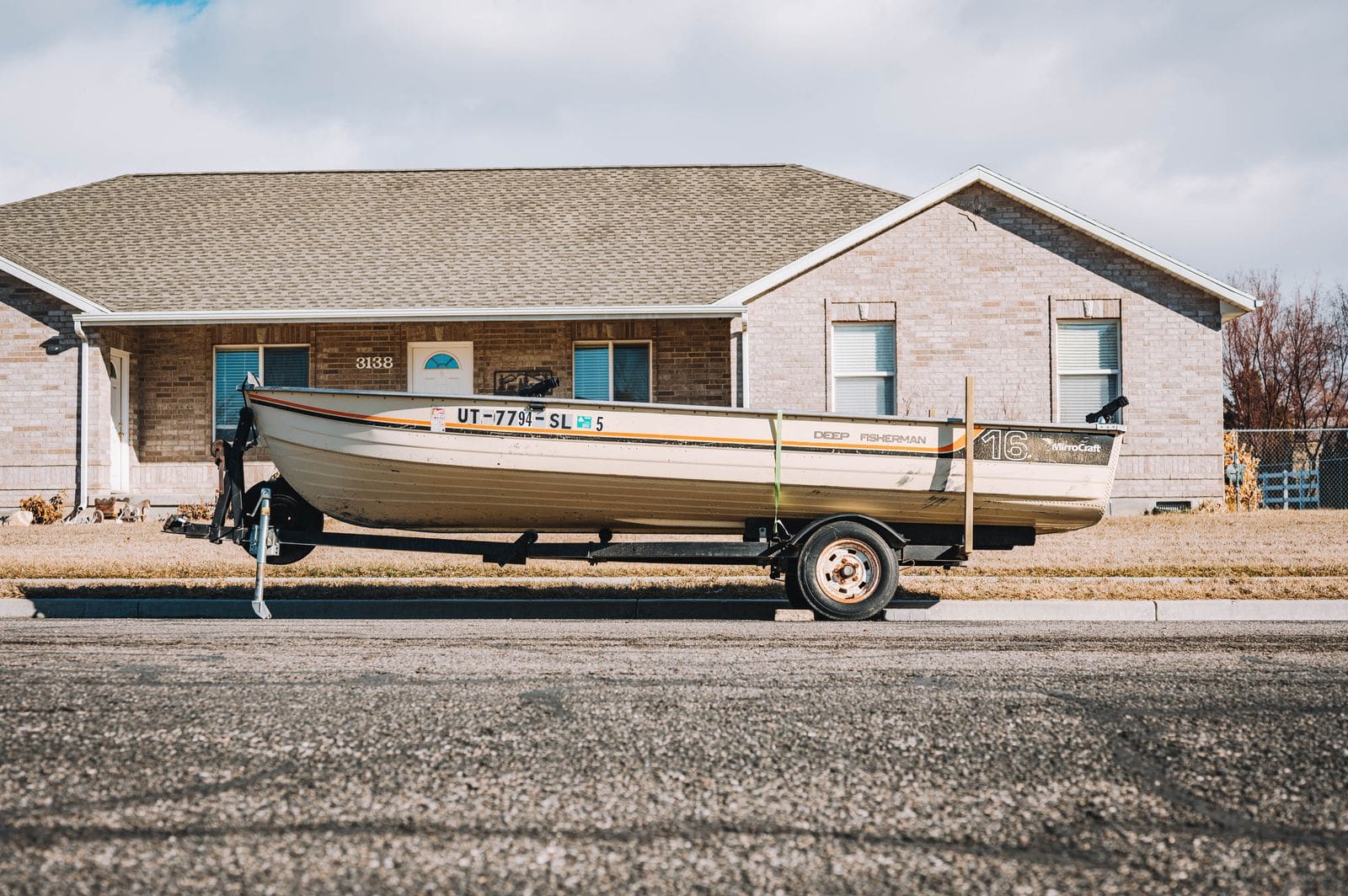
How to Inspect and Repack Boat Trailer Wheel Bearings
Check, clean and repack your trailer's wheel bearings so a seized hub does not leave you stranded on the highway. Boat trailers get dunked in water every launch, which makes their bearings fail far more often than those on dry utility trailers.
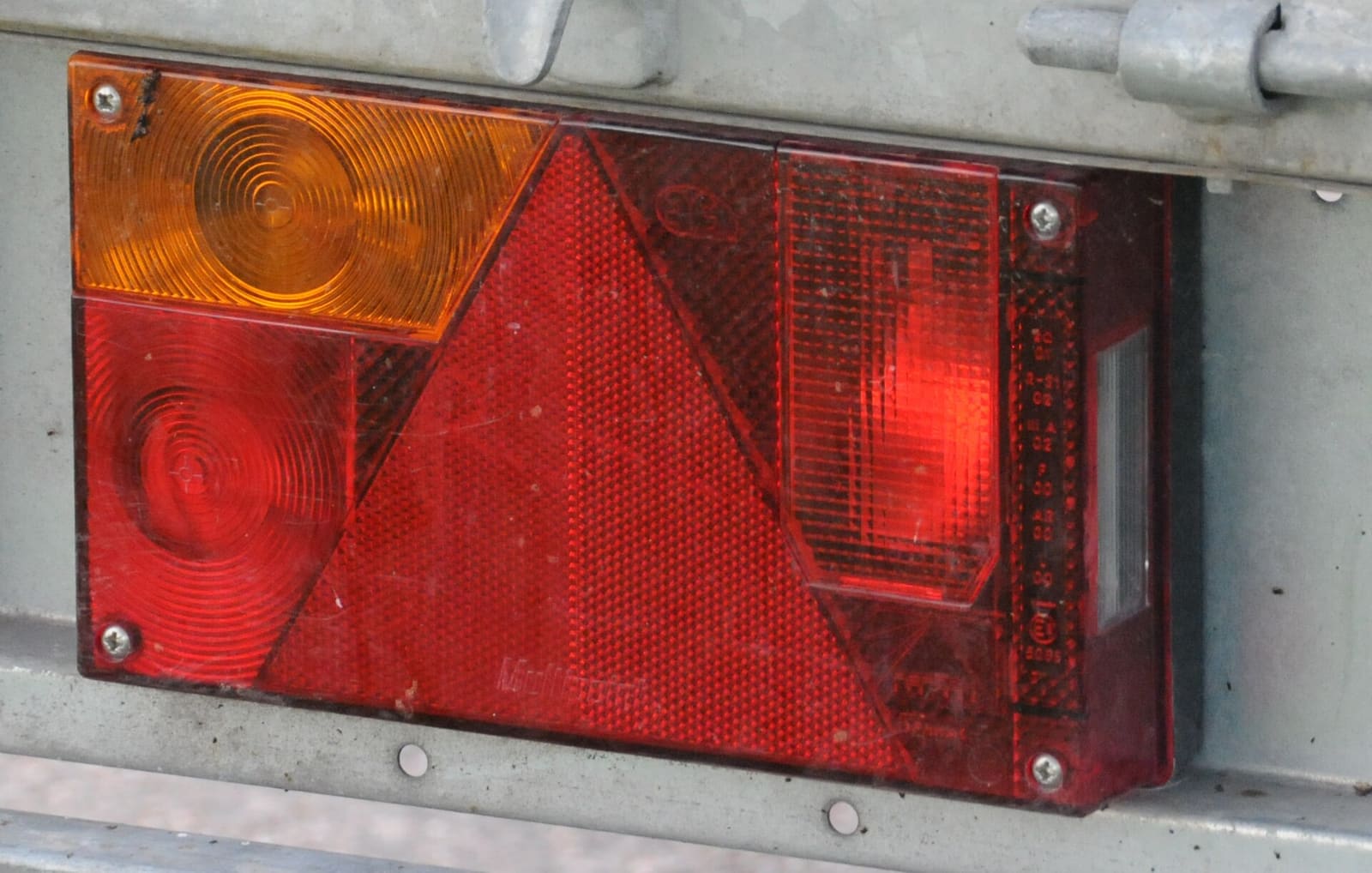
How to Fix Boat Trailer Lights That Flicker, Dim or Don't Work
Track down the real cause of dead or flickering trailer lights, from a bad ground to a corroded plug, and fix it so the repair lasts. Working brake, turn and tail lights are required by law and keep the driver behind you from rear-ending your boat.
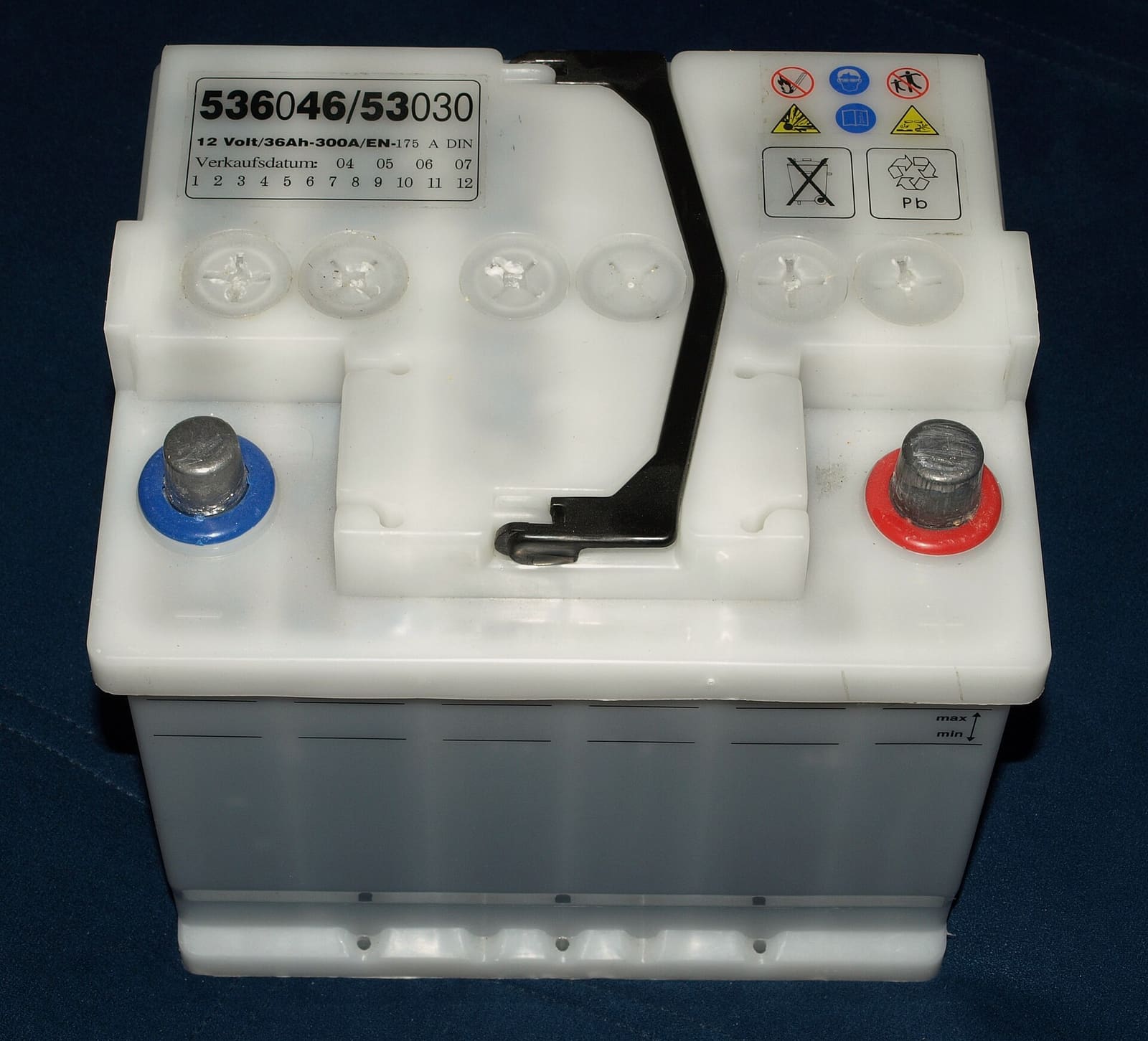
Marine Battery Care: Test, Charge and Store for Winter
Check your boat battery's health, charge it the right way for its type (flooded, AGM or lithium), and store it so it is ready in spring. Most "boat won't start" calls start with a neglected battery.
How to Repair Small Gelcoat Chips and Scratches
Fill and blend small chips, dings and scratches in your boat's gelcoat with a repair kit so they stop letting water into the fiberglass and look close to new. Also learn to spot damage that is structural and needs a pro.

USCG Required Safety Equipment Check by Boat Length
Walk through your boat and confirm you carry every piece of safety gear the US Coast Guard requires for your boat's length and type, and that none of it is expired or worn out. Missing or expired gear is one of the most common tickets on the water, and it is the gear you need when things go wrong.
How to Do a Compression Test on an Outboard, Sterndrive, Inboard or PWC
A compression test tells you whether the pistons, rings, valves and head gasket in each cylinder are sealing. Learn when to do one, how to do it safely, how to read the numbers by comparing cylinders, and what a wet test and a leak-down test add.

How to Tell if Your Boat's Flotation Foam Is Waterlogged
Learn the signs that the foam under the floor or seats of a small boat has soaked up water, how to check without tearing the boat apart, what the Coast Guard flotation rules mean for you, and why replacing foam is usually a big job for a pro.
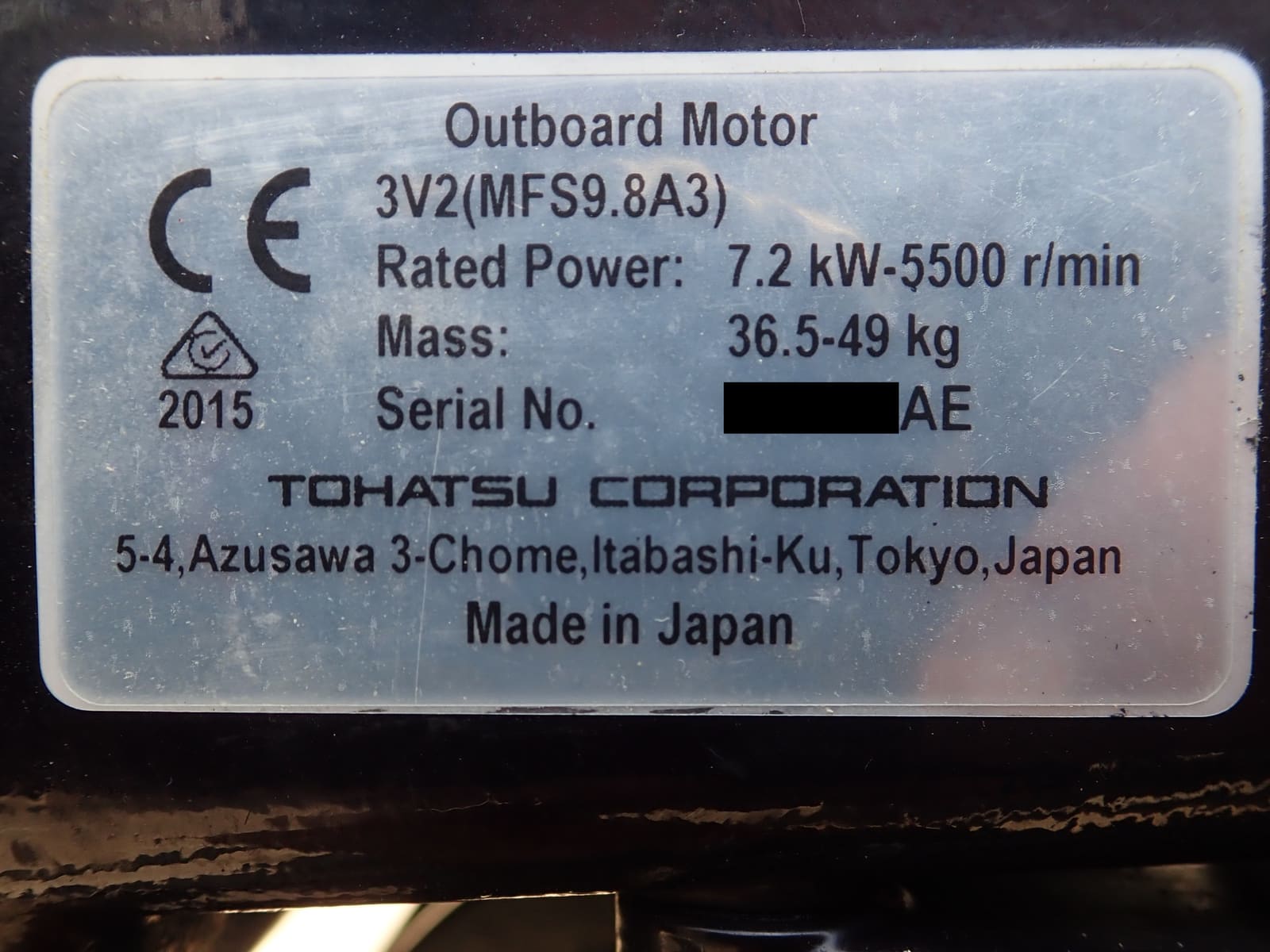
How to Find Your Engine's Serial Number, Model and Year (and Get the Official Manual)
Find the ID label on your outboard, sterndrive, inboard diesel or PWC, read the model and serial number correctly, tell it apart from the boat's HIN, and use it to open the free official owner's manual. It's the first step for ordering the right parts and following the right maintenance plan.