The Pre-Departure Safety Briefing: What to Tell Every Passenger (with a Printable Checklist)
A five-minute talk before you leave the dock turns guests into a crew that can help in an emergency. Cover life jackets, the engine cut-off switch, the fire extinguisher, how to call for help on the VHF, what to do if someone falls overboard, staying seated, seasickness and carbon monoxide near the stern, then use the printable checklist every trip.
Time
10 min
Applies to
All engines
Safety first: If anyone is in danger, call the Coast Guard on VHF channel 16 or dial 911. Never put the boat in reverse to pick up someone in the water, and never let anyone sit on or hang off the swim platform or transom while engines or a generator are running. The briefing doesn't replace required equipment or state rules; check your state's life jacket and boater education laws.
Owners often ask
- What should I tell passengers before we leave the dock?
- Who else on the boat should know how to stop the engine and call for help?
This guide walks you through it. Still stuck? Ask the AI Mechanic about your engine.
Tools
- Printed briefing checklist (below), laminated if possible
- Dry-erase marker
Parts & supplies
- USCG-approved life jacket of the right size for each person aboard
- Throwable flotation device
- Fire extinguisher(s) required for your boat
- Engine cut-off lanyard or wireless fob
Before you start
Why bother? The BoatUS Foundation recommends taking a few minutes before you leave to brief guests, so that if an emergency arises you have a team aboard instead of spectators. It also offers a downloadable predeparture checklist you can customize. If the skipper is the one who falls overboard or gets hurt, someone else has to know how to stop the boat and call for help.
When to give it: at the dock, after everyone is aboard and before you start the engine, every trip with new guests. A shorter refresher works for regulars.
Keep it short and hands-on. Point to things, let people touch them, and skip jargon ("the back of the boat," not "the transom"). Ask one or two questions at the end to check it stuck.
Get the boat ready first: required gear aboard and serviceable, a float plan left with someone ashore (step 1), weather checked, and fuel and a working VHF (our safety-equipment and VHF guides cover the details).
Count heads before you brief them. Monohull boats under 20 feet carry a capacity plate with a maximum number of persons and a maximum weight (33 CFR 183.23). People, coolers, gear and the dog all count. If the group is bigger than the plate allows, make two trips.
Guests chipping in? The Coast Guard says friends voluntarily sharing actual trip expenses is fine. But if guests must pay money, fuel or supplies as a condition of coming along, BoatUS quotes the Coast Guard: the boat is operating as a charter and needs a Coast Guard-licensed operator, and more than six passengers with at least one paying needs an inspected vessel. The Coast Guard lists penalties of up to tens of thousands of dollars. Check your insurance too; personal boat policies often exclude carrying passengers for pay.
Steps
Say where you're going, roughly when you'll be back, and who ashore knows. The Coast Guard explains why a float plan matters: in an emergency, rescuers need details that are hard for a friend to remember, so write them down and leave them with a reliable person. The BoatUS Foundation adds that someone ashore who knows your plans can shorten a response time. Mention that the trip may change with the weather, and that the skipper decides.
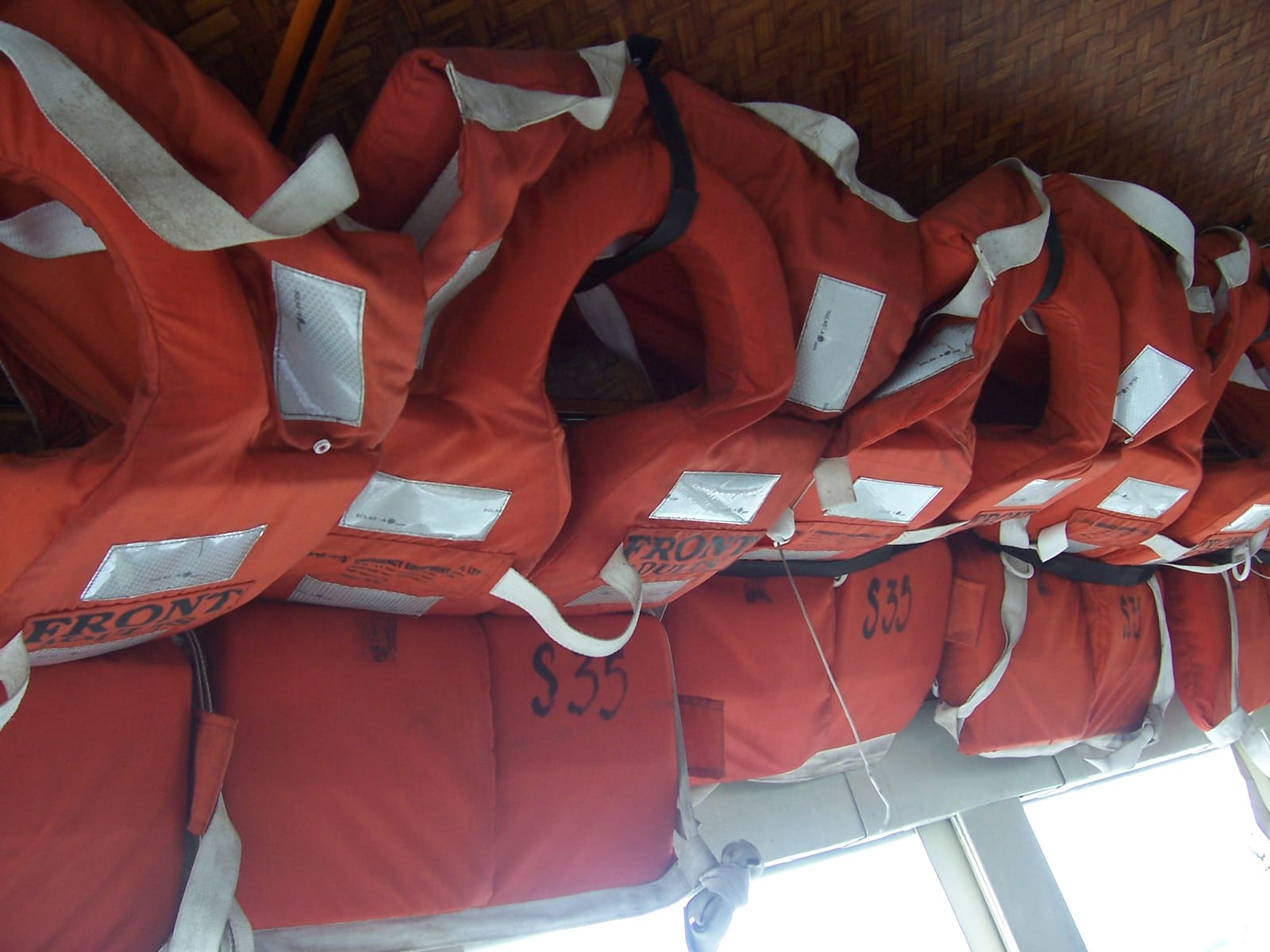
Show where the life jackets are and fit one on each person:
- Federal law: every recreational boat needs a USCG-approved wearable life jacket for each person aboard, and the Coast Guard says children under 13 must wear one while the boat is underway (states may have their own age rules, and exceptions such as in an enclosed cabin). Adult jackets don't work on kids.
- Fit: a foam jacket should be snug and not ride up above the chin or ears when you lift it by the shoulders.
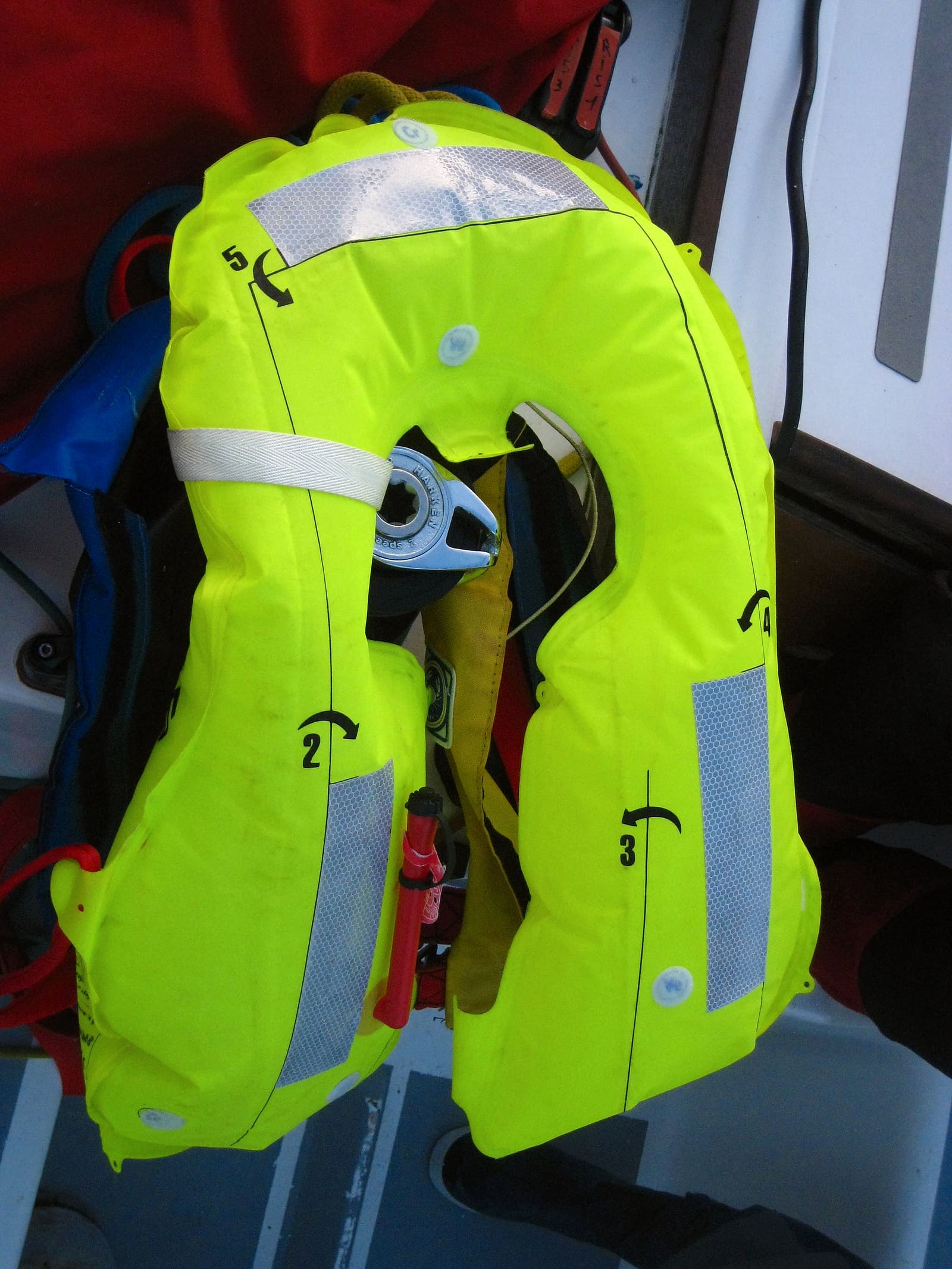
- Inflatables: show the pull tab, and check the cylinder is full and the indicators are green. The Coast Guard says otherwise it isn't serviceable and doesn't count toward your required jackets. Inflatables aren't for kids or weak swimmers unless the label says so.
- Wear it. The Coast Guard notes most boating drownings happen on nice days and recommends wearing a life jacket whenever underway. The BoatUS Foundation reports that 83% of people who drowned in recreational boating accidents in 2022 weren't wearing one. If you wear yours, guests usually follow.
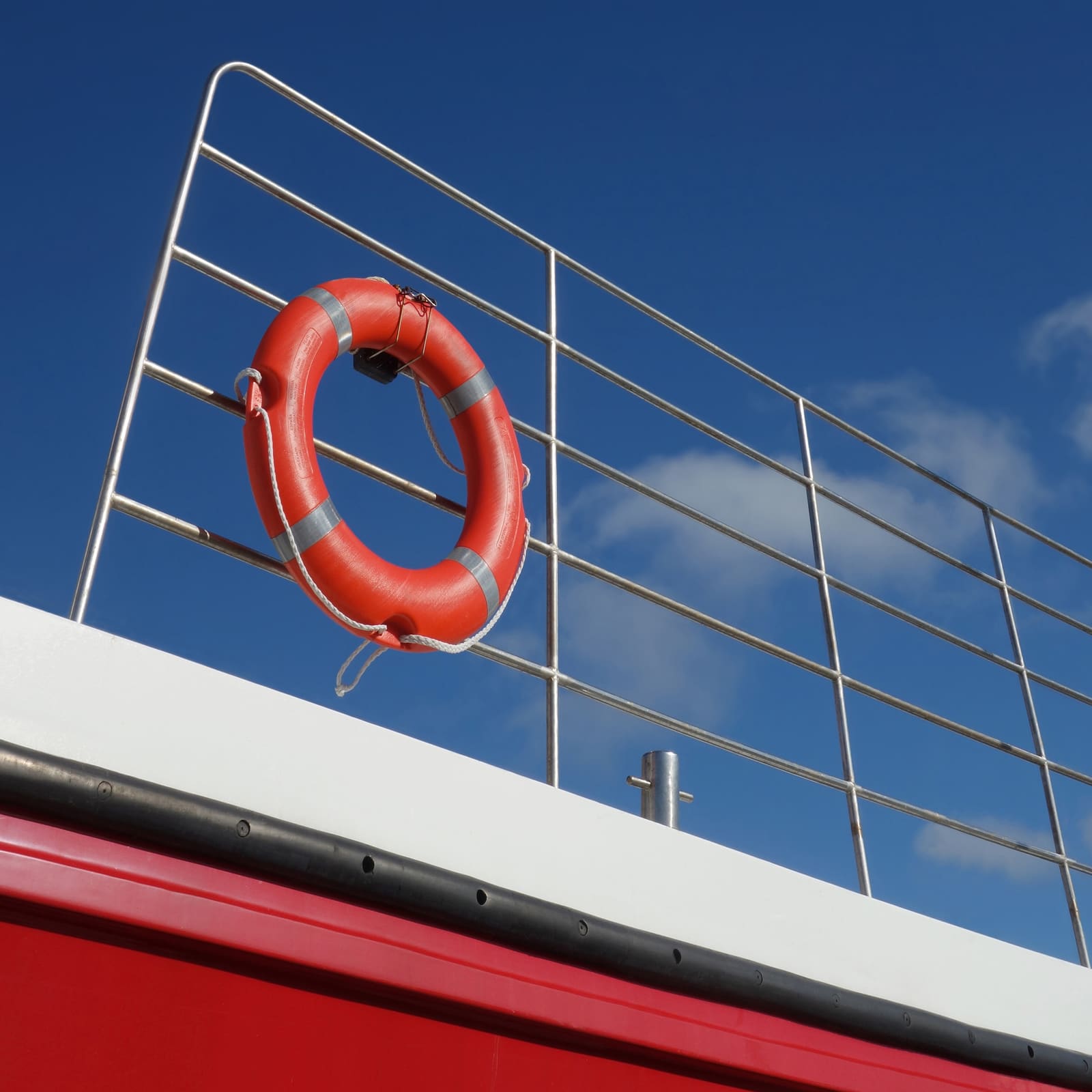
Show the throwable (ring or cushion) and where it lives; it must be immediately available.
Point out the cut-off lanyard or wireless fob and explain what it does: if the operator is thrown out or falls, the engine stops. Federal law requires the operator of a boat under 26 feet with 3 hp or more and an installed cut-off switch to use it while on plane or above displacement speed, as the Coast Guard explains. Then teach at least one adult:
- How to bring the throttle to neutral and shut the engine off with the key or stop button
- That a spare lanyard or fob is in a known spot, so they can restart and come back for you
Our kill-switch guide covers testing and wireless systems.
The Coast Guard's propeller safety advice: no riding on the bow, gunwales, transom or seat backs, or anywhere someone could fall overboard. Tell guests:
- Stay seated while the boat is moving, especially when it speeds up, turns or crosses wakes
- Keep hands and feet inside the boat when docking; never fend off between the boat and the dock
- Move around only when the skipper says it's OK, with one hand on the boat, as the BoatUS Foundation advises
- Kids are watched at all times, by a named adult
Remind everyone of balance: spread out, and don't all crowd one side (our loading guide explains capacity and trim).
Explain why the swim platform is off-limits with motors running. The Coast Guard says CO can make you sick in seconds, and lists where it builds up, including at slow speed, idling or stopped, and even after the engine is off. Its rules:
- Know where engine and generator exhausts are and keep everyone away
- Never sit, teak surf or hang on the back deck or swim platform while engines are running
- Never enter the space under a swim platform where exhaust outlets are unless it's been ventilated
- Treat seasickness symptoms as possible CO poisoning: get the person to fresh air and seek medical help unless you're sure it's not CO
On boats with cabins, show the CO alarm and what its alarm sounds like. Our CO guide covers alarms and testing.
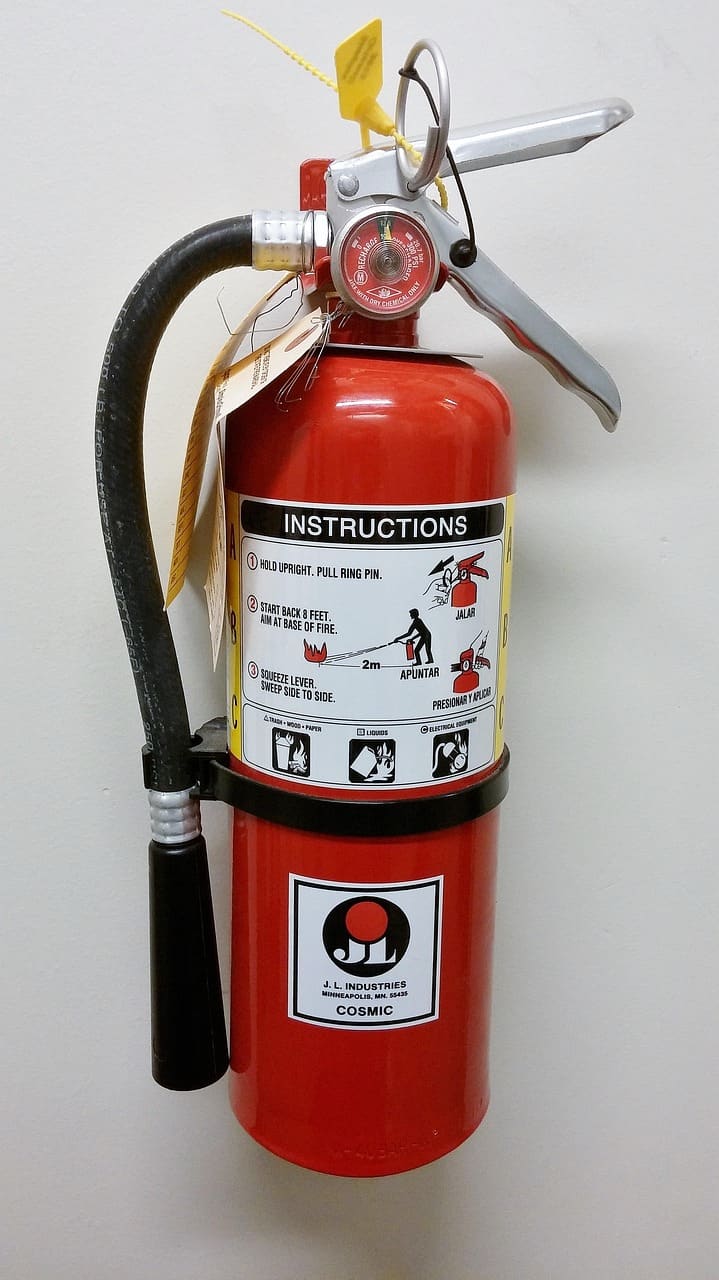
Show where each extinguisher is, take it out of its bracket, and point to the pin and nozzle. Explain the basic motion (pull the pin, aim at the base of the fire, squeeze, sweep) and that the first priority is everyone's safety; if a fire can't be put out quickly, put on life jackets and get away from it. Our fire-escape guide covers the plan.
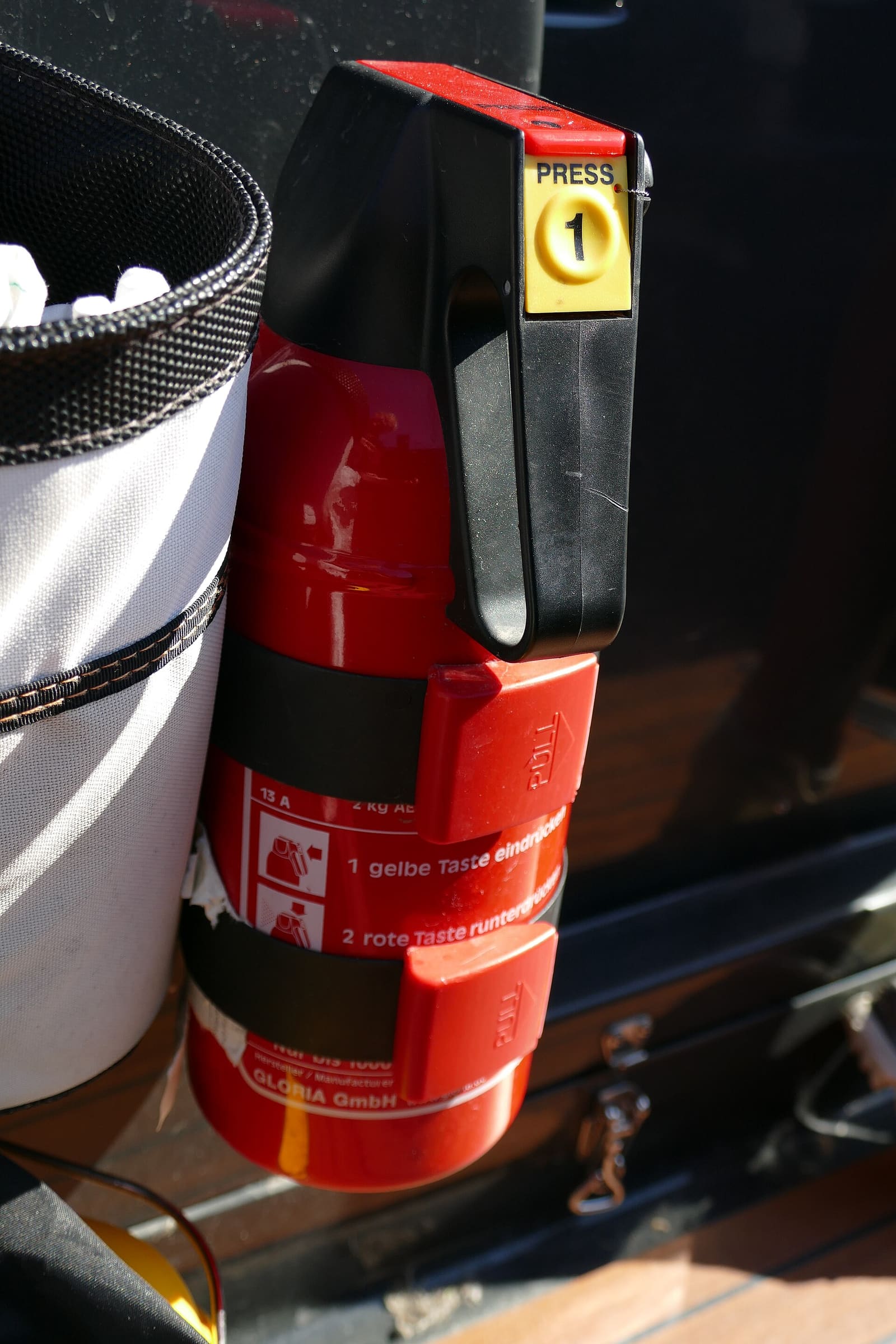
Show guests where each extinguisher is and how it comes out of its bracket. Photo: Kritzolina / Wikimedia Commons · CC BY-SA 4.0 Mention fueling rules: everyone off the boat or well away during fueling, no smoking, and on boats with enclosed engine compartments the skipper runs the blower before starting; the BoatUS Foundation says at least four minutes, before starting and after every refueling.
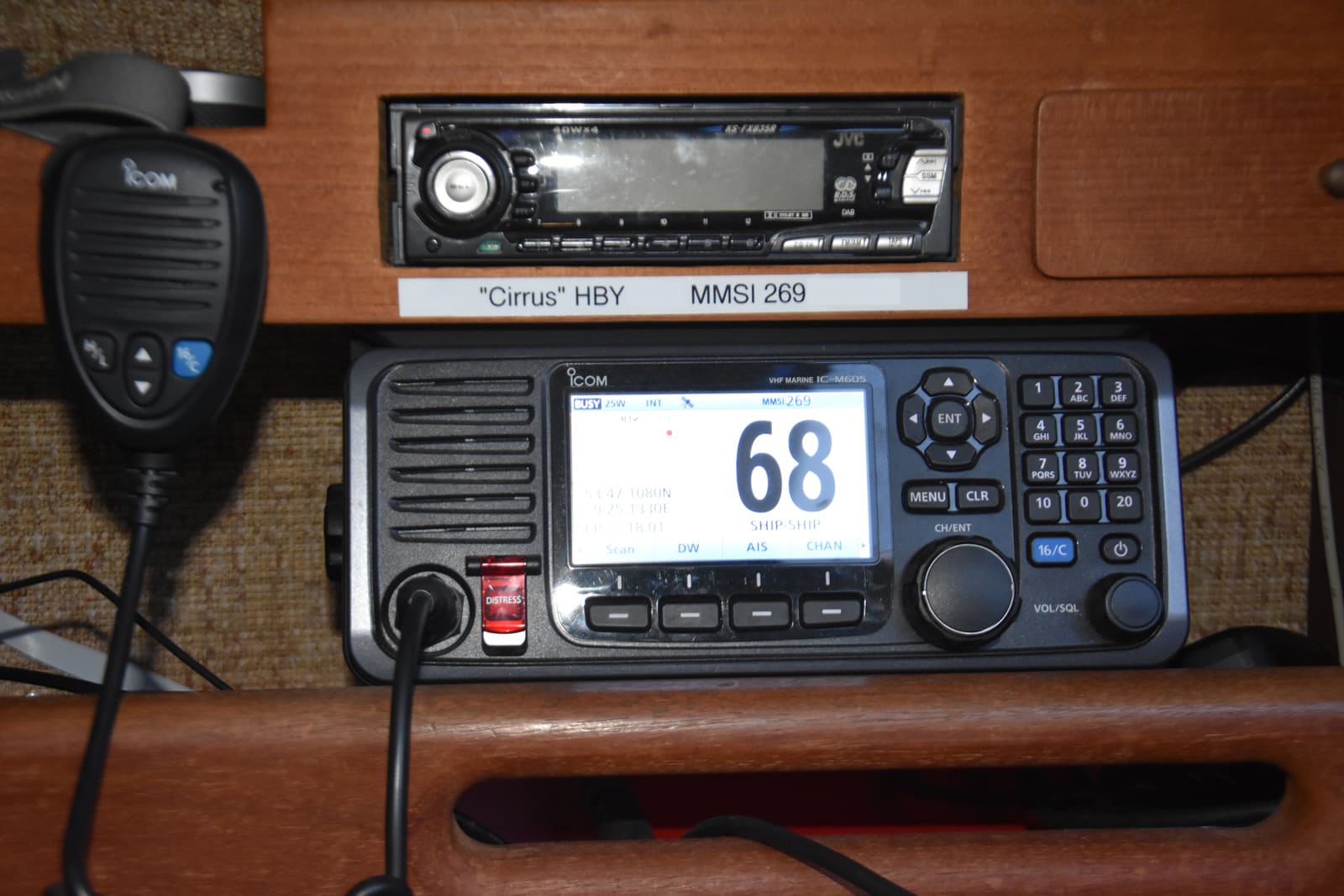
Show the radio, turn it on, and point to channel 16. Explain the Coast Guard's distress call steps (NAVCEN):
- Channel 16, high power.
- Press and hold the mic button: "Mayday, Mayday, Mayday."
- "This is [boat name], [boat name], [boat name]," plus the call sign or registration number once.
- Where you are: latitude and longitude (show where the GPS position is displayed), or distance and direction from a landmark.
- What's wrong and what help you need.
- How many people aboard and any injuries.
- Describe the boat (length, color).
- Release the button and listen. Stay by the radio.
If your radio has a red DSC distress button and is connected to GPS with an MMSI entered, show it: holding it sends an automatic distress alert with your position. Also note the cell phone backup (911) and where the PLB or EPIRB is if you carry one. Tape a card with the boat name and these steps next to the radio.
Explain the roles:
- Shout "Man overboard!" and point, and keep pointing at the person the whole time. Assign one person to do only this.
- Throw the throwable (or anything that floats) toward them right away.
- The operator stops the boat. The Coast Guard says once clear, begin recovery, and never back up to pick someone up: circle around going forward, keeping the person in view.
- Engine off (or in neutral) when you come alongside, near the person and away from the propeller.
- If you can't get them aboard or lose sight of them, call Mayday on channel 16.
Show the boarding ladder and any recovery gear. Our MOB guide covers recovery devices and practice.
Tell guests to speak up early. The CDC says motion sickness usually builds gradually, from stomach awareness, warmth, yawning and sweating to nausea and vomiting, and that looking at the horizon, avoiding reading or screens, and avoiding the most-moving spots (on a ship, the bow) can help. Practical tips:
- Sit near the middle of the boat, facing forward, with fresh air
- Look at the horizon; put the phone away
- Anyone planning to take motion-sickness medicine should do so as directed on the label or by their doctor, before departure, and know it can cause drowsiness
- Someone being sick over the side should do it at the leeward side, wearing a life jacket, with someone holding onto them
And remember step 5: if symptoms appear near the stern or in a cabin, think CO first.
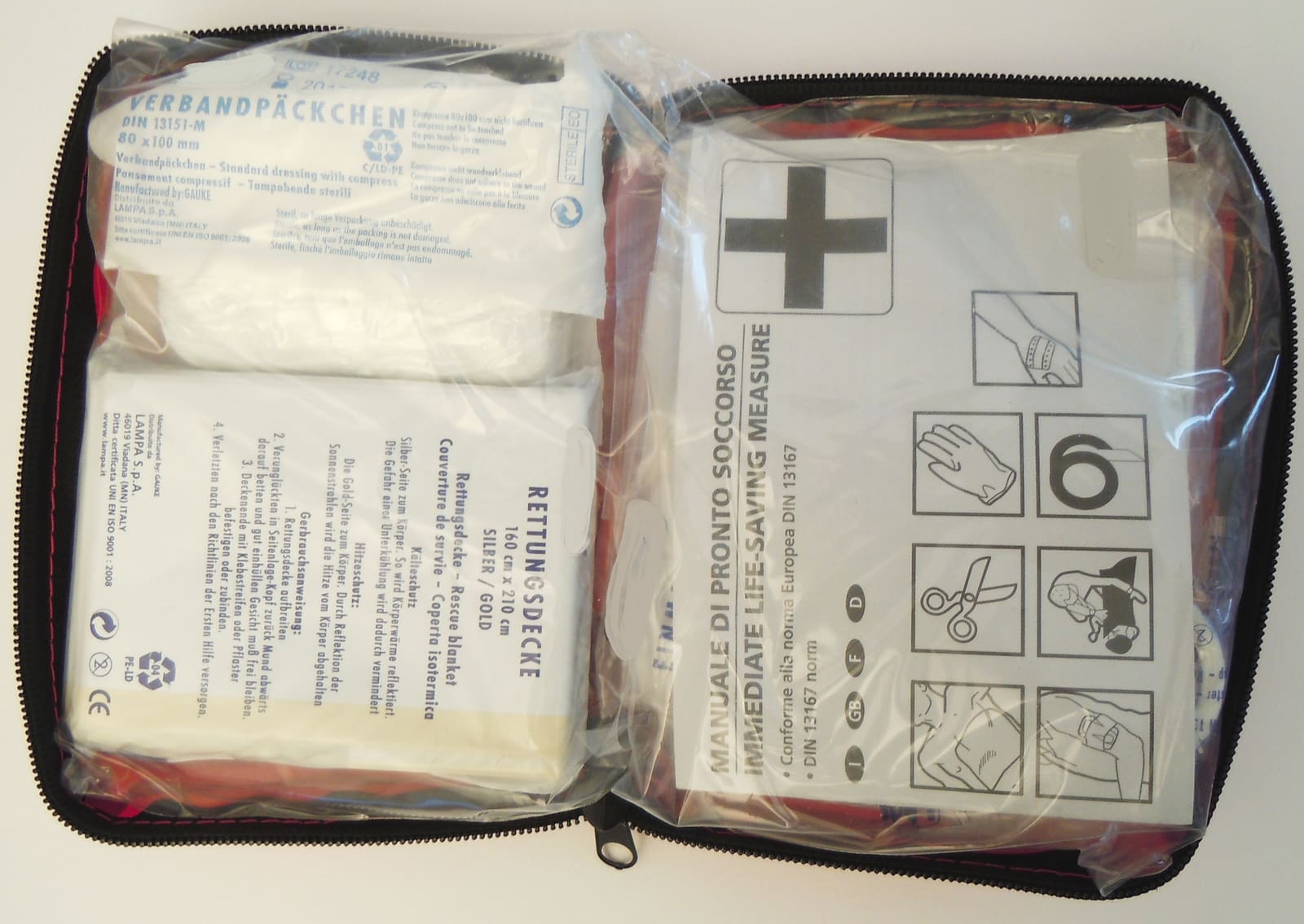
Show the first-aid kit and the sunscreen and water. Explain how the marine toilet works (if you have one) and what not to put in it. Ask privately about allergies, medications or conditions you should know about. Our first-aid guide covers what to carry.
- The BoatUS Foundation points out that alcohol is a leading factor in boating deaths; the operator stays sober, and passengers drink responsibly (sun and motion amplify alcohol)
- Swimming only when the skipper says, engines off, ladder down, and away from exhaust
- Where gear is stowed, what not to touch (throttle, switches), and where to sit when docking
Ask: "Where's your life jacket? Who's watching the kids? If I go overboard, what do you do first?" Hand someone the laminated checklist below and have them read off each item as you cover it.
Printable briefing checklist
Print this, laminate it, and check items off with a dry-erase marker each trip.
Before guests board
- Float plan left with someone ashore (where, who, when back)
- Weather and water conditions checked
- Head count and load within the capacity plate
- Right-size life jacket for every person, plus throwable
- Extinguisher(s) charged and in brackets
- VHF working; boat name, position and Mayday steps posted
- Cut-off lanyard or fob attached; spare aboard
- First-aid kit, water, sunscreen aboard
Tell every guest
- Where we're going and when we'll be back
- Life jackets: where, how to fit, kids under 13 wear them underway
- Throwable: where it is
- Cut-off switch: what it does; how to stop the engine (at least one adult)
- Stay seated while moving; no bow, gunwale or transom riding
- Stay off the swim platform and away from exhaust when engines run (CO)
- Fire extinguisher: where and how
- VHF channel 16 Mayday: what to say, where the position is shown
- Man overboard: shout, point, throw, never reverse
- Seasick? Speak up early; middle of the boat, watch the horizon
- First-aid kit and the head
- Swimming only with engines off and skipper's OK
- Questions? Allergies or medical conditions?
Common mistakes
- Skipping the briefing because "it's just a quick ride."
- Keeping life jackets in plastic bags or under gear where no one can grab them in time; the Coast Guard says they shouldn't be stowed that way.
- Being the only person aboard who knows how to stop the engine or use the radio.
- Letting guests ride on the bow or sit on the swim platform while idling.
- Putting the boat in reverse to pick up someone in the water.
- Dismissing a guest's headache and nausea in a cabin or near the stern as seasickness.
When to call a pro
- Anyone is in danger, injured or in the water and can't be recovered: Coast Guard on VHF 16 / 911
- Someone shows CO symptoms (headache, dizziness, nausea, confusion): fresh air, then medical help
- Fuel smell, fire or water coming in: life jackets on, call for help, then TowBoatUS, Sea Tow or the Coast Guard
- You want hands-on practice: take a boating safety course, or get a free Vessel Safety Check from the Coast Guard Auxiliary or U.S. Power Squadrons
Tips
- Make the briefing a ritual; regular guests will start doing it with you.
- Give a teen or adult a job (lookout, line handler, "pointer" for man overboard); people pay more attention when they have a role.
- Practice a man-overboard drill with a fender or cushion on a calm day.
- Keep a kids' life jacket in each size you regularly carry.
- Put the checklist and the Mayday card in the same place on every boat you run.
Official references
We read these to write this guide. Your engine's own manual always wins.
- BoatUS Foundation – 7 Practical Boating Tips for a Safe, Fun Summer (2024, predeparture briefing)
- U.S. Coast Guard Boating Safety – Life Jacket Wear
- U.S. Coast Guard Boating Safety – Engine Cut-Off Switches and Propeller Safety
- U.S. Coast Guard Boating Safety – Carbon Monoxide, Protect Yourself
- U.S. Coast Guard Boating Safety – Where Carbon Monoxide May Accumulate
- U.S. Coast Guard Boating Safety – Float Plan
- U.S. Coast Guard Navigation Center – Radio Information for Boaters (distress calls)
- CDC Yellow Book – Motion Sickness
- U.S. Coast Guard News – Coast Guard encourages the public to avoid illegal operations this boating season (May 24, 2025)
- BoatUS Magazine – Illegal Charters (2020)
- eCFR – 33 CFR 183.23, Capacity marking required
Safety: BoatMend is for information only and does not replace a certified marine technician. You are responsible for your safety and your boat. Read the full disclaimer.
Last updated 2026-10-25
Related guides
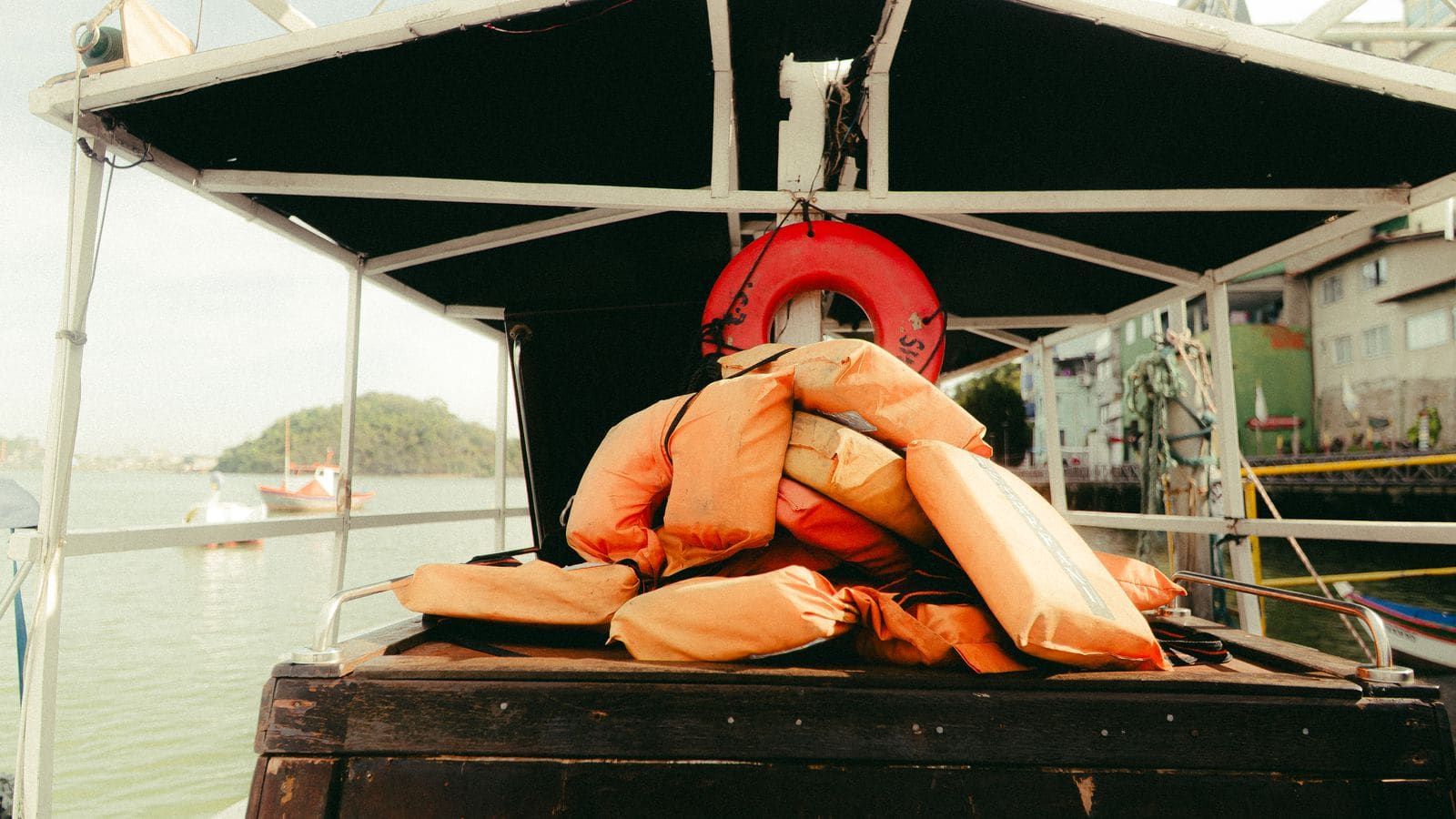
USCG Required Safety Equipment Check by Boat Length
Walk through your boat and confirm you carry every piece of safety gear the US Coast Guard requires for your boat's length and type, and that none of it is expired or worn out. Missing or expired gear is one of the most common tickets on the water, and it is the gear you need when things go wrong.
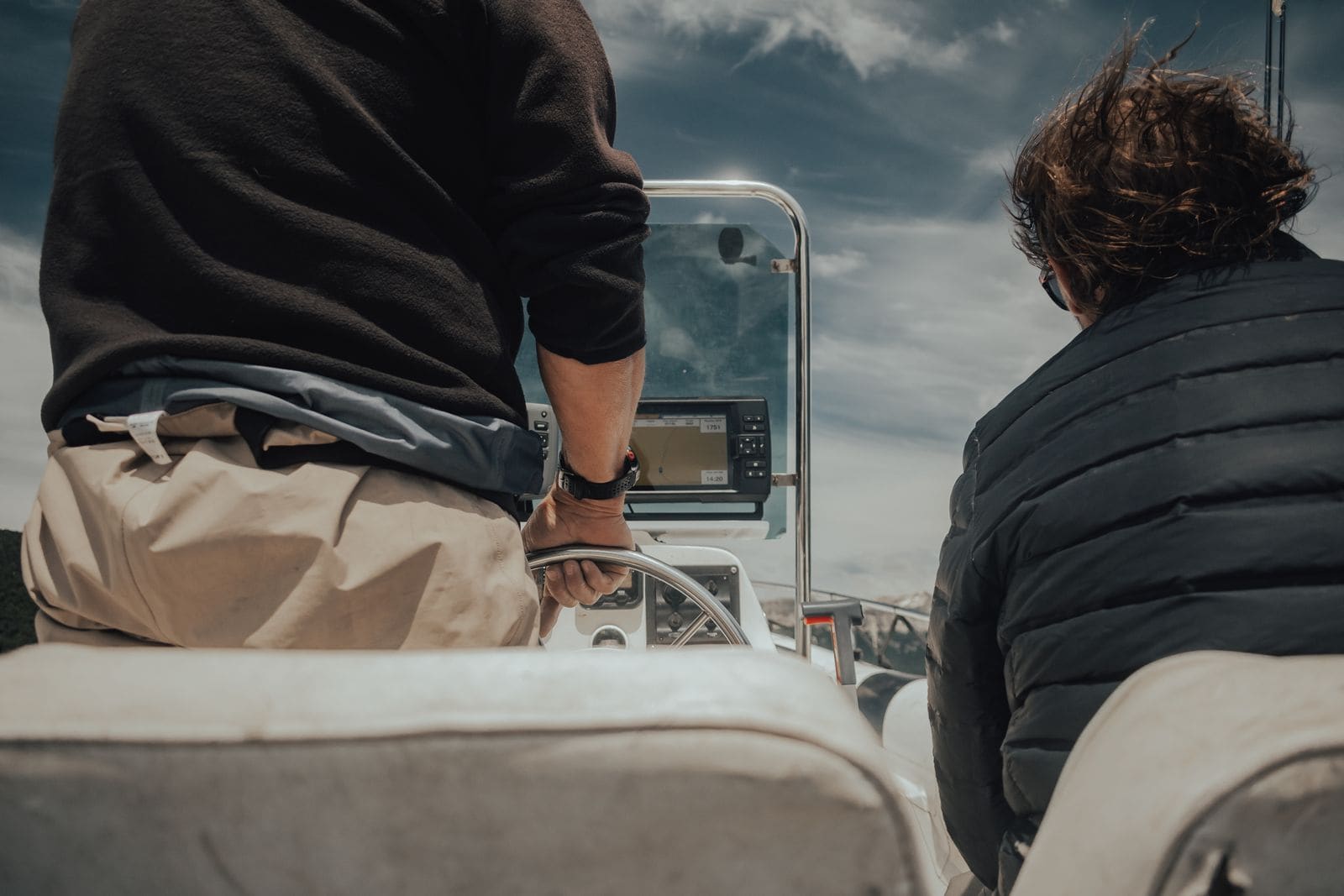
Engine Cut-Off Switch (Kill Switch) and Lanyard: The Law, Testing and Daily Use
How the engine cut-off switch (ECOS) and its lanyard or wireless fob work, when federal law requires you to wear it (boats under 26 feet, 3 hp or more, on plane), how to test it before every trip, and why a spare clip aboard matters.
Set Up Your VHF Radio: MMSI, DSC, GPS Hookup and Radio Checks
Get a free or low-cost MMSI number, program it into your DSC radio, connect your GPS so a distress alert sends your exact position, check the antenna, and learn the Channel 16 rules and the right way to do a radio check.
Carbon Monoxide on Boats: Where It Comes From, CO Alarms and Warning Signs
Carbon monoxide can build up in cabins, under canvas and around the swim platform, and its first symptoms look like seasickness. Learn the danger zones, where to mount marine CO alarms, how to test and replace them, and exactly what to do if an alarm sounds or someone feels sick.
Man-Overboard Recovery Gear: Throwables, Lifesling, Ladders and MOB Alarms
Set up and check the gear that gets a person in the water back aboard - a throwable within reach, a floating rescue line or Lifesling-style sling, a boarding ladder someone in the water can pull down, and MOB alarms or AIS beacons - and practice the drill so it works when it counts.
How to Check, Mount and Replace Boat Fire Extinguishers
A monthly five-minute check of every fire extinguisher aboard, plus how the 2022 Coast Guard rule changes affect you, where to mount them, and when to recharge or replace. A boat fire spreads in seconds, and an extinguisher with a dead gauge, missing pin or expired date will not help you or pass a boarding.
Boat First-Aid Kit and Medical Prep: What to Carry, Day Trips to Offshore
Build and maintain a boat first-aid kit that fits how far from help you go, with the extras boaters actually need for seasickness, fish hooks, cuts, burns, sun, heat and cold, plus a crew briefing, expiration-date checks and training. General preparation only, not medical advice.
Inflatable Life Jacket Care: Inspect, Test and Rearm
An inflatable life jacket only saves a life if the cylinder is full, the inflator is armed and the bladder holds air. Learn the quick check before every trip, the overnight leak test, how to read replacement dates and how to rearm it after it fires.

How to Load Your Boat Safely: Capacity Plate, Balance and Stability
Too much weight, or the right weight in the wrong place, is behind most small-boat capsizes and swampings. Learn to read the capacity plate (persons, weight and horsepower), add up your real load, balance it side to side and fore and aft, and adjust for rough water, water aboard and towing riders.
Make a Fire Escape Plan for Your Boat: Exits, Extinguishers, Roles and Shutoffs
Map two ways out of every cabin, put extinguishers where you can actually reach them, assign who does what, and practice shutting off fuel and power and getting everyone off upwind. A boat fire leaves only a few minutes, so the plan has to be made and walked through before you need it.