How to Load Your Boat Safely: Capacity Plate, Balance and Stability
Too much weight, or the right weight in the wrong place, is behind most small-boat capsizes and swampings. Learn to read the capacity plate (persons, weight and horsepower), add up your real load, balance it side to side and fore and aft, and adjust for rough water, water aboard and towing riders.

Time
20 min
Applies to
All engines
Safety first: Everyone aboard should wear a life jacket on small, open boats; BoatUS notes it can be very hard to put one on once you're already in the water. If your boat starts taking on water, get everyone low and in the middle, head for shore, run the bilge pump and call for help early: VHF channel 16 to the Coast Guard, or 911. If the boat swamps or capsizes, stay with it; most small powerboats are built to keep floating.
Owners often ask
- The capacity plate says 6 persons. Can I take six adults?
- Why does water come in through my cockpit drains when I have a full crew aboard?
- My capacity plate is faded and unreadable. How do I find the max horsepower and persons?
This guide walks you through it. Still stuck? Ask the AI Mechanic about your engine.
Tools
- Your boat's owner's manual (capacity and loading section)
- Phone camera (to photograph the capacity plate)
- Bathroom scale (optional, for weighing coolers and gear bags)
Parts & supplies
- Tie-down straps or bungees for heavy gear
Before you start
Why this matters: BoatUS analyzed five years of capsize and swamping insurance claims and found that weight (how much and where it sits) is the main cause. Most incidents involved small boats: the largest group was 15 to 19 feet, often fishing boats with large cockpits, sometimes overloaded or out in poor weather.
Where to find the capacity plate: Federal rules (33 CFR 183) require a capacity plate on monohull boats under 20 feet, except sailboats, canoes, kayaks and inflatables. It must be posted where the operator can see it when getting underway. The BoatUS Foundation says it's usually on the inside of the transom or near the helm. Discover Boating describes the plates as yellow and silver; boats under 20 feet say "U.S. Coast Guard Maximum Capacities," and NMMA-certified boats up to 26 feet may carry a "Maximum Capacities" plate too.
No plate? Boats 20 feet and over, pontoons and many older boats may not have one. Look in the owner's manual or ask the builder. Some larger boats label upper decks or flybridges with their own passenger limits, as BoatUS notes.
Small boat, no plate: state boater-education courses give a rough rule of thumb for boats under 20 feet without a plate: length times width (in feet) divided by 15 gives the number of average 150-lb people the boat can carry in good weather. Their example: an 18 x 6 ft boat works out to 7 people, about 1,050 lb. It's an estimate for people only, so gear, fuel and the motor still count against it, and heavier adults mean fewer seats.
Plate faded or unreadable? A common owner question, usually when picking a new outboard. Don't rely on what another owner remembers from a forum. Ask the builder for the original figures or a replacement plate (have the HIN ready); if the builder is gone, a marine surveyor can work out the numbers. Until then, load conservatively and don't go above the horsepower the builder published for that model.
Steps
The BoatUS Foundation breaks it down by boat type:
- Outboard boats: maximum persons (in people and in pounds), maximum weight capacity (people, motor and gear), and maximum horsepower.
- Inboard and sterndrive boats: maximum persons and maximum weight capacity (people and gear). There's no horsepower line, because the federal powering standard doesn't apply to them.
- Manually propelled boats (rowboats and the like): persons and weight.
Photograph the plate and keep the picture on your phone.
The "persons" number is calculated from the pounds figure using a fixed formula in 33 CFR 183 that works out to roughly 140 lb per person. Many adults weigh a lot more than that. Five 200-lb adults is 1,000 lb, even if the plate says "6 persons or 900 lb." Whichever limit you hit first is the limit.
The persons capacity also isn't arbitrary: the federal test loads weight along one side of each seating area until the boat reaches its maximum safe list or trim without taking water. In other words, the plate already assumes people won't all stay perfectly centered.
For the maximum weight number, count everything you carry:
- People (be honest)
- On an outboard boat, the motor and controls (check the plate's wording)
- Coolers with ice and drinks, tackle, anchors and rode, tubes, skis, dive gear
- Extra fuel cans: gasoline weighs about 6 lb per gallon
- Water: about 8 lb per gallon (Load Rite uses that figure for trailer sizing). A livewell or bait tank full of water is real weight.
BoatUS also warns that older boats tend to gain weight over the years, from gear that never leaves and from hulls or foam that have absorbed water. If your boat sits lower than it used to with the same load, see our waterlogged foam guide.
BoatUS points out that safe passenger loading depends on the number of real seating positions underway. Two slim adults with four or five small kids in a boat designed to seat four can be dangerous, even if the total weight is well under the plate. The BoatUS Foundation adds that the number of seats doesn't automatically equal how many people the boat can safely carry, either. Use both: plate limits and real seats.
On outboard boats, don't exceed the maximum horsepower on the plate. The BoatUS Foundation says many states make it illegal to carry more than the plate allows or to install a motor over the horsepower limit, and that exceeding the limits may void your insurance. BoatUS also notes that repowering an older boat with a modern four-stroke can add 10 to 15 percent more weight at the transom than the boat was designed for, enough to let water back into the cockpit. Our repowering guide covers how to check before you buy.
Spread people and heavy gear evenly on both sides. BoatUS's example: everyone rushing to one side to look at a whale can push a gunwale down far enough to let water pour in. If someone moves to one side to fish, land a fish or climb aboard, have someone else shift the other way, and slow down first.
How weight is spread fore and aft changes how the boat rides:
- Too much in the stern: the boat squats, the bow rises and it's harder to see ahead. BoatUS warns that many older outboard boats have low transom cutouts that can flood when the boat slows quickly with extra weight aft. Newer boats usually have a motor well that reduces this risk.
- Too much in the bow: the boat plows, takes spray or waves over the bow and can steer badly at speed.
- Aim for the boat to sit close to level at rest, then fine-tune with trim and trim tabs once you're running, not by moving people around at speed.
- The higher the weight, the less stable the boat. BoatUS notes that anglers and hunters can make a small boat unstable just by standing up.
- Keep people seated on real seats while underway: not on gunwales, the bow, seat backs or engine covers.
- Store heavy items low, near the centerline, and strapped down so they can't slide to one side in a turn.
- The BoatUS Foundation reminds owners that people are a "live" load: shift people and weight only after you've stopped or slowed.

In a small boat, everyone sits low on a real seat, wears a life jacket and stays put while the boat is moving. Photo: Virginia State Parks / Wikimedia Commons · CC BY 2.0 - Upper decks and flybridges put weight high. BoatUS reported on a 34-foot cabin cruiser that rolled over after fireworks with 27 people aboard, eight of them on the flybridge; a naval architect's analysis found it had almost no reserve stability with that load. On boats with an upper deck, keep only a few people up top, especially in crowded wakes.
- Water sloshing in the bottom of the boat reduces stability, and BoatUS says a wave or wake can then flip it. Keep the bilge pumped out.
- Cockpit drains: on boats with scuppers, BoatUS warns that one heavy friend or a second cooler can be enough to make water come back in through the drains. Watch the scuppers after you load; if water is coming in at rest, you're too heavy or too far aft.
- Livewells and fittings: BoatUS found leaking livewell plumbing and open livewell valves behind several sinkings. Know where your through-hull valves are and close them when not in use.
- Drain plug: BoatUS suggests tying the drain plug to the boat key so you can't forget it.
- If your boat's cockpit drains into the bilge, remember that bilge pumps are for nuisance water, not for keeping a swamped boat afloat.
The capacity plate assumes good to moderate weather. The BoatUS Foundation says to keep the load well below the limit in rough water, and BoatUS notes small boats with a full load can be overwhelmed by modest waves or even a large wake.
- Carry fewer people and less gear when wind or waves are up, or in heavy boat traffic.
- Take big waves and wakes bow-first and at a slow, steady speed.
- If a squall hits, BoatUS says to have passengers stay low near the center of the boat while you head in.
- Anchor from the bow, never the stern; a stern anchor plus a wave can pull the low transom under.
- Riders count when they climb back in. Plan the load with everyone aboard, including the person on the tube or skis and their wet gear.
- Seat the spotter where they can watch the rider without standing on a seat or sitting on the gunwale.
- When a rider comes back aboard, shut the engine off and have the rest of the crew stay forward and centered so the stern doesn't squat.
- Ballast: on wake boats, full ballast tanks plus a full crew can take you near or past the boat's limits. Check the builder's manual and our wake boat ballast guide before adding ballast bags.
With everyone and everything aboard:
- Is the boat sitting close to level, side to side and front to back?
- Is there reasonable freeboard all around, and no water coming in through scuppers or the transom cutout?
- Is the drain plug in and the bilge pump working?
- Is everyone seated, with life jackets on or within reach (on smaller boats, on)?
If any answer is no, move or remove weight before you go.
Common mistakes
- Trusting the persons number and ignoring the pounds.
- Forgetting the weight of coolers, fuel cans, livewell water and the anchor.
- Letting kids or adults ride on the bow, gunwales or seat backs.
- Everyone moving to one side at once to look, fish or swim.
- Putting a heavier four-stroke on an older boat without checking the plate and transom.
- Anchoring a small boat from the stern.
- Heading out with a full load into building wind and chop.
When to call a pro
- The boat sits noticeably lower than it used to, or water comes in through the drains at rest: have it checked for waterlogged foam or a leak
- You want to repower, add a T-top, tower, ballast or other heavy equipment: ask the builder or a marine surveyor how it affects capacity and stability
- The capacity plate is missing, faded or doesn't match the boat: contact the builder
- The boat is taking on water and you can't keep up: call the Coast Guard on VHF 16 or 911
Tips
- Weigh your usual coolers and gear bags once on a bathroom scale; you'll be surprised.
- Put the plate's pound limits on a sticker near the helm where guests can see it.
- Give guests a 30-second briefing: where to sit, stay seated while moving, and why.
- In a small boat, load the heaviest person first and seat them to balance the others as they board.
- Weight distribution matters on the trailer too. If you pack gear in the boat before towing, Discover Boating's trailer tips say to spread the weight as evenly as possible side to side and keep about 55 to 60 percent of it in the front half of the trailer. Too much weight at the back can cut the tow vehicle's traction and lead to fishtailing. Strap heavy items down so they can't shift, and check that the boat, gear and trailer together stay within the trailer's rated capacity (see our towing vehicle capacity guide).
Official references
We read these to write this guide. Your engine's own manual always wins.
- eCFR – 33 CFR Part 183, Subpart B (Display of Capacity Information)
- eCFR – 33 CFR Part 183, Subpart C (Safe Loading)
- Discover Boating – All About Capacity Plates
- BoatUS Foundation – Boat Capacities
- BoatUS – Avoiding Capsizing and Swamping
- Load Rite Trailers – FAQs (weight of fuel and water per gallon)
- BoatUS – Capacity, Stability and Safety: How Many Is Too Many? (2013)
- Iowa Boater Safety Course (Boat-Ed, state-approved) – Calculating Your Boat's Capacity
- Discover Boating – Boat Trailer Tips (load position on the trailer)
Safety: BoatMend is for information only and does not replace a certified marine technician. You are responsible for your safety and your boat. Read the full disclaimer.
Last updated 2026-10-25
Related guides
USCG Required Safety Equipment Check by Boat Length
Walk through your boat and confirm you carry every piece of safety gear the US Coast Guard requires for your boat's length and type, and that none of it is expired or worn out. Missing or expired gear is one of the most common tickets on the water, and it is the gear you need when things go wrong.
What to Do When Your Boat Is Taking On Water: Emergency Steps and Prevention
A step-by-step emergency plan for water coming into the boat - life jackets on, call for help early on VHF 16, find and slow the leak, pump, and head for shallow water if needed - plus the maintenance checklist that prevents most sinkings.
How to Test and Clean Your Bilge Pump and Float Switch
Make sure your bilge pump actually moves water overboard, both on the manual switch and automatically through the float switch. A working bilge pump is one of the most important safety systems on any boat that stays in the water.
Engine Cut-Off Switch (Kill Switch) and Lanyard: The Law, Testing and Daily Use
How the engine cut-off switch (ECOS) and its lanyard or wireless fob work, when federal law requires you to wear it (boats under 26 feet, 3 hp or more, on plane), how to test it before every trip, and why a spare clip aboard matters.
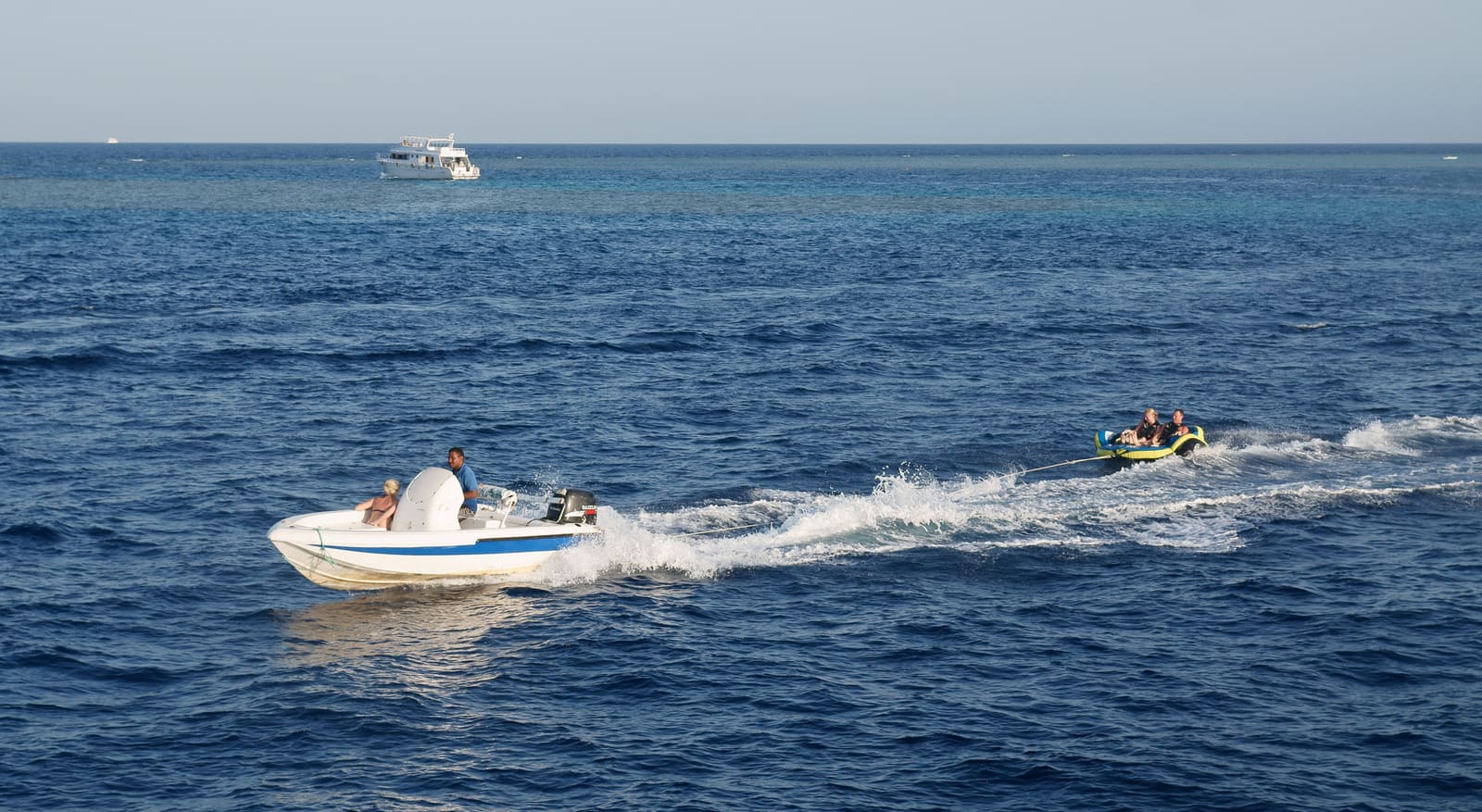
Tow Ropes, Tubes and Watersports Gear: Inspect, Rig and Retire
Check ski, wakeboard and tube ropes, handles, towable tubes and your boat's tow points before every outing, rig them the right way, and know when to throw gear out. Includes the safety basics (spotter, flag, life jackets, prop and carbon monoxide) that vary from state to state.

Wakesurf Safety: The Right Boat, Carbon Monoxide, Spotters and Distance
A pre-ride checklist for wakesurfing - surf only behind inboard or V-drive boats built for it, keep riders away from exhaust and the engine off when they board, use a spotter and a short surf rope, stay well away from shore, docks and other boats, and never overload the ballast.
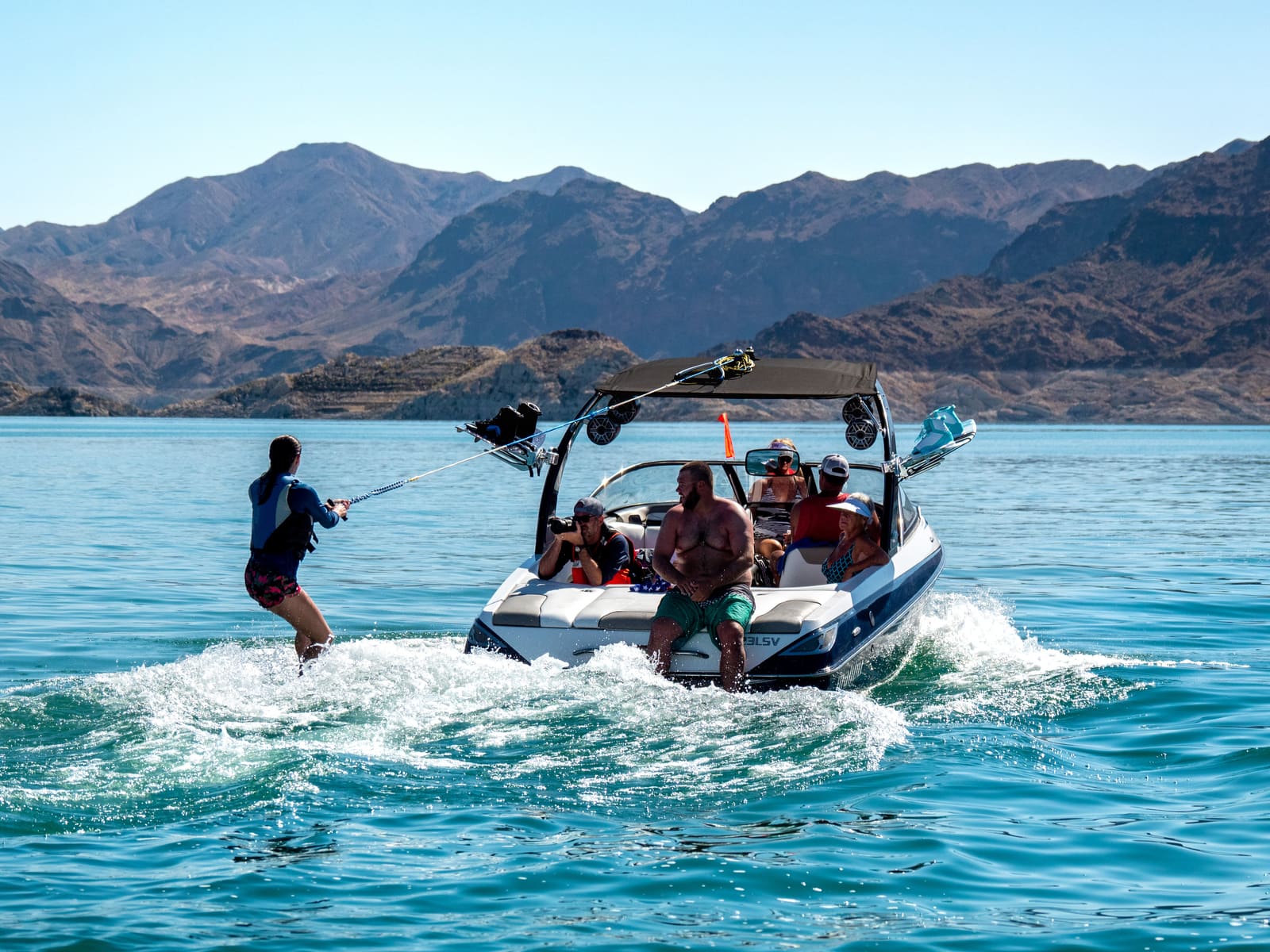
Wake Boat Ballast Systems - Care, Troubleshooting, Weight Limits and Winterizing
Keep your wake boat's ballast tanks, bags and pumps working: fill and drain them the right way, stay under the boat's weight capacity, fix tanks that won't fill or empty, change the pump impellers, stop invasive species from riding along, and protect the system from freezing.

How to Tell if Your Boat's Flotation Foam Is Waterlogged
Learn the signs that the foam under the floor or seats of a small boat has soaked up water, how to check without tearing the boat apart, what the Coast Guard flotation rules mean for you, and why replacing foam is usually a big job for a pro.
Planning a Repower: Horsepower Limits, Transom, Rigging, Prop and Costs
Putting a new engine on a boat you love can cost far less than a new boat, but only if the plan is right. Learn how to read the capacity plate for maximum horsepower and weight, check the transom, sort out controls, gauges and rigging, budget for the prop and the extras, and decide between a dealer installation and doing it yourself.
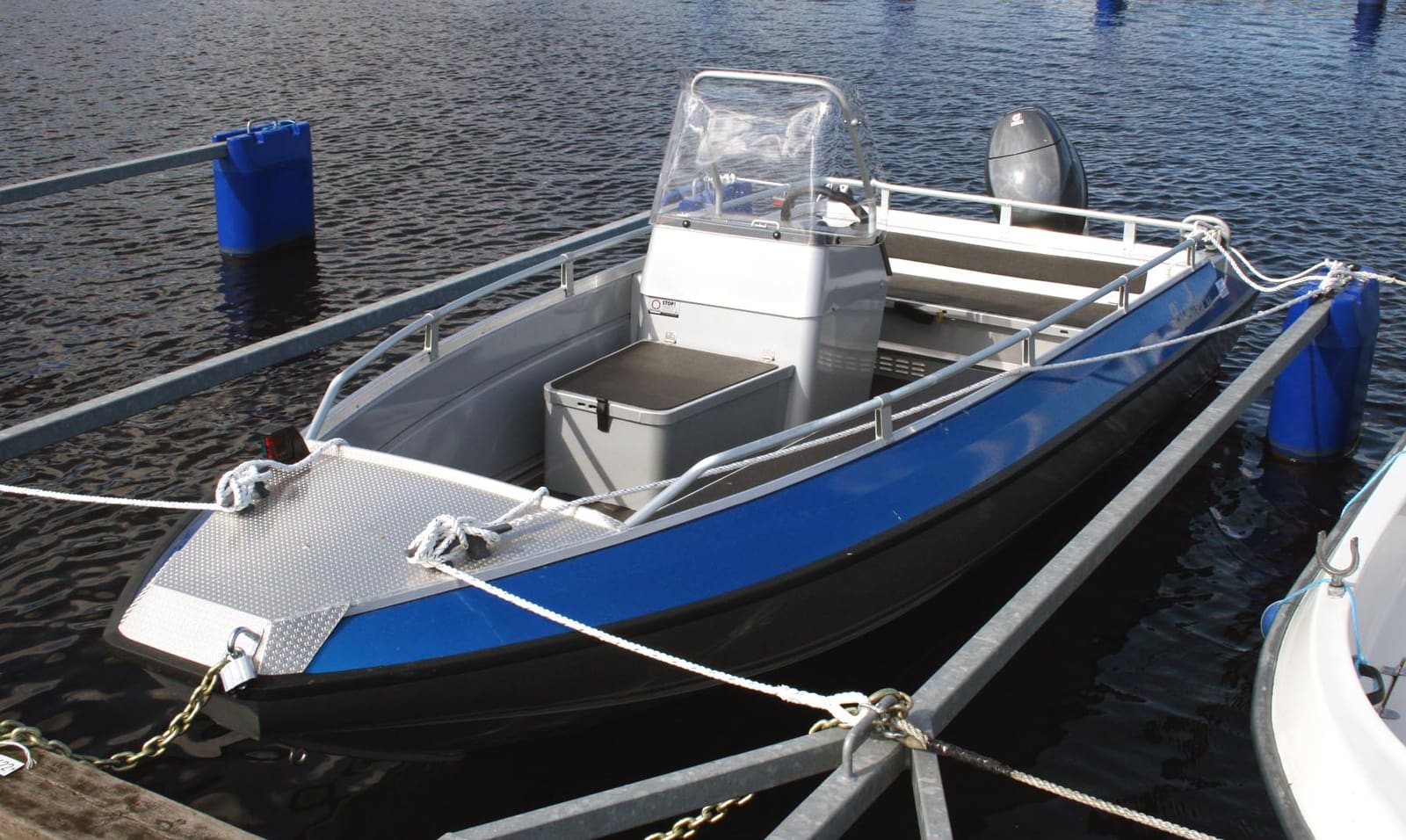
How to Inspect and Clear Cockpit Scuppers and Deck Drains
Most boats that sink at the dock fill up from the top, through clogged scuppers, cracked drain hoses and leaky hatches during a heavy rain. Learn how to trace every drain, clear clogs, check flappers, hoses and clamps, flood-test the cockpit and keep drains working in freezing weather.