Fishing Line Behind the Prop: How It Ruins Gearcase Seals and How to Catch It Early
Fishing line that wraps behind your propeller can melt into a sharp ring that cuts the prop shaft seals and lets water into the gearcase. Learn the quick after-trip check, how to pull the prop and clear line safely, the signs that a seal is already damaged, and when to get a pressure test.
Time
30 min
Shop would charge
$75-600
Applies to
Outboard, Sterndrive (I/O)
Safety first: Never work on or near the propeller with the engine able to start. Remove the key and the kill switch clip, and on larger engines switch off or disconnect the battery. Wedge a block of wood between a blade and the anti-ventilation plate to hold the prop, never your hand. If line fouls the prop while you are out, shut the engine off before you lean over the transom, and do not go in the water to clear it in current, waves or near other boats. If you can't free it safely, call TowBoatUS, Sea Tow or the Coast Guard on VHF 16.
Owners often ask
- Do I really need to pull my prop after every fishing trip, or just check behind it?
- I pulled fishing line off my prop shaft. How do I know if the seal is already damaged?
This guide walks you through it. Still stuck? Ask the AI Mechanic about your engine.
Tools
- Flashlight or headlamp
- Prop wrench or socket and a block of wood
- Sharp hook-blade knife or seam ripper, and a dental-style pick
- Needle-nose pliers
- Magnifying glass
- Clean clear jar for a gear lube sample
- Large flat screwdriver for the drain and vent screws
- Nitrile gloves
Parts & supplies
- Marine-grade grease for the prop shaft, as your owner's manual specifies
- New cotter pin or tab washer if your prop nut uses one
- New drain and vent screw gaskets (if you take a lube sample)
- Marine gear lube specified in your manual (to top up after a sample)
Before you start
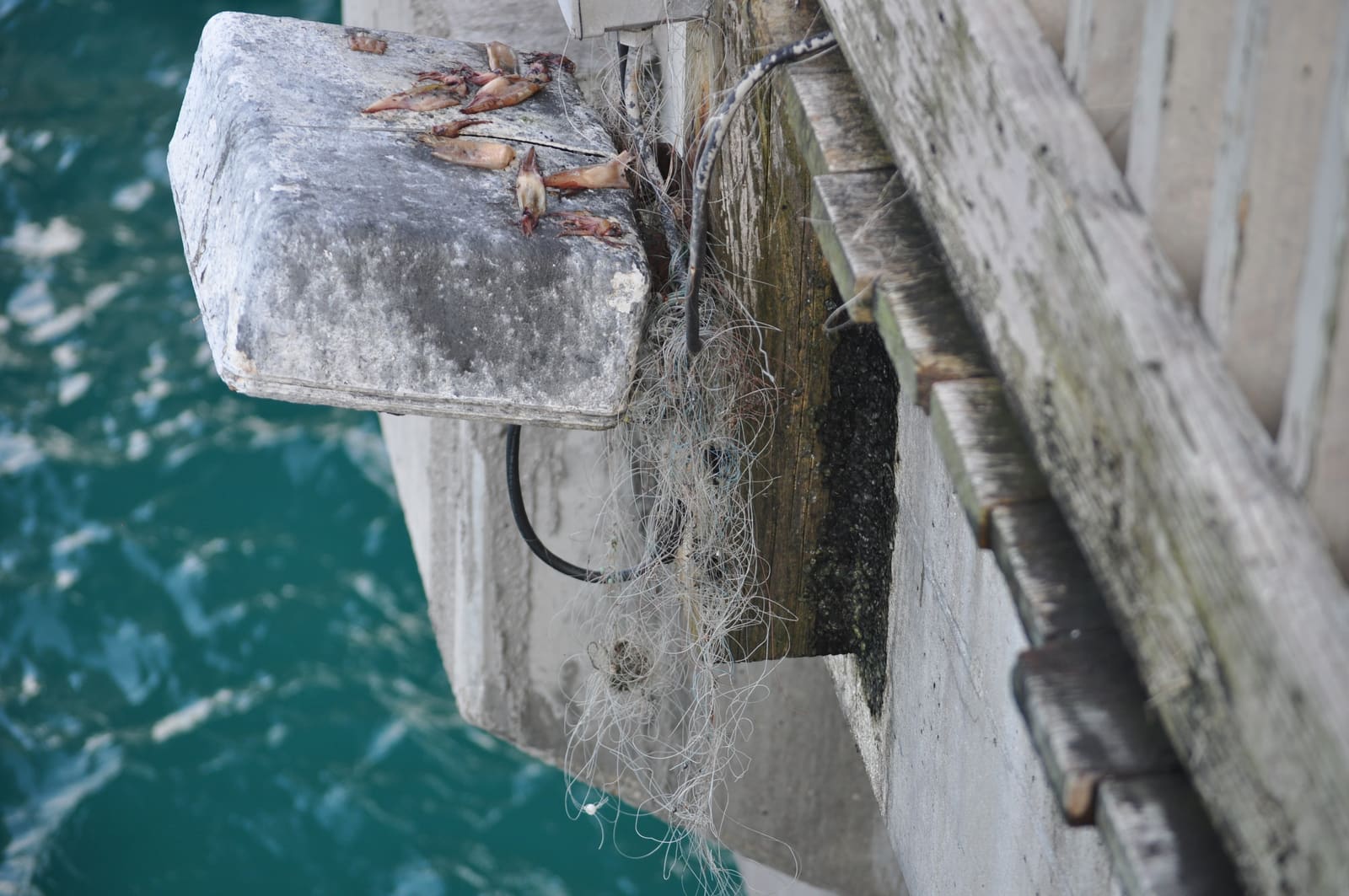
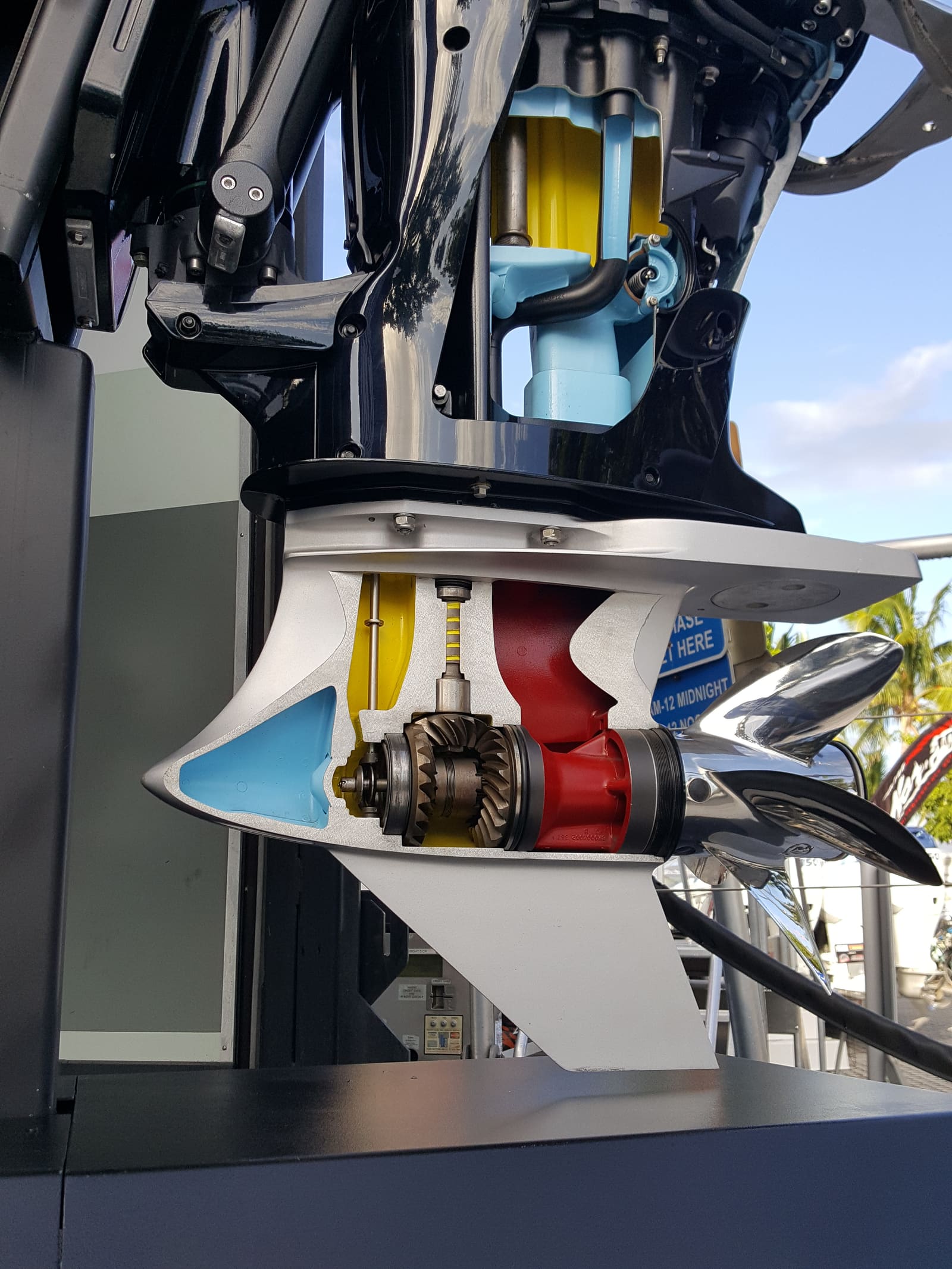
Why a few feet of line matters: BoatUS explains that monofilament doesn't sink right away; it hangs just under the surface where you can't see it. When the prop catches it, the line is pulled into the narrow gap between the front of the prop hub and the back of the gearcase. There it winds around the prop shaft behind the forward thrust washer, heats up from friction and melts, often into a brittle plastic ring with sharp edges. That ring and the loose strands cut the rubber lips of the prop shaft seals. Mercury describes the same chain of events: discarded line floats near the surface, works into the gap between the prop and the gearcase, and over time the prop's forward thrust presses it into the rubber prop shaft seal. That is why Mercury says even bass pros pull the prop periodically, both to check for line and to keep the shaft splines greased. Sport Fishing notes that braid and fluorocarbon do the same damage as mono.
What happens next: there are usually two prop shaft seals, one keeping the gear lube in and one keeping water out (BoatUS). Once they are cut, water gets in and lube gets out. The gears and bearings rust and fail, often weeks later. BoatUS compares a gear lube change of about $30 with a gearcase rebuild that can run well over $2,500.
Who should check: anyone who fishes, trolls, runs near piers, bridges and jetties where people cast, or anchors where anglers have been. You don't need to have "felt" anything. Most wraps happen without a bump or a noise.
This guide is the routine check and cleanup. If you already have milky gear lube, also read the gearcase seal and pressure test guide.
Steps
Tilt the outboard or sterndrive up (engine off, key out) and shine a light into the gap between the prop hub and the gearcase. You're looking for a strand of line sticking out, a few loops around the hub, or a shiny ring of melted plastic. BoatUS shows exactly this: a strand poking out from behind the thrust washer means line has wrapped the shaft and will cause a leak if it stays. Yamaha goes further and says to look over the lower unit before every outing.
Check under the prop and along the bottom of the gearcase for an oily film or drips. Sport Fishing describes milky-brown fluid coming out from under the prop as a sign to get the boat to a shop. In the BoatTEST owner's account, a thick white "milkshake" was dripping from the gearcase a week after line was pulled off the shaft. BoatUS warns that water often washes leaking lube away before you see it, so a clean gearcase does not prove the seals are fine.
If you saw any line, or it's been a while, pull the prop. BoatUS suggests at least once a season; Sport Fishing suggests pulling it after a trip and then every other trip during the fishing season. Have the boat on the trailer or out of the water if you can. On the water, only a small prop that can be reached safely from the boat, never by leaning out over a running engine. Remove the key and kill switch clip first.
Straighten and pull the cotter pin or bend back the tab washer, then remove the prop nut with the wood block holding the blades. Slide off the spacer or rear washer, the prop, and the forward thrust washer. Lay the parts out in the order they came off, or take a phone photo, so they go back the same way (see the propeller guide for details on your type of hub).
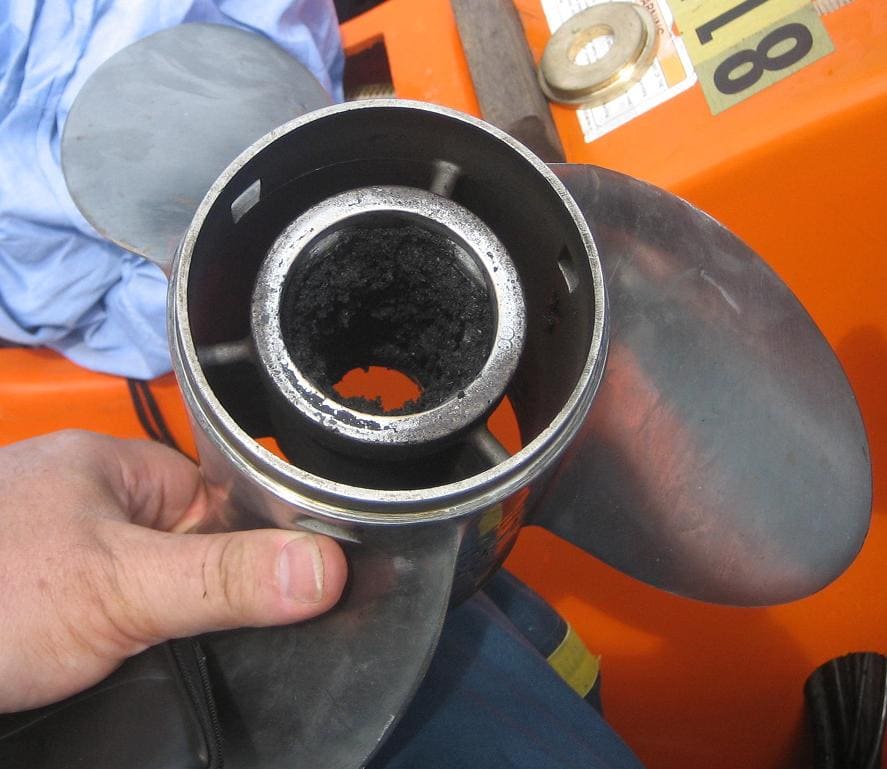
Look closely at the shaft right in front of the seal and behind where the thrust washer sat. Line is often caked in grease and hard to see. Pick and cut it away with a hook-blade knife, seam ripper or pick. BoatUS says you may need a sharp knife. Cut along the shaft, not into it, and keep the tip away from the seal lips. A hard, cloudy plastic disc is melted line; peel it off in pieces. Also check inside the prop hub and the thrust washer, where loops hide.
With the line gone, look at the seal where the shaft leaves the gearcase. BoatUS suggests checking for cuts or ruptures with a magnifying glass. A torn, nicked or lumpy lip, lube weeping around it, or a deep groove worn in the shaft are all warning signs. A seal can also look fine and still leak.
With the engine upright and cool, crack the bottom drain screw, then loosen the top vent screw and let a little lube run into a clean clear jar. Yamaha's guidance: milky means water; burnt-looking or smelling means it is due for a change. BoatUS says clean lube is clear amber, blue or red depending on the brand, and milky, bubbly or coffee-colored lube means water. Yamaha also warns that running the engine just before checking can whip air into the lube and make it look milky, so check it cold. Retighten the screws with new gaskets and top up from the bottom hole with the lube your manual names (see the lower unit oil change guide).
- Clean lube, no seal damage seen: reinstall the prop and keep checking after trips.
- Line found but lube clean: good catch. Check the lube again after the next couple of outings, since a nicked seal can start leaking later.
- Milky or watery lube: the seal is likely leaking. Yamaha says to have the seals inspected with a pressure test and replaced if needed. Don't just change the lube and keep running.
- Black, burnt lube or larger metal chips on the drain magnet: BoatUS says the gearcase has an internal problem and needs service.
Wipe the shaft splines clean, coat them with the marine grease your manual specifies, and reinstall the thrust washer, prop, spacer and nut in the original order. Tighten the nut to your manual's spec and fit a new cotter pin or tab washer. Remove the wood block before you reconnect anything.
Get the gearcase pressure and vacuum tested (see the gearcase seal pressure test guide), and fix the seal. If it's the end of the season, BoatUS says never to store a gearcase with old or contaminated lube: drain and refill so water isn't sitting on the steel parts all winter, even if the seal job has to wait until spring.
On inboard boats, line and rope wrap the shaft between the prop and the strut, where they can damage the cutless bearing, and a heavy wrap can pull on the shaft seal. Look at the shaft when the boat is hauled or when a diver cleans the bottom. Sterndrive props come off much like outboard props; saildrives have their own seals (see the saildrive guide). A new vibration after running over line is a reason to check right away.
Keep cut line in a bag or a bin on board, never over the side, and drop it in a monofilament recycling tube at the ramp or pier. BoatUS points out that line in the water also kills fish, turtles and birds. Some owners of inboard boats fit a shaft-mounted line cutter; ask your yard whether one suits your shaft and strut.
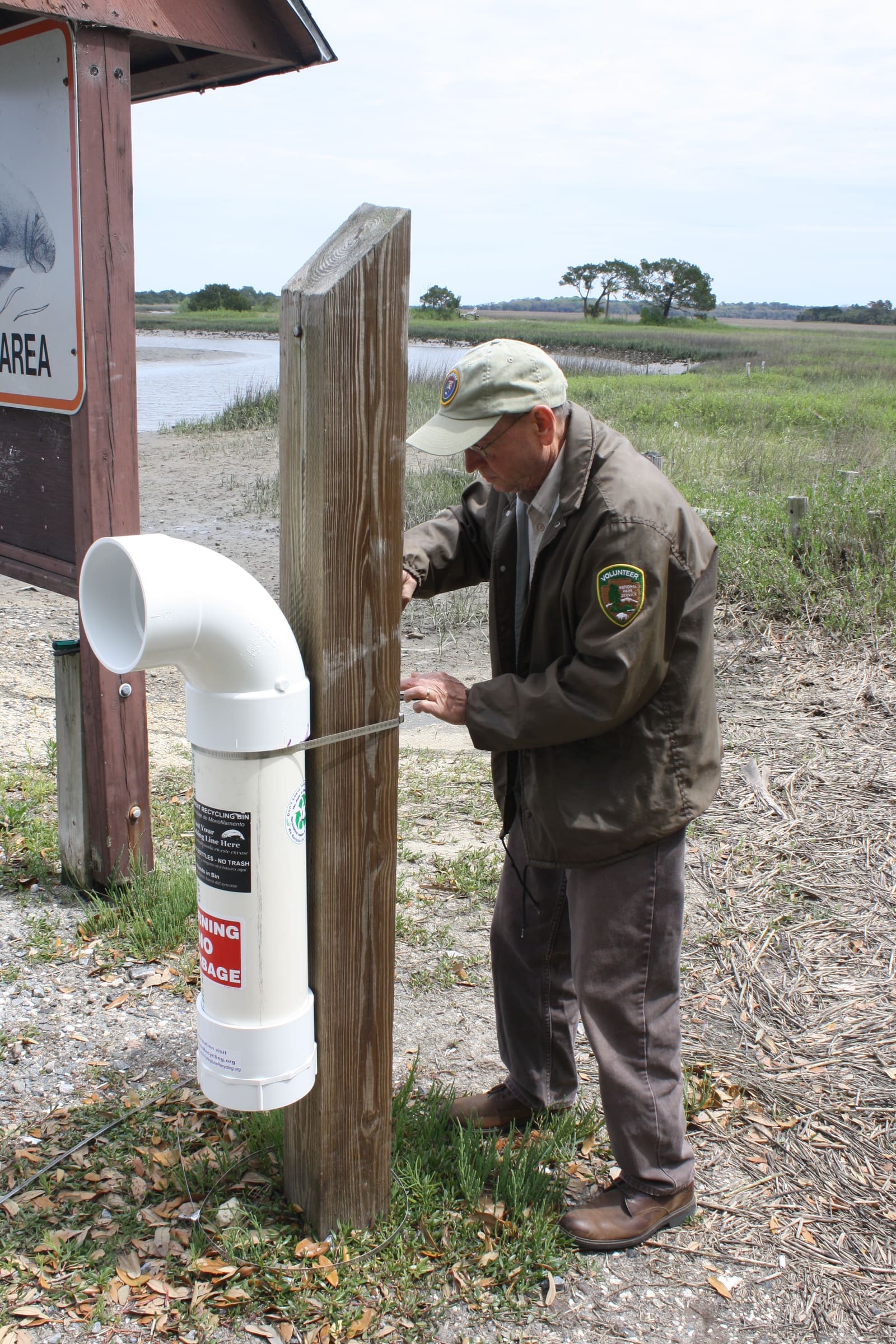
Recycling tubes like this one take used fishing line at many ramps and piers. Photo: NPS / Wikimedia Commons · Public domain Note in BoatMend each time you pull the prop, what you found, and the lube color. A pattern of line every few trips tells you to check more often.
Common mistakes
- Pulling visible line off the hub and calling it done. BoatTEST's owner story shows the seal can already be cut even when the shaft looks clean afterward.
- Only checking once a year on a boat that trolls or fishes near piers every weekend.
- Slicing into the seal or scoring the shaft while cutting line away.
- Mistaking a just-run, foamy gear lube sample for water, or a clean-looking gearcase for proof that nothing leaked.
- Changing milky lube again and again instead of testing and fixing the seal.
- Throwing tangled line overboard "because it sinks." BoatUS says it doesn't, at least not right away.
- Losing the order of the thrust washer and spacer, or reusing an old cotter pin.
When to call a pro
- Milky, watery or low gear lube, or lube dripping from behind the prop
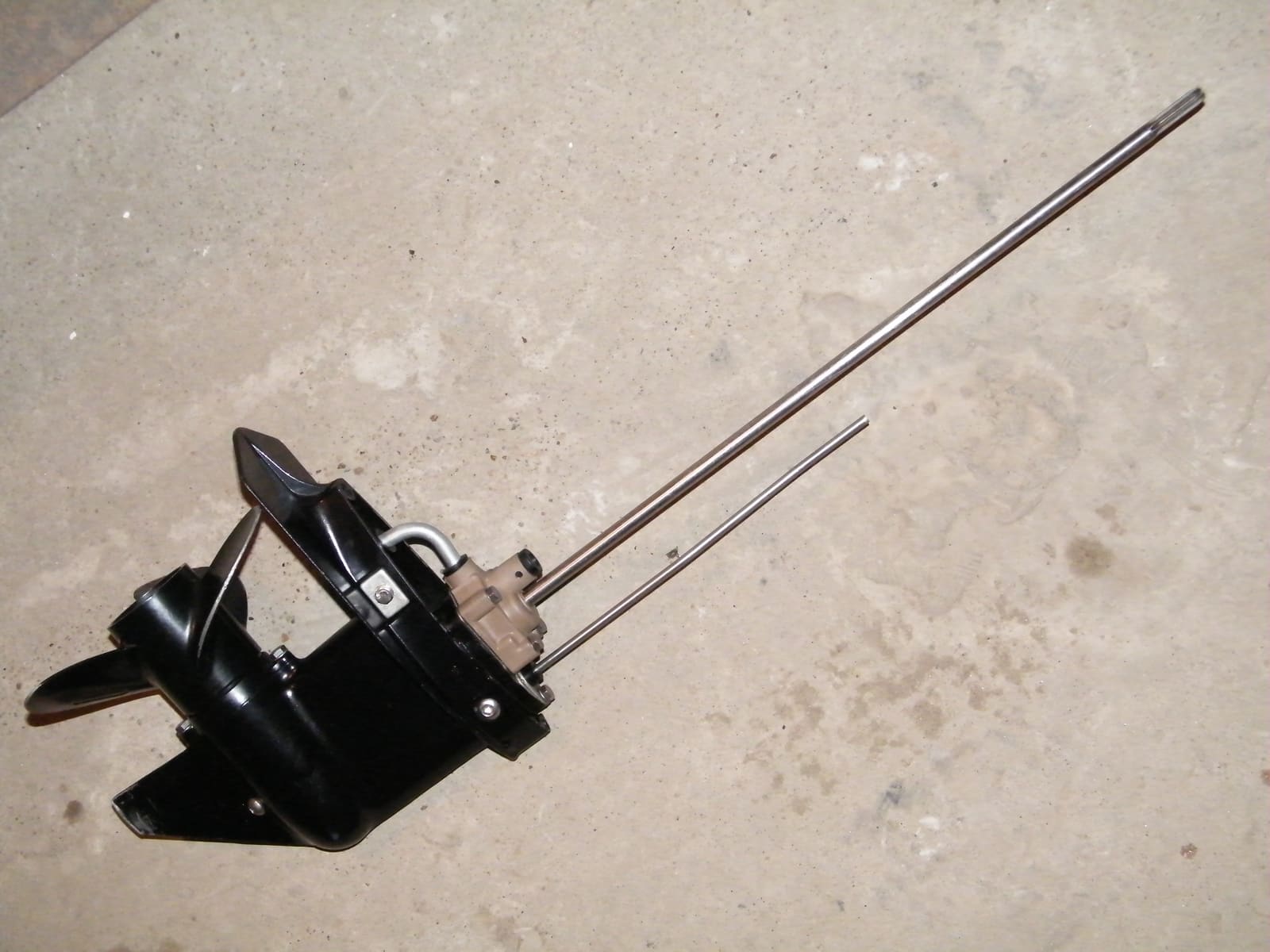
- A cut, torn or weeping prop shaft seal, or a groove worn in the shaft. Replacing these seals means pulling the bearing carrier with special pullers and seal tools; Boating Magazine rates the job 4 out of 5 for skill and about 8 hours, so most owners leave it to a shop
- Black, burnt-smelling lube or large metal chips on the drain magnet
- Grinding, clunking or hard shifting after a line wrap
- A prop that won't come off, or a seized or damaged prop nut
- Line wrapped on an inboard shaft that you can't reach safely from the boat or the ground
Tips
- Keep a small kit for line in the boat: hook-blade knife, pick, flashlight, spare cotter pins and a bag for the cut line.
- If you hear the engine note change or feel a slight vibration after running through a tangle of line or weeds, stop and check that day, not at the end of the season.
- A clear jar of lube labeled with the date makes it easy to compare samples.
- If you share waters with lots of anglers, add a reminder in BoatMend to pull the prop every few trips during the fishing season.
Official references
We read these to write this guide. Your engine's own manual always wins.
- BoatUS – Removing Fishline From Props
- Yamaha Outboards – Maintenance Matters, Lower Unit
- Sport Fishing – How to Maintain and Equip Your Fishing Boat
- BoatTEST – How to Handle Fishing Line Wrapped Around a Propeller
- Mercury Marine Dockline – Prop Bite: Propeller Installation (checking for fishing line)
- Boating Magazine – Replacing Seals on Prop Shafts (Jim Hendricks)
Safety: BoatMend is for information only and does not replace a certified marine technician. You are responsible for your safety and your boat. Read the full disclaimer.
Last updated 2026-11-06
Related guides
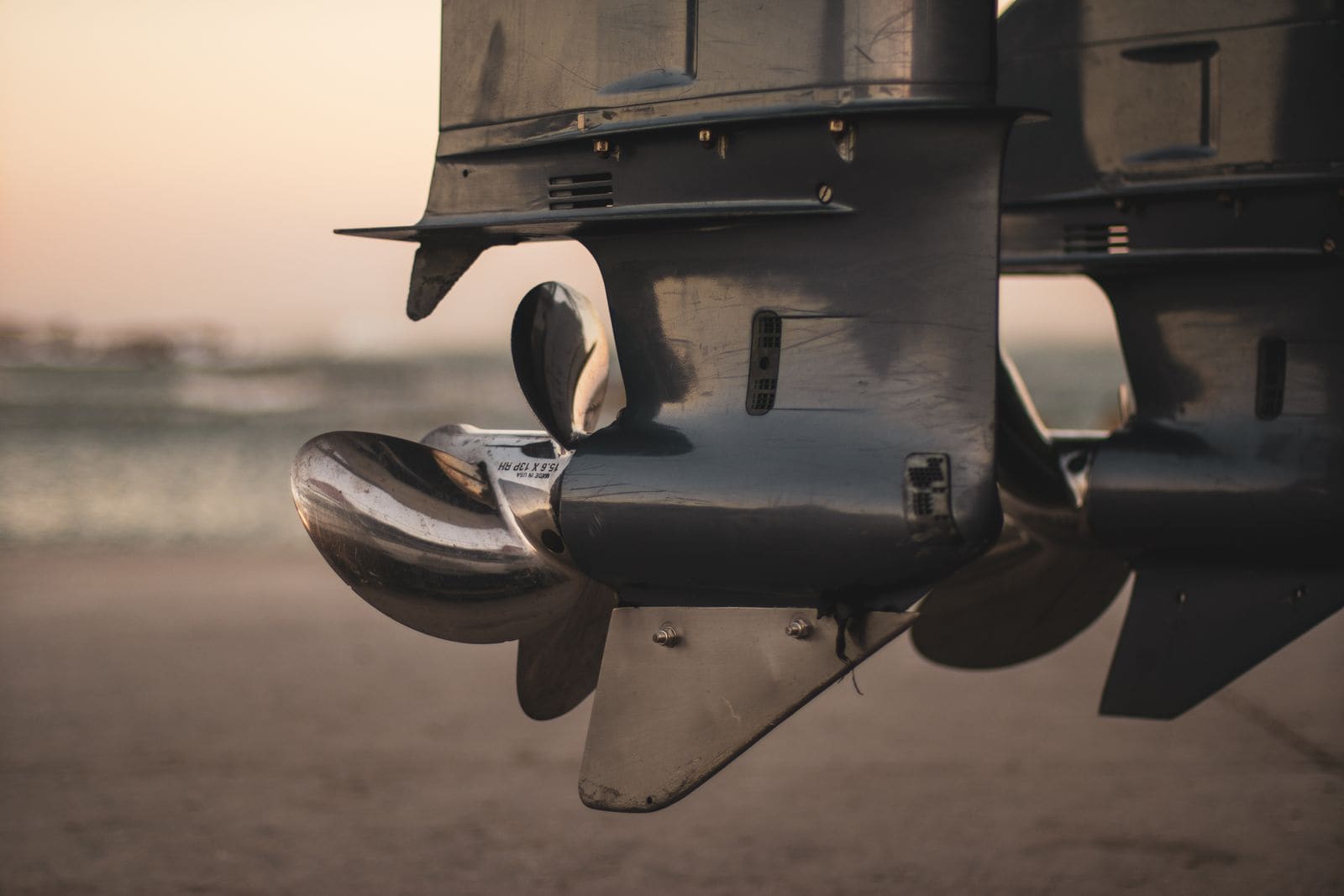
Propeller Care: Inspect, Remove, Replace and Choose the Right Pitch
Check your prop for damage, pull it to clear fishing line and grease the shaft, reinstall it correctly, and learn how pitch affects your engine's wide-open-throttle RPM. The right prop in good shape protects your engine and often makes the boat run better and use less fuel.
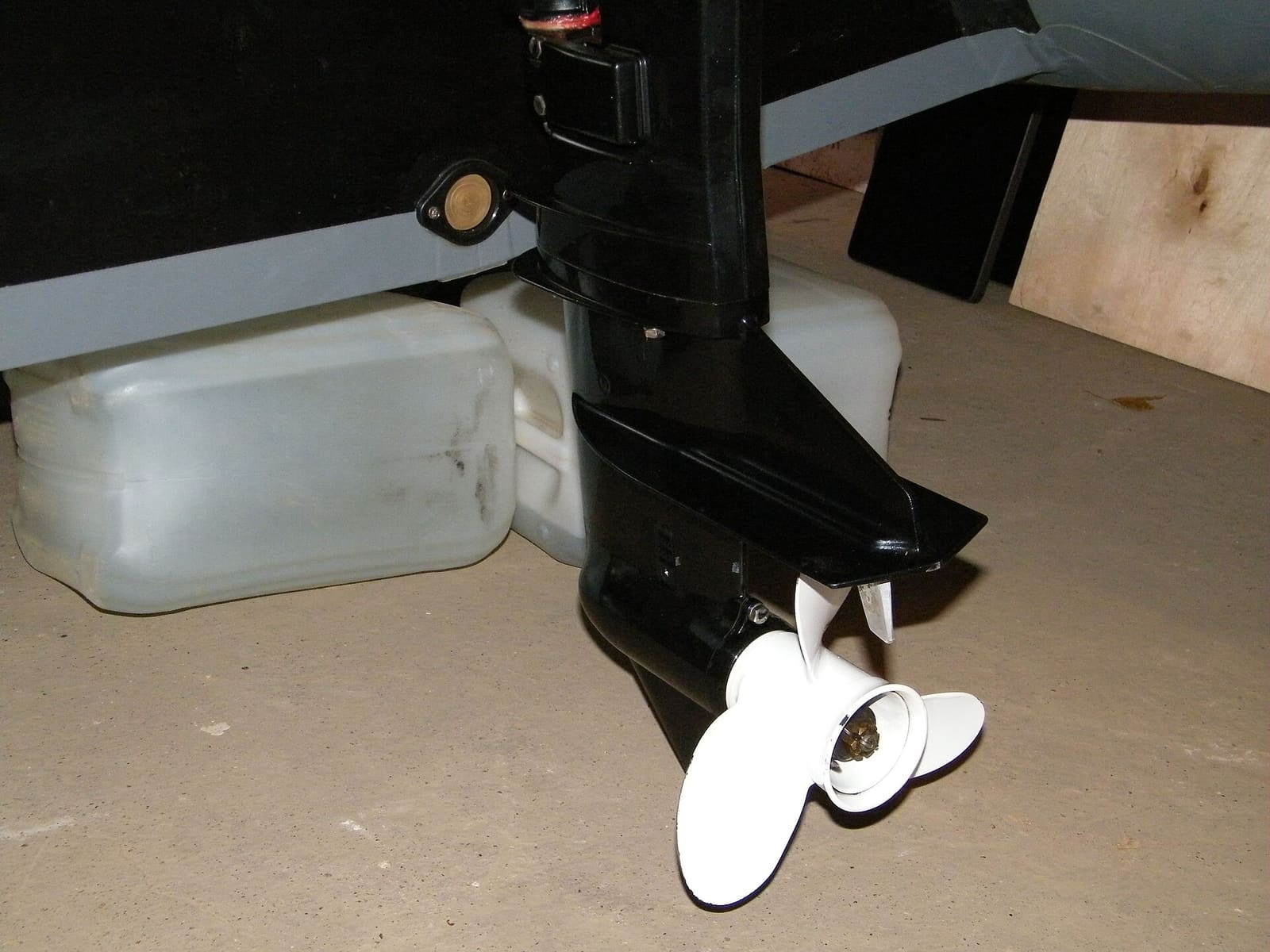
How to Change Lower Unit (Gearcase) and Sterndrive Oil
Drain and refill the gear oil in your outboard lower unit or sterndrive, and learn to spot water intrusion before it destroys the gears. It is a 30-minute job that protects a gearcase costing thousands to replace.
Water in the Lower Unit Keeps Coming Back - Seals and the Pressure Test Explained
Milky gear lube means water is getting past a seal, and changing the oil alone will not stop it. Learn where water gets in (prop shaft seals, driveshaft and shift shaft seals, drain and vent screw gaskets), how a pressure and vacuum test finds the leak, and when to do it yourself or hand it to a shop.
How to Remove and Reinstall an Outboard Gearcase (Lower Unit) Without Losing Shift
Dropping the lower unit is the first step of every outboard water pump job, and the reinstall is where most DIY trouble starts: no forward gear, no cooling water or a driveshaft that will not seat. Learn how to set the shift position, protect the water tube, line up the splines and test everything before the boat goes back in the water.
Spun Prop Hub - How to Tell, Quick Marker Test and Repair Options
If the engine revs up but the boat barely accelerates, the rubber or plastic hub inside your propeller may be slipping. Learn how a spun hub feels, how to confirm it with a simple marker test, the difference between pressed rubber hubs and replaceable hub kits, and your repair options.
Outboard or Sterndrive Vibration - Troubleshooting Guide
Track down a new shake or buzz by noting when it happens (neutral or in gear, which rpm), then check the prop, hub, shaft, mounting bolts, motor mounts, engine height and misfires in order, from the simplest to the most serious.
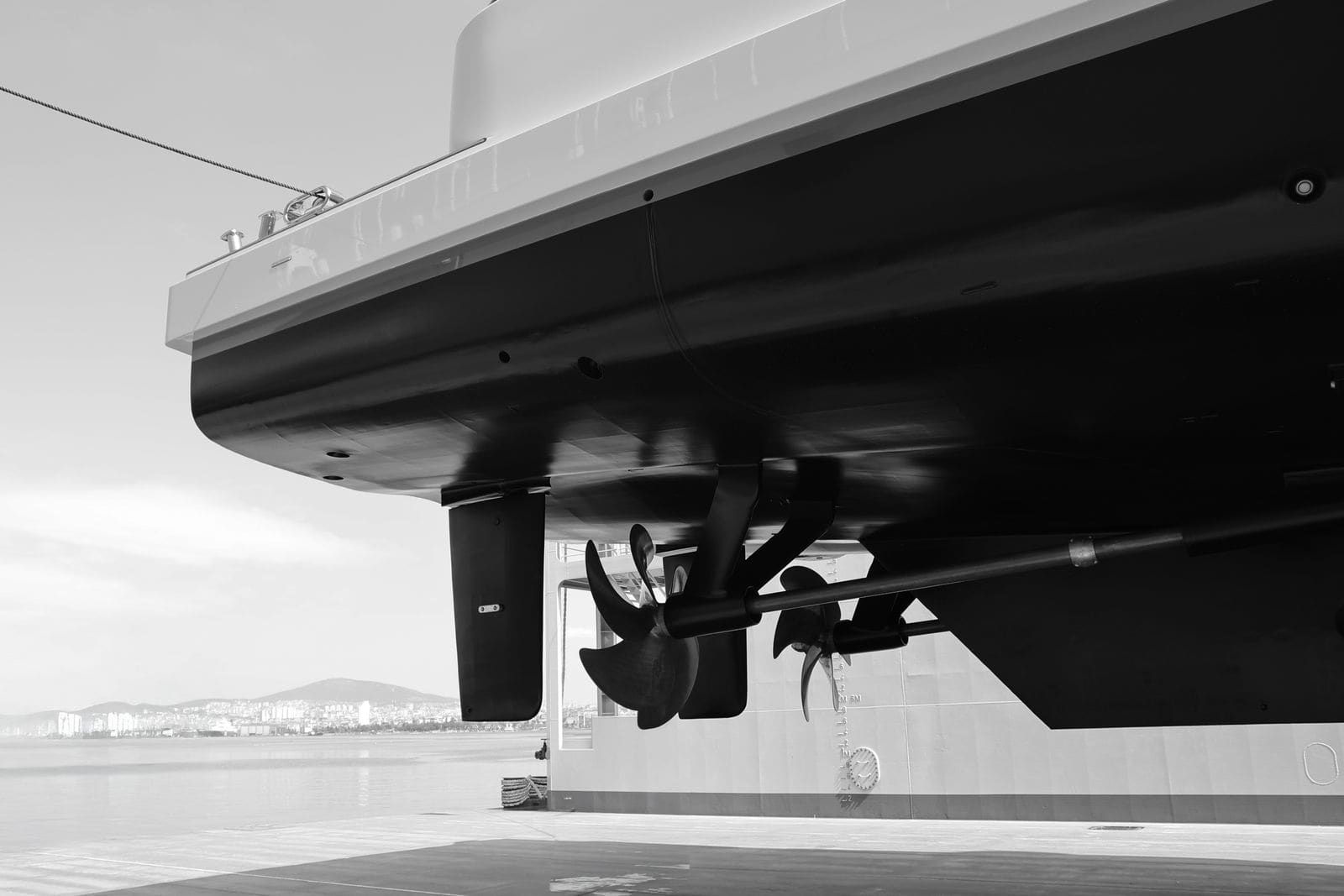
How to Check the Cutless Bearing, Prop Shaft and Strut
Find out if new vibration or rumbling from the stern is a worn cutless bearing, a bent shaft, a loose strut or poor engine alignment, using simple checks you can do at the dock and at haul-out. Catching bearing wear early protects the shaft, the seal and the transmission.
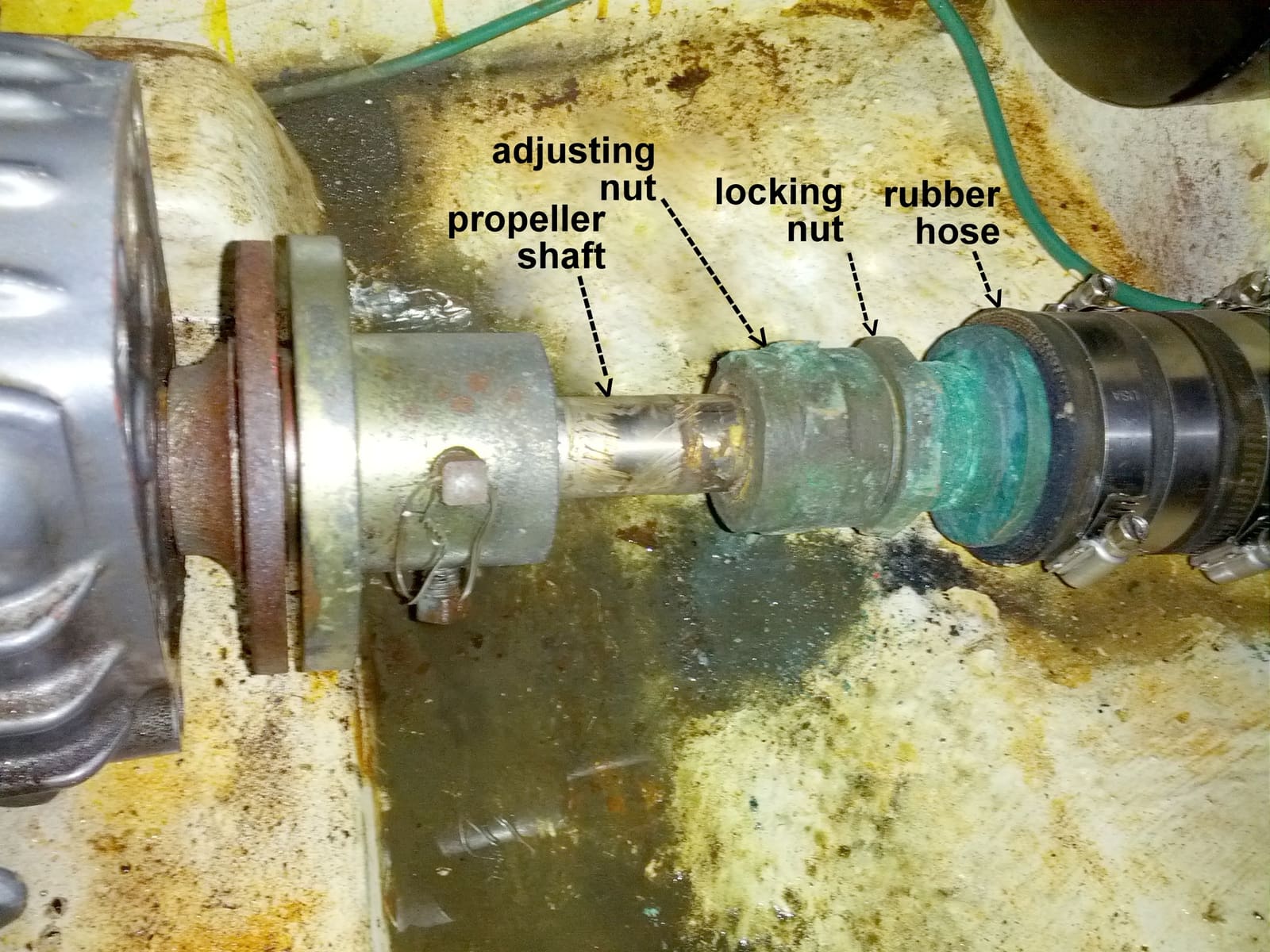
How to Check, Adjust and Repack a Stuffing Box (and Care for a Dripless Shaft Seal)
Learn the right drip rate for a traditional packing gland, how to adjust it safely, when to repack it, and how to inspect and service a dripless shaft seal. The shaft seal is one of the few holes in an inboard boat that moves, and a neglected one can sink a boat at the dock.
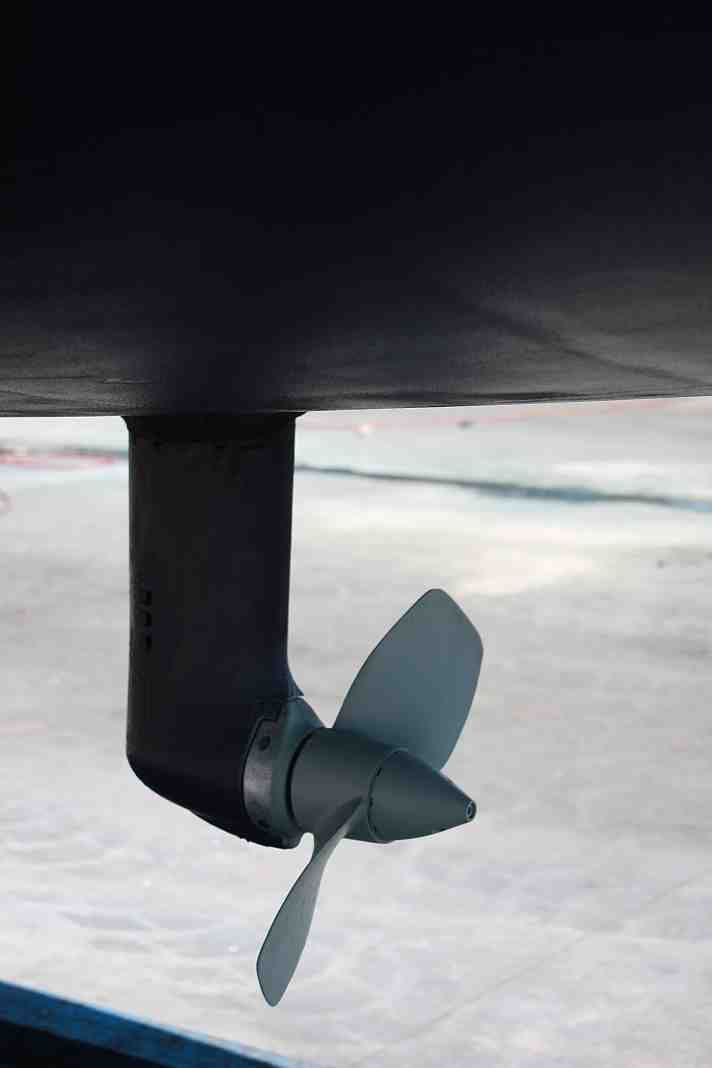
Saildrive Care: Leg Oil, Hull Seal, Anodes and Prop
Keep a Volvo Penta or Yanmar saildrive healthy with simple owner checks (leg oil level and color, anodes, paint, fishing line) and plan the big items, like the rubber hull diaphragm, before they become an emergency. The saildrive seal is one of the largest holes in a sailboat's hull, so it deserves attention.
Where to Clean Fish and Get Rid of the Waste: Marina Rules, State Laws and Fishing Line Recycling
Tossing fish guts over the side is legal in some places and a fine in others, and filleting at sea can break size-limit rules. Learn when to keep fish whole, how to use a cleaning station, what to do with carcasses, and how to recycle old monofilament line, with dated examples from state and federal rules.