How to Keep Mice and Rodents Off Your Stored Boat
Mice love a stored boat: dry, quiet and full of soft nesting material and tasty wire insulation. Learn how to remove what attracts them, close their way in, choose deterrents and traps that actually work, avoid the risks of poison, and check the wiring safely in spring.
Time
1 h 30 min
Shop would charge
$150-1500
Applies to
All engines
Safety first: Rodent droppings, urine and nests can carry hantavirus and other diseases. Never sweep or vacuum them dry, wear gloves, and air the boat out before you clean. Chewed wiring can short and start a fire: if you find gnawed wires, leave the battery switch off until every damaged wire is repaired. If you smell fuel or find a chewed fuel line or primer bulb, do not start the engine or use any electrical switches; get the boat checked by a marine technician first.
Owners often ask
- Mice got into my boat over the winter. How do I keep them out, and do dryer sheets or mothballs work?
- I found mouse droppings and chewed wires in spring. What should I check before I turn on the battery?
This guide walks you through it. Still stuck? Ask the AI Mechanic about your engine.
Tools
- Flashlight and inspection mirror
- Shop vacuum (for clean debris only, never for droppings)
- Rubber or plastic gloves
- Spray bottle with an EPA-registered disinfectant or fresh bleach solution
- Paper towels and heavy trash bags
- Scissors or tin snips for wire mesh
- Snap traps or electronic traps and covered trap boxes
Parts & supplies
- Coarse steel wool, copper or stainless mesh, or 1/4-inch hardware cloth
- Sealed plastic bins for cushions, towels and gear
- Rodent-deterrent wire tape or wrap (optional)
- Marine-grade tinned wire, crimp connectors and heat-shrink tubing (for small repairs)
Before you start
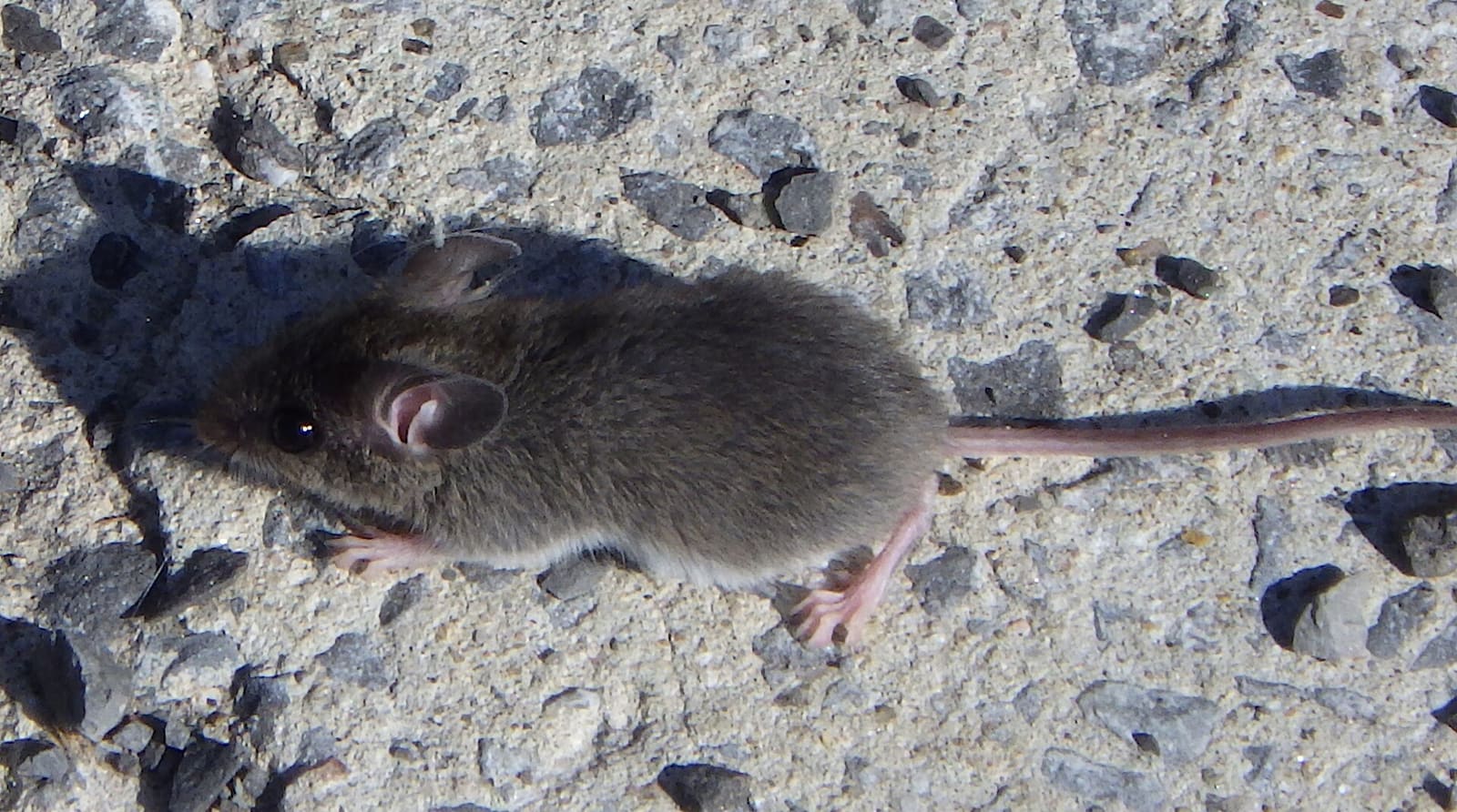
Why boats get hit. In fall, mice look for dry, sheltered places to nest, and a covered boat is perfect: quiet, out of the wind and full of cushions, life jackets, towels and paper. They gnaw constantly to keep their teeth in shape, and the plastic insulation on wiring is a favorite target. UC's Integrated Pest Management program notes that rodents chewing wires are believed to cause many fires of unknown origin. On a boat, they also shred upholstery foam, build nests in engine air intakes and leave droppings everywhere.
How they get in. According to UC IPM, house mice can squeeze under a gap only 1/4 inch tall, climb any rough vertical surface, run along ropes and wires and jump about a foot. Trailer tires, jack stands, tie-down straps, dock lines, shore power cords and the cover itself are all ladders.
When to do it. Do the prevention steps when you winterize and before the cover goes on. Plan short visits during storage, and do the spring check before you reconnect the battery.
Steps
Indoor storage is the strongest defense, but a building with mice already in it is not. Outdoors, park on pavement or gravel rather than in tall grass, and keep the boat away from woodpiles, fields, dumpsters, bird feeders and stored feed or seed. Discover Boating points out that raising the boat off the ground helps, because rodents live mostly at ground level. Keep weeds and grass trimmed around the trailer through the winter.
Take off all snacks, wrappers, drink cans, pet food, birdseed, fishing bait and fish food. Check the glove box, console, cooler, livewell, tackle trays and the pockets of jackets and life jackets. Wipe down surfaces and vacuum crumbs out of carpets and seat bases (before any rodents arrive). Empty and rinse trash cans.
Cushions, towels, blankets, paper towels, toilet paper, rags and bimini boots are all ready-made nest material. Discover Boating recommends removing cushions and upholstery and storing them separately; if they must stay aboard, put them in sealed plastic bins. Store life jackets dry and indoors, and check them in spring before you rely on them.
Walk around and under the boat with a flashlight and look for any opening of about 1/4 inch or more:
- Drain plug hole and scuppers (on a boat stored ashore with the plug out)
- Engine compartment vents and blower vents
- Rigging tubes and cable pass-throughs for steering, throttle and wiring
- Gaps around the outboard rigging boot, bilge pump hose outlets and through-hull fittings
- Anchor locker, hatches and storage lids that do not close tightly
- Loose spots in the cover or shrink wrap, including vents and zipper doors
UC IPM recommends coarse steel wool, wire screen or metal for plugging holes, and warns that plastic screening, rubber, vinyl, expanding foam and wood are useless because mice chew right through them. Steel wool rusts when wet, so copper or stainless mesh or 1/4-inch hardware cloth lasts longer around a boat.
- Stuff mesh into rigging tubes and cable openings around the wires, without kinking or cutting anything.
- Cover vents with hardware cloth instead of blocking them, so the boat still breathes and does not grow mold.
- On a boat stored out of the water, a loose wad of mesh in an open drain hole lets water out but keeps mice out.
- Never plug engine exhaust, vents or drain holes in a way you might forget in spring. Hang a bright tag on the helm listing every plug you added, and remove them all before launch.
Discover Boating stresses ventilation to avoid mold and mildew, but vents must not be big enough for a mouse. Use cover vents with screens, close the shrink-wrap door completely and tape any holes. Tuck straps and tie-downs so they do not hang to the ground as ramps.

A tight, vented cover helps, but mice can still climb stands and trailer tires. Seal openings under the cover too. Photo: Jean-Pierre Bazard / Wikimedia Commons · CC BY-SA 4.0 - Ultrasonic and electronic repellers: UC IPM says there is little evidence that sound, magnetic or vibration devices drive mice out or keep them away. They also need power, which a stored boat usually should not have running.
- Peppermint oil and dryer sheets: these show up on many boating lists, including Discover Boating's, but they lose their scent quickly and are not proven. Many owners report mice nesting right in the dryer sheets. If you use them, treat them as an extra, not your main defense, and replace them on every visit.
- Mothballs: do not use them. UF/IFAS Extension explains that mothballs are pesticides labeled only for clothes moths in tightly closed containers. Using them on a boat is off-label (illegal), the fumes build up in a closed cabin and can make people and pets sick, and they soak into upholstery.
- Rodent-deterrent wire tape and sprays: Discover Boating suggests these for wiring. They can help on exposed harnesses, but they do not replace sealing the way in.
UC IPM calls snap traps a great first step and the preferred method where only a few mice are present. They are cheap, you can see when they work, and they do not leave poisoned mice dying inside the boat.
- Set traps along walls and hull sides, in dark corners, in storage compartments and anywhere you see droppings. Mice run along edges, so put the trigger end against the wall.
- Use several traps, spaced close together. Peanut butter is a common bait.
- Put traps inside covered trap boxes or closed compartments so pets, kids and birds cannot reach them.
- Check traps on every visit. A trapped mouse left for weeks will smell and attract more pests.
- Battery-powered electronic traps also work, but must be checked and emptied just as often.
Rodenticides are risky on a boat:
- A poisoned mouse usually dies somewhere hidden, often deep in a compartment or under a deck, and the smell can last for weeks.
- The US EPA notes that most rodenticides are anticoagulants that take days to kill, and that the strongest ones are restricted to professionals because they threaten pets and wildlife that eat poisoned rodents.
- Consumer rodenticides now come only in ready-to-use, tamper-resistant bait stations, and each label says exactly where the product may be used (for example, indoors only, or outdoors within 50 feet of buildings). If the label does not cover your situation, do not use it.
If you have a real infestation in a storage building, call a licensed pest control company rather than scattering bait yourself.
Once a month if you can, lift a corner of the cover and look and sniff. Signs of mice are droppings (small, dark, rice-sized pellets), fresh gnaw marks, shredded paper or foam, and a musky odor. Empty and reset traps, replace any scent deterrents and re-seal anything that has opened up.
If you find signs of mice in spring, follow the CDC cleanup method:
- Open hatches and the cover and let the boat air out for at least 30 minutes; stay away while it airs.
- Put on rubber or plastic gloves.
- Spray droppings, urine and nests with an EPA-registered disinfectant or a fresh bleach solution (1 part bleach to 9 parts water) until very wet, and let it soak about 5 minutes or as the label says.
- Wipe up with paper towels, bag everything, then disinfect hard surfaces.
- Wash your gloved hands, remove the gloves, then wash your hands with soap and water.
Do not sweep or vacuum droppings: that throws contaminated dust into the air. For a heavy infestation, consider a professional cleanup.
With the battery switch still off, go over everything rodents could reach:
- Wiring behind the dash and inside the console, under the helm and along the gunwales
- Harnesses at the engine, the trim pump and the battery area
- Bilge pump, float switch and navigation light wiring
- Fuel hoses, the primer bulb, vent hoses and water hoses
- Engine air intake, flame arrestor or silencer and any open cavity where a nest could hide
- Upholstery foam and carpet under seats
- Electronics cables: Discover Boating suggests tracing each one as far as you can from the screen to its power supply and to the transducer, at layup and again at launch
Look for nicked or stripped insulation, exposed copper, chewed connectors and nests. Remove any nest from an air intake or flame arrestor before starting the engine.
- Small nick in insulation, no copper showing: cover with heat-shrink tubing or quality electrical tape, and keep an eye on it.
- Exposed or cut copper: repair with marine-grade tinned wire, sealed crimp connectors and heat shrink, matching the original wire size. If you are not comfortable doing that, have a technician fix it.
- Damaged harness, many chewed wires or anything at the engine computer: this is a job for a pro.
- Chewed fuel line or primer bulb: replace it with the correct marine-rated hose before the engine runs.
Once everything is repaired, reconnect the battery, test every circuit and, on an inboard or sterndrive, run the bilge blower before starting. Note what you found in your BoatMend log so you know where mice got in.
Common mistakes
- Leaving a single granola bar, bag of birdseed or bait in a compartment all winter.
- Plugging holes with expanding foam, rubber or plastic that mice chew right through.
- Trusting dryer sheets or an ultrasonic box alone and skipping the sealing.
- Putting mothballs in the cabin.
- Scattering poison and then finding a dead mouse smell under the deck in spring.
- Sweeping or vacuuming droppings without wetting them with disinfectant first.
- Turning on the battery switch before checking for chewed wires.
- Forgetting to pull the mesh out of a vent, exhaust or drain hole before launch.
When to call a pro
- Chewed wiring with exposed copper in several places, or any damage to the main engine harness
- A chewed fuel hose, fuel smell or wet fuel anywhere: do not start the engine
- Burn marks, melted insulation or a breaker that keeps tripping after mice were aboard
- A large infestation or a nest you cannot reach safely
- Mice in a storage building you do not control: ask the storage facility or a licensed pest control company
Tips
- Take photos of the wiring behind the dash in fall. In spring, it is much easier to spot what changed.
- Store the cover's tie-down straps and the dock lines off the ground so they are not mouse ladders.
- Keep a small "spring kit" aboard or in the garage: gloves, disinfectant, paper towels, trash bags and a flashlight.
- If mice were a problem last year, check the same spots first; they tend to return to the same routes.
Official references
We read these to write this guide. Your engine's own manual always wins.
- Discover Boating – How to Keep Rodents Off Your Boat in the Offseason
- UC Statewide IPM Program – House Mouse
- US EPA – Restrictions on Rodenticide Products
- CDC – How to Clean Up After Rodents
- CDC – Hantavirus Prevention
- UF/IFAS Extension – Mothballs, Use and Misuse
- Discover Boating – Boat Electronics Maintenance, Care and Winterization Guide
Safety: BoatMend is for information only and does not replace a certified marine technician. You are responsible for your safety and your boat. Read the full disclaimer.
Last updated 2026-10-24
Related guides

Winter Boat Cover vs Shrink Wrap: Support, Ventilation, Safety and Spring Removal
Choose between a reusable winter cover and shrink wrap, build a support frame that sheds snow, vent it so the boat doesn't mildew, and know the fire risks before you try DIY shrink wrap. Includes spring removal and recycling.
How to Winterize an Outboard Engine
Protect your outboard from freeze damage, stale fuel and internal corrosion over the off-season. Most owners can do it in an afternoon with basic tools, compared with a shop bill that often runs several hundred dollars.
How to Winterize a Sterndrive (MerCruiser, Volvo Penta and Similar)
Get the water out of your sterndrive engine, protect it with antifreeze, and service the drive before storage. A cracked block or manifold from one missed drain plug can cost thousands, and doing it yourself saves a shop bill of several hundred dollars.
Spring Commissioning - Getting Your Boat Ready for the Season
Wake your boat up after storage with a step-by-step check of the battery, fuel system, engine, drive and safety gear. Catching a cracked hose or dead battery in the driveway beats a tow on opening weekend, and saves a typical shop commissioning fee.
How to Prevent and Remove Mold and Mildew on Your Boat
Stop the musty smell and black spots before they start. Find and fix the water source, keep air moving, control humidity safely, and clean mold off gelcoat, vinyl and cabin surfaces with products that won't damage them.
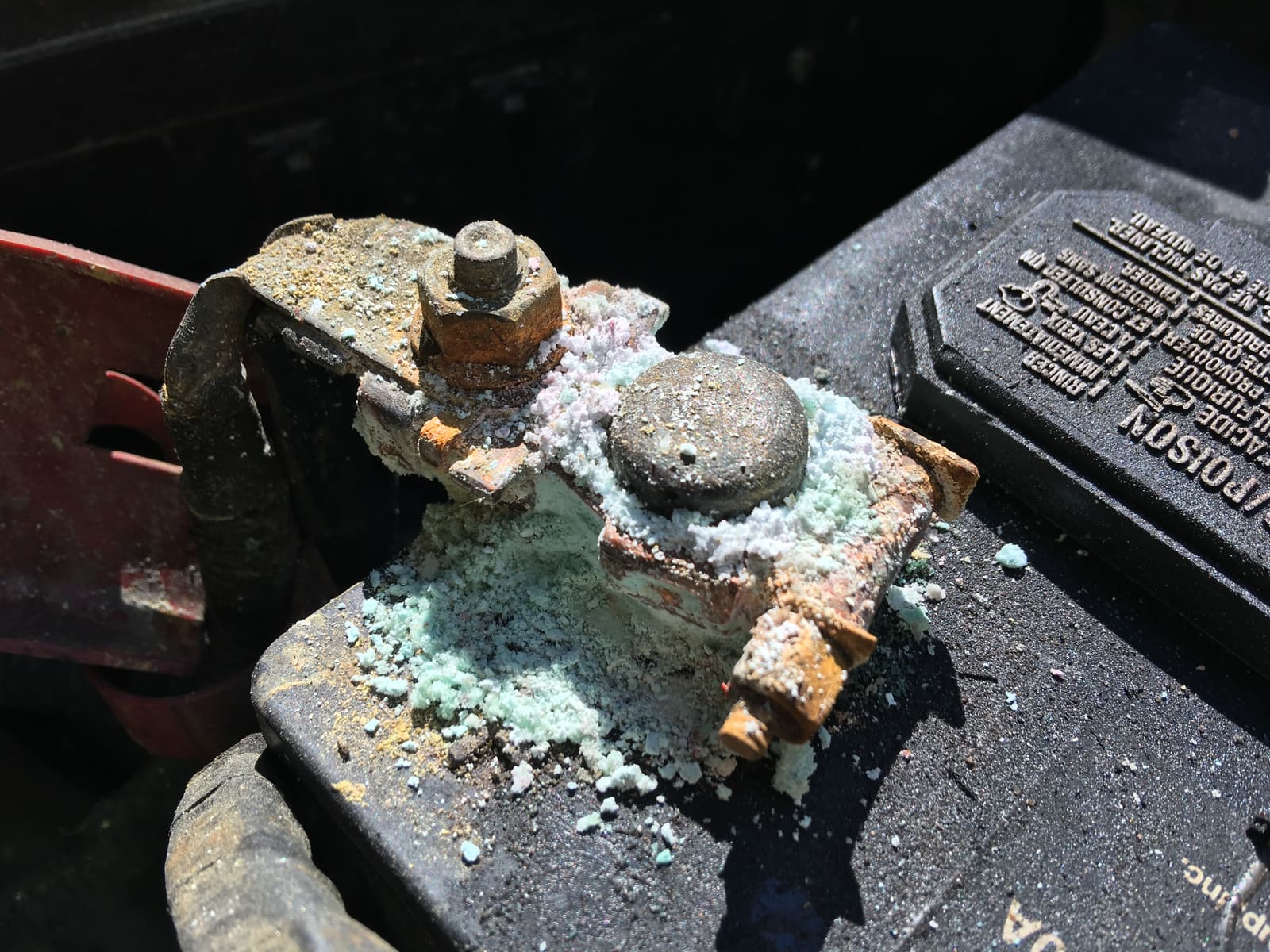
How to Find and Fix Corroded Electrical Connections on a Boat
Track down the green crust and loose terminals behind flickering lights, dead gauges and slow cranking with a simple voltage-drop test, then remake the connection the marine way: tinned wire, a proper crimp, adhesive-lined heat shrink and a protective coating.

How to Clean and Protect Boat Canvas, Bimini Tops and Vinyl Seats
Wash your bimini, covers and enclosure the right way, beat mildew without wrecking the stitching, keep vinyl seats soft and stain-free, look after zippers and snaps, and store everything so it comes out clean next spring.
How to Fix Boat Trailer Lights That Flicker, Dim or Don't Work
Track down the real cause of dead or flickering trailer lights, from a bad ground to a corroded plug, and fix it so the repair lasts. Working brake, turn and tail lights are required by law and keep the driver behind you from rear-ending your boat.