Spring Commissioning - Getting Your Boat Ready for the Season
Wake your boat up after storage with a step-by-step check of the battery, fuel system, engine, drive and safety gear. Catching a cracked hose or dead battery in the driveway beats a tow on opening weekend, and saves a typical shop commissioning fee.
Time
3 h
Shop would charge
$200-500
Applies to
Outboard, Sterndrive (I/O), Gas inboard
Safety first: Before the first start of the season, open the engine hatch and sniff for gasoline. If you smell fuel, do not start the engine or run any switches: find the leak first or call a pro. On inboards and sterndrives, run the blower for at least 4 minutes before starting.
Owners often ask
- It ran fine last fall but won't start this spring. What happened?
- What should I check before the first launch of the season?
This guide walks you through it. Still stuck? Ask the AI Mechanic about your engine.
Tools
- Socket and wrench set
- Digital multimeter
- Battery charger
- Wire brush or battery terminal cleaner
- Flushing muffs (or the flush kit your manual approves for running the engine), plus a garden hose
- Grease gun
- Flashlight and inspection mirror
- Rags, gloves and safety glasses
Parts & supplies
- Fresh fuel (and stabilizer if the boat will sit)
- Spare water-separating fuel filter
- Marine grease
- Dielectric grease or terminal protector
- Anodes (if worn)
- Hull drain plug (spare)
Before you start
Spring commissioning is the reverse of winterizing, plus a safety check. If you did a thorough job in the fall (oil, gear lube, filters), spring is mostly inspection. If you skipped fall service, do the oil change, gear lube and fuel filter now.
Pick a dry day with the boat on the trailer or stands. Have your owner's manual handy for fluid types and levels.
Steps
Take the cover or shrink wrap off and air the boat out. Look for mouse nests, bird nests, chewed wires and water in the bilge. Remove anything you stuffed in the engine for storage (dryer sheets, tape over intakes or the flame arrester, plastic bags over the lower unit).
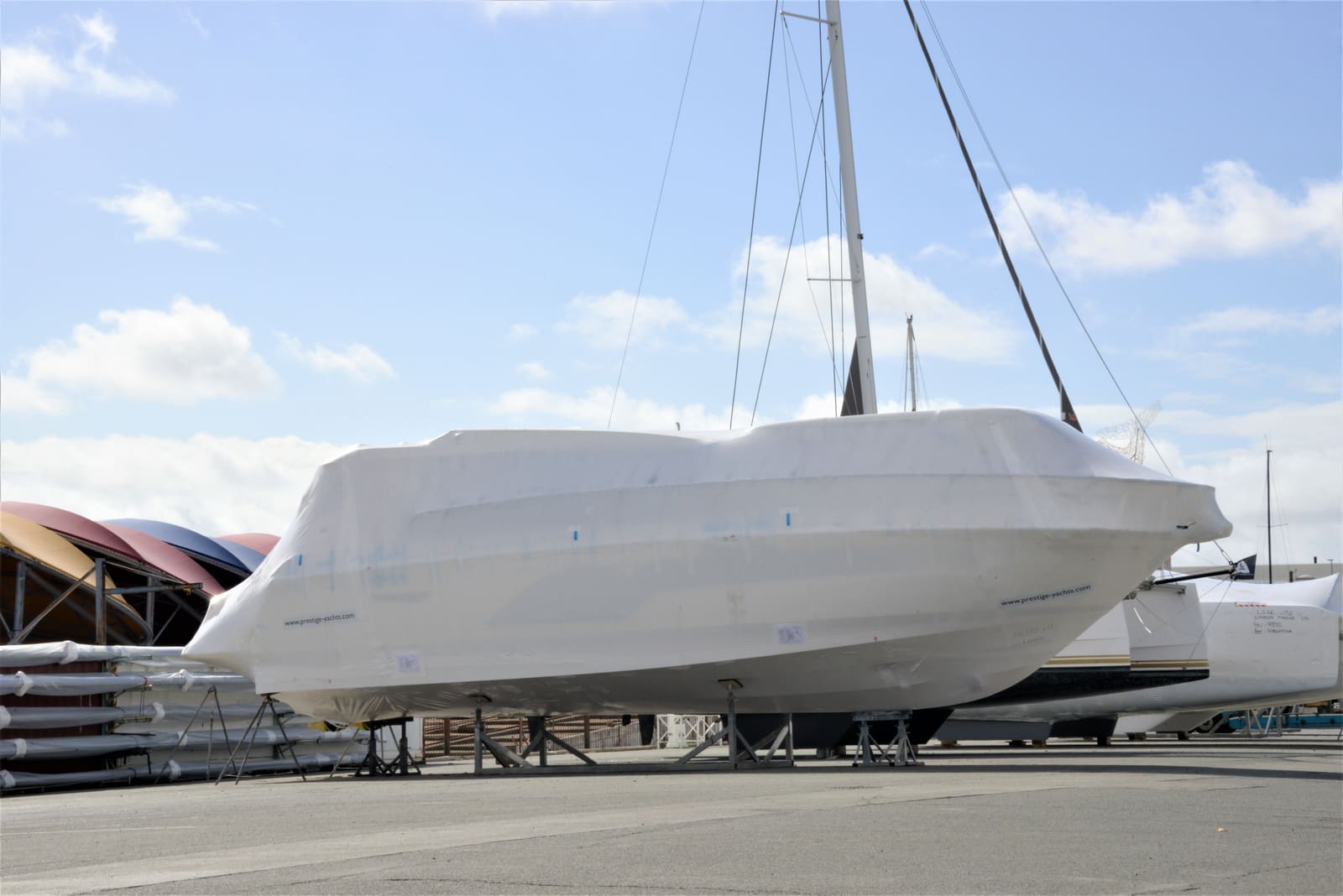
Before you cut the wrap off, walk around and look for tears or sagging where water or animals may have gotten in. Photo: Jean-Pierre Bazard / Wikimedia Commons · CC BY-SA 4.0 Charge the battery fully. A healthy, rested 12-volt battery reads about 12.6 volts; much lower than 12.4 means it needs charging or testing. Have it load tested if it is a few years old.
Clean the terminals and cable ends to bright metal, connect positive first and negative last, and tighten firmly (use nuts and lock washers, not wing nuts). A thin coat of terminal protector helps.
Check every fuel hose, primer bulb, clamp and fitting from the tank to the engine. Look for cracks, soft or swollen spots, stains or a fuel smell. Older pre-ethanol hoses break down on E10 fuel.
If the fuel was not stabilized, or the boat sat for a long time, consider having old fuel removed. Replace the water-separating filter if it was not done in the fall. Squeeze the primer bulb: it should get firm and stay firm. A bulb that has gone hard and stiff, or pumps weakly, is worn out inside (BoatUS notes its one-way valves deteriorate and bits of old rubber can travel to the engine), so replace it rather than trying to soften it. The arrow on the bulb must point toward the engine.
- Engine oil (4-stroke, sterndrive, inboard): check the dipstick; it should be clean and at the right level.
- 2-stroke oil tank: fill with the right TC-W3 oil if you have oil injection.
- Power trim and power steering fluid: check levels; milky fluid means water.
- Closed cooling coolant: check level with the engine cold.
- Drive/gearcase: look for oil on the ground under the drive or gearcase. Any leak or water in the lube needs attention.
If you filled the engine with antifreeze, reinstall any drain plugs that were left out, confirm all hoses are on and clamped, and check that the sea strainer (if equipped) is not cracked from ice. If you removed a thermostat in the fall, reinstall it with a new gasket.
When you first run the engine, catch the antifreeze that comes out instead of letting it go into the water. Many owners run it out on the hose at home.
- Spin the prop and look for nicks and bends. If the prop was not pulled in the fall, remove it, check the shaft for fishing line, and coat the shaft with marine grease before reinstalling. Check the prop nut and cotter pin or tab washer.
- Inspect sterndrive bellows for cracks.
- Replace anodes that are about half gone or coated. Do not paint anodes.
- Look at the bonding wires: the thin bare or green wires that link moving metal parts (bracket, swivel, trim parts) to the engine. Boating Magazine notes they break easily; a broken one leaves that part without corrosion protection.
- Grease every fitting listed in your manual.
Turn the wheel lock to lock. It should be smooth, with no binding or clunks. Work the throttle and shift through their range. Stiff cables are cheaper to replace now than to fail on the water.
Look for cracked, glazed or loose belts and hoses that are cracked, mushy or swollen. Squeeze each hose and check every clamp, especially below the waterline. Look at exhaust hoses and clamps for rust streaks, black soot or cracks.
Connect flush muffs (or the flush kit your manual approves for running) and turn the water on fully, or launch the boat. On most outboards the built-in flush port is for flushing with the engine off, not for running it; run on the port only if your manual allows it. Start the engine and confirm:
- A strong telltale stream (outboard) or water from the exhaust (sterndrive/inboard) within a few seconds
- Normal oil pressure and no warning horn
- No fuel, oil, coolant or water leaks
- Normal temperature after a few minutes
Expect some smoke at first if the engine was fogged. It should clear.
Ran fine last fall, but won't start (or starts and dies) now? This is the most common spring complaint, and the cause is usually simple. Check in this order: a battery that slowly drained over the winter, the kill switch clip, a fuel valve left closed or a tank vent shut, tape or a nest still blocking an intake, stale or water-contaminated fuel (look in the separator bowl), and spark plugs fouled by heavy fogging oil. See the guides for an engine that won't start and one that starts then dies for the full checklists.
Test the bilge pump(s) and float switch, navigation lights, horn, blower, and the engine's warning horn (many engines beep briefly at key-on). Test the engine kill switch (lanyard) and the CO alarm if your boat has a cabin. Charge or replace handheld VHF and flashlight batteries. For a VHF radio check, call on a working channel such as 9, not on channel 16, which is kept for distress and calling.
Make sure you have a wearable life jacket for each person in good shape, a throwable device if required, fire extinguishers within date and charged, visual distress signals within date, and a sound device. Check that the registration is current.
Check tire pressure and condition, lug nuts, wheel bearings (grease or bearing buddies), lights, winch strap and safety chains. Trailer failures ruin more first trips than engines do.
Install the hull drain plug before launching. Many experienced boaters keep the plug on the key ring or attach a tag to the ignition key as a reminder.
Stay close to the ramp for the first run. Check gauges, listen for odd noises, and confirm the engine reaches full rpm. Then re-check for leaks in the engine compartment and bilge after you come back.
Common mistakes
- Starting an outboard for "just a second" with no water to hear it run. The impeller can be damaged instantly.
- Leaving storage items in place: tape over an intake, a bag on the lower unit, dryer sheets under the cowl.
- Launching without the hull drain plug.
- Connecting the battery backward or negative first. Reversed polarity can damage engine electronics; Mercury recommends a dealer inspection before using the boat if it happens.
- Opening the caps on a sealed (maintenance-free) battery to "check the water". Only serviceable flooded batteries have caps to open.
- Running last season's untreated fuel and hoping it is fine, then blaming the engine when it stalls.
- Letting the storage antifreeze run straight into the lake or marina. Catch it.
- Checking the boat but not the trailer: tires, bearings and lights fail on the first tow of the year.
When to call a pro
- Fuel smell, fuel leak, or a soaked water-separating filter: stop, do not start the engine
- Cracked block, manifold, sea strainer or hoses from freeze damage
- Water in the gear lube or engine oil (milky oil)
- No water from the telltale or exhaust, or the engine runs hot on the first start
- Steering that binds or a cable that is seized
- Any wiring that mice chewed near the battery, engine harness or fuel system
Tips
- Start spring prep 2–3 weeks before your first planned trip. Parts and shop slots get scarce in April and May.
- Buy fuel from a busy station so it is fresh, and avoid fuel blends above E10 in marine engines.
- Write down engine hours today; they set your maintenance clock for the season.
- Keep a spare water-separating filter, prop nut kit and impeller in the boat.
Official references
We read these to write this guide. Your engine's own manual always wins.
- Yamaha Outboards – Spring Boating Check List
- Yamaha Outboards – Maintenance Matters, Fuel and Fuel System
- Yamaha Outboards – Maintenance Matters, Electrical System
- Mercury Marine – How to Winterize Your Outboard (spring notes)
- BoatUS – How to Winterize Boat Engines and Drives
- U.S. Coast Guard Boating Safety – Carbon Monoxide Checklist
- Mercury Marine – How to Prepare Your Boat for Spring
- Boating Magazine – Top Spring Make-Ready Tips for Your Boat
- BoatUS – Outboard Primer Bulbs
- Mercury Marine – Owner FAQs (all categories)
Safety: BoatMend is for information only and does not replace a certified marine technician. You are responsible for your safety and your boat. Read the full disclaimer.
Last updated 2026-10-25
Related guides
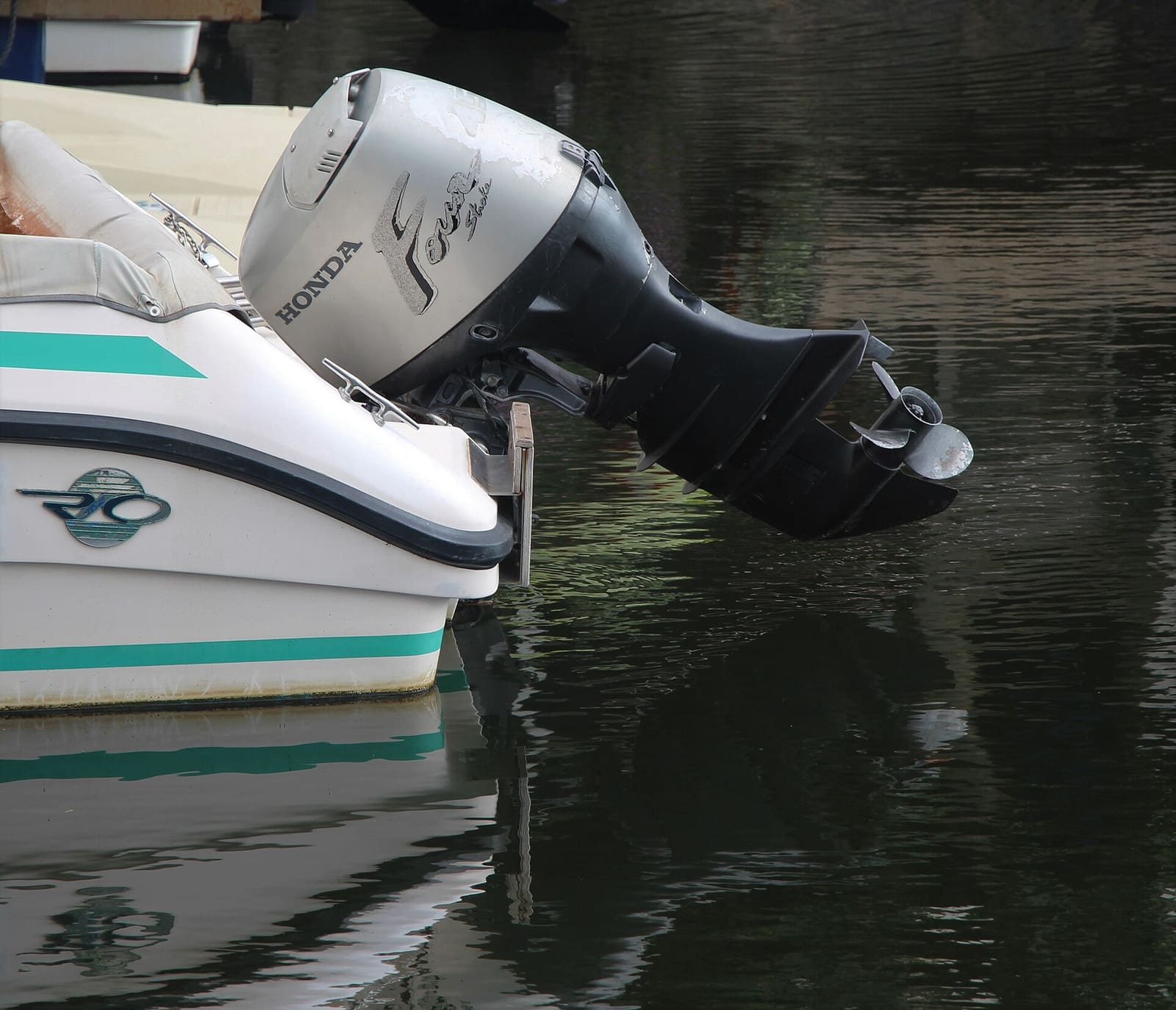
How to Winterize an Outboard Engine
Protect your outboard from freeze damage, stale fuel and internal corrosion over the off-season. Most owners can do it in an afternoon with basic tools, compared with a shop bill that often runs several hundred dollars.
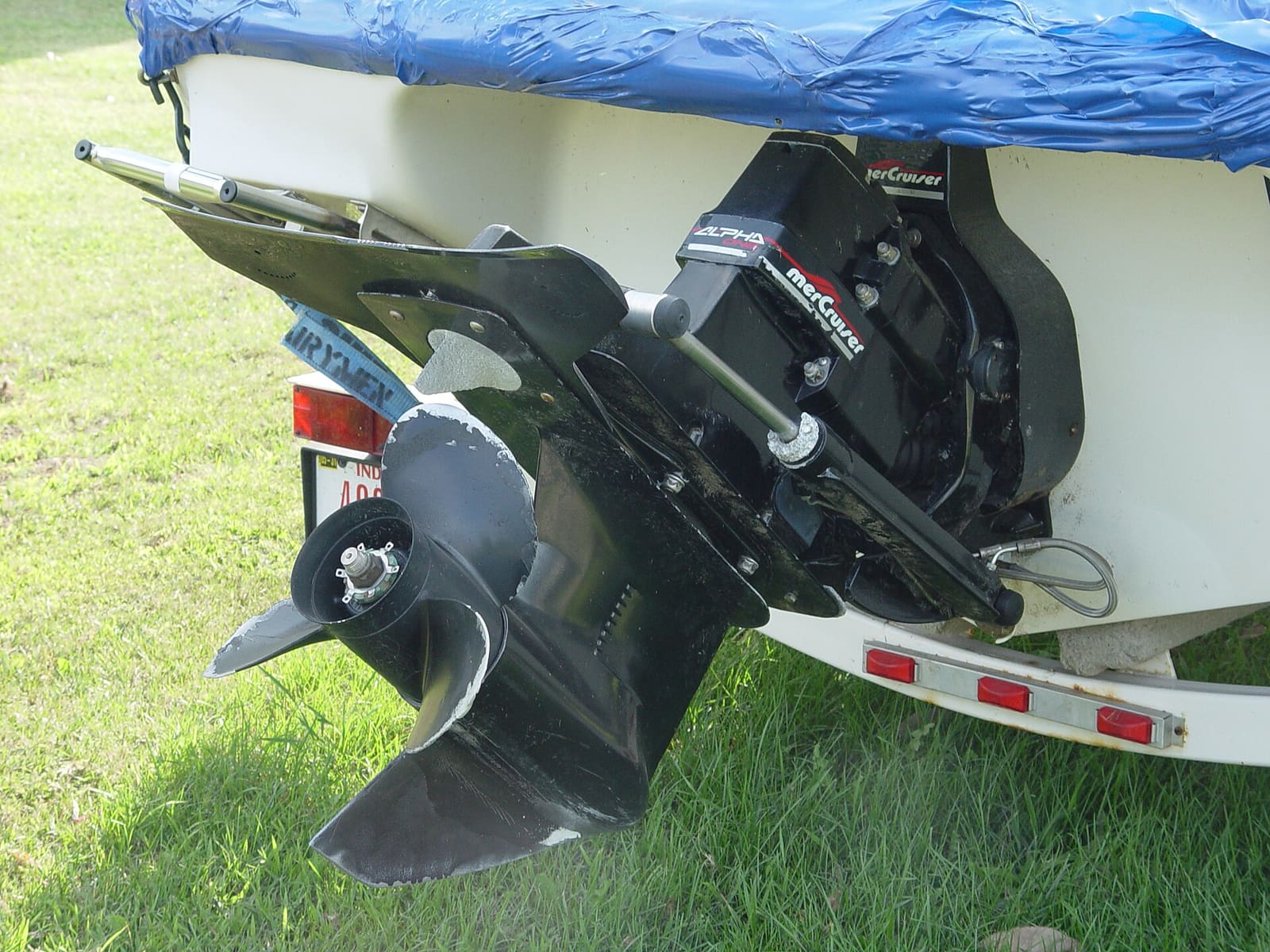
How to Winterize a Sterndrive (MerCruiser, Volvo Penta and Similar)
Get the water out of your sterndrive engine, protect it with antifreeze, and service the drive before storage. A cracked block or manifold from one missed drain plug can cost thousands, and doing it yourself saves a shop bill of several hundred dollars.
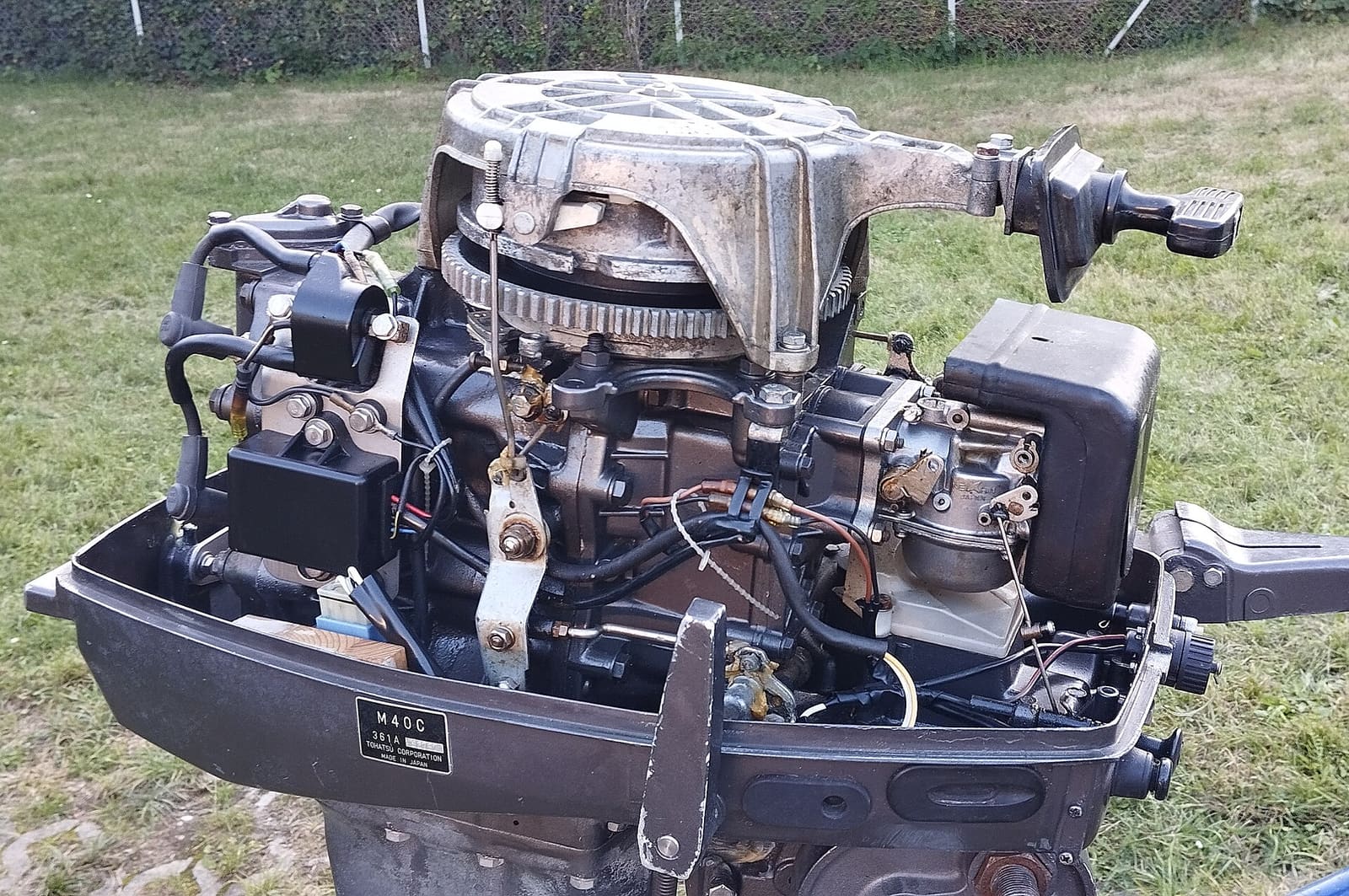
Engine Won't Start or Won't Crank - Troubleshooting Guide
Find out why your boat engine will not turn over or will not fire, starting with the simple things owners miss most, like the kill switch lanyard and battery switch. Many no-starts are fixed at the ramp in minutes without a tow.
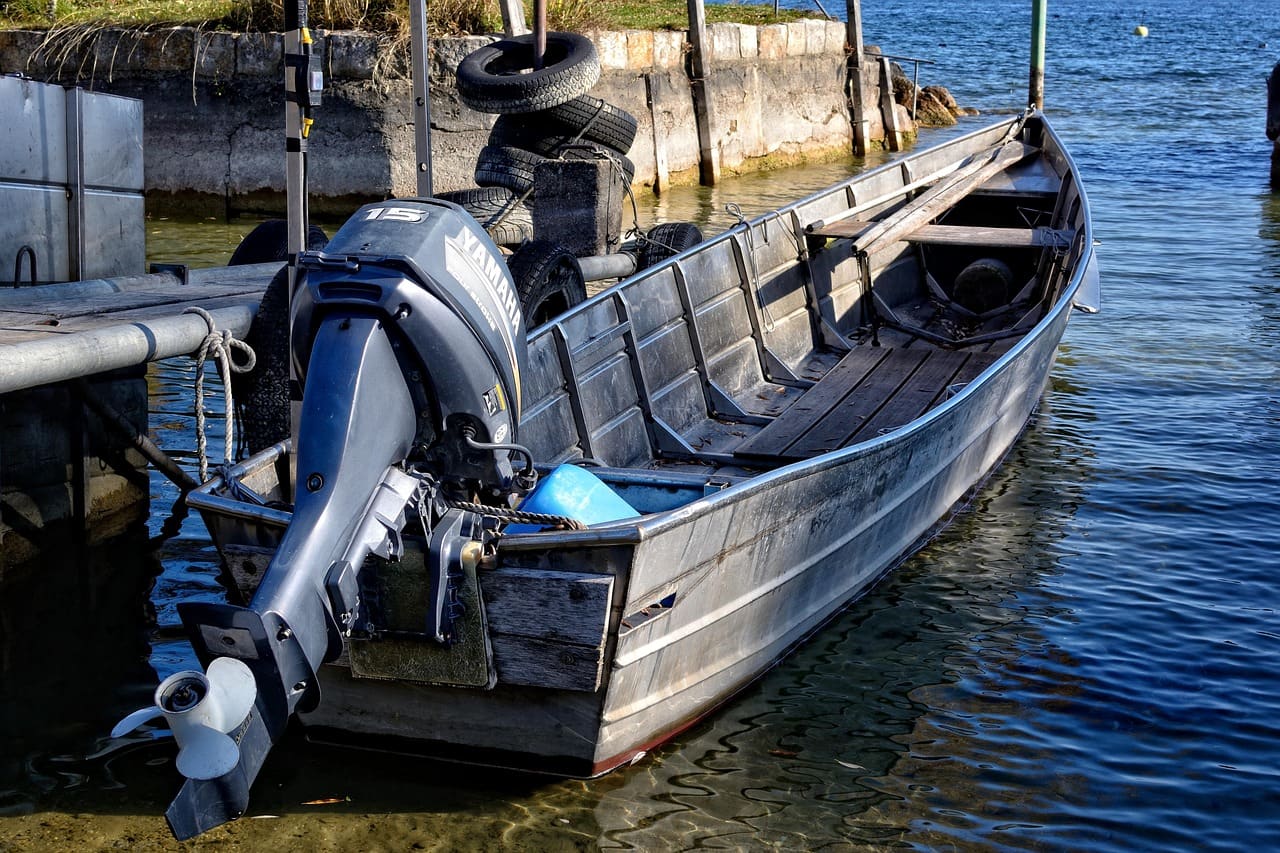
Engine Starts Then Dies - Troubleshooting Guide
Track down why your boat engine fires up and then stalls, whether at idle, when you shift into gear, or after a few minutes of running. Most causes are in the fuel supply and can be checked with no special tools.
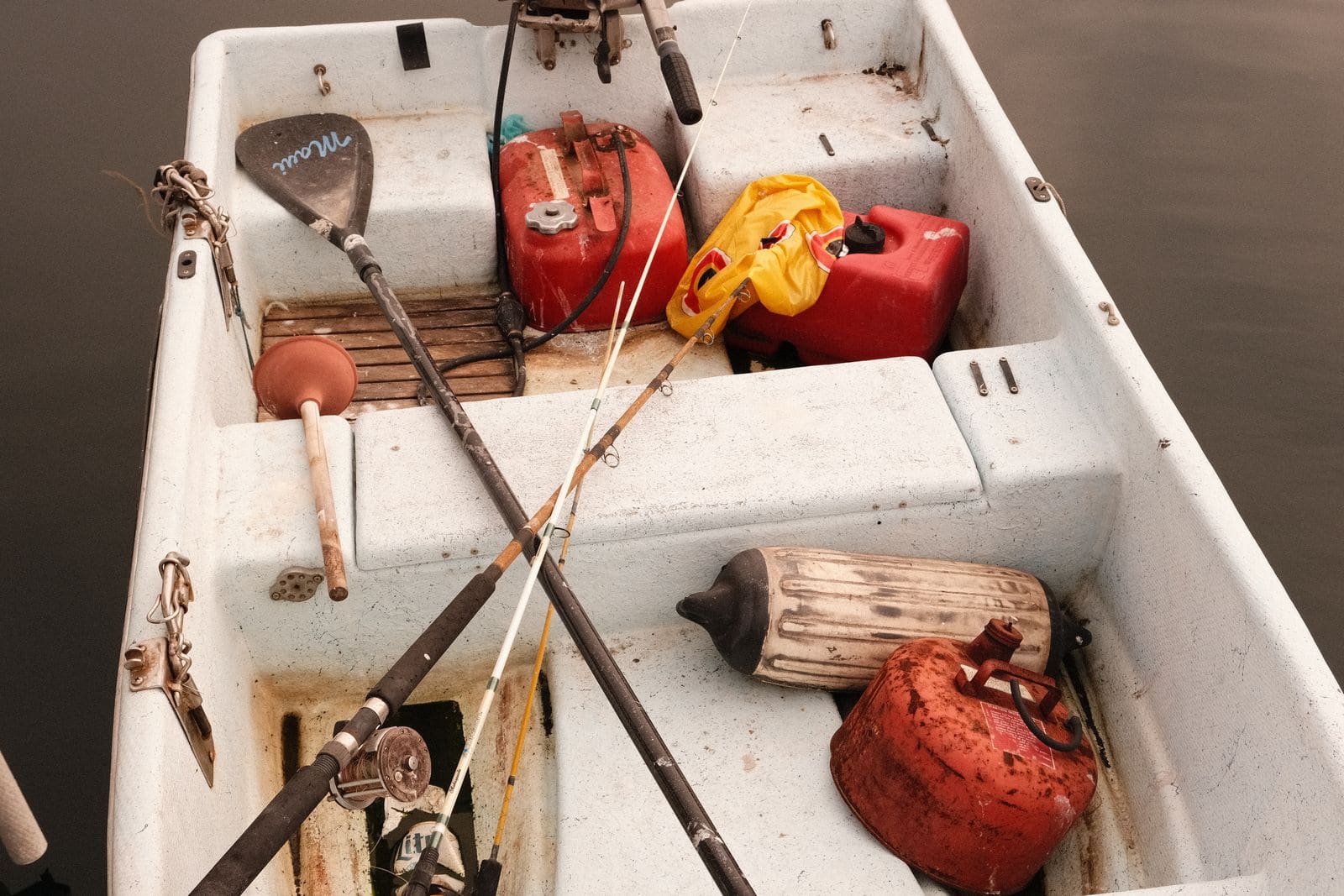
Ethanol (E10) Fuel Care: Stabilizer, Phase Separation, Fuel Lines and Tank Vents
Keep E10 gasoline from damaging your boat engine. Learn how to use stabilizer, test for water and phase separation, and inspect the fuel lines, primer bulb, anti-siphon valve and tank vent. Most fuel-related breakdowns start with one of these.
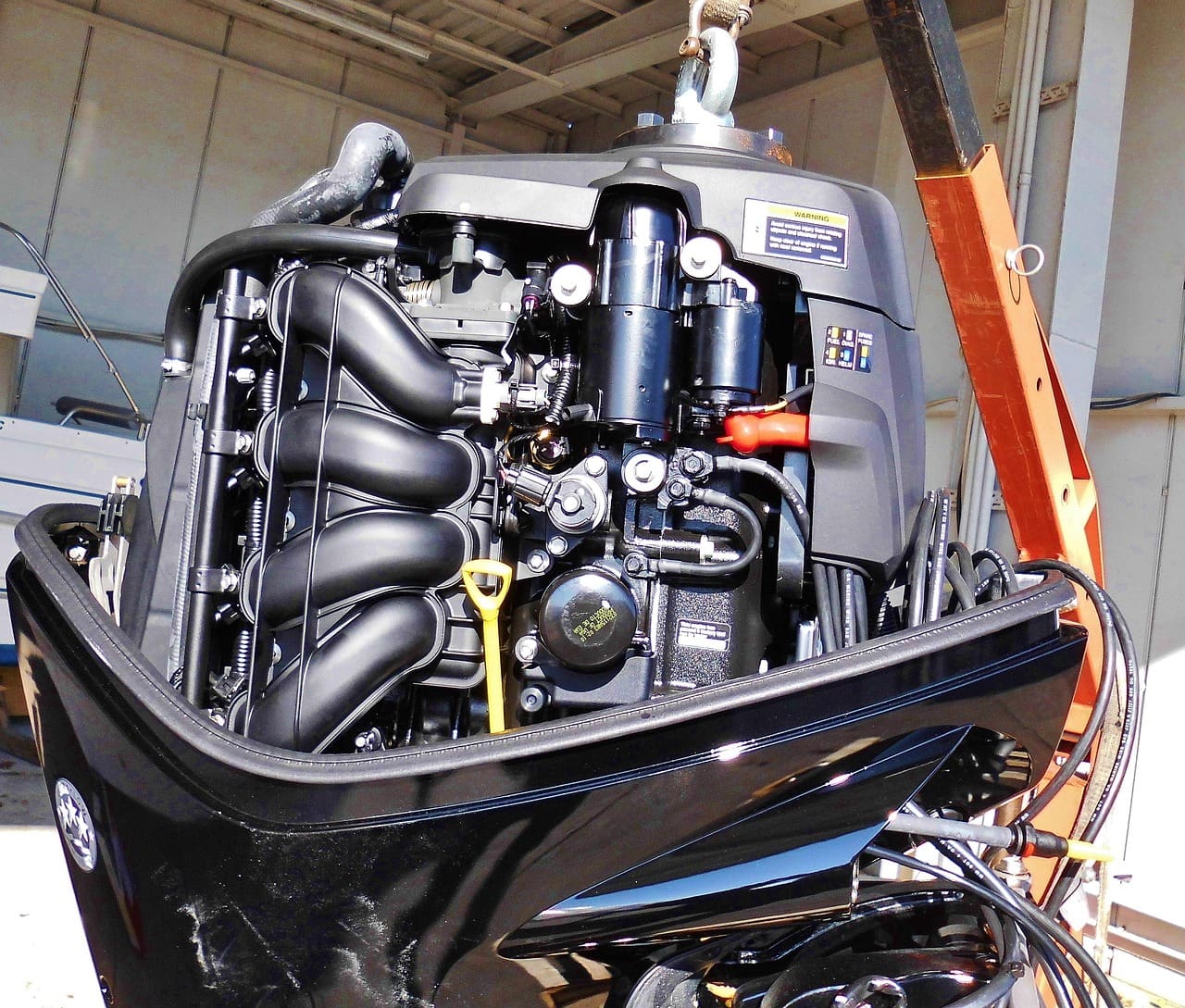
How to Change the Oil and Filter on a 4-Stroke Outboard
Drain the old oil, swap the filter and refill with the right marine oil on your 4-stroke outboard. It is the most common service job, takes about an hour, and costs a fraction of the dealer price.
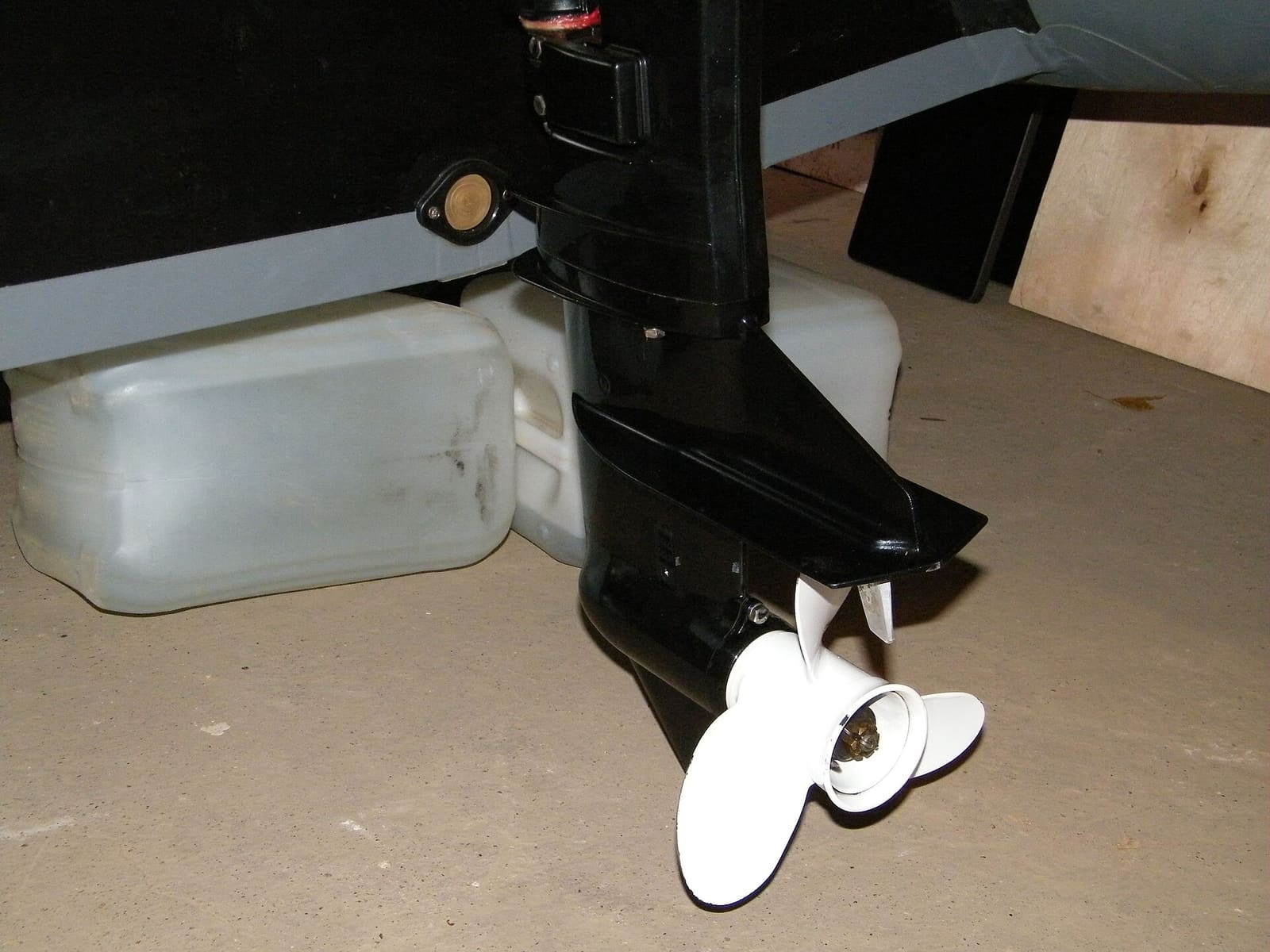
How to Change Lower Unit (Gearcase) and Sterndrive Oil
Drain and refill the gear oil in your outboard lower unit or sterndrive, and learn to spot water intrusion before it destroys the gears. It is a 30-minute job that protects a gearcase costing thousands to replace.
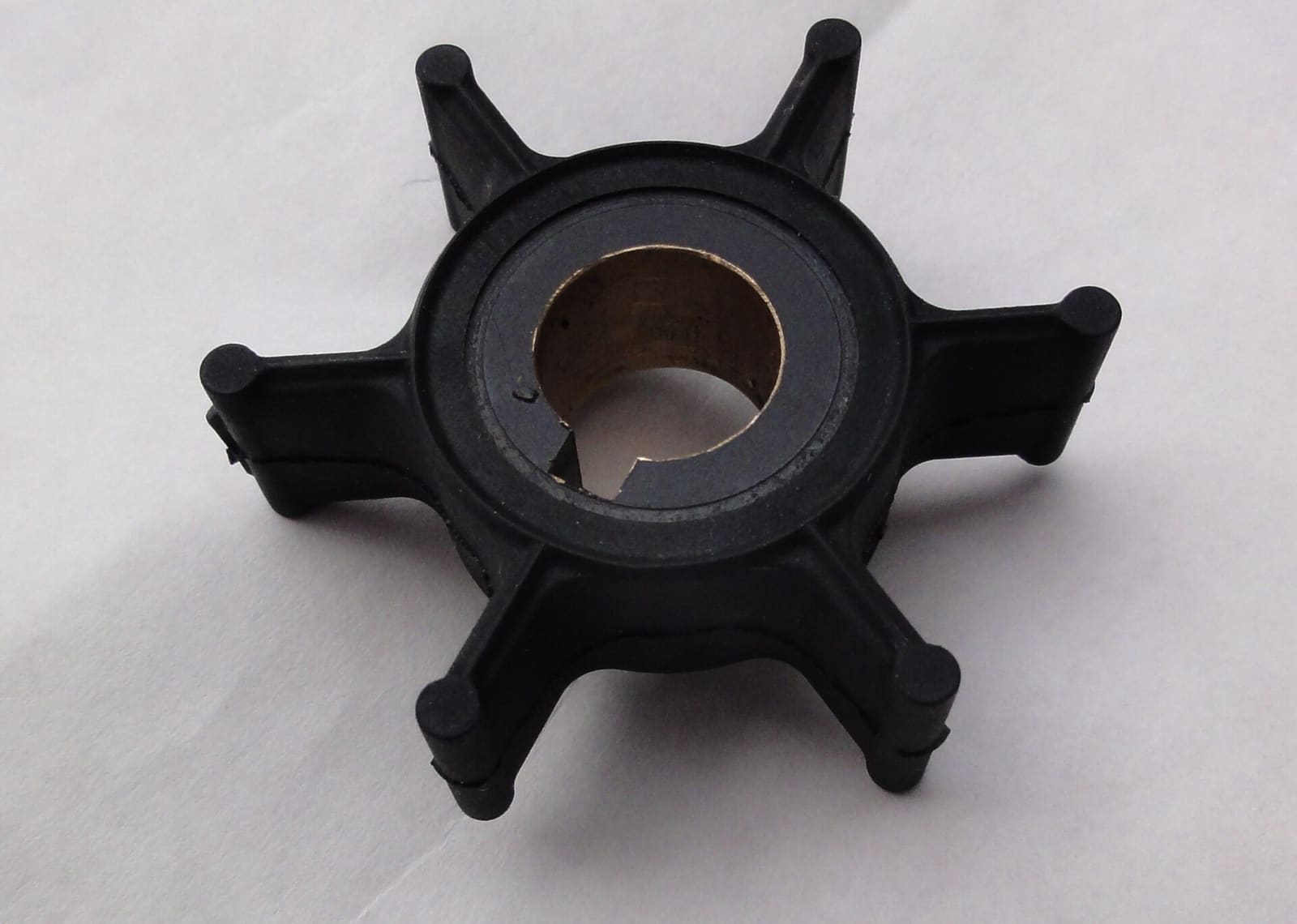
How to Replace the Water Pump Impeller
Replace the rubber impeller that pumps cooling water through your engine, the part most often behind overheating. On many outboards it is a two-hour driveway job that saves a shop bill of several hundred dollars and prevents far costlier heat damage.