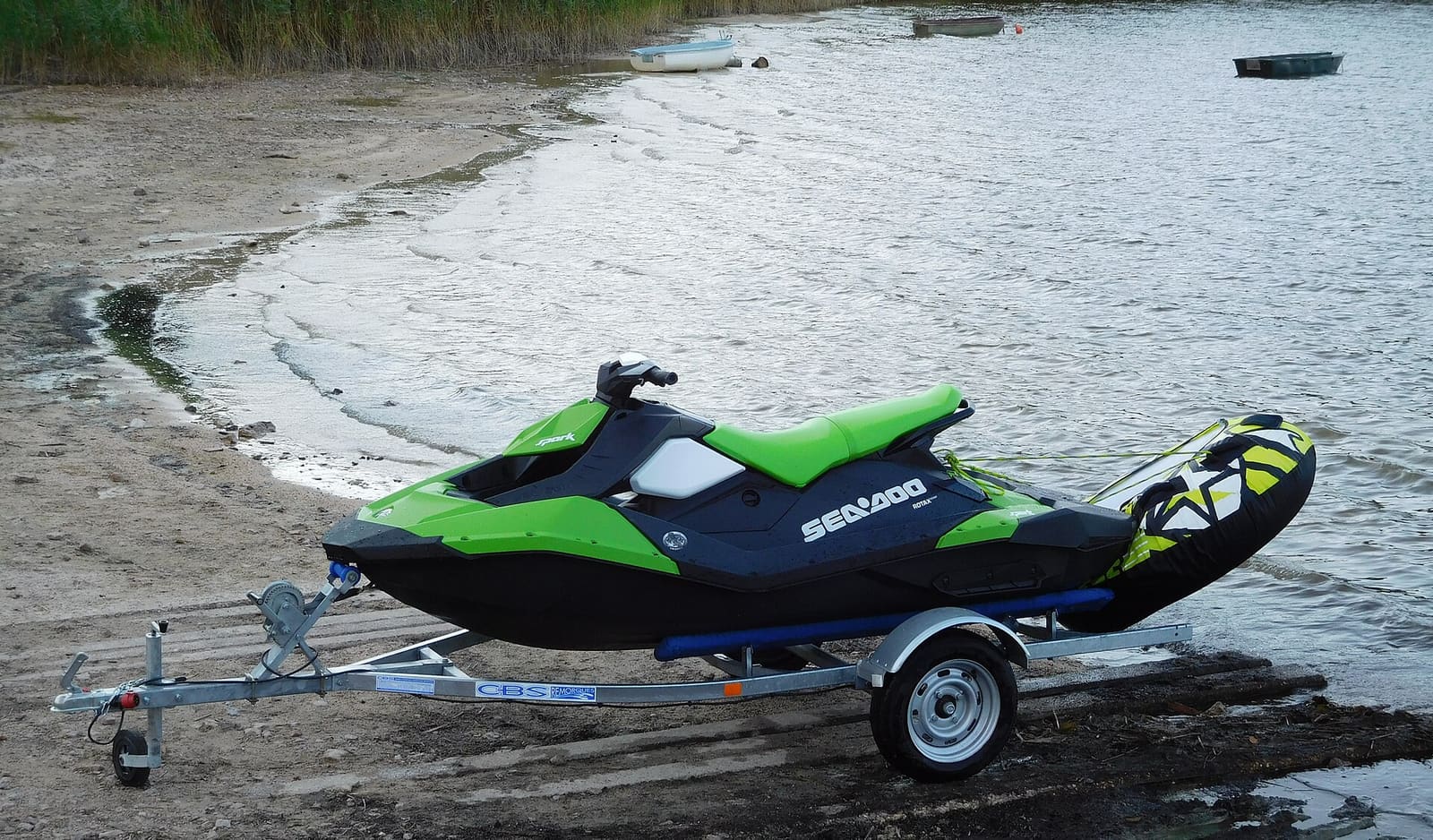
How to Winterize a Jet Ski or PWC (Sea-Doo, Yamaha WaveRunner, Kawasaki)
Get your personal watercraft ready for the off-season by flushing and draining the cooling and exhaust system, stabilizing fuel, changing oil, fogging, and storing the battery. Doing it yourself takes an afternoon and helps avoid freeze damage, corrosion and spring no-starts.
Time
3 h
Shop would charge
$200-450
Applies to
Jet ski / PWC · Jet ski / PWC
Safety first: Run the engine only outdoors (carbon monoxide), and only with flushing water supplied as your manual describes. Open the seat and let the engine compartment air out before starting, and sniff for fuel; if you smell gasoline or see fuel in the hull, do not start it, and get it checked by a dealer. Disconnect the battery's negative terminal before working near the starter or electrical parts. Keep hands clear of the jet pump intake and nozzle whenever the engine could start.
Owners often ask
- How do I winterize my jet ski?
This guide walks you through it. Still stuck? Ask the AI Mechanic about your engine.
Tools
- Garden hose and the flush adapter for your model
- Oil extraction pump (PWCs usually have no drain plug)
- Oil filter wrench and socket set
- Spark plug socket and torque wrench
- Compressed air with a regulator (Sea-Doo exhaust purge; do not exceed the pressure in your manual)
- Battery charger or maintainer
- Wet/dry vac or sponges and towels
- Gloves and safety glasses
Parts & supplies
- Marine fuel stabilizer
- Engine oil and oil filter specified for your PWC (or the maker's oil change kit)
- Fogging oil or storage oil (type per your manual)
- Anti-corrosion lubricant spray
- Antifreeze only if your manual calls for it, of the type it specifies
- Breathable fitted cover
Before you start
PWC procedures differ a lot by brand and model, so get your owner's manual first (BRP, Yamaha and Kawasaki all publish them; the storage section is what you need). The big difference is the cooling system:
- Closed-loop cooling (many current Sea-Doo models): the engine has sealed coolant (antifreeze) like a car. Sea-Doo says only the exhaust needs flushing and draining; the coolant does not.
- Open-loop / raw-water cooling (Yamaha WaveRunners, Kawasaki Jet Skis and older Sea-Doos): lake or sea water flows through the engine. These need a thorough freshwater flush and must be drained (and, in freezing climates, some manuals call for antifreeze) to prevent freeze cracks.
Flushing order matters on a PWC. Yamaha's WaveRunner procedure is: start the engine first, then turn on the water; turn the water off before stopping the engine. Water fed into a PWC that is not running can back up through the exhaust into the engine and cause serious damage. Follow your own manual's order exactly.
Do this before the first hard freeze. Even in Florida or California, Sea-Doo recommends stabilizing fuel, fogging and disconnecting the battery for long storage.
Steps
Wash the hull and rinse the jet pump area. Pull the seat(s), let the compartment air out, and look in the hull for fuel, oil or water. Check the intake grate and impeller for weeds, rocks, rope or damage. Cracks or damaged blades are a dealer job before next season.
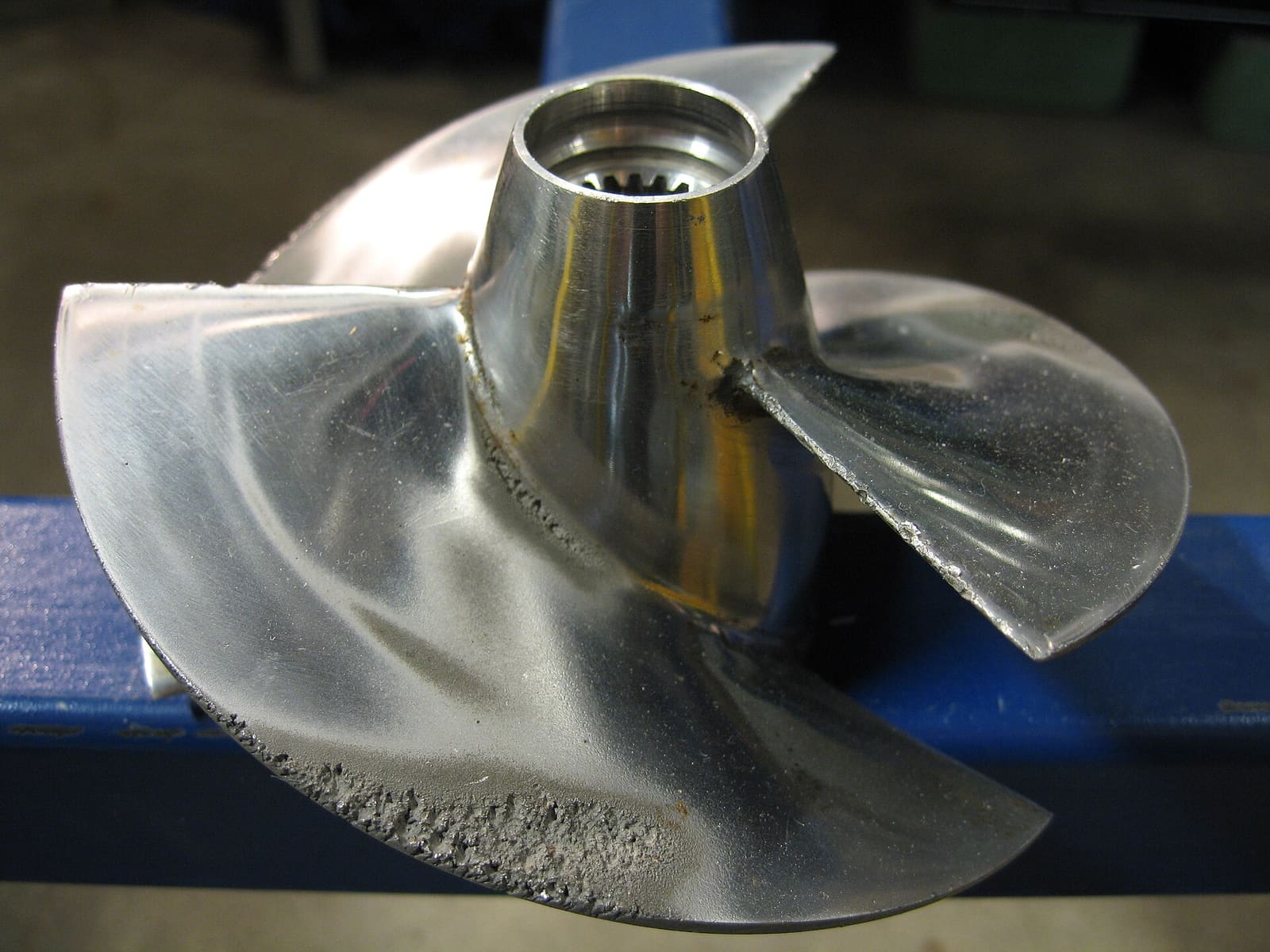
Cavitation damage on a PWC jet pump impeller: pitting along the blade edges. Damage like this is a dealer repair. Photo: Erik Axdahl / Wikimedia Commons · CC BY-SA 2.5 Add marine fuel stabilizer at the storage dose on the bottle. Fill the tank with fresh fuel to cut condensation: Sea-Doo says fill completely; Yamaha says about 7/8 full and never plug the vent. Follow your manual. Run the engine briefly (with flushing water supplied per Step 3) so treated fuel reaches the injectors.
Connect the garden hose adapter to the flush fitting (its location varies; often at the rear or under the seat).
- Yamaha (open-loop): start the engine, then immediately turn the water on fully. Idle about 3 minutes, watching the engine. If the engine stalls while the hose is on, Yamaha says to turn the water off immediately (water can back up into the engine), then restart and repeat. When done, turn the water off, then blip the throttle briefly for 10 to 15 seconds to push water out, then stop the engine.
- Sea-Doo (closed-loop): Sea-Doo describes running the engine at idle with water flowing for about 90 seconds to flush the exhaust, then turning the water off first and stopping the engine after.
- Kawasaki and others: use the order and time in your manual.
Never run the engine at high RPM on the hose, and never leave it running unattended.
Water left in the exhaust or cooling passages can freeze. Sea-Doo recommends blowing compressed air through the flush port until no water comes out, at no more than 55 PSI. Other brands may use throttle blips (Yamaha, Step 3) or a drain procedure. If your manual calls for antifreeze in an open-loop engine for freezing storage, follow its product and method exactly, or have a dealer do it.
Warm oil drains better, so do this after flushing. PWCs usually have no drain plug: pump the oil out through the dipstick tube with an extractor. Replace the oil filter if your model has one, and refill with the exact oil and amount in the manual. Old oil left in the engine all winter becomes acidic.
Fogging coats the cylinders to stop rust. Methods vary:
- Sea-Doo describes removing the ignition coils and spark plugs, spraying storage oil into each cylinder, cranking a couple of seconds with the throttle held wide open, then reinstalling plugs and coils.
- Yamaha recommends having a technician fog WaveRunners because of their air intake systems.
- Kawasaki: follow the manual.
See the fogging and spark plug guides. Use the torque spec in your manual when reinstalling plugs.
Spray anti-corrosion lubricant on the jet pump's metal parts, steering and throttle cable ends, linkages and other exposed metal. Grease any fittings listed in your manual.
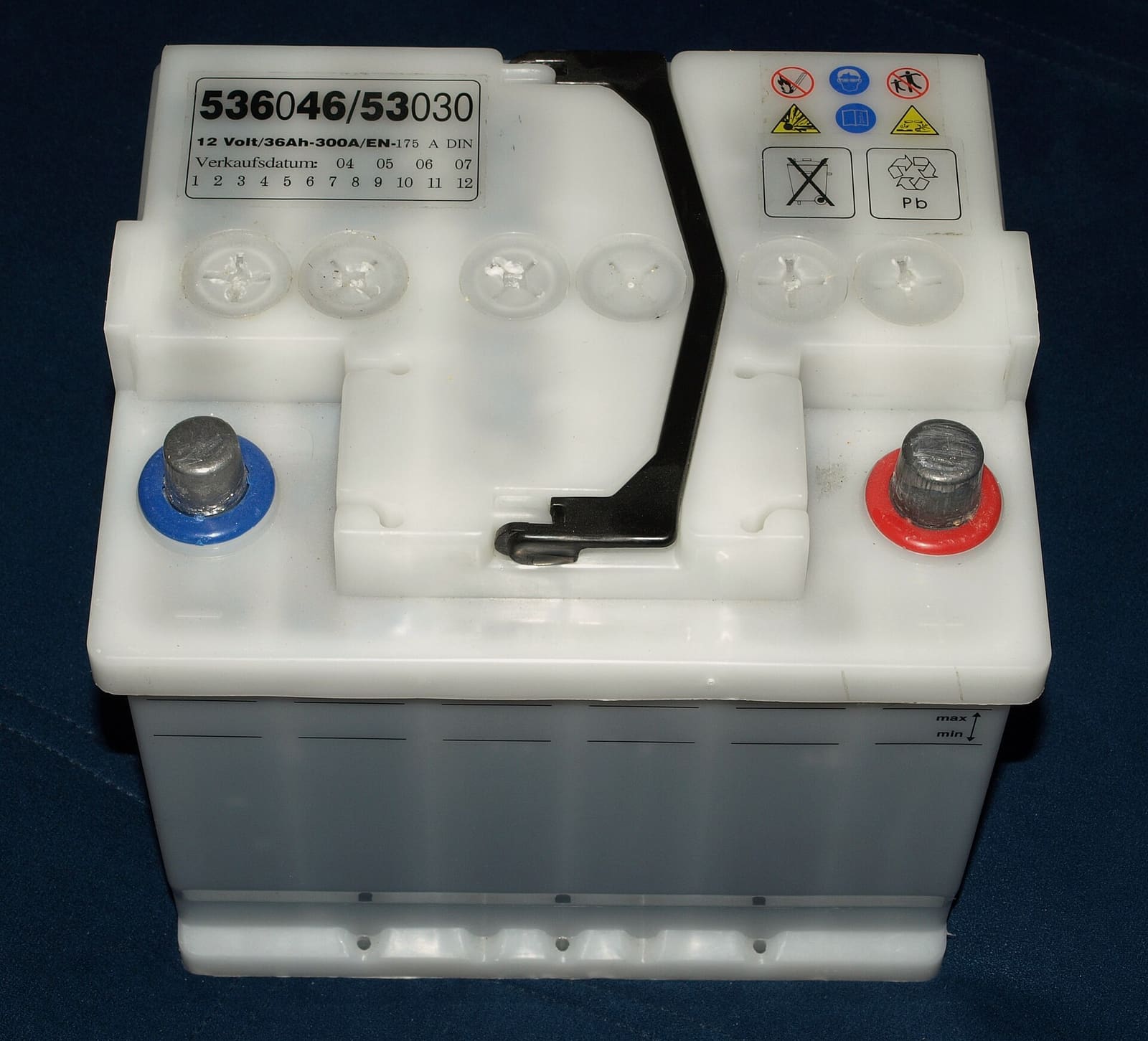
Disconnect the negative (–) cable first, then the positive. Remove the battery, charge it fully, and store it somewhere cool, dry and above freezing on a maintainer, or recharge it monthly. Sea-Doo warns that a flat battery can freeze and fail, and says never to charge or boost the battery while it is installed in the craft. Yamaha also suggests a load test before storage, so you know now (not in May) whether it will last another season. See the battery guide.
Sponge or vacuum all water out of the hull and footwells. Yamaha suggests storing a trailered unit with the bow slightly raised if it has no footwell drains, so water runs off. Leave the seat slightly open (if stored indoors) to let the compartment air out and prevent mildew.
Use a breathable fitted cover. Sea-Doo cautions against plastic wrapping that traps moisture and causes mold (a professional ventilated shrink-wrap is different). Store indoors or under shelter if you can. Check tire pressure and wheel bearings on the trailer while you are at it.
Plug or cover openings mice like (intake vents, exhaust) with something you will remember to remove, and leave yourself a note on the handlebars.
Record the date, engine hours, oil and filter used and anything you noticed (impeller wear, leaks) in BoatMend so the spring checklist is ready.
Common mistakes
- Turning the garden hose on before the engine is running. Water can back up through the exhaust into the engine.
- Shutting the engine off with the hose still running, for the same reason.
- Revving the engine on the hose, or walking away while it runs.
- Adding antifreeze to, or draining, the sealed coolant on a closed-loop Sea-Doo. Only the exhaust side needs flushing and purging.
- Purging with compressed air above the pressure your manual allows, which can damage hoses and seals.
- Charging the battery while it is still in the hull, or leaving it in all winter to go flat.
- Wrapping the PWC in a plastic tarp that traps moisture and grows mold.
- Skipping the leak check after running the stabilized fuel through. Sea-Doo says to look and sniff for fuel leaks at that point and see a dealer if you find any, before the craft sits for months.
- Leaving the oil change for spring. Yamaha points out the old oil is full of combustion by-products and corrosives that sit on engine parts all winter.
When to call a pro
- You smell fuel, see fuel in the hull, or find a leak
- The impeller, wear ring or intake grate is damaged
- Your manual calls for antifreeze in an open-loop engine and you are unsure how to do it
- You have a Yamaha WaveRunner and want it fogged (Yamaha recommends a technician)
- Water came out milky from the oil, or the engine overheated during flushing
- The PWC is under warranty and requires dealer service
Tips
- Book dealer winterization early if you are not doing it yourself; shops fill up before the first freeze.
- Flush with fresh water after every ride all season, not just at the end. Yamaha says even freshwater riders should flush.
- Take the key, safety lanyard and registration papers inside with you, and note where you put them.
- In spring, check fuel lines for cracks, clean battery terminals, and reinstall everything you removed before the first start.
Official references
We read these to write this guide. Your engine's own manual always wins.
Safety: BoatMend is for information only and does not replace a certified marine technician. You are responsible for your safety and your boat. Read the full disclaimer.
Last updated 2026-10-23
Related guides
Marine Battery Care: Test, Charge and Store for Winter
Check your boat battery's health, charge it the right way for its type (flooded, AGM or lithium), and store it so it is ready in spring. Most "boat won't start" calls start with a neglected battery.
How to Fog an Engine for Storage
Coat the inside of your engine's cylinders with fogging oil before a long layup so rust does not form over the winter. Learn when fogging applies, how it differs for carbureted, fuel-injected and direct-injection engines, and why your maker's instructions come first.
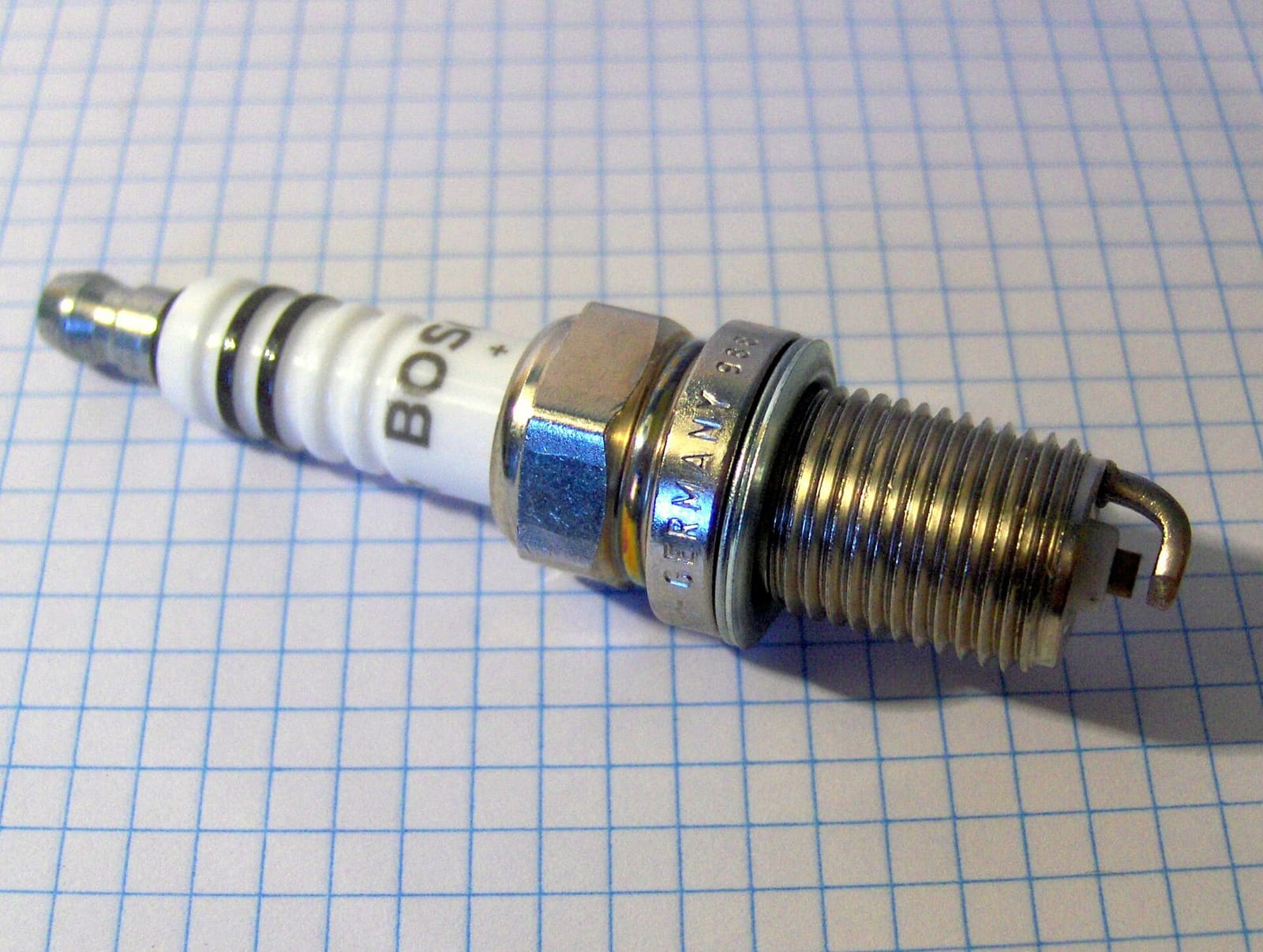
How to Inspect and Replace Spark Plugs
Pull, read and replace the spark plugs on a gas outboard, sterndrive, inboard or PWC. Fresh, correctly gapped plugs help the engine start easily and run smoothly, and the old plugs tell you a lot about the engine's health.
Spring Commissioning - Getting Your Boat Ready for the Season
Wake your boat up after storage with a step-by-step check of the battery, fuel system, engine, drive and safety gear. Catching a cracked hose or dead battery in the driveway beats a tow on opening weekend, and saves a typical shop commissioning fee.
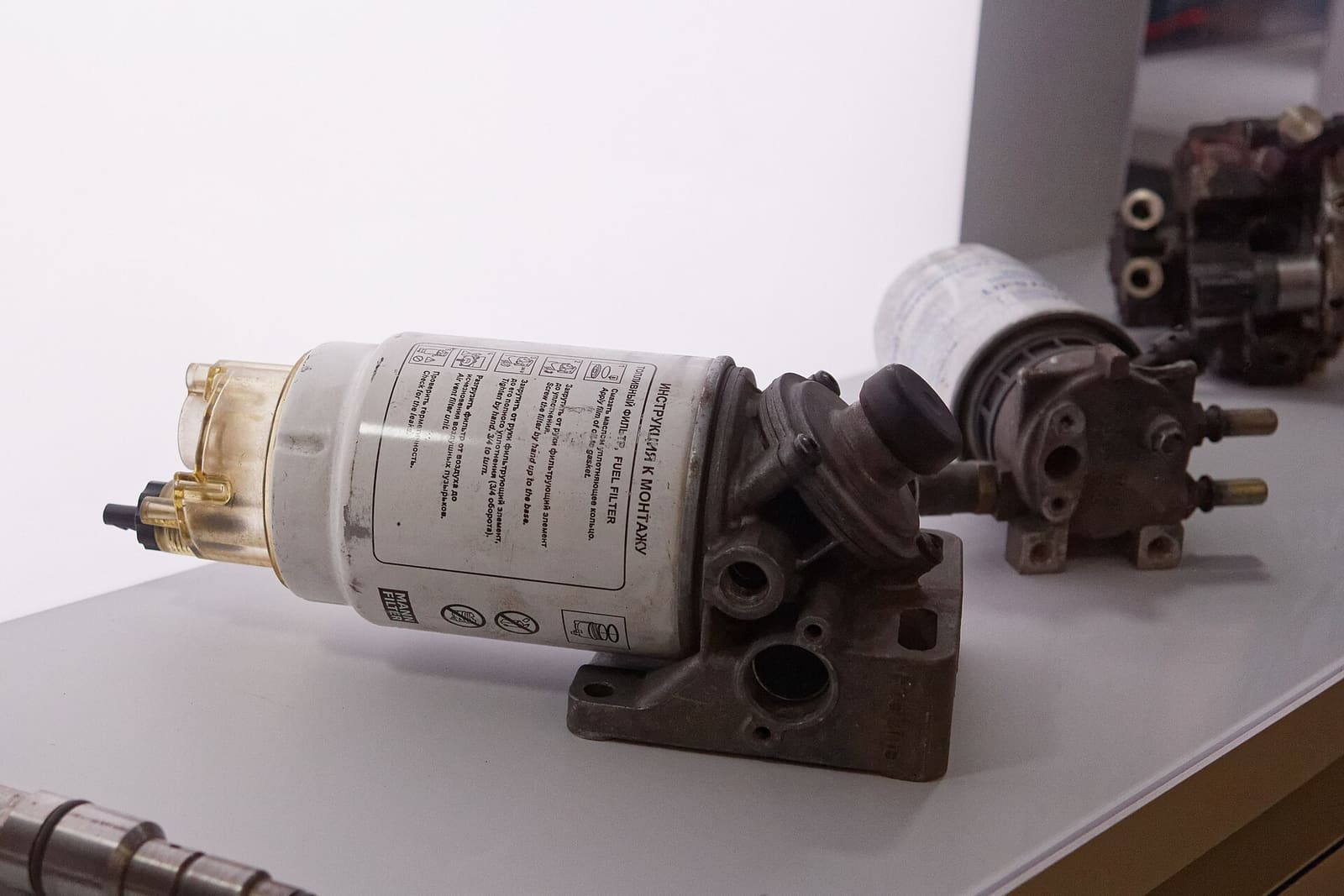
How to Replace a Fuel/Water Separating Filter (and Check for Water in Your Fuel)
Swap the spin-on fuel/water separator on your gas boat and learn to spot water and ethanol phase separation before it stalls the engine. It is one of the cheapest jobs on the boat and one of the best protections for a fuel-injected engine.
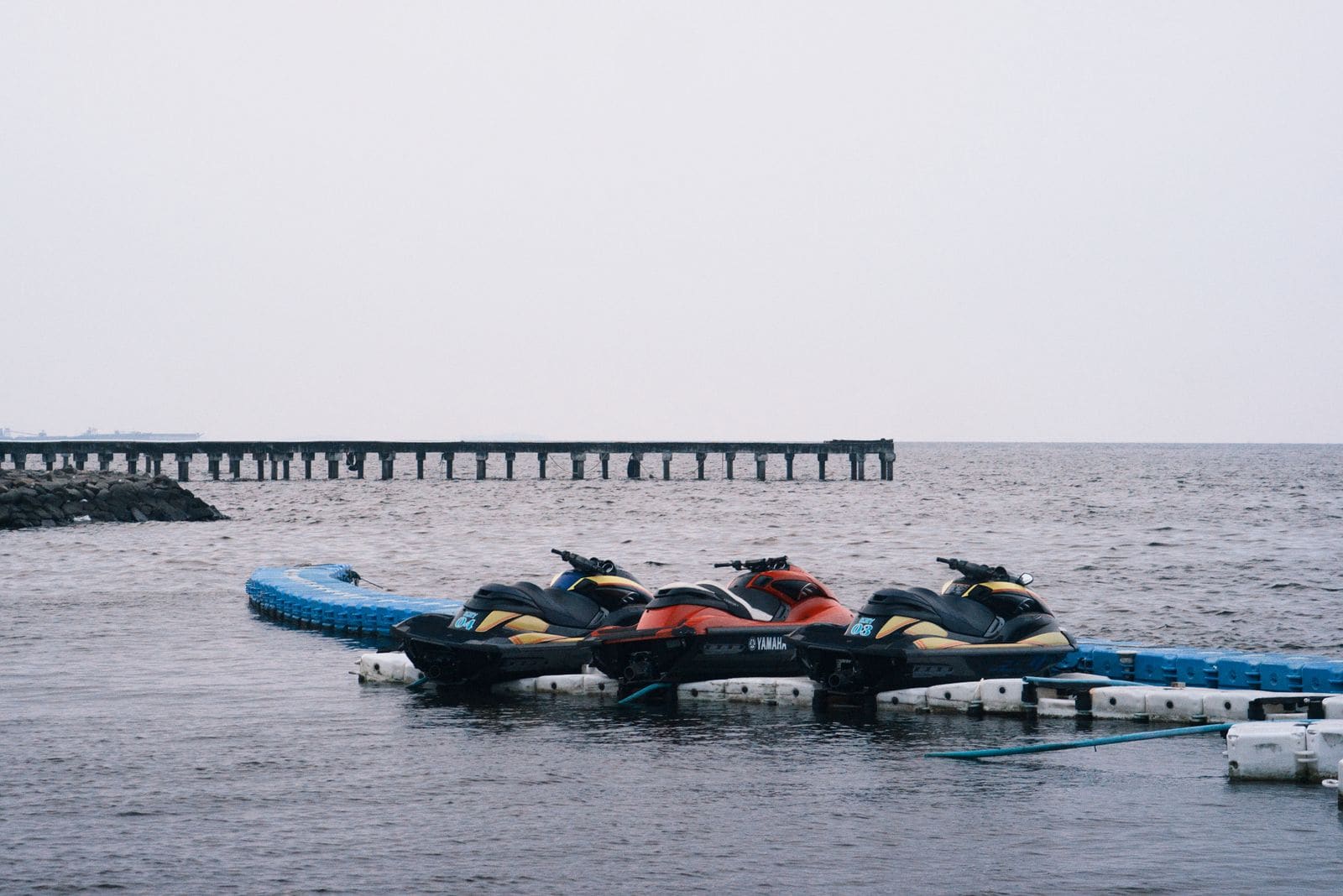
Jet Ski and Jet Boat Pump Care: Clearing the Intake Grate and Checking the Impeller and Wear Ring
Clear weeds, rope and rocks from the intake grate of a Sea-Doo, Yamaha WaveRunner, Kawasaki Jet Ski or jet boat, and learn to spot a damaged impeller or worn wear ring. A clogged or worn pump is the usual reason a jet craft revs high but goes slow.