How to Replace or Re-Cover a Bimini Top
Decide whether you need new canvas or a whole new top, measure your frame the right way, pick a fabric that will last in the sun, check the frame and hardware, and swap the canvas yourself or brief a canvas shop.
Time
3 h
Shop would charge
$300-1500
Applies to
All engines
Safety first: A bimini frame under spring tension can snap closed or swing when you unbolt it, so keep fingers out of the hinges and have a helper hold the bows. Do the work on the trailer, on land or tied up in calm water, never underway. Don't stand on gunwales, seats or cushions to reach the top. Don't trailer or run fast with a bimini up unless the frame maker says it's built for it.
Owners often ask
- How do I measure for a replacement bimini top canvas?
- Can I just replace the bimini fabric and keep my old frame?
This guide walks you through it. Still stuck? Ask the AI Mechanic about your engine.
Tools
- Tape measure (a cloth sewing tape helps on curved bows) and a notepad
- Masking tape and a marker
- Phillips and flat screwdrivers
- Small wrench or socket set for jaw slide and hinge bolts
- Phone camera for before photos
- A helper and a clean tarp or lawn to work on
Parts & supplies
- Replacement bimini canvas sized for your frame (or a complete bimini kit)
- Replacement straps, buckles or support poles as needed
- Spare jaw slides, deck hinges, eye ends, pins and lanyards that match your tubing size
- Bimini boot (storage cover) if the old one is worn out
- Marine zipper and snap lubricant
Before you start
Canvas or the whole top? The fabric almost always wears out first. If the frame is straight, the tubes aren't cracked or badly corroded and the fittings still lock, you only need new canvas (and maybe straps and a boot). If the frame is bent, the tubing is pitted or a hinge is broken, price a complete kit, because new canvas on a tired frame won't sit right.
Signs the canvas is done: fabric that tears when you press a thumb into it, faded color with a chalky feel, seams pulling apart along long runs, water pouring through instead of beading, and holes worn where the fabric rubs the bows.
Know your frame: count the bows (the curved tubes): 2-bow, 3-bow and 4-bow tops are the common ones. Note whether the tubing is round or square, its diameter, and whether it is aluminum or stainless. Most replacement canvas is sold by number of bows, length, width and height, and some is made only for one brand's frames.
Timing: canvas shops are busiest in spring and fall. Boating Magazine notes that summer is often the best time for price and turnaround if you can wait.
Steps
Put the top up in its normal position and take photos from both sides, the front, the back and from underneath. Get close-ups of how straps attach, where the snaps are, and how the boot fits. These pictures save a lot of head-scratching later.
With the top up, check:
- Tubes: bends, cracks, dents, or heavy pitting at the joints.
- Deck hinges and jaw slides: cracked plastic, worn or bent pins, stripped screws, or loose mounts in the deck.
- Eye ends and pins: missing lanyards and worn holes.
- Straps and buckles: faded, stiff or frayed webbing. Straps are cheap and usually worth replacing with the canvas.
If you're replacing the frame too, BoatUS's buying notes: anodized aluminum is usually fine and cheaper on fresh water, while stainless is stronger and worth the extra cost on salt water and faster boats. Drawn tubing is denser and stronger than extruded. Stainless fittings outlast coated brass ones, which tend to corrode, peel and break.
Write down anything that needs replacing and match the parts to your tubing size. If deck mounts are loose or the deck feels soft around them, read the
tower-hardware-checkguide before you put load back on them.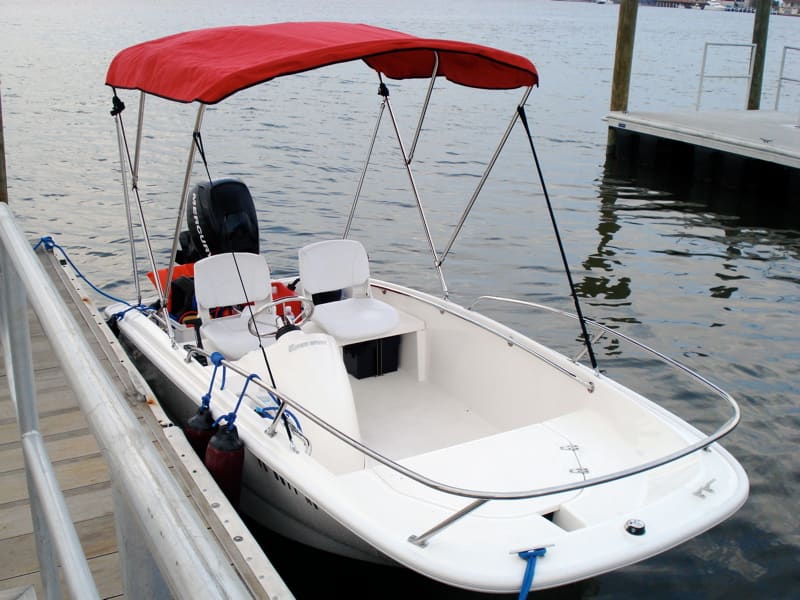
Typical small-boat bimini: bows in fabric pockets, straps forward, deck hinges on the gunwales. Photo: Rborroto / Wikimedia Commons · Public domain Measure straight across the boat between the deck hinges where the bows attach to the gunwales. Measure where the frame actually mounts, not the width of the old canvas: old fabric stretches and shrinks, and canvas is cut with some overhang. BoatUS notes that bimini bows can flex a few inches in or out at the gunwale, which is why stock tops cover a range of widths. Order for the width your hinges are actually at.
- Length: with the top up, measure fore and aft across the top, front bow to back bow. BoatUS notes stock tops commonly run about 4 to 8 feet long, with 6 feet being a common size.
- Height: measure from the deck hinge straight up to the top of the frame when it's deployed. Pick a height that lets the tallest regular helmsman stand without ducking, and check it still clears any windshield, T-top or radar arch when folded.
- Shape: note the number of bows and whether the top is meant to be flat or rounded down at the sides.
Boating Magazine suggests at least one bow for every two feet of top length so the fabric doesn't sag and pool water.
- Solution-dyed acrylic (Sunbrella and similar): the most common bimini fabric. It holds its color best, breathes, and resists stretching and shrinking. It's water-resistant rather than fully waterproof and wears faster where it rubs the frame.
- Vinyl-coated polyester: waterproof and tougher where it bears on the frame, easy to clean, but less colorfast. It doesn't breathe.
- Vinyl-coated acrylic: waterproof with an acrylic face, but noticeably heavier.
- Plain polyester: found on many low-cost stock tops. It's cheaper but generally fades and weakens sooner in strong sun; check the maker's UV rating and warranty.
Boating Magazine warns that red, orange, burgundy and yellow fade fastest in UV. Matching fabric piping lasts longer than white vinyl trim.
- Stock replacement canvas: cheapest; works when your frame is a common size and brand. Read the fit notes carefully.
- Complete kit: new frame, canvas, straps and hardware. Good when the frame is tired.
- Custom canvas shop: best fit, your choice of fabric and thread, and they can add reinforcement where the fabric rubs. Bring your photos and measurements, or ask them to template the boat.
Ask any maker what thread they use (UV-resistant thread outlasts standard polyester thread), whether chafe patches are included at the bows, and what the warranty covers. BoatUS points out that ordinary polyester thread often needs restitching before the fabric wears out; premium PTFE thread costs more but is meant to last as long as the fabric. If you'll add curtains later, ask for plastic zippers covered by a fabric flap, since metal zippers corrode and bare plastic ones break down in UV.
Fold the top down, put the boot on, and pull the hinge pins or loosen the deck hinges as your frame allows. With a helper, lift the whole frame off and carry it to a clean tarp or grass. Bag every pin, bolt and washer as it comes off.
Remove the boot, open the frame and lay it top-down with the legs pointing up. Unstrap the webbing from the frame and remove the bolts at the jaw slides on each side (keep the hardware). Inside each bow pocket there's usually a center snap or tab holding the canvas in place; unclip it. Then slide each bow out of its pocket, watching that fittings don't snag and tear the fabric.
Lay the new canvas out the same way round as the old one. Slide the bow with the most fittings through its pocket first, guiding the fittings carefully, and fasten its center snap. Repeat with the front bow (watch for strap cutouts) and then the middle bow or bows. Rebuild one side of the frame at a time: reconnect the bows, refit the jaw slide bolts and snug them, then do the other side. Don't overtighten into plastic fittings.
Reattach the rear supports and feed the front straps through their cutouts and around the bows. Put the frame back on the deck hinges, deploy the top, and adjust the straps until the canvas is evenly tight with no wrinkles or water-pooling dips. BoatUS notes straps fold down easily but are less rigid than fixed support poles, which matters if you plan to add side curtains later.
Look along the top from the side: the fabric should be smooth and taut, the frame square to the boat, and the top shouldn't rub the windshield or antennas. Pour a bucket of water on the top to check that it sheds water instead of pooling. Fold the top down and up twice to make sure nothing binds.
Lubricate zippers and snaps, fit the boot, and log the install date in BoatMend. New acrylic canvas can feel tight at first; avoid forcing snaps that don't quite reach on a cold day (see the
canvas-snap-repairguide). Wash it with mild soap and fresh water as thecanvas-vinyl-careguide describes.Care that makes the new top last (from BoatUS and Sailrite's Sunbrella cleaning guide):
- Brush off bird droppings and bug splatter as soon as you see them; left on, they stain and weaken fabric and thread.
- Rinse the top with plain water about once a month in season. Never use a pressure washer, and let it air dry.
- After a deep cleaning, the water-repellent finish may need renewing with a fabric reproofer. Two thin coats work better than one heavy one, and many products shouldn't cure in direct sun, so check the label.
- Sunbrella's own marine canvas page says monthly rinsing means most tops only need a thorough cleaning every two to three years. For mildew or stubborn stains it gives a diluted bleach-and-mild-soap mix for spot cleaning, then a very thorough rinse; spray only (don't scrub) the coated underside of coated versions. It also cautions that bleach can discolor non-Sunbrella fabrics nearby, can harm the water around the boat (so it doesn't advise bleach where runoff reaches the water; take the top ashore), and, with age, can weaken the thread and other non-Sunbrella parts.
- Take the top down, clean, dry and store it for winter layup. BoatUS warns a bimini is not a winter cover; snow load and storm winds can wreck it in one season.
Common mistakes
- Measuring the old canvas instead of the frame mounts. Old fabric has stretched or shrunk, and canvas is cut with overhang.
- Putting new canvas on a bent frame. It never sits right and wears through at the high spots.
- Reusing sun-rotted straps. They snap the first windy day and let the frame slam back.
- Running fast or trailering with the top up. It can tear the canvas, bend the bows or loosen the deck mounts. Fold it, boot it and strap it down for the road.
- Losing the small parts. Pins, lanyards and jaw slide bolts are easy to drop overboard; bag them as they come off.
- Picking a bright red or yellow top and being surprised when it fades in two seasons.
- Leaving the bimini up all winter as if it were a cover.
When to call a pro
- The frame is bent, cracked, or the deck mounts are loose or pulling out of a soft deck
- You want a custom top, a top that ties into an enclosure, or side curtains added later
- The top attaches to a T-top, radar arch or windshield frame rather than its own deck hinges
- You need new mounting holes drilled in the deck (water intrusion risk; see
tower-hardware-check) - A stock canvas doesn't fit after two adjustment tries; a canvas shop can alter it or make one
Tips
- Order in summer when canvas shops are quieter.
- Keep the old canvas until the new one fits; it's a useful pattern.
- Ask for sewn-on chafe patches where the canvas rubs the frame. Avoid wrapping stainless tubes in tape: trapped water under wraps can corrode stainless (see
stainless-steel-care). - A trailering strut that locks the folded frame into a rigid triangle stops it from bouncing on the road.
Official references
We read these to write this guide. Your engine's own manual always wins.
- BoatUS – Installing a Bimini
- Boating Magazine – Buying the Right Marine Canvas
- Boating Magazine – How to Choose the Right Bimini Top
- Taylor Made – How to Replace a Bimini Top
- BoatUS – Bimini Tops (fabrics, frames, fittings)
- BoatUS – Canvas Care For Boat Covers And Bimini Tops
- Sailrite – How to Clean Sunbrella Fabric
- Sunbrella – Clean Sunbrella Marine Canvas
Safety: BoatMend is for information only and does not replace a certified marine technician. You are responsible for your safety and your boat. Read the full disclaimer.
Last updated 2026-10-25
Related guides

How to Clean and Protect Boat Canvas, Bimini Tops and Vinyl Seats
Wash your bimini, covers and enclosure the right way, beat mildew without wrecking the stitching, keep vinyl seats soft and stain-free, look after zippers and snaps, and store everything so it comes out clean next spring.
How to Repair Torn-Out Canvas Snaps, Fasteners and Zippers
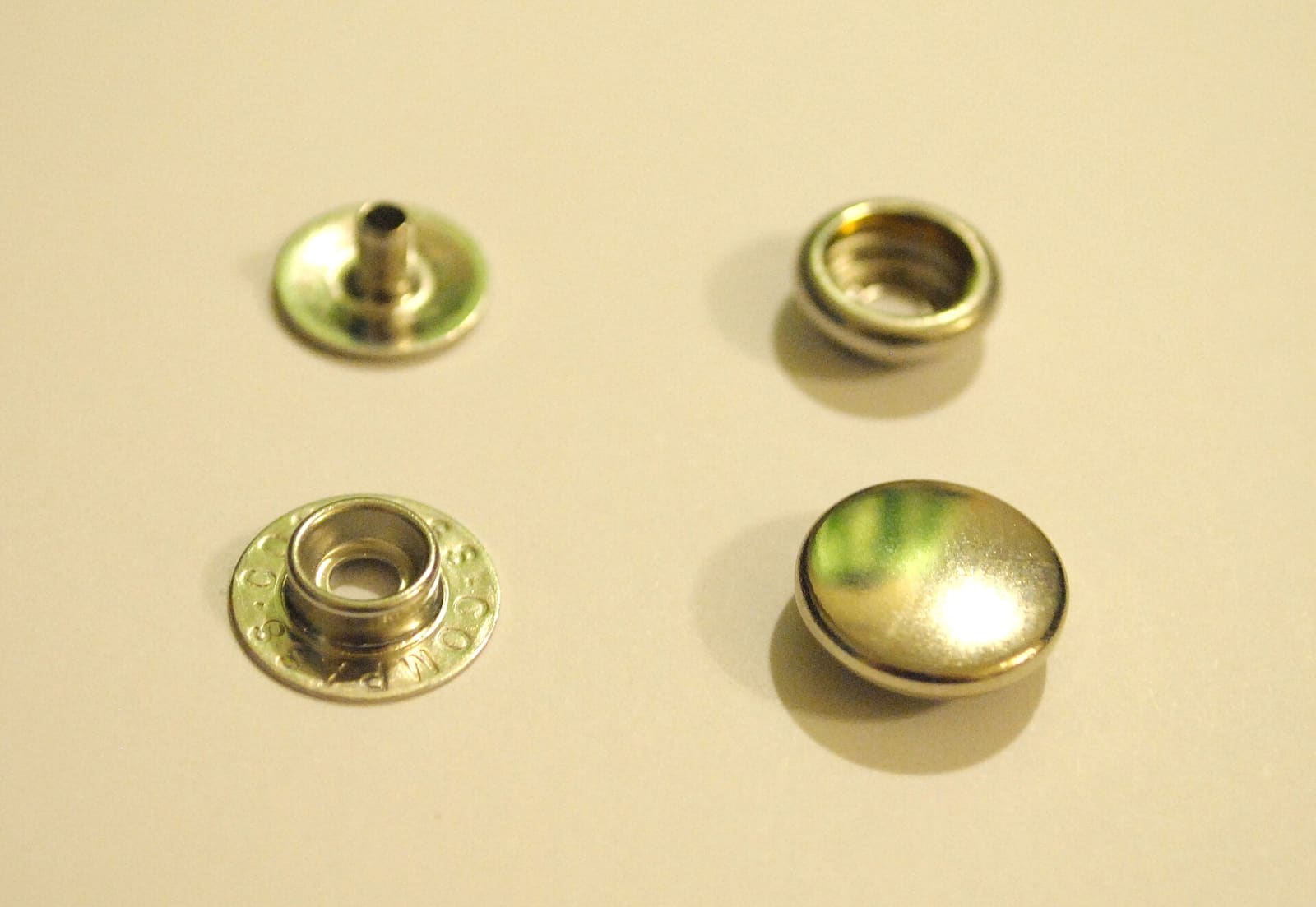
Fix snaps that have pulled out of your bimini, cover or enclosure, reinforce the torn fabric, choose the right snap metal and setting tool, free stuck snaps, replace Lift-the-Dot and twist fasteners, and swap a worn zipper slider.
How to Clean and Care for Clear Vinyl (Isinglass) and Polycarbonate Enclosure Panels
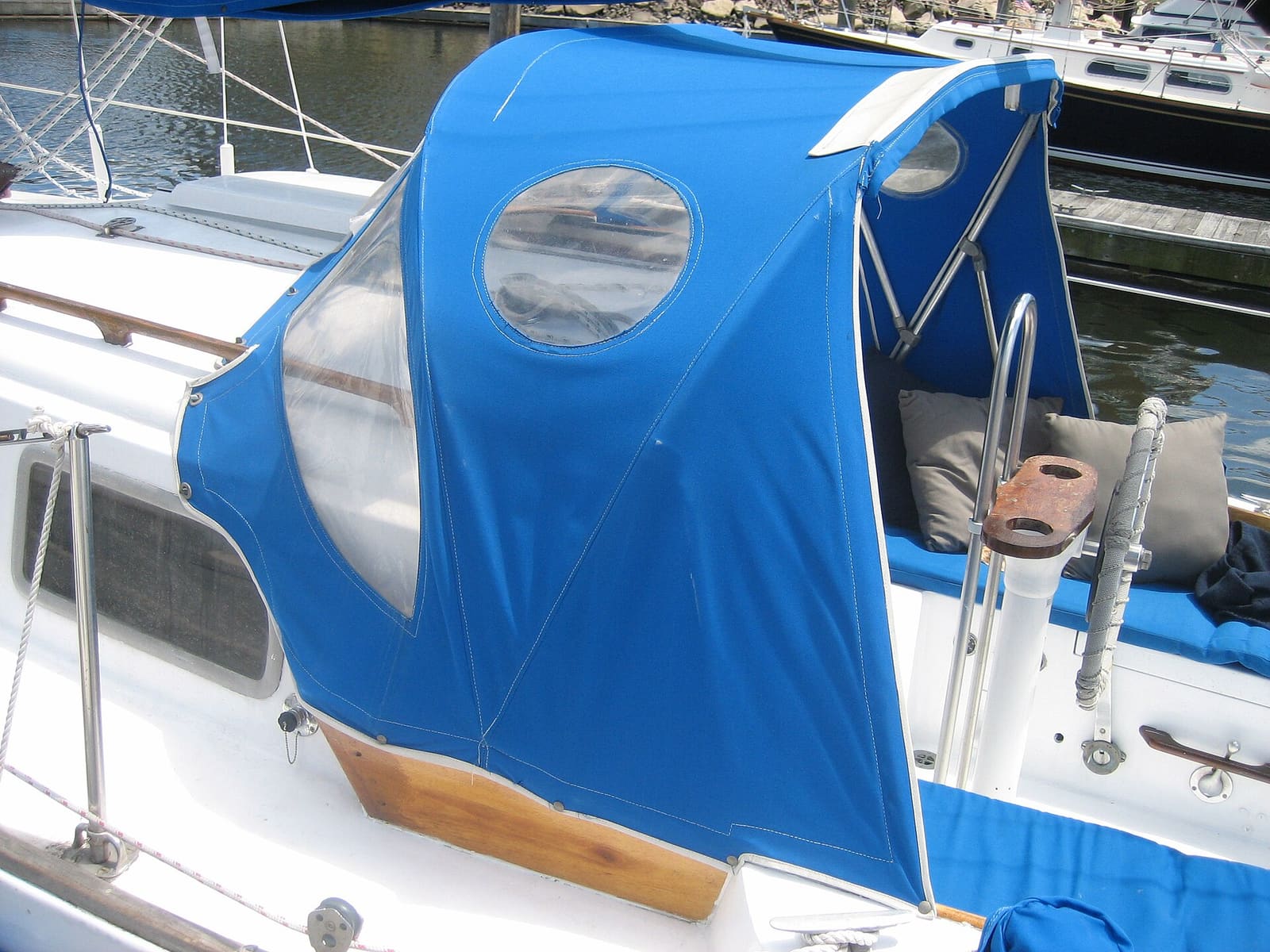
Keep the clear windows in your dodger, bimini curtains or full enclosure clear for years by cleaning them the right way, storing them without scratches and avoiding the cold-weather and chemical mistakes that ruin them. Covers soft clear vinyl, coated vinyl like Strataglass, rigid panels and zippers.
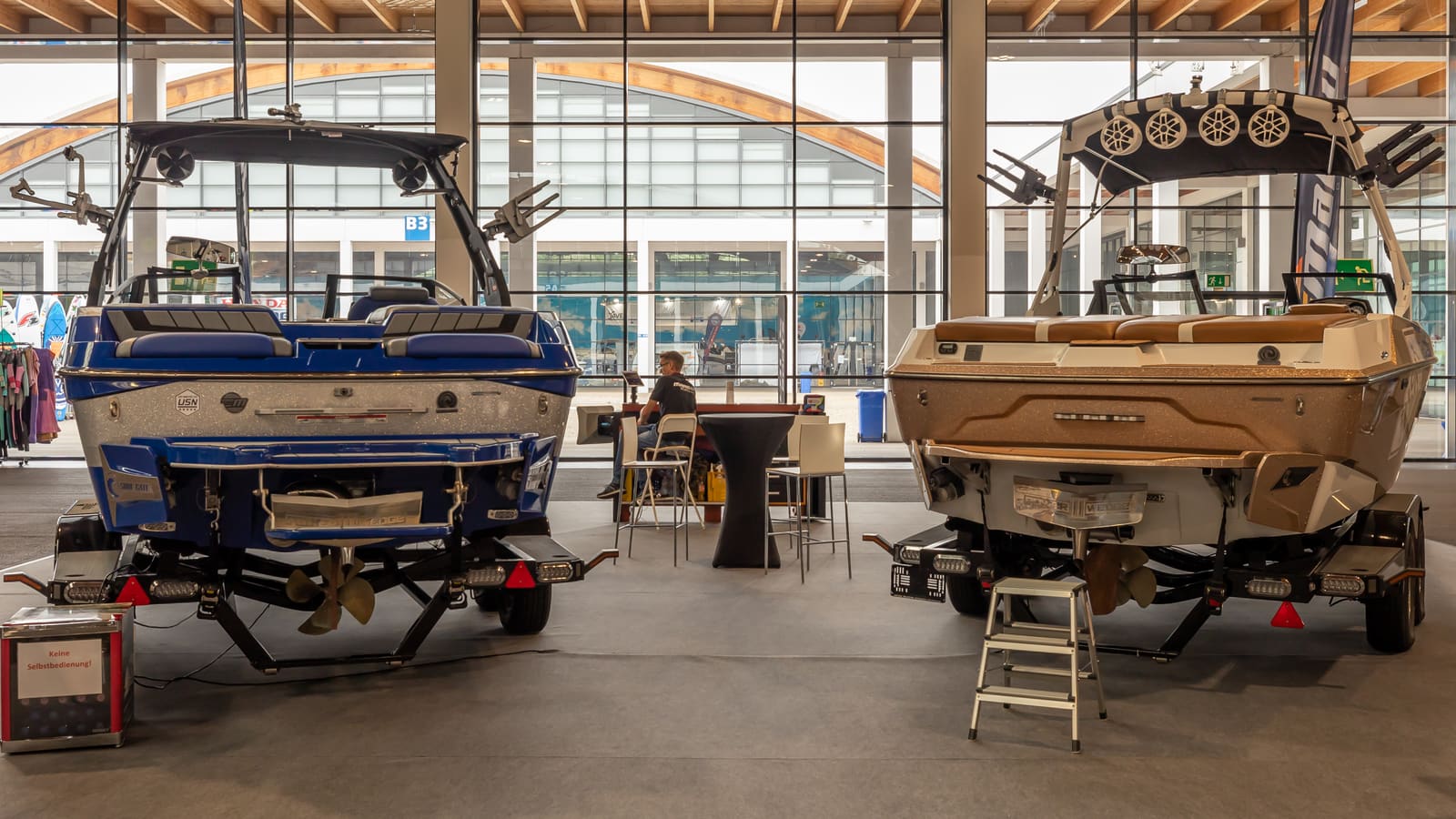
How to Inspect Wakeboard Tower, T-Top and Bimini Hardware
Towers, T-tops and biminis carry tow ropes, speakers, boards, electronics and wind loads, all on a handful of bolts. Learn how to check the welds, bases, backing plates, bolts, folding hinges and accessory loads before a crack or a loose bolt becomes an accident.
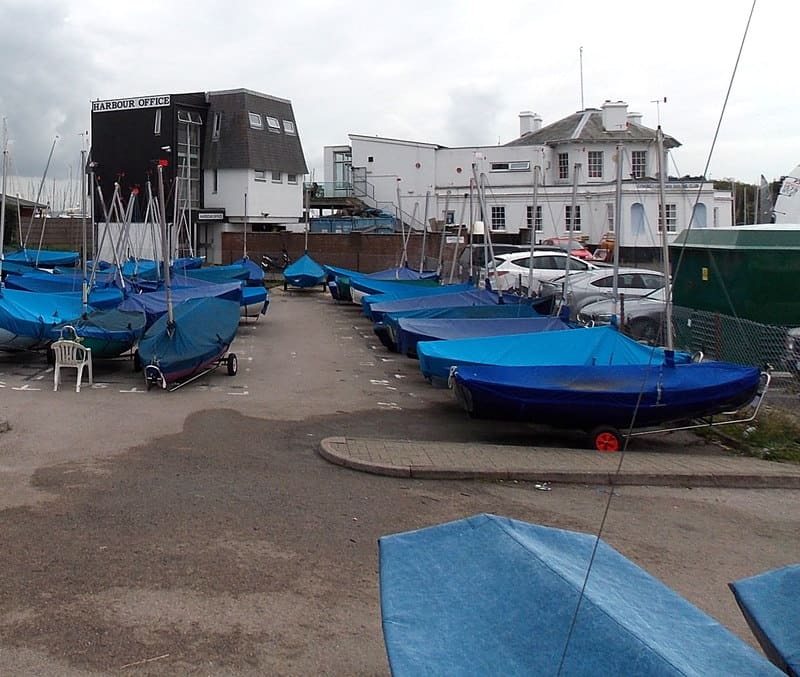
How to Fit, Support, Clean and Store a Boat Cover
Make your mooring or storage cover last for years by getting the fit right, supporting and venting it so water never pools, using a cover that's rated for the highway, cleaning and re-waterproofing it the right way, and fixing small tears before they grow.
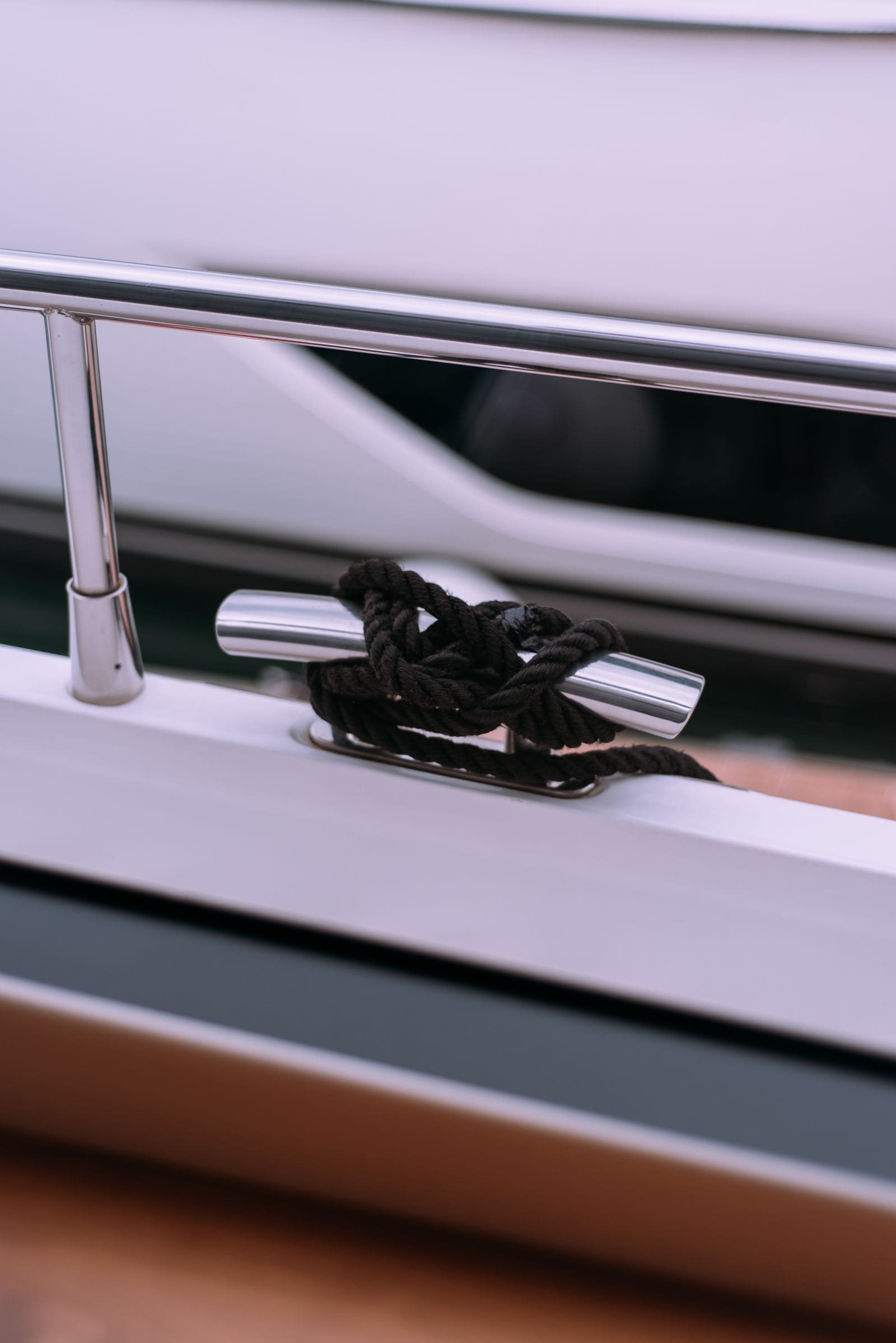
How to Clean, Protect and Inspect Stainless Steel Boat Hardware
Remove tea stains and rust from rails, cleats and fittings without scratching them, passivate stainless so it stays clean longer, understand why 304 and 316 behave differently, and spot the hidden crevice corrosion that weakens fittings from underneath.