How to Break In a New or Rebuilt Boat Engine
The first hours on a new or rebuilt engine decide how well its piston rings seat and how long it lasts. Learn how to follow your maker's hour and RPM schedule, why you should keep changing the throttle, what to avoid (constant RPM, early full throttle, long idling), what to check every trip and when to do the first oil change.
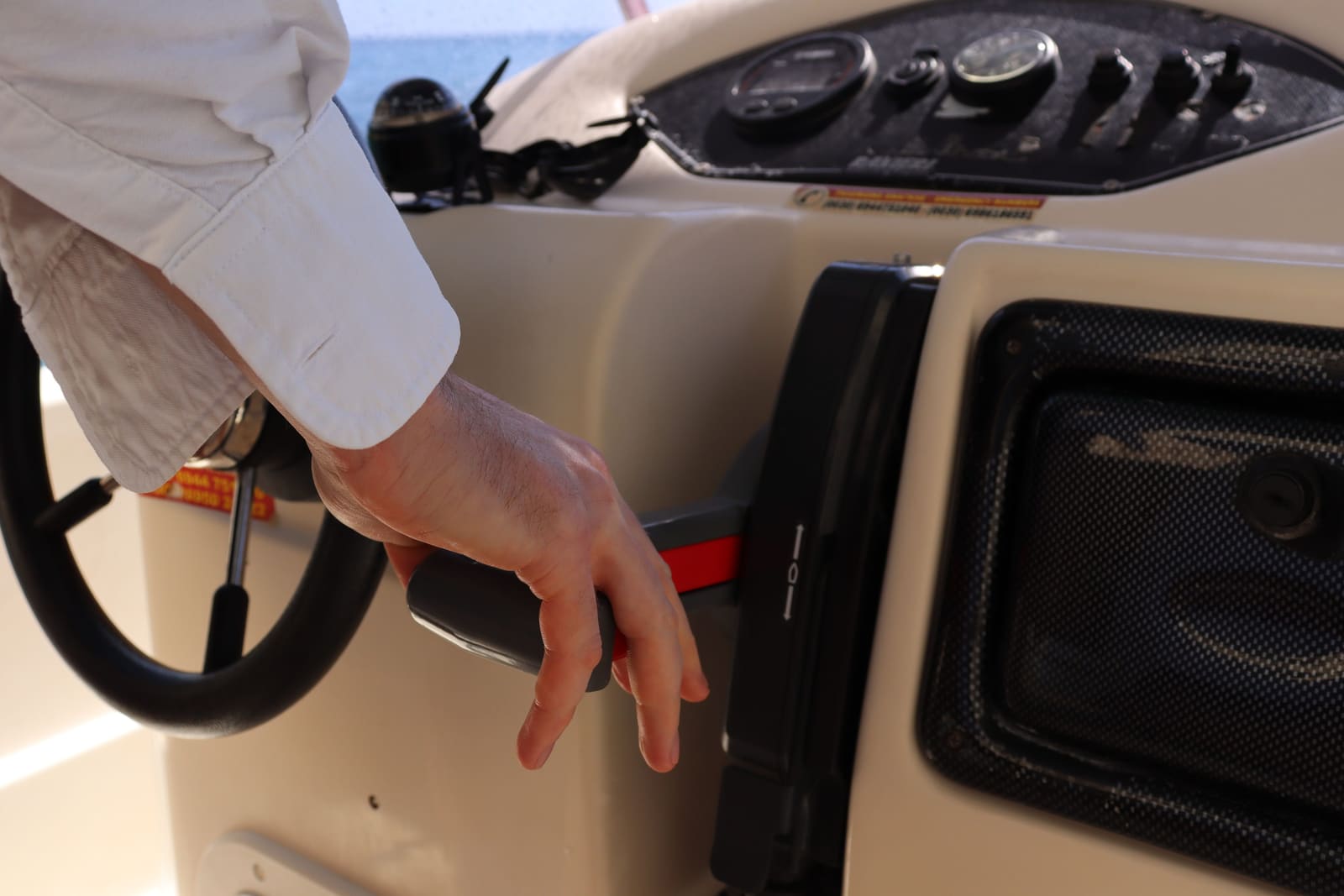
Time
10 h
Shop would charge
$150-400
Applies to
Outboard, Sterndrive (I/O), Gas inboard, Marine diesel, Jet ski / PWC
Safety first: Break-in is still normal boating: wear your engine cutoff lanyard, keep a sharp lookout, and don't let "I need to vary the RPM" distract you in traffic, near swimmers or in no-wake zones. If an alarm sounds, the engine overheats, or you smell fuel or see smoke from the engine compartment, slow down, shut down when safe and find out why. If you can't fix it, call TowBoatUS or Sea Tow, or the US Coast Guard on VHF channel 16 in an emergency.
Owners often ask
- How do I break in my new outboard? Can I go wide open on the first trip?
This guide walks you through it. Still stuck? Ask the AI Mechanic about your engine.
Tools
- Owner's (operation and maintenance) manual with the break-in schedule
- Tachometer and hour meter, or an engine data app or display
- Notebook or the BoatMend log for recording hours and checks
- Clean rags (for checking oil)
Parts & supplies
- Engine oil and filter for the first oil change (type and amount from your manual)
- Gear lube for the first lower unit or drive service (if your manual calls for it)
- Two-stroke oil for any break-in premix your manual specifies (two-strokes only)
Before you start
Why break-in matters. A new or freshly rebuilt engine has piston rings, cylinder walls, bearings and gears that still need to wear in against each other. The rings in particular need varying loads and cylinder pressure to seat and seal. The 48° North diesel column describes the result of skipping this: glazed cylinder walls, rings that never seal properly, blowby, hard starting, low compression and a shorter engine life. It also points out that the brief test run at the factory or on a dyno is not the break-in; that's the owner's job.
Which engines need it. Any new engine (outboard, sterndrive, inboard, diesel or PWC) and any rebuilt or remanufactured powerhead, long block or complete engine. Ask the shop that rebuilt yours which schedule to follow.
The schedule comes from your manual. Break-in rules differ by brand, model and engine type, and they're often a warranty condition. Some examples of how different they can be:
- Mercury outboards: Mercury says most of its outboards follow a similar plan: for the first two hours, vary the throttle up to 4,500 RPM; for the next eight hours, run normally but never more than five minutes at a time at wide-open throttle (WOT). After 10 hours the break-in is done. Mercury stresses that you must follow the exact steps for your model in the operation and maintenance manual, and that an engine failure caused by improper break-in may not be covered by the warranty.
- Diesels: the 48° North column says most diesel makers call for a break-in of around 100 hours, with varied RPM, plenty of load, very little idling and early oil changes.
- Yamaha outboards: Yamaha describes most of its new outboards this way: first hour below 2,000 RPM while varying the throttle; second hour on plane, varying speed every minute or so and avoiding full throttle; next eight hours normal running with no more than five minutes at a time at full throttle. Yamaha then wants the engine back at a dealer for its initial service at 20 hours.
- Tohatsu outboards: Tohatsu publishes a break-in chart for each engine size, with phases that start at idle for the first 10 to 15 minutes and limit throttle position for the first few hours. Two details catch new owners out. Tohatsu four-strokes are shipped without engine oil, so oil must go in before the very first start or the engine will be badly damaged. And Tohatsu asks for the lower unit gear oil to be changed once break-in is complete.
- Two-strokes: many manuals call for a specific break-in procedure and sometimes a richer premix, even on engines with oil injection. Tohatsu, for example, has carbureted two-strokes run "double oil" during break-in, and asks owners of its oil-injected models to add premix to the tank on top of the injection system for that period; its direct-injection (TLDI) models take no premix at all. Tohatsu also notes that extra smoke and some oil around the prop or exhaust relief hole are normal while running the richer mix. Use only the ratio in your manual.
Other brands use different hours and RPM limits. Treat every number in this guide as an example, not your spec.
Steps
Find the break-in section in your owner's manual. Write the schedule on a card or in your phone: each phase, how many hours it lasts, the RPM or throttle limit, any limit on WOT time, and when the first service is due. Keep it at the helm so everyone who drives the boat follows it.
A break-in can't fix a bad setup. With a new installation or repower, the dealer or installer should confirm, on the first sea trial, that the engine reaches the WOT RPM range in its manual with a normal load. If the propeller lets the engine over-rev or keeps it from reaching that range, have it changed before you start putting hours on (see our propeller guide). The 48° North column notes that a short full-power run under load during that initial sea trial is needed to verify the prop and setup. Also check that the mounting height, trim, steering and gauges are right (Boating Magazine's repower series shows why mounting height matters).
- Engine oil level (four-strokes, inboards and diesels) and oil tank level (oil-injected two-strokes)
- Fuel: fresh, the right octane, and premixed correctly if your engine needs premix
- Cooling: a strong telltale stream on outboards; raw-water seacock open on inboards and diesels
- Cutoff lanyard, bilge, blower (gasoline inboards and sterndrives: run it at least four minutes before starting)
Let the engine idle for a short warm-up as your manual describes, then leave the dock area and put it to work. Avoid long periods of idling: the 48° North column says idling does the most harm during break-in because the rings don't get enough cylinder pressure to seat.
In the first phase, stay within the RPM or throttle limit in your manual and vary the speed constantly. A simple pattern: run a few minutes at one setting, then move the throttle up or down a few hundred RPM, then again, without ever settling into one steady speed for long. Don't use WOT in this phase unless your manual allows short bursts.
The most common break-in mistake is setting a comfortable cruise and holding it for an hour, or trolling at one speed all morning. Even after the first phase, keep changing speed every so often during the whole break-in. On a long trip, plan short throttle changes and turns along the way.
Getting the boat on plane and running at moderate to brisk cruise speeds loads the engine and helps the rings seat. What you don't want is lugging: forcing a heavily loaded boat along at low RPM with the throttle open, so the engine labors without revving. If the boat struggles to plane, trim down, reduce the load or check the prop, but don't keep it slogging.
Once the first phase is complete, most schedules allow normal running with short WOT runs (for example, Mercury's limit of five minutes at a time). Open the throttle smoothly, keep an eye on the tach and temperature, and back off before the time limit. Don't race the engine out of the water or rev it in neutral.
During break-in, check the oil level before every trip and look at it again after the run, once the engine has been off long enough for an accurate reading. New engines can use a little oil as they settle in. A level that goes up instead is a warning on a four-stroke. BoatUS's gasoline engine inspection article gives two quick checks you can do on the dipstick: a strong burnt smell suggests the engine has run hot, and oil that sits thick on a white paper towel and then spreads out slowly suggests fuel is getting into the oil. Milky or frothy oil means water. Any of these during break-in is a call to the dealer while the warranty is fresh (see our oil level rising guide). Watch engine temperature, oil pressure (where fitted), charging voltage and any warning lights. An alarm, rising temperature or falling oil pressure means slow down and investigate right away (see our engine warning alarms guide).
On a new or rebuilt two-stroke, use exactly the break-in procedure in your manual, including any break-in premix in addition to the oil injection system. Use the type of oil your manual calls for; for water-cooled outboards that is usually oil certified to the NMMA TC-W3 standard. Never guess at a break-in mix.
Most makers want an early service at the end of break-in. Mercury notes that four-stroke outboards and sterndrives generally need oil changed yearly or every 100 hours, and break-in schedules often call for an earlier first change. The 48° North column recommends getting the first oil out early on a new or rebuilt diesel because it carries metal from parts wearing in, with another change before 100 hours. Follow your manual or dealer, and use the oil and filter it specifies. The first service is also when the dealer typically checks gear lube, fasteners, steering and controls.
Not every maker asks for an early service, so check rather than assume. Mercury's new-owner guide, for example, says its dealer may suggest a quick checkup a few weeks after purchase, but for most owners the first scheduled service is the annual one (at 100 hours or before winter storage), while high-hour or year-round boaters follow the hour-based schedule in the manual.
Log the date, engine hours and what you did at each phase, plus the first service receipt. If a problem ever comes up under warranty, a dealer may ask how the engine was broken in. Register the engine with the manufacturer if your dealer hasn't. In BoatMend, enter the engine's in-service date so your maintenance reminders start from the right point.
Common mistakes
- Believing the engine was "already broken in at the factory."
- Holding one cruise speed for hours, or trolling at one RPM all day.
- Babying the engine at idle and low speed for the whole break-in.
- Going to wide-open throttle on the first trip to "see what it'll do."
- Lugging a heavily loaded boat at low RPM.
- Skipping the first oil change or the break-in service.
- Guessing a two-stroke break-in premix ratio instead of using the manual.
- Letting another driver use the boat without telling them the break-in rules.
When to call a pro
- The engine won't reach the WOT RPM range in the manual, or over-revs (prop or setup problem)
- An alarm, overheating, low oil pressure, unusual noise, vibration or smoke at any point during break-in
- Oil level dropping quickly, or oil that looks milky (water) or smells strongly of fuel
- Fuel or oil leaks at any fitting on a new installation
- Any doubt about which break-in schedule applies to a rebuilt or remanufactured engine
Tips
- Use a phone timer to remind yourself to change the throttle every few minutes during phase one.
- Plan break-in trips with open water so you can vary speed without bothering anyone.
- An engine data app or display that records RPM and hours makes the break-in easy to prove later.
- An oil analysis at the first oil change gives you a baseline for the engine's life (see our oil sample analysis guide).
Official references
We read these to write this guide. Your engine's own manual always wins.
- Mercury Marine – How to Break In a New Mercury Outboard
- Mercury Marine – Marine Lubricants & Tips, More Than Just Oil
- Mercury Marine – Welcome Aboard, A New Owner's Guide to Mercury Outboards (first service)
- Yamaha Outboards – What to Consider When Repowering a Boat (break-in and initial service)
- Tohatsu – Outboard Break-In Charts (2-stroke, 4-stroke, TLDI)
- 48° North – Diesel Deep Dive, A Good Engine Break-In
- Boating Magazine – Engine Repower 2020, Part 5 (mounting a new outboard)
- NMMA – Marine Oil Certification Program (TC-W3, FC-W)
- BoatUS – Inspecting Marine Gasoline Engines (dipstick and oil checks)
Safety: BoatMend is for information only and does not replace a certified marine technician. You are responsible for your safety and your boat. Read the full disclaimer.
Last updated 2026-10-24
Related guides
How to Change the Oil and Filter on a 4-Stroke Outboard
Drain the old oil, swap the filter and refill with the right marine oil on your 4-stroke outboard. It is the most common service job, takes about an hour, and costs a fraction of the dealer price.
Marine Diesel Service: Oil Change, Fuel Filters and Bleeding Air
Change the oil and oil filter, replace the primary and secondary fuel filters, and bleed air from the fuel system on a Yanmar, Volvo Penta, Beta, Cummins or similar marine diesel. These three skills cover most routine diesel care and can get you out of trouble when the engine dies on a passage.
How to Change Lower Unit (Gearcase) and Sterndrive Oil
Drain and refill the gear oil in your outboard lower unit or sterndrive, and learn to spot water intrusion before it destroys the gears. It is a 30-minute job that protects a gearcase costing thousands to replace.
Propeller Care: Inspect, Remove, Replace and Choose the Right Pitch
Check your prop for damage, pull it to clear fishing line and grease the shaft, reinstall it correctly, and learn how pitch affects your engine's wide-open-throttle RPM. The right prop in good shape protects your engine and often makes the boat run better and use less fuel.
Engine Warning Horn and Dash Lights: What They Usually Mean and What to Do
Learn what a warning horn, beeps or a dash light usually mean on a boat engine, from overheating and low oil pressure to water in the fuel and reduced-power (limp) mode. Find out what to do right away and when to stop the engine. Patterns differ by brand, so match what you hear and see to your owner's manual.
Engine Overheating - Troubleshooting Guide
Work through the most likely causes of a hot engine or overheat alarm, from a blocked water intake to a worn impeller or stuck thermostat. Acting fast and in the right order can save your engine and often gets you home without a tow.

Engine and Gearbox Oil Analysis: How to Take a Clean Sample and Read the Report
A lab oil analysis is like a blood test for your engine, transmission or lower unit. Learn how to pull a clean sample, what the lab measures, what wear metals, coolant, sea water and fuel in the oil can mean, and why the trend over several samples matters more than any one number.
Two-Stroke Premix Conversion: Living With an Engine That Had Its Oil Injection Removed
Bought a two-stroke outboard or PWC whose oil injection was removed, or thinking of doing it? Learn how to confirm what was done, mix fuel at the ratio from your manual every single time, label your tanks so nobody forgets, choose NMMA TC-W3 oil and understand the real risks.
Planning a Repower: Horsepower Limits, Transom, Rigging, Prop and Costs
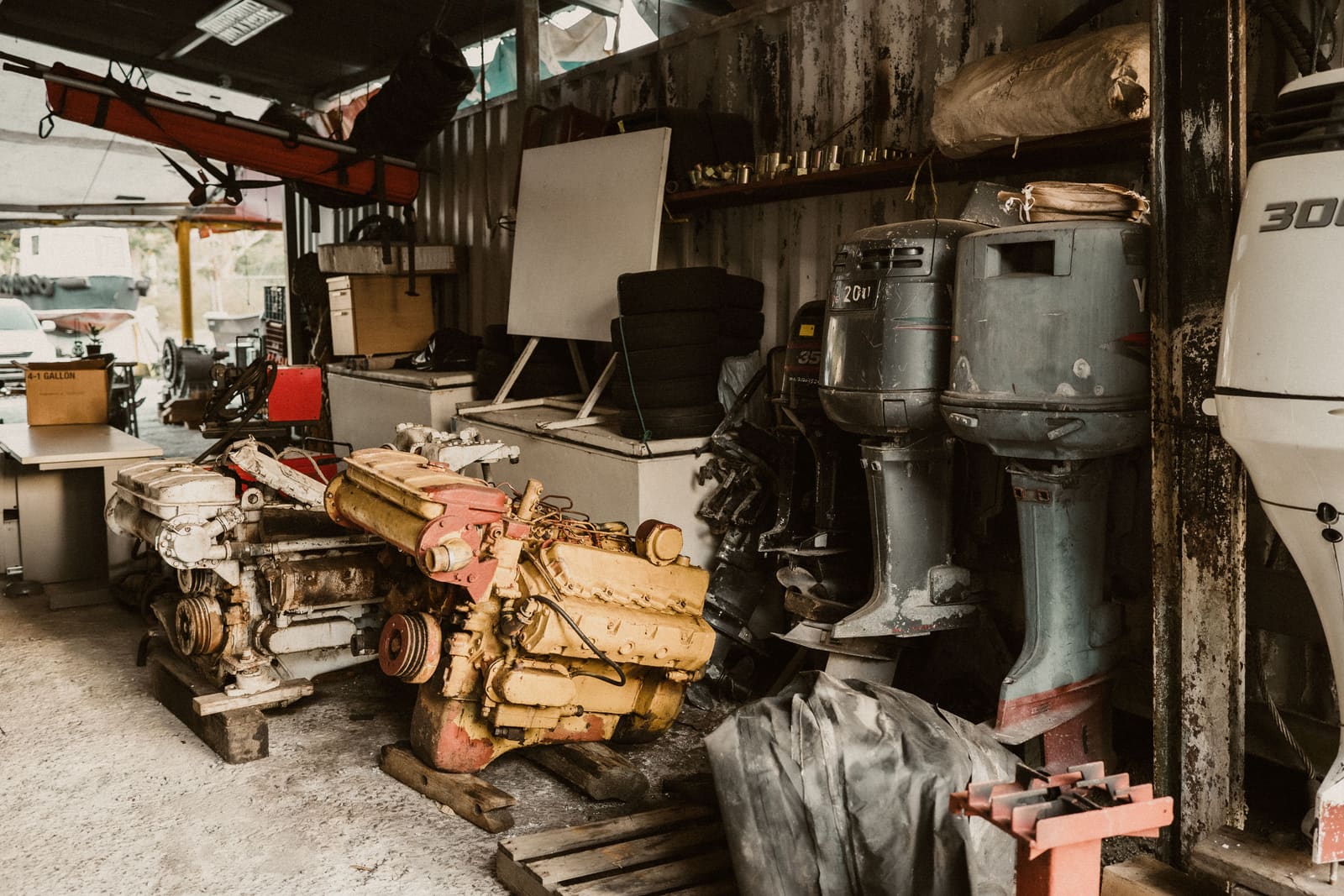
Putting a new engine on a boat you love can cost far less than a new boat, but only if the plan is right. Learn how to read the capacity plate for maximum horsepower and weight, check the transom, sort out controls, gauges and rigging, budget for the prop and the extras, and decide between a dealer installation and doing it yourself.
Four-Stroke Outboard Oil Level Rising or Smelling Like Gas: What It Means and What to Do
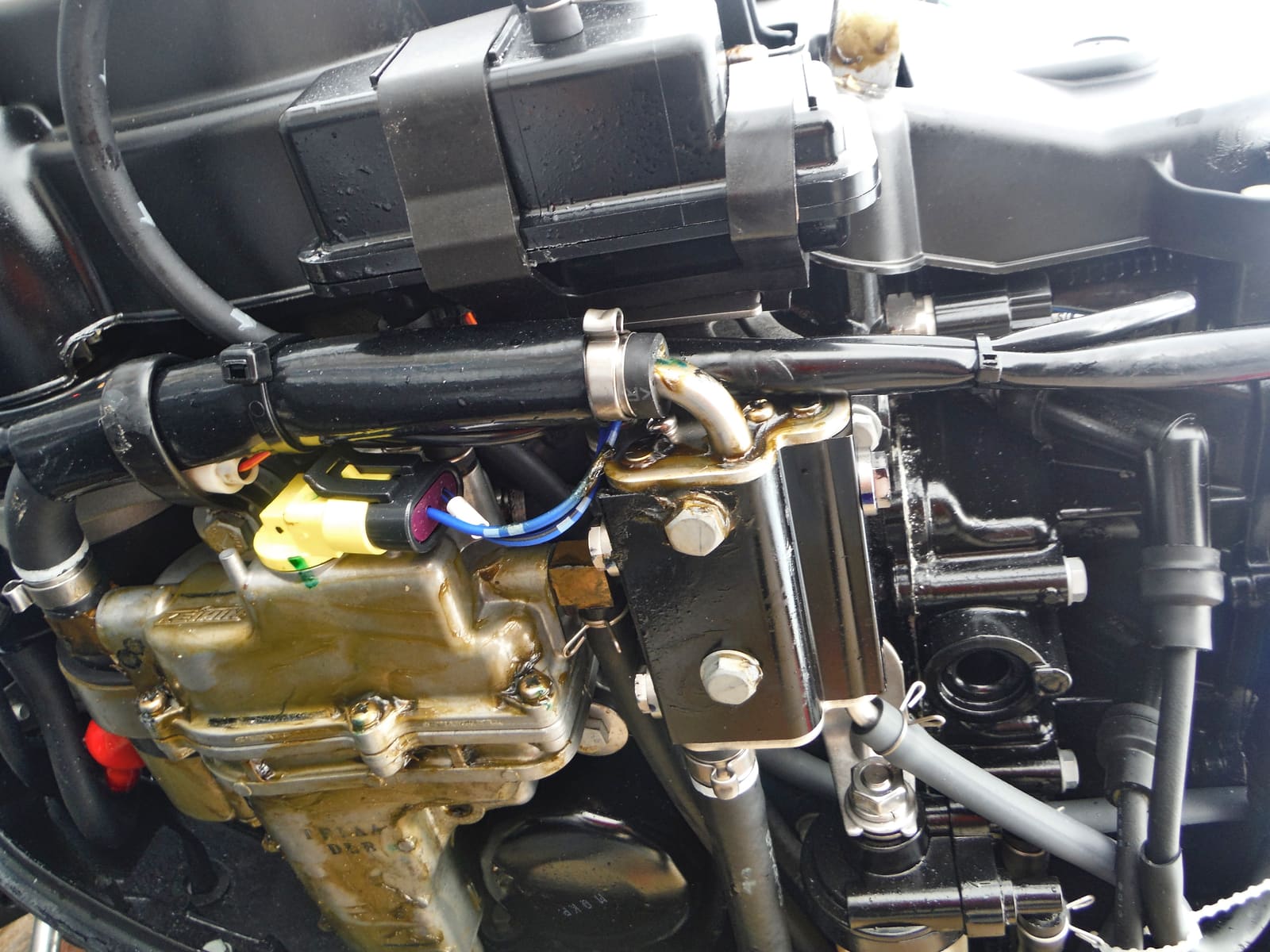
If the oil on your four-stroke outboard's dipstick keeps going up or smells like gasoline, fuel is probably getting into the crankcase. Learn how to check the level the right way, why lots of idling, trolling, short runs and cold water cause it, what you can do yourself, and when a fuel-system fault needs a dealer.