Fish Box Drains and Macerator Pumps: Clogs, Check Valves and Odor Control
Keep insulated fish boxes draining and smelling clean by clearing scale and slime clogs, checking the macerator pump, check valve and fuse, rinsing after every trip and making sure the water goes overboard instead of into the bilge.

Time
1 h
Shop would charge
$100-400
Applies to
All engines · Center console, Fishing boat
Safety first: Switch off the pump's breaker before you reach into a fish box or touch the pump: a macerator's blades can cut fingers. Some fish box drains and pumps connect to a through-hull below or near the waterline, so close the seacock (or haul the boat) before you take a hose off. If water is coming in that you cannot stop, put on life jackets and call USCG on VHF 16 or 911, then Sea Tow or TowBoatUS.
Owners often ask
- My fish box macerator hums or blows its fuse. Is the pump dead?
- How do I get the fish smell out of my fish box and its drain?
This guide walks you through it. Still stuck? Ask the AI Mechanic about your engine.
Tools
- Garden hose with a spray nozzle
- Long zip ties or a small plastic drain snake
- Soft brush and sponge
- Flat screwdriver and nut drivers
- Multimeter
- Flashlight or headlamp
- Rubber gloves
Parts & supplies
- Mild boat soap or dish soap
- Replacement check valve or flapper (if worn)
- Pump service kit or replacement pump (if needed)
- Stainless steel hose clamps
- Correct fuse for the pump circuit (size on the pump label)
- Heat-shrink connectors and marine tinned wire (if repairs are needed)
Before you start
Find out how each of your boxes drains:
- Gravity drain. Boxes above the waterline usually drain through a hose to a fitting in the hull side or transom, sometimes with a flapper or check valve on the outside so waves do not push water back in.
- Macerator or fish box pump. Boxes that sit below the waterline need a pump. Sportsman Boats, for example, fits a macerator in any of its fish boxes that is below the waterline; it grinds up scales and waste and pumps it overboard. Some boats use a diaphragm pump instead.
- Into the bilge. Some older or lower-priced boats drain boxes or deck hatches into the bilge, where the bilge pump sends it overboard. That works for rain, but fish blood and slime in the bilge cause terrible odors.
Trace each box's hose from the drain to where it leaves the boat. Find the switch, fuse or breaker, check valve and any seacock. This tells you where clogs, back-flow and smells can come from. Owners are sometimes surprised by what they find: a drain that empties into the bilge pump sump, or a hose that ends in a closed space under the deck instead of going overboard.
Troubleshoot in order. The steps start with the cheapest and most common causes.
Steps
Drain the box, then rinse it with fresh water and a mild soap and scrub off blood, slime and scales with a soft brush. Pay attention to the drain opening, lid gasket and corners. Leave the lid propped open to dry so mildew and smells do not build up. A fresh-water rinse after every trip prevents most of the problems in this guide.
Scales, small bones and bits of bait clump together and harden as they dry. Cover the drain with a strainer or screen if the box does not have one, scoop out debris before you rinse, and do not clean fish inside the box. Owners often find dried scales packed in the pump or the line when a box will not drain.
With the boat out of the water or the drain above the waterline, run a long zip tie or small plastic drain snake through the drain from the box side, then back-flush from the outside fitting with a garden hose. If the hose connects to a pump, take the hose off the pump first if you can so you do not push debris into the impeller. Skip household drain cleaners; they end up in the water and can attack hoses and fittings.
A check valve or flapper lets water out but stops sea water from flowing back into the box. If the box fills with seawater while you run, or you see water rising in it at rest, the valve may be stuck open with debris, worn or missing. Clean it, make sure it moves freely and seals, and replace it if it is cracked. If it sticks shut, the box will not drain at all.
Turn on the pump switch briefly (with a little water in the box) and listen. Silence usually means a blown fuse, a tripped breaker, a failed switch or a corroded connection. Owners often find a fuse so corroded it falls apart in the holder. With a multimeter, check for battery voltage at the pump wires with the switch on. Voltage there but no sound points to a jammed or dead pump.
When you replace a blown fuse, use the size printed on the pump label, never bigger. A BoatUS surveyor explains that if debris jams the impeller and the fuse is oversized, the stalled motor keeps drawing power, overheats and can start a fire before the fuse ever blows.
Switch off the power. Fish box macerators jam when scales, bones or line wrap around the impeller, or when the pump sat with dried gunk inside. Xylem's Jabsco video for one of its macerators shows a quick check: with power off, pop the rubber cap off the end of the motor and turn the shaft a couple of turns with a flat screwdriver to free the impeller. If the pump then runs, you are back in business; if it runs only a few seconds, the maker sells a service kit; if it will not run at all, the pump may need replacing. Your pump may differ, so check its instructions.
Macerators and impeller pumps are cooled and lubricated by the water they move. Only run the pump with water in the box, and turn it off as soon as the box is empty. Testing a dry pump on the trailer, or leaving it on after the box empties, wears out the impeller and seals.
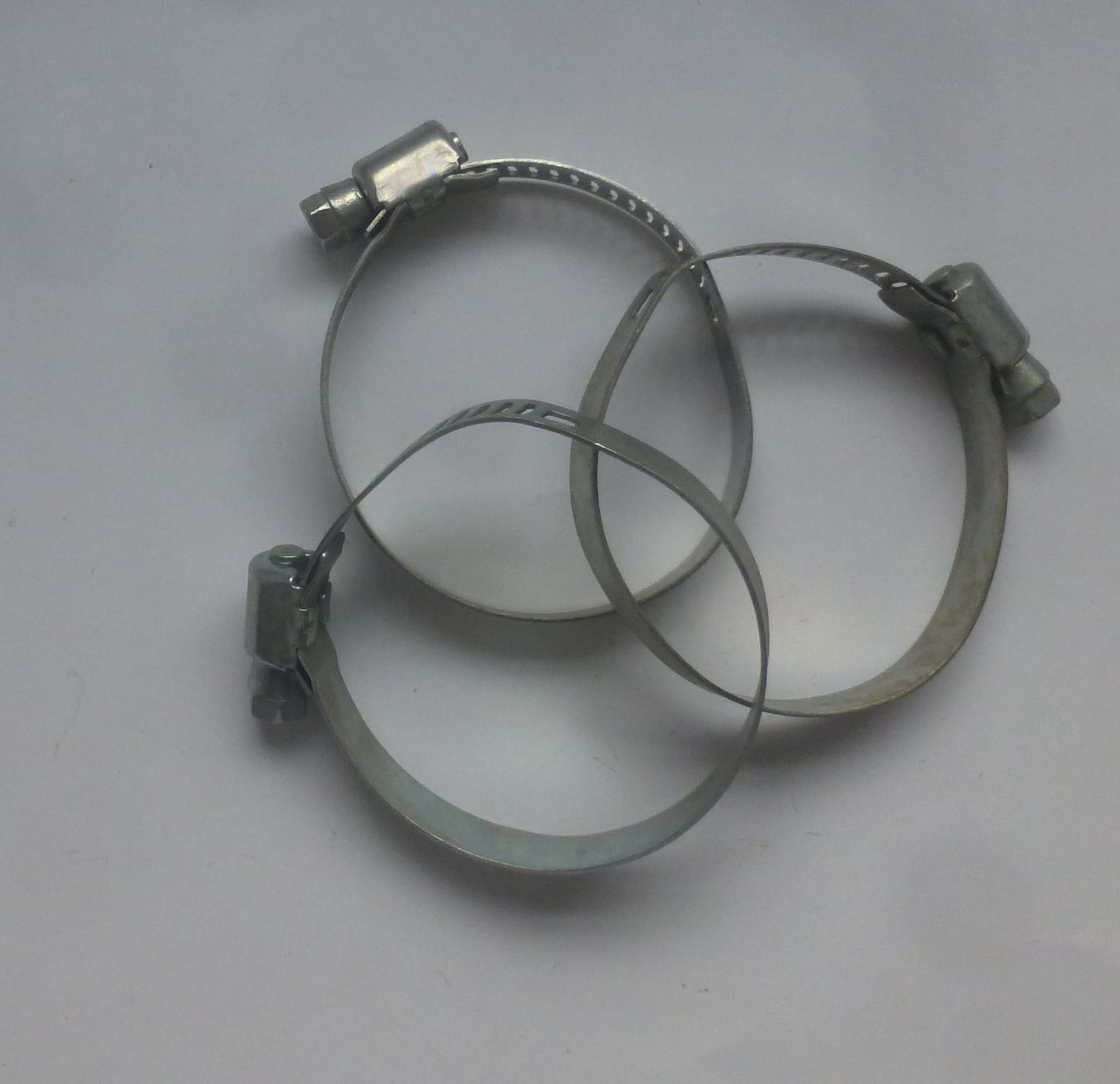
Look for kinked, collapsed or cracked hoses and loose or rusty clamps, especially on the suction side between the box and the pump; an air leak there makes the pump lose suction. Make sure the hose has no low dips where slime collects. Replace rusty clamps with stainless ones (see hose clamps).
If a box or hatch drain empties into the bilge, fish blood and slime will end up there. Passagemaker describes a boat whose hatch drains emptied into the bilge after a tuna-cleaning session: the bilge filled with a greasy, bloody soup, the smell filled the cabin and the cleanup took many buckets of soapy water. If your boat drains this way, rinse well after every fish, and ask a rigger whether the drains can be re-routed overboard.
Most odor comes from residue in the box, the drain hose, the pump body and around the lid gasket. After a thorough scrub and rinse:
- Flush the drain line with lots of fresh water and a mild soap.
- Passagemaker suggests pouring hydrogen peroxide down a smelly sump drain and letting it sit for a few hours to kill bacteria; the same idea helps a fish box drain line.
- Avoid straight bleach. Passagemaker warns it can react with some plastics, and it can harm pump parts, gaskets and the water you drain into.
- Replace a hose that stays smelly after cleaning; old hoses hold odor.
Pumping fish waste overboard is subject to local laws and marina rules. Sportsman Boats points out that discharge rules vary and many areas want waste taken ashore. Some marinas and harbors do not allow fish cleaning or fish waste discharge at the dock. Check your state and marina rules, and use fish-cleaning stations ashore where they exist.
Lake Champlain Sea Grant's clean boater fact sheet gives a simple rule of thumb: discard fish waste offshore, unless the species has length limits (then keep the fish whole until you are ashore, so it can be measured), and if you clean fish at the marina, use the designated cleaning spot and dispose of the waste the way marina staff direct. Old fishing line that ends up in the fish box goes to a tackle-shop recycling bin, not overboard.
Before storage, rinse and dry every box, prop the lids open, and run the pump briefly with fresh water then stop it when empty. If water can stay trapped in a low pump or hose in freezing weather, drain it or follow your pump maker's winterizing steps. Leave any seacock for the fish box system closed.
Common mistakes
- Letting fish slime and scales dry in the box and drain line after a trip.
- Running the macerator with the box empty, or testing it on the trailer.
- Fitting a bigger fuse because the pump "keeps blowing them" instead of clearing the jam.
- Ignoring a stuck check valve and wondering why the box fills with seawater.
- Pouring bleach or household drain cleaner into the box and drain.
- Cleaning fish so blood and guts run into a drain that empties into the bilge.
When to call a pro
- Water keeps coming into the box or bilge from the drain plumbing and you cannot find the source
- A through-hull, seacock or outside fitting leaks, is cracked or will not close
- Wires or switches are melted or the same fuse keeps blowing
- You want drains re-routed overboard, a new pump added, or a below-waterline box plumbed
- The pump needs replacing and it is hard to reach or below the waterline
Tips
- Carry a spare fuse and, if your pump allows it, a service kit or spare pump on the boat.
- Label the fish box pump switch so guests do not run it dry.
- A drain screen is cheap and saves many clogs.
- Rinse the box with fresh water at the dock before you pull the boat out, while the slime is still wet.
- Keep a dedicated brush for the fish boxes so you do not spread fish smell elsewhere on the boat.
Official references
We read these to write this guide. Your engine's own manual always wins.
- Sportsman Boats – What Are Macerator Pumps (fish box macerators)
- Xylem (Jabsco) – Macerator Blown Fuse Diagnosis (video and transcript)
- BoatUS – Avoiding Boat Electrical Mistakes (fusing pump motor circuits)
- Lake Champlain Sea Grant – Clean Boater Fact Sheet, Garbage and Fishing Waste
- Passagemaker – How to Tame a Smelly Bilge
Safety: BoatMend is for information only and does not replace a certified marine technician. You are responsible for your safety and your boat. Read the full disclaimer.
Last updated 2026-10-25
Related guides

Livewell, Baitwell and Washdown Pumps - Clean, Troubleshoot and Winterize
Find out why a livewell or washdown pump runs but moves no water, from a closed valve or clogged pickup to an airlock, then clean the system and winterize both sides of every pump so nothing cracks over the winter.
How to Clean and Maintain Shower Sump and Macerator Pumps (and Stay Legal)
The shower sump pump fights hair and soap scum every day, and the macerator empties the holding tank, but only where that is legal. Learn how to clean the sump and filter, test the float switch, avoid burning out pumps by running them dry, follow the 3-mile and no-discharge rules, and winterize both.
How to Inspect and Clear Cockpit Scuppers and Deck Drains
Most boats that sink at the dock fill up from the top, through clogged scuppers, cracked drain hoses and leaky hatches during a heavy rain. Learn how to trace every drain, clear clogs, check flappers, hoses and clamps, flood-test the cockpit and keep drains working in freezing weather.
How to Clean Your Boat's Bilge (Legally, and Without the Smell)
Get oil, sludge and debris out of the bilge without pumping pollution overboard, choose absorbents that actually work, track down bilge odors, clear limber holes and the pump pickup, and dispose of the mess the right way.
How to Wire a Bilge Pump Correctly (Automatic Float, Panel Switch and Fuse)
Wire your bilge pump so the automatic float works even with the battery switch off, the helm switch gives you a manual override, and every circuit has the right fuse, wire size and connections kept above the bilge water. A pump that is wired wrong can leave the boat unprotected exactly when nobody is aboard.

How to Inspect and Exercise Seacocks, Through-Hulls and Hose Clamps
Check every hole in your hull below the waterline, work each seacock open and closed, and inspect the hoses and clamps attached to them. A single failed fitting or hose is one of the most common reasons boats sink at the dock.
Hose Clamps on Boats: Choosing, Installing and Inspecting Them
A rusted or wrong hose clamp can sink a boat at the dock, leak fuel or let exhaust into the cabin. Learn which clamps belong on a boat (all-316 stainless, embossed band, T-bolt where needed), when to double them, how tight is tight enough, and how to find the ones that are about to fail.