How to Clean Your Boat's Bilge (Legally, and Without the Smell)
Get oil, sludge and debris out of the bilge without pumping pollution overboard, choose absorbents that actually work, track down bilge odors, clear limber holes and the pump pickup, and dispose of the mess the right way.
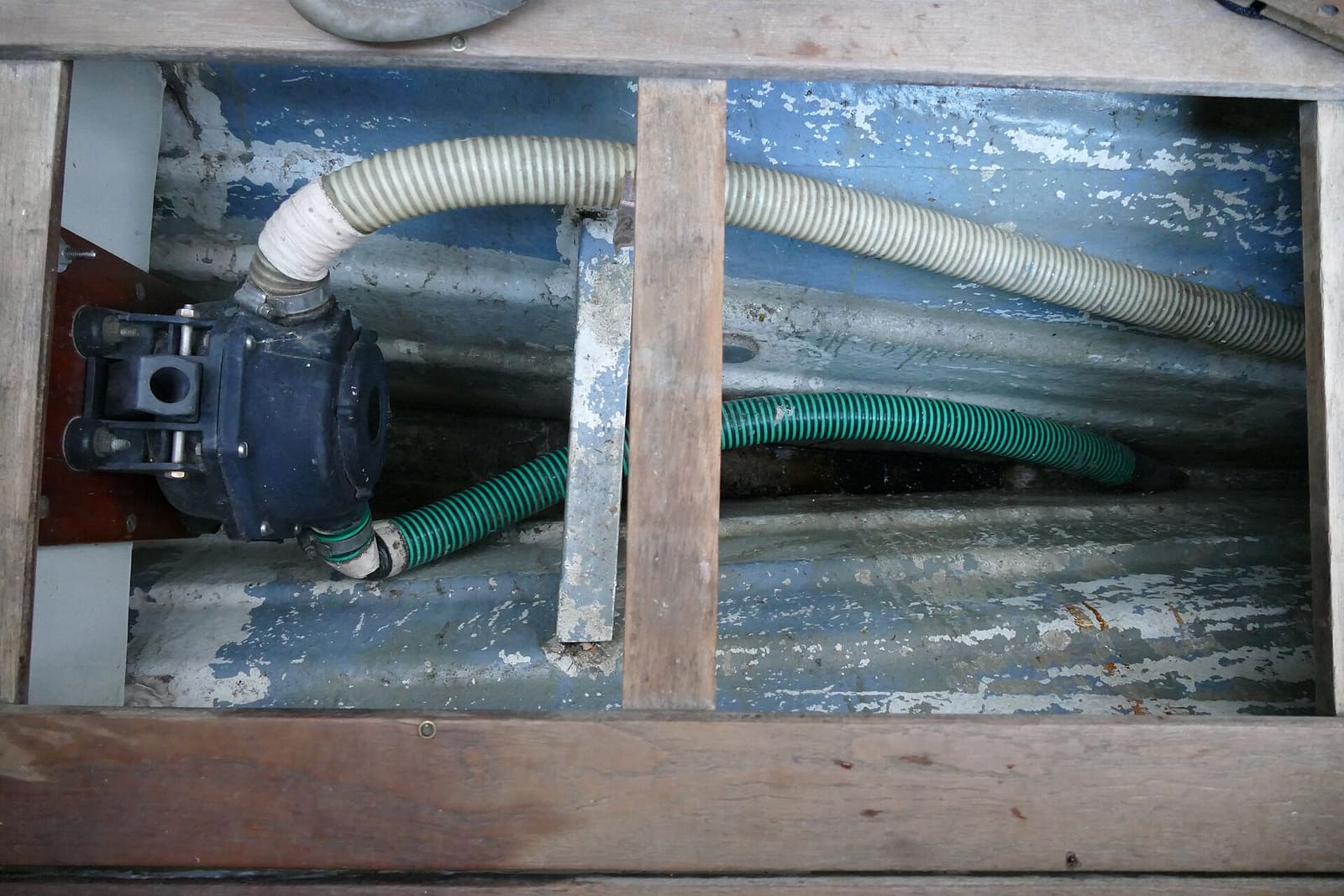
Time
3 h
Shop would charge
$150-400
Applies to
All engines
Safety first: If you smell gasoline or see raw fuel in the bilge, stop. Don't run the engine, the blower, the pumps or any electrical switch; get everyone off the boat and call a pro or the fire department (911). Gasoline vapor in a bilge can explode. On gas-engine boats, always run the blower before starting the engine. Never pump water with an oil sheen overboard: it's illegal, and a sheen in the water must be reported to the National Response Center at 800-424-8802.
Owners often ask
- Is it legal to use soap or bilge cleaner and pump it overboard?
- My bilge stinks. How do I get rid of the smell for good?
This guide walks you through it. Still stuck? Ask the AI Mechanic about your engine.
Tools
- Wet/dry shop vacuum (dedicated to the boat; empty it into a container, never overboard)
- Short- and long-handled brushes and nylon scrub pads
- Plenty of rags, plus heavy trash bags
- Sealable containers or jerry cans for oily water
- Flashlight or headlamp and an inspection mirror
- Pipe cleaner, stiff wire or a long zip tie for limber holes
- Nitrile gloves and safety glasses
Parts & supplies
- Oil-absorbent bilge pads, pillows or socks (contained, not loose powder)
- Bilge cleaner (follow the label, and only where the water can be captured)
- Mild soap for non-oily areas
- Replacement pump strainer or float switch, if damaged
Before you start
What the rules say (in plain English): it's illegal to discharge oil or oily bilge water that leaves a sheen. It's also illegal to add soap, detergent or other emulsifiers to hide the oil and then pump it out. The BoatUS Foundation puts it simply: adding anything to your bilge to mask the discharge of oil is illegal. New York Sea Grant says not to use soaps and detergents to clean up oily bilge water at all. Many bilge cleaners work by emulsifying oil, so the water they leave must be captured and disposed of ashore, even if the bottle says "biodegradable."
Best time and place: do the deep clean with the boat on a trailer or on the hard, with a way to catch everything that comes out, or at a marina with a bilge pumpout or oil-water separator. The BoatUS Foundation says liquid and spray products in the bilge are best used when the boat is on land and any discharge can be captured. On a trailer, put the drain plug over a container or drip pan, never straight onto the ground or the ramp.
Steps
Open all the hatches and look at the bilge water with a flashlight. Rainbow sheen, dark film or a fuel smell means don't pump it overboard. Note where the oil seems to come from: under the engine, the transmission, the fuel filter, the steering pump or the stern drive.
Lay oil-absorbent pads or pillows on the water to soak up the oil before you do anything else. New York Sea Grant lists this as the first step before pumping a bilge. Use contained pads or socks, not loose powder or granules, which the BoatUS Foundation warns can clog your bilge pump.
Once the oil is soaked up and the water is clean, you can pump it normally. If there's still any sheen, remove it with the wet/dry vacuum or a hand pump into sealed containers for disposal ashore, or use your marina's bilge pumpout. Pick out debris by hand: leaves, zip-tie ends, hair, fishing line and bits of food.
PassageMaker's advice is to scrub by hand first rather than flooding the bilge with soapy water, which just spreads oil residue over more surfaces. Work one small area at a time: spray, brush, wipe, dry. Use rags and change them often. Wear gloves; bilges are full of sharp clamp edges and zip-tie ends.
If grime is stubborn, a bilge cleaner can help, but follow the label exactly and plan where the dirty water will go: into containers or an approved shore facility, never overboard. Rinse with fresh water, and capture that rinse water too.
About "pour in, go for a run, pump out" labels: some bilge cleaners, Star brite's Heavy Duty Bilge Cleaner among them, tell you to pour the product in, run the boat for an hour or more so the motion scrubs the bilge, then drain or pump it out. Star brite's own directions also say to soak up any fuel or oil with an absorbent first. Do that, and plan the "pump out" step for a pumpout station or containers ashore: once the cleaner has emulsified oil, the water can still carry it overboard even if you can't see a sheen.
BoatTEST notes that the key to an odor-free bilge is a dry one. Vacuum out the last of the water, wipe down with rags, and leave hatches open to air it out. Look for any standing water that isn't draining.
Limber holes are the small drain holes through stringers and frames that let water flow to the lowest point where the pump sits. Sailors for the Sea advises keeping them clear. Push a pipe cleaner, stiff wire or a long zip tie through each one to clear debris. If a hole is blocked by something you can't remove, or water is trapped in a section, get it sorted before the next trip.
Lift out or reach the bilge pump. Clean hair, sand and debris off the strainer or intake screen. Lift the float switch by hand (or use the test button) and make sure the pump runs and the switch moves freely. Wipe off any oily film from the float; oil can make it stick. If you switched the pump off or to manual so it wouldn't pump dirty water during the clean, BoatUS reminds owners to put it back on automatic when you're done. Tie a tag on the switch as a reminder. A BoatUS article on bilge care suggests repeating this pump-and-switch check about monthly from the helm switch, since debris in the float, sensor or pump housing is what stops a pump from working at full capacity.
Odors usually come from something feeding the bilge, not the water itself. Check:
- Shower and icebox drains that empty into the bilge instead of a sump (BoatTEST suggests plumbing them into a sump)
- Gray water sumps that are full or have a dead pump
- Head hoses that let odor through (PassageMaker's cloth test: drape a clean cloth over the hose, leave it a while, then sniff it)
- The anchor locker with a wet rode or mud
- Fish boxes or hatch gutters draining into the bilge
- Old fuel or oil dripping from a filter or fitting
PassageMaker suggests hydrogen peroxide in sumps and the bilge to kill bacteria, and warns against straight bleach, which can react with some plastics down there.
Fix the leaks you found: a dripping stuffing box, a loose hose clamp, an oil leak under the engine, a leaky deck fitting or hatch. Look for rust on clamps and engine mounts as a sign of constant moisture. A dry bilge stays clean much longer.
Place an oil-absorbent pad under the engine and an absorbent sock in the bilge, as Sailors for the Sea and the Virginia Clean Marina Program recommend. Secure them so they can't drift into the pump or float switch. In the BoatUS Foundation and Duke Marine Lab test of 21 products, many didn't work well and some were toxic, so choose a contained product with good test results and replace it when it's saturated.

Absorbent booms from an oil spill cleanup, made like a bilge sock and fully saturated. When yours turns dark like this, it has stopped working: bag it and dispose of it as step 12 explains. Photo: Greg Thompson, USFWS / Wikimedia Commons · Public domain Used pads, oily rags and containers of oily water are hazardous waste in many places. Take them to your marina's oil recycling station or a local household hazardous waste collection site; ask your marina or town what's accepted. The BoatUS Foundation notes that in many areas, absorbents dripping oil must go to hazardous waste, while ones that fully lock in the oil may go in regular trash, depending on local rules.
Ventilation keeps the bilge dry and fresh. After a wash or a rainy day, open the engine hatch and lockers for a while so air can flow through. Log the bilge clean in BoatMend and check the bilge, pads and pump at every outing.
Common mistakes
- Squirting dish soap into an oily bilge. It doesn't remove the oil; it breaks it into tiny droplets that go overboard. It's illegal and harmful to marine life.
- Pumping a sheen overboard "just this once." Fines can be serious, and the sheen has to be reported.
- Trusting "biodegradable" bilge cleaners. The emulsified oil in the water isn't biodegradable just because the soap is.
- Loose absorbent powder in the bilge. It clogs the bilge pump.
- Masking the smell with deodorizers. Find and fix the source instead.
- Letting pads float free. They jam the float switch and the pump can't turn on when you need it.
When to call a pro
- You smell gasoline or see raw fuel anywhere in the bilge (stop, ventilate, no switches, call for help)
- Oil keeps coming back from the engine, drive, transmission or steering after cleaning
- Water keeps coming in and you can't find the source (see the guide on a boat taking on water)
- A large amount of oil or fuel has already gone into the water (call the National Response Center and your marina)
- The bilge pump or float switch doesn't work or the wiring is corroded
Tips
- Keep a spare bilge sock and a few pads aboard; swap them when they look dark.
- A clean, light-colored bilge makes new leaks easy to spot.
- Wipe up drips during every oil change so they never reach the bilge.
- Check where every hatch, cooler and shower drain really goes on your boat.
- One BoatUS writer's family towels out the engine bilge after every trip: it keeps humidity (and rust on engine parts) down and makes any new oil or water drip obvious right away.
- If you leave bilge hatches open to air out a stored boat, BoatUS suggests a note on the cabin door so nobody steps into the open hole in the dark.
Official references
We read these to write this guide. Your engine's own manual always wins.
- BoatUS Foundation – Oil Spill Product Tests
- New York Sea Grant – Marina Pollution Prevention, Bilge Cleaning
- Sailors for the Sea – Bilge Maintenance
- Virginia Clean Marina Program (VIMS) – Clean Boating Tips
- Star brite – Heavy Duty Bilge Cleaner (product directions)
- BoatTEST – How to Battle Bilge Odors
- PassageMaker – How to Tame a Smelly Bilge
- BoatUS – Boat Cleaning Tips (cleaning a dirty bilge)
- BoatUS – Keep Your Bilge Beautiful
- BoatUS – Preventing Mold And Mildew
Safety: BoatMend is for information only and does not replace a certified marine technician. You are responsible for your safety and your boat. Read the full disclaimer.
Last updated 2026-10-24
Related guides

Oil or Fuel in the Bilge: Safe, Legal Cleanup
What to do when you find oil, diesel or gasoline in your bilge. Soak it up with oil-only absorbents, keep it from being pumped overboard, dispose of it properly, report any sheen on the water to the National Response Center, and find the leak so it does not happen again.
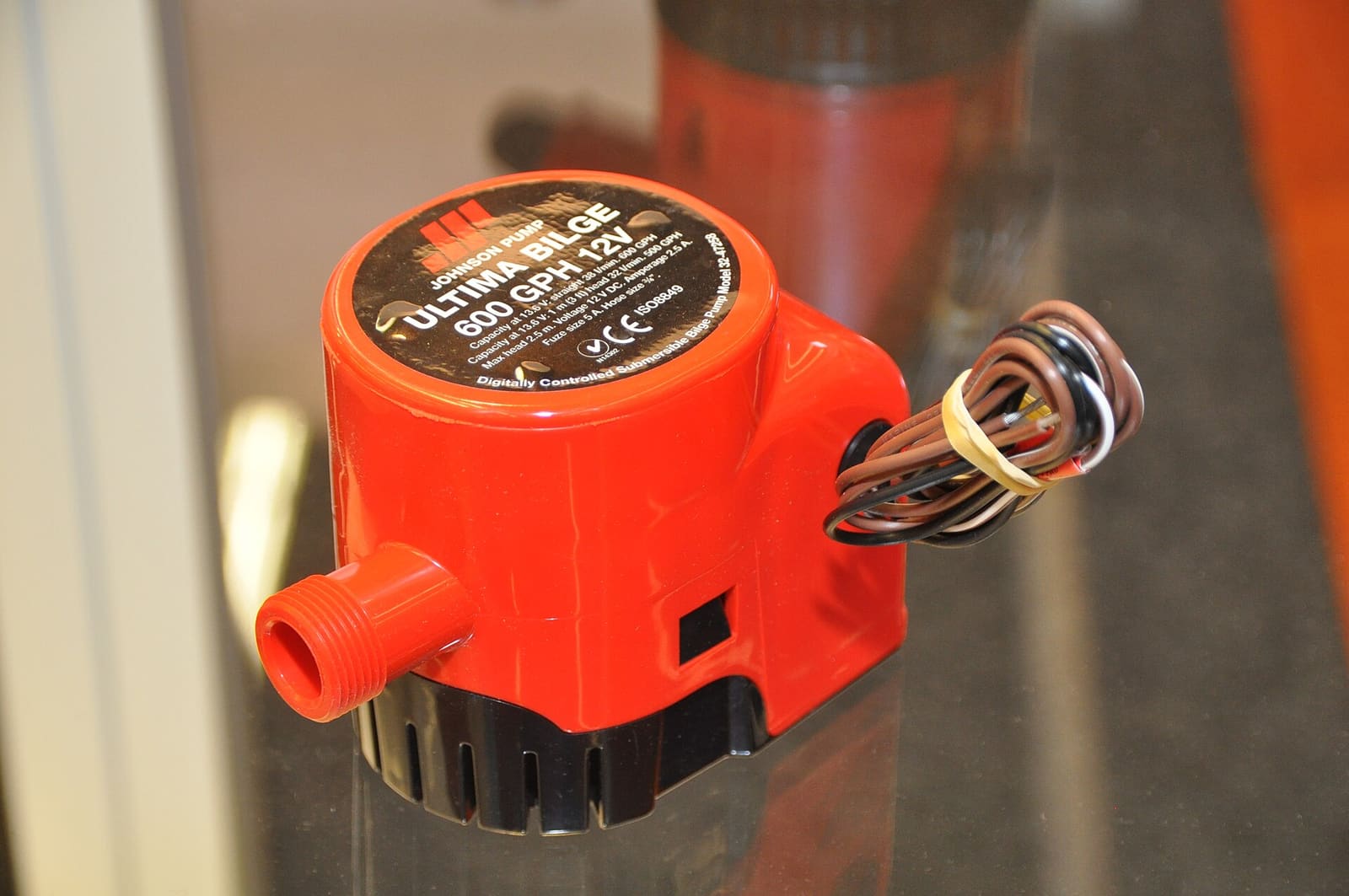
How to Test and Clean Your Bilge Pump and Float Switch
Make sure your bilge pump actually moves water overboard, both on the manual switch and automatically through the float switch. A working bilge pump is one of the most important safety systems on any boat that stays in the water.

Bilge Blower and Engine Compartment Ventilation on Gas Inboards and Sterndrives
Learn why gas boats have a "run the blower 4 minutes" label, how to check that the blower and vent ducts actually move air out of the engine compartment, and how to replace a blower safely with an ignition-protected marine unit.
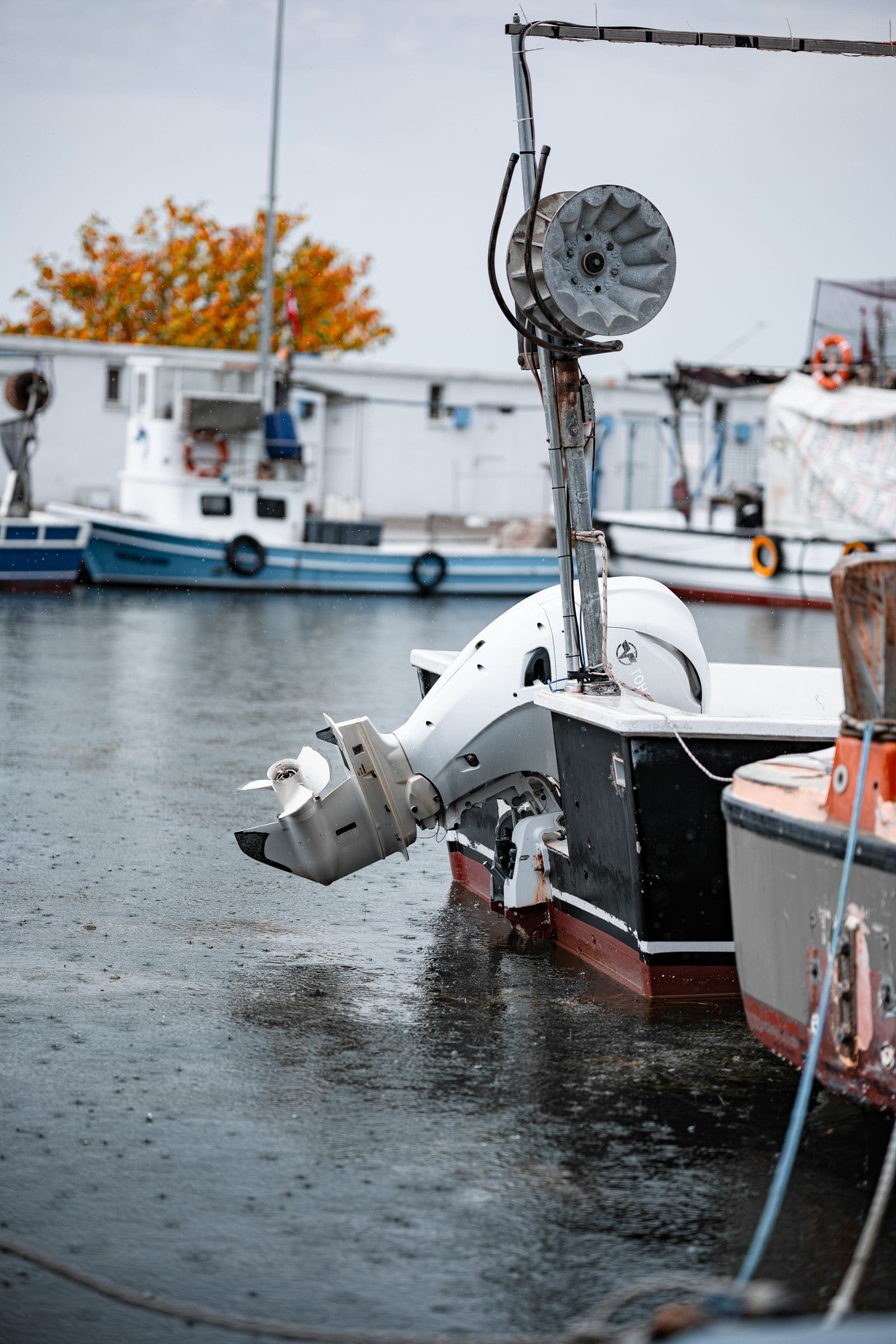
How to Install a Backup Bilge Pump and High-Water Alarm
Add a second, larger automatic bilge pump mounted above the primary, with its own overboard discharge and a loud high-water alarm wired so it works even with the battery switch off, then test it every month so it buys you real time if the boat starts taking on water.
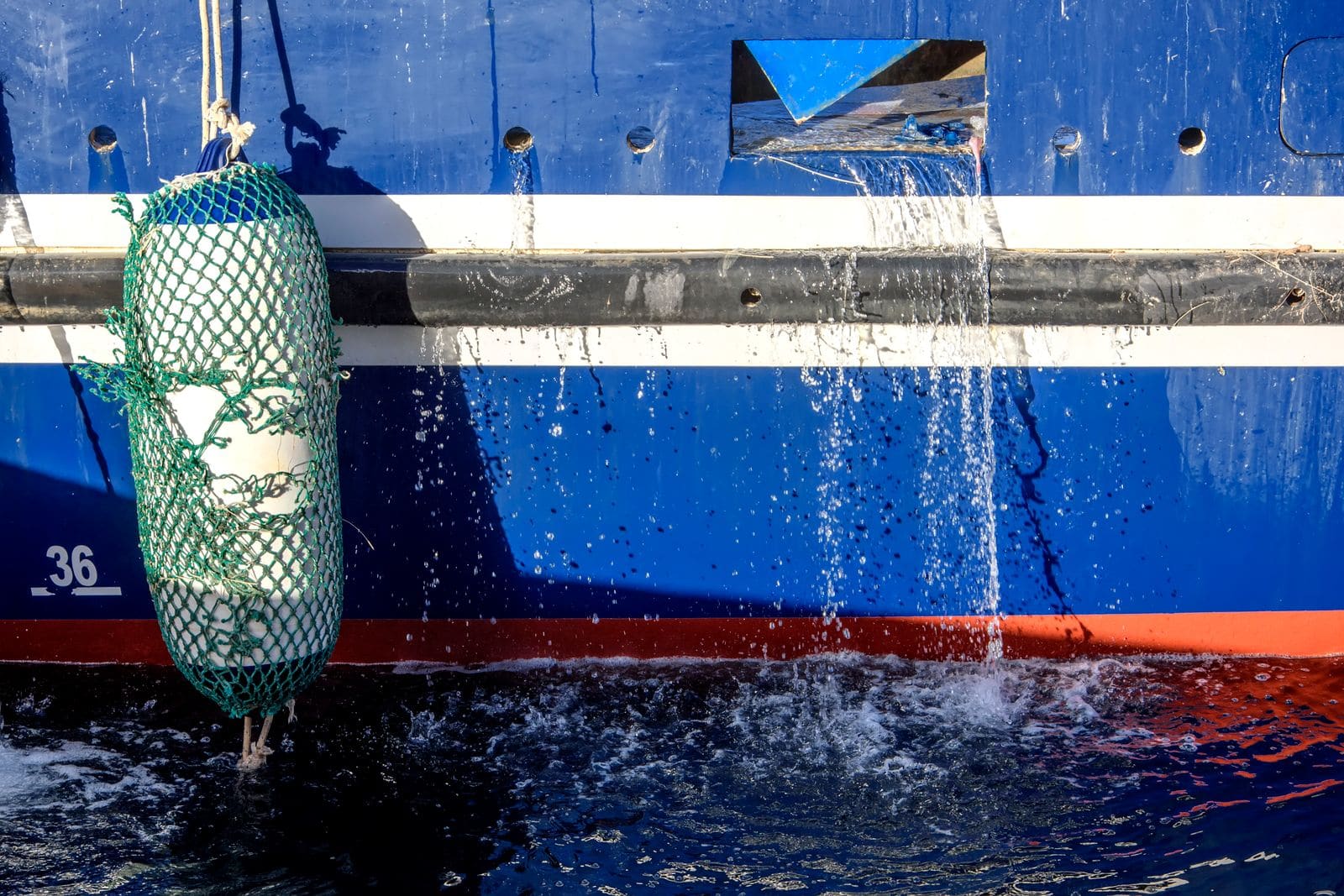
How to Wire a Bilge Pump Correctly (Automatic Float, Panel Switch and Fuse)
Wire your bilge pump so the automatic float works even with the battery switch off, the helm switch gives you a manual override, and every circuit has the right fuse, wire size and connections kept above the bilge water. A pump that is wired wrong can leave the boat unprotected exactly when nobody is aboard.
Marine Head and Holding Tank Care: Odors, Clogs, Pump-Outs and Winterizing
Keep your boat's toilet and holding tank working and odor-free, clear common clogs, pump out the right way, and winterize the system. Also covers the Y-valve and the federal no-discharge rules every owner with a head needs to follow.
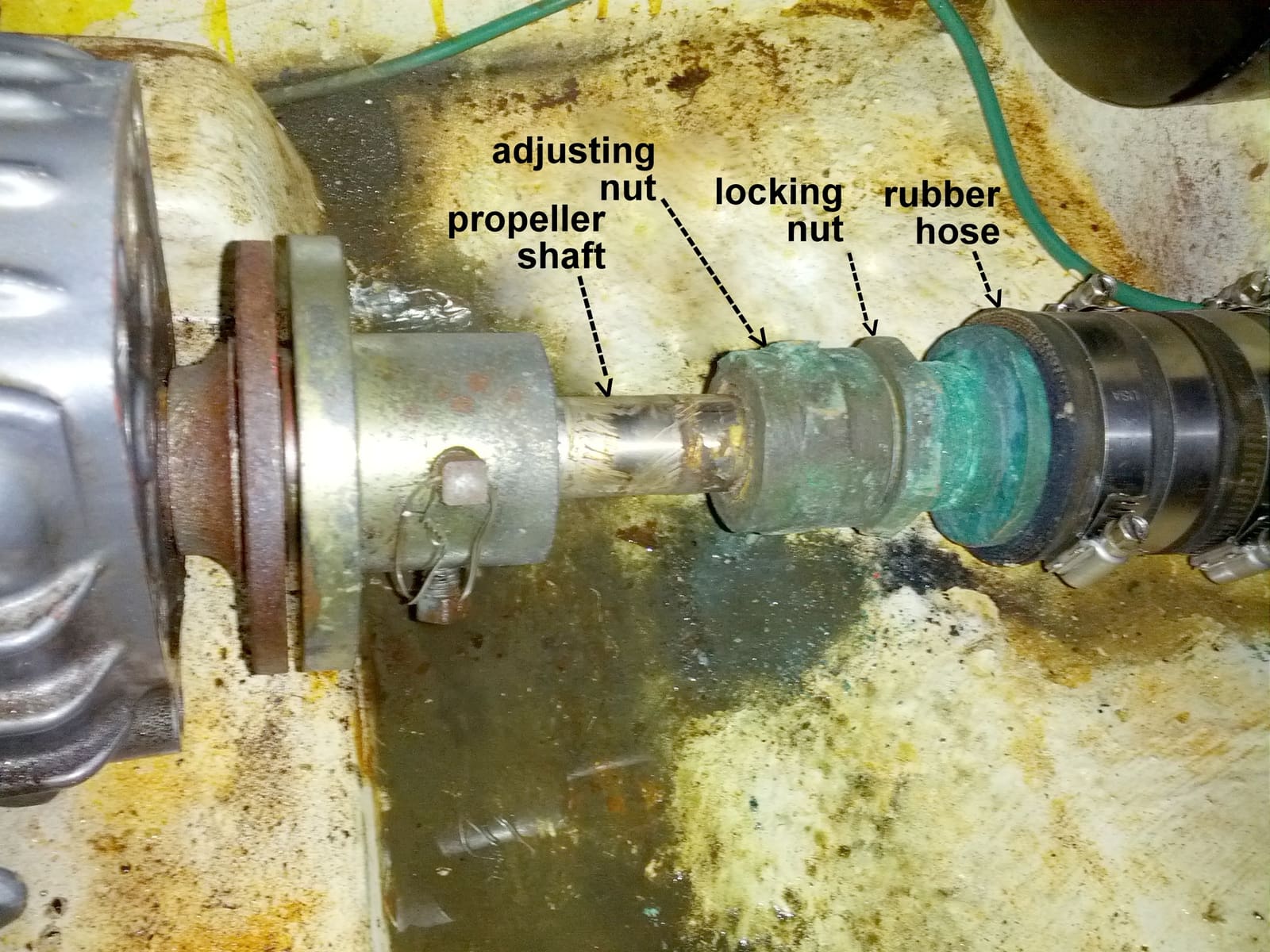
How to Check, Adjust and Repack a Stuffing Box (and Care for a Dripless Shaft Seal)
Learn the right drip rate for a traditional packing gland, how to adjust it safely, when to repack it, and how to inspect and service a dripless shaft seal. The shaft seal is one of the few holes in an inboard boat that moves, and a neglected one can sink a boat at the dock.
How to Clean and Maintain Shower Sump and Macerator Pumps (and Stay Legal)
The shower sump pump fights hair and soap scum every day, and the macerator empties the holding tank, but only where that is legal. Learn how to clean the sump and filter, test the float switch, avoid burning out pumps by running them dry, follow the 3-mile and no-discharge rules, and winterize both.
What to Do When Your Boat Is Taking On Water: Emergency Steps and Prevention
A step-by-step emergency plan for water coming into the boat - life jackets on, call for help early on VHF 16, find and slow the leak, pump, and head for shallow water if needed - plus the maintenance checklist that prevents most sinkings.