Oil or Fuel in the Bilge: Safe, Legal Cleanup
What to do when you find oil, diesel or gasoline in your bilge. Soak it up with oil-only absorbents, keep it from being pumped overboard, dispose of it properly, report any sheen on the water to the National Response Center, and find the leak so it does not happen again.

Time
1 h
Shop would charge
$100-500
Applies to
All engines
Safety first: Gasoline in the bilge is a fire and explosion hazard. If you smell gasoline or see liquid gasoline, shut off the engine, do not start anything or flip any electrical switch, put out any flame or cigarette, and get everyone off the boat. At the dock, call 911; on the water, call the Coast Guard on VHF channel 16. Diesel and engine oil are far less likely to ignite, but still keep heat and sparks away. Never shut off the bilge pump if the boat is taking on water.
Owners often ask
- There is oil in my bilge. Can I use dish soap and pump it out?
- I found diesel in the bilge. How do I clean it up and get rid of the pads?
This guide walks you through it. Still stuck? Ask the AI Mechanic about your engine.
Tools
- Nitrile gloves and safety glasses
- Flashlight
- Heavy-duty plastic bags (and a metal can with a lid for gasoline-soaked material)
- Bucket or sealed container for oily water
- Rags and paper towels
Parts & supplies
- Oil-only absorbent pads (they soak up oil and fuel but not water)
- Absorbent bilge pillows or bilge socks
- Small absorbent boom (useful to keep aboard for spills on the water)
Before you start
The rules in plain English: under the Clean Water Act it is illegal to discharge oil or fuel that leaves a film, sheen or discoloration on the water (40 CFR 110.3). That includes pumping oily bilge water overboard. Federal rules also say chemical agents may only be used on discharged oil with Coast Guard approval, and BoatUS puts it simply: adding soaps, dispersants or emulsifiers to your bilge and pumping them overboard is illegal. Boats 26 feet and longer must post a "Discharge of Oil Prohibited" placard in the engine space or at the bilge pump switch (33 CFR 155.450).
Who to call: if any oil or fuel reaches the water and leaves a sheen, report it to the National Response Center at 1-800-424-8802. The EPA describes it as the federal reporting center, staffed around the clock by Coast Guard personnel. Also tell the marina office, and your state may have its own reporting line.
Why no soap: dish soap does not make oil go away. Sailors for the Sea explains that it breaks the oil into tiny droplets that spread out and are much harder to contain, and dish soap is itself toxic to marine life. It also ruins absorbent pads.
Steps
Smell it and look at it, from a safe position:
- Gasoline: sharp, strong fuel smell, thin and clear or slightly colored. Follow the safety note above first.
- Diesel: oily fuel smell, thin, often reddish or amber.
- Engine or gear oil: thicker, brown or black. Gear lube smells strongly of sulfur.
- Hydraulic or transmission fluid: often red or pink and thin.
What it is tells you where to look for the leak later.
If the boat is not taking on water, switch the automatic bilge pump to off while you clean up, so the float switch does not pump oil out of the boat. Put a note on the helm ("Bilge pump OFF") so you remember to turn it back on before you leave. If water is coming in, leave the pump on and call for help; safety comes before the spill.
A rainbow or silvery film around the boat means oil already got out.
- Call the National Response Center (1-800-424-8802) and the marina office.
- Be ready to say where you are, what spilled, roughly how much, what it looks like and when it happened.
- The NRC is staffed around the clock by Coast Guard personnel, but it is a reporting center, not a cleanup crew: it passes your report to the EPA or Coast Guard, who decide whether a response is needed. Calling it does not replace containing what you can and telling the marina.
- If you have an absorbent boom or pads aboard, lay them on the water to soak up the film. BoatUS notes you can start with contained absorbents while you wait for instructions, as long as you recover them and dispose of them properly.
- Do not add soap or any "spill dispersant" product to the water.
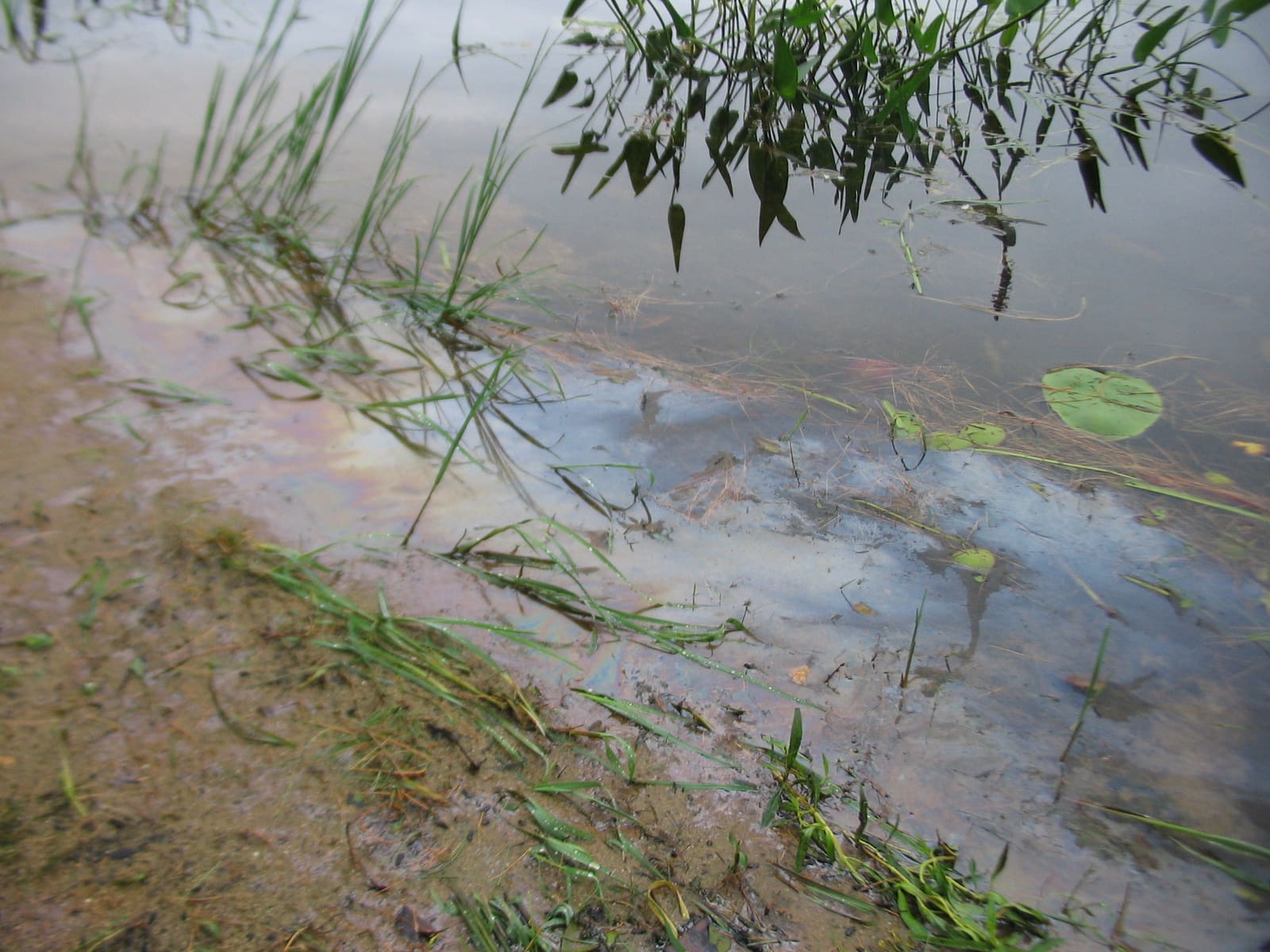
A rainbow or silvery film like this on the water is a sheen. Discharges that cause one must be reported to the National Response Center. Photo: Jomegat / Wikimedia Commons · CC BY-SA 3.0 Use oil-only absorbent pads (sometimes labeled "oil-only" or "hydrophobic"). They pick up oil and fuel and leave the water behind, so you are not wasting pads on bilge water.
- Lay pads flat on the oil and let them sit a minute or two.
- Lift each pad straight into a plastic bag. Do not wring it out into the bilge or overboard.
- Use fresh pads until they come up clean.
- In a deep sump, drop in an absorbent pillow or sock and leave it to collect the rest.
If there is more oil than pads can handle, or a lot of oily water, do not pump it out of the boat. Sailors for the Sea suggests removing it at a bilge pumpout station. Many marinas have one, and some offer a bilge cleaning service. You can also pump or bail the oily water into sealed containers and take them to a used oil collection site that accepts oily water. Ask first.
Used pads, socks and pillows are oily waste. Discard them as your state and local rules require. Many marinas, oil change shops and household hazardous waste sites accept them. Do not throw them in the marina dumpster unless the marina says it is allowed.
- Diesel or oil pads: double-bag them and keep them out of the sun until disposal.
- Gasoline pads: they give off flammable vapor. Keep them outside the boat in a closed metal can, away from heat and sparks, and take them to a hazardous waste site.
After the pads, a thin film usually remains. Wipe it with more pads or rags. If you use a bilge cleaner product, treat the bilge water afterward as oily water: it still must not be pumped overboard. Remember that a cleaner that makes oil "disappear" is only mixing it into the water.
When the bilge is clean, switch the bilge pump back to automatic and test it with clean water. A working bilge pump matters far more than a spotless bilge.
Dry the engine area and bilge, put a clean white pad or paper towels under the engine, run the engine (with cooling water and good ventilation) and look for fresh drips. Common sources:
- Oil filter not tight, or a double gasket after an oil change
- Oil drain hose or plug, valve cover gasket, oil pressure sender
- Transmission or V-drive cooler lines and seals
- Spills during an oil change that ran down into the bilge
Fuel in the bilge is more serious than oil because it means a fuel system leak. Look at:
- Fuel filters and water-separator bowls and their drain valves
- Fuel hoses and clamps, especially at the tank, the filter and the engine
- Diesel injector lines and return lines
- The tank fill and vent hoses
If you find a fuel leak, or cannot find the source of a fuel smell, do not run the engine. Have a marine mechanic fix it before you use the boat.
Hydraulic steering, power trim pumps inside the boat, the generator, and hydraulic hoses for trim tabs can all leak into the bilge. Match the color and smell to the fluid you found in step 1.
On sterndrives and inboards with power steering, a common culprit that owners report is the power steering hose, usually where the crimped metal ends rust, or a corroded fluid cooler. With the engine running and cooling water supplied, have a helper turn the wheel lock to lock while you watch the hoses, the pump and the steering cylinder with a flashlight, keeping your hands and hair well clear of belts and pulleys. Mark the reservoir level so you can tell whether it keeps dropping. If the steering gets heavy or the level falls fast, get it repaired before the next trip (see the sterndrive power steering guide).
- Keep an oil-absorbing bilge sock under the engine, secured so it cannot block the bilge pump intake or float switch, as BoatUS advises.
- Put an absorbent pad under the oil filter and in a drip pan during oil changes.
- Change oil with an extraction pump and a bag over the filter.
- Consider a bilge oil filter or oil/water separator that cleans the water before the pump discharges it.
- Replace the bilge sock when it is saturated, and dispose of it properly.
Common mistakes
- Squirting dish soap into the bilge "to break it up," then pumping it overboard. It is illegal and makes the spill worse.
- Letting the automatic bilge pump run while there is oil in the bilge.
- Using regular household absorbents or general-purpose pads that soak up water and fill up in seconds.
- Throwing gasoline-soaked pads in the trash or leaving them in a closed boat.
- Not reporting a sheen because "it was only a little."
- Cleaning up and never finding the leak.
- Laying a bilge sock where it can jam the bilge pump float switch.
When to call a pro
- You smell gasoline or find fuel in the bilge and cannot find the source
- Any fuel hose, fitting or tank is leaking
- More oil than you can safely soak up, or oil keeps reappearing after cleanup
- Oil or fuel has reached the water and the marina or authorities need a spill response
- The engine is losing oil fast or the leak is from a part you cannot reach
Tips
- Keep a small spill kit aboard: a pack of oil-only pads, a bilge sock, a few bags and a short absorbent boom.
- Save the National Response Center number (1-800-424-8802) in your phone and in your BoatMend boat profile.
- A white absorbent pad under the engine is a cheap leak detector; check it at every trip.
- Some marinas, especially those in state Clean Marina programs, stock bilge socks or collect used ones. Ask your marina office.
Official references
We read these to write this guide. Your engine's own manual always wins.
- EPA – Oil Discharge Reporting Requirements (National Response Center)
- eCFR – 40 CFR 110.3, discharges of oil that may be harmful (sheen)
- eCFR – 33 CFR 153.305, methods for removing discharged oil
- eCFR – 33 CFR 155.450, oil discharge placard
- BoatUS Foundation – Oil Spill Product Tests
- Sailors for the Sea – Bilge Maintenance
- U.S. Coast Guard – National Response Center
Safety: BoatMend is for information only and does not replace a certified marine technician. You are responsible for your safety and your boat. Read the full disclaimer.
Last updated 2026-10-24
Related guides
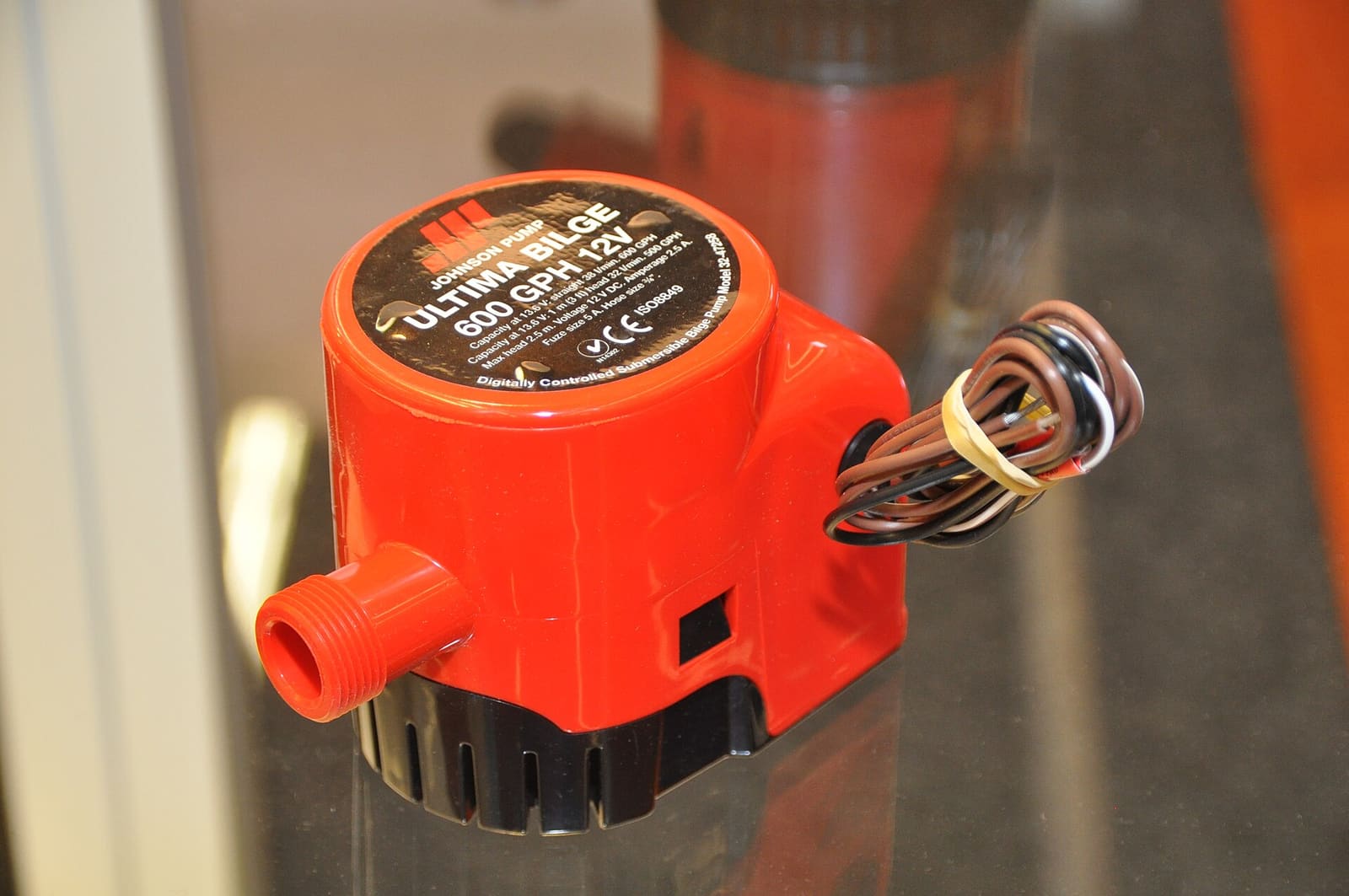
How to Test and Clean Your Bilge Pump and Float Switch
Make sure your bilge pump actually moves water overboard, both on the manual switch and automatically through the float switch. A working bilge pump is one of the most important safety systems on any boat that stays in the water.
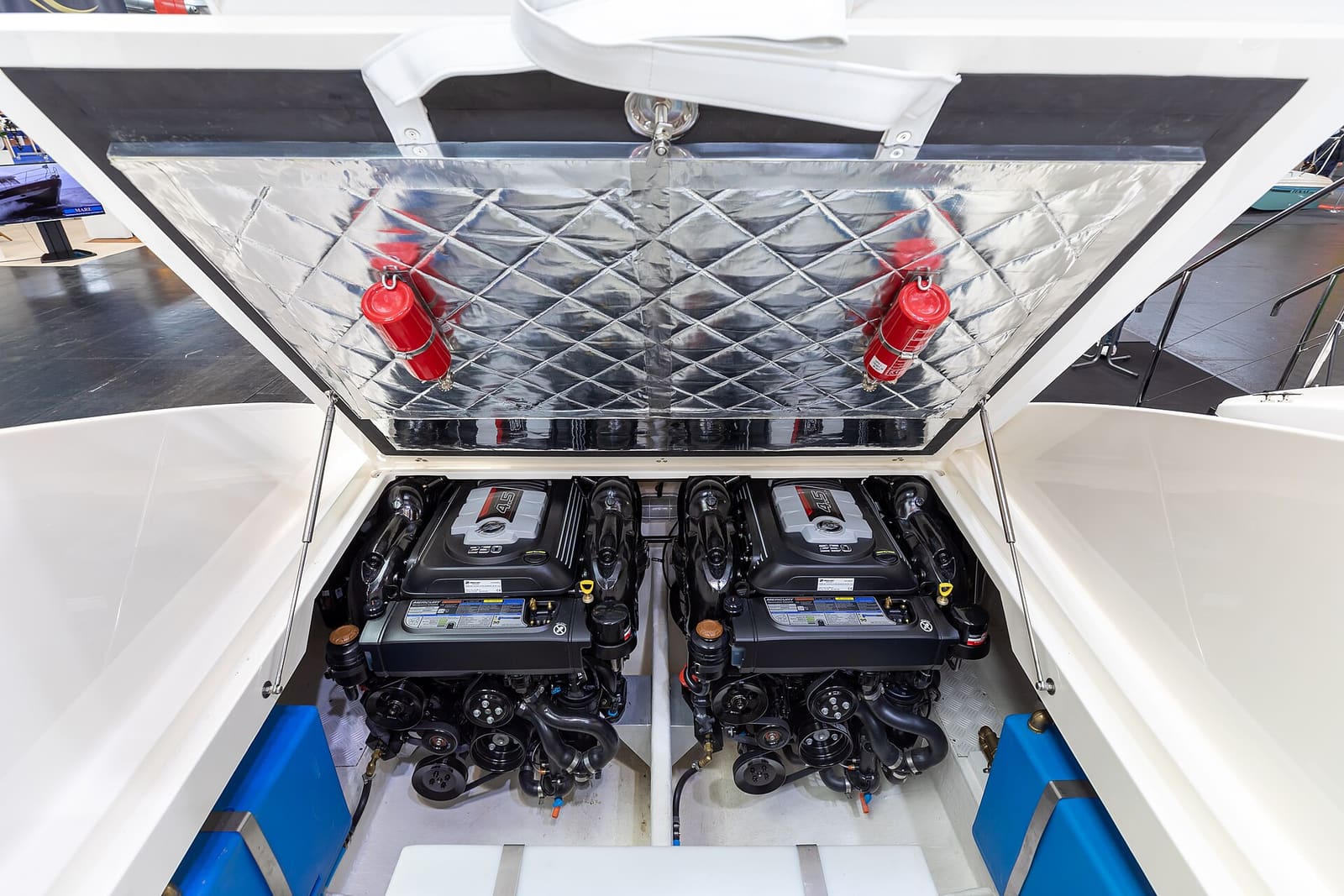
Bilge Blower and Engine Compartment Ventilation on Gas Inboards and Sterndrives
Learn why gas boats have a "run the blower 4 minutes" label, how to check that the blower and vent ducts actually move air out of the engine compartment, and how to replace a blower safely with an ignition-protected marine unit.
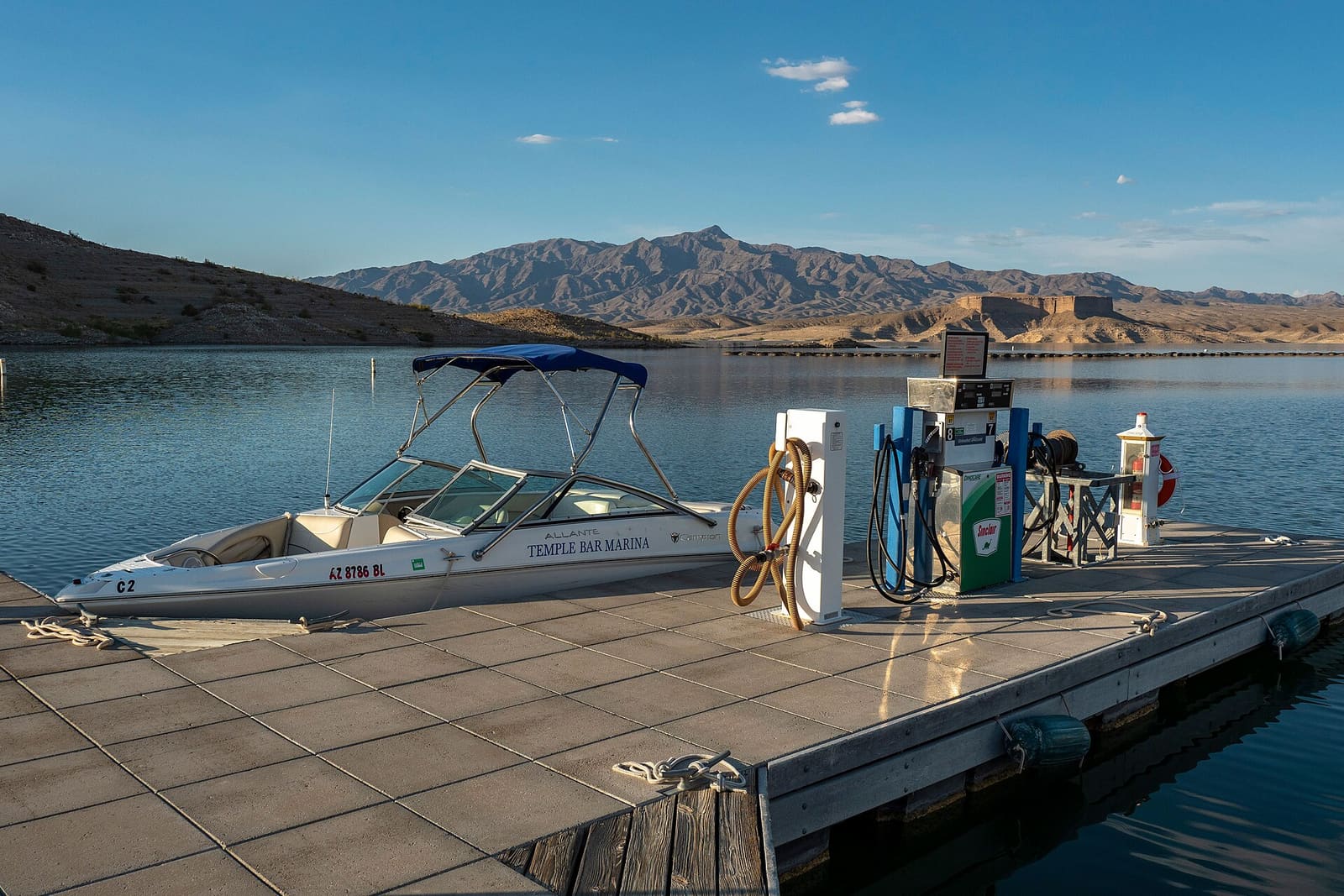
How to Refuel a Boat Safely (Gas Dock, Gas Station and Portable Tanks)
A step-by-step fueling routine that keeps gasoline vapor out of your bilge and fuel out of the water: shut everything down, close up, keep the nozzle in contact, stop short of full, ventilate, run the blower and sniff before you start. Includes portable tanks, personal watercraft and what to do about a spill.
How to Inspect Your Boat's Fuel Tank, Fill, Vent and Hoses
A leaking gas tank is one of the most dangerous problems a boat can have, and it usually starts out of sight. Learn how to inspect portable and built-in tanks, spot aluminum tanks corroding from below, know the ethanol risk for old fiberglass tanks, and check the fill, vent, hoses, clamps and sender, plus why tank replacement is a job for a pro.
Marine Diesel Service: Oil Change, Fuel Filters and Bleeding Air
Change the oil and oil filter, replace the primary and secondary fuel filters, and bleed air from the fuel system on a Yanmar, Volvo Penta, Beta, Cummins or similar marine diesel. These three skills cover most routine diesel care and can get you out of trouble when the engine dies on a passage.
How to Change the Oil and Filter on a 4-Stroke Outboard
Drain the old oil, swap the filter and refill with the right marine oil on your 4-stroke outboard. It is the most common service job, takes about an hour, and costs a fraction of the dealer price.
Sterndrive Power Steering: Fluid Checks, Hard Steering and Leaks
Troubleshoot the engine-driven power steering on a MerCruiser, Volvo Penta or similar sterndrive or inboard, from the free checks (fluid, belt, cable) to the signs that the pump or actuator needs a pro. Steering that suddenly goes heavy at speed is a safety problem, not a comfort problem.