Hiring a Diver for In-Water Hull Cleaning: How Often, What It Does to Your Paint, and What to Ask
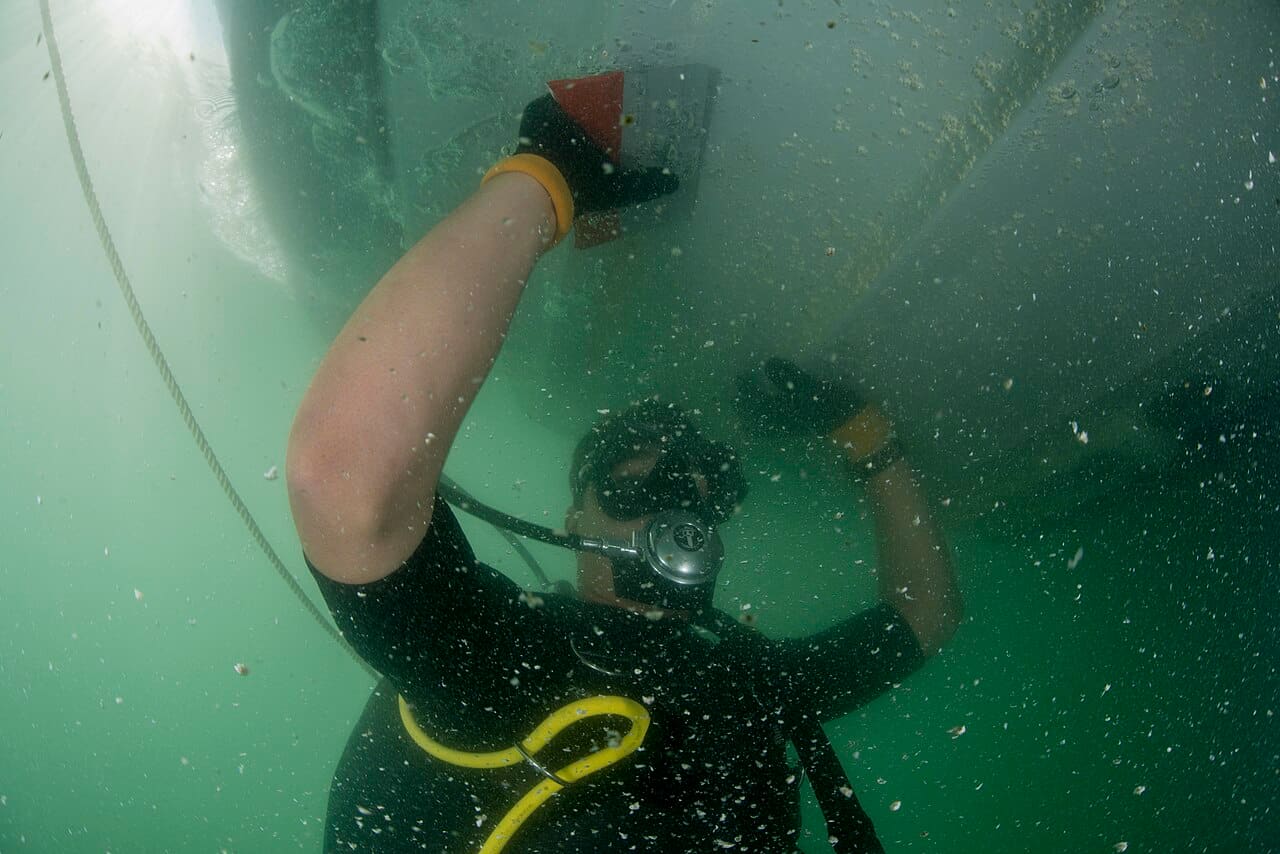
If your boat lives in the water, a hull-cleaning diver keeps growth off the bottom, prop and through-hulls between haul-outs. Learn how often to schedule cleanings, why scrubbing wears away ablative paint, the local rules some harbors (like San Diego and Marina del Rey) put on in-water cleaning, and what a good diver report should tell you about zincs, the prop and the paint.
Time
30 min
Shop would charge
$50-300
Applies to
All engines
Safety first: Never get in the water around your own boat or any boat in a marina unless all shore power to that boat, and ideally the dock, is shut off. Electrical leaks into the water can paralyze a swimmer (electric shock drowning). See shore-power-safety. Make sure no one starts an engine, runs the bow thruster or turns the prop while a diver is under the boat: take the key, turn off the battery switch and hang a sign at the helm. If the diver reports a loose or leaking through-hull, a damaged shaft seal or a cracked fitting, don't wait for haul-out season; call a yard now, and if the boat is taking on water, call your tow service or the Coast Guard (VHF 16 or 911).
Owners often ask
- How often should a diver clean my boat's bottom if it has ablative paint?
- What should a hull-cleaning diver's report tell me about my zincs and prop?
- I keep my boat in California. Are there rules on how often a diver can clean my copper bottom paint?
This guide walks you through it. Still stuck? Ask the AI Mechanic about your engine.
Tools
- Phone or notebook for the diver's reports
- Your boat's bottom paint record (brand, type, date)
Parts & supplies
- Replacement anodes (zincs) of the right alloy and shape, so the diver can change them in the same visit
Before you start
Who this is for: boats that stay in the water for weeks or months. Trailer boats usually get cleaned on land (see bottom-paint-antifouling and hull-cleaning-waxing).
Why it matters: even with antifouling paint, slime, weed and barnacles build up, especially in warm, nutrient-rich water and as the paint wears out. Practical Sailor notes that growth slows the boat, burns more fuel, can clog through-hulls and makes a fouled prop vibrate, which can harm the drivetrain. A diver can also inspect and replace zincs between haul-outs.
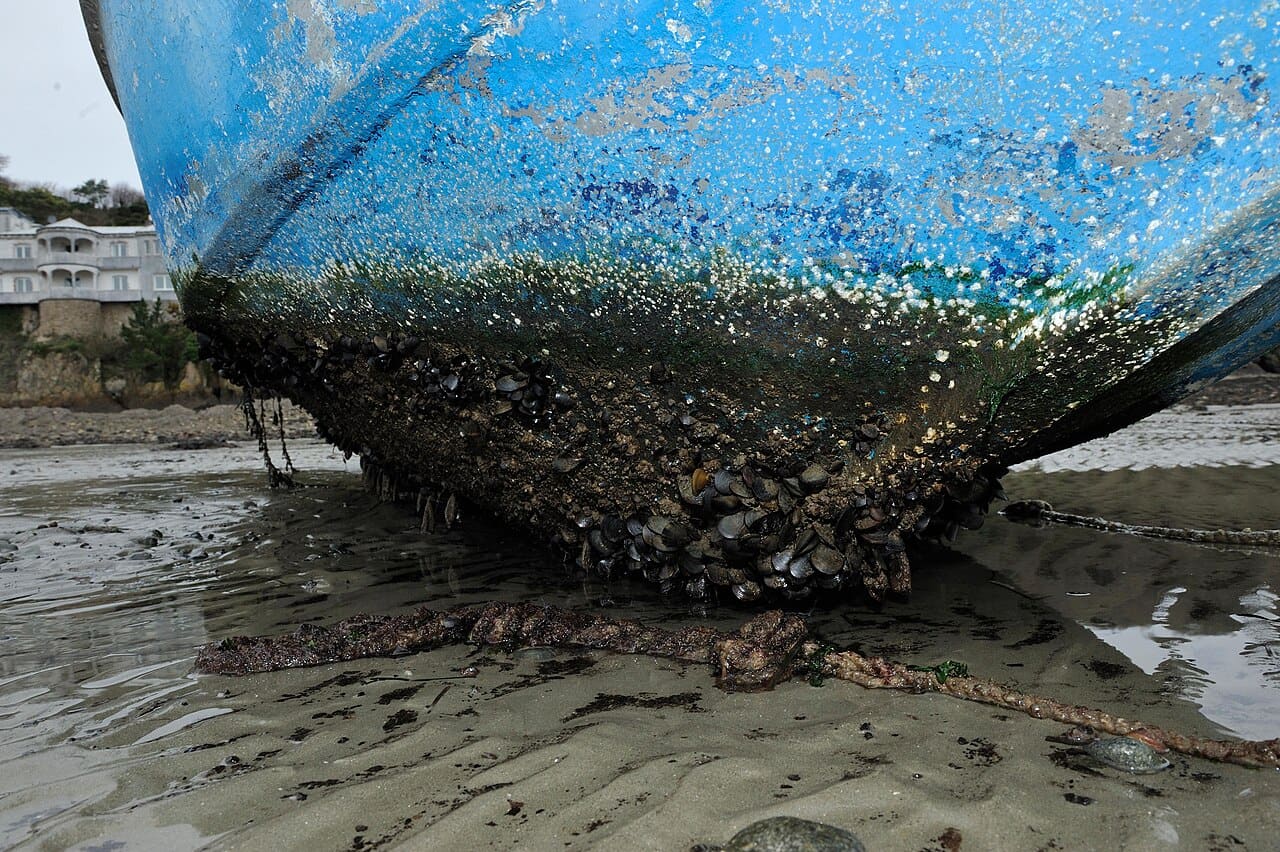
Know your paint first. How often a diver should clean, and with what, depends on the type of bottom paint:
- Hard paint (modified epoxy and similar) is meant to be scrubbed. Racers often clean hard paint frequently.
- Ablative (soft, self-polishing) paint wears away a little at a time on purpose. Scrubbing it in the water removes paint along with the growth. Practical Sailor's panel tests found even a rubber glove removed some ablative paint, and carpet pads did more than the lightest touch produced a black plume of paint.
- Copper-free or biocide-free coatings have their own cleaning instructions from the maker.
If you don't know what's on the bottom, check your yard invoice or ask the yard that last painted it.
Local rules exist in some places. In-water cleaning of copper-painted boats releases copper into the water. Several California harbors with high copper levels regulate it (details in step 3). Other states, harbors and marinas may have their own rules.
Steps
Record the paint brand, product, type (hard or ablative), color and the date it was applied in your BoatMend boat profile. Give a copy to your diver. Also note what type of zinc your boat uses: zinc, aluminum or magnesium alloy, and the shapes and sizes (see sacrificial-anodes).
Many marinas allow only insured, approved divers, or require a vendor permit. Ask the office before hiring anyone. A diver who works there regularly already knows the rules, the water and where shore power is.
Examples from California:
- San Diego Bay: the Port of San Diego requires a bay-wide in-water hull cleaning permit for any business doing in-water hull cleaning, and best management practices (BMPs) for anyone doing it. In Shelter Island Yacht Basin, where copper levels exceed water quality standards, the Port temporarily paused in-water cleaning of copper-painted boats from December 19, 2021 to February 9, 2022, working with the Regional Water Quality Control Board, and has been pushing boaters toward lower-copper or copper-free paints.
- All of California (the paint itself): since July 1, 2018, the California Department of Pesticide Regulation caps how fast copper antifouling paints labeled for recreational boats may leach copper. DPR's notice explains that it based the cap on boats cleaned no more than about once a month, using best management practices with soft carpet pads. Paint sold in California for recreational boats should already meet it; ask your yard if you bought paint elsewhere.
- Marina del Rey (Los Angeles County): a 2018 ordinance requires commercial and private hull cleaners to use BMPs, hold a Commercial Service ID and complete BMP training. Certified divers display a burgee from the county.
Los Angeles County says the BMPs for in-water cleaning were first developed in 1990 under the Sea Grant program by the California Professional Divers Association. In practice they mean using the gentlest method that works and avoiding the paint plume. If you're not in California, ask your marina and your state's environmental agency whether similar rules apply where you keep the boat. Rules change: confirm the current ones.
Ask:
- Are you insured, and approved or certified for this marina or harbor?
- What do you use on hard paint, and on ablative paint? (Soft cloths or soft pads on ablatives; the stiffer tools only on hard growth such as barnacles.)
- Do you clean the prop, shaft, rudder, trim tabs, through-hull screens and intake grates?
- Do you change zincs, and do you supply them or do I?
- Do you send a written report with photos after each visit?
- How do you make sure the engine and thruster are off and shore power is disconnected while you work?
There is no single right interval. Divers commonly work on a monthly or every-few-weeks rotation in warm saltwater during the growing season, and less often in winter or cold water. Base it on what the diver finds:
- Hard paint: clean as often as growth appears; light slime comes off easily.
- Ablative paint: clean as rarely as possible. Practical Sailor found the panel that was never cleaned kept fighting growth long after the scrubbed panels gave up. For cruisers, it suggests only occasional gentle wiping of fouled spots, with more cleaning near the end of the paint's life. A boat that runs often at speed sheds soft growth on its own.
- Running gear and zincs can be checked on every visit even when the hull itself is left alone.
Tell the diver what's on the bottom and ask them to use the softest method that removes the growth. Barnacles should be popped off one at a time, not scraped across a whole panel of soft paint. If the diver sees a cloud of paint coming off, they're removing too much paint. Hard tools belong on bare metal running gear and on hard growth, not on soft paint.
A good report includes:
- Date and how much growth (light slime, weed, barnacles) by area: waterline, hull sides, bottom, keel, rudder.
- Zincs: each one's location and how much is left (for example "about 50%"), and which ones were replaced. Most guidance is to replace anodes at about half their original size (see sacrificial-anodes).
- Prop: cleaned or not, any dings, bent blades, missing paint, fishing line or rope on the shaft (see fishing-line-prop-shaft).
- Shaft, strut, cutless bearing and rudder: any play, cracks or unusual wear seen.
- Through-hulls and intakes: screens clear or clogged.
- Paint condition: bare spots, peeling, blisters, paint wearing through at the leading edges.
- Photos of anything unusual.
Zincs that suddenly wear much faster than usual can point to an electrical problem on your boat or a neighbor's. Zincs that barely wear at all may not be connected well, or may be the wrong alloy for the water. Either way, look into it (see sacrificial-anodes and hull-potential-survey).
- Fouled raw-water intake: check the strainer and engine temperature next time out (see raw-water-strainer).
- Prop damage or vibration: plan a prop repair (see propeller).
- Paint wearing through: start planning the next haul-out and bottom job. Cleaning bare spots won't stop growth.
- Line on the shaft, play in the cutless bearing, loose through-hull: schedule a yard visit soon.
Run the boat on your next outing and compare speed and fuel use with your log. A clean bottom should bring back lost speed (see hull-speed-loss-diagnosis). Watch the engine temperature: a cleaned intake should run normal.
Over the paint's life, the diver's reports show how fast it's wearing. Use them to choose your next paint: if you get heavy growth and frequent cleanings, a harder or more scrubbable paint may suit you better; if the boat is in a copper-impaired harbor, ask about copper-free options. Discuss it with your yard before the next haul-out.
Save every report in BoatMend. A clean history of diver visits, zinc changes and paint condition helps when you haul out, sell the boat or file an insurance claim.
Common mistakes
- Scrubbing ablative paint hard and often. The paint ends up on the harbor floor and you'll repaint sooner.
- Assuming the diver will bring the right zincs. Confirm the alloy and part shapes for your boat.
- Diving on your own boat with shore power connected. Never do it.
- Leaving keys in the ignition while someone is under the boat.
- Hiring a cheap, unapproved diver in a harbor that requires permits or certification. Ask the marina first.
- Ignoring the report. A "zincs at 25%" note is a to-do item, not trivia.
When to call a pro
- The diver reports a loose, cracked or leaking through-hull, damaged shaft seal, bent strut, or rudder damage
- Zincs are disappearing very fast, or the hull shows corrosion (call a marine electrician or corrosion specialist)
- Paint is peeling, blistering or worn through in large areas (haul-out and bottom job)
- Prop damage, heavy vibration or a line wrapped tightly around the shaft
- You don't know what paint is on the bottom and the diver can't tell: ask your yard before cleaning
Tips
- Store spare zincs aboard in a labeled bag so any diver can change them on the spot.
- Run the boat regularly. Moving water helps keep soft growth off, especially with ablative paint.
- Ask the diver to photograph the prop and zincs each visit; it builds a great record.
- If you must check the bottom yourself, use a waterproof camera on a pole from the dock rather than getting in the water.
- When you haul out, compare what the yard finds with the diver's reports.
Official references
We read these to write this guide. Your engine's own manual always wins.
- Practical Sailor – Bottom Paint Care (in-water cleaning methods tested on ablative paint)
- Port of San Diego – Copper Reduction Program and In-Water Hull Cleaning
- Los Angeles County Beaches & Harbors – Hull Cleaning (Marina del Rey BMP ordinance)
- California Department of Pesticide Regulation – Notice 2018-03, Final Decision on Copper-Based Antifouling Paints (leach rate limit for recreational vessels)
Safety: BoatMend is for information only and does not replace a certified marine technician. You are responsible for your safety and your boat. Read the full disclaimer.
Last updated 2026-11-06
Related guides
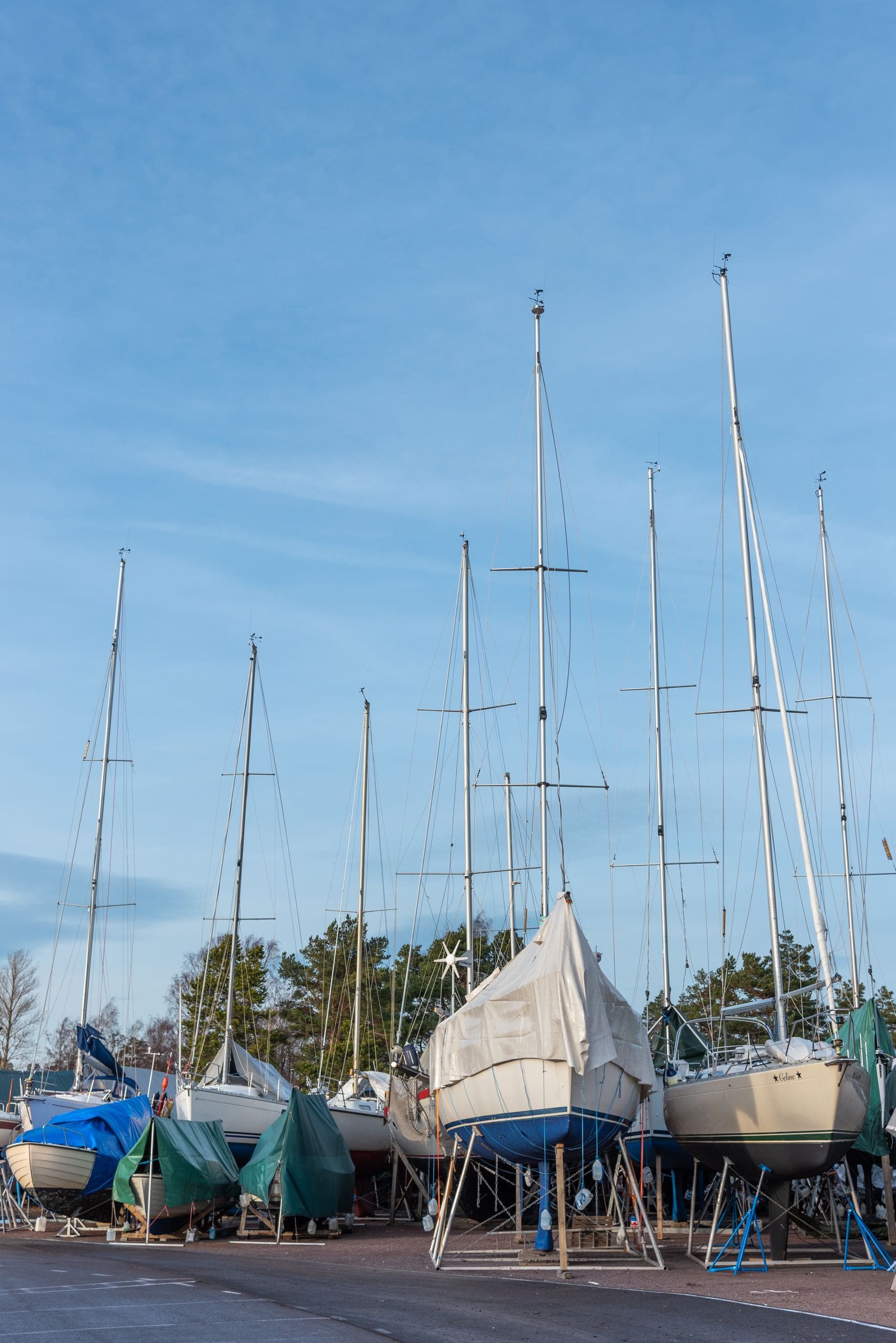
Bottom Paint (Antifouling): Do You Need It, Which Type, and How to Repaint
Learn whether your boat needs antifouling bottom paint, how ablative and hard paints differ, and how to prep and roll on a fresh coat safely, without poisoning yourself or the water and without ruining an aluminum hull.
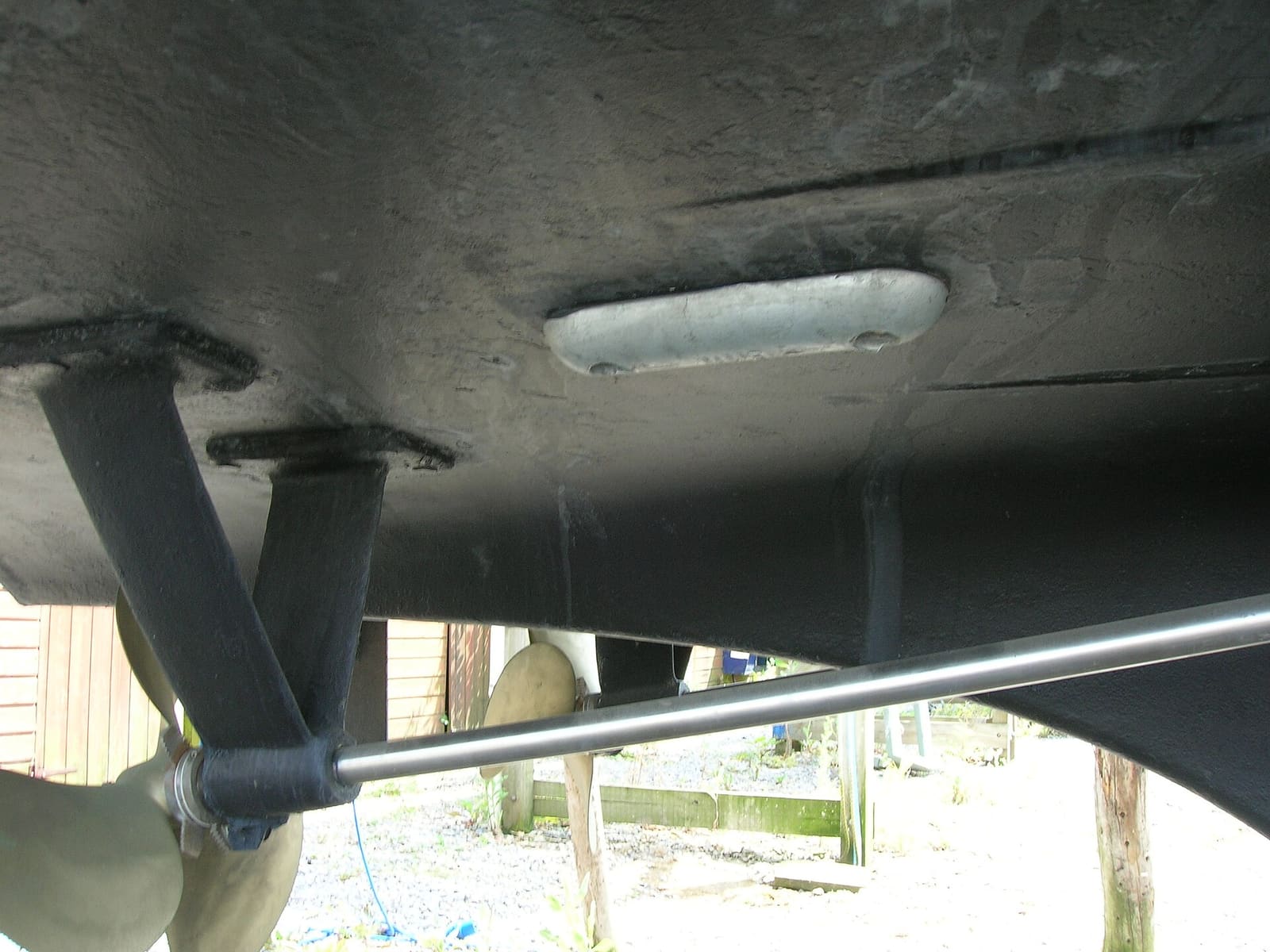
How to Inspect and Replace Sacrificial Anodes (Zincs)
Check the anodes on your outboard, sterndrive or inboard running gear, replace them when they are half gone, and choose the right metal for the water you boat in. Fresh anodes are cheap insurance against expensive corrosion damage to your lower unit, drive and prop.
Propeller Care: Inspect, Remove, Replace and Choose the Right Pitch
Check your prop for damage, pull it to clear fishing line and grease the shaft, reinstall it correctly, and learn how pitch affects your engine's wide-open-throttle RPM. The right prop in good shape protects your engine and often makes the boat run better and use less fuel.
Boat Slower Than It Used to Be? How to Find the Cause
When your boat loses top speed or takes longer to get on plane, the cause is usually something you can check yourself: extra weight, water in the hull, trim, a dinged or fouled prop, or a dirty bottom. This step-by-step diagnosis goes from the cheapest checks to the harder ones and explains what your RPM and GPS speed are telling you.
How to Inspect and Exercise Seacocks, Through-Hulls and Hose Clamps
Check every hole in your hull below the waterline, work each seacock open and closed, and inspect the hoses and clamps attached to them. A single failed fitting or hose is one of the most common reasons boats sink at the dock.
Fishing Line Behind the Prop: How It Ruins Gearcase Seals and How to Catch It Early
Fishing line that wraps behind your propeller can melt into a sharp ring that cuts the prop shaft seals and lets water into the gearcase. Learn the quick after-trip check, how to pull the prop and clear line safely, the signs that a seal is already damaged, and when to get a pressure test.
How to Inspect and Clean a Raw-Water (Sea) Strainer
The sea strainer is the cheap screen that keeps weeds, shells and plastic out of your engine, generator and A/C pumps. Learn how to clean it safely with the seacock closed, reseal the lid so it can't suck air, spot a cracked bowl before it floods the boat, and winterize it.
Shore Power Safety: Cords, Inlets, Burned Plugs and Electric Shock Drowning
An owner's inspection routine for your shore power cord, plugs, boat inlet, galvanic isolator and ground-fault protection, plus the right way to plug in and the facts about Electric Shock Drowning. This guide is for looking and testing only; any electrical repair belongs to an ABYC-certified marine electrician.
Launch Day and Haul-Out Checklist for Trailer Boats
A step-by-step checklist for getting your boat off the trailer and back on again safely and quickly, from the drain plug and tie-downs to the blower and ramp etiquette. Following it in order prevents the classic mistakes that sink boats and back up the ramp.