Inflatable Boat and Dinghy Care: Cleaning, UV Protection, Leaks and Storage
Keep your inflatable or RIB tender holding air for years. Rinse and clean it the right way, protect the tubes from sun, check pressure with a gauge, find slow leaks with soapy water, service the valves, patch small holes with the correct glue for PVC or Hypalon, and store it clean and dry.
Time
1 h 30 min
Shop would charge
$75-300
Applies to
All engines
Safety first: Never inflate past the maximum pressure on the boat's data plate, and let air out on hot, sunny days; an overpressured tube can split a seam. Patch glues and solvents give off strong fumes, so work outdoors or with plenty of airflow. If a tube starts losing air on the water, head for the nearest shore with everyone in life jackets, and call for help (VHF 16, TowBoatUS or Sea Tow) if you can't make it.
Owners often ask
- My inflatable dinghy goes a little soft overnight. Is that a leak?
- How do I find and patch a slow leak in my inflatable boat?
This guide walks you through it. Still stuck? Ask the AI Mechanic about your engine.
Tools
- Spray bottle with water and a squirt of dish soap
- Pressure gauge that fits your valves (many pumps have one built in)
- The pump that came with the boat
- Soft brush, sponge and mild soap
- Marker or tape to mark leaks
- Valve wrench for your valve type (often in the repair kit)
- Fine sandpaper, clean rags, and a small brush for glue (for patching)
- Phone camera
Parts & supplies
- Repair kit for your boat's fabric (PVC or Hypalon/CSM), ideally from the boat's maker
- UV protectant made for inflatable boat fabric
- Spare valve caps or a replacement valve for your boat's valve type
Before you start
PVC or Hypalon? It's the first thing to know, because they need different glues and patches:
- Hypalon (also called CSM or neoprene/Hypalon): a rubber-coated fabric that stands up to sun and fuel well. SAIL Magazine notes that Avon, AB, Achilles, Caribe, Highfield and Walker Bay boats are typically Hypalon.
- PVC: lighter and cheaper, but less tolerant of sun and heat. Many PVC boats have heat-welded or glued seams. SAIL notes that Zodiac and West Marine have sold both types.
- Not sure? Find the data plate (usually on the transom or inside a tube). The model number tells you the material, and the plate also lists the maximum pressure, load and engine size.
Pressure: always use the pressure your boat's maker specifies, measured with a gauge. Makers state it in psi or mbar and it varies by boat, so there's no one right number. "Feels firm" is not a measurement.
What normal looks like: BoatTEST says most makers consider losing about 10 percent of pressure in 24 hours to be normal, since temperature changes alone move the pressure up and down. Topping up now and then is not a leak; going soft in a few hours is.
Paperwork: Discover Boating notes that a dinghy with an outboard (gas or electric, even a small one) generally has to be registered with your state like any other motorboat. A big boat's federal documentation doesn't cover its tender. Rules differ by state, so check with your state boating agency, and carry the required safety gear in the dinghy too.
Steps
Zodiac recommends rinsing after every trip in salt water, using mild soap, plenty of fresh water and a brush. On land, open the drain plug and flush out sand and grit with the hose. Sand trapped where the floor meets the tubes acts like sandpaper every time the boat flexes, and sand in a valve keeps it from sealing.
Every few weeks, and before storage, wash the tubes and floor with mild dish soap and a soft brush or sponge, then rinse well. For stubborn grime, use a cleaner sold specifically for inflatable boats. Avoid strong solvents on PVC. SAIL Magazine's repair specialist warns against silicone-based shine products: traces of silicone soak into the fabric and stop patches and fittings from ever sticking there again.
UV is what ages an inflatable most, especially PVC. Feel the tubes: SAIL notes that dry, cracked fabric (called "alligatoring") is a sign you need to step up UV protection. Your options, best first:
- Store it out of the sun, or under a fitted cover, when not in use.
- Apply a UV protectant made for inflatable fabric regularly. SAIL's repair specialist recommends monthly treatment during the season.
- On davits, a cover or chaps (fabric tube covers) helps a lot in sunny climates.
Inflate each chamber to the maker's pressure in the order your manual gives. Use the gauge, not your thumb. On hot days, let some air out before leaving the boat in the sun; SAIL warns that leaving a boat at full pressure in hot sun stresses the seams, especially on glued-seam PVC boats. The opposite is also bad: running with soft tubes strains the transom joints and can tear the transom mounts.
Inflate to the correct pressure in the cool part of the day, note the reading and check again 24 hours later at a similar temperature. A small drop is normal. A chamber that goes noticeably soft, or one chamber that always needs more air than the others, has a leak to find.
Mix water and a squirt of dish soap in a spray bottle. With the boat at full pressure, soak one section at a time and watch for growing bubbles. SAIL points out that leaks rarely sit in the middle of a tube; they hide at seams, around fittings and cones, next to labels and at the valves. Mark each leak with a marker or a piece of tape. Check the floor seams and the bottom too.
Valves are a common cause of slow leaks, and often the easiest fix:
- Spray soapy water on each valve. Bubbles around the center mean the seal isn't seating.
- Make sure every cap is there and the plunger moves freely, as SAIL suggests.
- Flush sand and dried salt out with fresh water. Practical Sailor found that valve internals often stay in good shape even when the outside is sun-faded; a good cleaning is usually all they need.
- If a valve still leaks after cleaning, many valves can be unscrewed from the tube with the right valve wrench and the seal cleaned or replaced. Follow your boat's instructions, since valve types differ.
Work around the whole boat:
- Tops of the tubes, where people sit and gear rubs. Worn fabric dries out and eventually leaks.
- Accessories: handles, oarlocks and rub strakes. SAIL notes that when tubes soften in cool weather, accessories sag and chafe the fabric.
- Transom joints: look for fabric lifting away where the tubes meet the transom.
- Bottom and seams: turn the boat over and check under the transom and along the strips that join the tubes to the hull.
- Wood transom or floorboards: probe for soft, rotten wood.
- Davit and lifting points: Practical Sailor recommends adding wear patches where davits or lifting bridles rub.
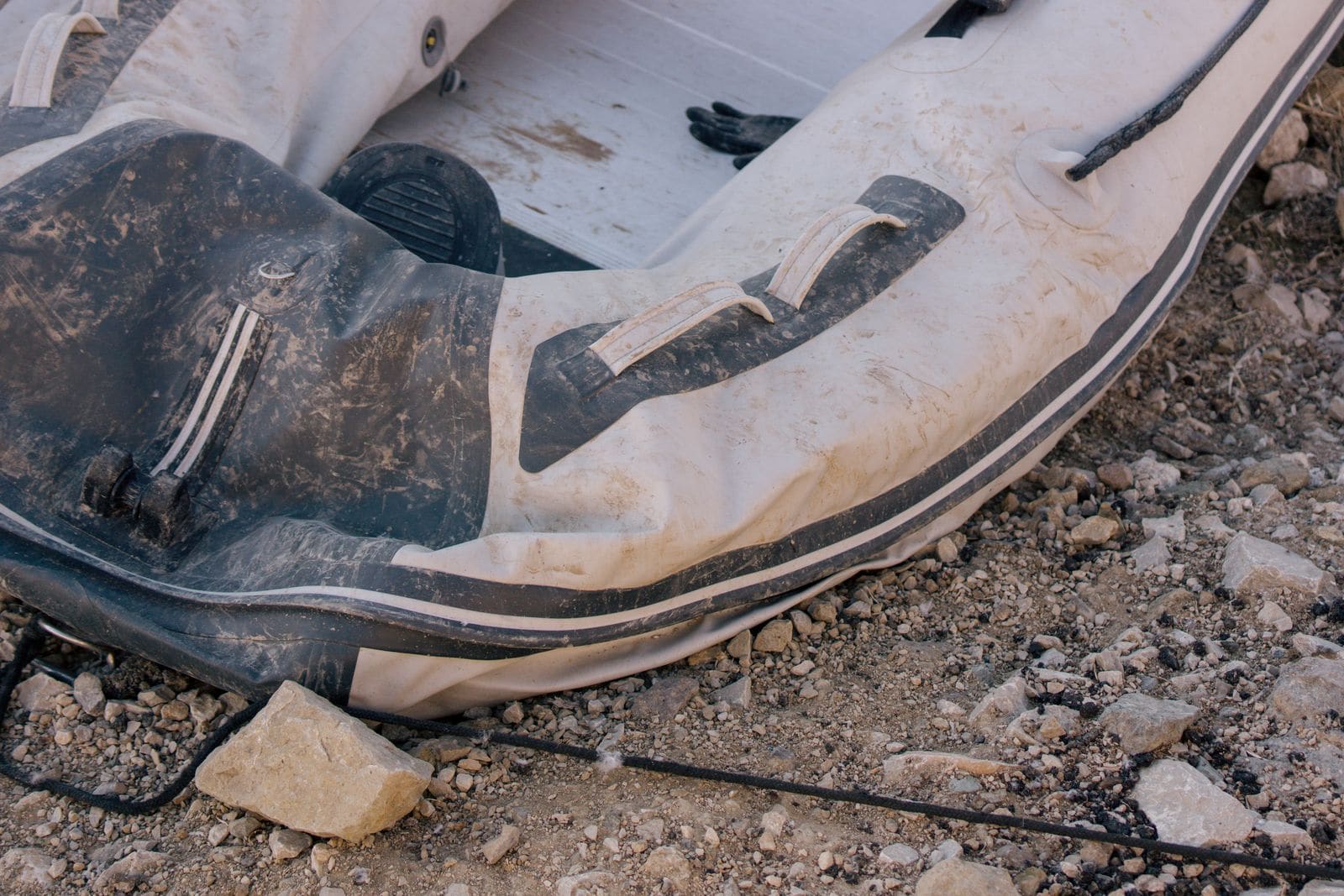
Grime, sand and rocks are hard on tube fabric. Clean, protect and inspect the tops and bottoms of the tubes for worn spots. Photo: Berna / Pexels Small pinholes and short cuts away from seams are a reasonable DIY job. Use the repair kit made for your fabric and follow its directions exactly. Practical Sailor stresses that PVC and Hypalon need different adhesives, and that ordinary contact cement won't hold. The general process:
- Deflate the chamber and lay the area flat.
- Cut a patch with rounded corners. Practical Sailor's rule: at least 2 inches across over a pinhole, and extending at least 2 inches past a tear in every direction.
- Clean both surfaces with the solvent in the kit (BoatTEST says this matters most if silicone, wax or petroleum products were ever used on the tubes), then roughen lightly if the kit says to.
- Apply the glue in the coats and drying times the kit specifies, then press the patch down firmly from the center out. Hypalon cement grabs hard and won't let you reposition, so line it up carefully.
Practical Sailor recommends letting the glue dry at least 24 hours before inflating, because air pressure on fresh glue slowly lifts the patch. Then pump up to normal pressure and spray the patch with soapy water. No bubbles? Do another overnight hold test before you trust it.
Zodiac's winter routine: clean the boat thoroughly, check that the valves and seals are in good shape as you deflate, and store it somewhere clean and dry with a protective cover. Before you fold it:
- Make sure it's completely dry inside and out, including under the floor and in the folds. Trapped moisture causes mildew.
- For Hypalon/neoprene tubes, Zodiac suggests wiping them with a mix of white vinegar and lukewarm water to help prevent mildew over winter.
- Remove the floorboards if they come out, and pad any hard parts so they don't press into the fabric.
- Fold loosely along the boat's natural lines, then bag it.
- If you have the room, many owners store their dinghy inflated at a reduced pressure, which avoids creases.
Keep it off the floor, away from heaters, sharp edges and direct sun, and somewhere rodents can't chew it. NRS warns that mice and rats like to nest inside stored inflatables and can ruin one in a single winter; a sealed bin, a hanging bag or a shelf away from walls helps, and NRS suggests a coat of UV protectant after the final cleaning. Check stored boats once or twice over the winter. Record the date, any leaks found and patches made in your BoatMend log.
Common mistakes
- Using the wrong glue, such as PVC glue on Hypalon, household contact cement or super glue on a real tear.
- Sealing a tube with 3M 5200, silicone, Flex Seal, roofing tar or house paint. SAIL's repair specialist has had to declare boats beyond saving because of these; they won't seal a leak and are very hard to remove.
- Shining tubes with silicone-based products like Armor All. Patches and fittings won't stick there later.
- Leaving the boat pumped hard in the hot sun, or running it with soft tubes.
- Pumping air into a patch before the glue cures.
- Folding it up damp for the winter.
- Chasing a "leak" that is only normal overnight pressure change. Measure with a gauge at the same temperature.
- Dragging it up beaches and over rocks. Carry it or use launching wheels.
When to call a pro
- A leak along a seam, at the transom joint, or under a glued-on fitting
- A tear longer than a couple of inches, or any cut in a high-stress area
- Seams lifting or peeling on several sections (common on older glued PVC boats)
- A valve that won't seal after cleaning and you can't remove it
- A rotten or cracked transom, or loose engine mounting pads on the transom
- A rigid hull (RIB) with cracks, soft spots or water inside the hull
- Large areas of cracked, sticky or flaking fabric; ask an inflatable repair shop whether recoating or replacement makes more sense
Tips
- Write the maker's pressure for each chamber on a piece of tape inside the boat.
- Keep the repair kit, a spare valve cap and the pump in the dinghy whenever you use it.
- Lift the dinghy out of the water when not in use. Tubes and bottoms left in the water grow marine life and age faster.
- Mark small leaks with a grease pencil or tape as you find them; they're hard to find again once the soap dries.
- Store the outboard separately and never lay it inside a folded inflatable; see the portable outboard guide for how to carry it.
- Towing it behind the big boat? BoatUS says towing is only for short hops in good conditions. Empty the dinghy, put the drain plug in, and take the outboard and fuel tank off; if you can't, tilt the motor up and tie it so it can't flop. Rig a bridle from the two bow D-rings through a bowline or small block on the towline, add floats to keep line away from your prop, go slow so it never gets airborne, and keep looking back: a few inches of rain or spray inside adds hundreds of pounds of drag and strain on the D-rings. Never tow one on a long passage.
- Hauling it inflated on a truck or roof? Owners often tie it down by the D-rings, but those aren't made to hold the boat against highway wind. Run a wide strap over the whole boat to the vehicle on both sides, and use the D-rings only to stop it sliding.
Official references
We read these to write this guide. Your engine's own manual always wins.
- SAIL Magazine – Know-how, Inflatable Dinghy Repair
- Practical Sailor – Refurbishing the Inflatable Dinghy
- BoatTEST – How to Maintain Your Inflatable
- Zodiac Nautic – How to clean and maintain your Zodiac boat and your tube
- NRS – How to Clean and Store Your Inflatable Boat
- Discover Boating – Boat Registration Guide (does a dinghy need to be registered?)
- BoatUS – How To Safely Tow A Dinghy
Safety: BoatMend is for information only and does not replace a certified marine technician. You are responsible for your safety and your boat. Read the full disclaimer.
Last updated 2026-10-24
Related guides
How to Find a Leak When Water Gets Into a Pontoon Tube
A pontoon that sits low on one side, lists or sloshes when you rock it probably has water in a tube. Learn how to confirm it, drain it, track down the pinhole or cracked weld, and choose between a temporary patch and a proper weld repair.
Small Portable Outboard Care (2.5 to 20 hp Kickers and Dinghy Motors)
Keep your dinghy motor or kicker starting on the first few pulls. Use fresh fuel, flush it, run the carburetor dry before you put it away, carry and lay it down on the correct side so oil doesn't flood the cylinders, and check the shear pin or prop, gear oil and engine oil on schedule.
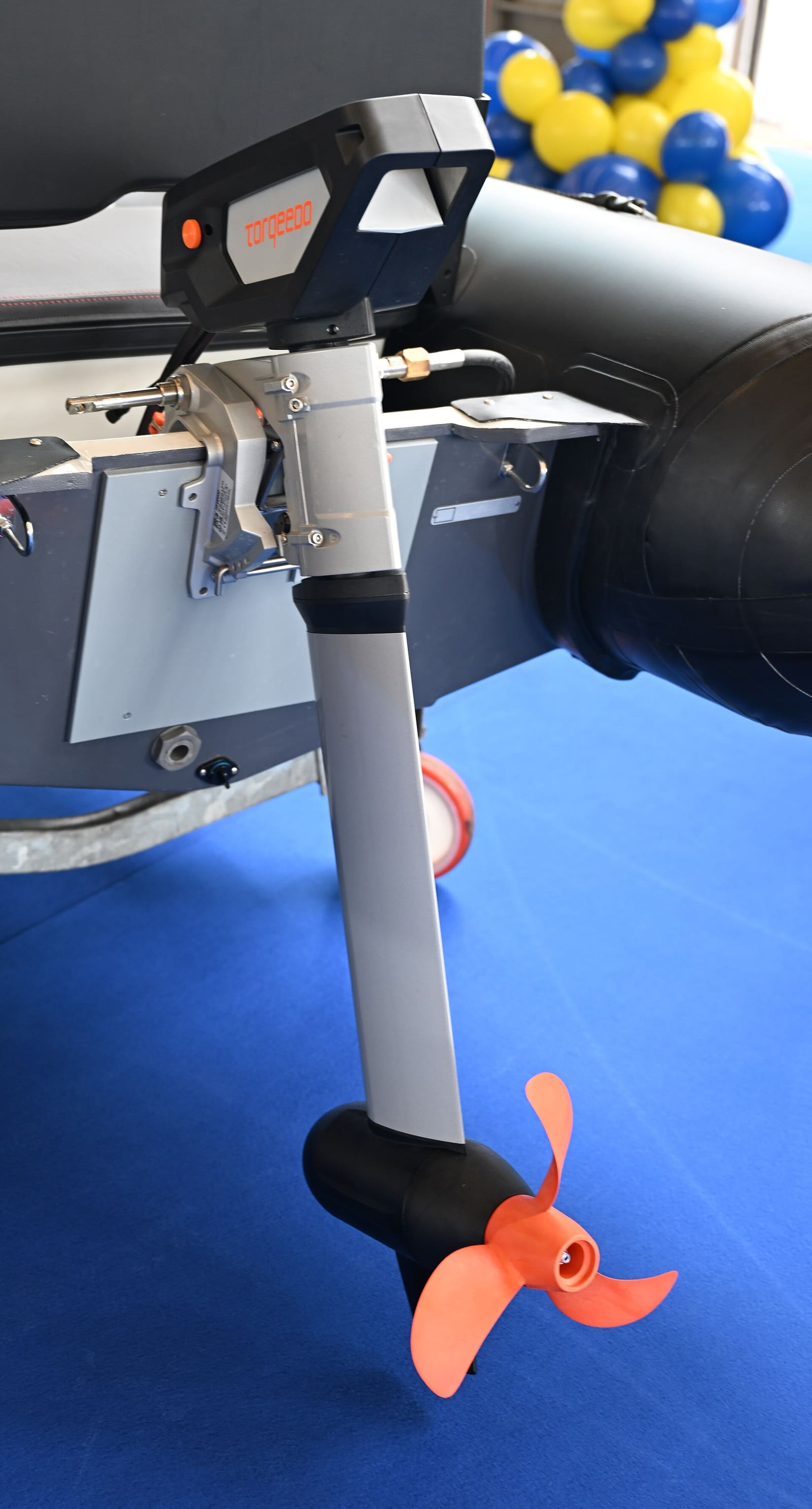
Electric Outboard Care: Battery Storage, Connectors, Saltwater Rinse and Updates
Electric outboards like Torqeedo, Mercury Avator and ePropulsion need far less work than gas engines, but the lithium battery, the connectors and the prop still need care. Charge and store the battery the way the maker says, keep plugs dry and clean, rinse after salt water, check the prop, fin and anodes, install updates, and follow the rules for transporting lithium batteries.
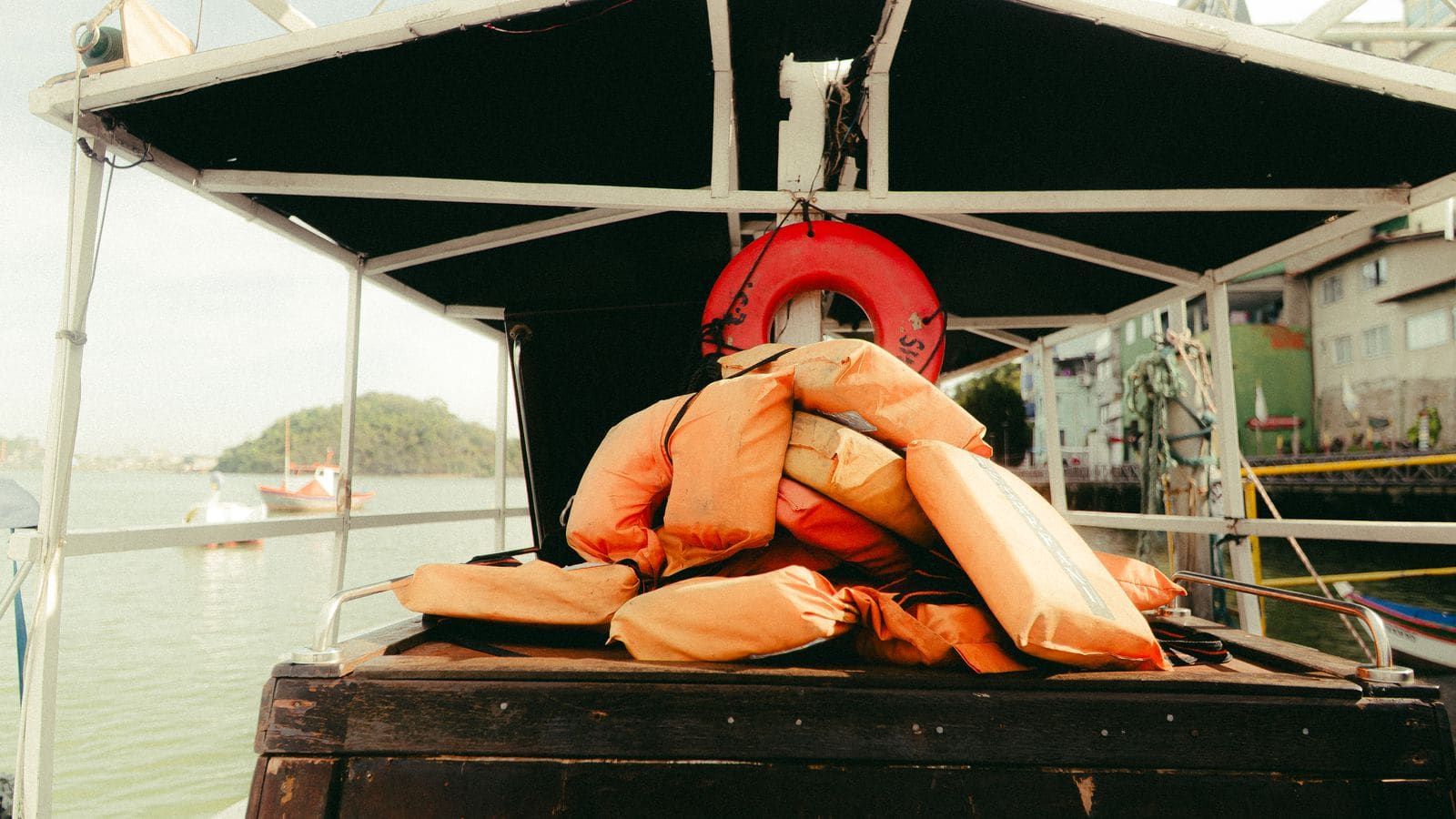
USCG Required Safety Equipment Check by Boat Length
Walk through your boat and confirm you carry every piece of safety gear the US Coast Guard requires for your boat's length and type, and that none of it is expired or worn out. Missing or expired gear is one of the most common tickets on the water, and it is the gear you need when things go wrong.