How to Choose and Fit Life Jackets for Children and Babies
Pick the right Coast Guard-approved life jacket for each child by weight, check the fit so it can't slip off, look for head support and a crotch strap on little ones, and learn the federal and state wear rules. Inflatables are not for kids, and a life jacket never replaces an adult watching.
Time
30 min
Applies to
All engines
Safety first: A life jacket buys time; it doesn't replace an adult watching. Keep young children and weak swimmers within arm's reach on the boat, the dock and in the water. Never use water wings, inflatable rings or pool toys instead of a Coast Guard-approved life jacket; Safe Kids warns they don't prevent drowning. If a child goes overboard, shout "Child overboard!", keep pointing at them, stop the propeller and get them back; call USCG on VHF channel 16 or 911 if you lose sight of them.
Owners often ask
- What size life jacket does my toddler need, and how do I know it fits?
- Can my 12-year-old wear an inflatable life jacket?
This guide walks you through it. Still stuck? Ask the AI Mechanic about your engine.
Tools
- Bathroom scale (to weigh the child)
- Soft tape measure (for chest size)
- A pool or calm, shallow water for a test float
Parts & supplies
- One Coast Guard-approved life jacket per child, sized by weight (infant, child or youth)
- Spare buckles or a replacement jacket if straps or foam are damaged
Before you start
The rules in short:
- Federal rule: on a recreational boat that's under way, every child under 13 must wear a Coast Guard-approved life jacket unless they're below decks or in an enclosed cabin (33 CFR 175.15). Under 33 CFR 175.25, if a state has its own child-wear law, the state's age and rules apply on its waters instead.
- State rules vary. Some states use a different age, and many add wear rules for water skiing, tubing, personal watercraft or cold months. The Coast Guard says to check with your state boating agency.
- Every boat must carry a wearable, Coast Guard-approved life jacket that fits each person aboard. The Coast Guard warns that adult jackets may not work for children.
Inflatable life jackets are not for kids. The BoatUS Foundation says inflatables are authorized on recreational boats only for people at least 16 years old, and its older article says they're not recommended for children. Children need foam (inherently buoyant) jackets.
Weigh your child first. You'll pick the size by weight, not age.
Steps
The Coast Guard groups life jackets by user weight:
- Infant: up to 33 lb
- Child: over 33 lb up to 55 lb
- Youth: over 55 lb up to 88 lb
- Adult: over 88 lb
Read the label on the jacket for the exact weight range and chest size it fits. Buy for the child's weight today, not "to grow into." A jacket that's too big can ride up over the face or slip off in the water.
Look for the Coast Guard approval information on the label. Older labels list a "Type"; newer ones list a performance "Level" and use new icons. The BoatUS Foundation notes both label styles still count as long as the jacket is approved, in good shape and the right size. Skip anything sold as a "swim vest" or "swim aid" without approval for boating.
For babies, toddlers and young kids who can't swim well, BoatUS's family-boating writer looks for three things, and Safe Kids recommends the first two:
- Head support: a big flotation collar behind the head that holds the face out of the water.
- Crotch strap: a strap between the legs so the child can't slide out the bottom.
- Face-up design: a jacket designed to turn a child onto their back.
Add a grab handle on the collar for lifting a child out of the water, bright colors and reflective tape. Infant jackets should be marked for the infant weight range.
Open every buckle and zipper. Put the jacket on the child, then:
- Close the zipper (if it has one) all the way.
- Fasten every buckle.
- Snug every side strap, starting at the bottom.
- Fasten and snug the crotch strap.
The jacket should feel snug but let the child breathe and move their arms.
Stand behind the child, grab the jacket at the shoulders and lift gently. The Coast Guard says a foam jacket that fits will stay snug and won't ride up above the wearer's chin or ears. If the jacket slides up over the chin or ears, tighten the straps. If it still rides up, it's too big; go down a size.
Try every child's jacket in a pool or calm, shallow water before relying on it on the boat. The Coast Guard recommends trying a life jacket on in the water to make sure the airway stays clear. BoatUS's writer, who raised kids aboard, says to test in a controlled place like a swimming pool first. Watch whether:
- The child floats with mouth and nose well above the water
- The jacket stays in place and doesn't ride up
- The child can relax without panicking (practice makes this easier)
Put the jacket on in the parking lot or at home, not on the boat. BoatUS's writer notes that his kids fell in four times over years of boating, and every time it was at the dock. Safe Kids also advises keeping weak swimmers and non-swimmers in life jackets on docks and at marinas.
As kids grow, recheck the size every season by weight and the lift test. Teens who have outgrown youth sizes move to adult jackets once they're over 88 lb and the adult jacket passes the lift test. Remember: under-16s still need foam jackets, not inflatables, even when they're big enough for adult sizes.
Kids outgrow jackets fast. The BoatUS Foundation runs a free child life jacket loaner program at hundreds of locations nationwide: you give your contact information, staff help fit the right size, and you borrow it for the day or weekend. Many state parks and lakes also have loaner stands at the ramp.
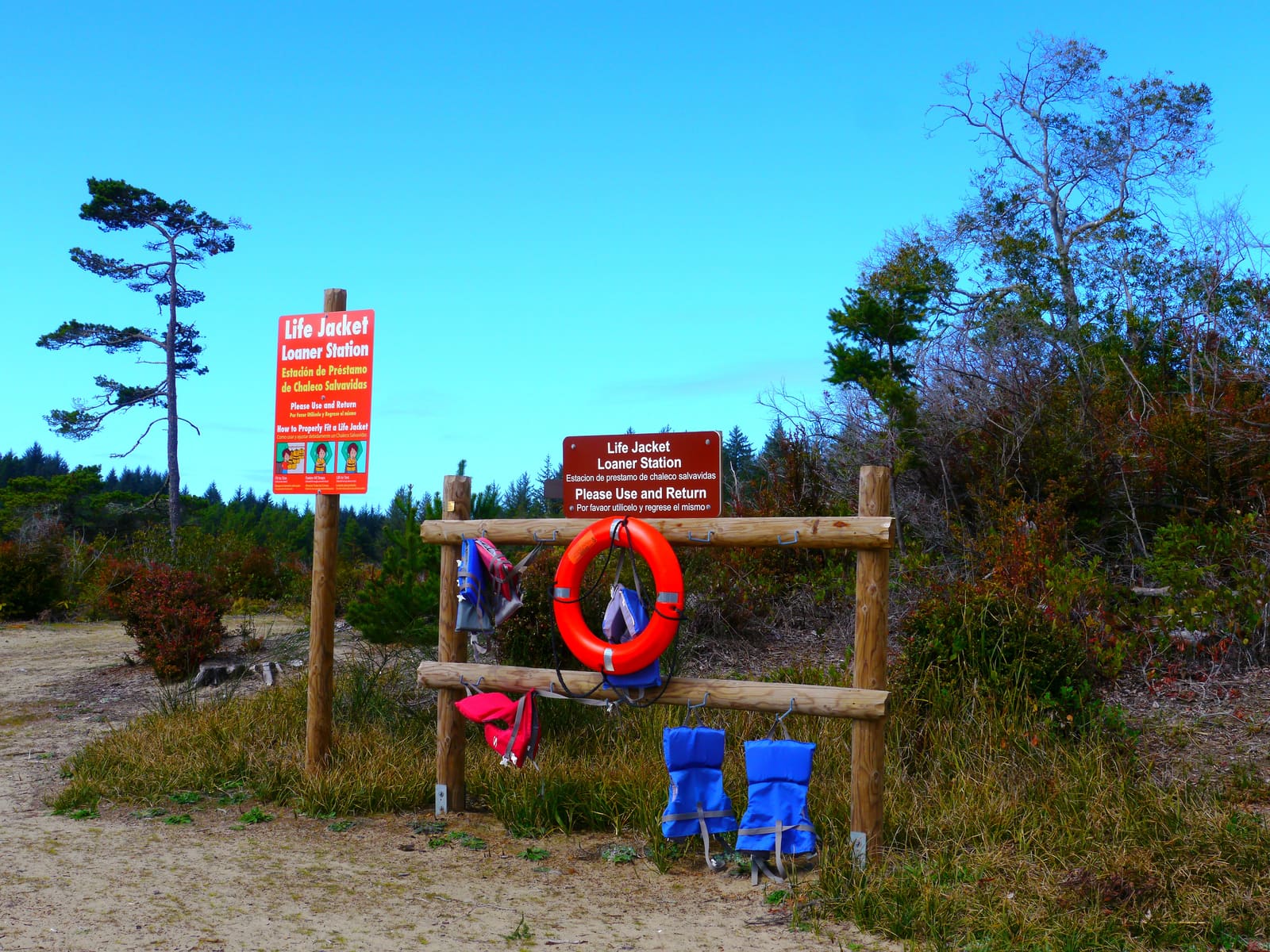
Photo: RickObst / Wikimedia Commons · CC BY-SA 4.0 A life jacket isn't a swimming lesson. Safe Kids recommends swim lessons when each child is ready, and lists water survival skills such as getting back to the surface after going under, turning to find safety and moving forward while breathing. BoatUS's writer let his kids pick a new, more comfortable jacket once they passed a family swim test, which made learning fun. Even good swimmers should wear their jackets on a moving boat and follow the state rules.
- Jackets on before boarding, off only below deck or once safely back on land (or in a designated swim area with an adult in the water).
- Kids sit inside the boat while it's moving, never on the bow, gunwales or swim platform.
- Engine off and propeller stopped before anyone swims near the stern or climbs the ladder.
- One adult is the assigned "water watcher" at all times when kids are swimming, with no phone in hand.
- Every adult aboard knows how to stop the boat and use the throwable device.
Before each season and after a hard day, check each jacket:
- No rips, tears, mildew, broken buckles or frayed straps
- Foam isn't hard, shrunken or waterlogged
- The label is still readable
The Coast Guard says foam jackets should be checked at least once a year and that waterlogged, faded or damaged ones should be thrown out. Rinse after salt water, air-dry out of the sun and store them where they're easy to grab, not in a locked locker or plastic bag.
Common mistakes
- Buying a jacket for the child to "grow into."
- Leaving the crotch strap unbuckled, or buying a toddler jacket without one.
- Putting kids in inflatable belt packs or vests meant for adults.
- Using water wings, rings or pool floats instead of a Coast Guard-approved jacket.
- Taking jackets off at the dock or when the boat stops "just for a minute."
- Never testing the jacket in the water until the day it's needed.
- Letting a seat cushion or ring buoy count as a child's life jacket; the BoatUS Foundation says throwables are not for children.
When to call a pro
- You're unsure which jacket fits a baby or a child with special needs: ask a boating safety instructor, a loaner station attendant or a Coast Guard Auxiliary vessel examiner
- A child is afraid of the water or panics in a life jacket: sign up for swim lessons with a certified instructor
- You want a full safety check of your boat's life jackets and other gear: request a free vessel safety check
- A child has been in the water and coughs, has trouble breathing or seems unwell afterward: get medical help right away
Tips
- Write the child's name and weight range on the inside of each jacket with a permanent marker.
- Let kids pick the color; they'll complain less about wearing it.
- Practice putting jackets on at home and floating in them at the pool. A child who has floated in a jacket is calmer if they fall in.
- Bring a spare child jacket when friends' kids come along; a borrowed adult jacket won't keep a small child safe.
- Learn CPR. Safe Kids lists CPR and basic water rescue skills among the most useful things a parent can know.
- Bringing a baby? A foam infant jacket is warm, and the FDA explains that young babies don't sweat well, overheat easily and are at greater risk of sunscreen rashes. The FDA and the American Academy of Pediatrics recommend keeping babies under 6 months out of direct sun: plan short trips, keep them under the bimini or other shade, use a brimmed hat that shades the neck and ears, and offer milk or formula often. Ask your pediatrician before using sunscreen on a baby that young.
Official references
We read these to write this guide. Your engine's own manual always wins.
- eCFR – 33 CFR 175.15, Personal flotation devices required
- eCFR – 33 CFR 175.25, Enforcement of State requirements for children to wear PFDs
- U.S. Coast Guard Boating Safety – Life Jacket Wear / Wearing your Life Jacket
- BoatUS Foundation – Life Jackets
- BoatUS Foundation – Child Life Jacket Loaners
- BoatUS – Boating With Children
- BoatUS – Inflatable Life Jackets
- US FDA – Should You Put Sunscreen on Infants? Not Usually
- Safe Kids Worldwide – Boating Safety Tips
Safety: BoatMend is for information only and does not replace a certified marine technician. You are responsible for your safety and your boat. Read the full disclaimer.
Last updated 2026-10-25
Related guides
USCG Required Safety Equipment Check by Boat Length
Walk through your boat and confirm you carry every piece of safety gear the US Coast Guard requires for your boat's length and type, and that none of it is expired or worn out. Missing or expired gear is one of the most common tickets on the water, and it is the gear you need when things go wrong.
Inflatable Life Jacket Care: Inspect, Test and Rearm
An inflatable life jacket only saves a life if the cylinder is full, the inflator is armed and the bladder holds air. Learn the quick check before every trip, the overnight leak test, how to read replacement dates and how to rearm it after it fires.
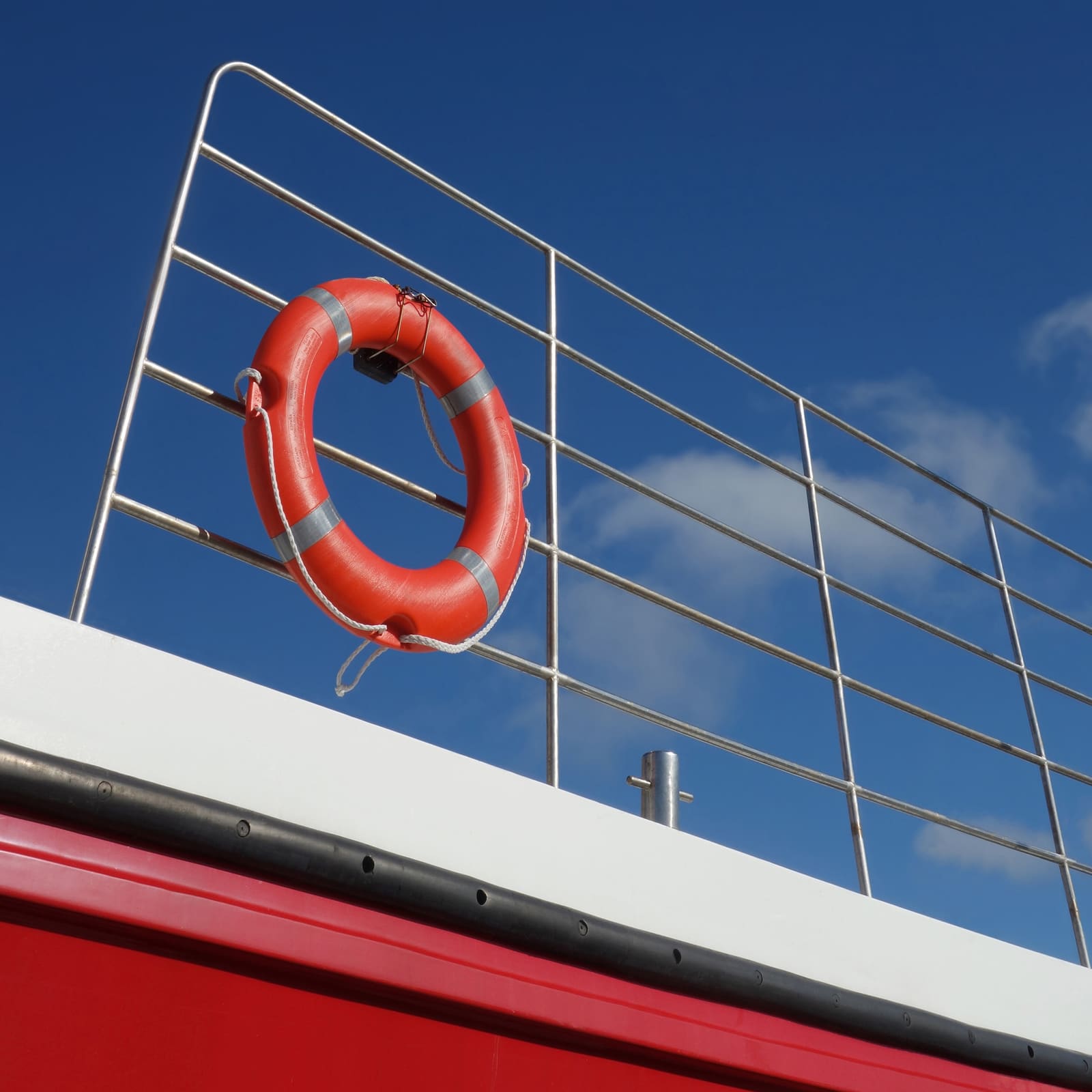
Man-Overboard Recovery Gear: Throwables, Lifesling, Ladders and MOB Alarms
Set up and check the gear that gets a person in the water back aboard - a throwable within reach, a floating rescue line or Lifesling-style sling, a boarding ladder someone in the water can pull down, and MOB alarms or AIS beacons - and practice the drill so it works when it counts.
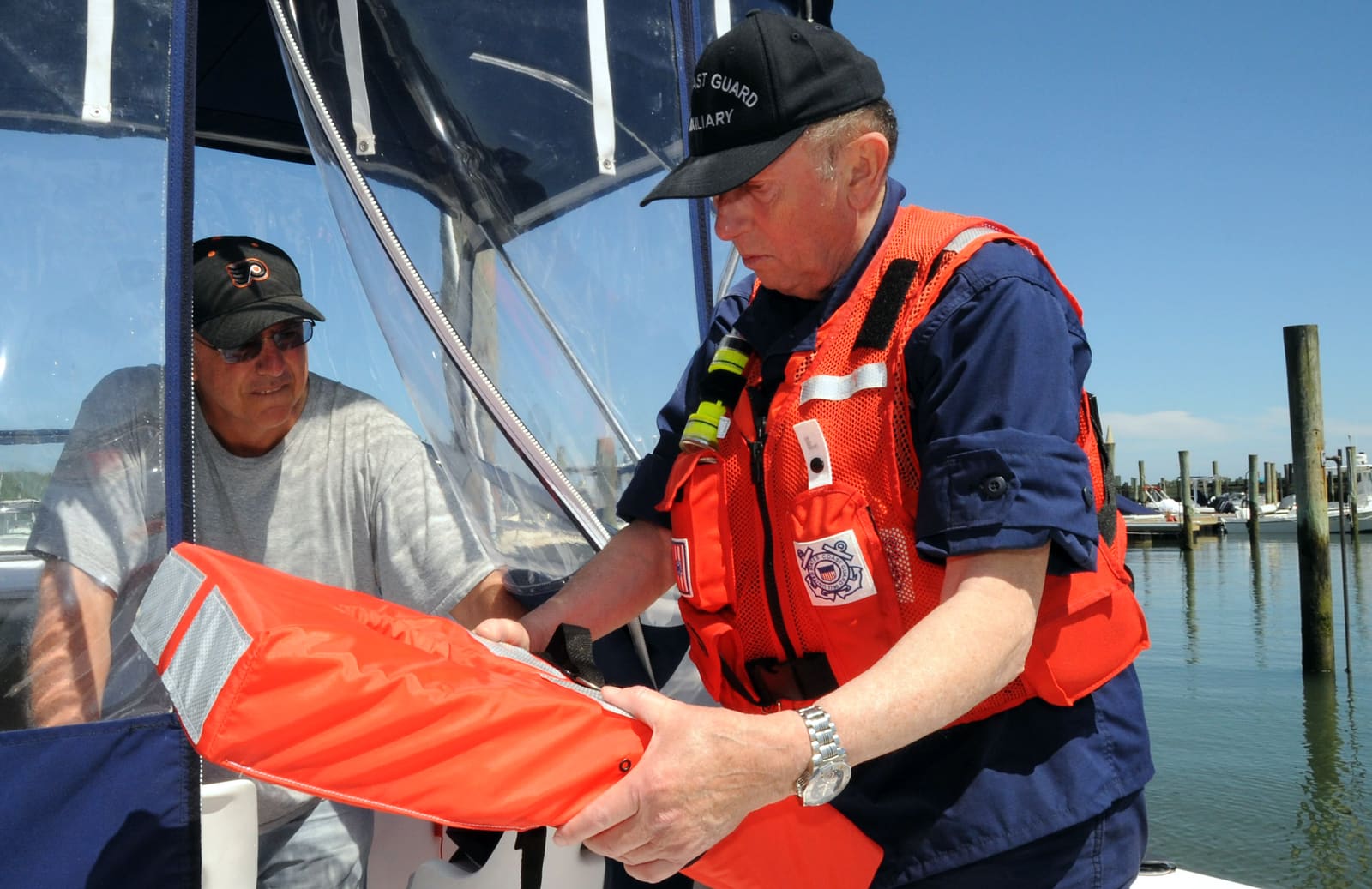
How to Prepare for a Free Vessel Safety Check
Volunteers from the Coast Guard Auxiliary and America's Boating Club will inspect your boat's safety gear for free, with no ticket if something is missing. Learn how to request a Vessel Safety Check, what the examiner looks at, how to get your boat ready and what to do with the fix list.
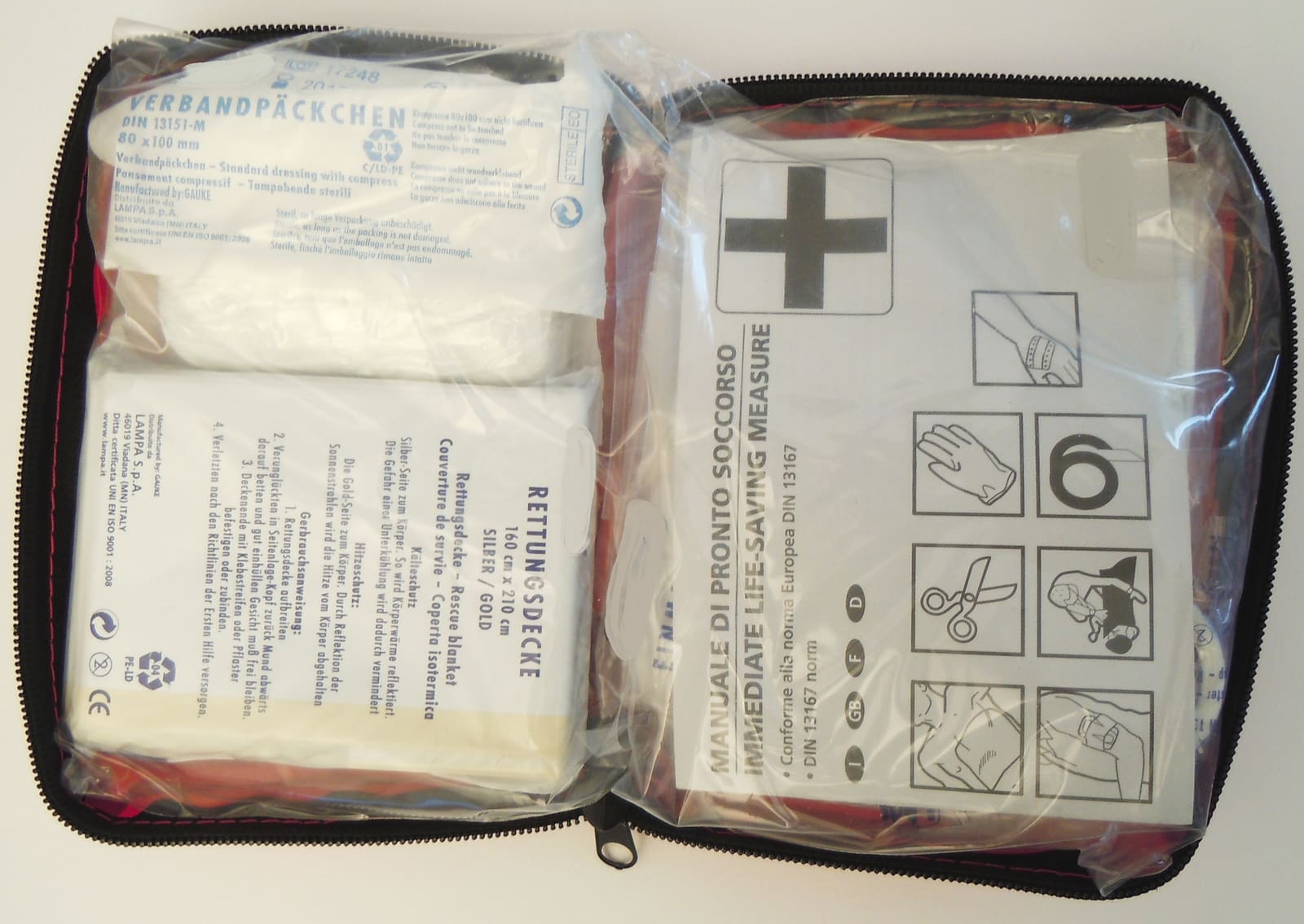
Boat First-Aid Kit and Medical Prep: What to Carry, Day Trips to Offshore
Build and maintain a boat first-aid kit that fits how far from help you go, with the extras boaters actually need for seasickness, fish hooks, cuts, burns, sun, heat and cold, plus a crew briefing, expiration-date checks and training. General preparation only, not medical advice.
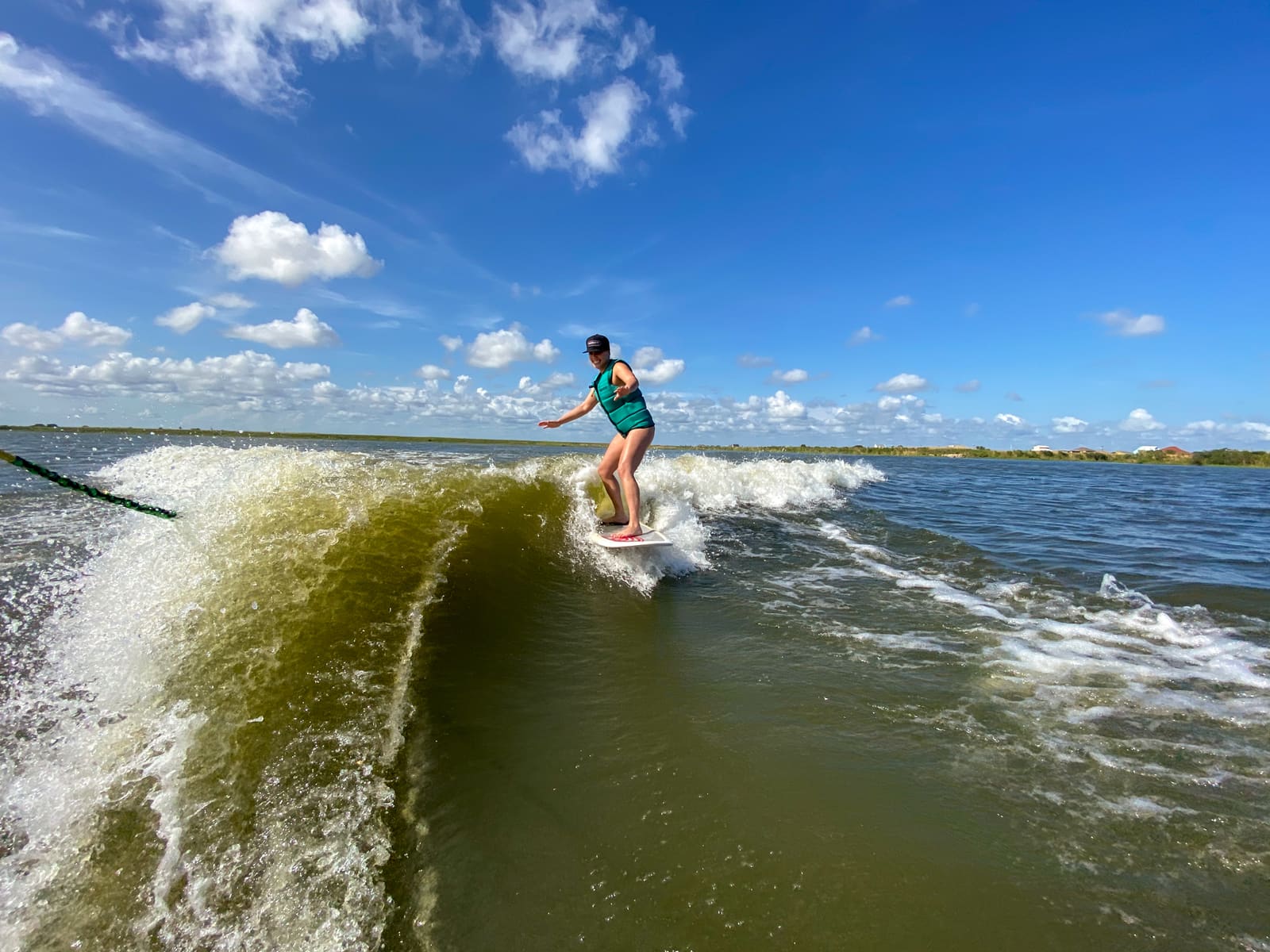
Wakesurf Safety: The Right Boat, Carbon Monoxide, Spotters and Distance
A pre-ride checklist for wakesurfing - surf only behind inboard or V-drive boats built for it, keep riders away from exhaust and the engine off when they board, use a spotter and a short surf rope, stay well away from shore, docks and other boats, and never overload the ballast.
Tow Ropes, Tubes and Watersports Gear: Inspect, Rig and Retire
Check ski, wakeboard and tube ropes, handles, towable tubes and your boat's tow points before every outing, rig them the right way, and know when to throw gear out. Includes the safety basics (spotter, flag, life jackets, prop and carbon monoxide) that vary from state to state.