On-Water Towing Plans: BoatUS vs. Sea Tow vs. Your Insurance Towing Coverage
Compare a BoatUS or Sea Tow towing membership with the towing coverage on an insurance policy: what each pays for (tows, soft ungroundings, jump-starts, fuel delivery), why hard groundings and sinkings are salvage that only hull insurance covers, how to call for help, and what to have ready when you do.
Time
30 min
Applies to
All engines
Safety first: A towing plan is for breakdowns, not emergencies. If anyone is hurt, the boat is taking on water, on fire, or being pushed onto rocks or into surf, call the Coast Guard on VHF channel 16 (or press the red DSC button) or 911 first. Put life jackets on everyone. The tow company can be called after people are safe.
Owners often ask
- Does my boat towing membership pay if I run hard aground or the boat sinks?
- Do I need a BoatUS or Sea Tow membership if my boat insurance already has towing coverage?
This guide walks you through it. Still stuck? Ask the AI Mechanic about your engine.
Tools
- Your towing membership card or app, and your insurance declarations page
- VHF radio (DSC with GPS if you have it)
- Charged cell phone in a waterproof case
- Chartplotter or phone GPS app that shows your latitude and longitude
Parts & supplies
- A printed card with your boat's name, HIN, length, color, home port and towing member number
- BoatUS Open Form Yacht Salvage Contract (free printout), if your insurer or tow plan offers one
Before you start
Sooner or later most boaters need help: a dead battery, an empty tank, a fouled prop, a sandbar. A commercial tow without coverage is billed by the hour from the moment the tow boat leaves its dock until it gets back. BoatUS says the average tow costs about $750 per incident; Sea Tow puts it at about $950 (both figures as published in October 2026).
You have three common ways to cover that:
- A BoatUS towing membership (the boats are branded TowBoatUS)
- A Sea Tow membership
- Towing and assistance coverage on your boat insurance policy (often an add-on or endorsement)
This guide compares them in plain terms. It's not a recommendation for one company. Prices and terms change; read the current service agreement and your policy before you buy.
Steps
This is the single most important thing to understand, because it decides who pays.
- Towing and soft ungrounding: your boat is broken down or lightly stuck, nothing is in immediate danger, and no special gear is needed. Towing plans pay for this.
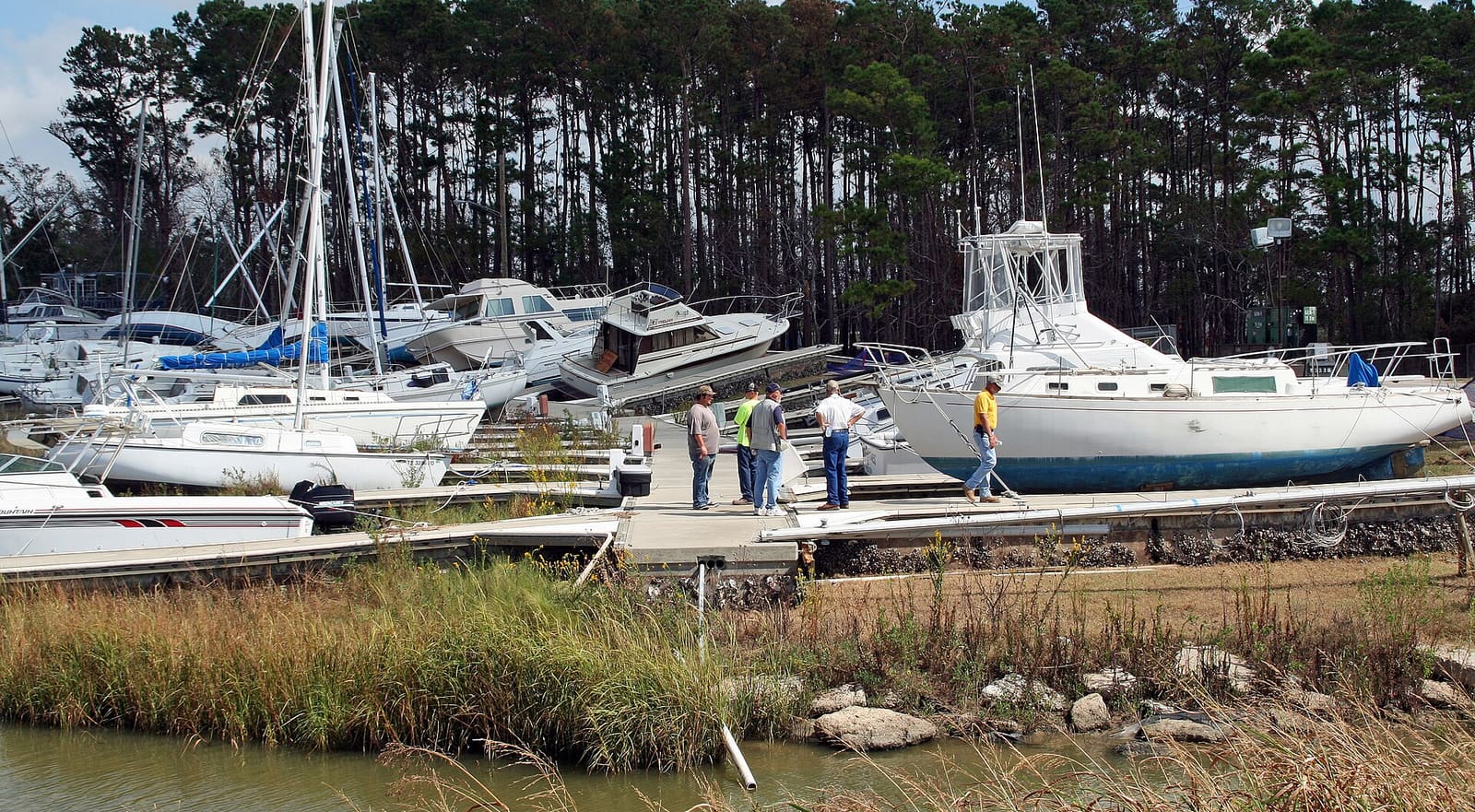
- Salvage: the boat or the environment is in real peril, or special equipment is needed (pumps, air bags, divers, cranes). Hard groundings, sinkings, fires, collisions and boats on the rocks are salvage.
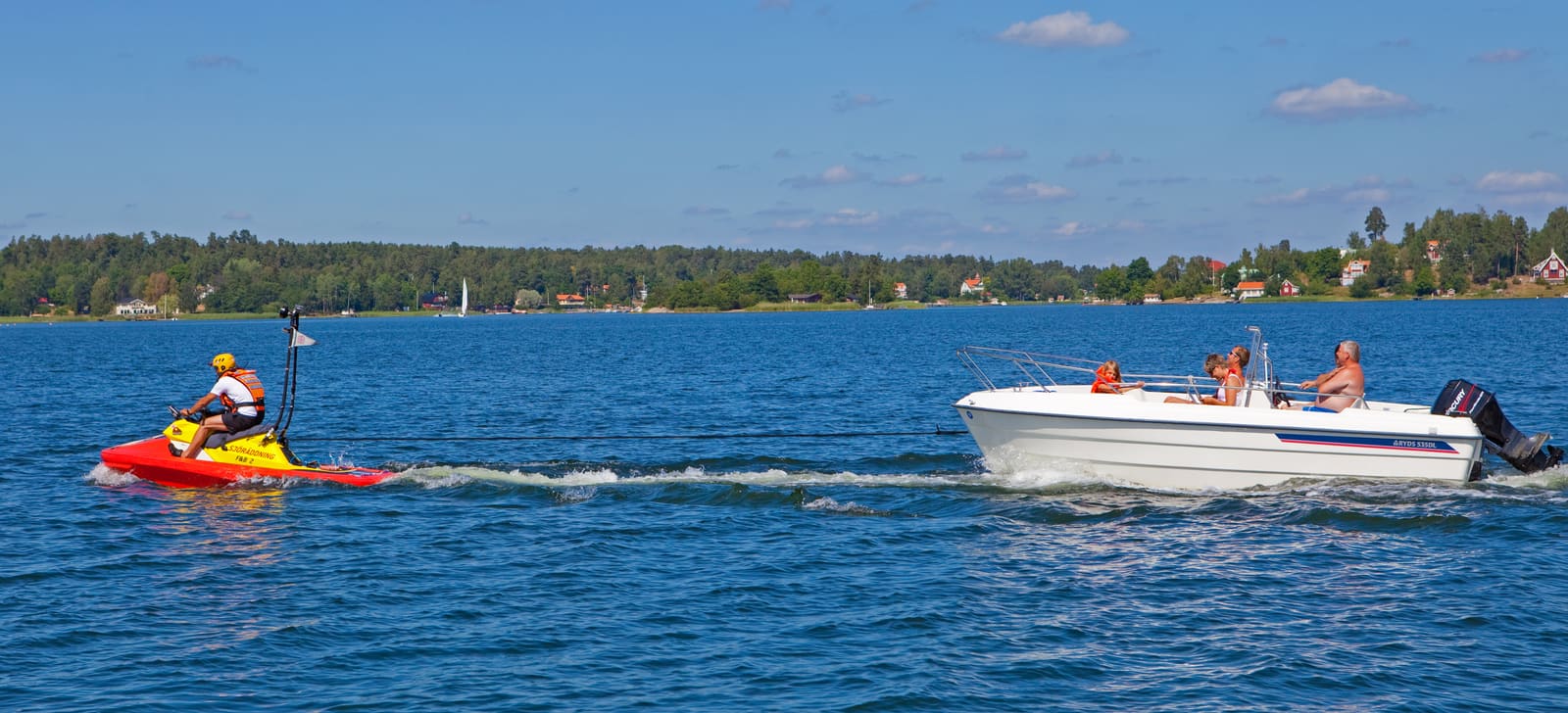
Photo: Bengt Nyman / Wikimedia Commons · CC BY 3.0 BoatUS states plainly that its towing service doesn't pay for salvage, such as a sinking or a hard grounding; that's a job for hull insurance. Sea Tow's membership agreement says the same: salvage is not a membership benefit. Salvage bills can be many times a tow bill, sometimes based on a share of the boat's value. A maritime lawyer quoted by Sailing Magazine gave the example of a few hundred dollars for a simple tow versus a possible $25,000 salvage award for nearly the same work on a $150,000 boat in peril.
Pull out your policy's declarations page and look for "towing," "assistance," "emergency service" or similar wording. Note:
- The limit per incident (some are low and a long tow eats it quickly)
- Whether you pay first and send the bill for reimbursement
- What counts: fuel delivery, jump-starts, soft ungroundings, trailer help
- Salvage and wreck removal: these belong under the hull coverage. A liability-only policy usually won't pay a salvage bill, so check this before you need it.
BoatUS points out that some insurers offer only limited towing reimbursement, where you pay the tower and file paperwork afterward. Sea Tow's FAQ makes the point that an insurer doesn't own tow boats; you still have to call a towing company to get help. Your policy and a membership can work together: the membership handles breakdowns, the hull insurance handles salvage and damage.
As of October 2026, both companies list these on-water services as paid in full for members within their service area, subject to their agreements:
BoatUS Sea Tow Tows after a breakdown Yes Yes, unlimited in your home area Soft ungroundings Yes Yes, if it meets their conditions Jump-starts Yes Yes Fuel delivery Delivery yes, the fuel itself is yours (the agreement excludes the cost of fuel, parts and supplies) Delivery yes, fuel and container cost is yours Dock-to-dock tow to a repair yard Yes, to a repair yard within 25 nautical miles; not for boats you borrow or charter Yes, up to 25 miles from your home port, scheduled off-peak Boats covered Boats you own, borrow or charter Boats you own, rent or bareboat charter Outside a covered area Reimbursement up to $3,000 if no TowBoatUS operates there (call dispatch first for authorization) Reimbursement up to $5,000 per incident, at up to $275 an hour Salvage, hard grounding, sinking No No Sea Tow also lists prop disentanglement and oil and parts delivery. Its agreement spells out when an ungrounding is free: the boat is stable, not in surf, has water all around it, still rocks or moves, and can be floated off by one Sea Tow boat in 15 minutes or less (on arrival or at the next high tide). Anything beyond that is billed as salvage.
BoatUS's current agreement (as of October 2026) has one more limit worth knowing: if the tow boat has to leave its service area, or your chosen destination is more than 25 nautical miles from the tow boat's home port, BoatUS pays up to $3,000 for that incident and you pay the rest. On a long run home, ask the dispatcher where the tow will end before it starts.
Both companies sell a cheaper plan for inland fresh water and a fuller plan for salt water.
Published prices on October 26, 2026:
- BoatUS: Freshwater Towing $130/year (not available in Florida or Hawaii); Saltwater Towing $215/year (covers salt and fresh water, including all of Florida); basic membership without towing $25/year.
- Sea Tow: Lake Card $169/year (fresh, non-tidal waters only, not in Florida); Gold Card $249/year (salt and fresh water).
If you ever run tidal rivers, bays, the coast or anywhere in Florida, a freshwater-only plan won't fit. When in doubt, choose the saltwater level or call the company and describe your waters.
Membership only works well where there are tow boats. BoatUS defines each TowBoatUS service area as the navigable water within 25 nautical miles of the responding tow boat's port, and both companies have online service locators. Look up:
- Your home lake or harbor
- Places you trailer to on vacation
- How far offshore you go
In the North, some towers pull their boats out for winter. BoatUS's dispatch center can tell you who's operating if you boat off-season.
Both agreements exclude problems that existed before you joined. Common limits to look for:
- Dock-to-dock tows from your home dock aren't covered in the first 30 days (both companies). Sea Tow also asks for proof you've owned the boat for 60 days.
- No storm haul-outs: neither membership pays to move a boat ahead of a storm or for a seasonal haul-out. You can hire the tower separately.
- Guests: if you're aboard a friend's boat and the owner is there, the owner's coverage applies, not yours (BoatUS).
- Commercial use (charters, rentals, guides) needs a commercial plan.
- Help at your own dock: a dead battery or an empty tank at the dock or mooring where you keep the boat isn't a free call. Sea Tow's agreement excludes fuel delivery and jump-starts at the home dock, and BoatUS's agreement excludes battery jump-starts and battery-related tows at a dock where the boat is normally kept. Charge the battery and fill the tank before you leave the slip; the membership is for trouble once you're out.
On-water plans don't cover a flat on the highway. Both companies sell a trailer add-on:
- BoatUS Trailer Assist ($15/year as listed in October 2026): tows of the vehicle and trailer to a repair shop or safe place up to 100 miles, flat-tire labor, jump-starts, lockouts and fuel delivery (fuel cost extra). It won't pay for highway accident costs; that's your auto or hull insurance.
- Sea Tow Trailer Care / Trailer Care+ ($16 and $30 a year as listed in October 2026, for Sea Tow members): help with bearings, axles, flats, lockouts and jump-starts, capped at $300 or $600 per incident, parts and fuel not included.
Add-on prices change; confirm them on each company's site before you buy.
Coverage won't help if you don't carry a spare. See our trailering prep and trailer spare hub guides.
Do this at the dock, not while drifting:
- BoatUS dispatch: 800-391-4869, or "Call for a Tow" in the BoatUS app, or hail "TowBoatUS" on VHF 16.
- Sea Tow dispatch: 800-4-SEATOW (800-473-2869), the Sea Tow app, or hail "Sea Tow" on VHF 16.
Put the number in your phone, write it on the card in your helm, and keep the member card or app login handy. A family member using your boat can use your membership (both companies), but they need to know how.
When something breaks:
- Make sure everyone is safe and wearing life jackets. If you're drifting toward danger, anchor if it's safe to do so.
- Decide: emergency (Coast Guard, VHF 16 / 911) or breakdown (tow company).
- Call or hail your tow company. On VHF 16 they'll usually move you to a working channel.
- Give them the details below and stay on the radio or phone.
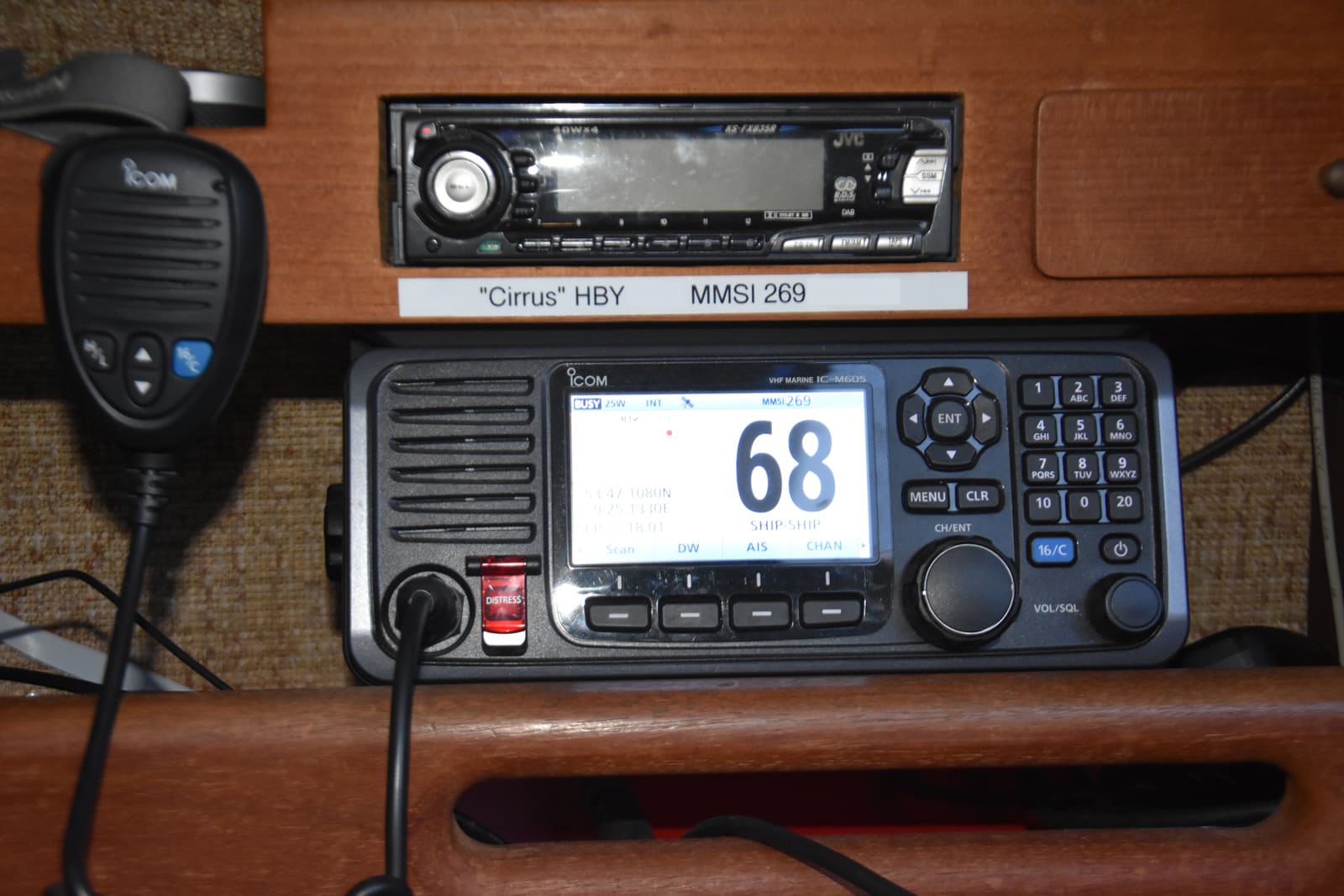
If nobody answers on 16, BoatUS suggests trying channels 7, 9, 68, 71 or 79, or calling by phone so they can hail you back.
The dispatcher will ask for:
- Your position: latitude and longitude from the GPS, plus a landmark or channel marker number
- Boat name, length, type and color, and how many people are aboard
- What happened: won't start, out of fuel, stuck on a sandbar, prop wrapped, etc.
- Whether anything is getting worse: water coming in, weather building, drifting toward rocks
- Your member number and a phone number that works
- Your draft, if you're aground
Answer honestly about danger. A situation that's getting worse changes who should respond.
If a tow company or anyone else offers help, especially when you're aground, ask before they start whether the job is towing or salvage and what it will cost. A maritime lawyer quoted by Sailing Magazine advises getting the terms in writing, even on a napkin: the rate, how it's figured and the expected time. If you're simply drifting and not in danger, you can decline an offer of assistance.
BoatUS suggests carrying its free Open Form Yacht Salvage Contract, which sends any salvage dispute to local arbitration instead of court. Let your insurance company know right away if salvage is involved.
- Get an itemized invoice even if the tow was "free" to you.
- If you paid out of pocket in an area without a contracted tower, send the invoice for reimbursement (BoatUS lists a 10–15 business day review time).
- If there's damage, follow our insurance claim guide and keep photos, the invoice and any salvage paperwork together.
- Note the event and the cause in your maintenance log. Repeated breakdowns from the same cause tell you what to fix.
Common mistakes
- Believing the towing plan covers a hard grounding or a sinking. It doesn't; that's salvage and hull insurance.
- Buying a freshwater-only plan and then boating on tidal water or in Florida.
- Relying on a low insurance towing limit for a boat that runs long distances offshore.
- Joining the day after a breakdown and expecting the dock-to-dock tow to be covered (30-day wait, and pre-existing problems are excluded).
- Letting someone start pulling on a grounded boat without asking whether it's towing or salvage.
- Not knowing your own position. "Near the big green buoy" slows everything down.
- Keeping the membership card at home and the dispatch number nowhere.
When to call a pro
- Anyone is injured, overboard or in danger: Coast Guard on VHF 16 or 911, right away
- The boat is taking on water, on fire, hard aground on rocks or in surf
- You smell fuel or see a sheen around the boat
- The engine quit and you can't find a simple cause (see our loss of power guide), or the weather is building
- After any salvage job, call your insurance company before you sign anything you don't understand
Tips
- Test your VHF by asking the local tow company for a radio check; BoatUS invites this on channel 16.
- One tow can cost more than several years of membership. Compare that against how far and how often you go out.
- Write your HIN, boat length and member number on the inside of a locker door.
- Learn basic fixes (fuel, battery, prop) so a tow is the last resort, not the first.
- Check renewal dates. A membership that lapsed last month doesn't help today.
Official references
We read these to write this guide. Your engine's own manual always wins.
- BoatUS – Get Boat Towing Coverage (plans and prices)
- BoatUS – Boat Towing FAQ (towing vs. salvage, Trailer Assist)
- BoatUS – Membership Savings
- Sea Tow – Membership Options and FAQ
- Sea Tow – Membership Agreement
- BoatUS – Towing Service Agreements (current on-water and Trailer Assist terms)
- Sea Tow – Trailer Care (plans and per-incident limits)
- Sailing Magazine – Know Your Salvage Rights
Safety: BoatMend is for information only and does not replace a certified marine technician. You are responsible for your safety and your boat. Read the full disclaimer.
Last updated 2026-10-26
Related guides
Helping Another Boater: Your Duty to Assist, Safe Approaches, and When Not to Tow
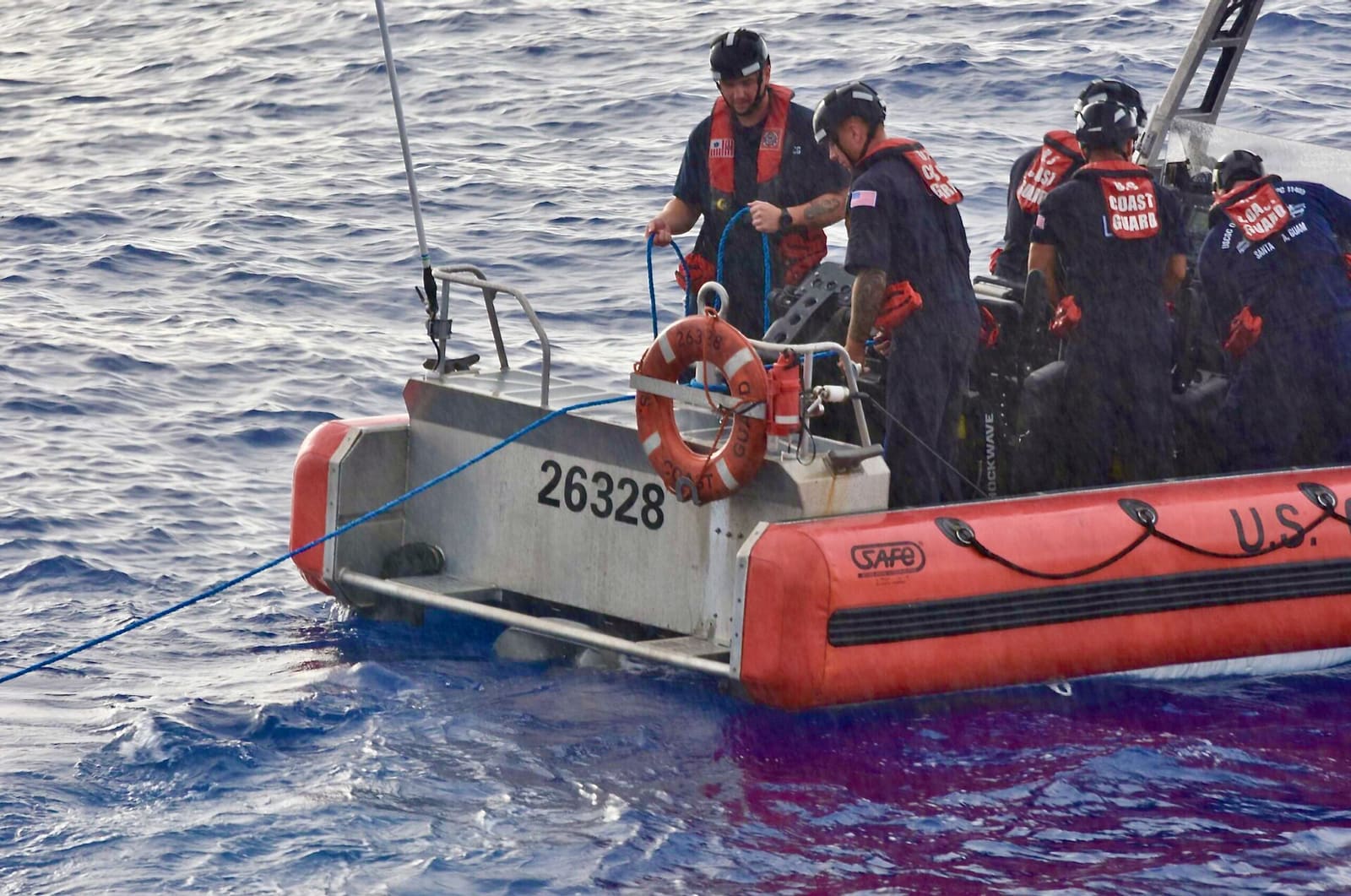
What the law expects when you come across a boater in trouble, how to approach a disabled or sinking boat safely, how to take people aboard, the basics of a short tow, and when to stand by and call the Coast Guard, Sea Tow or TowBoatUS instead. People first, boats second.
Loss of Power, Hesitation or Misfire - Troubleshooting Guide
Figure out why your engine bogs down, stumbles, will not reach full rpm or runs rough. Work from simple checks like trim, prop and fuel filter to ignition and engine protection modes before paying for diagnostics.
Set Up Your VHF Radio: MMSI, DSC, GPS Hookup and Radio Checks
Get a free or low-cost MMSI number, program it into your DSC radio, connect your GPS so a distress alert sends your exact position, check the antenna, and learn the Channel 16 rules and the right way to do a radio check.
How to File a Boat Insurance Claim: Safety, Mitigation, Documentation and Settlement
What to do from the moment something goes wrong until the check arrives: make everyone safe, stop further damage, report right away, document with photos and your maintenance log, handle towing versus salvage, work with the adjuster or surveyor, and understand agreed value, actual cash value and the common exclusions. Policies differ, so your own policy wording always wins.
Emergency Drills for Your Crew: Engine Failure, Fire, Steering Loss and Man Overboard
Practice what everyone aboard does when the engine quits, a fire starts, the steering fails or someone falls in. A few short drills each season turn panic into a plan, and teach your crew to anchor, call for help on VHF 16 or DSC, and get a tow.
What to Do When Your Boat Is Taking On Water: Emergency Steps and Prevention
A step-by-step emergency plan for water coming into the boat - life jackets on, call for help early on VHF 16, find and slow the leak, pump, and head for shallow water if needed - plus the maintenance checklist that prevents most sinkings.
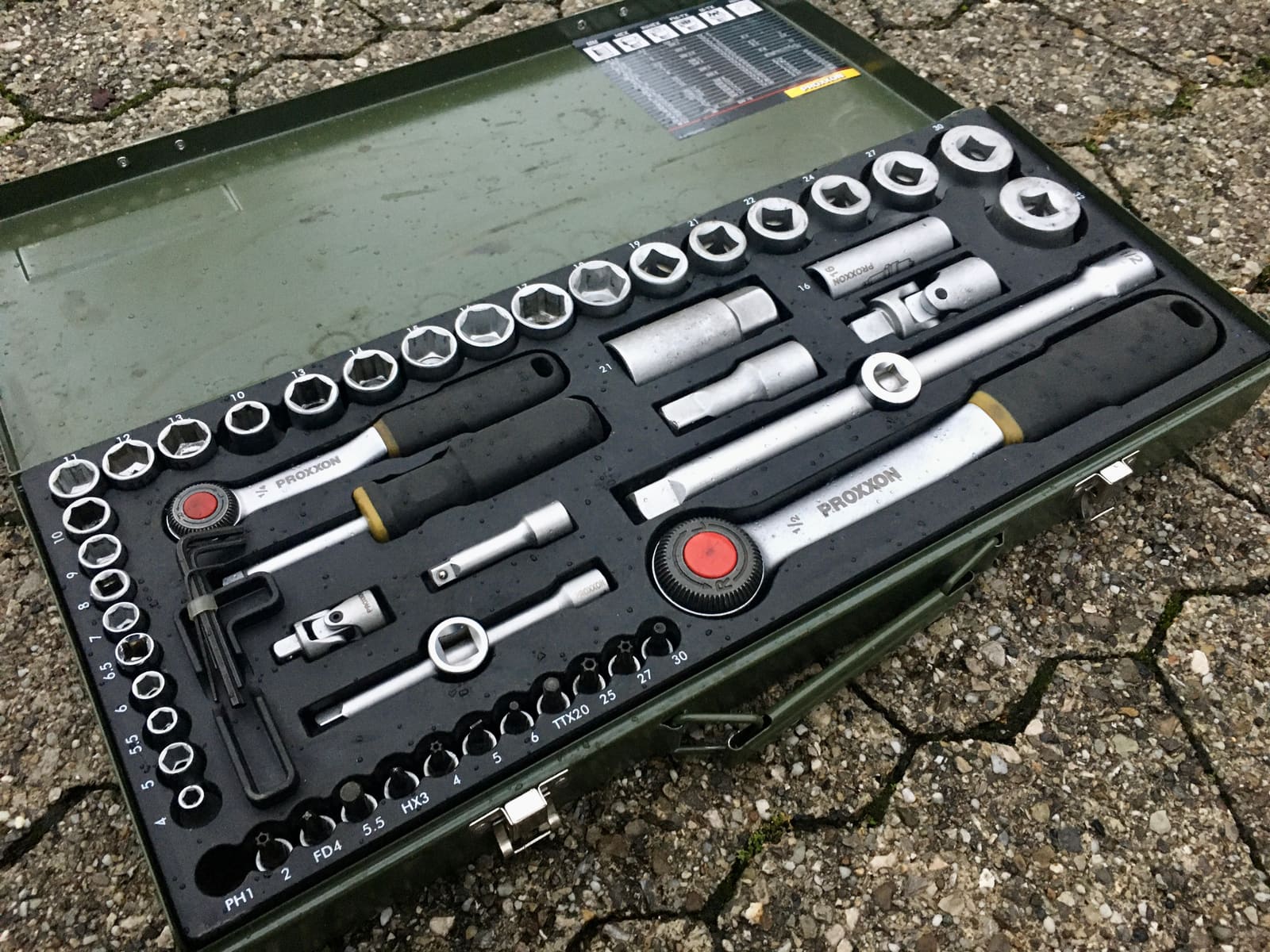
Onboard Tool Kit and Spare Parts: What to Carry on a Day Boat or a Cruiser
Build a tool kit and spares box that fits your boat and how far you go. A blown fuse, a clogged fuel filter or a dinged prop shouldn't end the day or turn into an expensive tow.
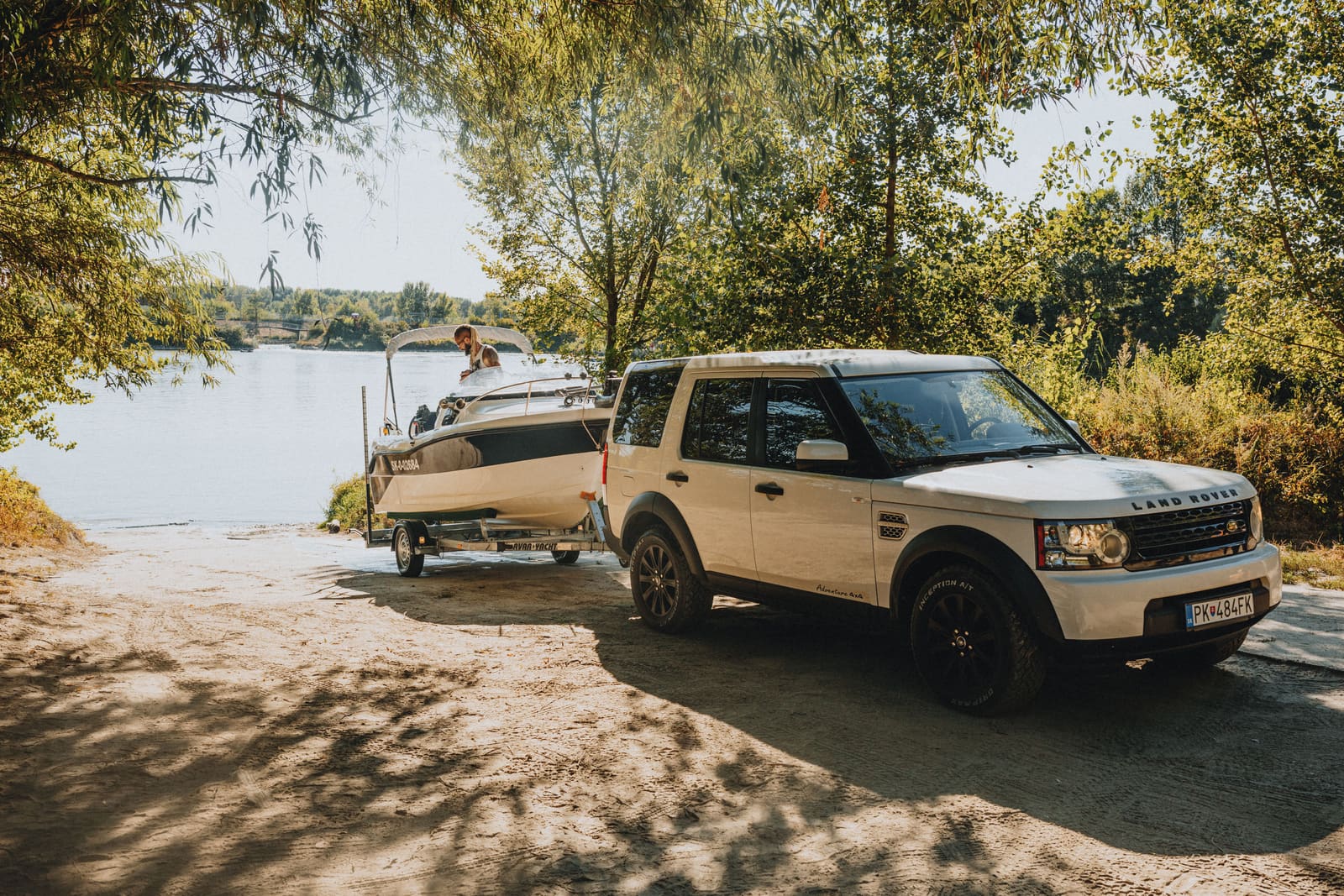
Get Your Boat Ready for the Road: Pre-Trailering Checklist
Most trailering trouble starts in the driveway: an engine left without support, a loose strap, a cover that balloons at 60 mph, gear that blows out or tongue weight that makes the rig sway. Work through this checklist before every trip and do a quick walkaround at each stop.
The Real Cost of Owning a Boat: Building a Yearly Budget and Cutting Costs with DIY
Add up what a boat really costs each year (storage, insurance, fuel, maintenance, winterizing, registration, depreciation and the surprise repair), check it against the common rules of thumb, and find the places where do-it-yourself work and smarter choices save real money. Practical planning help, not financial advice.