Propane (LPG) Safety on Boats - Locker, Solenoid, Sniffer and Leak Test
Learn why leaking propane sinks into the bilge, how to inspect the locker, cylinders, hoses, solenoid and gas alarm, and how to run a simple leak test. Repairs to a propane system belong to a qualified marine technician.
Time
45 min
Shop would charge
$150-400
Applies to
All engines · Cabin cruiser, Sailboat, Yacht, Pontoon
Safety first: If you smell rotten eggs (the odor added to propane) or a gas alarm sounds: do not light anything, start an engine or flip any switch. Close the cylinder valve if you can reach it safely, get everyone off the boat and onto the dock, and call 911 and a qualified marine technician. If you are underway, shut down, get everyone on deck in life jackets and call USCG on VHF 16. Do not go back aboard until the boat has been checked. Do not repair propane lines, fittings, regulators or appliances yourself.
Fuel smell, water coming in, CO alarm or smoke? Stop, get everyone in life jackets and call USCG on VHF 16 or 911. For a tow: Sea Tow or TowBoatUS.
Owners often ask
- How do I leak test the propane system for my boat's stove?
- I smell rotten eggs in the cabin near the stove. What should I do?
This guide walks you through it. Still stuck? Ask the AI Mechanic about your engine.
Tools
- Flashlight or headlamp
- Spray bottle with a leak-detection solution or mild dish soap and water
- A helper (for the solenoid test)
- Phone camera (to read labels and dates in tight spots)
Parts & supplies
- Leak-detection solution (non-corrosive)
- Replacement propane/gas alarm sensor, if yours has reached its replacement date (installed per the maker)
Before you start
Why propane is different on a boat. Propane (LPG) is heavier than air. BoatUS explains that any gas escaping from a cylinder, line or appliance sinks to the lowest point it can find, which on a boat is usually the bilge. It can pool there unnoticed until a spark from a pump, a switch or a starter sets it off. BoatUS insurance files include many propane explosions, often with serious injuries.
What a safe system looks like (based on ABYC practice as described by BoatUS and Discover Boating):
- Cylinders live in a dedicated, sealed locker above the waterline (or securely on deck), with a drain at the lowest point that vents overboard.
- A regulator and usually a pressure gauge sit at the cylinder, inside the locker.
- An electric, ignition-protected solenoid valve lets you shut the gas off from a switch near the stove.
- One continuous line runs from the locker to each appliance, with no joints or tees inside the cabin.
- A propane vapor alarm ("sniffer") has a sensor mounted low near the appliance, and ideally shuts the solenoid if it detects gas.
Don't wait for a strong smell. Because the gas sinks, Practical Sailor points out that by the time you smell it at nose height, the bilge and other low spaces may already hold a lot of it.
Older boat with "CNG" labels? Some boats from the 1970s and '80s used compressed natural gas instead. BoatUS notes CNG is stored at far higher pressure and its tanks, hoses and appliances are not interchangeable with propane. Never swap parts or cylinders between the two.
This guide is an owner's inspection. It helps you spot problems early; a technician fixes them. A yearly check by an ABYC-certified technician is a good habit.
Steps
After every use, turn off the solenoid switch and close the valve on top of the cylinder. BoatUS points out that the manual cylinder valve is what really keeps gas out of the boat when you leave.
Open the locker and look. It should hold only gas cylinders: no fuel cans, tools or ropes. It should open from the top, have a gasketed lid with a latch that needs no tools, and be built of or lined with a corrosion-resistant material. Water or rust inside means the lid is leaking; BoatUS describes a surveyor condemning a locker whose parts were all corroded by seawater getting in.
Find the drain at the bottom of the locker and follow its hose to the hull. It must run downhill and exit overboard above the waterline, with no loops or dips that can hold water. A drain hose teed into a cockpit drain, blocked by water or missing entirely is a serious problem for a technician to fix.
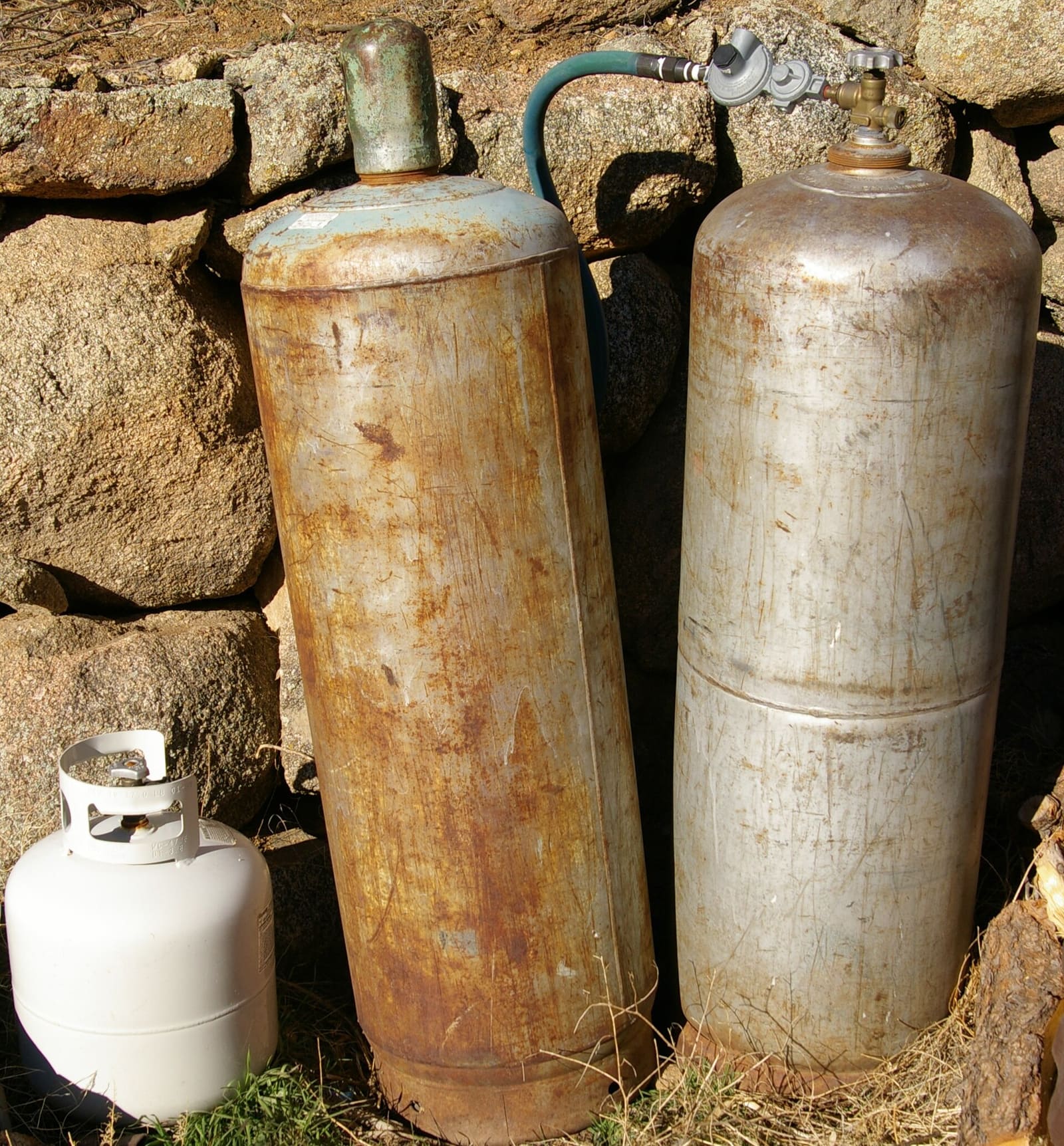
Each cylinder should be strapped down so it cannot move, in the position it was designed for: BoatUS warns that a cylinder made to lie horizontally, if stood upright (or the reverse), can send liquid propane into the system. Look for heavy rust, dents and damaged valves. BoatUS notes cylinders must be requalified 12 years after manufacture and then every 5 years; check the date stamped on the collar and ask your propane dealer. Rusty or damaged tanks will not pass and need replacing. Spare cylinders, including small 1-pound grill canisters, need the same safe, vented storage as the one in use, never a cabin locker or the bilge. If you own a composite (fiberglass) cylinder, check it against the Lite Cylinder recall described by BoatUS.
The regulator lowers cylinder pressure to what the appliances use. On deck installations, Discover Boating says regulators and valves must be at least 20 inches from any opening into the cabin or a locker. A pressure gauge does not show how much gas is left: the pressure stays nearly the same until the tank is almost empty. Its real job is the leak test.
Have a helper switch the solenoid on and off at the panel while you listen at the locker. You should hear a clear click each time. Solenoids are "normally closed": they need power to stay open, so losing power shuts the gas off. BoatUS notes some are prone to corrosion, so look for rust or green corrosion on the body and wires. If it does not click, have it replaced by a technician.
This is the check BoatUS describes from the ABYC guidelines, for systems with a gauge:
- Make sure every appliance burner and valve is off.
- Turn the solenoid on.
- Open the cylinder valve to pressurize the system, note the gauge reading, then close the cylinder valve.
- Watch the gauge. BoatUS cites at least 3 minutes with no drop; Discover Boating suggests 5 minutes. Waiting the longer time costs nothing.
If the pressure holds, the system passed. If it drops, there is a leak: close the cylinder valve, turn the solenoid off and do not use the system.
If the gauge dropped, or your system has no gauge, spray a non-corrosive leak-detection solution (or mild soapy water) on the joints you can reach: cylinder valve, regulator, gauge, solenoid and hose ends in the locker, and the connection at the stove. Growing bubbles mark a leak. Leaks often hide on the underside of a fitting, so check below each joint with a small mirror or your phone camera, as Practical Sailor's how-to suggests. Never use a flame to look for a leak. Mark the spot, leave the system shut off and call a technician.
Follow the line from the locker to each appliance as far as you can see. It should be one unbroken run per appliance, made of approved flexible propane hose or copper tubing. Look for chafe, kinks, cracks, splits and spots where it rubs on sharp edges. BoatUS notes that hose clamps on propane hose and compression fittings on copper are not acceptable. If you find any of these, have the line replaced.
Find the alarm panel and its sensor. The sensor should be low in the cabin near the propane appliance, because the gas sinks. Press the test button and confirm the alarm is loud enough to hear. Check the label for the sensor's replacement date and follow the maker's instructions. If the alarm is wired to shut the solenoid, confirm the gas turns off during the test.
Burners should light cleanly with a blue flame.
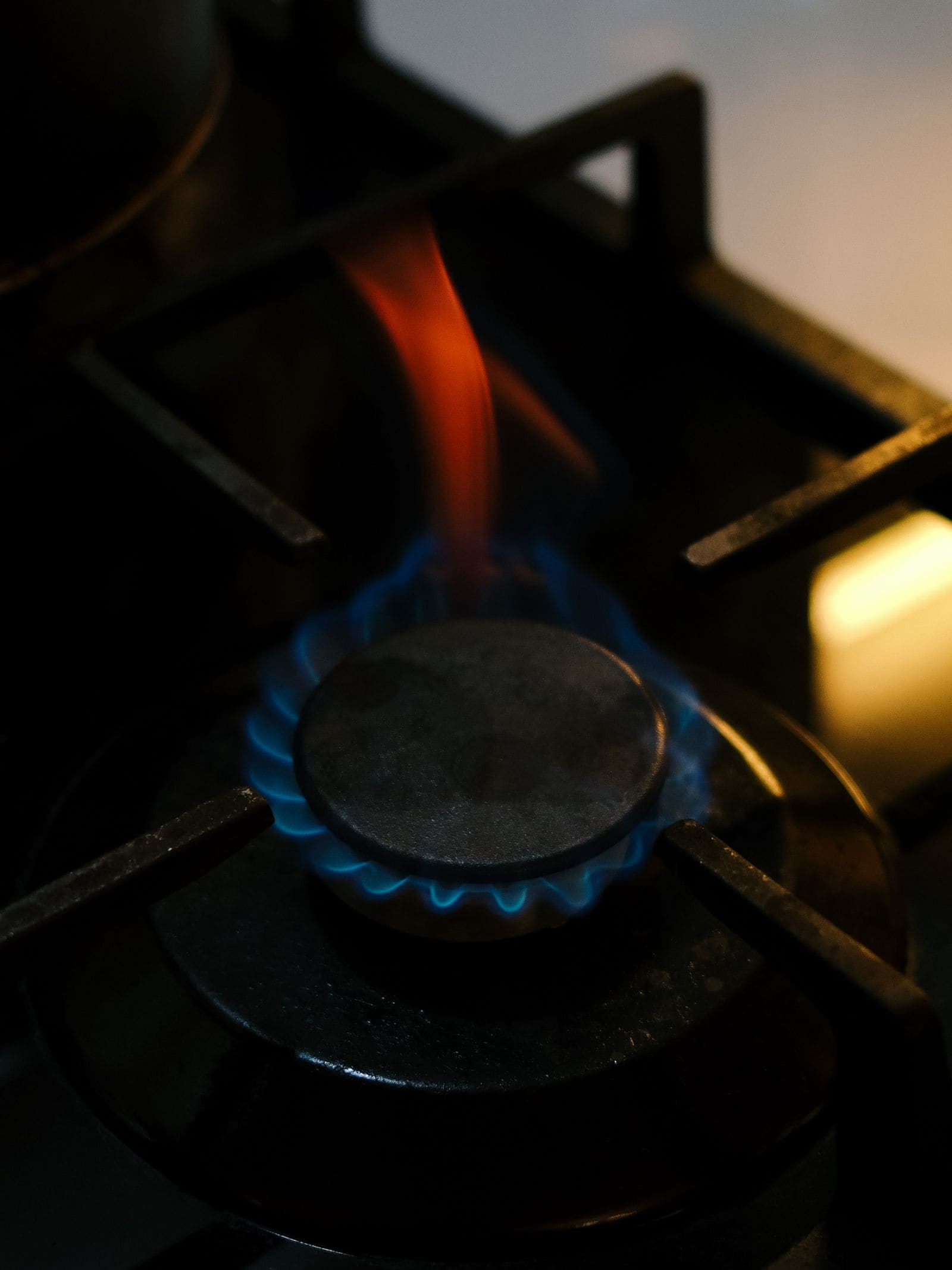
The blue ring is what you want. Tall, lazy yellow or orange flames usually mean poor combustion: have the stove checked. Photo: Nadin Sh / Pexels A gimbaled galley stove must be securely captive: Discover Boating suggests pulling up firmly on it to make sure it cannot lift out of its mounts. Any propane heater needs the same solenoid and sniffer protection as the stove. Never use the galley stove or a portable heater to warm the cabin; fuel-burning appliances make carbon monoxide.
BoatUS recommends a carbon monoxide detector in each cabin or enclosed sleeping space, in addition to the propane alarm. They detect different gases. The USCG notes CO can harm you whether you are underway, moored or anchored.
Discover Boating describes emptying the lines: with a burner lit, close the cylinder valve. When the flame goes out, turn the burner off and switch the solenoid off. Many owners take the cylinders home for the winter and store them upright outdoors.
Common mistakes
- Tossing a spare cylinder or a 1-pound grill canister into a cockpit or cabin locker with no overboard drain.
- Leaving the cylinder valve open all season and relying on the solenoid alone.
- Thinking the pressure gauge shows how much gas is left.
- Ignoring a faint rotten-egg smell for days. BoatUS describes an owner who did exactly that before an explosion.
- Using hose clamps, household fittings or a tee to add a second appliance.
- Mounting the gas sensor high on a bulkhead, where sinking propane never reaches it.
- Running a portable heater or the stove for heat in a closed cabin.
When to call a pro
- You smell propane, a gas alarm sounds, or the leak test shows a pressure drop (shut everything off and stay off the boat until it is checked)
- Any hose, fitting, regulator, solenoid, line or appliance needs replacing or adding
- The locker, its lid or its drain is damaged, missing, or below the waterline
- A cylinder is rusty, dented, recalled or past its requalification date
- You bought a used boat with a propane system: have an ABYC-certified technician inspect it before first use
Tips
- Put a small card next to the stove: "Solenoid OFF, cylinder valve CLOSED after cooking."
- Do the leak test at the start of each season and after anyone works on the system. Log it in BoatMend.
- Keep a phone photo of the cylinder date stamps so you know when requalification is due.
- If you only use a rail-mounted grill, store its 1-pound canisters in a vented holder outside the cabin.
Official references
We read these to write this guide. Your engine's own manual always wins.
Safety: BoatMend is for information only and does not replace a certified marine technician. You are responsible for your safety and your boat. Read the full disclaimer.
Last updated 2026-10-25
Related guides
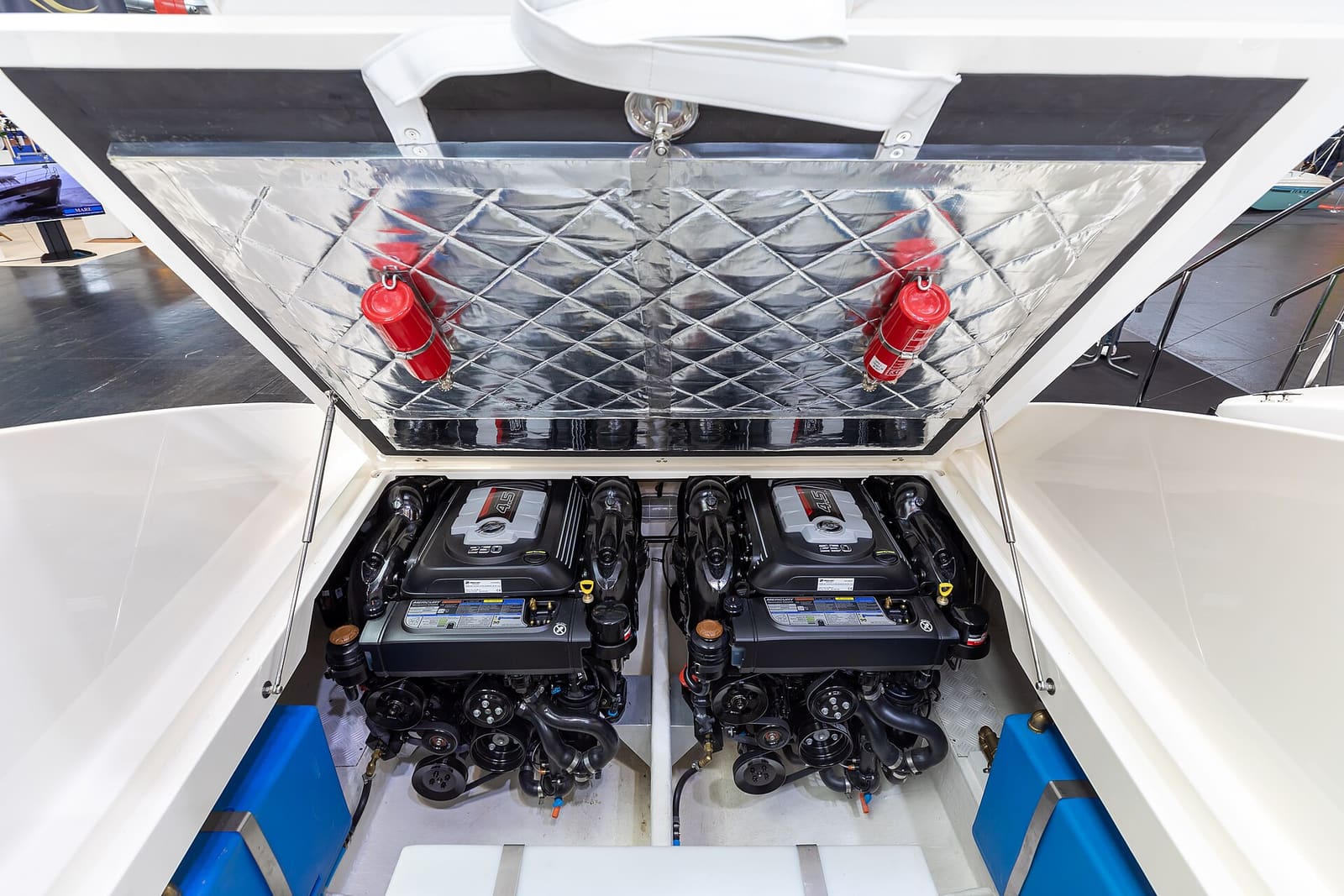
Bilge Blower and Engine Compartment Ventilation on Gas Inboards and Sterndrives
Learn why gas boats have a "run the blower 4 minutes" label, how to check that the blower and vent ducts actually move air out of the engine compartment, and how to replace a blower safely with an ignition-protected marine unit.
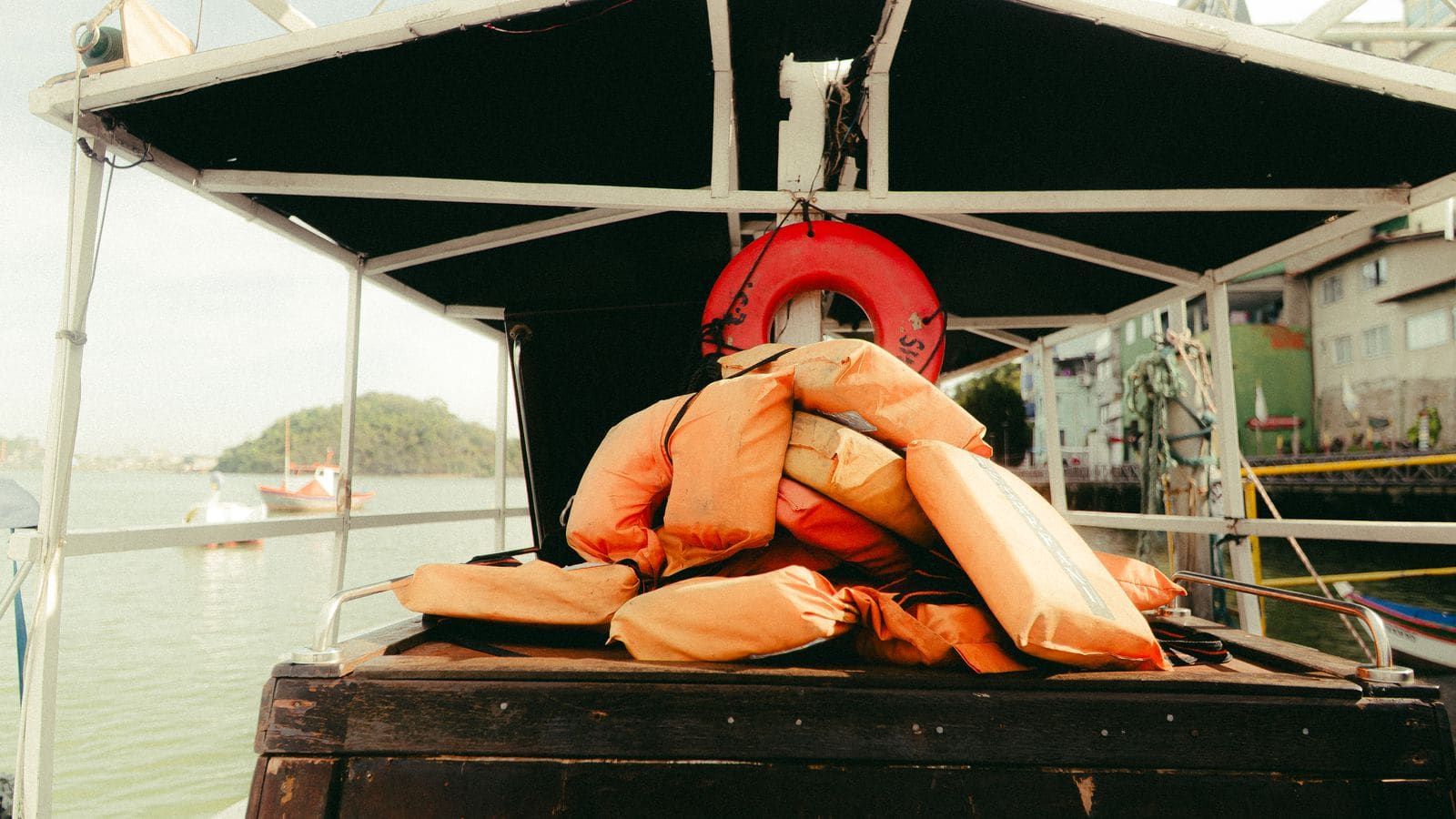
USCG Required Safety Equipment Check by Boat Length
Walk through your boat and confirm you carry every piece of safety gear the US Coast Guard requires for your boat's length and type, and that none of it is expired or worn out. Missing or expired gear is one of the most common tickets on the water, and it is the gear you need when things go wrong.
Shore Power Safety: Cords, Inlets, Burned Plugs and Electric Shock Drowning
An owner's inspection routine for your shore power cord, plugs, boat inlet, galvanic isolator and ground-fault protection, plus the right way to plug in and the facts about Electric Shock Drowning. This guide is for looking and testing only; any electrical repair belongs to an ABYC-certified marine electrician.
Marine Generator Routine Maintenance and CO Safety
Keep an Onan, Kohler/Rehlko, Northern Lights, Westerbeke or similar marine generator reliable with regular checks of oil, raw-water cooling, fuel, exhaust and the start battery, plus a monthly run under load. Generator exhaust is a leading source of carbon monoxide on boats, so safety checks come first.
How to Winterize (and Recommission) Your Boat's Freshwater System
Protect the tank, pump, water heater, faucets and showers from freeze damage with non-toxic antifreeze, then flush and sanitize everything in the spring so the water is clean again. A cracked pump or split fitting is a common, avoidable winter repair bill.
Launch Day and Haul-Out Checklist for Trailer Boats
A step-by-step checklist for getting your boat off the trailer and back on again safely and quickly, from the drain plug and tie-downs to the blower and ramp etiquette. Following it in order prevents the classic mistakes that sink boats and back up the ramp.