How to Prevent and Remove Scale in Marine Toilet Discharge Hoses
A head that gets harder to pump, flushes slowly or lets water creep back into the bowl often has mineral scale building up inside the discharge hose. Learn a simple monthly vinegar routine, when to use a maker-approved descaler, what never to pour in, and when replacing the hose or switching to a freshwater flush is the real fix.
Time
1 h
Shop would charge
$150-400
Applies to
All engines · Cabin cruiser, Yacht, Sailboat
Safety first: Toilet hoses carry sewage. Wear gloves and eye protection, ventilate the boat, and wash up afterward. Never mix cleaning products (especially acids with bleach): the fumes can be deadly in a small head compartment. Strong acids can burn skin and eyes and attack metal fittings. The discharge hose often ends at a through-hull below the waterline: if you take any hose or valve off, close that seacock first. If water comes in that you can't stop, call TowBoatUS or Sea Tow, or the USCG on VHF 16 or 911 if anyone is in danger.
Owners often ask
- Why is my marine toilet getting harder and harder to pump?
- Does running vinegar through the head really remove scale from the hoses?
This guide walks you through it. Still stuck? Ask the AI Mechanic about your engine.
Tools
- Nitrile gloves and safety glasses
- Measuring cup and a clean bucket
- Flashlight
- Screwdriver or nut driver (only if you remove a hose end or valve to inspect it)
- Rags and a small bowl of warm, soapy water
Parts & supplies
- Plain white distilled vinegar (for routine prevention)
- In-place hose descaler approved by your toilet or hose maker
- Toilet lubricant recommended by your toilet maker
Before you start
What scale is and why it grows. Urine mixed with sea water leaves hard mineral deposits, mostly calcium carbonate, on the inside of the toilet's discharge path. Practical Sailor describes it as the result of salt water meeting uric acid. It builds up in layers, a bit like the crust inside an old kettle. Raritan warns that over the years it can shrink a 1-1/2 inch waste hose to an opening smaller than 1/4 inch, ending in a complete clog. Freshwater-flush toilets get it too, just more slowly.
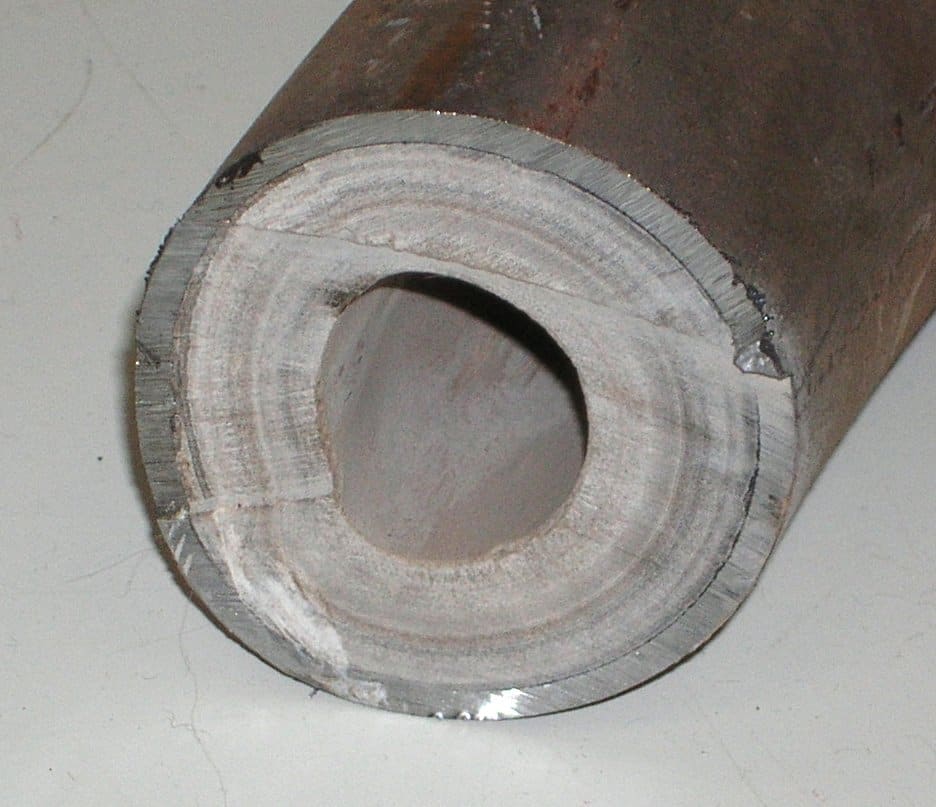
Symptoms. BoatUS lists the classic signs: the head gets harder and harder to pump, waste moves slowly, and water from the discharge hose seeps back into the bowl because scale keeps the valves from sealing. Electric toilets may run longer, sound strained or trip their breaker.
Scale or smell? Scale slows the flush. A sewage smell from the hose is usually permeation, which no cleaner fixes. Our head hose replacement guide shows the hot-rag test for that. Many older boats have both problems at once.
Check your manuals first. Toilet makers say which cleaners and descalers are safe for their valves and seals, and hose makers say what their hose can take. Follow them over any general advice here, including ours.
Steps
Count how many pump strokes it takes to clear the bowl, or time an electric flush. Watch whether water creeps back into the bowl after flushing. Write it down in BoatMend. This gives you a baseline to judge whether the treatment worked and to spot the problem returning.
Wearing gloves, check what you can reach without taking anything apart:
- The hose: squeeze it gently along its length. Healthy hose flexes; a heavily scaled hose feels rock-hard and may crackle.
- Hose ends: if a clamp is easy to reach, a flashlight look into a fitting on a dry, flushed system often shows a white or gray crust.
- The toilet's discharge valve (joker valve on many manual heads): a valve that no longer closes, or that is crusted at the lips, points to scale.
Thin crust: prevention and descaling will help. Thick crust that has visibly narrowed the hose: plan to replace that hose (step 10).
Pump out the holding tank (or flush overboard only where it is legal, beyond 3 nautical miles in coastal waters and never in a no-discharge zone). Then flush several bowls of clean fresh water through so the hose is as clean as possible before any treatment. Turn on ventilation and put on gloves and glasses.
BoatUS's simple prevention method for saltwater-flushed heads:
- Pour about a pint of plain white vinegar into the bowl.
- Move it through the system slowly: one pump stroke every 4 or 5 minutes, so the vinegar sits in the pump and hose rather than rushing straight through.
- When it has all passed through, pump about a gallon of fresh water through to rinse the lines.
Vinegar is a mild acid. It dissolves fresh scale and keeps new deposits from building up, but it works slowly on thick, old crust. Some owners report that soft rubber valves swell if vinegar is left standing in the bowl for long periods, so move it along and rinse, as described above, unless your toilet maker says otherwise.
For scale that is already there, hose makers sell descalers you pour in and leave to soak, without taking the plumbing apart. Raritan's C.H. Cleans Hoses is one example: you mix it with fresh water, pour it in through the toilet or another access point, and let it sit while it dissolves the scale. Raritan suggests treating every few months, more often if you flush with sea water or notice slow drainage.
- Use only a product your toilet maker approves, and follow the label's mix ratio, soak time and number of treatments.
- Close the toilet's intake (on manual heads, set it to "dry bowl") so the product stays in the hose instead of being diluted.
- Pump just enough to move it into the discharge hose, then let it soak.
- Rinse thoroughly with fresh water afterward and check the flush against your baseline from step 1.
- Heavy scale may need more than one treatment.
- No household drain cleaners. Practical Sailor warns they can damage sanitation plumbing parts and can even make scale worse.
- No bleach or harsh bowl cleaners unless your toilet maker approves them. They can harm seals and valves and kill the helpful bacteria in many holding-tank treatments. Raritan, for example, sells a bleach-free bowl cleaner for this reason.
- Strong acids: an older BoatUS article describes using diluted muriatic (hydrochloric) acid on heavy scale. It is hazardous to eyes, skin and lungs and attacks metal parts. Don't use it unless your toilet maker specifically allows it, and never in a closed, unventilated head. For most owners, a maker-approved descaler or a new hose is the safer route.
- Never mix two different cleaning products in the system at the same time.
Many discharge lines have a vented (anti-siphon) loop with a small valve on top. BoatUS notes that scale and salt can jam this valve open or shut. With the system flushed and the seacock closed, unscrew the valve cap (or the valve), soak it in warm soapy water, clear any crust, and refit it. A valve stuck open can let odors into the cabin; one stuck shut can let sea water siphon back into the boat. If you can't find it or it won't come apart easily, ask a pro.
Scale on the toilet's own valves is what lets water leak back into the bowl. Joker valves and flapper valves are cheap wear parts: if they are crusted, stiff or misshapen, replacing them usually works better than cleaning. Our manual head rebuild guide walks through it.
Use the toilet lubricant your maker recommends. Avoid cooking oil, and check before using mineral oil: Practical Sailor's long-term testing found that oiling the head was the factor most linked to stubborn, clumping deposits in holding tanks.
Descaling can't save every hose. Replace it when:
- The hose is rock-hard, cracked, or the opening is visibly narrowed at the ends.
- Treatments help for only a few weeks before the flush slows again.
- The hot-rag test shows the hose is permeated and smells.
Some owners take a short, scaled section out and knock the crust loose on the dock, but old hose often cracks doing this. New premium sanitation hose, routed so it drains downhill, is usually the better repair. Our head hose replacement guide covers choosing, routing and clamping it.
Use real sanitation hose, not look-alikes. Practical Sailor's long-term hose test found that clear vinyl tubing used for a holding tank vent turned yellow, stiff and sticky, and that ordinary reinforced exhaust hose used for waste lines let odor through within a few years, leaving a brown, smelly film in the compartment. Fuel, coolant, exhaust and water hoses may look similar, but they're made from different materials and aren't interchangeable. The magazine's test points owners toward hose labeled for sanitation use (materials such as butyl, EPDM, urethane or a stiff, low-plasticizer vinyl). The same article warns that oil or solvents poured into the head can damage any sanitation hose and the toilet's rubber parts.
Scale and that rotten-egg smell are both worse with sea water. Raritan, for example, says its Fresh Head manual toilet connects to the boat's pressurized freshwater system and avoids the quick calcification of the discharge line seen with raw-water heads. Some electric toilets also come in freshwater versions. Before converting, think about:
- Fresh water use: every flush now comes out of your water tanks.
- Backflow protection: the freshwater supply must be protected so sewage can never be drawn back into your drinking water. Use the fittings and valves the toilet maker supplies or specifies.
- Seacocks: a freshwater-flush toilet no longer needs a raw-water intake; any unused through-hull must be properly closed off or removed, which is a job for a pro.
Set BoatMend reminders: monthly vinegar, a descaler treatment every few months (more often with salt water), and a yearly look at the hoses, valves and vented loop. Recheck your stroke count from step 1 each time.
Common mistakes
- Pouring vinegar in and pumping it straight through. It needs time in the hose to work.
- Leaving vinegar or descaler sitting in the bowl for days against soft rubber valves.
- Using household drain cleaner or bleach in a marine toilet.
- Mixing two cleaners, or using strong acid in a closed head compartment.
- Expecting a descaler to cure a smell that is actually coming through the hose wall.
- Taking hose or valves apart with the through-hull seacock open.
- Ignoring a slowly hardening flush until the hose clogs completely, usually at the worst time.
When to call a pro
- The hose is fully blocked and the toilet won't clear at all
- A seacock is stiff, seized or leaking, or water comes in when a hose is off
- You want to convert to freshwater flush, add or move a vented loop, or remove an unused through-hull
- The holding tank, Y-valve or macerator is involved and you're not sure how the system is plumbed (it must meet USCG rules)
- An electric or macerating toilet trips its breaker, smells hot or has wiring problems
- Hoses run behind furniture or tanks you can't reach safely
Tips
- After each use, flush enough water to clear the hose completely. Waste and urine sitting in the hose feed both scale and smell.
- On a boat that sits for weeks, a final freshwater flush before you leave keeps sea water from sitting in the lines.
- Keep spare joker valves and a small bottle of approved descaler aboard.
- When you replace hose, note the date and size in BoatMend so you know how fast scale builds on your boat.
- The holding tank collects the same scale. A surveyor writing for BoatUS explains that most tank buildup is toilet paper and, with salt-water flushing, calcium carbonate scale; soft buildup can still be loosened by a tank treatment before a pumpout, but rock-hard deposits usually mean living with them, cleaning the tank by hand or replacing it. He deep-cleans his tank about twice a year (once at fall layup), and on the last trip of the season adds a couple of buckets of ice after treating it so the sloshing scours the walls, then pumps out and rinses. Use only treatments made for holding tanks and compatible with your tank's material; never household drain cleaners.
- Keep a lidded trash bin in the head for paper and wipes. BoatUS warns that "flushable" wipes are not, and clog boat plumbing and pumpout stations.
Official references
We read these to write this guide. Your engine's own manual always wins.
- BoatUS – Marine Toilet Maintenance (scale, monthly vinegar flush, vented-loop valve)
- Raritan – C.H. Cleans Hoses (in-place hose descaler, how often to use it)
- Raritan – Fresh Head (manual toilet with pressurized freshwater flush)
- Raritan – SeaEra (electric toilet in raw-water or freshwater versions)
- Raritan – C.P. Cleans Potties (bowl cleaner, no bleach)
- Practical Sailor – Cleaning the Holding Tank (calcium carbonate deposits, no drain cleaners, no oils)
- BoatUS – The Truth About Cleaning Holding Tanks
- Practical Sailor – Marine Sanitation Hose Test
Safety: BoatMend is for information only and does not replace a certified marine technician. You are responsible for your safety and your boat. Read the full disclaimer.
Last updated 2026-10-25
Related guides
Smelly Head Hoses: How to Test, Choose and Replace Sanitation Hose
Find out if your toilet and holding-tank hoses are the source of that sewage smell with a simple hot-rag test, then pick the right sanitation hose, route and clamp it properly, and get rid of the old hose cleanly.
Marine Head and Holding Tank Care: Odors, Clogs, Pump-Outs and Winterizing
Keep your boat's toilet and holding tank working and odor-free, clear common clogs, pump out the right way, and winterize the system. Also covers the Y-valve and the federal no-discharge rules every owner with a head needs to follow.
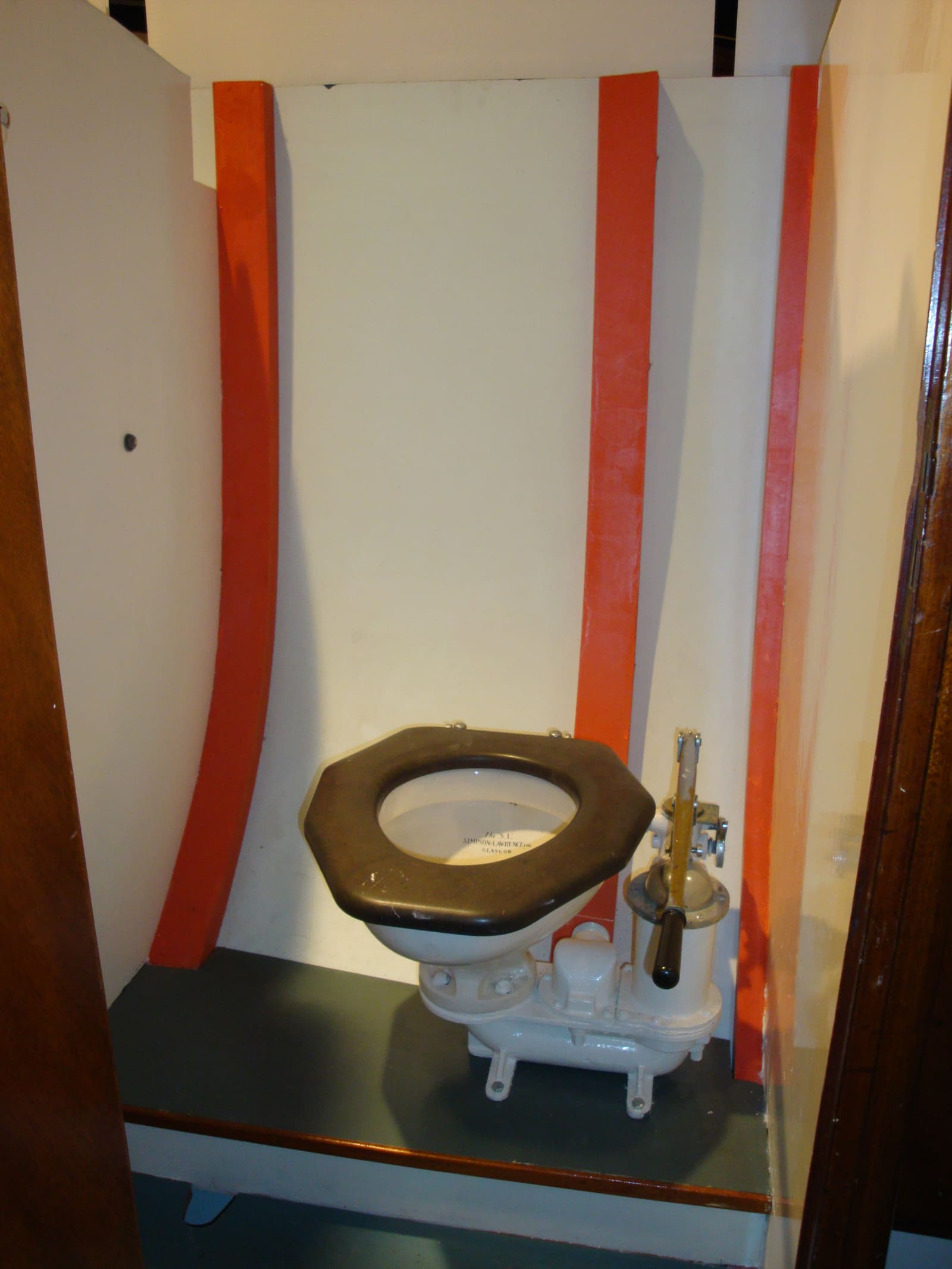
How to Rebuild a Manual Marine Toilet (Hand-Pump Head)
A manual head that's hard to pump, lets water flow back into the bowl or leaks at the pump shaft usually just needs new valves and seals. Learn how to diagnose the symptom, pick the right service kit, replace the joker valve, flapper and piston seals safely and hygienically, and keep the pump working afterward.
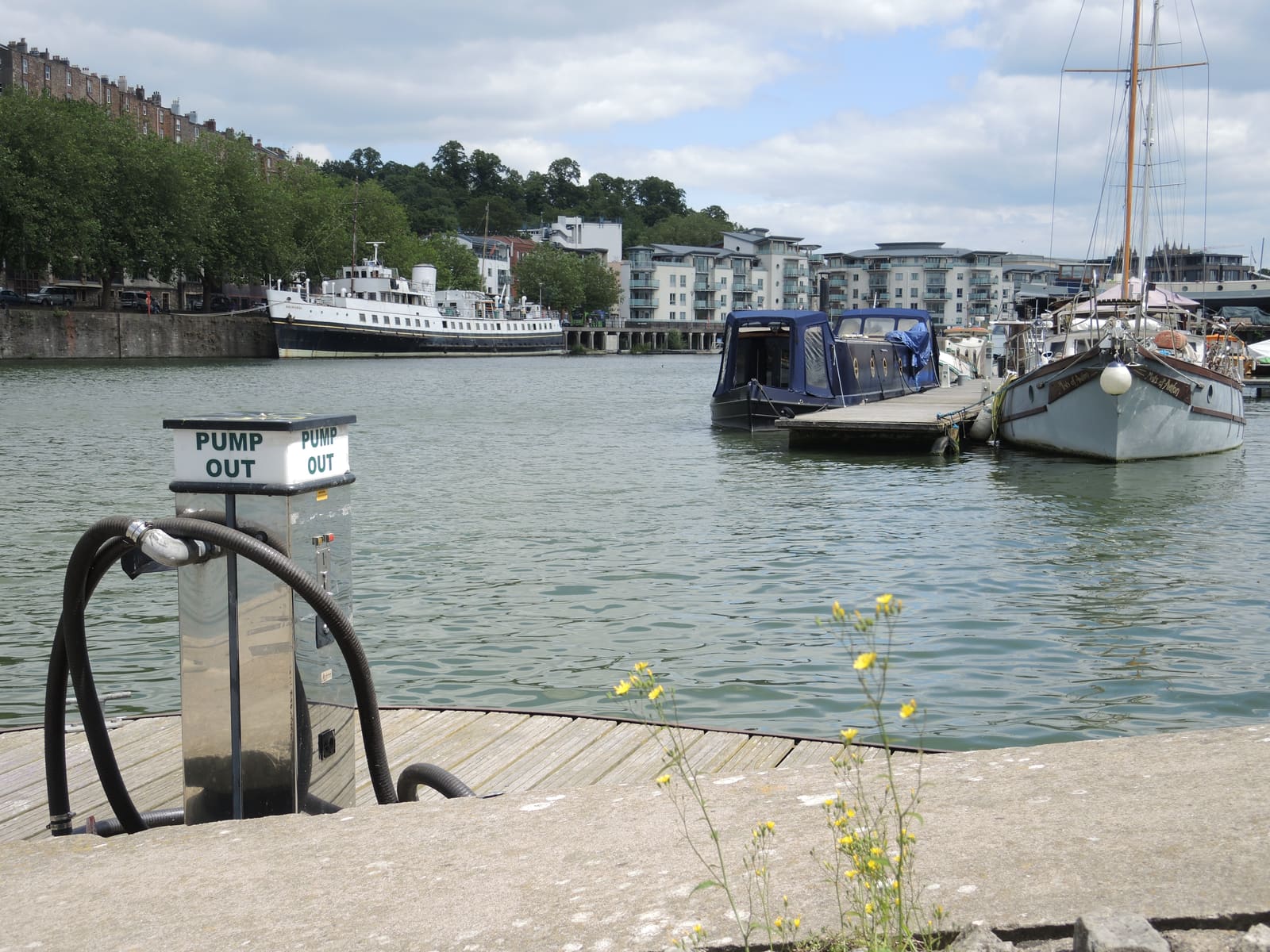
How to Check a Holding Tank Vent and Replace the Vent Filter
A blocked holding tank vent makes the head gurgle, pressurizes the tank every flush and can collapse it at the pump-out dock. Learn the warning signs, how to clear the vent fitting and hose, when and how to replace the carbon vent filter, and how to keep insects and overfills from plugging it again.
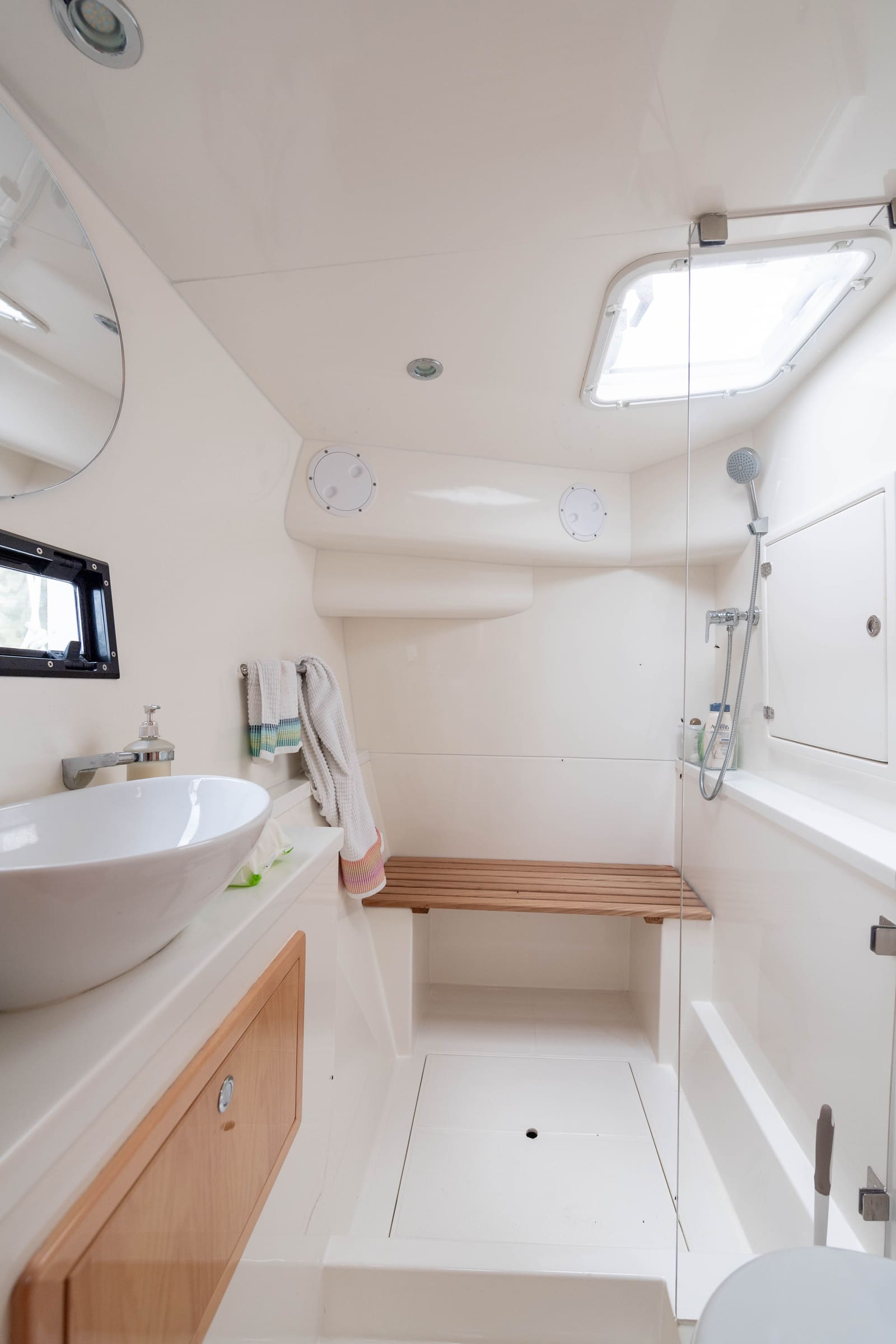
How to Clean and Maintain Shower Sump and Macerator Pumps (and Stay Legal)
The shower sump pump fights hair and soap scum every day, and the macerator empties the holding tank, but only where that is legal. Learn how to clean the sump and filter, test the float switch, avoid burning out pumps by running them dry, follow the 3-mile and no-discharge rules, and winterize both.
How to Inspect and Exercise Seacocks, Through-Hulls and Hose Clamps
Check every hole in your hull below the waterline, work each seacock open and closed, and inspect the hoses and clamps attached to them. A single failed fitting or hose is one of the most common reasons boats sink at the dock.