Boat Speedometer Reads Zero or Wrong: Pitot Pickups, Paddlewheels and GPS Speed
Fix a speedometer that reads zero, too low or jumps around. Learn which kind you have, clear a clogged pitot pickup and hose, clean and calibrate a paddlewheel, check the speed source on digital gauges, and decide whether switching to a GPS speedometer makes sense.
Time
45 min
Shop would charge
$75-300
Applies to
Outboard, Sterndrive (I/O)
Safety first: Clean the pickup with the engine off, the key out and the kill-switch lanyard removed, with the boat on its trailer or the engine tilted up and supported. Never put a hand near the prop with the engine able to start. When you compare speeds on the water, keep your eyes on traffic, not on the gauge, and never test with anyone in the water. A speedometer problem is never worth running at speed into unfamiliar water; if in doubt, slow down.
Owners often ask
- My speedometer reads zero but GPS shows 30 mph. What's wrong?
- Should I replace my pitot speedometer with a GPS speedometer?
This guide walks you through it. Still stuck? Ask the AI Mechanic about your engine.
Tools
- A drill bit (or stiff wire) that slips into the pickup hole, turned by hand only
- Flashlight or headlamp
- Soft brush and mild dish soap
- Screwdrivers and a nut driver for the gauge and hose clamps
- Phone or handheld GPS with a speed readout
- Phone camera (to photograph hose routing before you change anything)
Parts & supplies
- Replacement pitot hose or fittings of the type your gauge uses (if cracked)
- Replacement pickup, paddlewheel or gauge only after testing shows it's bad
Before you start
A speedometer that drops to zero, reads way low or swings around is usually a clog or a leak, not a broken gauge. But first you need to know which kind of speedometer you have, because each one fails differently:
- Pitot (water-pressure) speedometer. Common on outboards and sterndrives. A tiny hole faces forward on the leading edge of the gearcase (or on a small pickup on the transom). Moving water rams into it, and the pressure travels up a thin hose to the gauge. Mercury describes it as a small hole on the front edge of the lower unit that sends water pressure to the back of the speedometer.
- Digital pitot. Same pickup, but a pressure sensor at the engine sends the reading to a digital gauge (such as Mercury SmartCraft or Yamaha Command Link). The display can show a sensor fault message.
- Paddlewheel. A small wheel under the hull, often in a transducer that also reads depth and water temperature. Its spins become speed through the water.
- GPS. A GPS speedometer, chartplotter or phone app shows speed over ground. Nothing in the water to clog.
Many boats have more than one source. Your digital gauge or chartplotter may let you pick which one it shows.
Steps
Run a phone GPS app or the chartplotter next to the speedometer on a calm day, in both directions on the same stretch, to cancel out current and wind. GPS measures speed over the ground, while pitot and paddlewheel sensors measure speed through the water, so a small difference is normal in current. A big difference, a reading of zero, or a needle that jumps around points to the problems below.
This is the fix most of the time. Find the small hole on the leading edge of the gearcase (run a fingertip along the front edge below the anti-ventilation plate; it can be hard to see). Some boats have a separate transom-mounted pickup instead.
Mercury's method: pick a drill bit that slides into the hole, and slowly work it back and forth by hand, using the fluted part to pull out weeds, sand and gravel. Don't use a drill motor, and don't force a bit that's too big; you can damage the pickup or push debris deeper.
Owners often find the pickup packed with sand after beaching, or with weed after running through grass. After winter or long storage, wasps and mud daubers are common suspects: they love small holes and tubes.
A pitot speedometer needs an airtight path. Photograph the routing, then follow the thin hose from the engine (through the rigging tube or under the cowl) to the back of the gauge. Look for:
- A hose that slipped off a fitting or a tee
- Cracks, especially where it bends or rubs
- Kinks or a hose pinched under a cable clamp or seat base
A leaking or disconnected hose makes the gauge read low or zero. Replace cracked hose with the type your gauge uses and secure it so it can't rub.
Sterndrives: the pickup is in the drive, and the speedometer hose usually has a small push-in connector or barb where it meets the drive, up near the transom assembly. When the drive has been removed for bellows, U-joint or engine work, that little connection is easy to leave unplugged or loose. If the speedometer quit right after service, raise the drive and check it first. A quick test: with the hose disconnected at the gauge, blow gently toward the engine and listen for air hissing out near the transom instead of at the pickup.
Disconnect the hose at the back of the gauge and gently blow through the hose toward the engine by mouth, or with very low air pressure, to push out water and dirt. Never blow into the gauge fitting, and never use shop air on the gauge: the pressure movement inside it is delicate.
If no air comes out at the pickup, the blockage is in the hose or pickup; clear it from both ends. Before winter storage, blowing the line clear keeps leftover water from freezing in it.
Reconnect the hose snugly. With the boat on plane, a working pitot gauge should rise smoothly with speed and settle back to zero at idle. A needle that sticks, won't return to zero with the boat stopped, or a gauge with water or fog inside is probably bad. Analog gauges and pickups come in specific speed ranges, so replace with a matching range for your boat.
Remember the limits of pitot gauges: many read nothing at idle and slow speeds, and readings can change with engine height, trim and how cleanly water flows to the pickup. Use GPS for slow trolling speeds.
On digital displays, speed may come from a pitot sensor, a paddlewheel or GPS, and you can often choose. Garmin's chartplotter manual, for example, lists a setting on Yamaha engine screens that selects the speed source. Look in your gauge's setup menu:
- Make sure the selected speed source actually exists on your boat.
- Look for a sensor fault message, and look up what it means in the gauge manual.
- If a pickup tested clear and the hose is good, the pressure sensor or its plug may be at fault, which is a dealer diagnosis on most digital systems.
- Remember that other features may lean on the same speed signal. Mercury's SC1000 digital speedometers, for example, offer a speed-based mode for SmartTow (its launch and speed control for towing skiers and tubers) as well as an rpm-based one. If speed-based features act strangely or won't engage, a clogged pickup or a wrong speed source is worth checking before you blame the control system.
Before you buy a replacement gauge: Mercury notes that when the boat builder or dealer installs genuine Mercury gauges with a Mercury engine, the gauges share the engine's warranty. If your boat is still under warranty, ask the dealer first; a covered gauge or sensor costs you nothing, and an aftermarket swap could complicate a later claim.
With the boat out of the water (or in the water, by reaching the transom-mount sensor safely from the dock or swim platform with the engine off), spin the paddlewheel with a finger. It should turn freely with no grinding or wobble. Marine growth, weed and fishing line stop wheels or make them drag. Marine Industry News, covering Airmar's sensor design, notes that growth on a paddlewheel can make readings inaccurate or stop the wheel turning altogether.
Clean it with a soft brush and mild soap. Only paint it with an antifouling paint made for transducers, if at all; regular bottom paint can jam the wheel. If the wheel is cracked or missing blades, replace the wheel or the sensor.
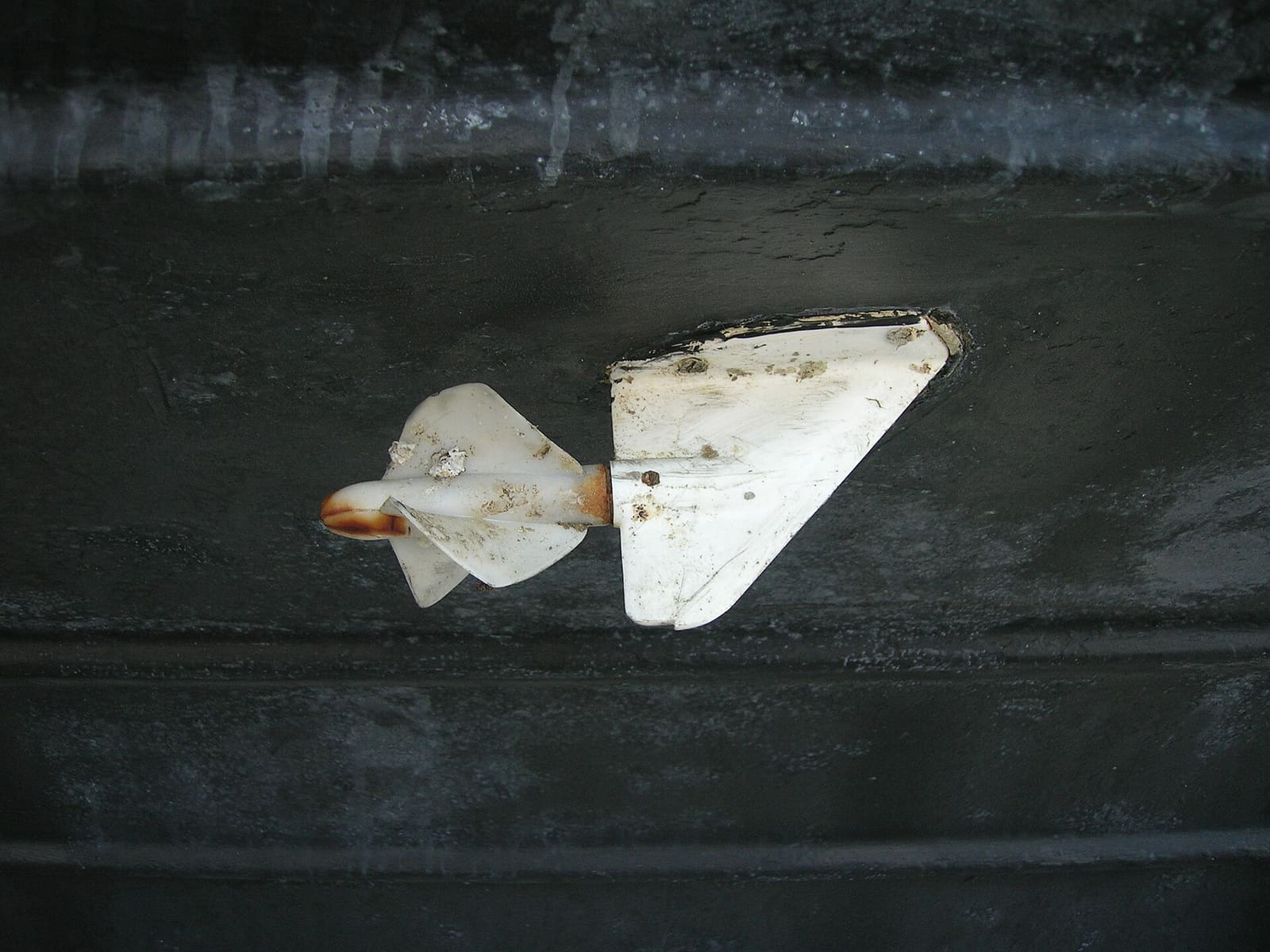
Photo: Rémi Kaupp / Wikimedia Commons · CC BY-SA 3.0 Paddlewheels need calibrating against a known speed. On a Garmin chartplotter, for example, it's under the vessel or NMEA 2000 device settings ("Calibrate Water Speed"), and you follow the on-screen steps while running. Garmin says that if you get a message that the boat isn't fast enough or no speed is registered, safely speed up; if the message comes back, stop and check that the wheel isn't stuck and the cable connections are secure.
Calibrate on calm water with little current, running both directions, and compare with GPS.
If the wheel spins and still nothing shows, follow the sensor cable to its plug at the display or the network. Look for corroded or loose pins, a chafed cable and, on an NMEA 2000 network, a missing terminator or power problem (see the NMEA 2000 network guide).
If your pitot clogs every season or you mostly care about how fast you're going over the ground, a GPS speedometer is a common upgrade. Gauge makers such as Faria Beede sell GPS speedometers alongside pitot models, and most chartplotters and digital engine displays can show GPS speed.
Pros: nothing in the water to clog, foul or freeze, and accurate speed over the ground. Cons: it's speed over the ground, not through the water, so it reads differently in current; it needs a clear view of the sky; and it may lag slightly during quick changes. Anglers who troll and owners tuning trim often want both: GPS for true speed and a paddlewheel for speed through the water.
If you install a GPS speedometer, mount its antenna (if separate) with a clear view of the sky and away from radar and VHF antennas, and follow the gauge maker's wiring and setup instructions.
- Avoid running the pickup through sand, mud or weed when you can.
- Rinse the gearcase after beaching and check the hole.
- At haul-out or in storage, check the pickup and paddlewheel for insects and growth. Some owners cover small openings during storage; just remember to remove anything before launching.
- Blow the pitot line clear before winter.
Common mistakes
- Replacing the speedometer when the pickup hole was full of sand.
- Using a drill motor in the pickup, enlarging or damaging it.
- Blowing compressed air into the gauge and ruining it.
- Painting over a paddlewheel with regular bottom paint so it can't turn.
- Expecting a pitot gauge to read trolling speeds, or expecting GPS to match it in a strong current.
- Clearing the pickup with the key in and the engine able to start.
When to call a pro
- A digital speed sensor fault that remains after the pickup and hose test clear
- A pickup that's cracked, broken off or built into a part of the gearcase you can't reach
- Replacing a thru-hull paddlewheel housing below the waterline: a leak there can sink the boat
- Network or wiring faults between a speed sensor and a chartplotter that you can't trace
Tips
- Write down GPS speed at a few RPM settings when everything works; it becomes a quick health check for the engine, hull and prop.
- Keep a phone GPS app as a backup speedometer.
- A sudden drop in speed with normal RPM is a different problem (see the hull speed loss guide).
- Pull a thru-hull paddlewheel and fit its blanking plug when the boat sits unused for long periods, if your sensor has one, but only if you know how; water comes in while the sensor is out.
Official references
We read these to write this guide. Your engine's own manual always wins.
- Mercury Marine – How to Fix Speedometer Reading Issues
- Garmin – GPSMAP 7400/7600 Owner's Manual, Calibrating a Water-Speed Device
- Garmin – GPSMAP Owner's Manual, Yamaha Engine Data Settings (speed source)
- Marine Industry News – Airmar launches multisensor to replace paddlewheel speed sensing
- Faria Beede – Marine Gauges (pitot and GPS speedometers)
- Yamaha Outboards – Command Link Digital Gauges Keep You Informed
- Mercury Marine – Gauges (SmartCraft digital and analog)
Safety: BoatMend is for information only and does not replace a certified marine technician. You are responsible for your safety and your boat. Read the full disclaimer.
Last updated 2026-10-25
Related guides
How to Troubleshoot Dash Gauges, a Dead Tachometer or a Wrong Fuel Gauge
Work through dead or wrong dash gauges from the cheapest check to the most involved: fuses and breakers, power and ground, the gauge-versus-sender test, the tachometer's pulse setting and the extra checks for digital network gauges. Most gauge problems turn out to be a bad connection, not a bad gauge.
Boat Slower Than It Used to Be? How to Find the Cause
When your boat loses top speed or takes longer to get on plane, the cause is usually something you can check yourself: extra weight, water in the hull, trim, a dinged or fouled prop, or a dirty bottom. This step-by-step diagnosis goes from the cheapest checks to the harder ones and explains what your RPM and GPS speed are telling you.
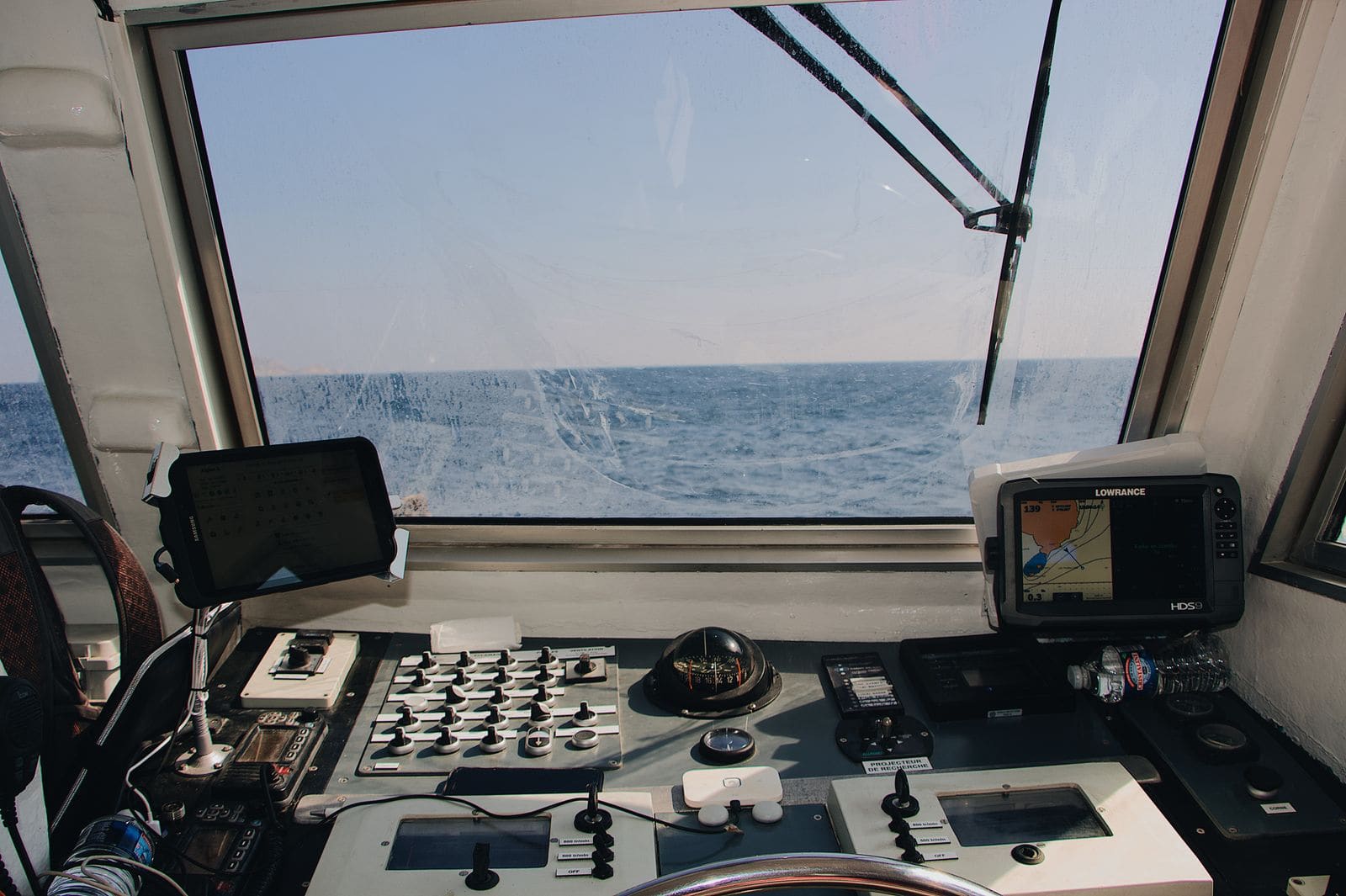
Fish Finder and Depth Sounder Transducers: Mounting, Fixing Bad Readings and Cleaning
Where and how to mount a transom-mount transducer so it reads cleanly at speed, how to track down lost bottom readings and noisy screens, how to clean and paint a transducer without ruining it, and why thru-hull transducers are a haul-out job for a pro.
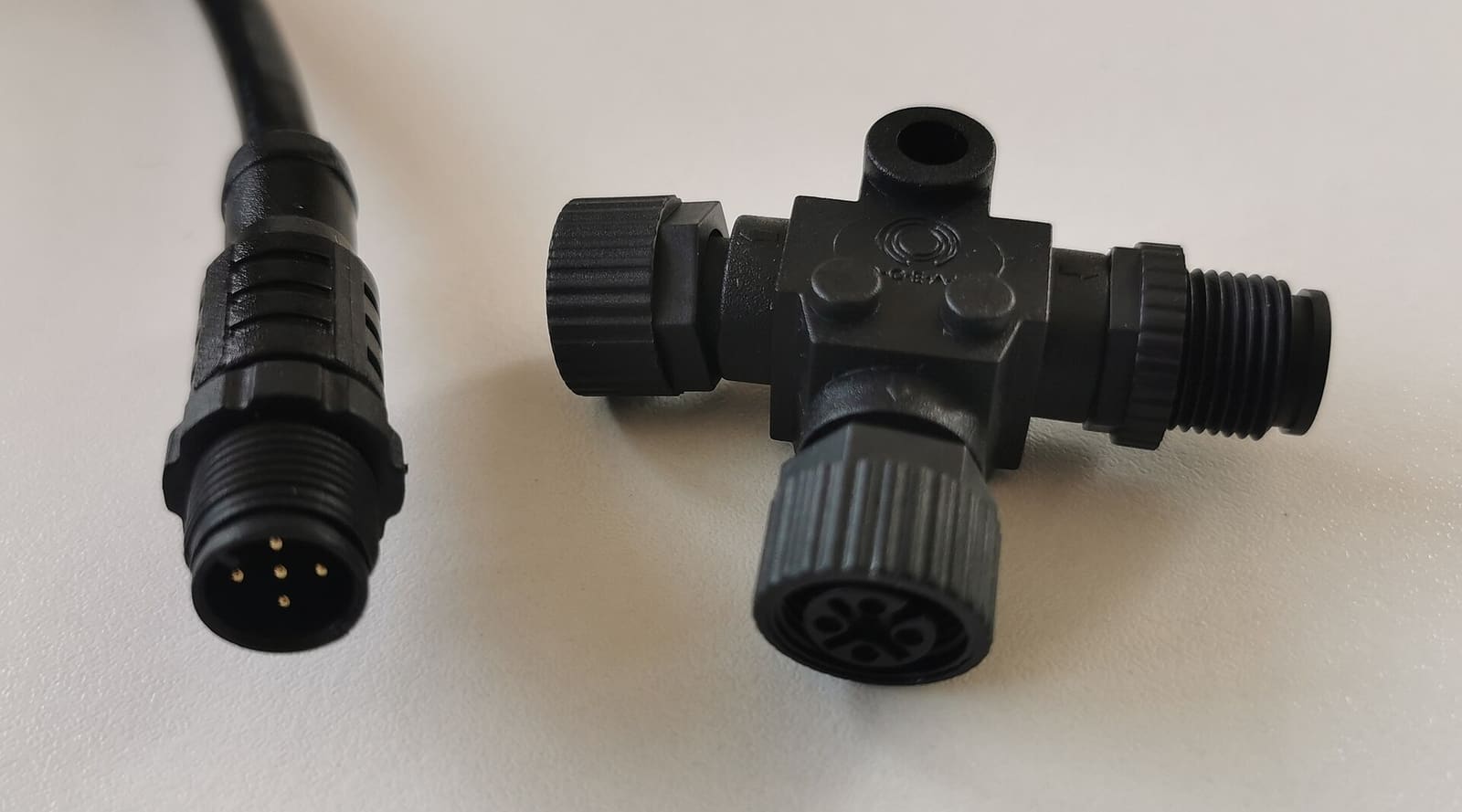
NMEA 2000 Network Basics and Troubleshooting (Plus Chartplotter Updates)
Understand the backbone, terminators, power tap and drop cables that tie your chartplotter, engine data, GPS, depth and autopilot together, then track down why a device keeps dropping off. Finish by updating chartplotter and device software the safe way.
How to Get Better Fuel Economy From Your Boat
Boat fuel is expensive, but most owners can stretch every gallon further without buying anything. Learn how to find your boat's most efficient cruise RPM, why a clean bottom, the right prop, good trim and less weight matter most, which tune-up items count, how fuel flow data helps, and which fuel-saving myths to ignore.
Spiders, Wasps and Insects on Your Boat: Prevention and Safe Cleanup
Why boats attract spiders, mud daubers, wasps and swarming lake insects, how to clean webs and droppings without harming gelcoat or canvas, and how to keep nests out of the vents, telltales and fittings your boat needs to breathe.
How to Winterize an Outboard Engine
Protect your outboard from freeze damage, stale fuel and internal corrosion over the off-season. Most owners can do it in an afternoon with basic tools, compared with a shop bill that often runs several hundred dollars.
How to Inspect a Used Boat Before You Buy
A step-by-step checklist for looking over a used boat, from paperwork and the hull ID number to the transom, engine, compression test, sea trial and trailer. Know what to check yourself, what the red flags mean, and when to pay a marine surveyor.