Boats With No HIN: State-Assigned Hull Numbers for Homebuilt, Pre-1972 and Damaged-HIN Boats
What to do when a boat has no hull identification number, a homemade or kit boat needs one, an older boat predates the 1972 rule, or the number has been damaged or altered: the federal rules, how a state assigns a HIN, the inspection, the proof of ownership and build receipts to bring, how to fix the number to the hull, and the red flags that mean walk away. Practical help, not legal advice; every state runs its own process.
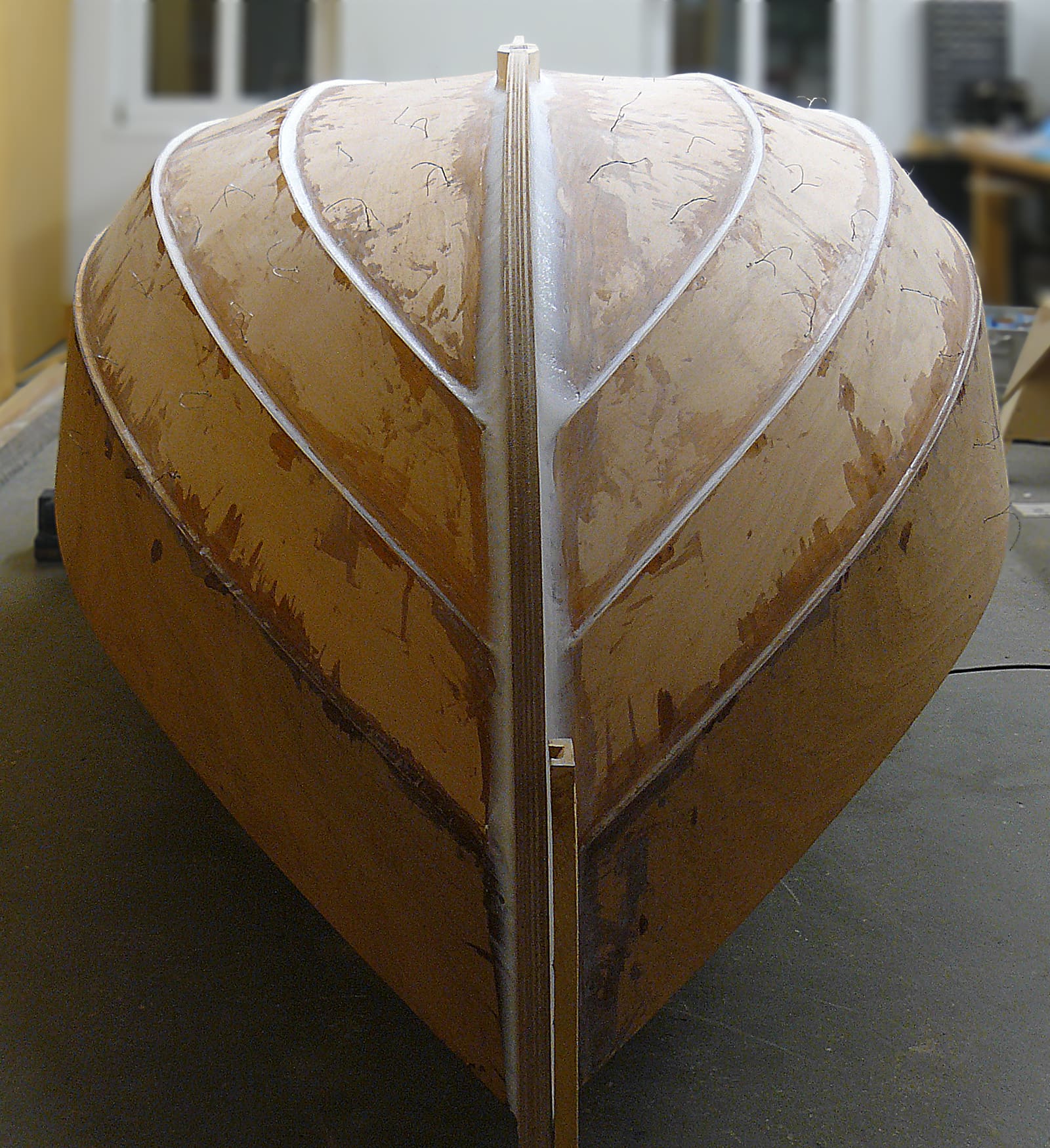
Time
2 h
Applies to
All engines
Safety first: This is practical help, not legal advice. Never make up your own hull number, copy one from another boat, or "restore" a number that was ground off; altering or faking a HIN is a crime in many states, and Florida, for example, treats it as a felony and can seize the boat. If you're thinking about buying a boat whose HIN is missing or looks tampered with, stop and talk to your state boating agency or local law enforcement before any money changes hands.
Owners often ask
- I built my own boat. How do I get a hull identification number to register it?
- The boat I want to buy has no HIN on the transom. Can I still register it?
This guide walks you through it. Still stuck? Ask the AI Mechanic about your engine.
Tools
- Phone camera (photos of the boat, any old numbers, receipts)
- Flashlight and a rag (to search for old or hidden numbers)
- Pencil and paper (for a tracing if your state asks)
- Folder for receipts, bills of sale and forms
Parts & supplies
- HIN plate, decal kit or stamping set only as your state allows (after the number is assigned)
- Marine sealant or adhesive suited to the plate and hull material
Before you start
A hull identification number (HIN) is a boat's fingerprint. Federal rules have required builders to put one on boats since November 1, 1972, and since August 1984 it has been a 12-character code: a three-letter maker code, a serial number, and characters for the build date and model year. The Coast Guard notes that one wrong character gives the boat a completely different identity.
Some boats don't have a valid HIN:
- Homemade and kit boats. Under 33 CFR 181.23, a person who builds or imports a boat for their own use (not for sale) must get a HIN from the state where the boat will mainly be used, and fix it to the boat.
- Older boats. Boats built before November 1972 may have no HIN, or a builder's serial number in an odd format.
- Boats with a damaged or missing number, for example after a transom repair, years of wear, or a short or nonstandard HIN on state records.
Since January 1, 2017, 33 CFR 174.16 requires state agencies to check that a boat built or imported on or after November 1, 1972 has a valid primary HIN before they issue, renew or transfer its registration. If it doesn't, the state must assign one and confirm the owner has fixed it to the boat. So a boat without a valid HIN can leave you unable to register it.
Every state handles this its own way, through different agencies (wildlife, parks, motor vehicles, or the secretary of state). The examples below show common patterns; confirm the details with your own state.
Steps
You probably do if:
- You built the boat, or finished a kit.
- The boat was built after October 1972 and has no HIN, or it's unreadable.
- Your state's records show a HIN that's incomplete or not in the standard format. New York, for example, may ask for a pencil tracing, photo or officer's statement, and if the number is incomplete or nonstandard, asks you to apply for a new one.
- The registration doesn't show the model year (another New York trigger).
- Your state requires a HIN on older boats too. Florida law requires a titled or registered vessel completed before November 1972 to display a HIN, and the state assigns one if the builder didn't.
A missing HIN is sometimes just hidden.
- Clean and check the starboard side of the transom near the top, the usual spot. On boats without a transom, look on the starboard side near the stern.
- Federal rules call for a second, hidden HIN inside the boat or under a fitting or piece of hardware. Look under hatches, behind panels and under the console.
- On older boats, look for a builder's plate, serial number or capacity plate with the maker's name.
- Check old registrations, titles, bills of sale and insurance papers for a number.
- California notes it will correct its records if documentation shows an existing HIN.
If you find a valid number, you may only need to update the state's records rather than get a new HIN.
Search your state boating agency's site for "hull identification number," "homemade boat" or "assigned HIN." Patterns you'll see:
- New York: apply to State Parks on form OPS-420 before registering a homemade boat or any post-1972 boat without a HIN.
- Texas: homemade boats need an affidavit of origin and proof of materials, and a game warden inspects the boat and issues the HIN.
- California: at the owner's request, DMV assigns a HIN at no fee to a vessel that lacks one, with the ownership certificate and a statement of facts form saying the boat has no HIN and naming the builder if known.
- Michigan: the secretary of state assigns a HIN on an application that includes proof of ownership.
- Florida: the state assigns HINs for homemade vessels and boats that lack a builder's number.
- Massachusetts: a homemade boat, or one built before 1972 without a 12-character HIN, must be inspected by the Environmental Police before registration (you request it online or by phone). Bring ID, the title or the seller's registration, and for a homemade boat the receipts for your materials. The inspection certificate goes to the registration office, which assigns the HIN, and you have to prove the number is on the boat before you get the registration card and decal.
States want to be sure the boat isn't stolen. Depending on the state, accepted proof can include:
- A title or registration from another state
- A bill of sale for the boat, or for the materials it was built from (Michigan lists both)
- Past or current registration cards
- A sworn statement of ownership, or a court order
For a used boat with no HIN, get a detailed bill of sale with the seller's full contact information, and a copy of their ID if they agree.
- Keep every receipt for the hull materials, plywood, epoxy, fiberglass, kit, motor and trailer. New York says receipts and proof of ownership for major components and materials must be available at the inspection; Texas asks for dealer invoices.
- Take dated photos during the build.
- Write down the length, beam, hull material, propulsion and fuel; forms ask for these.
- If you bought a kit, keep the kit maker's invoice and any paperwork it came with.
Follow your state's form exactly. As an example, New York's OPS-420 asks for owner details, the boat's length, width, hull color and material, propulsion, fuel, and where the boat is kept, plus two photos (a view of the stern and a side view showing any registration number). New York says to mail only the form and photos, without money or ownership proofs, and your signature authorizes the inspection.
Most states inspect the boat before assigning a number.
- In New York, State Parks reviews the application and sends it to the local marine law enforcement agency (usually the county sheriff), which calls to schedule an inspection, generally where the boat is kept.
- In Texas, a game warden inspects homemade boats.
- Have the boat clean, accessible and uncovered, with your receipts, bills of sale and ID ready. Point out any old numbers or plates you found.
A state-assigned HIN still has 12 characters, but the first part identifies the state instead of a builder. California, for example, uses "CFZ" followed by part of the boat's CF registration number and characters for the month and year of manufacture (or the year fees were paid if the build date is unknown). Other states use their own prefix. Copy the number exactly from the paperwork, and double-check every character before you mark the hull.
Knowing the federal layout (33 CFR 181.25) helps you catch copying mistakes:
- Characters 1 to 3: the maker or importer code (or the state's code on an assigned HIN).
- Characters 4 to 8: the serial number. The letters I, O and Q are never used here, so what looks like an "O" is a zero and what looks like an "I" is a one.
- Character 9: a letter for the month (A for January through L for December).
- Character 10: the last digit of the year of manufacture or certification.
- Characters 11 and 12: the model year, such as "26" for 2026.
- No dashes, slashes or spaces between characters on the hull.
Your state's assigned number may follow its own rules for the date characters, as California's does, so follow the paperwork it gives you.
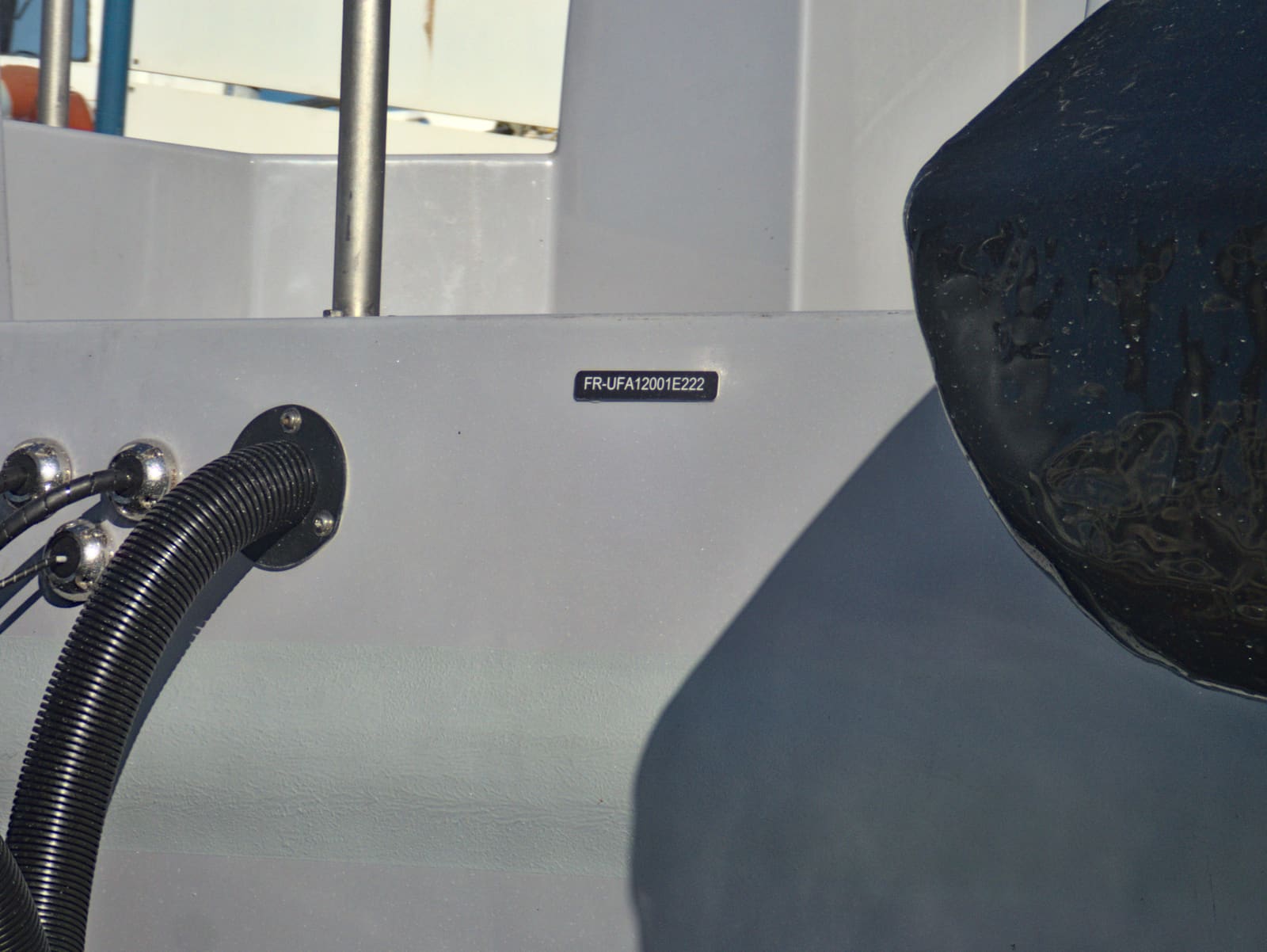
A factory hull ID plate on a European boat (the FR- country prefix isn't used on U.S. HINs). A state-assigned HIN must be fixed just as permanently. Photo: PtiBzh / Wikimedia Commons · CC0 1.0 Follow your state's instructions; if they're silent, these federal and state rules are a good guide:
- Permanent and tamper-evident: 33 CFR 181.29 says the number must be carved, burned, stamped, embossed, molded, bonded or otherwise permanently fixed so that changing or removing it would be obvious. A separate plate must be fastened so that removing it would scar the hull, and the number must not go on removable parts.
- Location: Florida and Michigan both require the outboard side of the transom, or, with no transom, the outermost starboard side at the end that carries the rudder or steering, above the waterline.
- Size: both states require characters at least a quarter inch tall; Florida also requires at least 12 characters.
- Second, hidden copy: California asks for the HIN in two places: one visible, and one in an unexposed spot inside the boat or under a fitting.
- Michigan lets the owner, or someone at the owner's request, fix the number, and lists methods such as non-removable riveting or welding. Ask your state which methods it accepts on fiberglass, wood or aluminum.
Some states verify that the number has been fixed before they register the boat; 33 CFR 174.16 requires the state to check.
New York, for example, says that once the boat passes inspection and has a HIN, you can apply for registration and title at the DMV, bringing your receipts and proof of ownership again. Then display the registration numbers and decals; see our registration numbers guide.
This is where you need to be careful.
- Buying: a ground-off, painted-over, restamped or re-plated HIN is the biggest red flag in a used boat. Walk away and consider telling local law enforcement. Texas makes it illegal to possess, sell or buy a vessel or outboard with an altered, defaced or removed number, and Florida makes it a felony and allows the boat to be seized.
- Already own it legitimately: states have a process. Texas, for example, requires a sworn statement describing the boat or motor, proof of legal ownership and the reason the number was damaged, plus a fee and a game warden's inspection certificate. Contact your state agency before doing anything to the hull.
- Never buy or use a HIN plate meant for another boat; Florida law bans counterfeit and transferred HIN plates.
Rebuilding a transom can destroy the HIN. Florida allows removal only to make necessary repairs, and requires the number to be put back right after the work. Before you start: photograph the HIN and the hidden copy, make a tracing, tell your state agency, and keep the repair invoice. Afterward, reattach the number as permanently as the original.
Save copies of the application, inspection paperwork, the assigned HIN, your receipts and photos of the number on the boat. You'll need them for insurance, for a future sale, and if the boat is ever stolen; our theft prevention guide explains why photos of the HIN matter.
Common mistakes
- Inventing a HIN, or using one from a boat or trailer you already own.
- Throwing away build receipts before the inspection.
- Grinding out a damaged number during a repair without telling the state.
- Buying a boat with no HIN and "dealing with it later," then finding the state won't register it.
- Copying the assigned number wrong by one character.
- Putting the HIN on a removable panel, swim platform or motor bracket.
When to call a pro
- The HIN looks altered, or the seller's story doesn't match the paperwork: talk to your state agency or local law enforcement
- The boat came from another state or country with no usable paperwork: a marine attorney or documentation professional can help
- You need a number engraved, embossed or welded on and don't have the tools: a sign shop, fabricator or boatyard can do it the way your state requires
- The boat is large enough to be federally documented: ask the Coast Guard's documentation center how its rules interact with your state's
Tips
- Call or email your state agency before you start; ask exactly what to bring to the inspection.
- Ask whether your state also requires a separate number for an outboard motor; Texas, for example, applies its altered-number rules to outboard motors as well as boats.
- Keep the boat easy to reach on inspection day, ideally on its trailer in a driveway.
- Write the new HIN in your phone notes and in our app's boat profile so you always have it.
Official references
We read these to write this guide. Your engine's own manual always wins.
- eCFR – 33 CFR 181.23, Hull identification numbers required (boats built for your own use)
- eCFR – 33 CFR 181.25, Hull identification number format
- eCFR – 33 CFR 181.29, Hull identification number display
- eCFR – 33 CFR 174.16, Verification of hull identification numbers
- U.S. Coast Guard Boating Safety – Hull Identification Number (HIN) state guidance
- New York State Parks – How to Apply for a Hull Identification Number (form OPS-420)
- California DMV – Agent's Handbook, Vessel Numbers (hull identification numbers)
- Texas Parks and Wildlife – Numbers and Decals on Vessels (homemade boats, altered numbers)
- Florida Statutes – 328.07, Hull identification number required
- Michigan Administrative Code R 281.2202 – Michigan hull identification numbers (via Cornell LII)
- Mass.gov – Request a boat inspection (Massachusetts Environmental Police)
Safety: BoatMend is for information only and does not replace a certified marine technician. You are responsible for your safety and your boat. Read the full disclaimer.
Last updated 2026-10-25
Related guides
Used Boat Paperwork: Titles, Liens, HIN Checks, Bill of Sale and Registration
A practical checklist for the paperwork side of buying a used boat: state title or Coast Guard documentation, checking for liens and theft, verifying the hull ID number, writing a proper bill of sale, the trailer's own title, registering in your name, and transferring warranties and checking recalls. Rules vary by state, so confirm each step with your state agency.
Boat Registration Numbers and Validation Decals: Federal Display Rules, State Placement and Renewals
Display your state registration number and validation decal the way federal rules (33 CFR 173 and 174) and your state require: size, block style, contrast, spacing, placement on the forward half, decal position, what documented boats show instead (name and hailing port), what to carry aboard, and how to never miss a renewal. States add their own details, so check your state boating agency.
Avoiding Boat-Buying Scams: Fake Listings, Fake Escrow, Overpayment Checks and Safe Payment
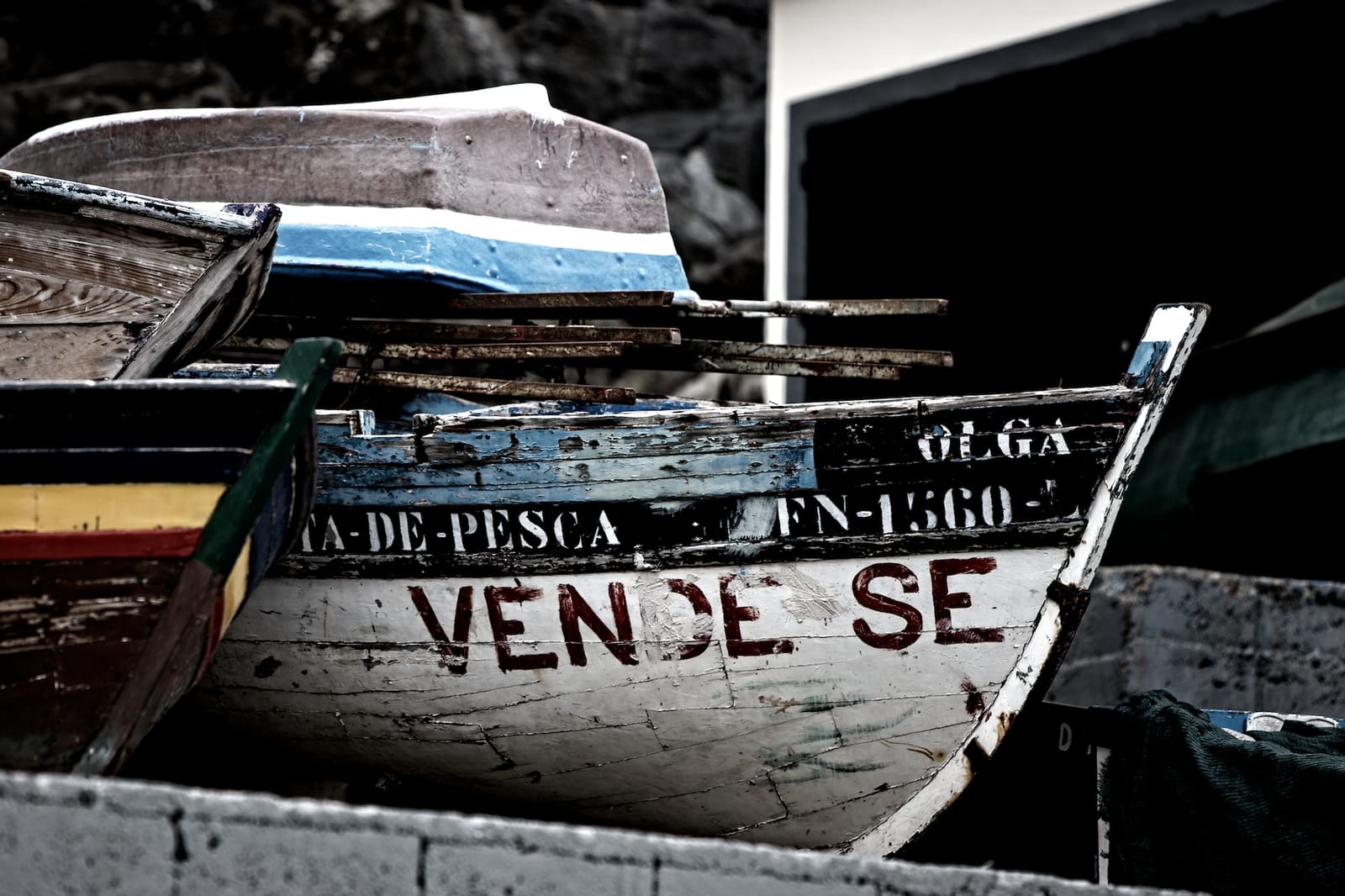
How to spot and avoid the scams that target boat buyers and sellers: too-good-to-be-true listings, sellers who are always overseas, look-alike escrow and shipping websites, overpayment checks and fake payment notices. Covers verifying the boat, the title, the HIN and the seller, paying safely, and what to do fast if you already sent money. Practical help, not legal advice.
Buying a Boat in Another State: Survey, Paperwork, Taxes, Registration and Getting It Home
A step-by-step plan for buying a boat that is hundreds of miles away: checking it remotely with a local surveyor, matching the HIN and VIN to the title, avoiding long-distance scams, paying the right sales or use tax, registering in your home state, the trailer's own paperwork, temporary permits, and legal towing or professional transport for wide boats. Rules vary by state, so confirm each step with the agencies involved.
Salvage and Branded Title Boats: What They Mean, the Risks, and How to Check Before You Buy
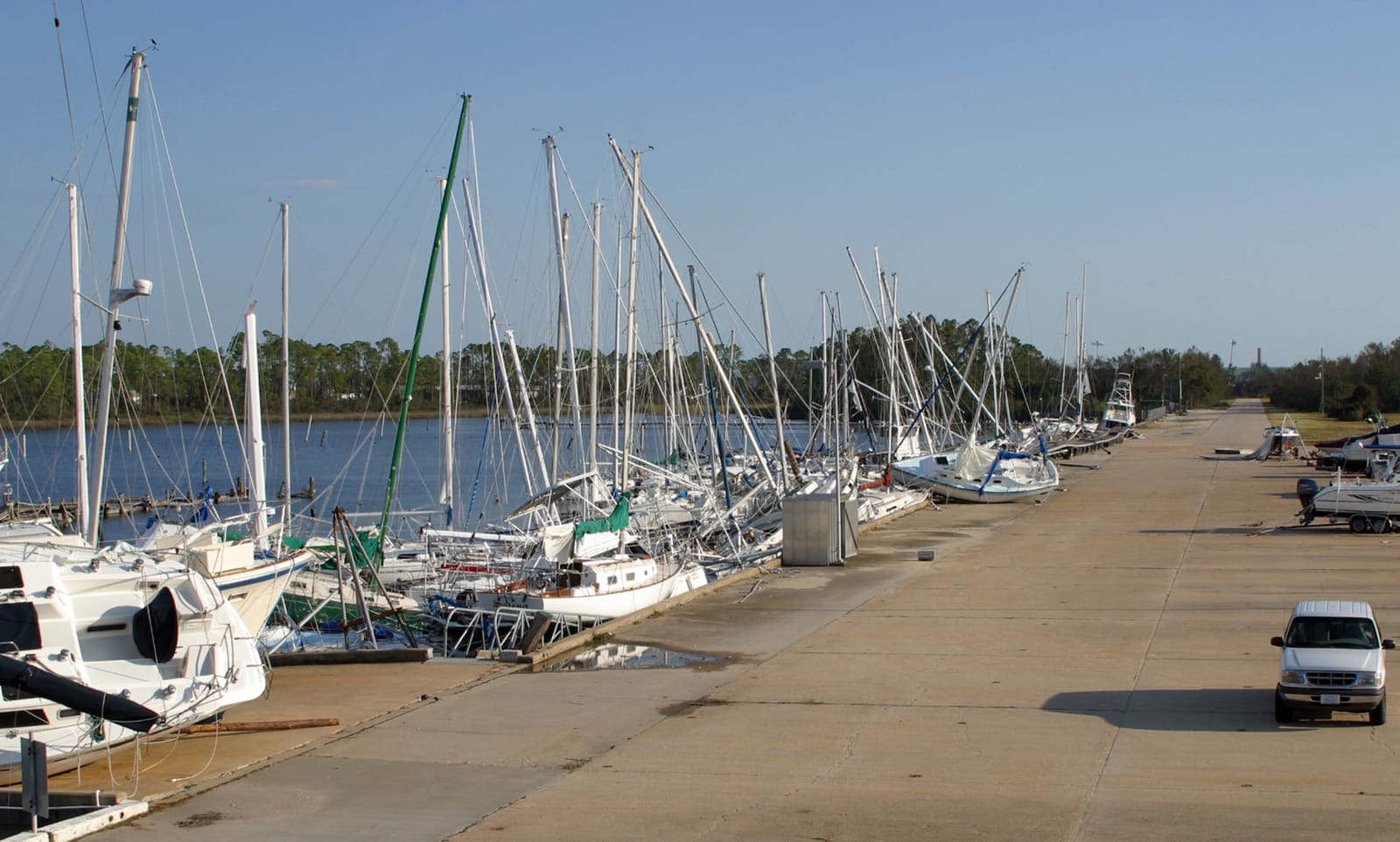
Understand boats that an insurer declared a total loss: what salvage, rebuilt and hull-damaged title brands mean, why flood and storm boats hide expensive problems, how branded titles affect insurance, financing and resale, how to dig into a boat's history, and what a survey should check. Title branding rules differ a lot by state, and some states don't brand boat titles at all.
Missing or Faded Capacity Plate: How to Read It and Get a Proper Replacement
The capacity plate tells you how many people, how much weight and how much horsepower your boat can safely handle. Learn what each line means, which boats must have one under 33 CFR 183, how to order a replacement from the builder, what to do if the builder is gone, and why homemade numbers are a bad idea.

How to Protect Your Boat, Motor and Trailer From Theft
Practical, layered security for boat owners: outboard locks, trailer coupler and wheel locks, disabling the boat, GPS trackers, engraving and marking, photo and serial number records, safer storage, and exactly what to report (HIN and serial numbers) if your boat is stolen.