Buying a Boat in Another State: Survey, Paperwork, Taxes, Registration and Getting It Home
A step-by-step plan for buying a boat that is hundreds of miles away: checking it remotely with a local surveyor, matching the HIN and VIN to the title, avoiding long-distance scams, paying the right sales or use tax, registering in your home state, the trailer's own paperwork, temporary permits, and legal towing or professional transport for wide boats. Rules vary by state, so confirm each step with the agencies involved.
Time
4 h
Applies to
All engines
Safety first: This guide is practical help, not legal or tax advice. Titling, tax, registration and towing laws are set by each state and change often; check with the agencies in both the seller's state and your home state, and talk to a marine attorney, documentation professional or tax advisor for expensive boats. Never send money for a boat you haven't had inspected by someone you trust, and never wire funds to a "shipper" or "escrow" company the seller picked. If a towing setup feels unsafe or overloaded, don't hit the road; hire a professional transporter.
Owners often ask
- I'm buying a boat in another state. Where do I pay sales tax and how do I get it home legally?
- Can I use the seller's registration to drive and launch the boat until I register it?
- I bought a boat with no title and the HIN is unreadable. Can I still register it?
This guide walks you through it. Still stuck? Ask the AI Mechanic about your engine.
Tools
- Phone with camera and video calling
- A folder (paper and scanned) for the title, bill of sale, survey and receipts
- Pencil and paper for a HIN tracing if your state asks for one
- Tape measure (to confirm beam and trailer width for transport)
Before you start
Shopping online makes it easy to find the right boat three states away. BoatUS notes that most boats sold this way are trailerable, and that the hard part is buying something you haven't seen. The extra risks are condition surprises, paperwork that doesn't transfer cleanly between states, tax you didn't budget for, and scams that target remote buyers.
Budget for more than the price:
- A preliminary inspection or a full pre-purchase survey near the boat
- Travel, or professional transport (and permits for a wide boat)
- Sales or use tax, title, registration and trailer fees in your home state
- Insurance from the day you pay
- Trailer prep for a long tow (tires, bearings, lights, brakes)
Learn your home state's rules first. Find your state's boat titling agency (often the wildlife, natural resources or parks department) and the agency that handles trailers (often the DMV). Look up: what proof of ownership they accept from another state, whether they want a HIN tracing or photo, the tax rules for boats bought elsewhere, and the deadline to register.
Steps
- Ask for the HIN, the engine serial numbers and the trailer VIN, plus clear photos of the HIN plate, the title (or documentation) and the registration. Compare names and numbers before going further.
- Talk on the phone or on a video call. Ask the seller to show the HIN plate, start the engine (on muffs or in the water) and walk around the boat live.
- Watch for bait listings. BoatUS's writer found several too-good-to-be-true ads whose "owners" never answered; the photos were often pixelated and the registration numbers hidden or erased. Those ads may exist just to harvest email addresses, or as a lead-in to a scam.
BoatUS warns buyers about counterfeit cashier's checks or money orders, sellers who want your PayPal details, and sellers who push their own escrow service. Its scam article adds: cheap boats with photos copied from real ads, a seller who never talks on the phone and is always "overseas" or "deployed," and a slick shipping or escrow site that takes your money and disappears. A seller with no interest in discussing the title, registration or HIN isn't really selling a boat. Pay only through a method that leaves a record, to the person on the title, after the boat and paperwork are verified.
You don't have to drive 800 miles to find out the photos lied.
- Preliminary inspection ("quick look"): BoatUS describes surveyors who, for a modest fee, check the hull, deck, interior, engine and trailer, run the engine on muffs to check starting, shifting, steering and cooling, take photos, and tell you whether the boat matches the ad. It's not a full survey.
- Full pre-purchase (condition and value) survey: the deep inspection lenders and insurers often want. BoatUS's surveyor recommends members of SAMS or NAMS, and using your own surveyor, not one suggested by the seller or broker.
- Ask the surveyor to confirm the HIN and that the seller's name matches the title. BoatUS notes a surveyor on site can check the paperwork too.
- Ask for an engine compression test or oil analysis by a marine mechanic if the engines are a big part of the price.
- Tell the surveyor they can stop early (and bill less) if the boat is obviously wrong.
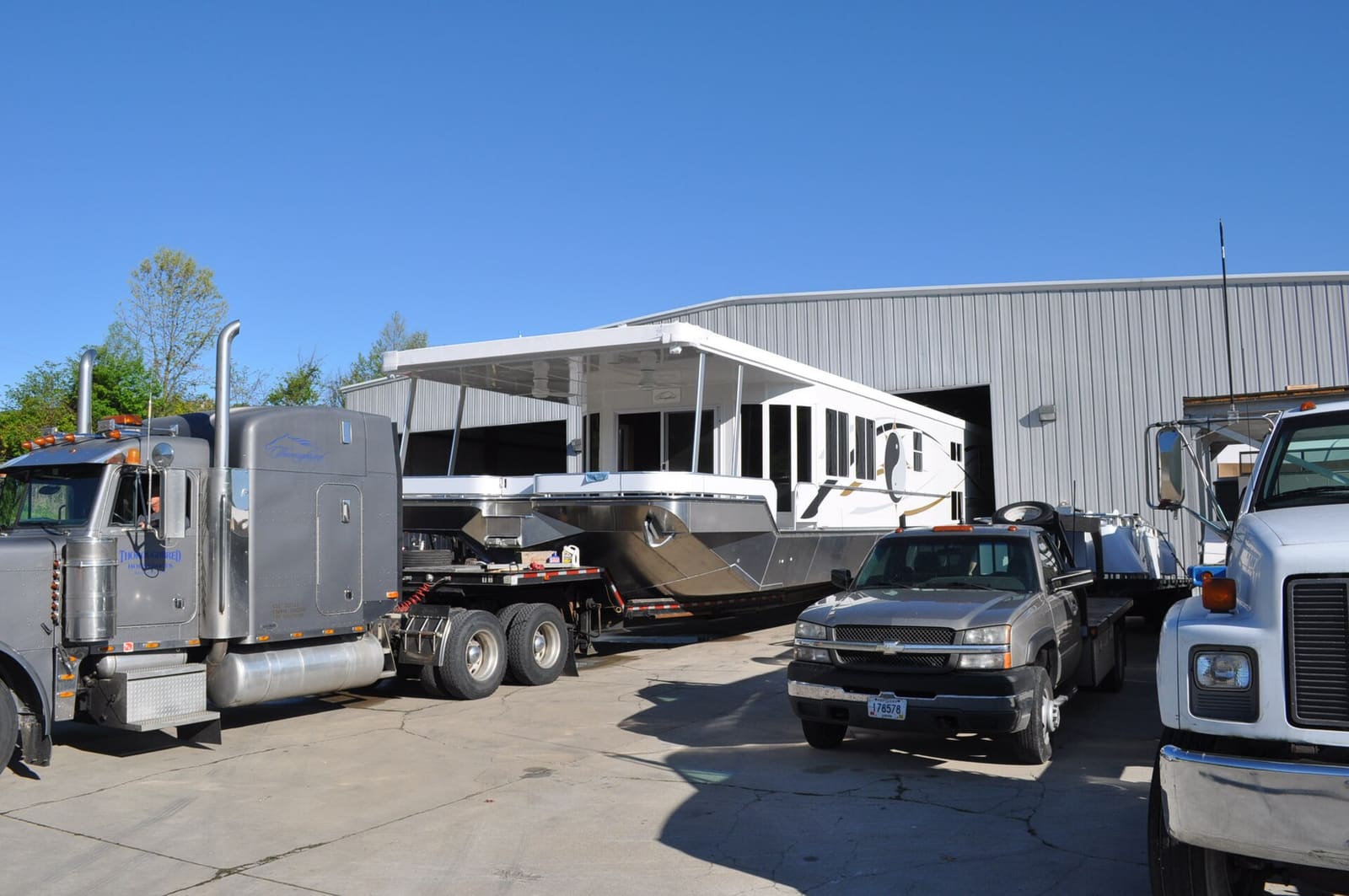
Boats wider than the legal limit move as oversize loads, usually on a professional's trailer with state permits. Photo: Sealle / Wikimedia Commons · CC BY-SA 3.0 - Titled in the seller's state? Get the original title, signed by everyone listed as owner, plus a lien release if a loan was ever recorded. Search the title and registration with the seller's state agency, as BoatUS recommends.
- Seller's state doesn't title boats? BoatUS suggests asking for the seller's own bill of sale from when they bought it, plus the registration card. Call your home agency before you pay and ask exactly what it will accept as proof of ownership from that state.
- Documented with the Coast Guard? Check the Certificate of Documentation and get an Abstract of Title showing recorded liens. Documented boats are not state-titled, but BoatUS notes most states still require a use decal and sales tax.
- Engines: some states title outboards separately. Texas, for example, titles boats and outboard motors.
- No title and a missing or unreadable HIN? This is one of the most common paperwork traps owners ask about. Don't pay until your home agency tells you the path. Many states can assign a state HIN, but it takes an application, an inspection and proof of ownership. New York's process, for example: apply to State Parks with photos of the boat, the local marine law enforcement agency (usually the sheriff) inspects it where it sits, you show receipts and proof of ownership, and only then can you register and title it at the DMV. A HIN that looks ground off or altered is a reason to walk away.
See our used-boat paperwork guide for HIN checks, liens and the bill of sale.
BoatUS says most states title and register trailers separately from boats, usually through a different agency, and some require safety inspections. Get the trailer's title or registration signed over and the VIN written on the bill of sale with its own price. Ask your home DMV whether you need an in-transit or temporary trailer permit to tow it home before it's registered in your name, and whether its current plate can legally stay on during the trip. Some states let the old plate stay; many don't.
List the date, price, buyer and seller names and addresses, the boat's make, model, year and HIN, engine serial numbers, the trailer VIN and its separate price, and everything included. Texas's guidance also asks for the trailer's price to be listed separately, which matters for tax. Pay with a traceable method. For larger boats, use a closing or escrow service that both sides trust, chosen by you, not by the seller.
Arrange insurance that starts the moment you pay, wherever the boat is, including while it's on the road.
Tax usually follows where the boat will be kept and registered, not just where you bought it.
- Many states charge use tax when you register a boat bought elsewhere and give credit for sales tax already paid to another state. California's DMV handbook is a good example: use tax is due on boats brought in within 365 days of purchase, and if you paid tax in another state, California collects only the difference.
- Some sellers' states charge their own sales tax at purchase; others exempt buyers who take the boat out of state promptly. Ask the seller's state agency or a tax advisor before you pay.
- Keep proof of any tax you paid, or you may pay twice.
- Deadlines matter. Texas, for example, wants transfers filed within 45 working days or penalties and interest apply. Your state's deadline may differ.
- Federal law (repeated in 33 CFR 173.17) says that when a boat moves to a new state of principal operation, the new state must honor the old state's number for 60 days. After that, register it in your state. The old certificate becomes invalid 60 days after the boat stops being principally used in the old state, and it also becomes invalid as soon as the owner listed on it transfers ownership (33 CFR 173.77).
- That second rule matters to a buyer: the seller's registration is in the seller's name, so it doesn't make the boat legal for you. Ask your home agency how to operate legally right away. 33 CFR 173.15 recognizes temporary certificates issued by your state, and many agencies issue one at registration or let you carry the dated bill of sale for a short time.
- Expect a HIN verification. Texas, for example, requires out-of-state boats and motors to verify the HIN or motor serial number with a pencil tracing or photograph. Federal rules (33 CFR 174.16) require states to verify a boat's HIN before registering it. Florida shows how much the details vary: a county tax collector's guidance there says HIN verification isn't required every time a boat comes into Florida, but a boat built after 1972 whose out-of-state title or registration shows only a partial HIN (fewer than 12 properly formatted characters) needs a pencil tracing. A boat from a non-title state transfers on its registration plus a notarized bill of sale, and a visiting non-resident with a valid out-of-state registration can use a pleasure boat in Florida waters for 90 days before Florida registration is required. Check your own state's version of each rule.
- Remove the old state's numbers and decals once you register, and put on your new numbers and decal. See our registration numbers guide.
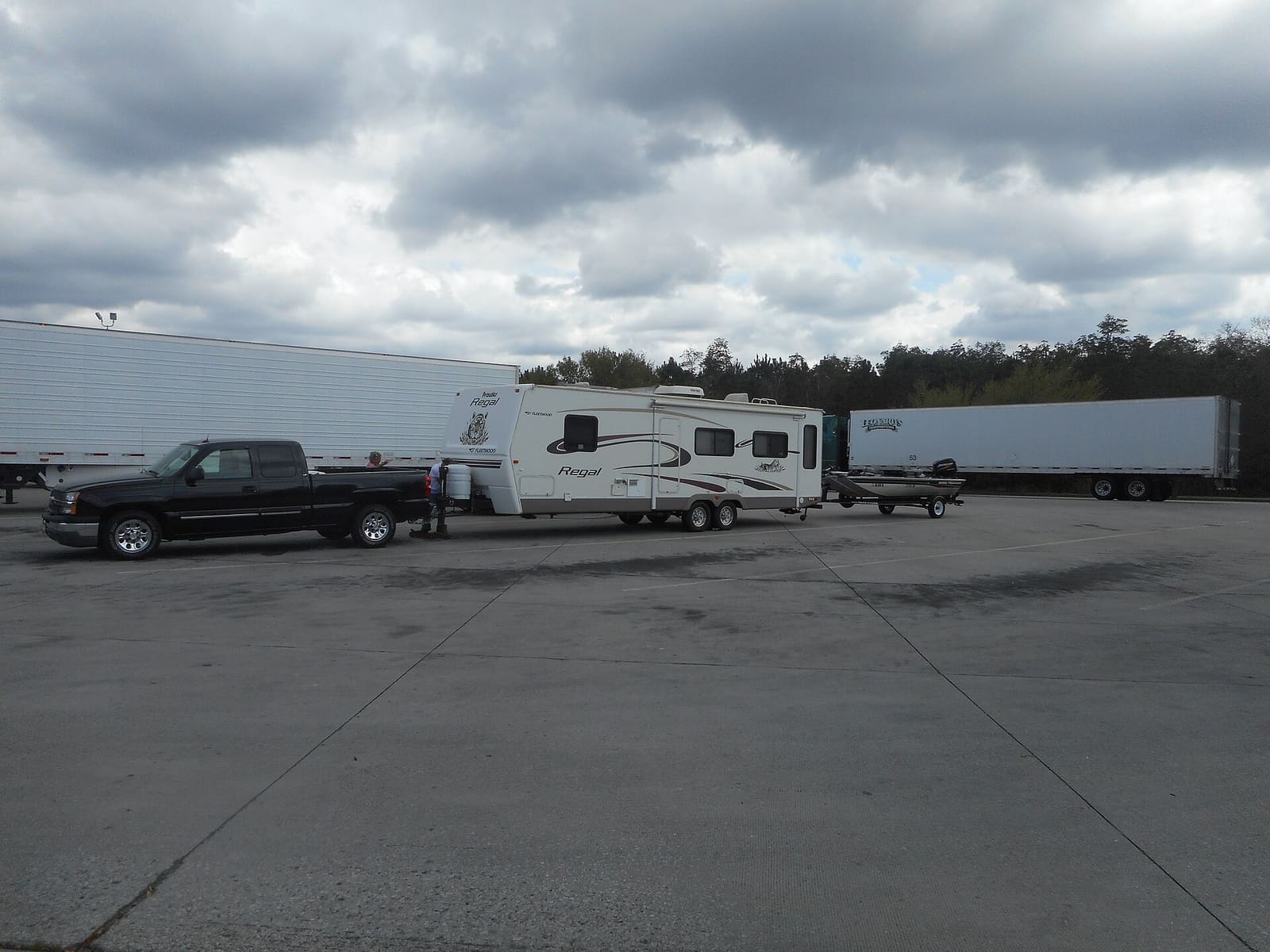
Towing yourself:
- Confirm your vehicle's towing capacity covers the real loaded weight of boat, trailer, fuel and gear. BoatUS's long-haul advice: weigh the rig as packed, travel with tanks low and top off at the destination, and keep more than half, but not more than about 75 percent, of the load weight ahead of the trailer axle.
- Check the trailer like it's been sitting for years: tires (age and pressure), wheel bearings, lights, brakes, coupler, safety chains, winch strap and transom tie-downs. Carry a mounted spare and a jack that fits the trailer.
- Learn the rules of every state you'll cross. Trailer brakes, mirror, speed limits for trailers and whether "triple towing" (a boat behind a camper) is allowed all vary by state.
Width and oversize loads:
- On the federal National Network of highways, states must allow vehicles up to 102 inches (8.5 feet) wide (Hawaii allows 108), and they may issue special permits for wider loads (23 CFR 658.15).
- A boat wider than the legal limit generally needs an oversize permit from each state on the route, and may need signs, flags, lights, escort vehicles or travel-time limits. That's usually a job for a professional boat transporter who handles the permits.
Hiring a transporter: get a written quote with pickup and delivery dates, ask for proof of the hauler's insurance (and what it covers), and have your own policy in force for transit. Photograph the boat at pickup.
Many states now inspect boats arriving from out of state for invasive species such as zebra and quagga mussels, and some require a decal or inspection before launch. Drain all water, clean off plants and mud, and let everything dry. Check your destination state's rules before you go.
Even with a good survey, treat the first outing as a test: check the bilge for leaks, watch temperature and oil pressure, test steering, shifting and the kill switch, and stay close to the ramp. Follow our sea trial after service checklist, and change fluids and impeller if there are no records.
Common mistakes
- Paying a deposit before anyone you trust has seen the boat and the title.
- Wiring money to a "shipping" or "escrow" company the seller recommended.
- Assuming the seller's registration lets you run the boat for a while. It ends when ownership transfers.
- Forgetting the trailer's title, or towing home on a plate that isn't legal for you.
- Paying sales tax in the seller's state and use tax at home, with no receipt to claim credit.
- Towing a wide boat on a regular trailer without checking width limits or permits.
- Missing your state's transfer deadline and paying penalties.
- Launching an out-of-state boat without cleaning, draining and drying it.
When to call a pro
- Any expensive boat, or one with a loan, documentation or an estate seller: a marine attorney or documentation professional
- Condition questions you can't answer from photos: a SAMS or NAMS surveyor near the boat, plus a marine mechanic for the engines
- Sales or use tax across states for a big purchase: a tax advisor familiar with boats, or the state revenue departments
- Boats wider than about 8.5 feet, very heavy boats, or your vehicle is near its limit: a licensed, insured boat transporter
- The HIN doesn't match, looks altered or the seller isn't on the title: stop and walk away
Tips
- Line up insurance, a surveyor and transport before you make the offer, so you aren't rushed.
- Ask the surveyor for photos of the trailer underside, tires, bearings and lights; a bad trailer can strand you halfway home.
- Keep a single folder with the signed title, bill of sale, lien release, survey, tax receipts and transport paperwork. Your registration office and future buyer will both want it.
- Ask your home agency whether they want the seller's signature notarized, and get it done while you're with the seller.
- If you plan to boat in several states, check boater-education reciprocity too; BoatUS notes the allowed time on an out-of-state boating card ranges from zero to 90 days depending on the state.
Official references
We read these to write this guide. Your engine's own manual always wins.
- BoatUS – Long-Distance Boat Shopping (2016)
- BoatUS – After the Sale Details (titles, registration, trailers, documentation)
- BoatUS – Avoiding Buying and Selling Scams (2019)
- BoatUS – Can You Legally Boat In Another State? (2020)
- BoatUS – Advice For The Long Haul (2014, long-distance trailering)
- eCFR – 33 CFR 173.17, Reciprocity (60 days in a new state)
- eCFR – 33 CFR 173.15, Vessel number required (temporary certificates)
- eCFR – 33 CFR 173.77, Validity of certificate of number
- eCFR – 23 CFR 658.15, Width (102-inch limit and state permits)
- California DMV – Vessel Registration Fees and Use Tax (agent handbook, example of use-tax rules)
- Texas Parks and Wildlife – Buying and Selling a Boat/Outboard Motor in Texas
- New York State Parks – How to Apply for a Hull Identification Number (form OPS-420)
- Columbia County (Florida) Tax Collector – Vessel Information (archived copy, April 2026; the live page now redirects to the home page)
- Nassau County (Florida) Tax Collector – Vessels (non-title states, 90-day visitor rule)
Safety: BoatMend is for information only and does not replace a certified marine technician. You are responsible for your safety and your boat. Read the full disclaimer.
Last updated 2026-10-25
Related guides
Used Boat Paperwork: Titles, Liens, HIN Checks, Bill of Sale and Registration
A practical checklist for the paperwork side of buying a used boat: state title or Coast Guard documentation, checking for liens and theft, verifying the hull ID number, writing a proper bill of sale, the trailer's own title, registering in your name, and transferring warranties and checking recalls. Rules vary by state, so confirm each step with your state agency.
How to Inspect a Used Boat Before You Buy
A step-by-step checklist for looking over a used boat, from paperwork and the hull ID number to the transom, engine, compression test, sea trial and trailer. Know what to check yourself, what the red flags mean, and when to pay a marine surveyor.
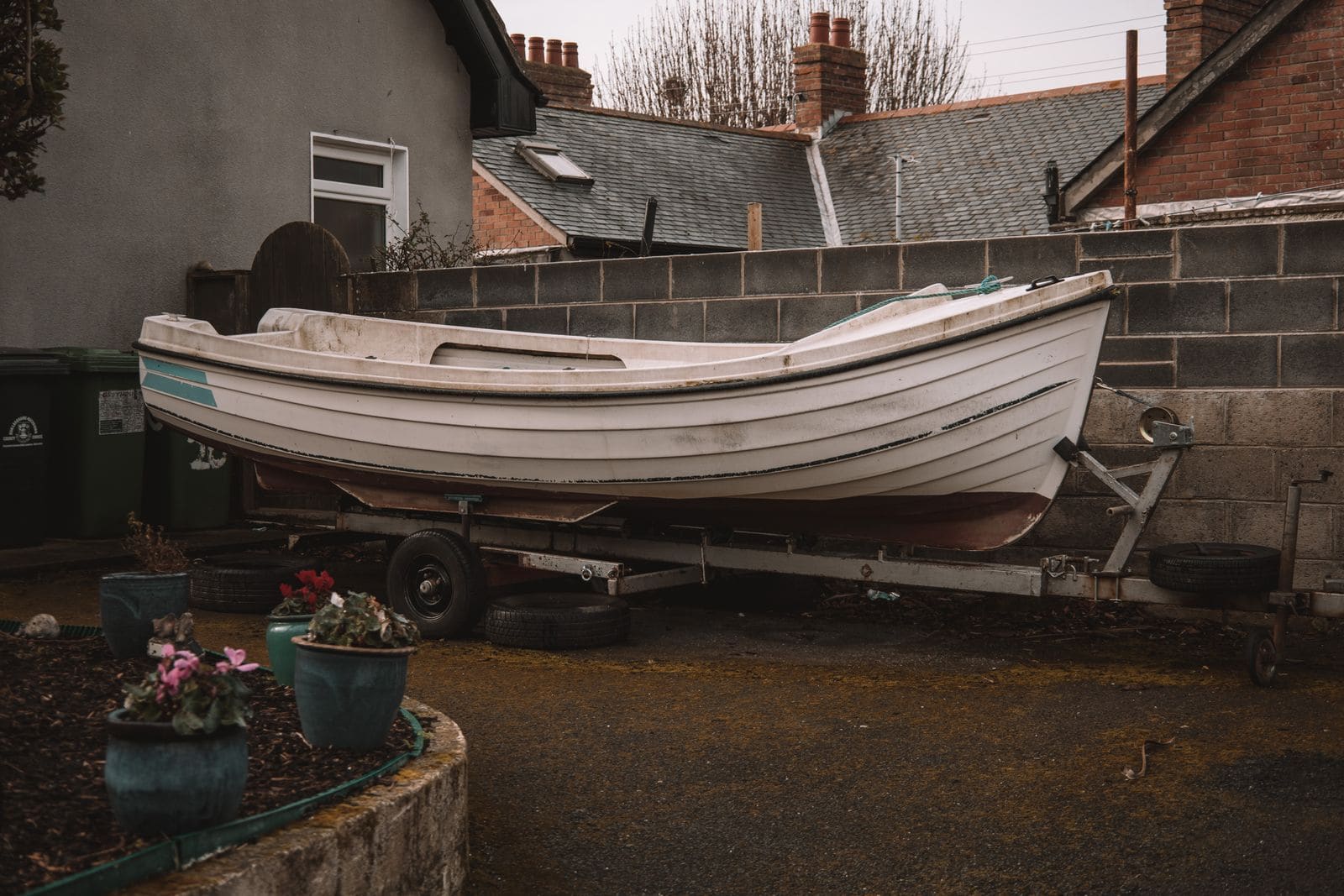
Buying a Boat That Sat Outside for Years: What Fails, How to Inspect It and What It Really Costs
A boat that sat in a yard for years can be a bargain or a money pit. Learn what usually fails (fuel system, waterlogged foam, stringers and transom, wiring, upholstery, trailer), how to inspect and weigh it, when to pay for a survey, and how to price the repairs before you make an offer.
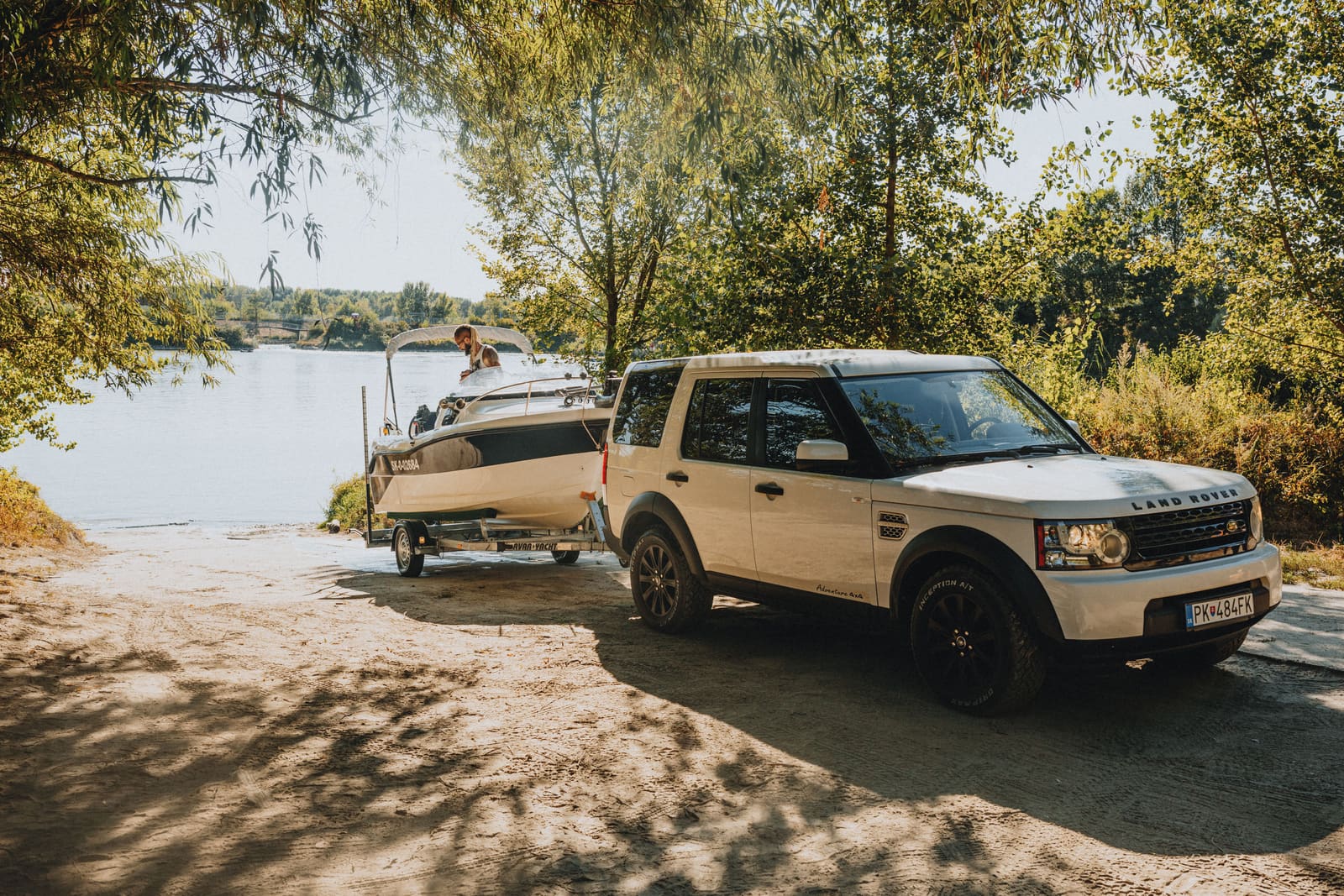
Get Your Boat Ready for the Road: Pre-Trailering Checklist
Most trailering trouble starts in the driveway: an engine left without support, a loose strap, a cover that balloons at 60 mph, gear that blows out or tongue weight that makes the rig sway. Work through this checklist before every trip and do a quick walkaround at each stop.
How to Inspect, Inflate and Replace Boat Trailer Tires
Check your trailer tires the way the pros do: the right type (ST), the right load range, the right cold pressure, and an honest look at their age. Tires are the number one reason boat trailers end up on the side of the highway.
How to Inspect and Repack Boat Trailer Wheel Bearings
Check, clean and repack your trailer's wheel bearings so a seized hub does not leave you stranded on the highway. Boat trailers get dunked in water every launch, which makes their bearings fail far more often than those on dry utility trailers.
How to Sea Trial Your Boat After Maintenance or Repair
A step-by-step test run after service work: dock checks first (leaks, fluids, steering, kill switch), then a gradual climb through the RPM range while you watch temperature and pressure, a wide-open-throttle check against your engine's spec, shifting and trim tests, and a bilge check afterward. Catch a loose clamp or a missed step at the dock, not miles out.
Boat Registration Numbers and Validation Decals: Federal Display Rules, State Placement and Renewals
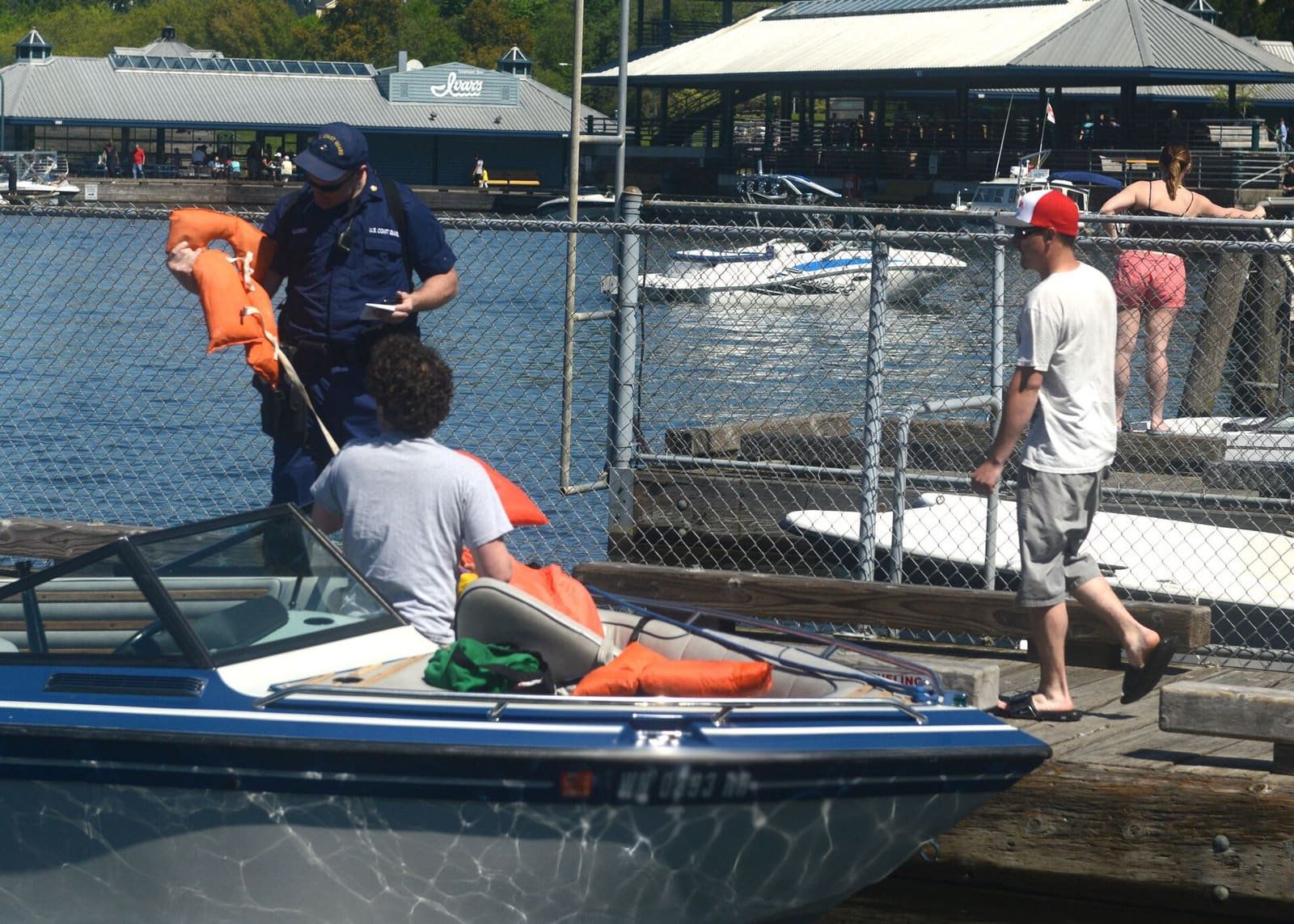
Display your state registration number and validation decal the way federal rules (33 CFR 173 and 174) and your state require: size, block style, contrast, spacing, placement on the forward half, decal position, what documented boats show instead (name and hailing port), what to carry aboard, and how to never miss a renewal. States add their own details, so check your state boating agency.
Avoiding Boat-Buying Scams: Fake Listings, Fake Escrow, Overpayment Checks and Safe Payment
How to spot and avoid the scams that target boat buyers and sellers: too-good-to-be-true listings, sellers who are always overseas, look-alike escrow and shipping websites, overpayment checks and fake payment notices. Covers verifying the boat, the title, the HIN and the seller, paying safely, and what to do fast if you already sent money. Practical help, not legal advice.
Used Boat Purchase Agreement and Closing: Deposit, Contingencies, Bill of Sale and Who Pays What
A plain-English walk-through of buying a used boat on paper: getting ready before you offer, what the purchase and sale agreement should say, how the deposit is held and when it comes back, survey, sea trial, financing and insurance contingencies, paying off the seller's loan, the bill of sale, closing and transferring the paperwork, and the costs each side usually covers. Practical help, not legal advice; rules vary by state.

Boats With No HIN: State-Assigned Hull Numbers for Homebuilt, Pre-1972 and Damaged-HIN Boats
What to do when a boat has no hull identification number, a homemade or kit boat needs one, an older boat predates the 1972 rule, or the number has been damaged or altered: the federal rules, how a state assigns a HIN, the inspection, the proof of ownership and build receipts to bring, how to fix the number to the hull, and the red flags that mean walk away. Practical help, not legal advice; every state runs its own process.