How to Sea Trial Your Boat After Maintenance or Repair
A step-by-step test run after service work: dock checks first (leaks, fluids, steering, kill switch), then a gradual climb through the RPM range while you watch temperature and pressure, a wide-open-throttle check against your engine's spec, shifting and trim tests, and a bilge check afterward. Catch a loose clamp or a missed step at the dock, not miles out.
Time
1 h
Applies to
Outboard, Sterndrive (I/O), Gas inboard, Marine diesel, Jet ski / PWC
Safety first: If you smell gasoline at any point, stop: do not start the engine or flip switches, and get the leak fixed first. On gasoline inboards and sterndrives, run the blower for four minutes and sniff the engine compartment before every start. Keep hands, hair and loose clothing away from belts and moving parts when you look in a running engine compartment. Wear the engine cut-off lanyard (federal law requires it on most boats under 26 feet when on plane), wear life jackets, and do your first run near help. If the boat starts taking on water you cannot control, call the Coast Guard on VHF channel 16 or 911, and TowBoatUS or Sea Tow for a tow.
Owners often ask
- What should I check on the first run after the shop worked on my boat?
- My engine does not reach the WOT RPM in the manual. What does that mean?
This guide walks you through it. Still stuck? Ask the AI Mechanic about your engine.
Tools
- Flashlight
- Basic tool kit (screwdrivers, pliers, wrenches) and spare hose clamps
- Clean rags or paper towels (to wipe and spot new leaks)
- Notebook, or your phone with the BoatMend log open
- Handheld GPS or a phone GPS app (for speed), if your boat has no speedometer you trust
- VHF radio and a charged phone
Before you start
Any work on a boat can leave something not quite right: a hose clamp that was not fully tightened, a drain screw left finger-tight, air in a fuel or steering line, a rag left near a belt. A short, deliberate sea trial finds these while you are still close to the dock. Do one after any significant job: engine service, impeller or thermostat replacement, fuel system work, lower unit or drive service, steering work, a prop change, de-winterizing, or any repair you or a shop just finished.
Know what was done. Get the shop's work order (or write your own list) so you know exactly which systems to watch. A new water pump means watching temperature; a fuel filter change means watching for fuel leaks and stalling; a lower unit seal job means checking for gear oil streaks afterward.
Check break-in rules first. A new or rebuilt engine, powerhead or gearcase usually has a break-in period that limits RPM and time at wide-open throttle. Mercury, for example, tells new outboard owners to run varied throttle up to a set RPM for the first two hours, and to avoid long stretches at wide-open throttle through the first ten hours; the exact steps are in each engine's manual. If you are in break-in, skip the full-throttle test in step 10 until it is allowed. See our engine break-in guide.
Pick your conditions. Choose calm weather and a time when the ramp and water are not crowded. Bring a second person if you can: one drives, one watches gauges and the engine.
Steps
With the boat still on the trailer or at the dock and the engine off:
- Look at every hose, clamp, fitting and wire near the work that was done. Tug gently.
- Check engine oil and, where you can, gear lube or drive oil levels, power trim and steering fluid.
- Make sure no tools, rags or caps were left in the engine compartment or under the cowl.
- Check the propeller: nut tight and its locking tab or cotter pin in place (Yamaha recommends a new cotter pin every time the prop goes back on).
- Confirm battery terminals are tight and the battery switch is on.
- On inboards, sterndrives and diesels, lay a clean absorbent pad or white rag under the engine (and generator) and write down the hour meter reading. Surveyor Frank Lanier suggests both in Practical Sailor: fresh drips stand out on a clean pad, and comparing hours before and after proves the meter works.
- Drain plug in.
Federal rules require boats with permanently installed gasoline engines to carry a label telling the operator to run the blower for four minutes and check the engine compartment bilge for gasoline vapors before starting. Do exactly that. Open the hatch and use your nose. Any fuel smell means stop.
As soon as the boat floats, open the hatches and look into the bilge with a flashlight before you go anywhere. Look for water coming in at the drain plug, through-hulls, transducers, shaft seal or stuffing box, and the drive bellows area on sterndrives. On a personal watercraft, open the seat and look in the hull. Stay tied up for a few minutes and look again. On a diesel or inboard with a stuffing box, note how the shaft seal behaves (see our stuffing box guide for what is normal for your seal type).
Start the engine and let it idle at the dock. Check right away:
- Outboards: the cooling water telltale stream should come out strong within a few seconds of starting.
- Sterndrives, inboards and diesels: water should come out with the exhaust. On a diesel, an exhaust with little or no water means shut down and check the raw-water seacock, strainer and pump.
- Personal watercraft: run it only in the water, following your owner's manual; check that the cooling outlet or "pee hole" flows if your model has one.
No cooling water within a few seconds means shut off immediately and find out why.
Let the engine warm up at idle while you watch temperature, oil pressure (if you have a gauge) and battery voltage, and listen for any alarm horn. Compare readings with what you normally see. Listen for new noises: rattles, squeals, knocking. With the engine still running and your hands well clear of belts and pulleys, look at the area that was serviced for drips of fuel, oil, coolant or water. A dry paper towel held near a fitting makes small leaks easy to see.
Still at the dock and tied securely:
- Steering: turn lock to lock. It should be smooth and even, with no binding, clunks or play. Hydraulic steering that feels spongy may have air in it.
- Kill switch: at idle, pull the lanyard. The engine should shut down immediately. Restart and clip it back on.
- Shifting: at idle, shift gently into forward, back to neutral, then reverse. Each shift should be clean, and the engine should not stall. Pause in neutral between directions.
- Trim and tilt: run the trim through its range and back down; listen for the pump laboring or the drive moving unevenly.
- Pumps and lights: bilge pump, blower and navigation lights work.
Idle away from the dock and run at low speed for several minutes. Then come back to neutral in open water and look in the bilge and engine compartment again (on outboards, a quick look under the cowl at idle, hands clear). Many leaks show up only once things are warm and under a little load. If the shaft seal, stuffing box or rudder area was worked on, look at it now and again at cruising speed with a helper at the helm: Practical Sailor notes these can be dry at the dock and leak only when the boat is moving.
Increase throttle in steps rather than going straight to full power. Hold each step for a minute or two and watch the gauges:
- Temperature should settle and stay steady at each step.
- Oil pressure should rise with RPM and hold.
- Voltage should show the charging system working.
- The boat should run smoothly with no new vibration.
If temperature climbs steadily, an alarm sounds or power drops, throttle back to idle and follow our overheat alarm response guide or the matching troubleshooting guide. BoatUS notes that a slow but steady temperature rise can point to a failing water pump impeller, and that you should not restart a hot engine until it has cooled. Come back slowly at low RPM if you must, watching the gauge, or call for a tow.
Mercury's advice on trim is a good baseline: trim the drive all the way in (down) before you accelerate so the boat climbs onto plane efficiently, then trim out (up) once on plane until the bow rises, steering lightens and speed picks up. Note how quickly the boat planes compared with before. Watch for the prop suddenly spinning up and losing grip (ventilation) when trimmed high or in turns (see our ventilation and cavitation guide). Steering should not pull hard to one side.
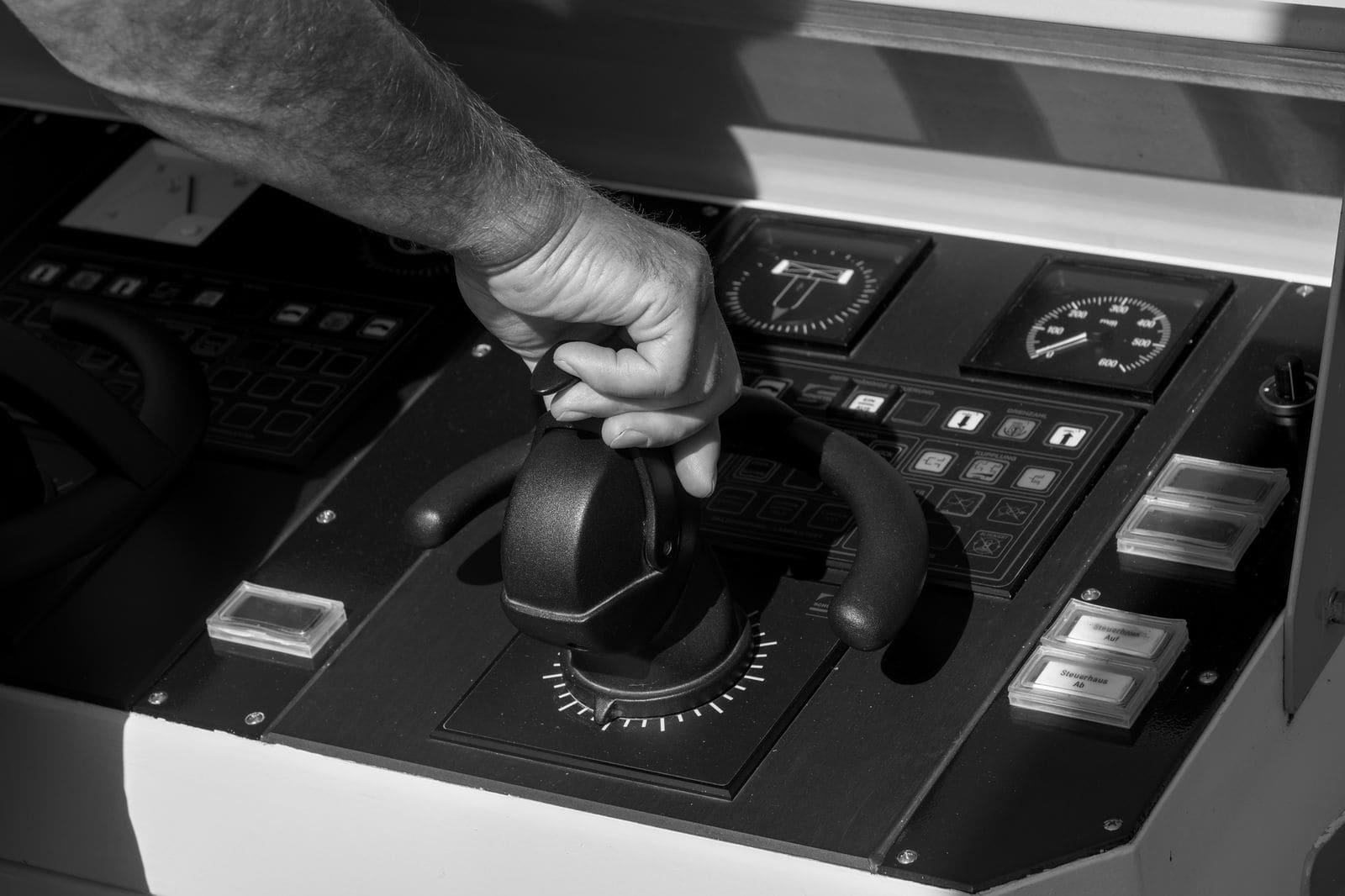
Move the throttle in steps and give the gauges time to settle at each one. Photo: Jean-Paul Wettstein / Pexels In open water with no traffic ahead, with your typical load aboard and trimmed for best speed, go to full throttle for a short run and note the highest steady RPM and the speed. Boating Magazine notes this is the number a prop shop will ask for. Compare the RPM with the full-throttle operating range in your owner's manual:
- Within the range: good. Your engine maker's manual says where in the range it should land with your load.
- Above the range: the engine is over-revving. Common causes are too little prop pitch, a prop that is ventilating, or a prop hub that is slipping (see our spun prop hub guide).
- Below the range: the engine is working too hard. Causes include too much prop pitch, a heavier load than usual, a fouled bottom, or an engine or fuel problem the work did not fix (or caused).
As a rough guide, Boating Magazine says each inch of prop pitch is worth about 200 RPM on recreational boats. Do not stay at full throttle longer than needed, and back off at the first sign of trouble. If there is current or a steady wind, Mercury's tip from its sea-trial checklist applies here too: make the same run in both directions and average the speeds, so your log number is fair to compare next season.
Come off plane smoothly, pause in neutral, and shift to reverse at idle. Practice a slow approach and a docking maneuver. A few checks from Mercury's sea-trial list are worth borrowing after steering, drive or prop work, with passengers seated and no boats nearby: at moderate speed with the drive trimmed down, make a tight turn each way and see whether the boat holds its RPM through the turn; back down at idle with the drive fully down and watch for water coming over the transom; and cross a few wakes at safe speed while listening for new rattles or bangs. Shifts should be crisp with no grinding, slipping or hard clunks; on sterndrives, a harsh or hard-to-shift drive after service is a reason to go back to the shop. Check that the throttle returns to idle normally and the engine idles smoothly in gear and in neutral.
Back at the dock, let the engine idle a minute, then shut it down. Then:
- Look in the bilge again for new water, fuel or oil.
- Look over the serviced area, hoses and fittings for drips now that everything is hot. Don't touch hot exhaust parts.
- On outboards and sterndrives, look at the gearcase and drive for oil streaks around seals and drain screws.
- On a personal watercraft, open the seat and check the hull for water after the ride.
- On a diesel, note the exhaust color during the run (see our diesel exhaust smoke guide) and check the shaft seal again.
- Recheck oil and fluid levels once the engine has cooled as your manual describes.
Write down in your BoatMend log:
- Date, engine hours and what work was done
- Water and air conditions, load and fuel level
- Idle and cruise temperatures, oil pressure and voltage
- RPM and speed at cruise, and at wide-open throttle (with trim position)
- Anything that felt, sounded or looked different
These numbers become your baseline. Next season, a lower WOT RPM or a hotter cruise temperature tells you something changed before it becomes a breakdown. Report any problem to the shop that did the work right away; most will want to see it while the job is fresh.
Common mistakes
- Skipping the dock checks and finding a loose clamp or a stuck shift a mile out.
- Going straight to full throttle on the first run after service, or during break-in.
- Not checking the bilge until the end of the day.
- Trusting the tachometer blindly. If WOT readings look strange, a tach can be off; a dealer's diagnostic tool or a handheld tach can confirm (see our gauges and tach guide).
- Testing with an empty boat, then wondering why the WOT RPM is different on a loaded family day.
- Ignoring a small new drip because "it was probably always there." Wipe it, run again and see if it comes back.
- Running alone, far out, on the first trip after major engine or fuel work.
When to call a pro
- No cooling water, a rising temperature or an overheat alarm that comes back after a basic check
- Any fuel leak or fuel smell
- Water coming in that you cannot stop: call the Coast Guard on VHF channel 16 or 911, then TowBoatUS or Sea Tow
- Shifting that grinds, slips or will not engage, or steering that binds or feels loose
- WOT RPM far outside the manual's range after a prop or engine job
- New vibration, knocking or loss of power after the work: stop using the boat and return it to the shop
Tips
- Do the first sea trial on a weekday morning near your home ramp, not on a holiday weekend trip.
- Mark serviced hose clamps and fittings with a paint pen; a mark that has moved shows something loosened.
- Keep a tow service membership active; a sea trial is exactly when you are glad to have it.
- Repeat a shorter check after the first few hours: fluid levels, clamps, belt condition and the prop nut.
- BoatUS notes that on survey trial runs, engines are ideally not run for 24 hours beforehand so the cold start can be checked. A cold start after service is a useful check for you too.
Official references
We read these to write this guide. Your engine's own manual always wins.
- Boating Magazine – Understanding Propeller Pitch (WOT RPM with a typical load)
- Mercury Marine – 5 Ways to Use Power Trim
- Mercury Marine – How to Break In a New Mercury Outboard
- BoatUS – What If Your Temperature Gauge Spikes?
- BoatUS – The Boat Survey (the trial run during a survey)
- Mercury Marine – 10 Steps to Follow When Taking a Boat on a Sea Trial
- Practical Sailor – What You Can Learn on a Quick Test Sail (Frank Lanier)
- USCG Boating Safety – Engine/Propulsion Cut-Off Devices
- eCFR – 33 CFR 183.610, Powered Ventilation System (blower warning label)
- Yamaha Outboards – Maintenance Matters, Propeller Solutions
Safety: BoatMend is for information only and does not replace a certified marine technician. You are responsible for your safety and your boat. Read the full disclaimer.
Last updated 2026-10-24
Related guides
How to Break In a New or Rebuilt Boat Engine
The first hours on a new or rebuilt engine decide how well its piston rings seat and how long it lasts. Learn how to follow your maker's hour and RPM schedule, why you should keep changing the throttle, what to avoid (constant RPM, early full throttle, long idling), what to check every trip and when to do the first oil change.
Overheat Alarm: What to Do in the First 60 Seconds
A short, practiced routine for the moment the temperature alarm goes off: take the load off, look for cooling water, shut down if it isn't there, and check every space the exhaust runs through for heat or fire. Based on a June 2026 Coast Guard safety alert about a fatal fire that started with an overheat alarm.
Engine Warning Horn and Dash Lights: What They Usually Mean and What to Do
Learn what a warning horn, beeps or a dash light usually mean on a boat engine, from overheating and low oil pressure to water in the fuel and reduced-power (limp) mode. Find out what to do right away and when to stop the engine. Patterns differ by brand, so match what you hear and see to your owner's manual.
Engine Cut-Off Switch (Kill Switch) and Lanyard: The Law, Testing and Daily Use
How the engine cut-off switch (ECOS) and its lanyard or wireless fob work, when federal law requires you to wear it (boats under 26 feet, 3 hp or more, on plane), how to test it before every trip, and why a spare clip aboard matters.
Propeller Care: Inspect, Remove, Replace and Choose the Right Pitch
Check your prop for damage, pull it to clear fishing line and grease the shaft, reinstall it correctly, and learn how pitch affects your engine's wide-open-throttle RPM. The right prop in good shape protects your engine and often makes the boat run better and use less fuel.
Prop Ventilation vs. Cavitation - Why Your Engine Revs Up and the Boat Loses Grip
Sudden RPM spikes, blowouts in turns, or a prop that slips when you accelerate are usually ventilation, not cavitation. Learn to tell them apart, then work through the fixes in order: trim, load, prop damage, the hull ahead of the prop, engine height, and finally a different prop.
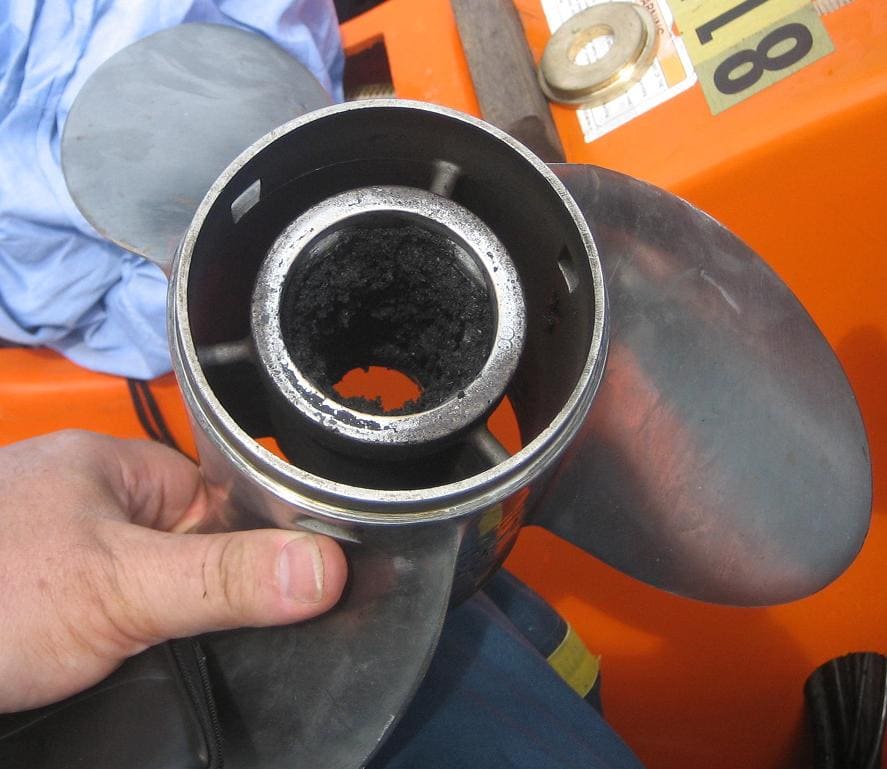
Spun Prop Hub - How to Tell, Quick Marker Test and Repair Options
If the engine revs up but the boat barely accelerates, the rubber or plastic hub inside your propeller may be slipping. Learn how a spun hub feels, how to confirm it with a simple marker test, the difference between pressed rubber hubs and replaceable hub kits, and your repair options.
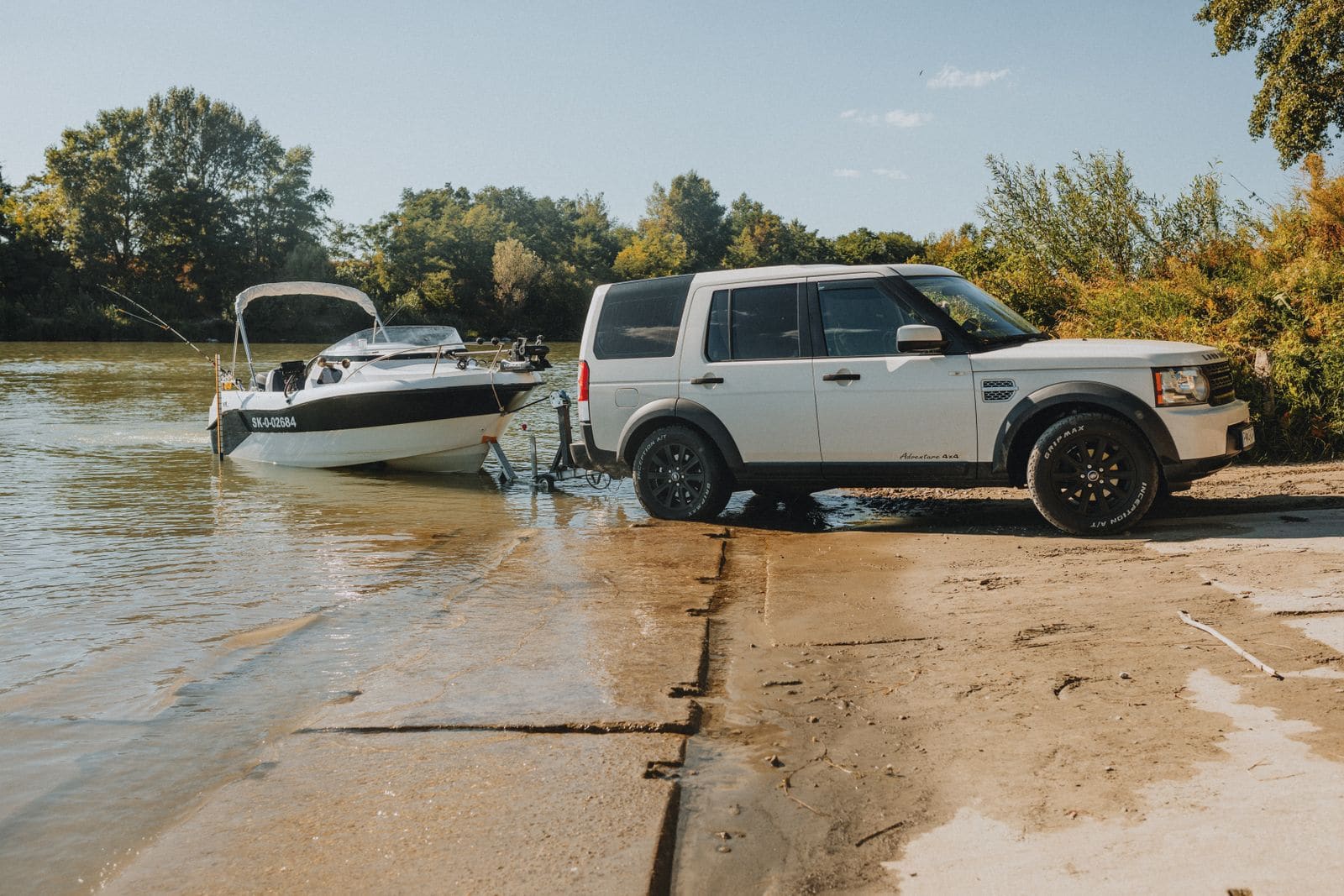
Launch Day and Haul-Out Checklist for Trailer Boats
A step-by-step checklist for getting your boat off the trailer and back on again safely and quickly, from the drain plug and tie-downs to the blower and ramp etiquette. Following it in order prevents the classic mistakes that sink boats and back up the ramp.
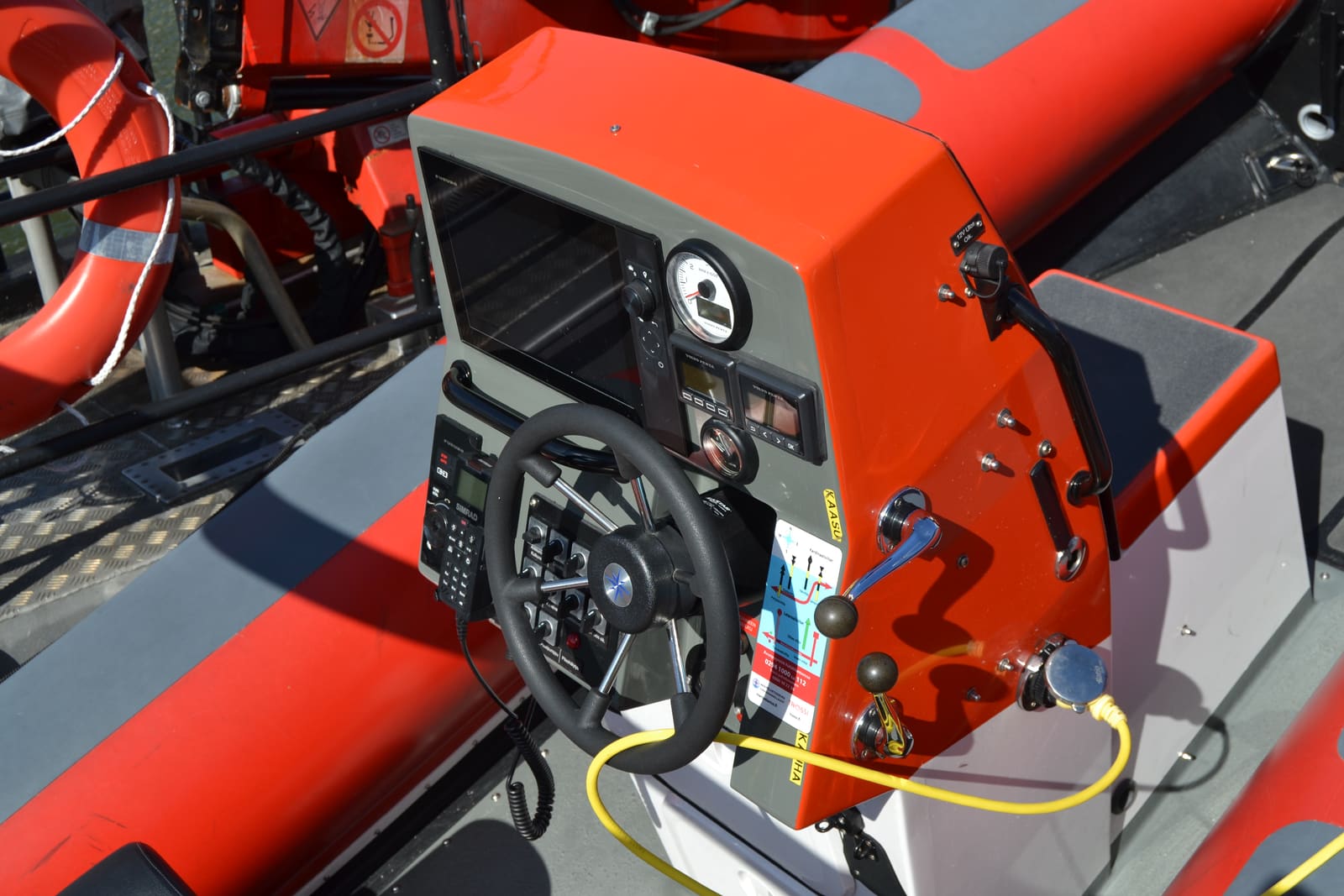
How to Troubleshoot Dash Gauges, a Dead Tachometer or a Wrong Fuel Gauge
Work through dead or wrong dash gauges from the cheapest check to the most involved: fuses and breakers, power and ground, the gauge-versus-sender test, the tachometer's pulse setting and the extra checks for digital network gauges. Most gauge problems turn out to be a bad connection, not a bad gauge.
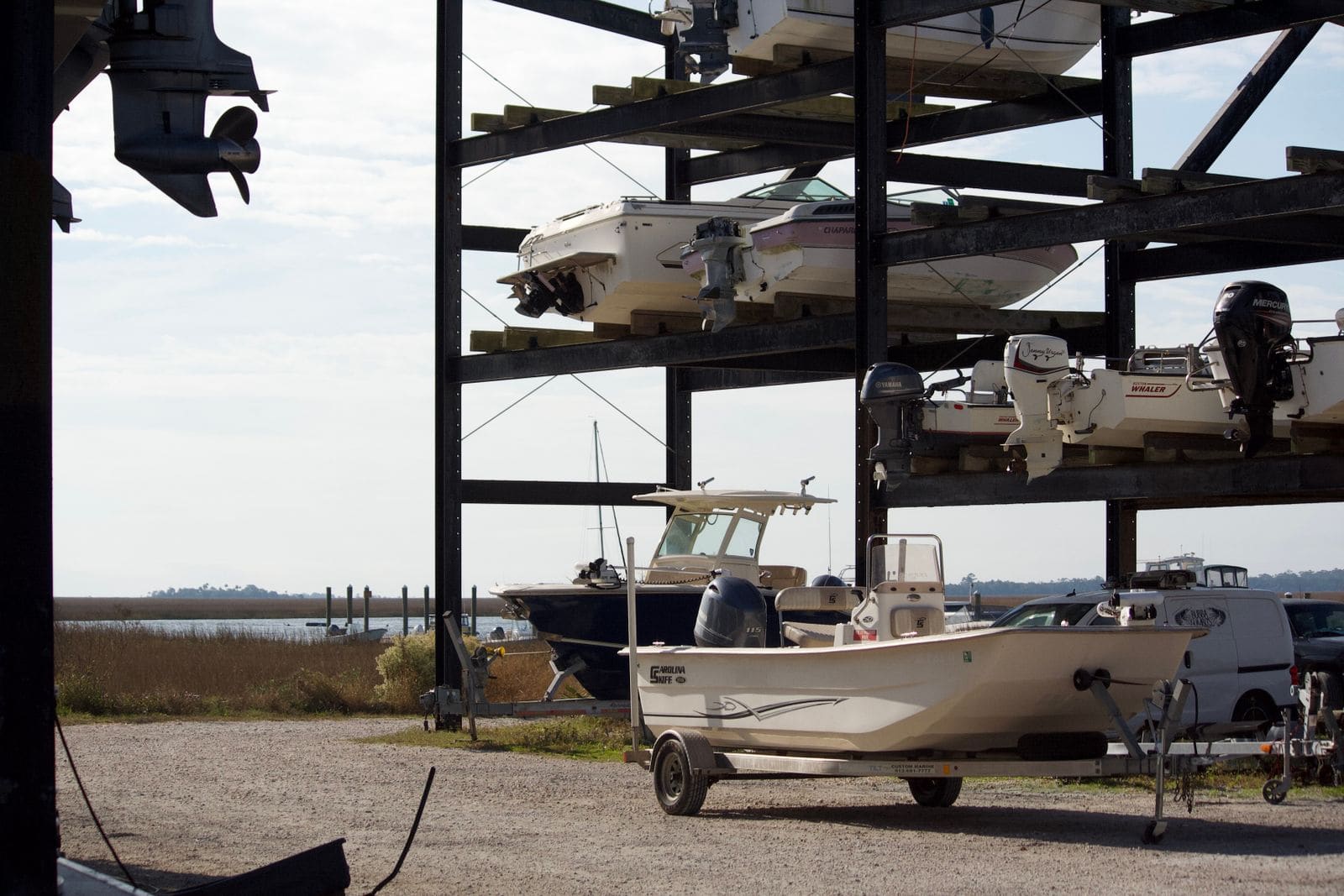
Spring Commissioning - Getting Your Boat Ready for the Season
Wake your boat up after storage with a step-by-step check of the battery, fuel system, engine, drive and safety gear. Catching a cracked hose or dead battery in the driveway beats a tow on opening weekend, and saves a typical shop commissioning fee.
Jet Ski Taking On Water: Find the Leak and Drain It Safely
A little water in a personal watercraft's hull after a ride is normal; a lot is not. Learn how to tell the difference, drain the hull, and track the leak from the easy causes (drain plugs, seat and hatch seals, loose hose clamps) to the serious ones (driveshaft seal, exhaust, hull cracks), and when to stop riding.

Diesel Exhaust Smoke: What Black, White and Blue Smoke Mean
Learn to read the color of your marine diesel's exhaust and run the simple checks that go with each color, from a dirty air filter or fouled prop to a worn mixing elbow or head gasket. Catching smoke early can save an engine.
How to Check, Adjust and Repack a Stuffing Box (and Care for a Dripless Shaft Seal)
Learn the right drip rate for a traditional packing gland, how to adjust it safely, when to repack it, and how to inspect and service a dripless shaft seal. The shaft seal is one of the few holes in an inboard boat that moves, and a neglected one can sink a boat at the dock.