Electric Marine Toilet Troubleshooting: Won't Flush, Weak Flush, Won't Stop Filling
Electric and macerating marine heads fail in a handful of predictable ways. Work from the cheapest checks to the messiest ones to fix a toilet that won't run, flushes weakly, trips its breaker, keeps filling, loses or gains water in the bowl, or backs up, and learn what to keep out of it.
Time
2 h
Shop would charge
$150-800
Applies to
All engines
Safety first: You're dealing with raw sewage and with seawater connections below the waterline. Turn off the toilet's breaker (and the freshwater pump on freshwater models) before opening anything; a macerator blade can start when someone presses the button. Close the intake and discharge seacocks before you disconnect any hose that leads to them. Wear long gloves, eye protection and a mask, keep sewage off your skin, and wash up well afterward. If water keeps rising in the bowl or the boat on its own, close the toilet's seacocks right away. A siphoning head can sink a boat at the dock. If you can't stop the water, call for help: TowBoatUS or Sea Tow, the Coast Guard on VHF 16, or 911.
Owners often ask
- My electric marine toilet keeps tripping its breaker. What's jammed?
- Fresh water keeps slowly filling my electric toilet bowl when nobody uses it. How do I stop it?
- Water swirls around in my electric toilet bowl but won't go down. What's blocked?
This guide walks you through it. Still stuck? Ask the AI Mechanic about your engine.
Tools
- Digital multimeter
- Screwdrivers and nut drivers
- Hose clamp driver
- A spare length of hose that fits the toilet discharge, and a bucket
- Rags, paper towels and trash bags
- Nitrile gloves (long cuff), safety glasses and a face mask
- Flashlight or headlamp
Parts & supplies
- Joker valve (duckbill) for your exact toilet model
- Intake pump impeller or rebuild kit, if your raw-water model uses one
- Rinse solenoid valve or its repair parts (freshwater models), from your toilet maker
- Marine sanitation hose and stainless hose clamps, if a hose must be replaced
- Cleaner approved by your toilet maker
Before you start
Know what you have. Electric marine toilets come in a few flavors:
- Raw-water flush: a pump pulls seawater or lake water through an intake seacock to rinse the bowl.
- Freshwater flush: the boat's pressurized freshwater system rinses the bowl through an electric valve (a solenoid). Freshwater models usually smell less.
- Macerating discharge: a motor-driven blade chops waste and a pump sends it to the holding tank or (where legal) a treatment system or overboard.
- Vacuum toilets work differently and aren't covered here.
Most use a one-way rubber flap (a joker valve or duckbill) in the discharge, and many have a wall control that runs a timed flush cycle. Find the make and model (often on the base or in the boat's paperwork) and get its owner's manual; part numbers are model-specific.
Where problems usually are: Raritan says the most common cause of a poor flush is a clogged sanitation line, not the toilet. The order below starts with free checks and ends with the messy ones.
The law, briefly: untreated sewage may not be discharged within 3 nautical miles of shore, and in no-discharge zones (which include many lakes and bays) no sewage may go overboard at all. In those zones, federal rules (33 CFR 159.7) require every valve leading to an overboard discharge, such as the Y-valve, to be secured closed, for example with a padlock or a non-releasable wire tie. See the holding tank guide.
Steps
Turn off the toilet breaker and, on freshwater models, the water pump. Find both seacocks (intake for raw-water models, and the discharge if it can go overboard) and make sure they work. Put down rags and have a bucket and trash bags ready. Tell everyone aboard not to use the head.
Check the simple things first:
- Is the breaker or fuse for the toilet on and intact? Is the battery switch on and the house battery charged?
- Does the control panel light up, or show a fault or "tank full" warning? Some controls connect to a holding-tank sensor; Raritan's Smart Toilet Control can warn when the tank is full. Pump out and try again.
- Measure voltage at the toilet's motor or control box while someone presses the button. No voltage means the problem is in the wiring, breaker or control, not the toilet.
Low voltage is a common cause. Raritan notes that its older electric heads were very voltage-sensitive: a weak battery or corroded joints made them run slowly and not discharge properly. Measure the voltage at the toilet while it runs and compare with the battery. A big drop means corroded terminals, a tired breaker or undersized wire; clean and tighten connections or call a marine electrician. Charge the batteries or run the charger and test again.
That usually means the macerator or pump is jammed. A stalled motor draws high current and trips the breaker. Common causes are wipes, paper towels, feminine products, hair or a foreign object, or salt and scale left from a raw-water toilet that sat dry. With the breaker off and seacocks closed:
- Don't keep resetting the breaker; you can burn out the motor or wiring.
- Follow your manual to open the pump or macerator housing, or to turn the motor shaft by hand if your model allows it, and remove the jam.
- Check for a damaged blade or impeller while it's open.
If it still trips with nothing jammed, the motor or wiring may be failing; call a pro.
Raritan's checklist: make sure the intake seacock is fully open, the through-hull isn't clogged (barnacles, weed) and the intake strainer, if fitted, is clean. Then check the intake pump: on some models a check ball can stick, and a rubber impeller can take a "set" (vanes bent one way) or be damaged from running dry. Replace a set impeller. Practical Sailor notes that air in the intake line hurts pump performance, which is why some raw-water electric heads use a small solenoid to close the intake's vented loop during the flush; if that solenoid sticks open, the pump can lose suction.
Check that the freshwater pump is on, the tank isn't empty and other faucets have good pressure (see the freshwater pump guide). If the rest of the boat has water but the toilet doesn't, the rinse solenoid valve may be stuck closed, blocked with debris or not getting power.
On a freshwater model, Xylem (Jabsco) says fresh water that keeps rising into the bowl from the rim when nobody is using the toilet usually means debris is holding the rinse solenoid valve open. The fix is to turn off the water pump and power, take the valve apart as the maker shows, clean the diaphragm and seat, and reassemble without losing the small spring and plunger. If cleaning doesn't stop it, replace the valve with the one for your model and voltage. Note Xylem's distinction: water coming up from the bottom of the bowl is a different problem (steps 8 and 9).
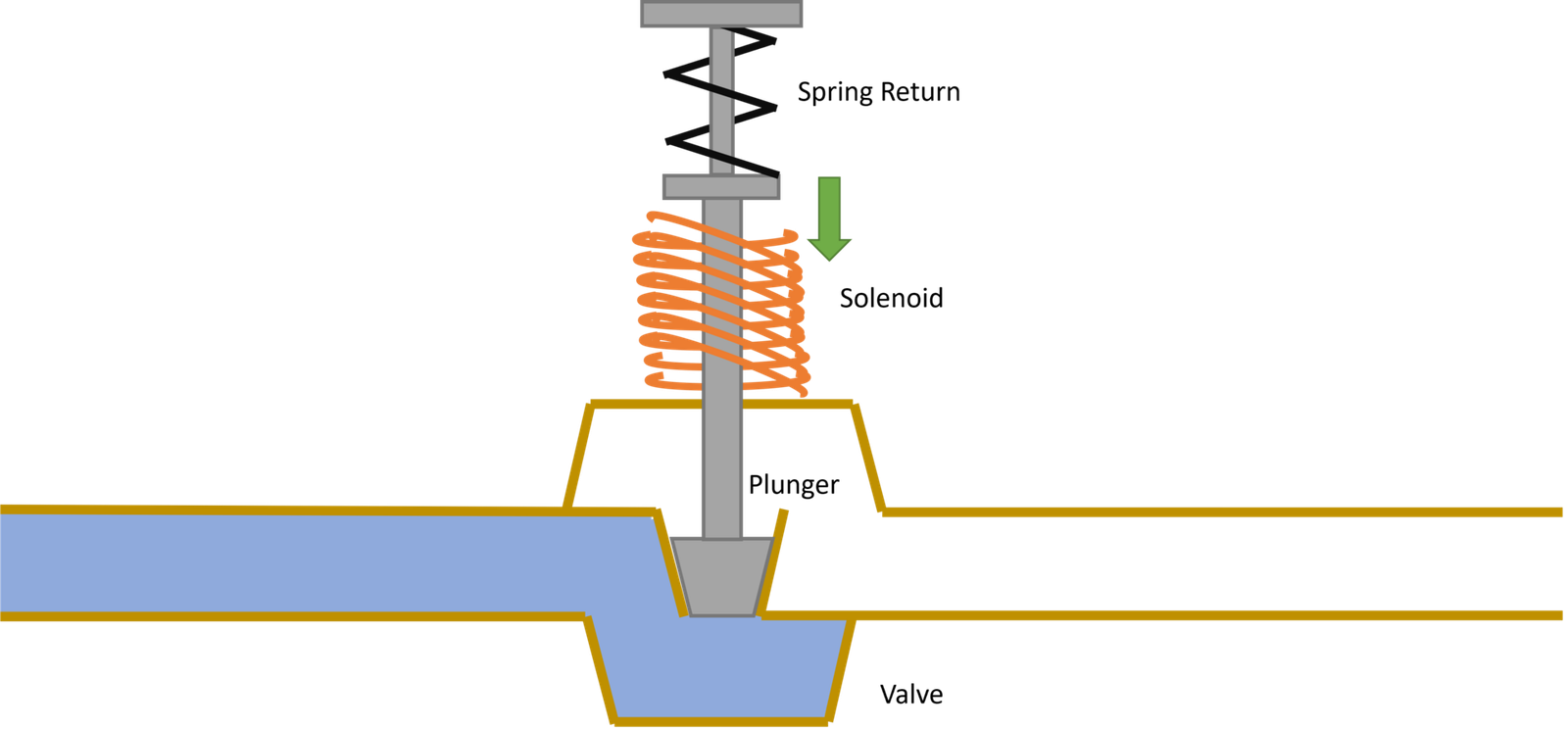
How a rinse solenoid works: power lifts the plunger to let water in; with no power, the spring pushes it closed. A bit of debris on the seat keeps it from closing. Diagram: Sparpo / Wikimedia Commons · CC BY-SA 4.0 On a raw-water model, water that keeps coming in on its own is siphoning through the intake. Close the intake seacock now, then check the intake's vented loop (step 9).
Raritan says the most common cause of waste water flowing back into the bowl after a flush is a worn joker valve. Joker valves stiffen and scale up with age. Replace it with the part for your exact model (some models use two, which should be replaced together). The manual head rebuild guide shows the general idea of working on the discharge side. If the bowl refills from the bottom while the boat is in the water and the discharge goes overboard, siphoning through the discharge line is also possible: close the discharge seacock and check the vented loop.
Raritan explains that its toilets aren't designed to hold water in the bowl unless a vented loop is installed in the discharge line, with the top of the loop generally about 4 inches above the top of the bowl (check your installation manual for the exact height). If a loop is installed but the bowl still empties, the loop's vent is probably clogged, letting water siphon out. Practical Sailor stresses that raw-water intake and discharge lines need vented loops that stay above the waterline at all angles of heel. The small vent valve at the top of each loop clogs with salt and scale over time and needs cleaning or replacing; the vented loop guide shows how.
The telltale sign: in Xylem's Jabsco demonstration, a blocked discharge makes the water swirl around and around in the bowl while the pump runs, because it has nowhere to go. That points to the discharge side: the joker valve, the hose or something past it.
Raritan's test isolates the toilet: with the breaker off and discharge seacock closed (if any), disconnect the discharge hose at the toilet, attach a short spare hose and lead it into a bucket. Restore power and flush.
- Flushes well into the bucket: the toilet is fine; the blockage is in the sanitation hose, Y-valve, vented loop, holding tank vent line or seacock.
- Still flushes poorly: the problem is in the toilet itself (pump, macerator, joker valve); go back to steps 3, 4 and 8. Xylem says waste still swirling in the bowl during this test usually means a clogged joker valve in the discharge elbow.
Empty the bucket at a pump-out or shore toilet, never overboard in restricted waters.
Old sanitation hose builds up hard scale inside that narrows it, especially in raw-water systems. A blocked holding-tank vent makes the tank resist incoming flow, so the toilet struggles and the tank can smell or even burp waste. Check:
- The holding-tank vent line and its filter (see the vent filter guide).
- The Y-valve: does it turn fully, and is it set to the tank?
- The hose: squeeze it and look for scale; descale it or replace it (see the sanitation hose descaling and head hose replacement guides). For light buildup, Jabsco's technicians suggest letting a couple of cups of white vinegar sit in the discharge hose overnight and then flushing it through with water; check that your own toilet maker allows vinegar first.
- Spiders, insects and debris in the holding-tank vent fitting outside the hull. Jabsco says it sees blocked vents often, especially behind overflowing tanks.
Use only cleaners your toilet maker approves. Xylem warns that bleach, drain cleaners and harsh deodorizers degrade rubber seals and joker valves, sometimes within one season.
If the bowl overfills with seawater when you're running fast, Raritan says the most common cause is the intake through-hull scoop facing forward and forcing water in. Reversing the scoop usually fixes it. A properly placed vented loop on the intake also helps. Keep the intake seacock closed when the toilet isn't in use if you're unsure.
Raritan notes that on raw-water toilets, sea life and weed trapped in the rim and intake line die and give off a sulfur smell when the head sits. Flushing with fresh water before you leave the boat helps; some owners convert to freshwater flush. A sewage smell (not rotten eggs) usually comes from permeated hoses, a tank or vent problem; see the holding tank and hose guides.
- Only human waste and marine-safe toilet paper go in. Wipes, paper towels and feminine products go in the trash.
- Flush enough water to clear the hose to the tank each time.
- Before leaving the boat for a while, flush through with fresh water so salt and scale don't dry in the pump.
- Winterize with non-toxic propylene glycol antifreeze only. Xylem warns against alcohol-blend "RV antifreeze" (it swells rubber) and against petroleum or vegetable oils on rubber parts. Run it until antifreeze reaches the end of the discharge line, and don't forget the intake hose from the seacock. If the toilet feeds an onboard treatment system (a Type I MSD such as Raritan's Electro Scan or Purasan), check its manual first: Raritan says antifreeze must not go into its treatment systems, which are winterized dry.
Common mistakes
- Resetting a tripping breaker over and over instead of finding the jam.
- Opening hoses below the waterline with the seacock open.
- Blaming the toilet when the clog is in the hose, Y-valve or tank vent.
- Leaving a siphoning head unattended with the intake seacock open.
- Using bleach, drain cleaner or oil on a marine toilet.
- Buying the wrong joker valve; they're model-specific.
- Flushing wipes labeled "flushable."
When to call a pro
- Water keeps coming in after you close the seacocks, or a seacock won't close
- The breaker trips with nothing jammed, wiring is hot or scorched, or you smell burning
- Hoses must be replaced in tight or below-waterline spots, or a through-hull needs work
- You want to convert raw-water to freshwater flush, or add vented loops or a tank-full sensor
- The holding tank is overfull, cracked or leaking
Tips
- Put a small, polite sign in the head listing what can't be flushed.
- Keep a spare joker valve and the toilet's manual aboard.
- Label each seacock and leave the intake closed when the boat is unattended.
- Note the date of every joker valve and hose change in your BoatMend log.
Official references
We read these to write this guide. Your engine's own manual always wins.
- Raritan Engineering – FAQ (electric toilets, Crown Head, vented loops, odors)
- Xylem (Jabsco) – Quiet Flush Toilet Solenoid Repair
- Xylem (Jabsco) – Expert winter maintenance tips for Jabsco pumps and marine toilets
- Xylem (Jabsco) – Addressing blocked discharge in a Jabsco electric head
- Practical Sailor – How Do We Plumb Thee? Let Us Count the Ways
- eCFR – 33 CFR 159.7 (securing the discharge in no-discharge areas)
Safety: BoatMend is for information only and does not replace a certified marine technician. You are responsible for your safety and your boat. Read the full disclaimer.
Last updated 2026-10-26
Related guides
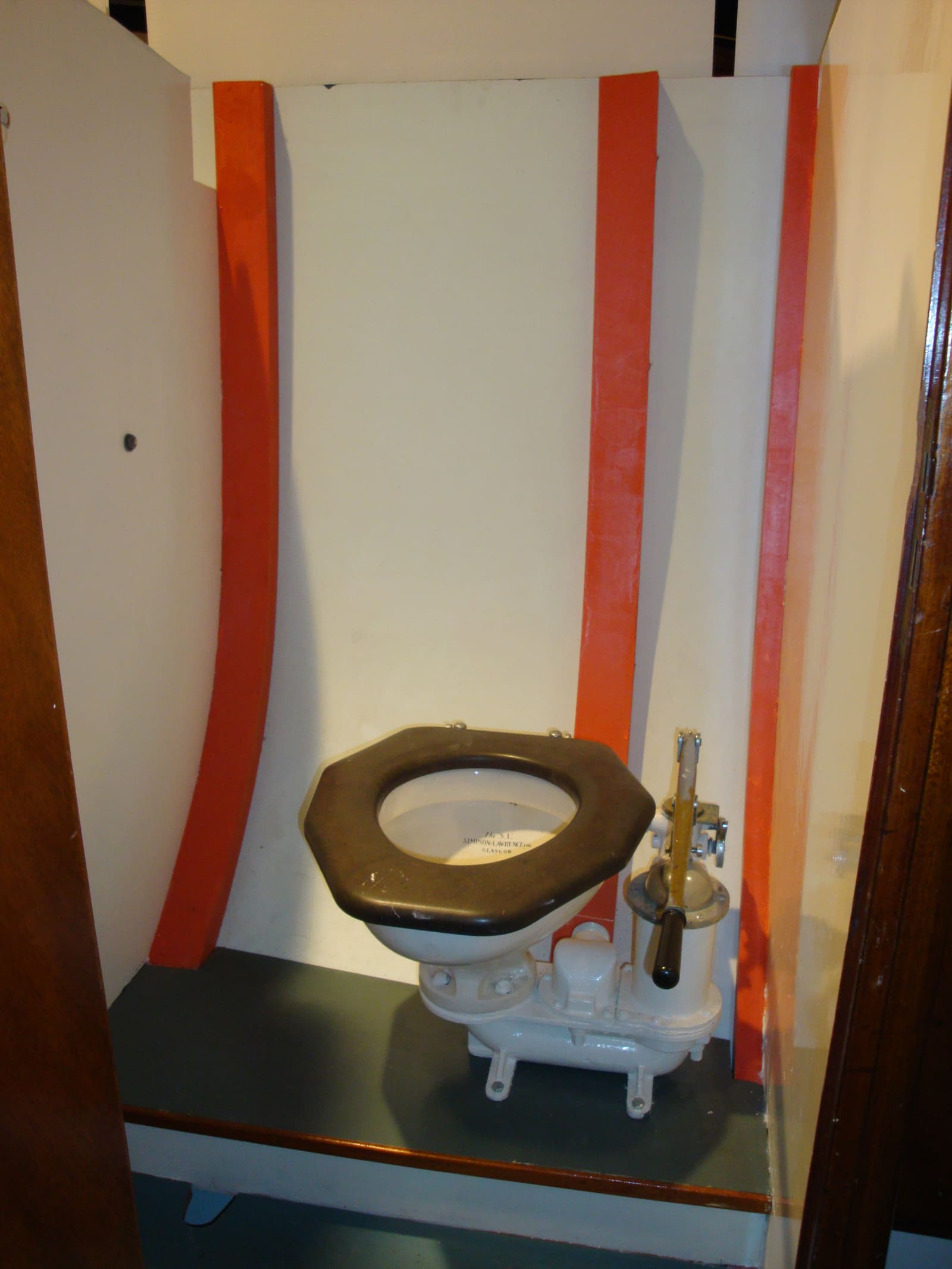
How to Rebuild a Manual Marine Toilet (Hand-Pump Head)
A manual head that's hard to pump, lets water flow back into the bowl or leaks at the pump shaft usually just needs new valves and seals. Learn how to diagnose the symptom, pick the right service kit, replace the joker valve, flapper and piston seals safely and hygienically, and keep the pump working afterward.
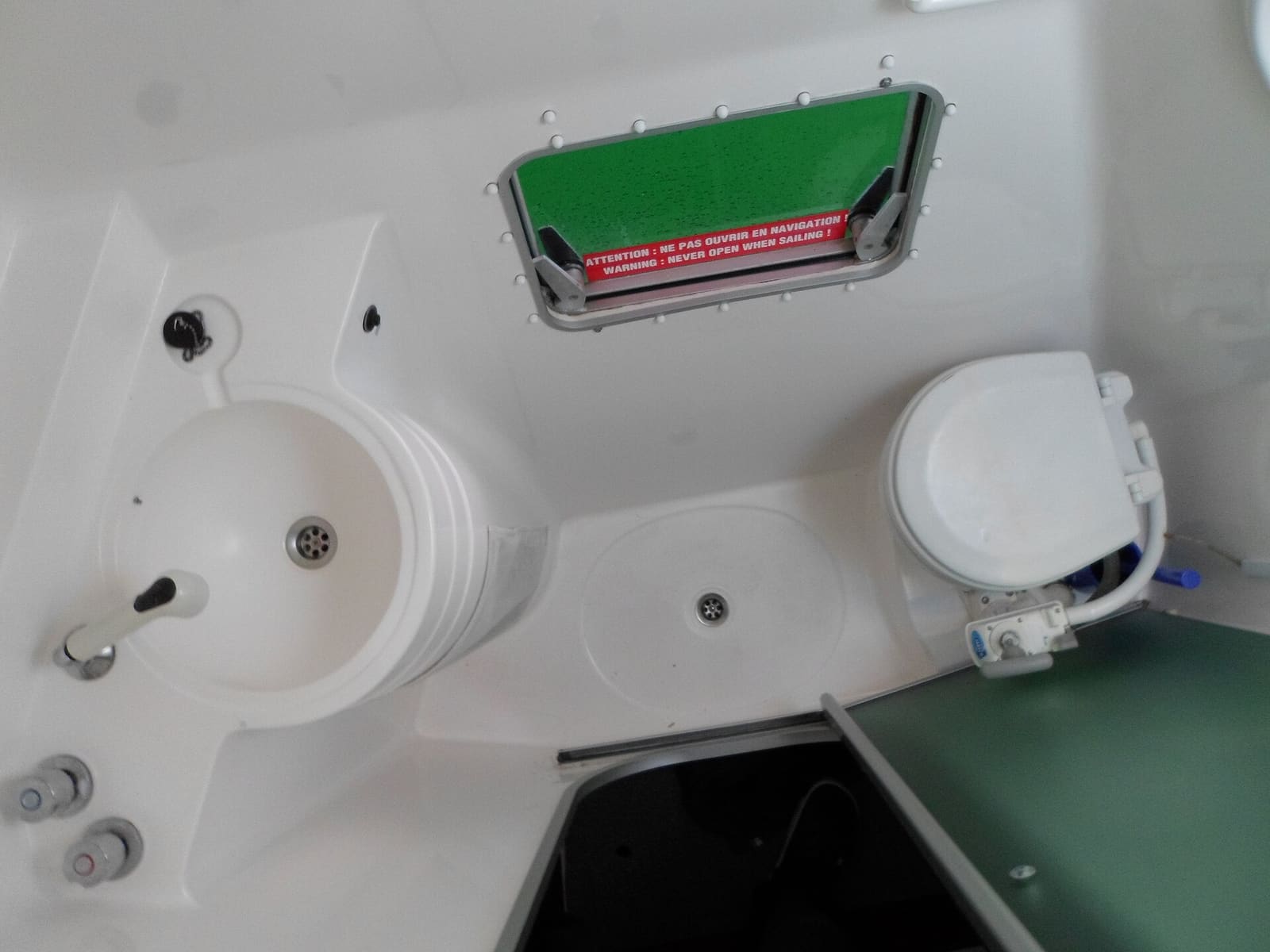
Marine Head and Holding Tank Care: Odors, Clogs, Pump-Outs and Winterizing
Keep your boat's toilet and holding tank working and odor-free, clear common clogs, pump out the right way, and winterize the system. Also covers the Y-valve and the federal no-discharge rules every owner with a head needs to follow.
How to Inspect, Clean and Replace Vented Loops (Anti-Siphon Valves)
A vented loop is a small, easy-to-forget fitting that stops seawater from siphoning into your engine or through your head and into the boat. Learn where they live, why they must sit well above the waterline, how to clean a sticky or clogged valve, when to replace it, and how to spot the hydrolock damage a failed one can cause.
Smelly Head Hoses: How to Test, Choose and Replace Sanitation Hose
Find out if your toilet and holding-tank hoses are the source of that sewage smell with a simple hot-rag test, then pick the right sanitation hose, route and clamp it properly, and get rid of the old hose cleanly.
How to Prevent and Remove Scale in Marine Toilet Discharge Hoses
A head that gets harder to pump, flushes slowly or lets water creep back into the bowl often has mineral scale building up inside the discharge hose. Learn a simple monthly vinegar routine, when to use a maker-approved descaler, what never to pour in, and when replacing the hose or switching to a freshwater flush is the real fix.
How to Check a Holding Tank Vent and Replace the Vent Filter
A blocked holding tank vent makes the head gurgle, pressurizes the tank every flush and can collapse it at the pump-out dock. Learn the warning signs, how to clear the vent fitting and hose, when and how to replace the carbon vent filter, and how to keep insects and overfills from plugging it again.
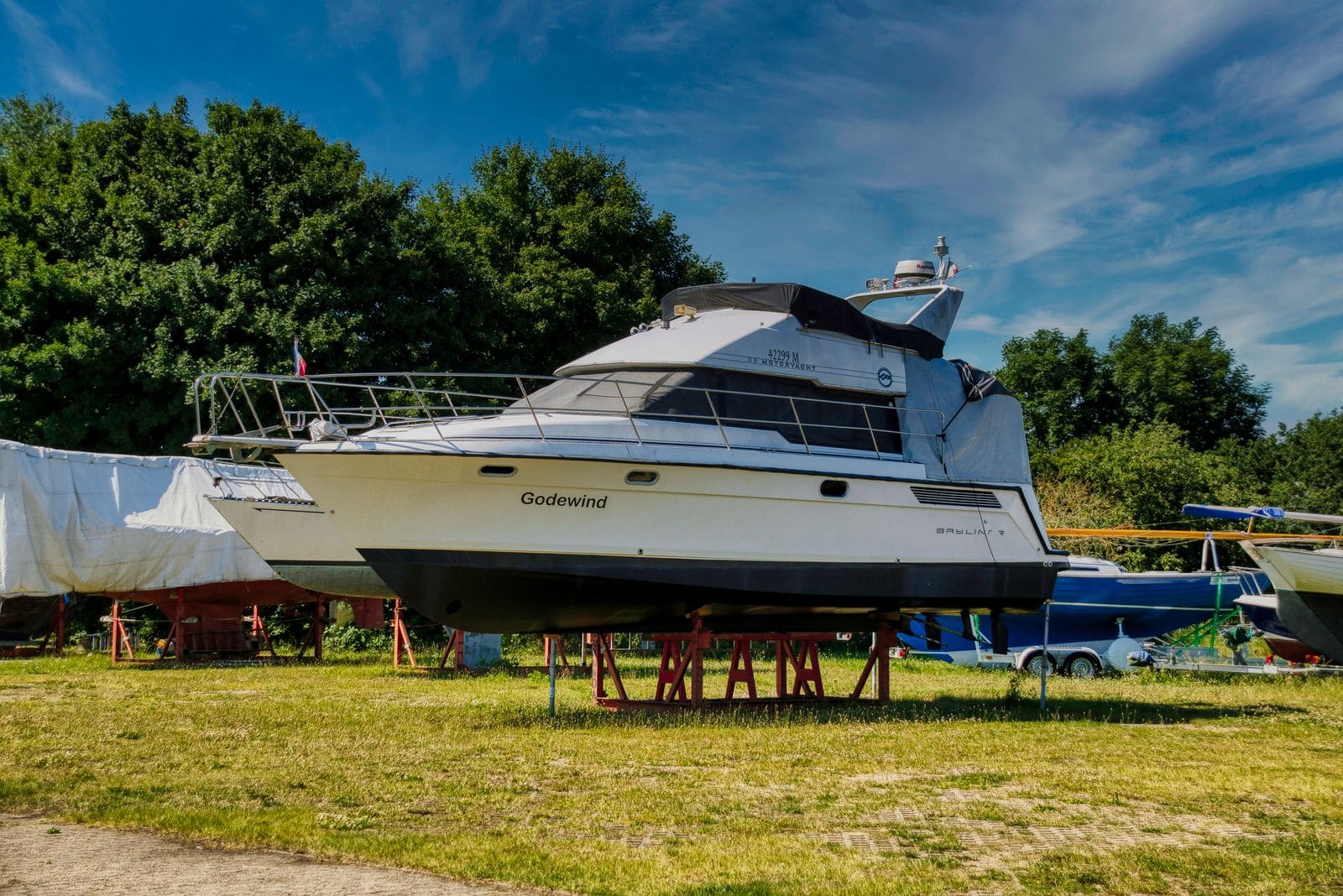
How to Inspect and Exercise Seacocks, Through-Hulls and Hose Clamps
Check every hole in your hull below the waterline, work each seacock open and closed, and inspect the hoses and clamps attached to them. A single failed fitting or hose is one of the most common reasons boats sink at the dock.

Fuse Keeps Blowing? How to Troubleshoot a Boat Fuse Block or Breaker Panel
Work through a blown fuse or tripping breaker the safe way: confirm it, tell a short from an overload, isolate the device or wire at fault, replace a worn breaker or panel switch with the same rating, and label every circuit, without ever fitting a bigger fuse.
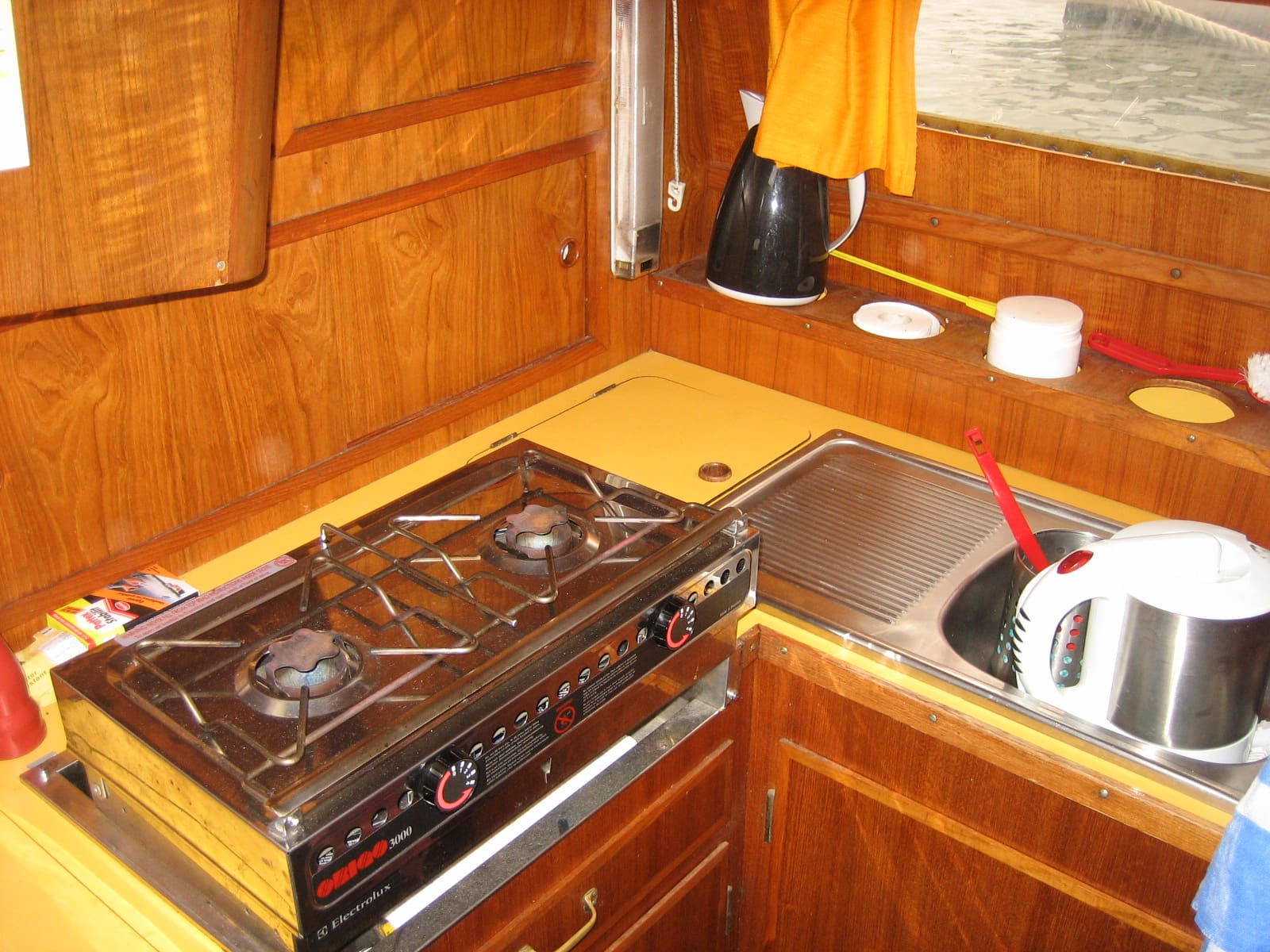
Freshwater Pump Troubleshooting: Cycling, Won't Shut Off or No Water
When the pressure water pump keeps cycling at night, runs nonstop or sputters air, the cause is usually simple: an empty tank, a dripping fixture, a clogged strainer, air in the lines or a tired accumulator. Work from the cheapest checks to the pressure switch and pump, and learn the basics of replacing a pump.