How to Keep a Boat Maintenance Log and Organize Your Receipts
Set up a simple maintenance log that records the date, engine hours, work done, parts and who did it, and keep receipts and photos organized. Good records help with warranty and insurance claims, show buyers the boat was cared for and reveal wear patterns before something fails.

Time
1 h
Applies to
All engines
Safety first: A log is only as good as the work behind it. If an entry shows a problem coming back, such as a fuel smell, water in the bilge, overheating alarms or a battery that keeps dying, don't just write it down again. Stop using the boat and fix it or call a marine mechanic. For fuel leaks, smoke or rising water on the water, call USCG on VHF channel 16 or 911.
Owners often ask
- What should I write down in a boat maintenance log?
- Will doing my own oil changes void my outboard warranty?
This guide walks you through it. Still stuck? Ask the AI Mechanic about your engine.
Tools
- Lined notebook, binder or a spreadsheet or app you will actually use
- Pen that writes on damp paper (pencil works too)
- Phone camera
- Accordion folder or binder with sheet protectors
Before you start
Why bother. Boating Magazine gives the main reasons to keep a log:
- Resale: buyers trust a boat with a long, detailed history.
- Patterns: the longer you log, the more you see how fast things wear out on your boat, so you can replace a battery or cable before it strands you.
- Easy reordering: part numbers and sizes are in one place.
Warranty and insurance. Mercury states it may make warranty coverage depend on proof of proper maintenance. Discover Boating notes warranty claims need receipts, photos and serial numbers. Insurers also need proof of what was done and when.
Pick a format you will keep up. The best log is the one you actually fill in. Paper, a spreadsheet and apps all work. What matters is that every entry has the basics and the records survive.
Steps
- Paper notebook or binder: cheap, works without signal or battery, and easy to hand to a buyer. Boating Magazine suggests plain lined pages so you are not boxed into preset categories.
- Spreadsheet: easy to sort by date or system, and easy to back up.
- App: many boat, engine-maker and general maintenance apps can store entries, reminders and photos. Check that you can export your records (PDF or spreadsheet) in case the app goes away or you sell the boat.
Many owners keep a small notebook aboard for quick notes and copy them into a spreadsheet or app at home.
On the first page, list:
- Hull identification number (HIN), registration or documentation number, make, model and year.
- Engine make, model and serial numbers (each engine, plus generator and outdrive or gearcase if separate).
- Purchase date and the engine hours at purchase.
- Warranty start and end dates.
- Insurance company and policy number.
You will look these up constantly.
Boating Magazine recommends keeping two or three pages at the back for part numbers and specs you buy again and again:
- Filters, spark plugs, impellers, anodes, belts and O-rings.
- Fuse and breaker types and ratings, and light bulb types.
- The ignition key number.
Tape in or photograph the labels from parts boxes. Copy numbers from your owner's manual or parts receipts; never guess.
Each time anyone works on the boat, write:
- Date.
- Engine hours from the hour meter (each engine if you have twins).
- What was done: inspected, cleaned, adjusted, replaced, and on which system or side.
- Parts and fluids used: brand, part number, quantity.
- Who did it: you, or the shop's name, address and phone.
- Cost: parts and labor.
- Notes: what you found, such as "impeller vanes cracked" or "light corrosion on battery terminal".
Boating Magazine advises writing clearly enough that a future owner can read it, and logging everything, no matter how small.
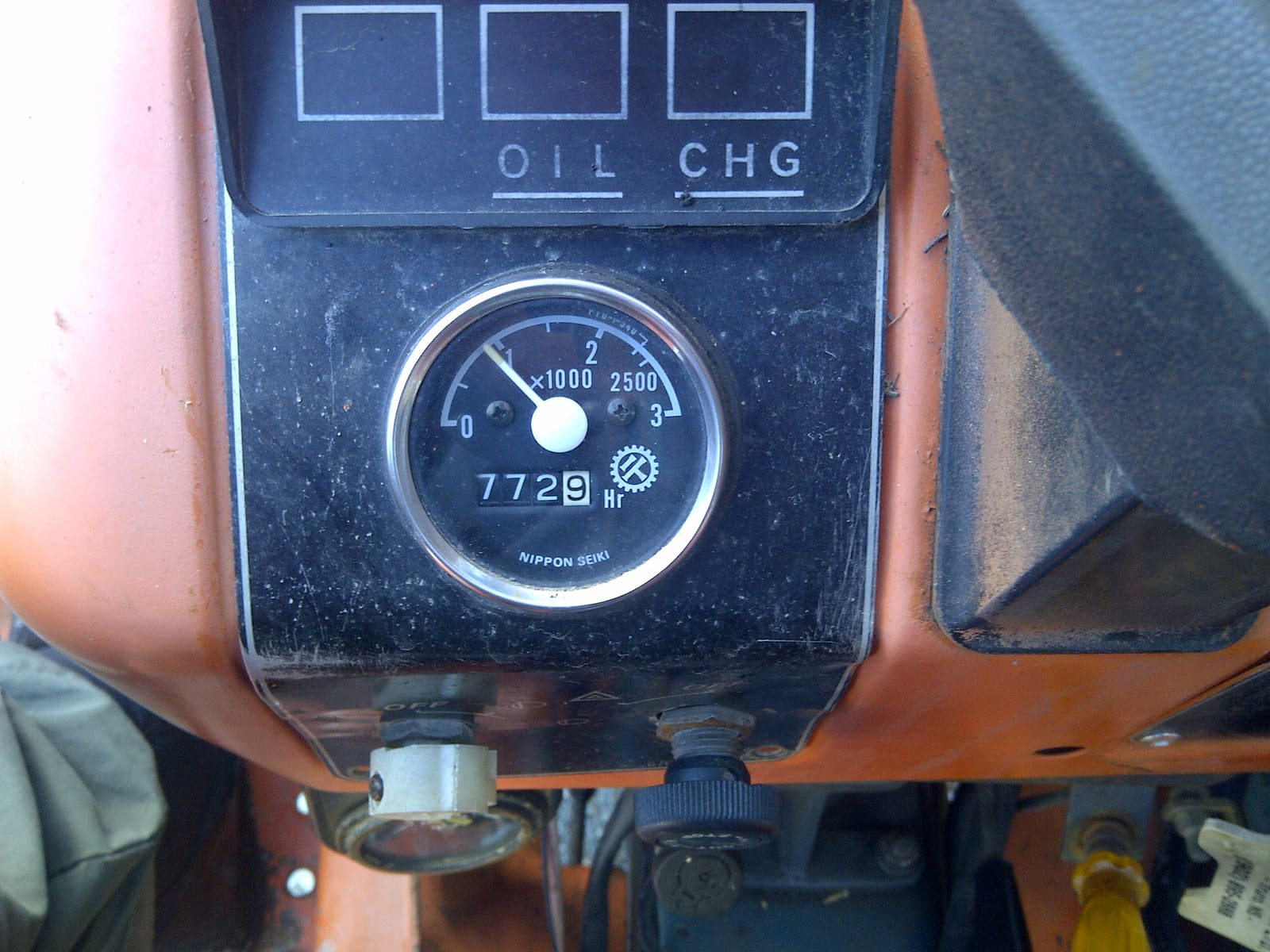
Write down the hour meter reading with every entry. (This hour meter is on a tractor; boat meters work the same way.) Photo: NSEasternShoreChemist / Wikimedia Commons · CC BY-SA 4.0 Most engine makers set service by hours or time, whichever comes first. For example, Yamaha lists a first service at 20 hours for new outboards, then every 100 hours or once a year, with a fuel/water separator filter every 50 hours; confirm your own schedule in your manual. Write each service with the hours, then note when the next one is due, such as "Next: 200 hrs or June 2027".
Battery swaps, blown fuses, a steering cable, a new bilge pump, a strange noise or a warning alarm all go in the log, even if you fixed them in five minutes. These entries are what reveal patterns later. Write symptoms with the date and hours even before you know the cause.
Boating Magazine suggests logging fuel purchases with engine hours, because fuel burned per hour is a good gauge of engine health. A slow rise in fuel use at the same speeds can point to a fouled bottom, a damaged prop or an engine problem.
Log the date you add electronics, batteries, a trolling motor, canvas or anything else, with the cost and serial number. It helps with insurance (proof of what was aboard) and with resale (what the boat comes with).
Photograph the job: the old part next to the new one, hose and wire routing before you take things apart, and the hour meter on service day. Name the photos with the date and the job, such as "2026-10-25 impeller", and store them with the log. Photos also help a lot after an accident or storm.
The FTC's general rule under the federal Magnuson-Moss Warranty Act is that a company generally cannot require you to use its brand of parts or its service to keep a warranty, unless it provides them free or gets an FTC waiver. Doing your own maintenance can be fine, but you need proof that it was done on schedule with the right parts. Keep parts receipts, shop invoices and fluid receipts. Good ways to organize:
- An accordion folder with one pocket per year, or one per system (engine, electrical, hull, trailer).
- Snap a photo or scan of each receipt the day you get it. Thermal paper fades.
- Write the engine hours and the log page number on each receipt.
Check your own warranty booklet for its exact maintenance and record-keeping terms.
Store owner's manuals, warranty statements, registration copies and survey reports in the same place. Boating Magazine suggests keeping manuals and receipts together so they can go to the next owner. Yamaha notes that if you pay for a repair abroad that you think warranty should have covered, you need to bring repair orders and receipts to your dealer at home.
Buying or selling? Log the warranty transfer. Remaining factory coverage usually doesn't follow the engine by itself. Mercury, for example, transfers the rest of its limited warranty when it gets a copy of the bill of sale with the engine serial number and sale date plus the new owner's details. It may ask for a paid dealer inspection first, and can refuse engines bought at auction, from a salvage yard or from an insurance company. A Yamaha blog post describes a dealer inspection and transfer for its outboards too. File the bill of sale, the transfer confirmation and the inspection report with your log, and note the date and engine hours.
Boats flood, burn and get stolen, so a log kept only aboard can be lost with the boat. Keep a copy at home or in cloud storage, and photograph the paper log pages after each season.
At commissioning and at layup, read the past year's entries:
- What is due soon?
- What keeps coming back?
- What did you spend?
Use it to plan your next season's work and budget. Before a survey, insurance renewal or sale, print a short summary of major work with dates, hours and costs.
Common mistakes
- Writing only the date, not the engine hours. Most service intervals depend on hours.
- Only logging shop work. Your own oil changes and impellers count, and proving them matters most when you do the work yourself.
- Losing faded thermal receipts. Photograph them right away.
- Vague entries like "serviced engine". Write what was done and what parts were used.
- Keeping the only copy aboard.
- An app you cannot export from. Your history should not be locked in one company's system.
- Throwing away the old part before an insurance or warranty claim is settled. BoatUS describes a claim that stalled because the damaged part was discarded.
When to call a pro
- Your log shows the same failure again and again (impellers, overheating, charging, steering): have a certified marine technician find the root cause.
- You are unsure whether a job you did meets the warranty requirements: ask your dealer or the engine maker before the warranty period ends.
- You are buying a used boat with little or no history: get a marine survey and an engine check, and start a fresh log from that baseline.
- You need an official value or condition record for insurance or financing: hire an accredited marine surveyor.
Tips
- Keep a pen and a waterproof notebook in a zip bag at the helm for quick notes on the water.
- Set a phone reminder after each trip to write down hours and anything odd.
- Use one color for scheduled maintenance and another for repairs and problems.
- Staple the parts label or tag to the receipt so they stay together.
- When you sell, hand over the original log and keep a copy for yourself.
Official references
We read these to write this guide. Your engine's own manual always wins.
- Boating Magazine – Reasons to Keep a Boat Maintenance Log
- Discover Boating – Boat Warranties 101, What Owners Need to Know
- Mercury Marine – Mercury Limited Warranty Details
- Yamaha Outboards – Owner Resources FAQs
- Yamaha Outboards – Midseason Maintenance Tips
- FTC – FTC Staff Warns Companies that It Is Illegal to Condition Warranty Coverage on the Use of Specified Parts or Services (2018)
- FTC Business Blog – Nixing the Fix, Warranties, Mag-Moss, and restrictions on repairs (2019)
- BoatUS – How To Get Your Claim Settled Faster (2016)
- Mercury Marine – Mercury Limited Warranty and Mercury Product Protection Transfer
- Yamaha Outboards – Outboard Warranties Are Like Insurance for Your Motor
Safety: BoatMend is for information only and does not replace a certified marine technician. You are responsible for your safety and your boat. Read the full disclaimer.
Last updated 2026-10-25
Related guides
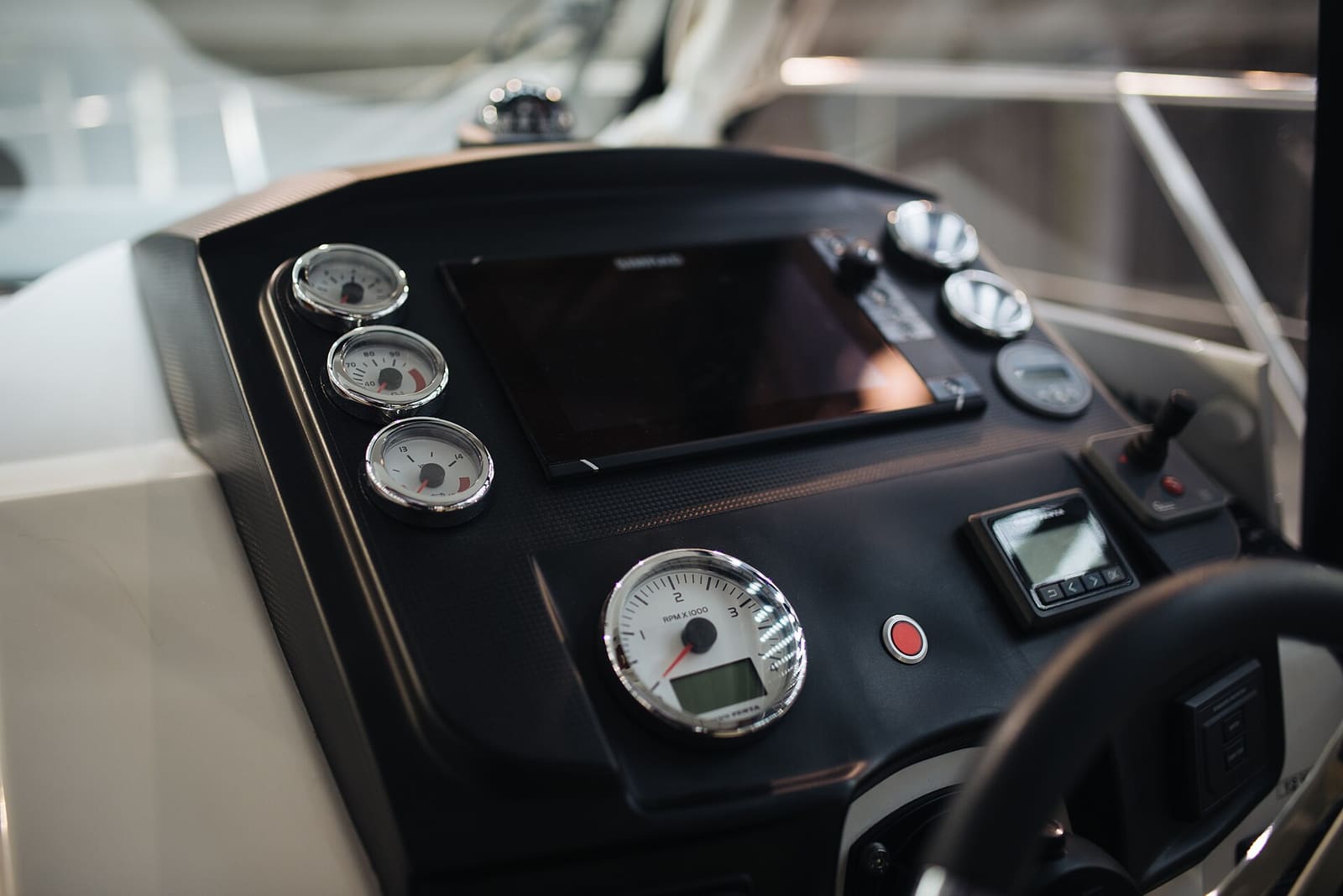
Engine Hour Meters: Why Hours Matter, How to Verify Them and How to Replace a Meter Honestly
Engine hours set your service schedule and a big part of your boat's resale value. Learn the difference between analog meters and engine-computer hours, how to verify the real hours on a used boat, and how to replace a dead or broken meter while keeping an honest record of the old hours.

How to Get Your Boat Ready to Sell (Records, Title and Prep)
Prepare your boat for sale the way buyers and surveyors expect: gather the title, registration and HIN paperwork, organize your maintenance records and receipts, fix the small stuff, detail the boat, get it ready for a sea trial and buyer's survey, and close the deal with the right documents.
How to Prepare Your Boat for an Insurance or Condition Survey
Get ready for a marine survey your insurer or lender asked for: what a SAMS or NAMS surveyor looks at, the common findings you can fix beforehand (hose clamps, seacocks, bilge, fire extinguishers, wiring), the paperwork to have ready, and how to handle the recommendations afterward.
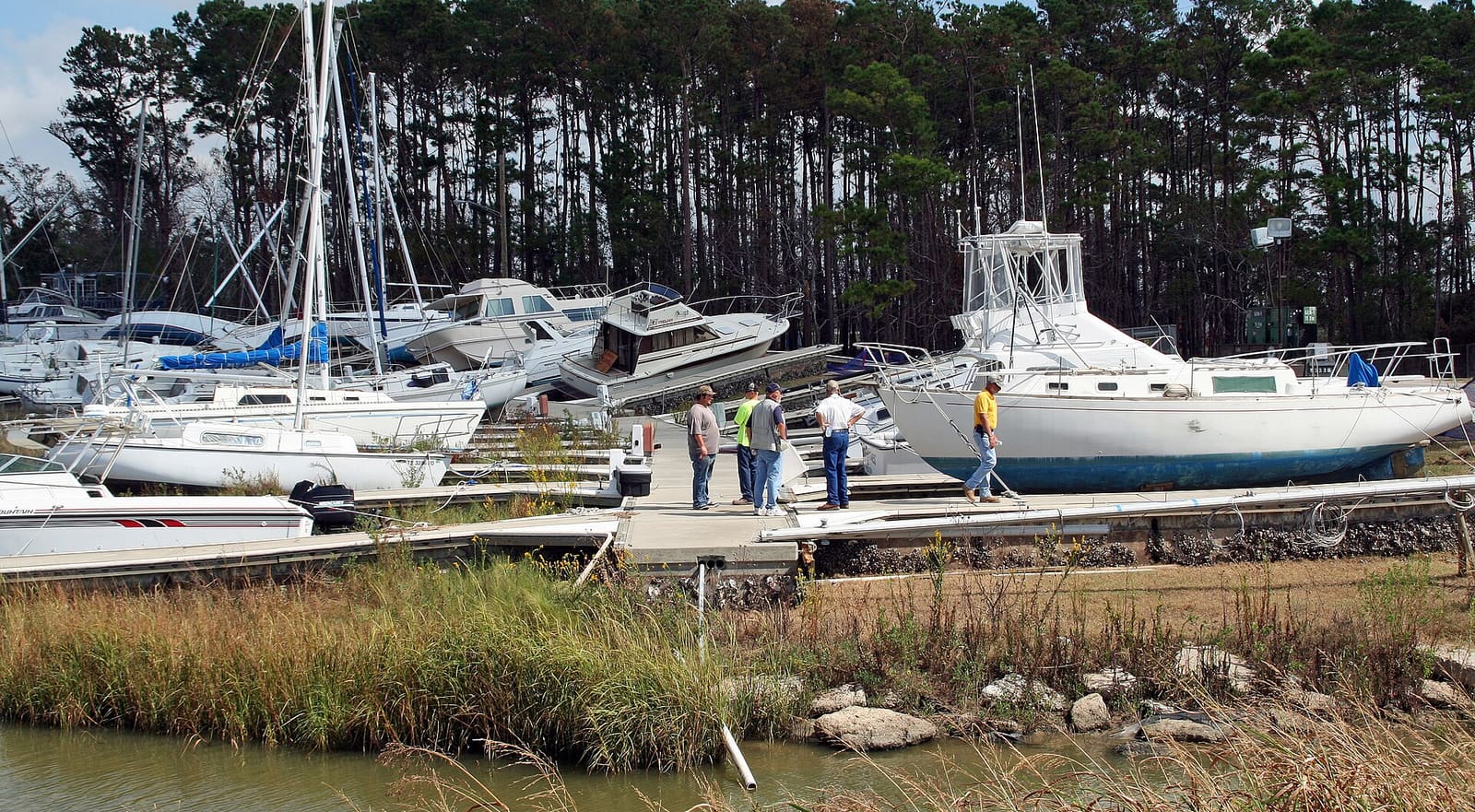
How to File a Boat Insurance Claim: Safety, Mitigation, Documentation and Settlement
What to do from the moment something goes wrong until the check arrives: make everyone safe, stop further damage, report right away, document with photos and your maintenance log, handle towing versus salvage, work with the adjuster or surveyor, and understand agreed value, actual cash value and the common exclusions. Policies differ, so your own policy wording always wins.
How to Inspect a Used Boat Before You Buy
A step-by-step checklist for looking over a used boat, from paperwork and the hull ID number to the transom, engine, compression test, sea trial and trailer. Know what to check yourself, what the red flags mean, and when to pay a marine surveyor.
Winter Layup Master Checklist (Step-by-Step, With Links to Each Job)
One ordered checklist for putting any boat away for winter, from booking storage and treating the fuel to winterizing the engine, water systems, head and batteries, then blocking, covering and securing the boat. Each step links to the detailed BoatMend guide for that job.

Engine and Gearbox Oil Analysis: How to Take a Clean Sample and Read the Report
A lab oil analysis is like a blood test for your engine, transmission or lower unit. Learn how to pull a clean sample, what the lab measures, what wear metals, coolant, sea water and fuel in the oil can mean, and why the trend over several samples matters more than any one number.