Winter Layup Master Checklist (Step-by-Step, With Links to Each Job)
One ordered checklist for putting any boat away for winter, from booking storage and treating the fuel to winterizing the engine, water systems, head and batteries, then blocking, covering and securing the boat. Each step links to the detailed BoatMend guide for that job.
Time
10 h
Shop would charge
$400-1700
Applies to
All engines
Safety first: Run engines only with cooling water flowing (in the water, in a test tank or on external flush muffs; never on an outboard's built-in flush port), outdoors, and stay clear of the propeller. Use only non-toxic propylene glycol antifreeze in freshwater and head systems, never automotive (ethylene glycol) coolant. Charge batteries in a ventilated area. If you smell fuel at any point, stop, ventilate and fix the leak before running anything. Never work under a boat that is not properly supported.
Owners often ask
- Is there a complete checklist for putting my boat away for the winter so I don't forget anything?
- Should I trust the marina to winterize my boat, and what should the work order say?
This guide walks you through it. Still stuck? Ask the AI Mechanic about your engine.
Tools
- This checklist printed or open on your phone, plus a notebook
- Basic hand tools, external flush muffs or a test tank (for running the engine), and your engine's flushing attachment (engine-off flushing only)
- Oil change supplies and a gear lube pump
- Five-gallon bucket and a short length of hose
- Battery charger or maintainer
- Shop vac, rags and bilge cleaner
- Tags or tape and a marker (for "drain plug out" and "engine winterized" notes)
Parts & supplies
- Fuel stabilizer (and fuel filters or a water-separating filter element)
- Engine oil, filter and lower unit or drive gear lube specified in your manual
- Fogging oil, if your manual calls for it
- Non-toxic propylene glycol antifreeze for plumbing (several gallons)
- Cover or shrink wrap, support poles and vents
Before you start
Winter damage is almost always water damage: water that freezes and cracks an engine block, a pump, a water heater or a hose, or rain and snow that collect in and on the boat. Discover Boating puts it simply: your main goal is to keep water and moisture out. The second goal is to keep fuel, batteries and the engine's insides from deteriorating while the boat sits.
This page is the master list. It puts the jobs in a sensible order and links to the detailed BoatMend guide for each one. Skip the steps that do not apply to your boat (no head, no water heater, outboard only), and always follow your owner's manual where it differs: modern engines often have their own winterizing procedure.
If a marina or dealer is doing some of the work, BoatUS recommends a written contract that lists every job, sets a completion date well before the first hard freeze and says not to de-winterize until you approve it. Many disputes happen because the owner thought the yard would winterize and the yard did not.
Check your insurance too. BoatUS notes that many policies exclude ice and freeze damage unless you add that coverage. Ask your insurer what is covered while the boat is in layup.
Steps
Don't wait for the first snow. Mercury's rule of thumb is to start winterizing once temperatures stay below about 50°F, and to finish before the first hard freeze. Where the boat spends the winter decides several later steps:
- Indoors or under a roof: the easiest on the boat; still winterize fully.
- Outdoors on its trailer: see the trailer tires and wheel bearing guides before storage.
- Ashore on stands or a cradle at a yard: see boat stands and blocking and the haul-out checklist.
- On a lift: see boat lift care.
- In the water: see winter in the water and de-icers. Bilge pumps and batteries must stay working all winter.
Use the boat one more time if you can. Note anything that needs fixing (a slow-to-start engine, a weak bilge pump, a leaking hose) so you can order parts over the winter instead of discovering it in spring. A warm engine also drains its oil better for the next steps.
Add a fuel stabilizer at the dose on the label and run the engine long enough for treated fuel to reach the engine (Mercury suggests about 10 minutes). Run it only with cooling water: in the water, in a test tank or on external flush muffs. An outboard's built-in flush port is for flushing with the engine off, never for running it; inboards, sterndrives and PWCs follow the method in their manual. Discover Boating stresses stabilizing ethanol fuel, which can phase-separate during a long layup. Then replace (do not just empty and reuse) the fuel filters and water-separating filter.
How full to leave the tank depends on your engine maker, tank and fuel, so follow your manual. Mercury's advice: stale fuel causes most of the spring problems its dealers see, so if the fuel is more than about a month old, use it up or have it pumped out and refill with fresh, stabilized fuel (ethanol-free if you can get it). Older tanks that vent freely to the air are best filled to about 95% to limit condensation while leaving room for expansion; newer sealed tanks don't collect moisture the same way and don't need to be filled.
Fresh oil keeps acidic, contaminated oil from sitting in the engine all winter. Change the lower unit or drive oil too, and look at the old oil: milky or gray oil means water is getting in, which can freeze and crack the gearcase. Fix that before spring.
This is the core job. Pick your guide:
- Outboard: winterize an outboard. Discover Boating notes outboards drain their cooling water when tilted fully down, so store them down.
- Sterndrive (I/O): winterize a sterndrive and exhaust manifolds and risers
- Gas or diesel inboard: winterize a diesel inboard and closed cooling coolant
- Personal watercraft: winterize a PWC
- Fogging: fogging an engine, only if your manual calls for it
- Generator: generator maintenance
On raw-water-cooled engines, BoatUS points out the thermostat must be open (engine at operating temperature) when you run antifreeze through, or some passages stay full of water.
- Inspect sterndrive bellows and grease the gimbal: sterndrive bellows and gimbal
- Grease the outboard: outboard grease points
- Pull the prop, check for fishing line and grease the shaft: propeller
- Check anodes: sacrificial anodes
- Check trim fluid: trim and tilt fluid
Drain the tank, bypass or drain the water heater (turn off its electric element first) and pump non-toxic antifreeze through every hot and cold outlet, starting with the one farthest from the tank. BoatUS warns that antifreeze first mixes with the water still in the lines, so keep running each outlet until it comes out at full color.
Pump out the holding tank, flush with clean water and run antifreeze through the toilet, hoses and Y-valve. Portable toilets get emptied and cleaned. Check your toilet maker's instructions: BoatUS notes some heads advise against certain antifreeze because it can soften seals.
Run livewell, baitwell and washdown pumps dry, then give them antifreeze if water stays trapped. Pump and sponge the bilge dry: Discover Boating notes bilge pumps never remove the last of the water, and what is left can freeze.
- Livewell and washdown pumps
- Bilge pump
- On the hard, exercise each seacock, then close it: seacocks and through-hulls
A discharged flooded battery can freeze and crack. Charge every battery fully, clean the terminals and either remove them to a cool, dry place or leave them aboard on a charger designed for long-term maintenance. Batteries off a charger need a top-up charge about once a month. Turn the battery switches off.
- Marine battery
- Onboard battery charger
- Parasitic battery drain
- Lithium batteries: follow the battery maker's storage instructions; see lithium battery conversion
Washing off salt, scum and growth now is far easier than in spring, and the haul-out is your best chance to look at the bottom.
Remove food, drinks and anything that can freeze or attract animals. Take cushions, PFDs, linens and electronics home if you can, or stand cushions on edge for airflow. Mercury suggests rolling clear enclosure curtains instead of folding them, so they don't keep creases. Prop the refrigerator, lockers and hatches open. Shut off the propane at the tank.
Mice, rats, wasps and spiders move into stored boats and chew wiring and cushions. Seal openings, remove food and nesting material, and set traps you can check.
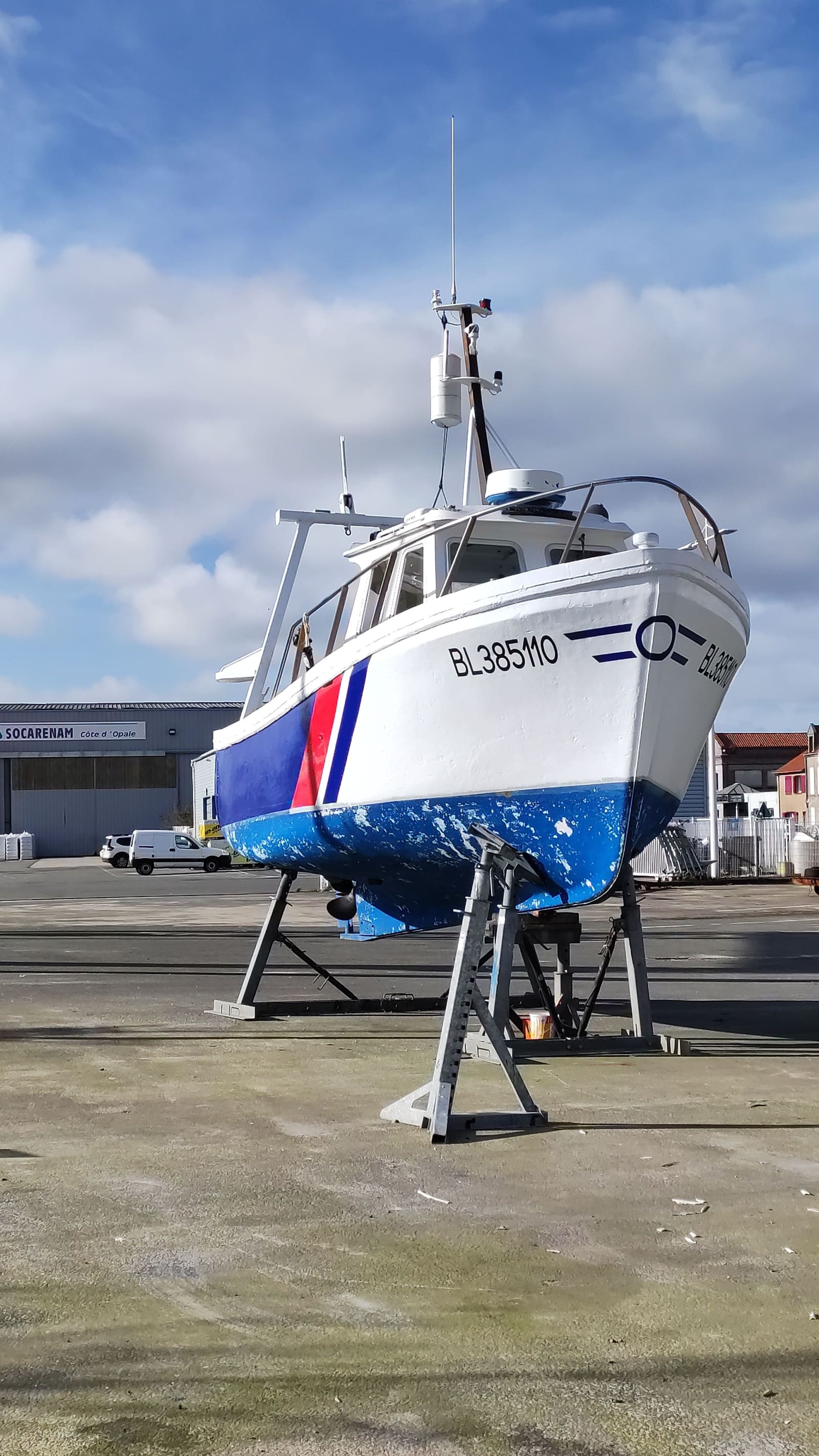
- Support: follow boat stands and blocking. BoatUS reports boats falling over when stands sat on soft ground without plywood, were too few or were not chained together.
- Drain: on a trailer, remove the drain plug, raise the bow so rain drains out and tag the plug somewhere obvious (the helm or the key ring) so you put it back in spring.
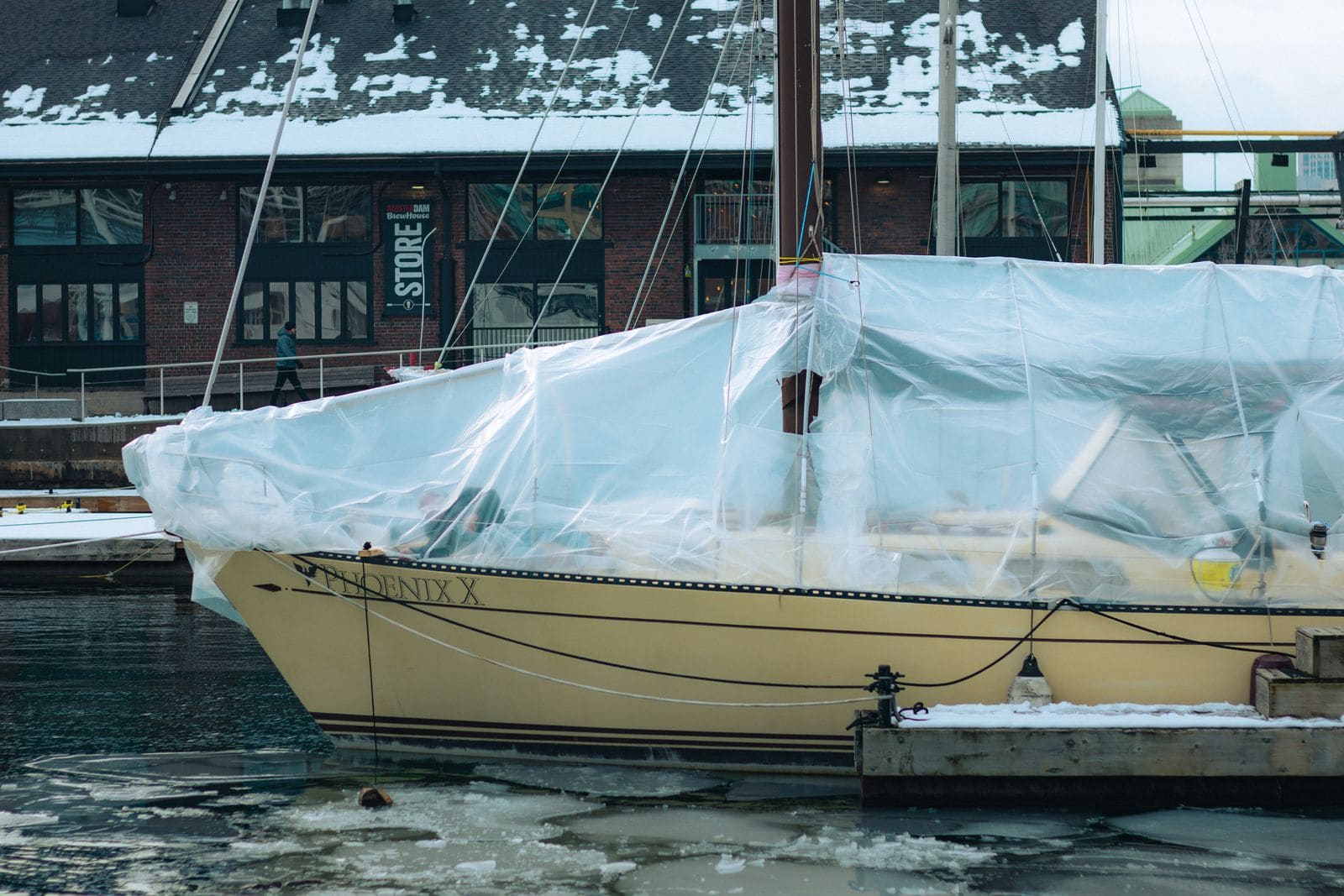
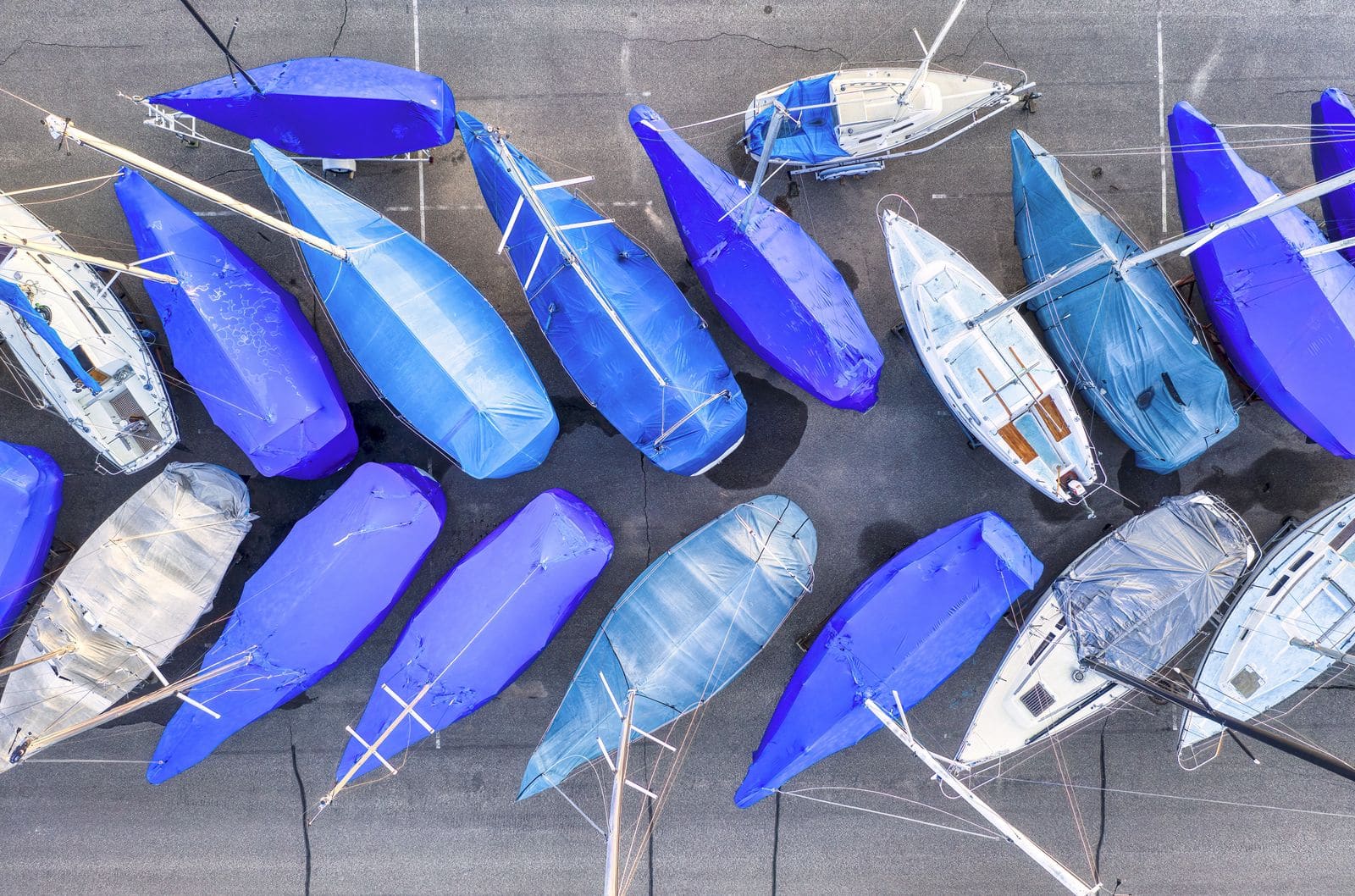
- Cover: use a fitted cover or shrink wrap, supported so snow and water cannot pool, padded at chafe points and vented. Never tie a cover to the jackstands: BoatUS has claims where wind filled a cover and pulled the stands out from under the boat. Leave scuppers and cockpit drains open.
- Secure: lock the trailer coupler, chain the wheels, remove valuables and never leave keys aboard. See theft prevention and security.

Snow and ice collect fast on uncovered boats. A supported, vented cover keeps that weight and water out. Photo: Eylül Kuşdili / Pexels · Pexels License Visit every few weeks, and always after heavy snow, storms or a hard freeze, as BoatUS recommends. Check the cover, the stands, the bilge (and de-icer and bilge pumps if the boat is in the water) and battery charge. Use the repair list from step 2 to order parts. In spring, work through de-winterizing your boat, starting with putting the drain plug back in.
Common mistakes
- Assuming the marina winterized the boat without a written work order.
- Using automotive antifreeze in the freshwater system or head.
- Stopping the antifreeze as soon as you see color, before the water in the lines has been pushed out.
- Pouring the water out of a fuel-water separator and reinstalling it instead of replacing it.
- Forgetting the water heater, the washdown pump, the livewell or the air conditioner.
- Assuming a closed-cooled (freshwater-cooled) engine needs nothing. The antifreeze side is protected, but the raw-water side still holds lake or seawater: the heat exchanger's raw-water side, the power steering or oil coolers, the exhaust elbows (and manifolds on "half" systems) and the hose from the pickup. Owners ask about this every fall; follow the drain points in your manual.
- Leaving batteries discharged, or on a cheap charger that never shuts off.
- Tying the cover to the jackstands, or covering a trailer boat with the drain plug in and the bow down.
- Leaving the outboard tilted up in freezing weather when its manual says to store it down.
- Not visiting the boat until spring.
- Bagging the lower unit in a plastic trash bag and duct tape. Mercury calls this a myth that does more harm than good: condensation collects under the plastic and can freeze in the gearcase. Store it tilted down, open to the air or under a breathable cover.
- Hanging a work light or light bulb in the bilge or head to keep the frost off. Mercury warns it is a serious fire hazard that many insurance policies prohibit; the only proper heat is a marine heater made for the job (ignition protected, moisture resistant, with automatic shutoff).
- Covering the boat with a cheap poly tarp. Mercury notes they rip or sag under snow and their woven surface scuffs gelcoat and outboard paint when they flap in the wind.
When to call a pro
- You are not sure how to drain or winterize your engine, sterndrive, generator or air conditioner, or the manual's steps do not match what you see
- Milky gear oil, coolant in the oil or an engine that overheated during the season
- Fuel smell, fuel in the bilge or a leaking tank
- A boat that must be blocked on stands or a cradle (the yard should do the lift and blocking)
- Shrink wrapping, if you do not have the heat gun skills and safety gear
- Any shore power, inverter or charger problem on a boat staying in the water
Tips
- Print this checklist and tick off each step with the date. Put it in your boat records.
- Hang a tag on the helm that says "Engine winterized, drain plug out, batteries removed" with the date. You (or the yard) will thank you in spring.
- Take photos of hose routing and belt paths before you take anything apart.
- Keep leftover antifreeze for next year and recycle used oil and filters at your marina or a parts store.
Official references
We read these to write this guide. Your engine's own manual always wins.
- Discover Boating – How to Winterize a Boat
- Discover Boating – Fall Layup Tips
- BoatUS – How To Winterize Boat Engines And Drives
- BoatUS – How To Winterize Boat Plumbing
- BoatUS – What To Look For In Winter Boat Storage
- BoatUS – Preventing Off-Season Boat Theft
- Mercury Marine – Winter Boat Storage Myths Debunked
- Mercury Marine – 7 Mistakes to Avoid When Winterizing Your Mercury Outboard
- Mercury Marine – How to Store Your Boat for Winter
- Mercury Marine – How to Winterize Your Outboard
Safety: BoatMend is for information only and does not replace a certified marine technician. You are responsible for your safety and your boat. Read the full disclaimer.
Last updated 2026-10-24
Related guides
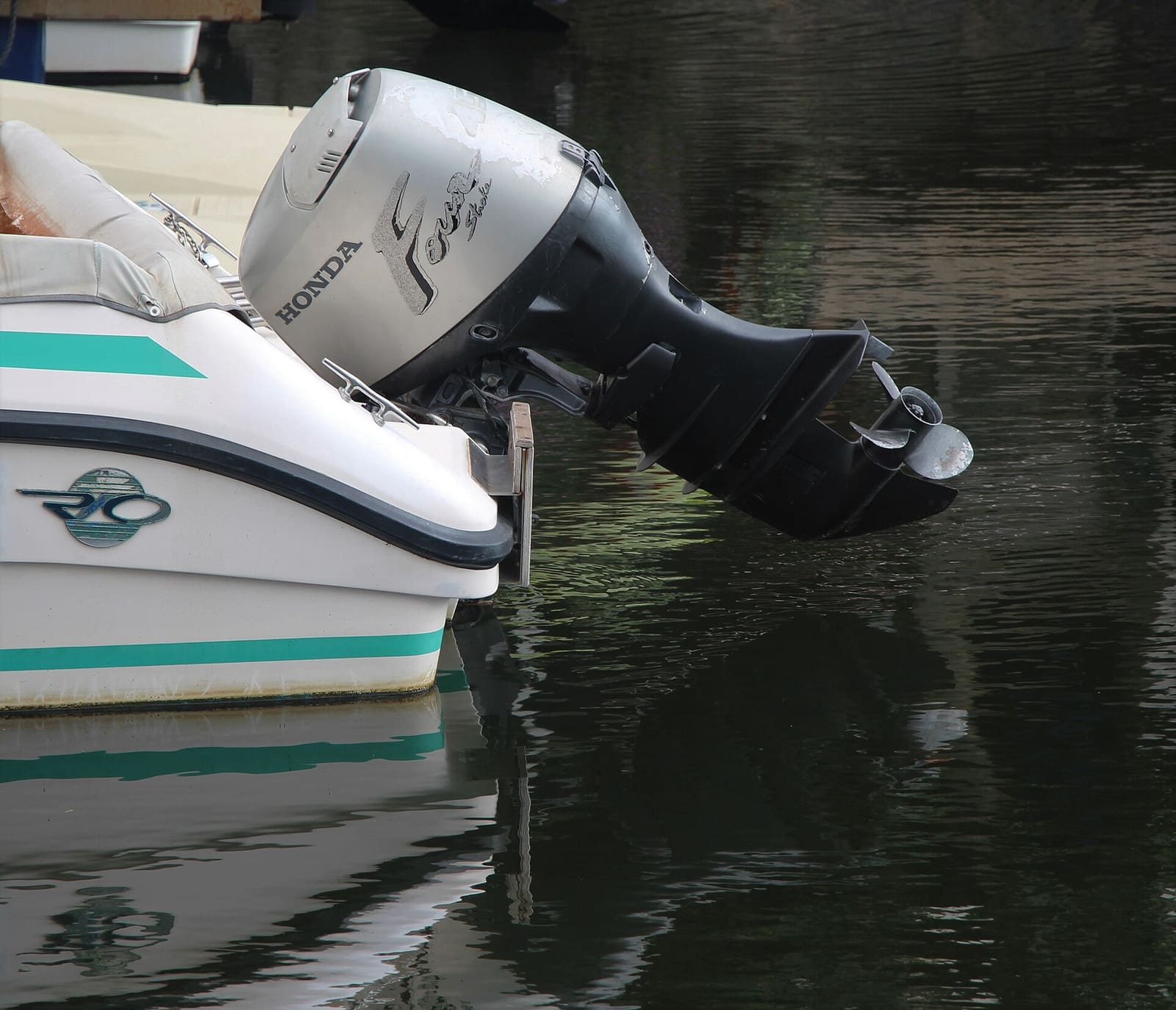
How to Winterize an Outboard Engine
Protect your outboard from freeze damage, stale fuel and internal corrosion over the off-season. Most owners can do it in an afternoon with basic tools, compared with a shop bill that often runs several hundred dollars.
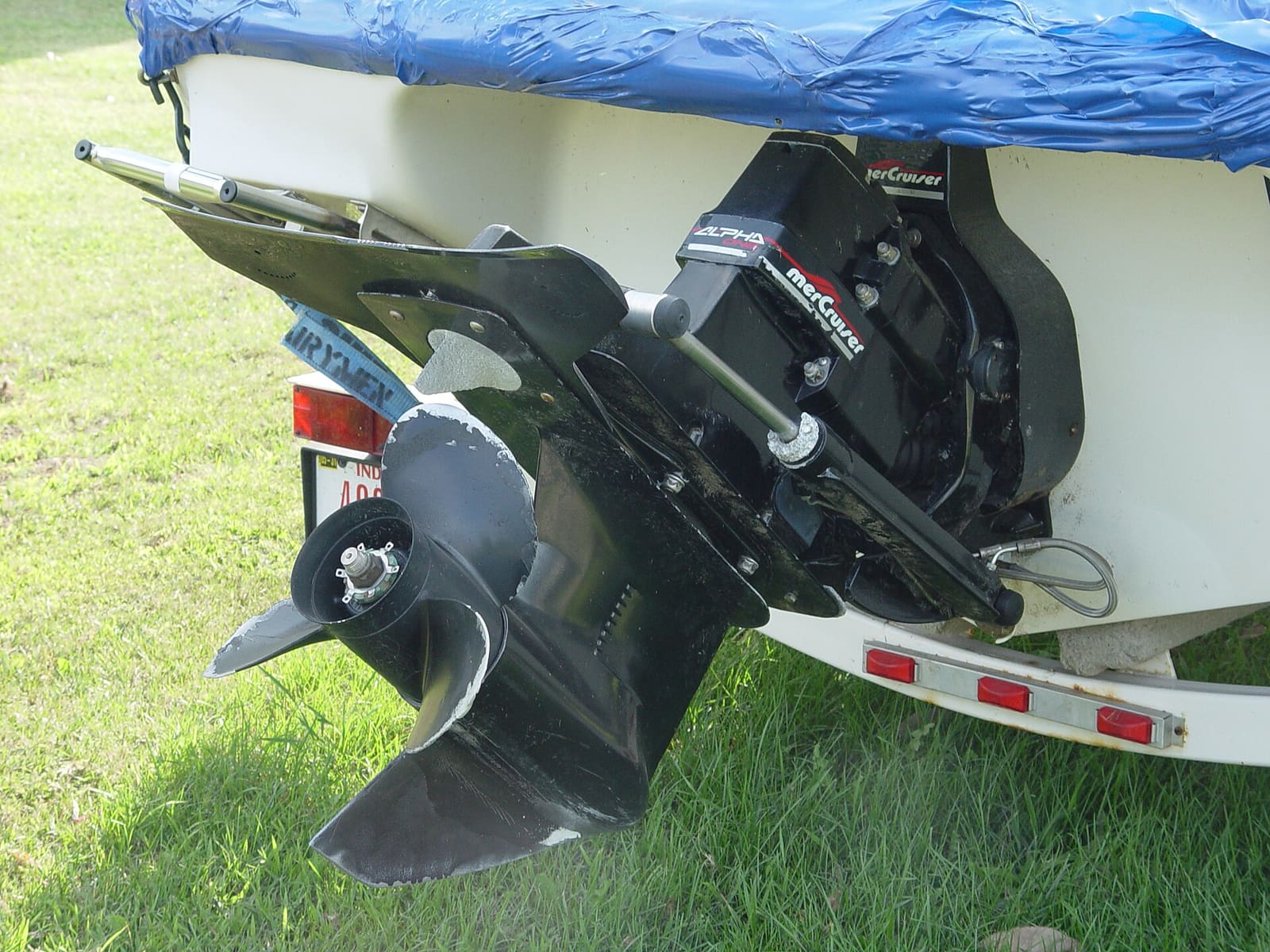
How to Winterize a Sterndrive (MerCruiser, Volvo Penta and Similar)
Get the water out of your sterndrive engine, protect it with antifreeze, and service the drive before storage. A cracked block or manifold from one missed drain plug can cost thousands, and doing it yourself saves a shop bill of several hundred dollars.
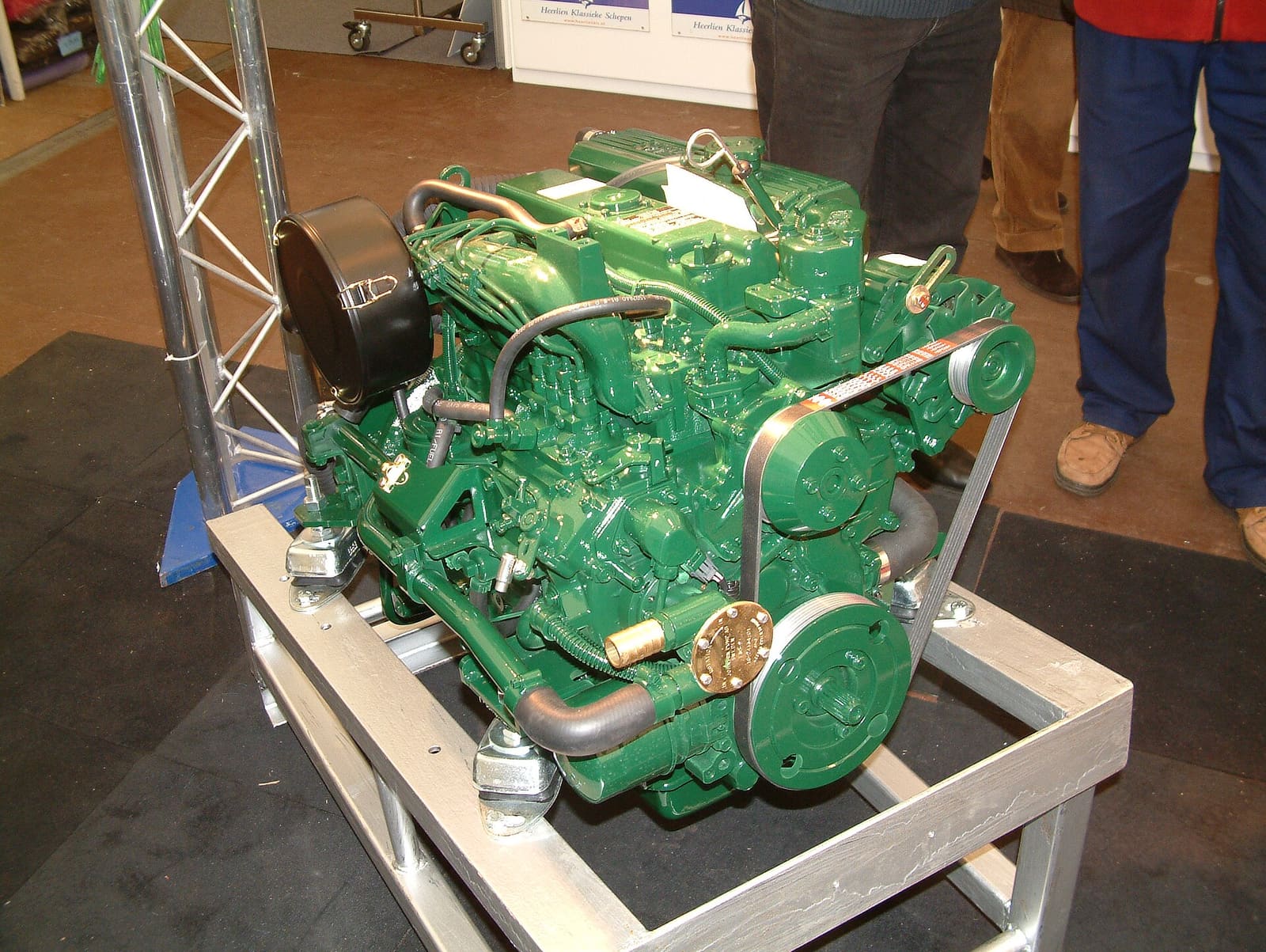
How to Winterize a Marine Diesel Inboard (Sailboat or Trawler)
Lay up a marine diesel for winter the way the engine makers describe it, covering fresh oil, a full and treated fuel tank, antifreeze through the raw-water side, the impeller out, the coolant checked, openings plugged and the battery cared for. Freeze damage to a diesel's raw-water circuit is one of the most expensive and most avoidable winter repairs.
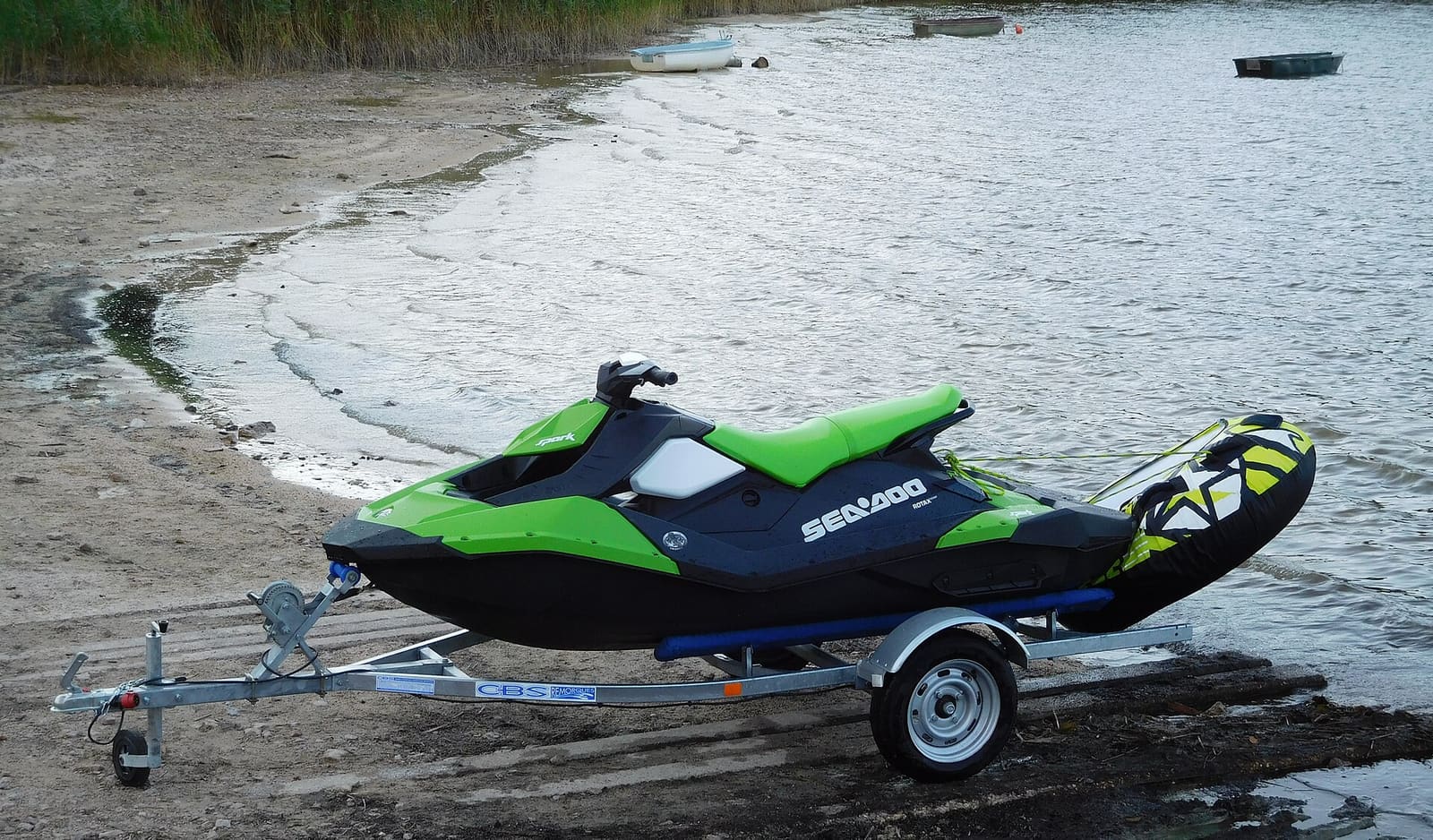
How to Winterize a Jet Ski or PWC (Sea-Doo, Yamaha WaveRunner, Kawasaki)
Get your personal watercraft ready for the off-season by flushing and draining the cooling and exhaust system, stabilizing fuel, changing oil, fogging, and storing the battery. Doing it yourself takes an afternoon and helps avoid freeze damage, corrosion and spring no-starts.
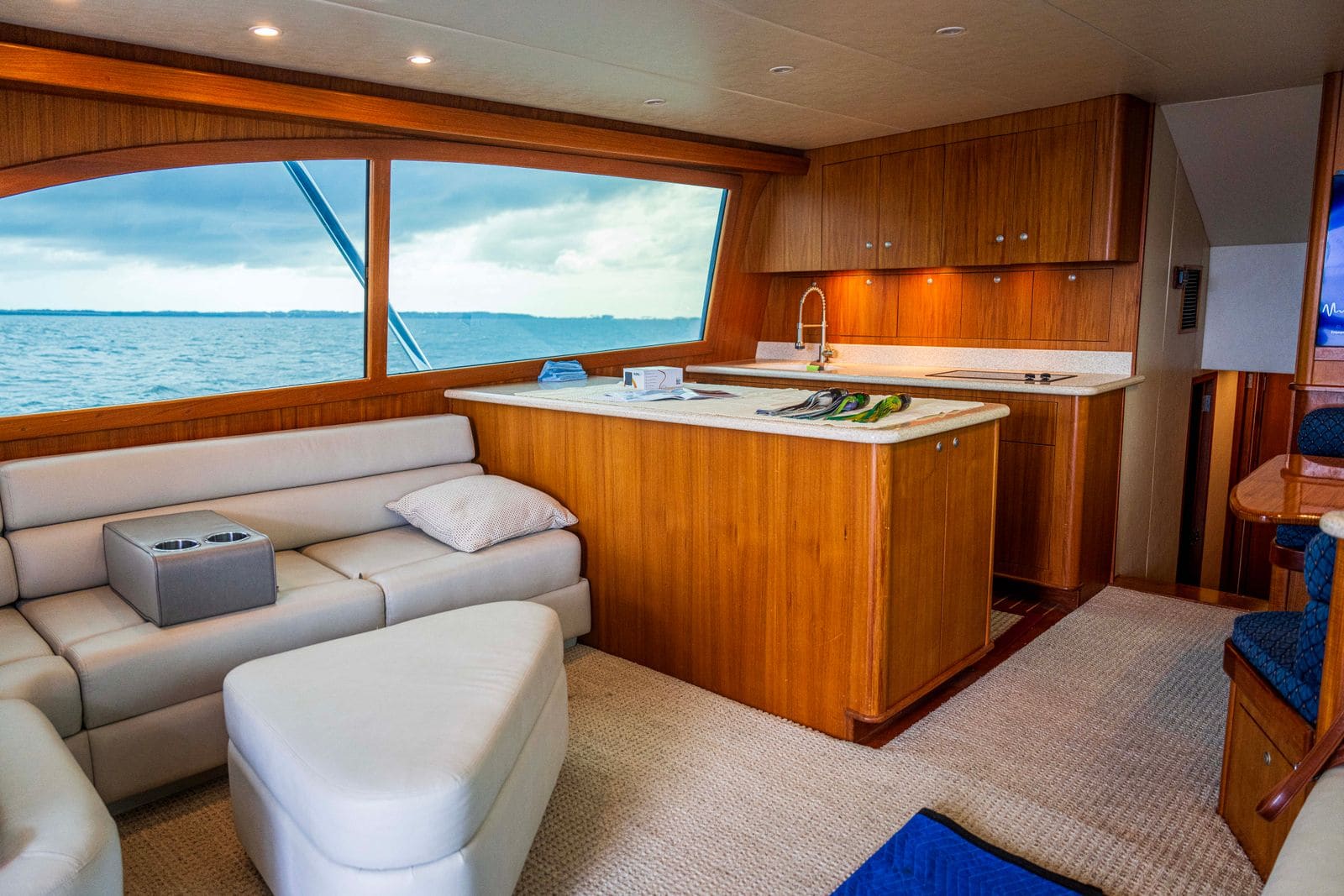
How to Winterize (and Recommission) Your Boat's Freshwater System
Protect the tank, pump, water heater, faucets and showers from freeze damage with non-toxic antifreeze, then flush and sanitize everything in the spring so the water is clean again. A cracked pump or split fitting is a common, avoidable winter repair bill.
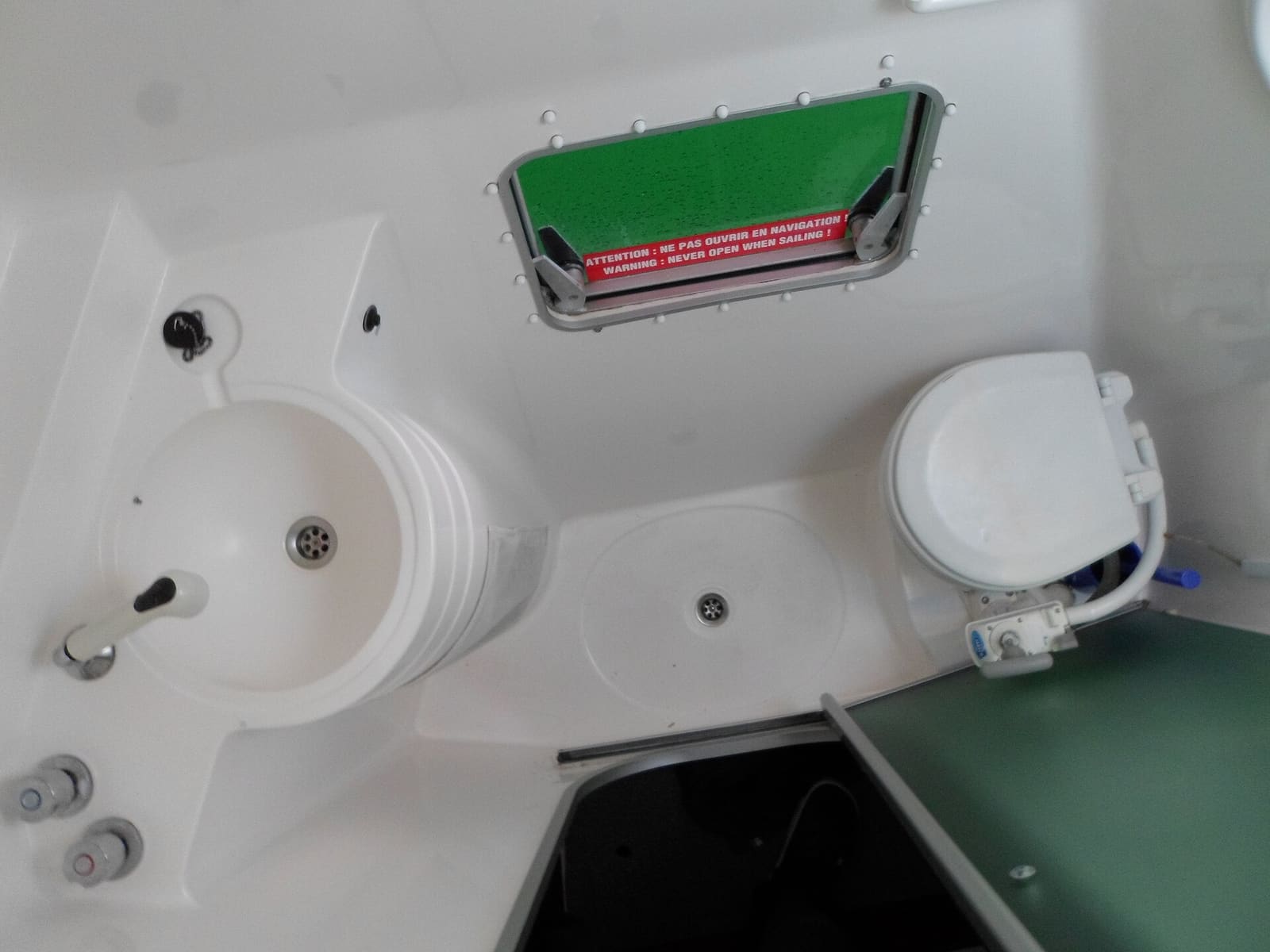
Marine Head and Holding Tank Care: Odors, Clogs, Pump-Outs and Winterizing
Keep your boat's toilet and holding tank working and odor-free, clear common clogs, pump out the right way, and winterize the system. Also covers the Y-valve and the federal no-discharge rules every owner with a head needs to follow.
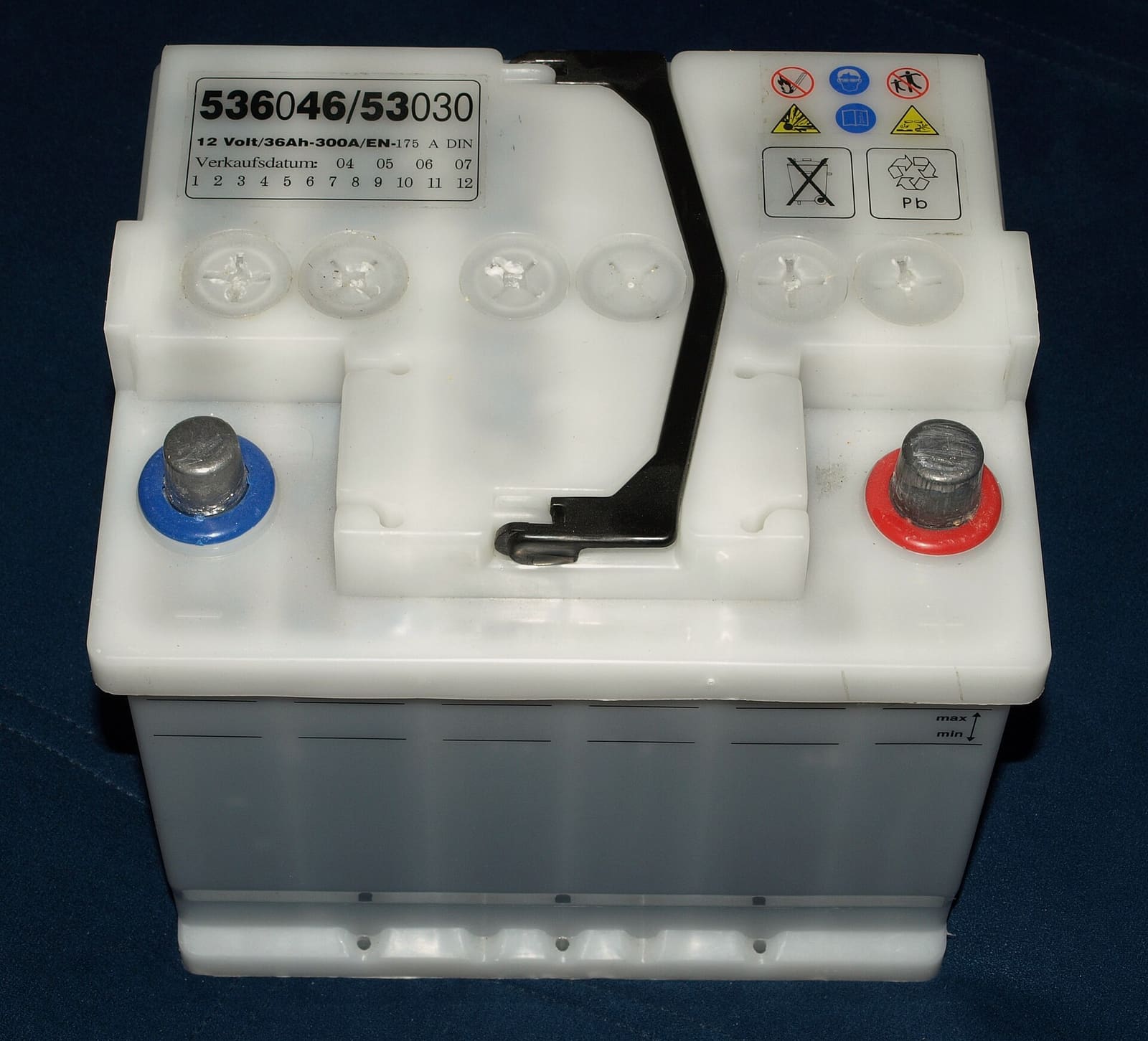
Marine Battery Care: Test, Charge and Store for Winter
Check your boat battery's health, charge it the right way for its type (flooded, AGM or lithium), and store it so it is ready in spring. Most "boat won't start" calls start with a neglected battery.
Winter Boat Cover vs Shrink Wrap: Support, Ventilation, Safety and Spring Removal
Choose between a reusable winter cover and shrink wrap, build a support frame that sheds snow, vent it so the boat doesn't mildew, and know the fire risks before you try DIY shrink wrap. Includes spring removal and recycling.
Storing a Boat on Stands and Blocks: Keel Blocking, Stand Placement and Safety Chains
Learn how a boat should sit on keel blocks and boat stands for winter or a haul-out, so you can check the yard's work, spot dangerous setups, and keep your boat from settling, distorting or falling over in wind, rain or a storm.

How to Keep Mice and Rodents Off Your Stored Boat
Mice love a stored boat: dry, quiet and full of soft nesting material and tasty wire insulation. Learn how to remove what attracts them, close their way in, choose deterrents and traps that actually work, avoid the risks of poison, and check the wiring safely in spring.
Spring Commissioning - Getting Your Boat Ready for the Season
Wake your boat up after storage with a step-by-step check of the battery, fuel system, engine, drive and safety gear. Catching a cracked hose or dead battery in the driveway beats a tow on opening weekend, and saves a typical shop commissioning fee.