How to Winterize a Marine Diesel Inboard (Sailboat or Trawler)
Lay up a marine diesel for winter the way the engine makers describe it, covering fresh oil, a full and treated fuel tank, antifreeze through the raw-water side, the impeller out, the coolant checked, openings plugged and the battery cared for. Freeze damage to a diesel's raw-water circuit is one of the most expensive and most avoidable winter repairs.
Time
4 h
Shop would charge
$350-800
Applies to
Marine diesel · Sailboat, Cabin cruiser, Yacht
Safety first: Never run the engine with the seacock closed and no bucket feeding the pump: the impeller burns up in seconds and the exhaust overheats. Keep the propeller clear and the boat secured before you start the engine in the water or on the hard. Engine coolant is poisonous, and even "non-toxic" antifreeze must not go overboard. If you open a hose below the waterline with the boat afloat, close the seacock first; if water comes in faster than you can stop it, call the Coast Guard on VHF 16 or 911.
Owners often ask
- How do I get antifreeze through the raw-water side of my sailboat diesel, and how do I know it's full?
- Should I take the raw-water impeller out of my diesel for the winter?
This guide walks you through it. Still stuck? Ask the AI Mechanic about your engine.
Tools
- Oil extraction pump (manual or drill-driven) for the dipstick tube
- Oil filter wrench and drain pan
- Wrenches and screwdrivers for hose clamps, pump cover screws and drain plugs
- Clean 5-gallon bucket (two if you can)
- Short length of hose to reach from the raw-water intake to the bucket
- Coolant tester (strips, refractometer or floating-ball tester)
- Multimeter or battery charger with a voltage display
- Rags, absorbent pads, nitrile gloves and safety glasses
- Masking tape and a marker for "remove before start" tags
Parts & supplies
- Engine oil and oil filter specified in your engine manual
- Transmission oil specified for your gearbox (if you change it now)
- Primary and secondary fuel filter elements, and gaskets or O-rings
- Diesel biocide, and a diesel stabilizer or conditioner if you use one (compatible with your filter/separator)
- Propylene glycol (pink "RV/marine") antifreeze rated for your winter low, enough for the whole raw-water circuit
- Raw-water pump cover gasket or O-ring, and a spare impeller if the old one is worn
- Heat exchanger zinc (pencil anode), if your engine uses one
Before you start
Follow your manual first. BoatUS says that if your engine manual has winterizing instructions, those come first; the steps below are a general checklist built from Westerbeke's published lay-up routine, BoatUS and Practical Sailor. Yanmar, Volvo Penta, Beta Marine, Universal and others are similar, but drain points, pump layout and approved fluids differ. Yanmar's FAQ says its Operation Manuals include seasonal and winterizing guidance; for current engines you can download the manual from the engine's product page on Yanmar Marine's site, and for older engines you ask a Yanmar dealer.
Know your cooling system. Most sailboat and trawler diesels are freshwater (closed) cooled: coolant circulates inside the engine and a heat exchanger is cooled by sea water. Some older or small engines are raw-water cooled, with lake or sea water running straight through the block. Both have a raw-water side (intake, strainer, pump, exhaust and water-lift muffler) that must be protected from freezing. BoatUS notes that mistakes here cause the great majority of freeze claims in its insurance files.
Plan two engine runs. Practical Sailor warns against trying to do everything in one run. You need about 10 minutes to circulate treated fuel and warm the oil, then a separate short run to pull antifreeze through. It also suggests two people: one at the bucket, one at the controls watching the exhaust.
In the water or on the hard? Afloat, you'll feed the engine from a bucket through the intake hose with the seacock closed. On the hard, you can feed a garden hose or bucket to the intake from outside or inside. Disconnecting the prop shaft coupling (Westerbeke) only applies once the boat is out of the water.
Saildrive? Volvo Penta and Yanmar saildrives have their own oil and a large rubber seal (diaphragm) where the leg passes through the hull. Haul-out is the time to check the leg's oil for a milky color (water getting past seals), look over the seal and its anode, and follow the drive's own lay-up and seal-replacement schedule in the manual. Milky saildrive oil is a job for a pro before relaunch.
Steps
Run the engine (under way, at the dock in gear lightly, or ashore with a hose or bucket feeding the raw-water intake) until it reaches normal temperature. On the hard, keep it in neutral: the cutless bearing is water-lubricated and the raw-water pump must never run dry. Warm oil drains better and carries more of its contaminants with it. While it runs, look for leaks, listen for odd noises and note anything to fix over winter.
BoatUS and Westerbeke both say to top off the tank: a full tank leaves little air space, so less condensation (water) forms over winter, and Practical Sailor adds that condensation can rust a black-iron tank. Add a biocide to stop bacteria and fungus growing in the fuel. Westerbeke also recommends a fuel stabilizer or conditioner; BoatUS says a stabilizer isn't strictly needed for diesel if the engine won't run over winter. Follow the product label (more is not better) and make sure the additive is compatible with your filter/separator. Engine makers don't all agree here: Yanmar's FAQ says it doesn't advise any fuel additives and recommends keeping the tank full and draining water instead, so if your engine is a Yanmar (or your manual says the same), check with the dealer before adding anything. Practical Sailor notes that fiberglass tanks of unknown resin may be better laid up empty; ask your builder if unsure.
Drain any water from the primary filter/water separator bowl, and change the primary and engine-mounted secondary filter elements if they're due. Bleed air from the fuel system as your manual shows. Then run the engine 5 to 10 minutes so treated fuel fills the filters, lines and injection pump, and check every fuel fitting for leaks. Any fuel leak or strong diesel smell in the bilge: stop and fix it before going further.
Westerbeke is clear: don't leave old oil in the sump over winter. Used oil holds acids and combustion by-products that attack bearings and other internal parts while the engine sits. Practical Sailor explains that sulfur in diesel fuel forms acids, which is why the change matters more on a diesel. Most boat diesels are pumped out through the dipstick tube. Replace the filter (a thin film of oil on the new gasket), refill to the dipstick mark with the oil your manual specifies, run briefly and recheck. See the diesel oil guide for the full job.
Westerbeke's lay-up list includes draining and refilling the transmission (and V-drive, if fitted), then running and shifting forward and reverse once or twice and rechecking the level. If you don't change it every winter, at least check the level and look for milky or burnt oil. The diesel transmission oil guide has the details.
Test the coolant's freeze protection with a tester. Westerbeke recommends a 50/50 mix of antifreeze and distilled water year round, which it says protects to about -40°F; colder climates may need more. If the protection is too weak, drain some coolant from the block and add a stronger mix, then run the engine to circulate it and test again. If the coolant is due for a change, this is the time. Never use pink RV antifreeze in the closed side: Mercury reserves it for the raw-water side only.
Close the raw-water seacock. Westerbeke says to check the pencil zinc in the heat exchanger and clean or replace it before the antifreeze run. Open the raw-water strainer, clean out the basket and check the lid seal. BoatUS warns that strainers left full of water can freeze and crack, so they need antifreeze or draining too.
With the seacock closed, take the intake hose off the seacock (or the strainer outlet, per your layout) and put it in a bucket of clean fresh water. Have your helper ready. Start the engine and let the pump pull the fresh water through to flush salt out. Stop the engine before the bucket runs dry. Some owners use a fresh-water flush fitting instead, if one is installed.
Fill the bucket with propylene glycol antifreeze mixed as the label says for your winter low (Westerbeke suggests slightly stronger than you need). Westerbeke and Mercury both accept propylene glycol "RV" antifreeze for the raw-water side; it's the less harmful choice. Start the engine and let it draw the antifreeze in. Practical Sailor's test: keep going until the water coming out of the exhaust is the color of your antifreeze, then shut down before the bucket empties so the system stays full. As a rough guide, Practical Sailor says one gallon of concentrate (two gallons mixed) covers engines up to about 40 hp, plus extra for long hose runs to the muffler. Catch what comes out of the exhaust; don't let it go overboard.
Can't run the engine? BoatUS describes a no-run method: with the seacock closed and the pump outlet hose reconnected, pour a 50/50 propylene glycol mix into the disconnected cooling-water discharge hose with a funnel until it won't take more, let it sit a few minutes, then open the raw-water drain plugs and drain. It leaves a protective film and freeze-protects water trapped in low spots. Your manual may show its own version; follow it.
If you pumped enough antifreeze that the exhaust ran colored, the muffler should be protected. BoatUS and Practical Sailor both suggest draining the water-lift muffler canister anyway if it has a drain plug, so there's less liquid in it to freeze. Reinstall the plug right away so it isn't forgotten in spring. Never leave the exhaust hose or muffler full of plain water.
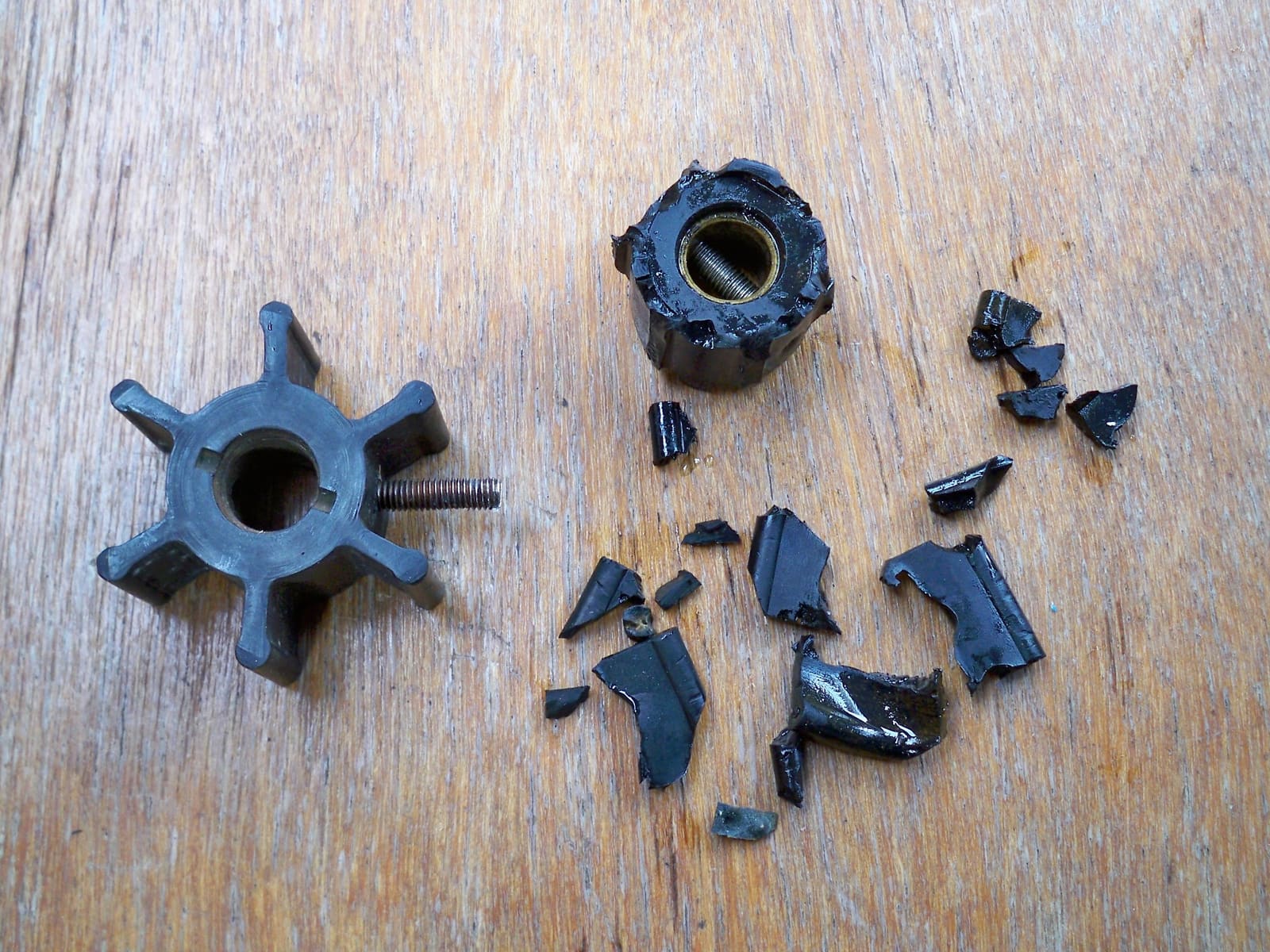
Westerbeke says to take the impeller out of the raw-water pump for the winter (catch the antifreeze that comes with it), inspect it, buy a replacement and a cover gasket if needed, and leave it out until spring. BoatUS explains why: the vanes take a set if left bent in the housing all winter, and antifreeze can swell some rubbers, so rinse the impeller. Tape a note to the pump and the ignition: "IMPELLER OUT."
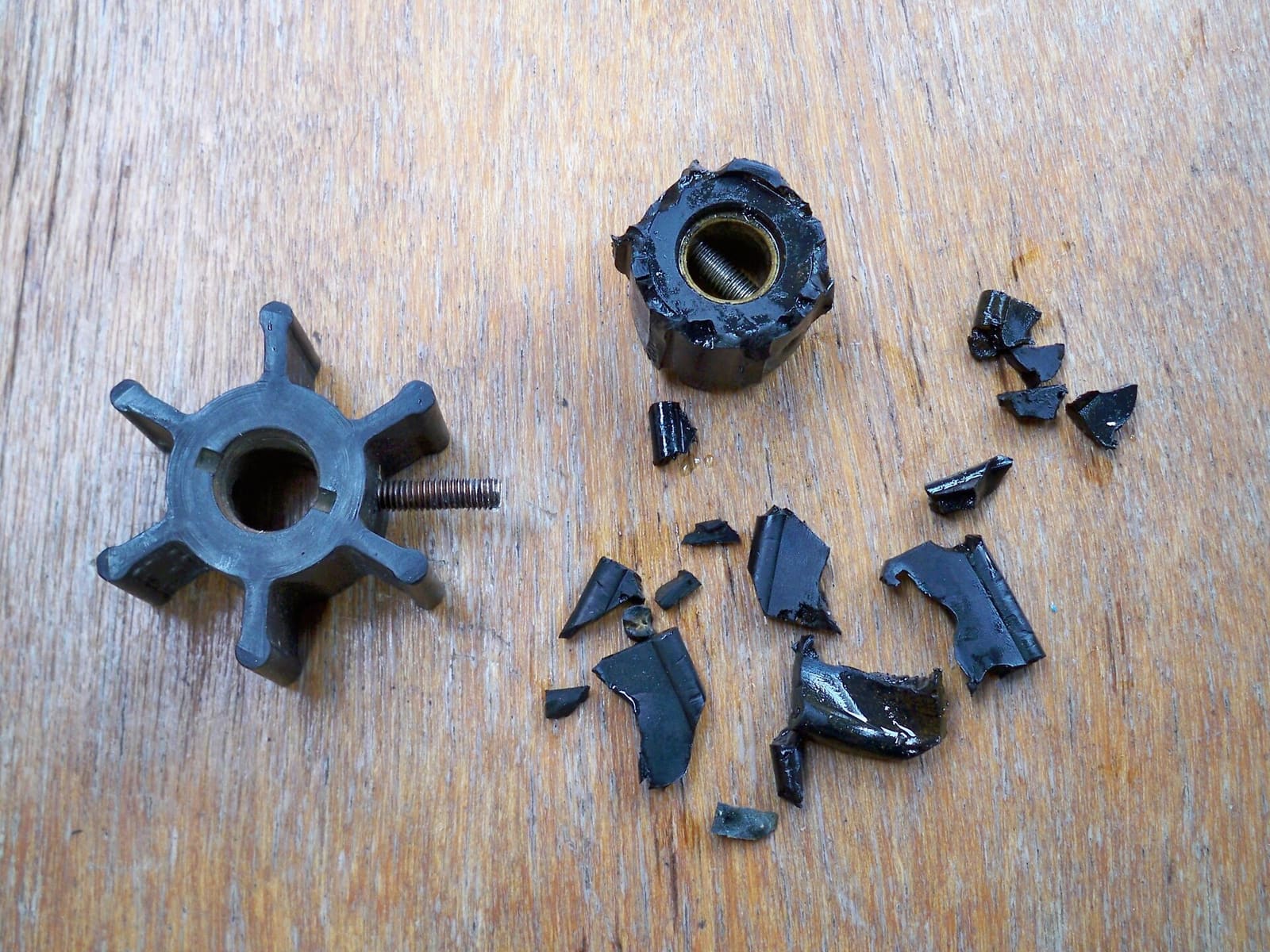
Photo: Ein Dahmer / Wikimedia Commons · CC BY-SA 3.0 Westerbeke suggests a clean, lightly oiled rag in the air intake opening to keep moist air out, but never push it out of sight, or you may need a mechanic in spring. The exhaust thru-hull can be closed the same way. BoatUS adds crankcase and transmission breathers and tank vents to the list, on a dry day. Don't seal a fuel tank vent completely: if you cap it, puncture the cap so pressure can escape. Write every plugged opening on a list and tag the ignition.
Fogging a diesel (optional): some owners spray fogging oil into the intake for long lay-ups. BoatUS says to turn the engine over slowly by hand to spread it, and never with the starter, even with the stop control pulled: a diesel can start and run on fogging oil, and you can't shut off that fuel. If your manual doesn't mention fogging, skip it.
Westerbeke says to lubricate the shift and throttle controls so they move freely (BoatUS's trick for cables you can't pull out: tape a small oil-filled bag around the upper end of the housing and let the oil work down), and to leave a pull-type stop lever in the RUN position over winter. On the hard, it suggests disconnecting the prop shaft coupling, checking the coupling set screws, and checking alignment in spring after launch. If the boat stays afloat, BoatUS suggests tightening a traditional stuffing box so it doesn't drip, with a tag to readjust it in spring.
Westerbeke's rule: if batteries stay aboard, keep them fully charged so they can't freeze; if you can't, take them home. A fully charged battery resists freezing far better than a flat one. Turn the battery switch off, clean the terminals, and use a proper marine charger or maintainer if the boat has shore power. Check stored batteries every month or two.
Westerbeke suggests using the lay-up to look over belts and hoses and order spares (filters, zincs, impeller, belts) before spring. Write the date, engine hours, fluids used and every "remove before start" item in your BoatMend log.
Common mistakes
- Running the engine after the antifreeze bucket is empty, which pulls air back in and leaves the circuit partly protected.
- Running the pump dry with the seacock closed and no bucket, which destroys the impeller in seconds.
- Leaving old oil in the sump over winter.
- Using pink RV antifreeze in the closed (coolant) side of the engine.
- Forgetting the sea strainer, which can freeze and crack.
- Pushing the intake rag out of sight, or forgetting the plugs and the impeller in spring. Tag everything.
- Leaving a half-empty tank, which grows condensation and microbes over winter.
- Leaving a weak battery aboard in freezing weather.
- Using the starter to spread fogging oil in a diesel. It can start on the oil; turn it by hand.
When to call a pro
- Any fuel leak, strong diesel smell or air you can't bleed out of the fuel system
- Water in the oil (milky oil), coolant loss you can't explain or white smoke while running
- Seized raw-water pump cover screws, a cracked strainer or damaged hoses below the waterline
- Long lay-ups (a year or more): Westerbeke's longer-term procedure involves pulling injectors to oil the cylinders, which is mechanic work
- Disconnecting or realigning the propeller shaft coupling if you've never done it
- Any doubt about which drains and fluids your engine needs: a yard winterization costs far less than a cracked block or exhaust elbow
Tips
- Do the job on a dry day so you don't seal damp air inside the engine.
- Buy a little more antifreeze than you think; long exhaust runs use a lot.
- Keep a spare impeller and pump gasket aboard all season, not just at commissioning.
- Take photos of the pump, strainer and hose routing before you take anything apart.
- Pair this guide with the BoatMend spring commissioning guide so nothing on your "remove before start" list gets missed.
Official references
We read these to write this guide. Your engine's own manual always wins.
- Westerbeke – Maintenance and Use FAQs (How do I winterize my Westerbeke diesel; raw-water antifreeze)
- BoatUS – Winterizing Your Boat Engine
- Practical Sailor – Is Your Marine Diesel Winterizing Routine Complete?
- Mercury Marine – Service and Support FAQs (raw-water antifreeze, storage)
- Yanmar Marine – Frequently Asked Questions (operation manuals, fuel additives, seasonal maintenance)
Safety: BoatMend is for information only and does not replace a certified marine technician. You are responsible for your safety and your boat. Read the full disclaimer.
Last updated 2026-10-24
Related guides
Marine Diesel Service: Oil Change, Fuel Filters and Bleeding Air
Change the oil and oil filter, replace the primary and secondary fuel filters, and bleed air from the fuel system on a Yanmar, Volvo Penta, Beta, Cummins or similar marine diesel. These three skills cover most routine diesel care and can get you out of trouble when the engine dies on a passage.
How to Clean the Raw-Water Strainer and Replace the Impeller on a Marine Diesel
Clean the sea strainer and swap the rubber impeller in the raw-water pump of a Yanmar, Volvo Penta, Westerbeke, Beta or similar inboard diesel. A worn impeller is one of the most common reasons a diesel overheats, and this job takes about an hour with basic tools.
How to Check and Change Coolant in a Closed Cooling System
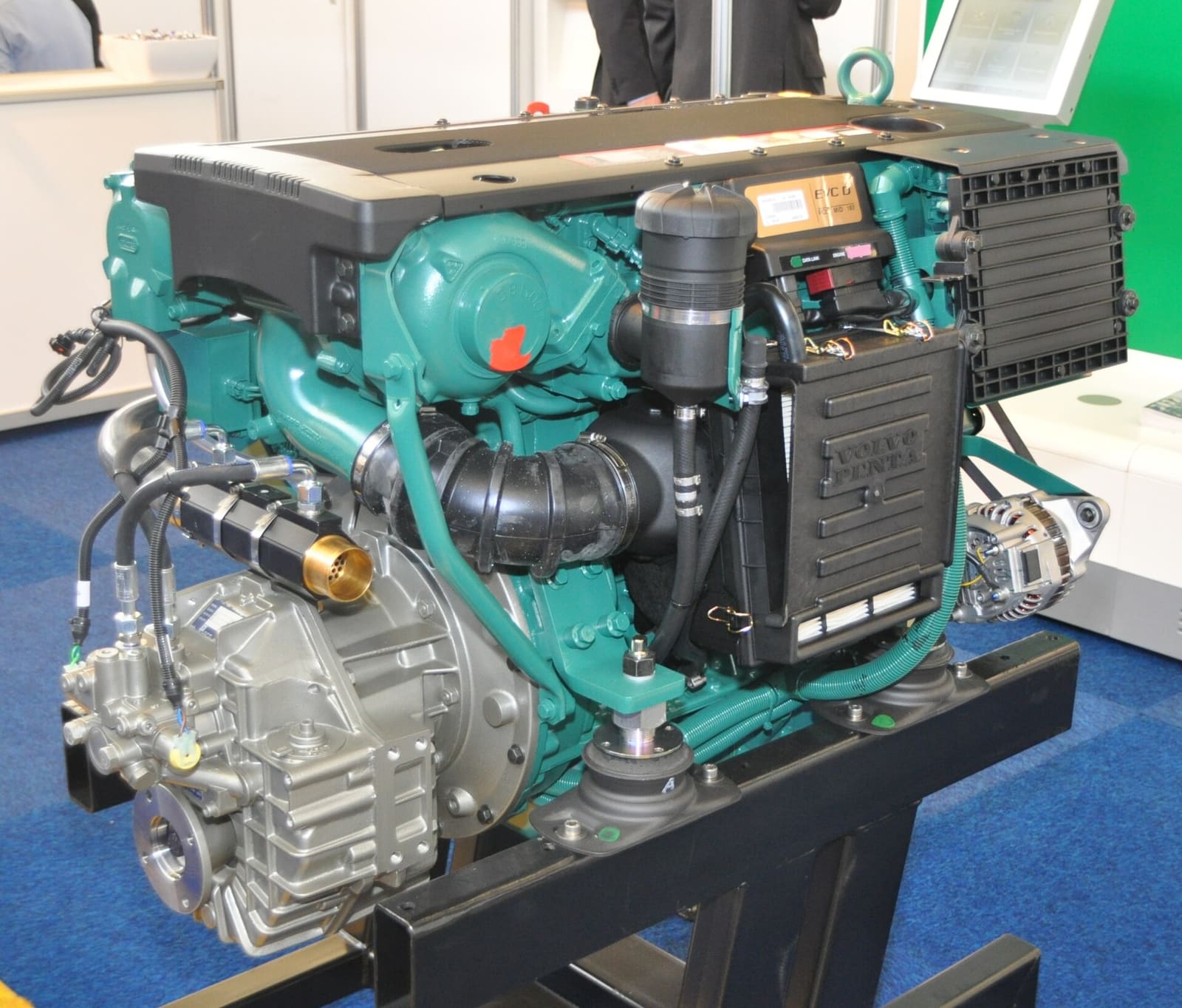
Check, test and change the coolant in a freshwater-cooled (closed cooling) inboard, sterndrive or diesel, and learn the heat exchanger basics that keep it working. Old coolant quietly eats hoses, pumps and engine passages, and many boats go a decade without a change.
How to Deal with Diesel Fuel Contamination, Diesel Bug and Fuel Polishing
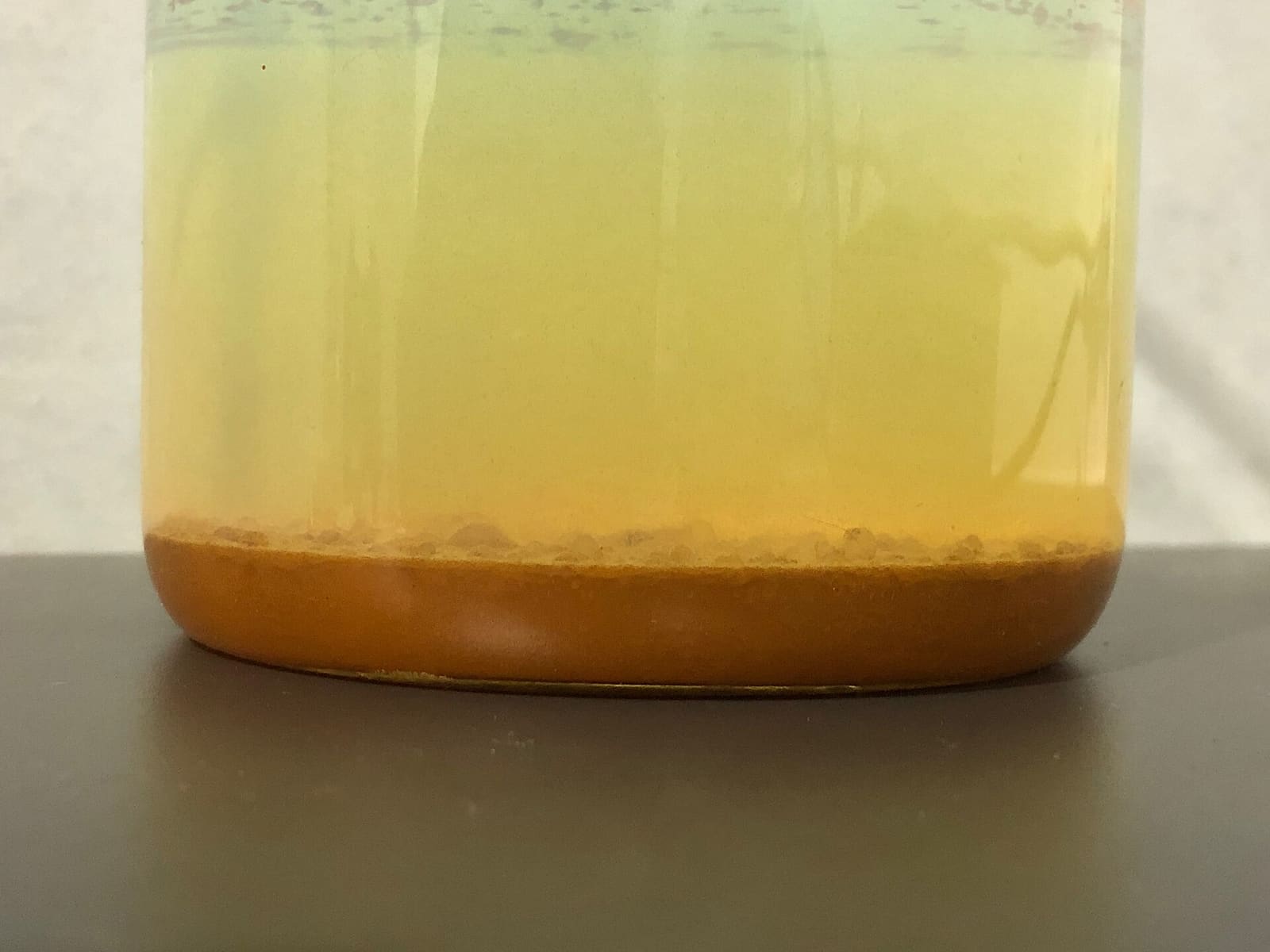
Learn the signs of water, sludge and microbial growth ("diesel bug") in your diesel tank, how to check a fuel sample, when a biocide helps, and when the tank needs polishing or cleaning. Clean fuel prevents most diesel breakdowns.
How to Inspect Exhaust Manifolds and Risers on a Sterndrive or Inboard
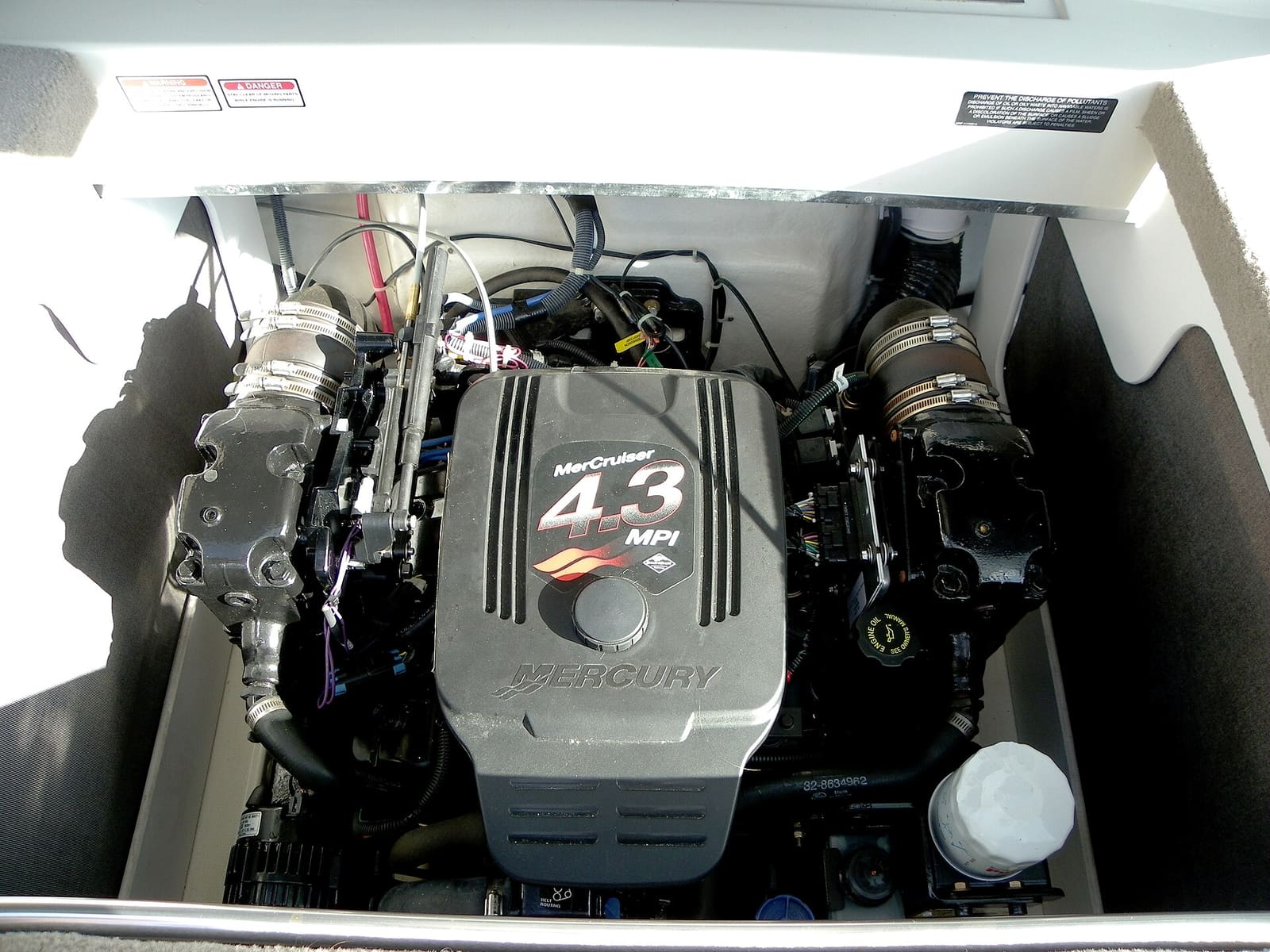
Cast-iron exhaust manifolds and risers rust from the inside, and when they fail they can let water into the cylinders and ruin the engine. Learn the warning signs, how often to inspect them in salt and fresh water, how to check a riser yourself, and when replacement is a job for a pro.
Marine Battery Care: Test, Charge and Store for Winter
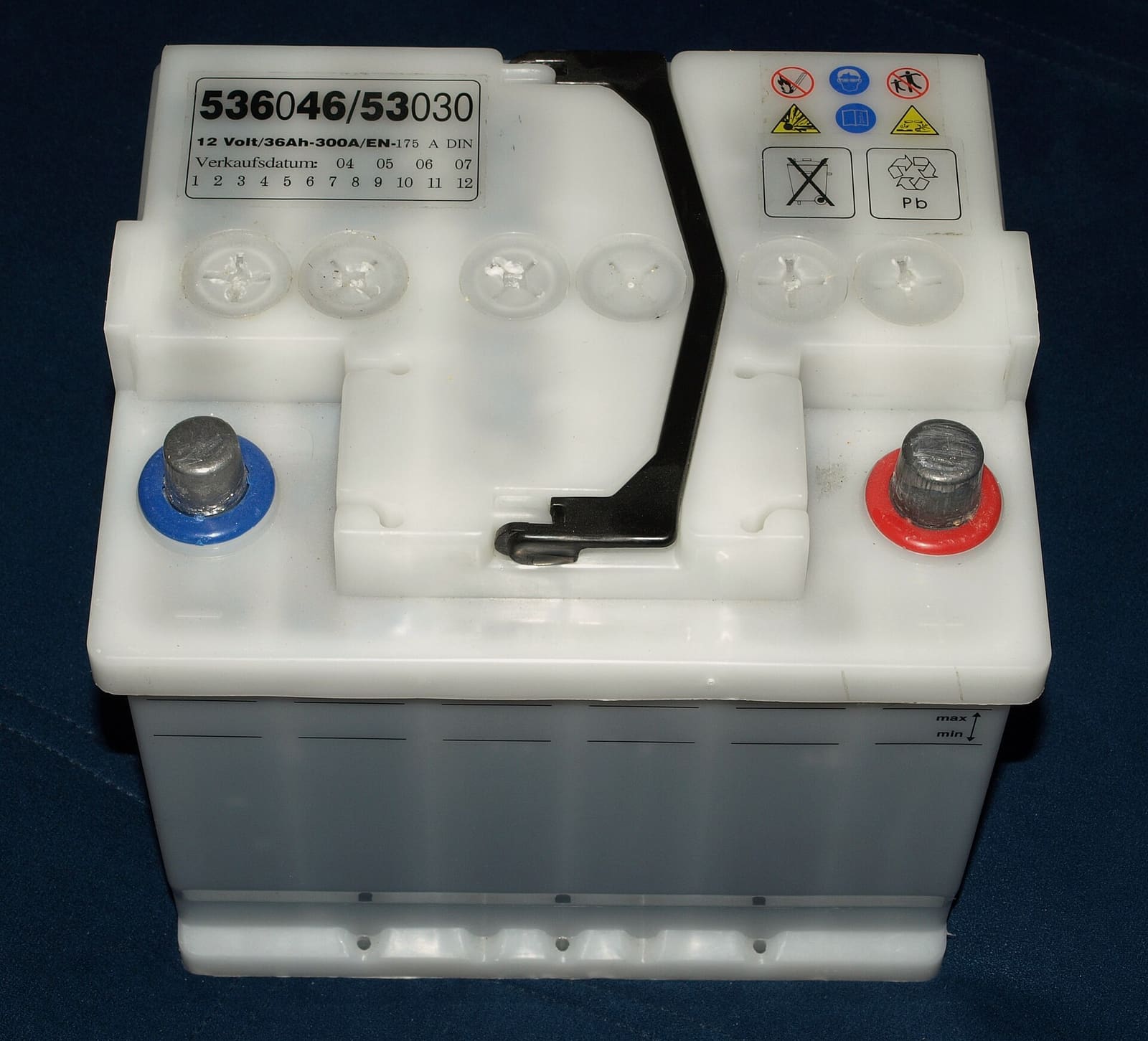
Check your boat battery's health, charge it the right way for its type (flooded, AGM or lithium), and store it so it is ready in spring. Most "boat won't start" calls start with a neglected battery.
How to Inspect and Exercise Seacocks, Through-Hulls and Hose Clamps
Check every hole in your hull below the waterline, work each seacock open and closed, and inspect the hoses and clamps attached to them. A single failed fitting or hose is one of the most common reasons boats sink at the dock.
How to Check, Adjust and Repack a Stuffing Box (and Care for a Dripless Shaft Seal)
Learn the right drip rate for a traditional packing gland, how to adjust it safely, when to repack it, and how to inspect and service a dripless shaft seal. The shaft seal is one of the few holes in an inboard boat that moves, and a neglected one can sink a boat at the dock.
Winter Boat Cover vs Shrink Wrap: Support, Ventilation, Safety and Spring Removal
Choose between a reusable winter cover and shrink wrap, build a support frame that sheds snow, vent it so the boat doesn't mildew, and know the fire risks before you try DIY shrink wrap. Includes spring removal and recycling.
Spring Commissioning - Getting Your Boat Ready for the Season
Wake your boat up after storage with a step-by-step check of the battery, fuel system, engine, drive and safety gear. Catching a cracked hose or dead battery in the driveway beats a tow on opening weekend, and saves a typical shop commissioning fee.