Protecting a Docked Boat: Mooring Whips, Bumpers, Fender Boards and Chafe Gear
Set up your dock or slip so wakes, wind and tides don't grind your hull against it, using mooring whips, dock bumpers, fender boards, spring lines and chafe gear, and know what these can and can't do in a storm.
Time
4 h
Shop would charge
$250-1500
Applies to
All engines
Safety first: Keep fingers and feet away from lines, cleats and the gap between hull and dock when a boat is moving; never try to fend off a heavy boat with your hands or feet. Mooring whips, bumpers and fenders are not storm gear. If a hurricane or major storm is coming, follow your storm plan and, whenever possible, get the boat out of the water. If your boat breaks loose or is taking on water, call TowBoatUS, Sea Tow, the marina, or the Coast Guard on VHF 16 (or 911).
Owners often ask
- How do I keep wakes from banging my boat against my dock? Are mooring whips worth it?
- How should I set dock lines and fenders at a fixed dock with pilings and big tides?
This guide walks you through it. Still stuck? Ask the AI Mechanic about your engine.
Tools
- Drill, bits and wrenches for through-bolting
- Tape measure and marker
- Sharp knife and lighter or whipping twine for line ends
- Saw and sandpaper (for making a fender board)
Parts & supplies
- Mooring whips sized for your boat's length and weight, with mounting bases and whip lines
- Thick plywood or aluminum plate and stainless through bolts to reinforce the dock under whip bases
- Dock bumpers, corner bumpers or dock edging
- Fenders sized for your boat, plus fender covers
- A fender board: 3–6 ft of 2x4, 2x6 or 2x8 lumber, depending on boat size
- Nylon dock lines of suitable diameter and length for your boat and tide range
- Chafe guards (sleeve-type or commercial chafe gear)
Before you start
What hurts boats at the dock: passing wakes, wind pushing the boat onto the dock, tide changes that leave lines too tight or too slack, and lines sawing on chocks, rub rails and dock edges. The result is "dock rash" (scratched and chipped gelcoat), a damaged rub rail, or a broken line.
Your tools, roughly from simplest to most involved:
- Good tie-up: bow, stern and spring lines set for your tide range. Free, and the base of everything else.
- Fenders and fender covers: cushion the hull where it can touch the dock.
- Dock bumpers and edging: fixed padding on the dock's edges, corners and posts.
- Fender boards: a plank hung outside fenders so they can't roll off pilings.
- Chafe gear: sleeves or guards wherever a line touches something hard.
- Mooring whips: long fiberglass poles mounted on the dock that hold the boat a couple of feet off it. BoatUS suggests them for single-pier docks where you can't center the boat between two piers and a lift isn't practical.
Fixed dock or floating dock? A floating dock rises and falls with the boat, so tide is less of an issue. A fixed dock or pilings means your lines must handle the full tide range, and fenders tend to slip off round pilings, which is where fender boards shine.
Steps
Before buying anything, spend some time at the slip watching how the boat moves with wakes, wind from different directions and (in tidal water) through high and low tide. Practical Sailor recommends this before leaving a boat for a long time or before storm season. Note where the hull touches, where lines rub and where they go too tight.
At a typical slip, use a bow line, a stern line and two spring lines (one running aft from the bow area, one running forward from the stern area). Springs stop the boat surging forward and back and let you use longer bow and stern lines. Lines must be long enough for the full tide range, and must never snag on anything as the boat rises and falls. Don't lead too many lines to one dock cleat; BoatUS says two lines per cleat is usually the maximum.
In tidal water, longer lines led at an angle (crossing lines between pilings, for example) handle tide better than short, tight ones. Check the boat at both low and high tide after any change. A line that is right at mid-tide can hang the boat at low tide or pull it over at high tide.
Any line running through a chock, over a rub rail, around a piling or across a concrete edge needs protection. BoatUS notes that chafe can wear through even a new line in hours. Use proper chafe guards, and better still remove the sharp point: Practical Sailor describes fixing a knife-sharp rub rail edge that was cutting a bow line. Avoid crossed lines rubbing on each other.
Position fenders where the hull actually meets the dock, with fender covers to protect the gelcoat (and any wrap). Recheck height after loading the boat. On a floating dock, fenders compress directly between hull and dock and work well.
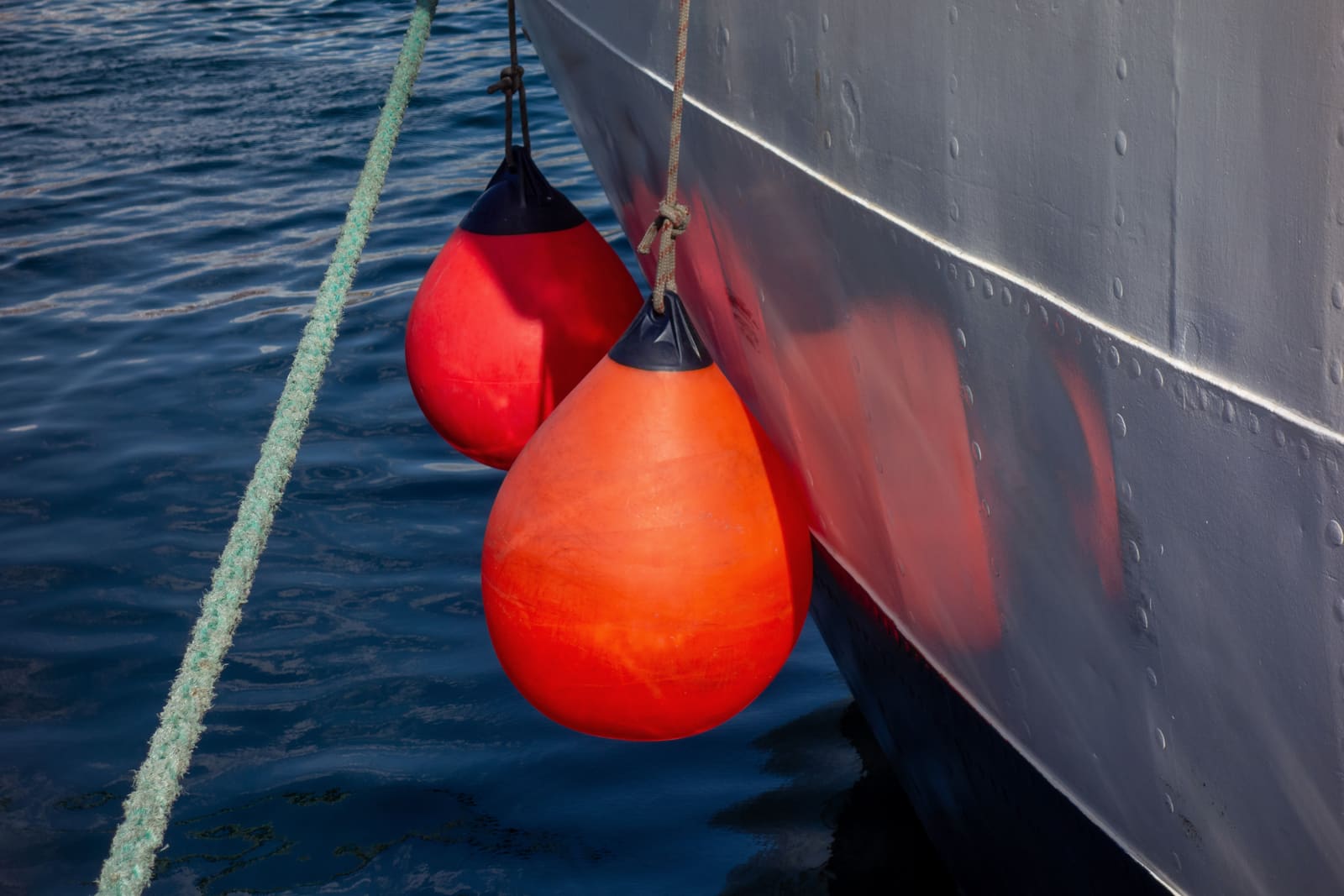
Fenders only help where they are actually between the hull and the dock. Photo: W.carter / Wikimedia Commons · CC BY-SA 4.0 At a fixed dock with pilings, round fenders roll off the piling as the boat moves. Practical Sailor's simple design: a 3- to 4-foot board (about a 2x4 for a 20-foot boat, 2x6 for 30 feet, 2x8 for 40 feet), edges rounded, a hole at each end for a line, hung outside two fenders so the board rests against the piling. BoatUS's catastrophe team found fender boards worked against dock rash only when the boards were heavy and backed by several large fenders; two small fenders at the ends of a long board bounced out or let the board break.
Fit dock bumpers or edging along the edges and corners where the hull or bow could hit, and post bumpers on pipes or pilings. Choose marine-grade, non-marking material. Old car tires are a poor substitute: they leave black marks on gelcoat.
Whips suit a boat at a single-sided private dock exposed to wakes or crosswinds. They are less useful in a marina slip with pilings on both sides. Pick a whip size rated for your boat's length and weight; BoatUS warns that undersized whips can't hold the boat off and break early. Whip makers such as Dock Edge state that the boat's weight matters more than its length when choosing a size, so weigh in fuel, gear, a T-top and anything else aboard, and when you're between sizes go up, not down. The same maker also notes that some spots are simply too rough for any tie-up system; if your dock takes heavy open-water waves, a lift or a protected slip may be the better answer.
Whips put a strong, constant pull on their bases. BoatUS warns that whips bolted only to thin wooden deck boards will pull out or break them. Through-bolt the bases with a large aluminum plate or thick plywood under the deck boards to spread the load, following the whip maker's instructions for spacing and angle.
A standard whip setup uses the two whip lines plus a bow line, a stern line and two spring lines. The placement and tension of these lines keep the boat lined up and stop the whips from bending sideways, which they are not built for. To board, pull the boat in with a whip line or disconnect the whip lines first.
Look over lines for fuzzy, stiff or worn spots and replace them as needed (whip lines often need replacing every few years). Rinse salt and grit out of dock lines with mild soap and water at the end of the season. Wax fiberglass whips and their bases to slow sun chalking, and if you can, store whips indoors in the off-season. Replace cracked bumpers and flat fenders.
Whips, bumpers and fender boards won't save a boat in a hurricane unless it is also held by anchors or extra shore lines, and BoatUS's advice is to get the boat out of the water and inland if you can. See our hurricane prep guide for doubling lines, chafe gear and removing windage.
Common mistakes
- Lines cut too short for the tide, so the boat hangs or gets pulled over.
- No chafe protection where lines run through chocks or over rub rails and concrete.
- Too many lines on one dock cleat, or one cleat held by a few old nails.
- Fenders that ride above or below the dock or roll off a piling.
- A light fender board with two small fenders that bounce out in the first chop.
- Whips bolted to thin deck boards with no reinforcement underneath.
- Whips too small for the boat, or tied without spring lines so they bend sideways.
- Relying on whips or bumpers in a hurricane.
When to call a pro
- The dock structure, cleats or pilings look rotten, loose or damaged
- Mounting whips or bumpers would mean drilling into a dock you don't own (get marina or HOA approval)
- Dock electrical gear is near where you plan to drill (see our private dock electrical guide)
- Your boat's own cleats are loose, undersized or lack backing plates
- Preparing a large boat for a named storm
Tips
- Use nylon dock lines: they stretch and absorb shock from wakes.
- Keep a spare set of lines and chafe guards aboard for transient docks.
- Many whip makers sell whips sized from small PWC up to cruisers. Long whips can cost a lot to ship by truck, so price delivery before you order.
- Take photos of your final tie-up so anyone moving the boat can put it back the same way.
Official references
We read these to write this guide. Your engine's own manual always wins.
- BoatUS – Whipping The Problem (mooring whips)
- BoatUS – 5 Ways to Prevent Line Chafe and Breakage on Your Boat
- BoatUS – How to Find and Fix Potential Breaking Points on Your Boat
- Practical Sailor – How (Not) to Tie Your Boat to a Dock
- Practical Sailor – Design for Fender Boards
- Navstore – Dock Edge Economy Mooring Whips (product description)
Safety: BoatMend is for information only and does not replace a certified marine technician. You are responsible for your safety and your boat. Read the full disclaimer.
Last updated 2026-10-25
Related guides
How to Size, Rig and Inspect Dock Lines and Fenders
Pick the right dock line diameter and fender size for your boat, set up bow, stern and spring lines in a slip, add chafe gear, inspect for wear and UV damage, and double everything up before a storm.
Basic Rope Work for Boat Owners - Eye Splices, Whipping and Sealing Line Ends
Learn the rope skills every owner uses: put an eye splice in three-strand dock or anchor line, stop line ends from unraveling with a whipping or by melting them, know when double-braid splicing is worth it or when to buy pre-spliced line, and inspect splices so you retire a line before it fails.
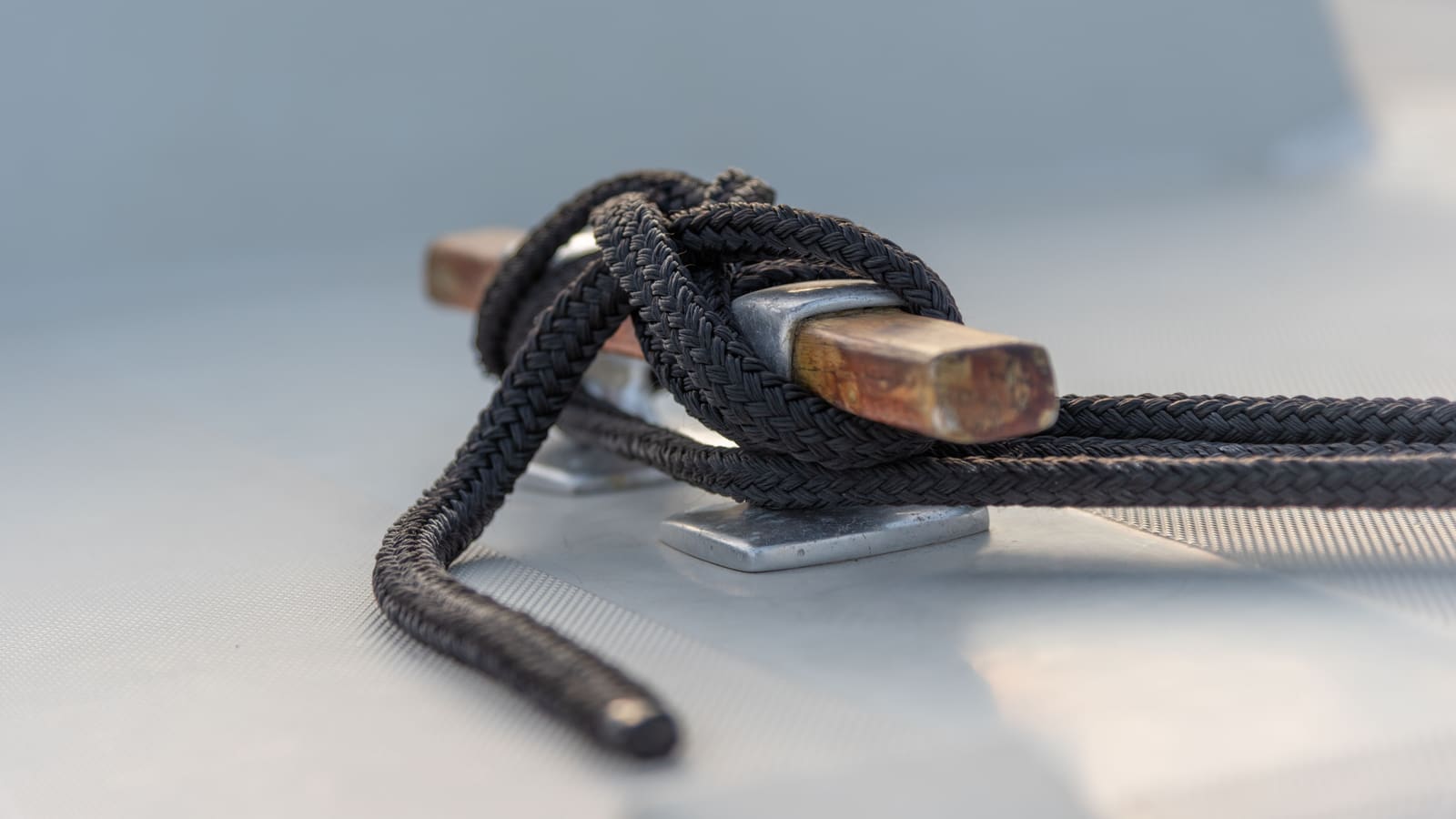
How to Add or Upgrade Boat Cleats (Sizing, Placement and Backing Plates)
Most cleats that fail don't break; they pull out of the deck. Learn how to size a cleat to your dock lines, where to put new cleats for docking and spring lines, how to through-bolt them with real backing plates, how to protect a cored deck, and what's different about pop-up and pull-up cleats.

How to Prepare Your Boat for a Hurricane or Tropical Storm
Make a written storm plan before the season, then haul out or secure the boat with doubled lines and chafe gear, strip off everything that catches wind, and check it safely after the storm. Never ride out a hurricane aboard.
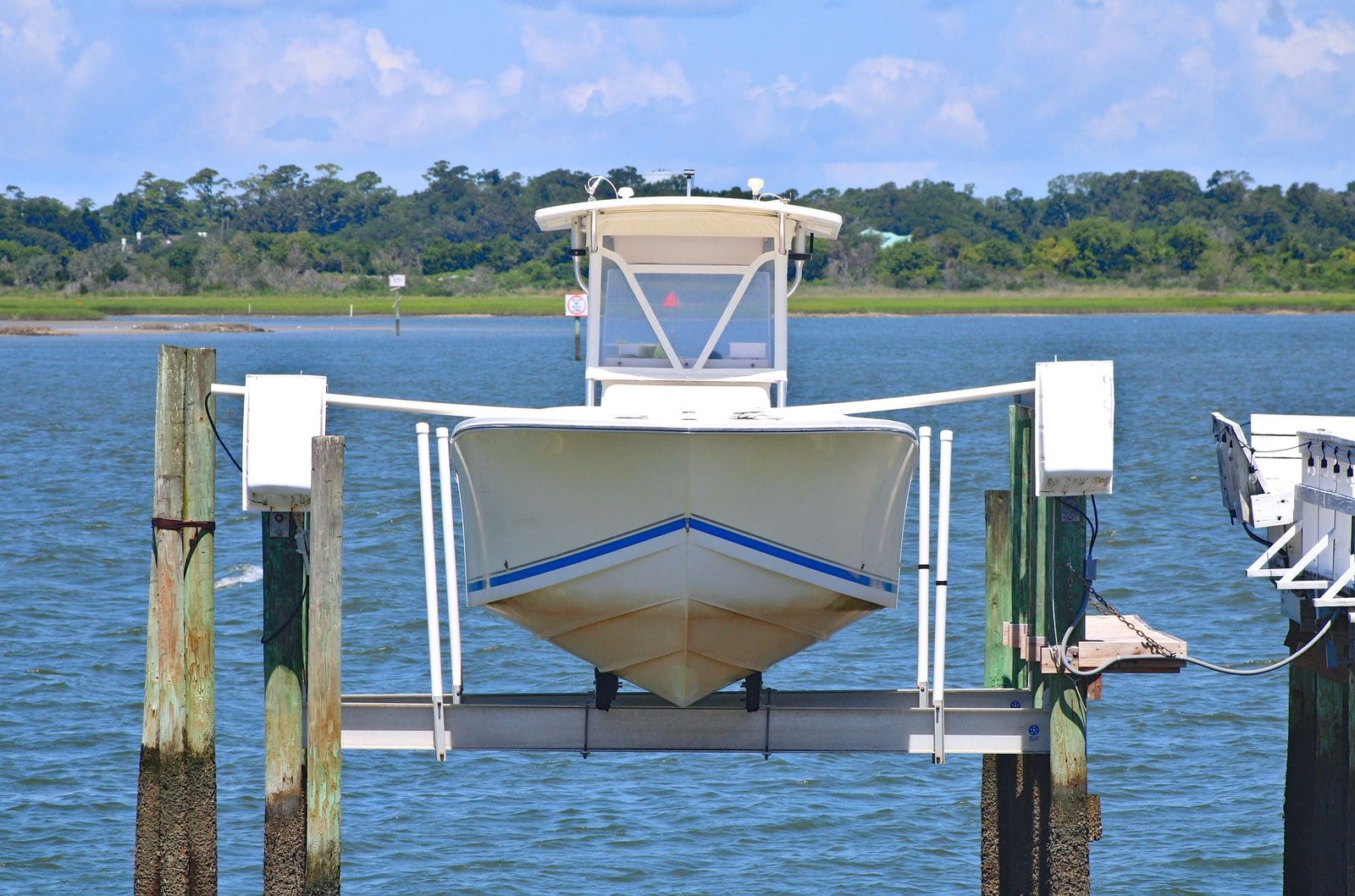
How to Inspect and Maintain a Boat Lift (Cables, Pulleys, Motor, Bunks and Storm Prep)
Inspect the cables, pulleys, motor, wiring and bunks on your boat lift, center the boat correctly, and prepare the lift and boat for storms and winter. Cable failures and overloading from rainwater or snow are the most common ways lifts drop boats.
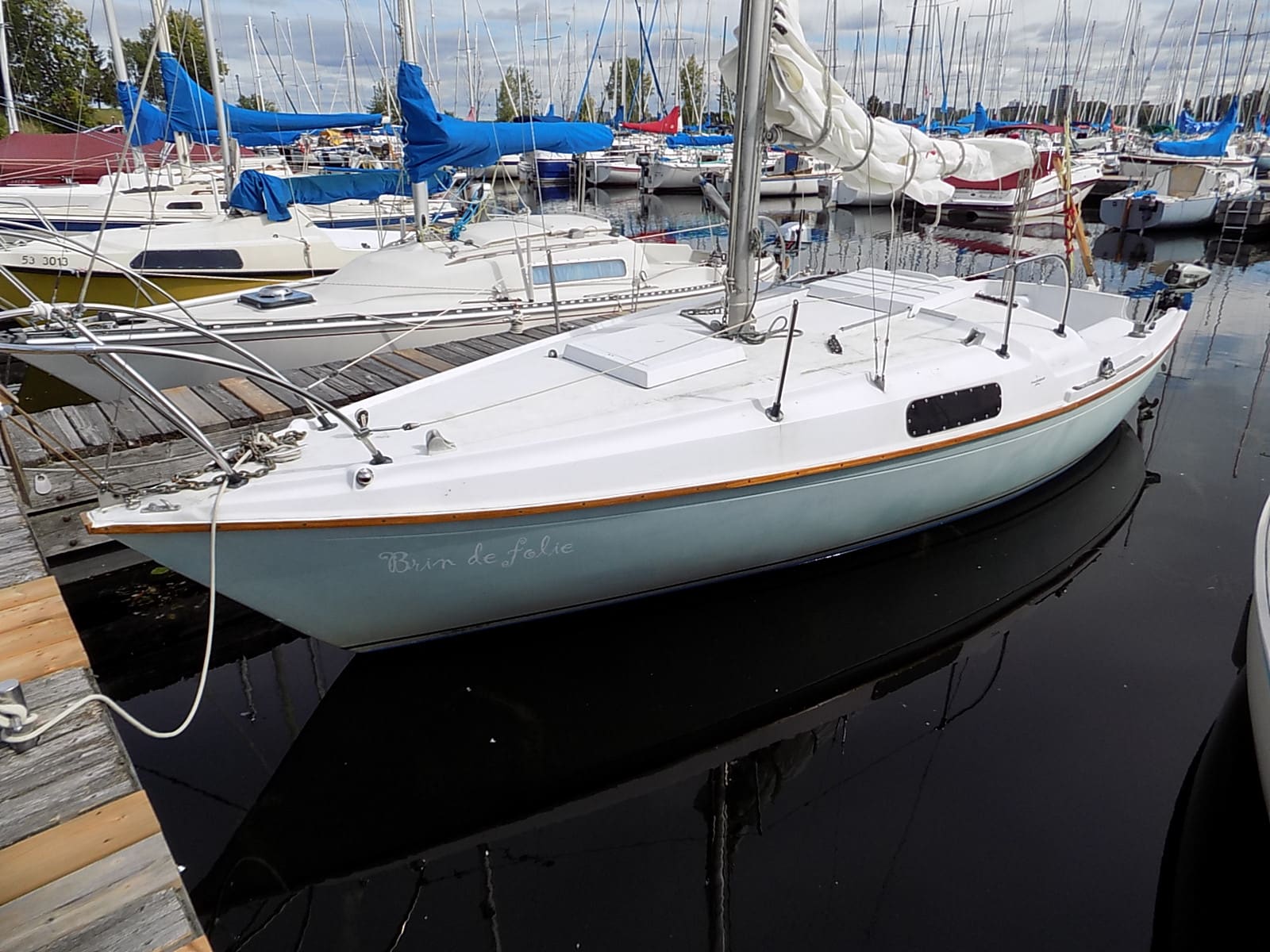
How to Repair or Replace Your Boat's Rub Rail
Replace a torn rub rail insert or the whole rail, reseal the hull-to-deck joint and its fasteners while the rail is off, and stop the deck-joint leaks that often hide behind a worn rail.