Repair & maintenance guides
Plain-English, step by step, written for owners. Pick your engine to see the guides that apply to it.
339 of 509 guides · page 7 of 15
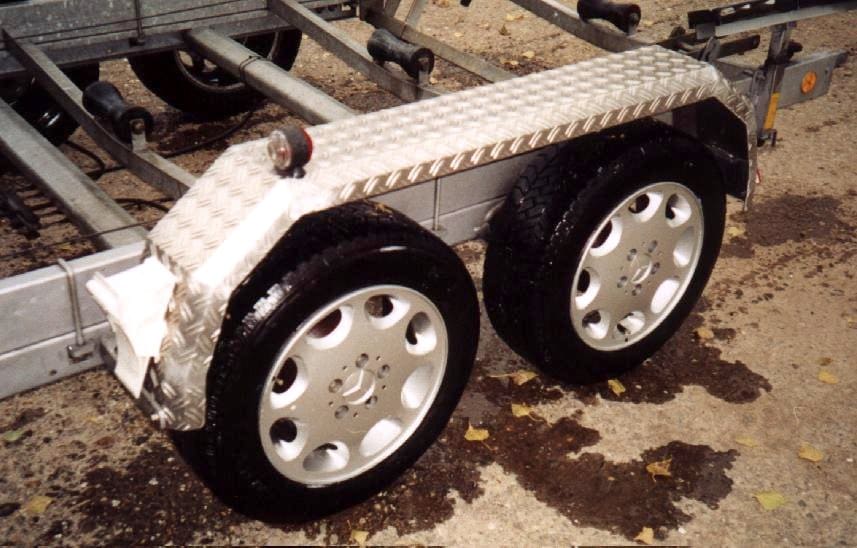
How to Identify Your Boat Trailer Axle and Order the Right Parts
Find your trailer's VIN plate and axle lot number, take the key measurements (hub face, spring centers), read the numbers on your bearings and seals, and figure out the brake and hub type, so the parts store sells you parts that actually fit.
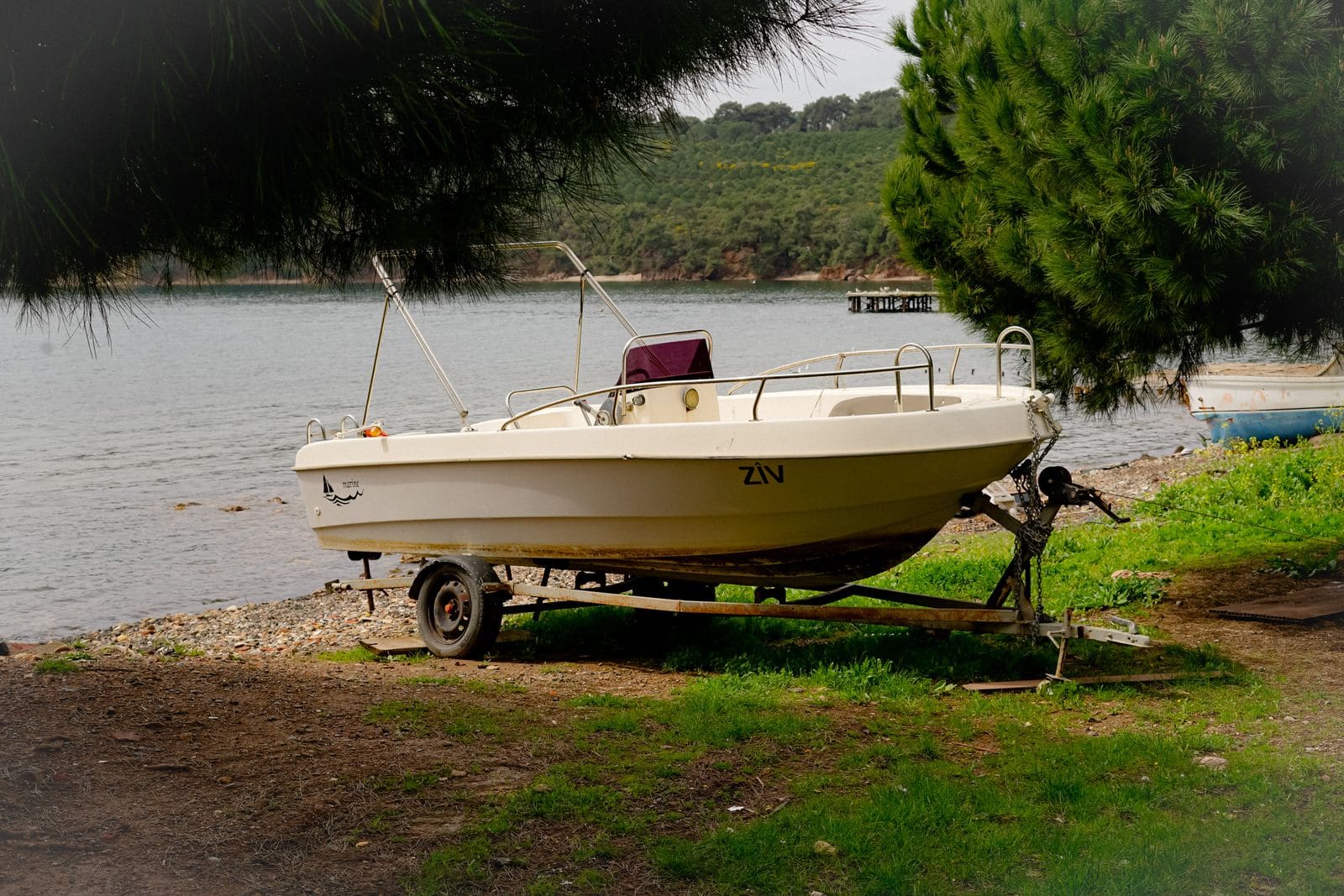
How to Inspect a Used Boat Before You Buy
A step-by-step checklist for looking over a used boat, from paperwork and the hull ID number to the transom, engine, compression test, sea trial and trailer. Know what to check yourself, what the red flags mean, and when to pay a marine surveyor.
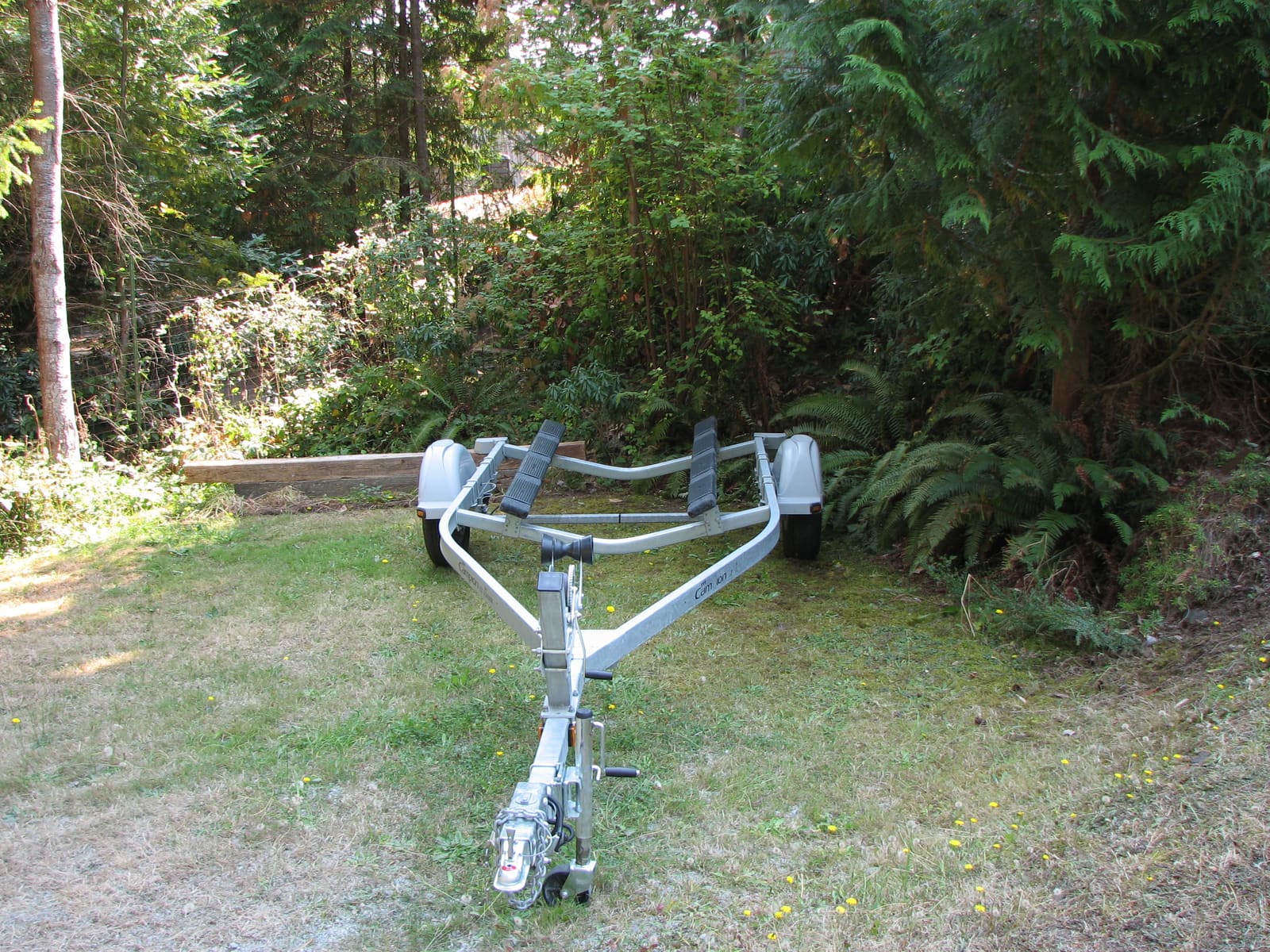
How to Inspect a Used Boat Trailer Before You Buy
A worn-out trailer can turn a good boat deal into hundreds or thousands in repairs, or a breakdown on the way home. Walk through the capacity plate and VIN, frame, axle and springs, hubs, brakes, tires, lights, coupler, winch and bunks, and the title paperwork before you hand over the money.
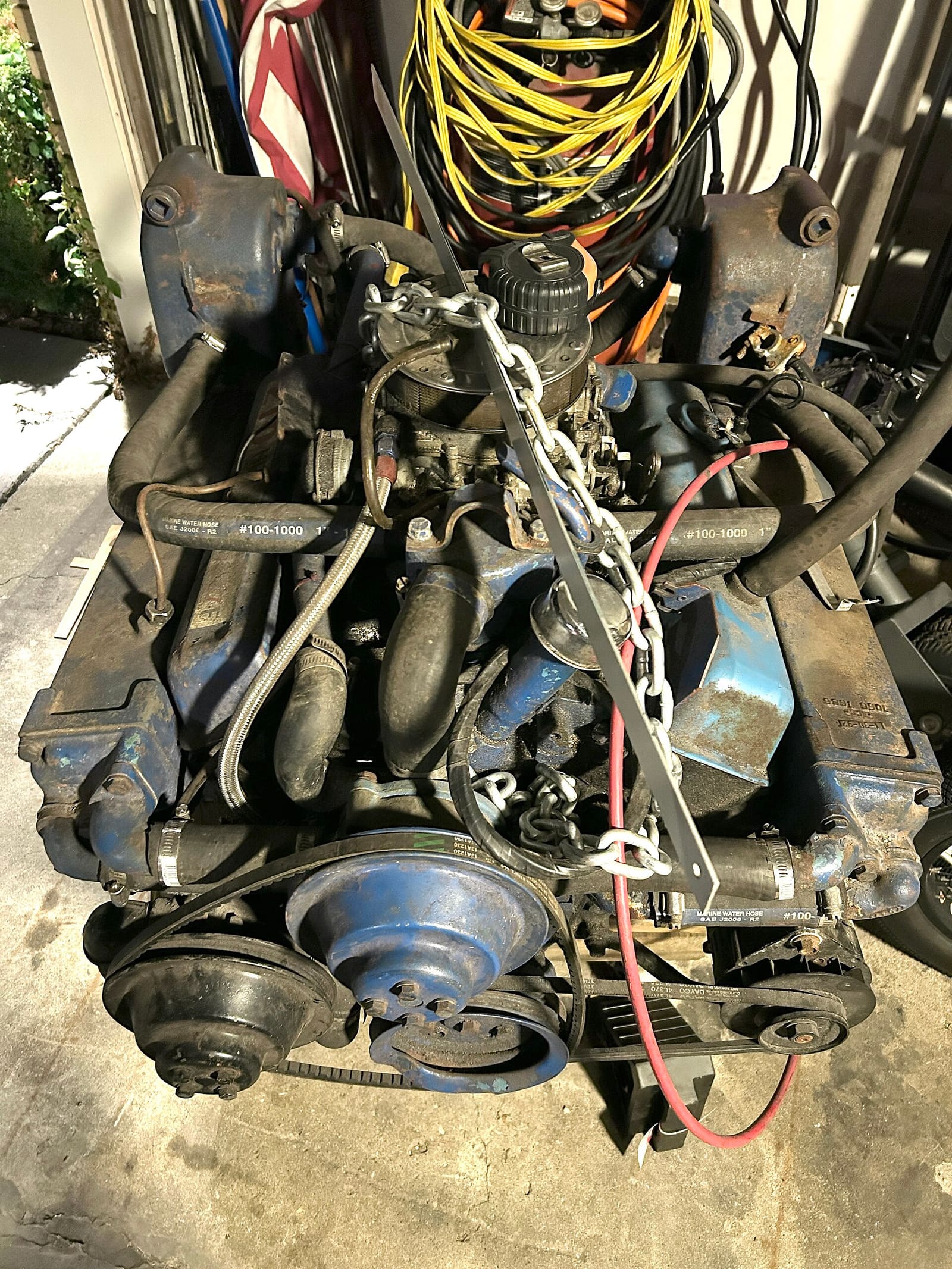
How to Inspect and Clean a Backfire Flame Arrestor
Every gasoline inboard and sterndrive engine must have a backfire flame arrestor to stop a backfire from setting the engine compartment on fire. Learn what the rules require, how to spot a clogged or damaged arrestor, how to clean it the way your engine maker allows, and why you must never run the engine without it.
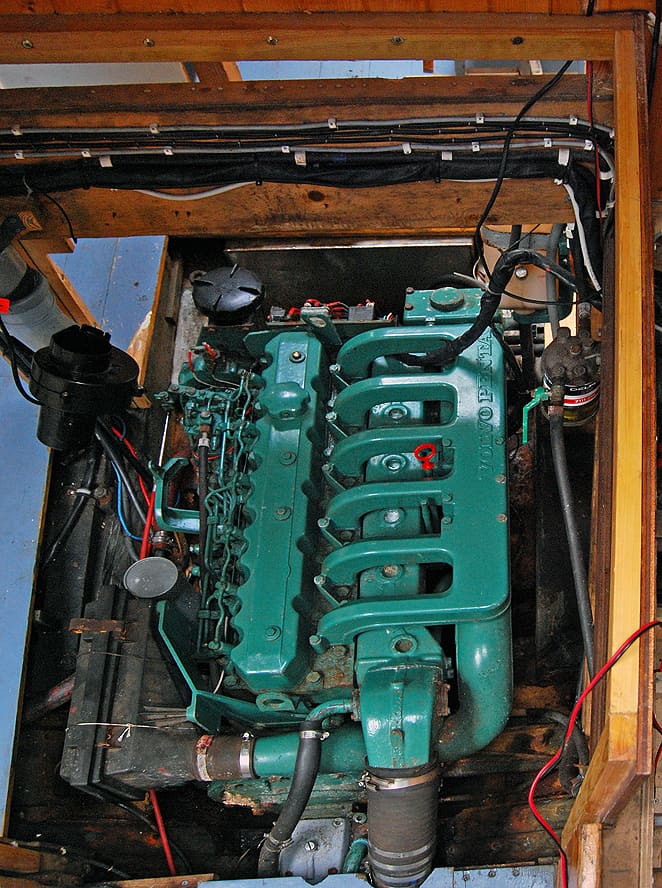
How to Inspect and Clean a Raw-Water (Sea) Strainer
The sea strainer is the cheap screen that keeps weeds, shells and plastic out of your engine, generator and A/C pumps. Learn how to clean it safely with the seacock closed, reseal the lid so it can't suck air, spot a cracked bowl before it floods the boat, and winterize it.
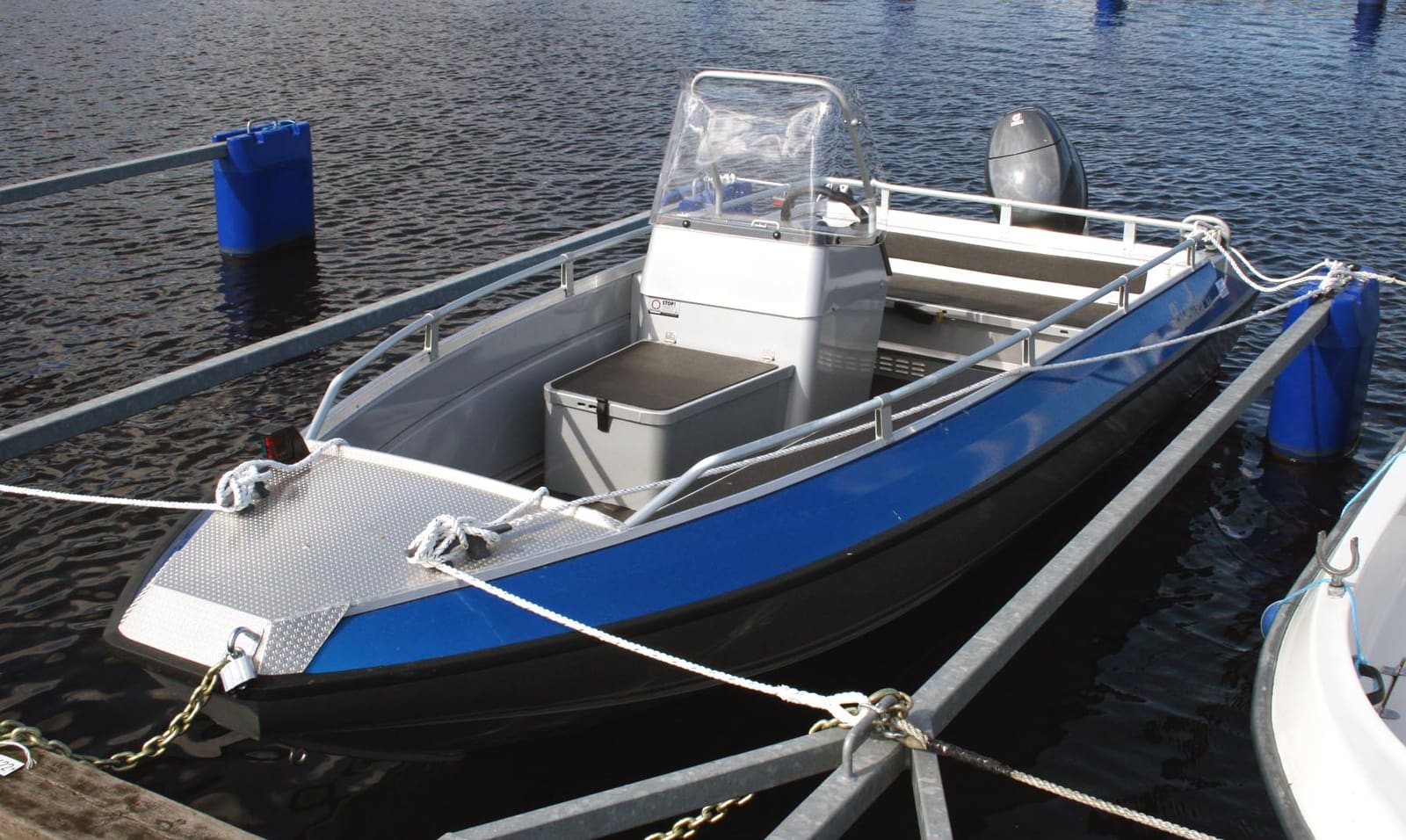
How to Inspect and Clear Cockpit Scuppers and Deck Drains
Most boats that sink at the dock fill up from the top, through clogged scuppers, cracked drain hoses and leaky hatches during a heavy rain. Learn how to trace every drain, clear clogs, check flappers, hoses and clamps, flood-test the cockpit and keep drains working in freezing weather.
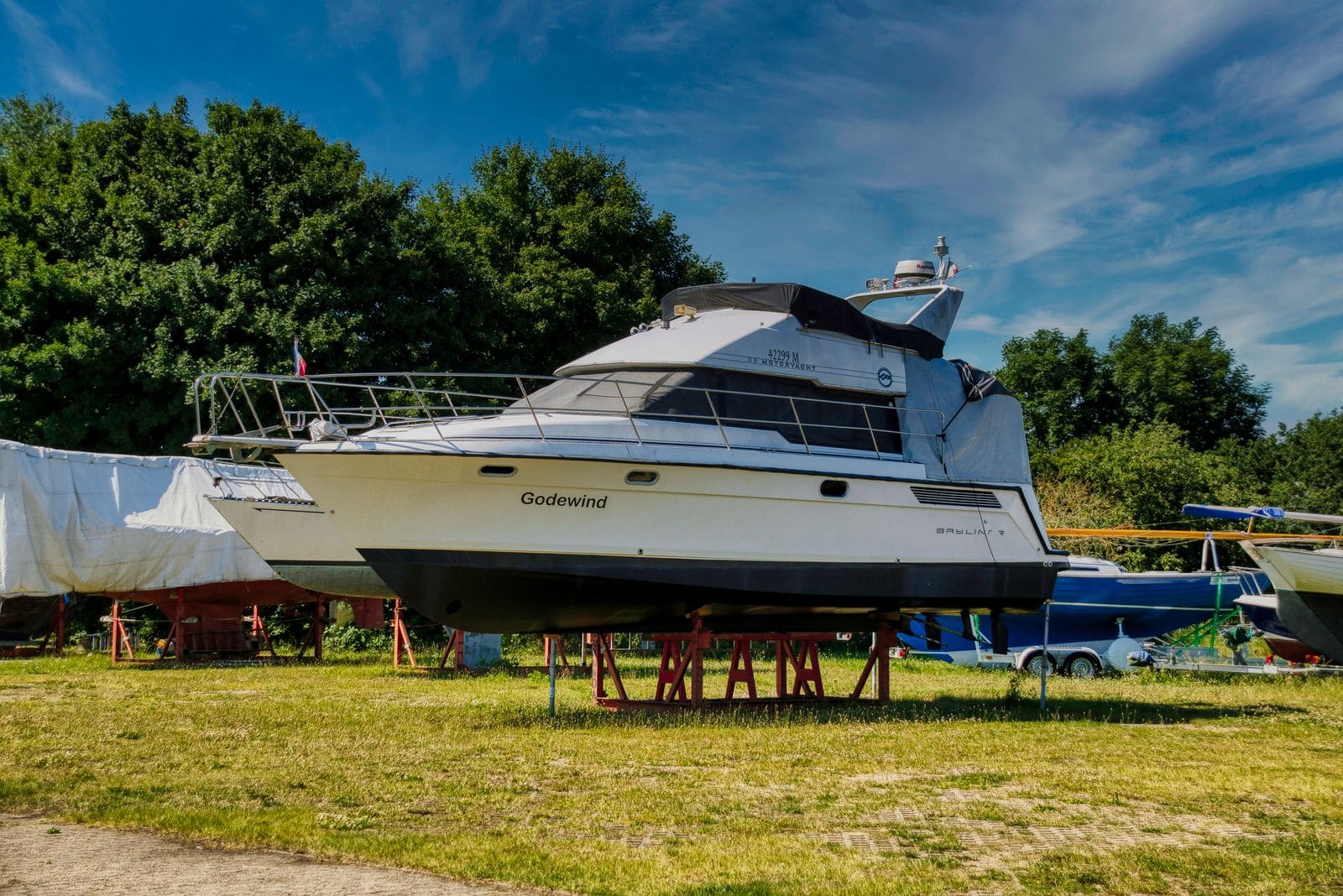
How to Inspect and Exercise Seacocks, Through-Hulls and Hose Clamps
Check every hole in your hull below the waterline, work each seacock open and closed, and inspect the hoses and clamps attached to them. A single failed fitting or hose is one of the most common reasons boats sink at the dock.
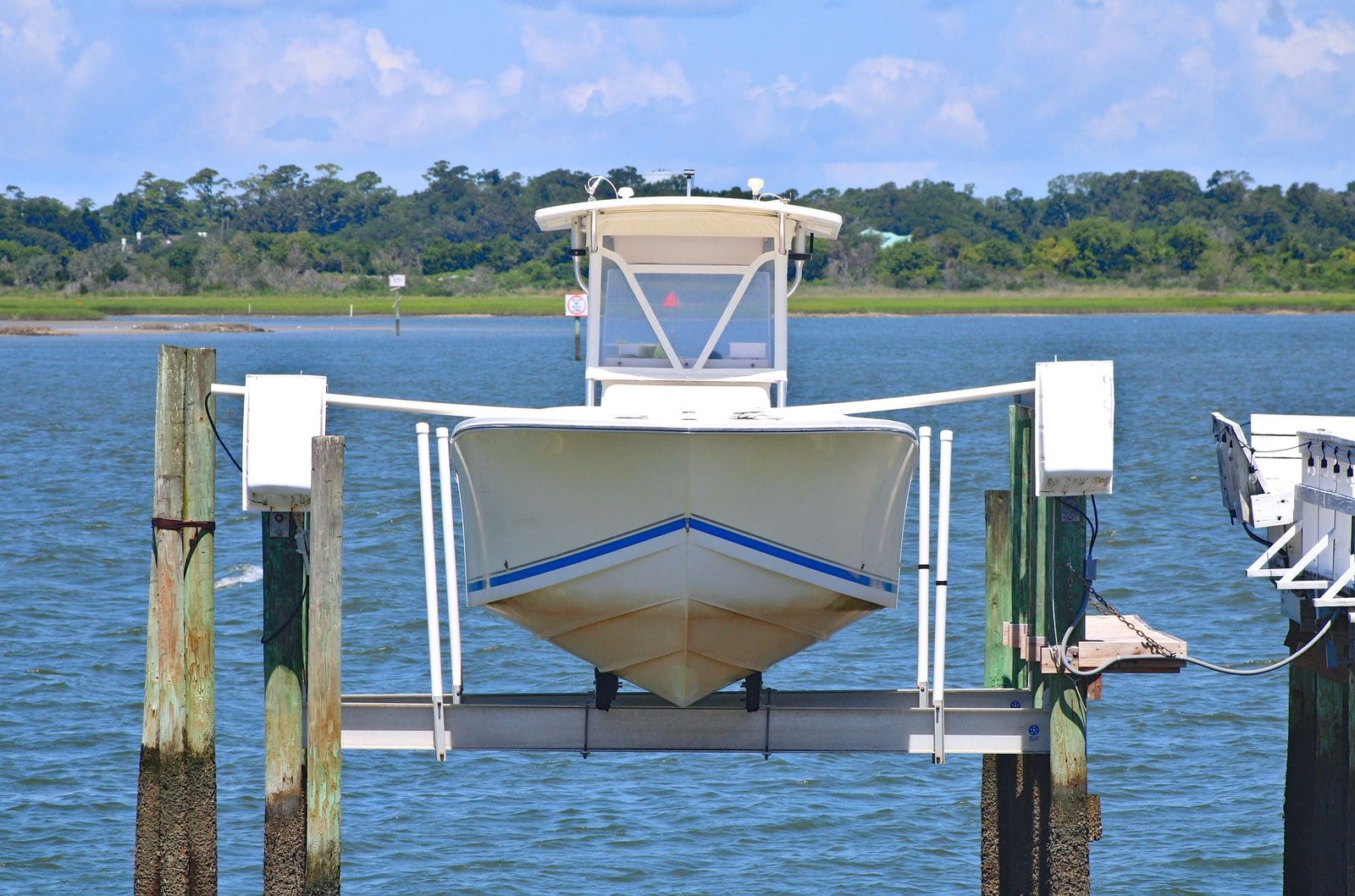
How to Inspect and Maintain a Boat Lift (Cables, Pulleys, Motor, Bunks and Storm Prep)
Inspect the cables, pulleys, motor, wiring and bunks on your boat lift, center the boat correctly, and prepare the lift and boat for storms and winter. Cable failures and overloading from rainwater or snow are the most common ways lifts drop boats.
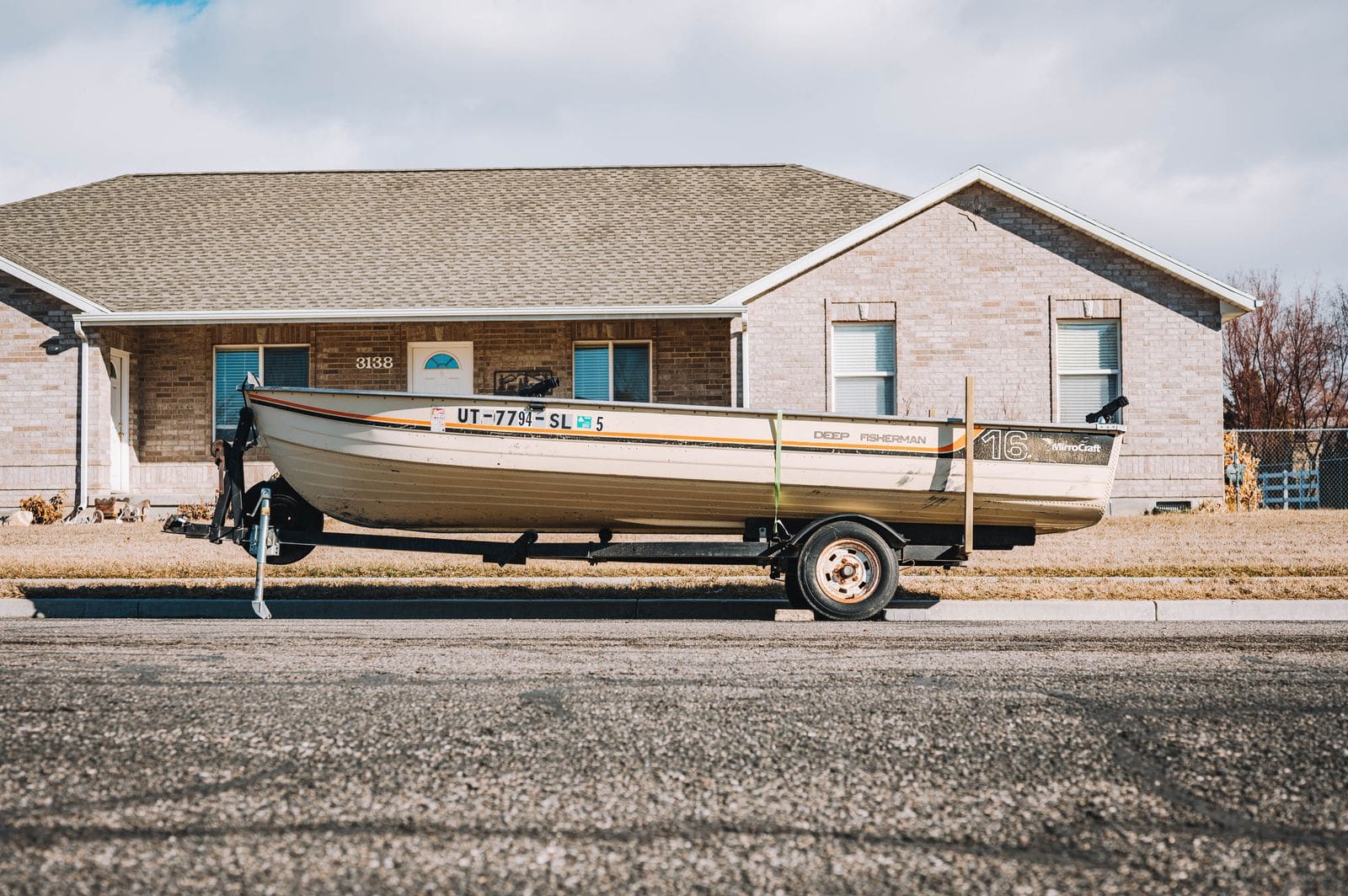
How to Inspect and Repack Boat Trailer Wheel Bearings
Check, clean and repack your trailer's wheel bearings so a seized hub does not leave you stranded on the highway. Boat trailers get dunked in water every launch, which makes their bearings fail far more often than those on dry utility trailers.
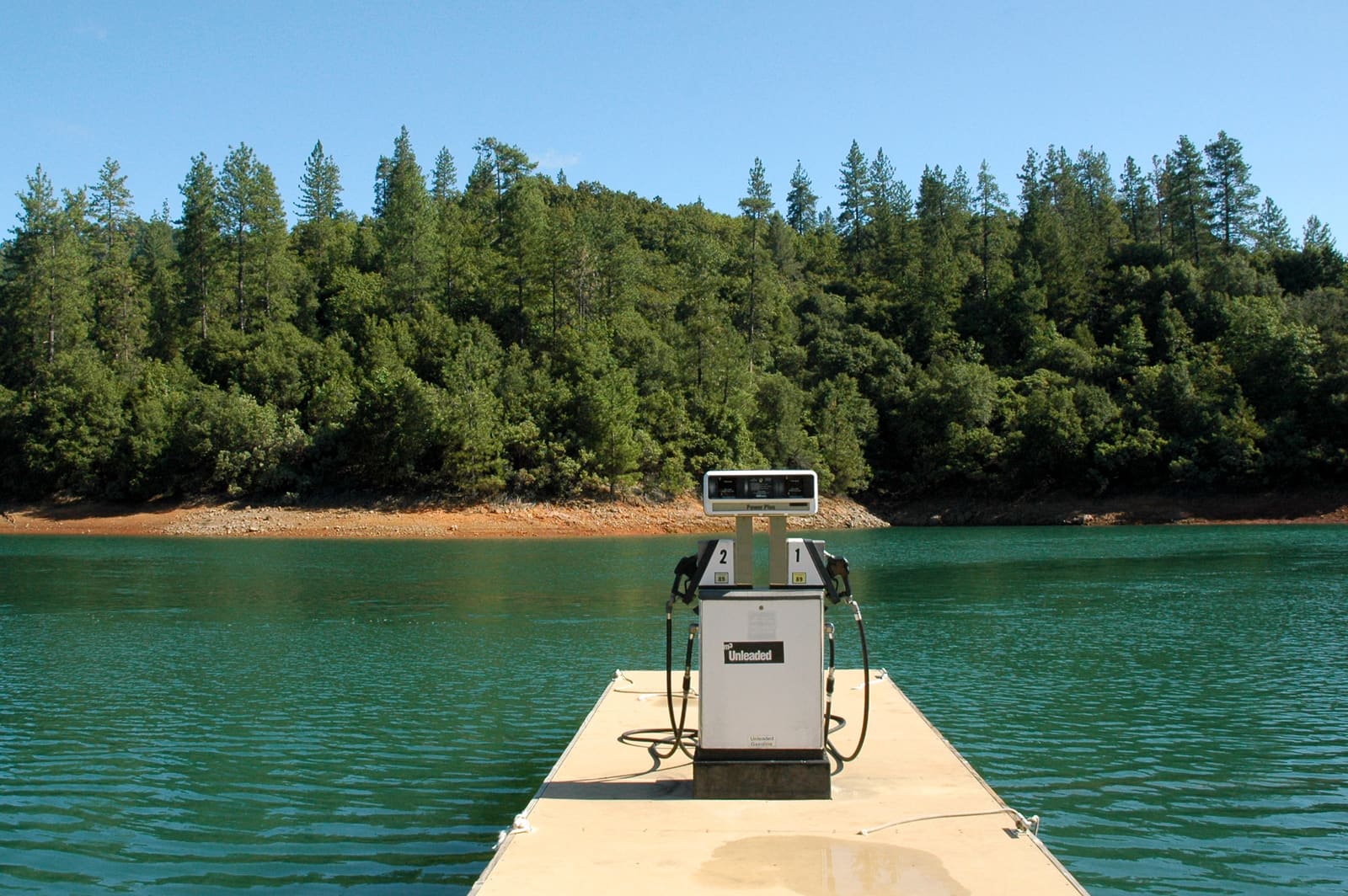
How to Inspect and Replace Boat Fuel Fill and Vent Hoses
Old fill and vent hoses crack, go soft and leak gasoline into the bilge, often where you can't see them. Learn the signs of aging, which USCG hose types (A1, A2, B1, B2) belong on fill and vent lines, why fill hoses need two clamps at each end, how to check the vent fitting, flame arrester and anti-spill devices, and how a careful replacement is done.
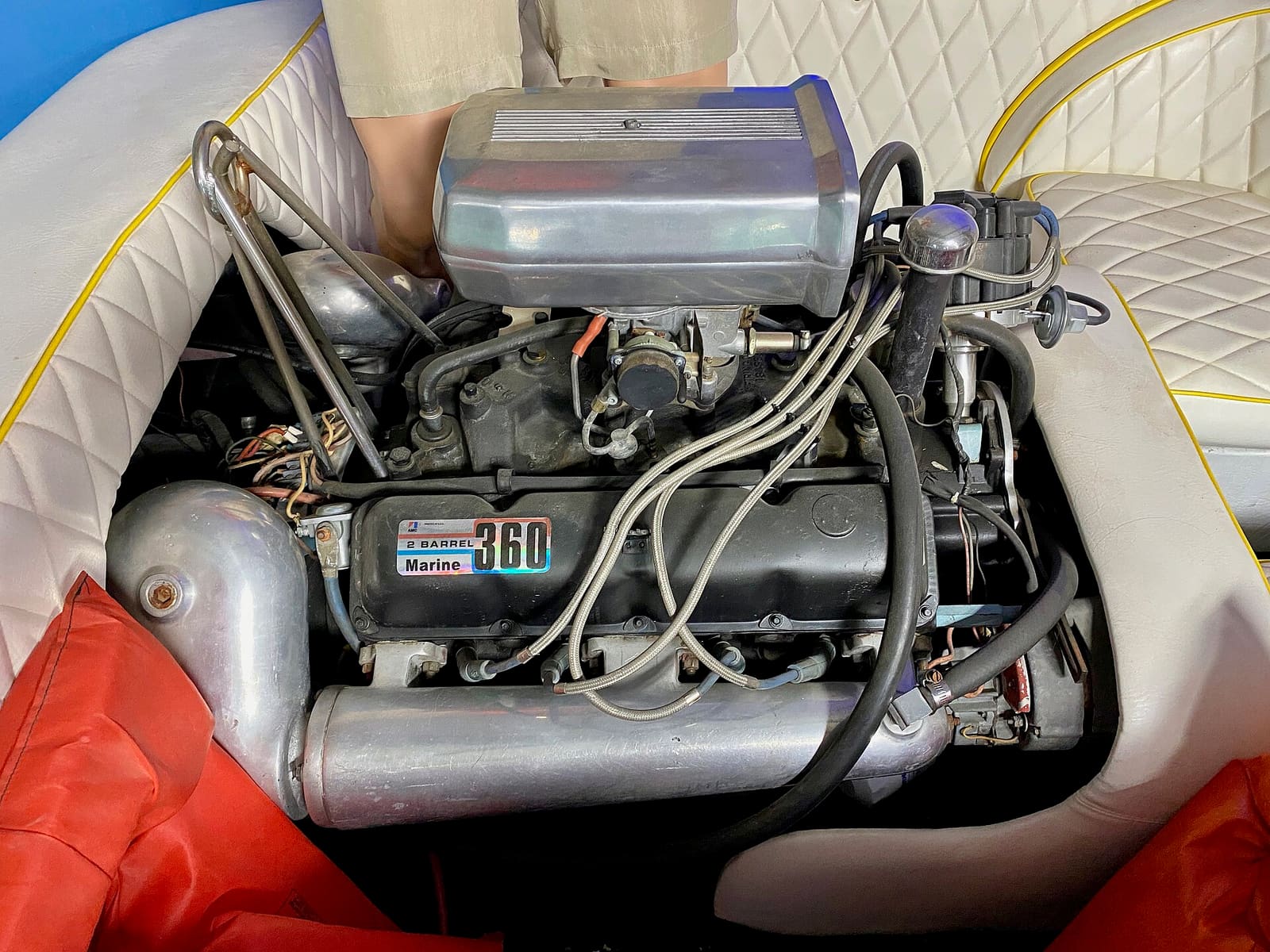
How to Inspect and Replace Exhaust Shutters and Flapper Valves
The rubber shutters inside a sterndrive's exhaust and the flappers at an inboard's exhaust outlet are one-way valves that keep water from washing back into the engine. Learn where they are, how they fail, how to check them every year, and why riser service is the perfect time to replace them.
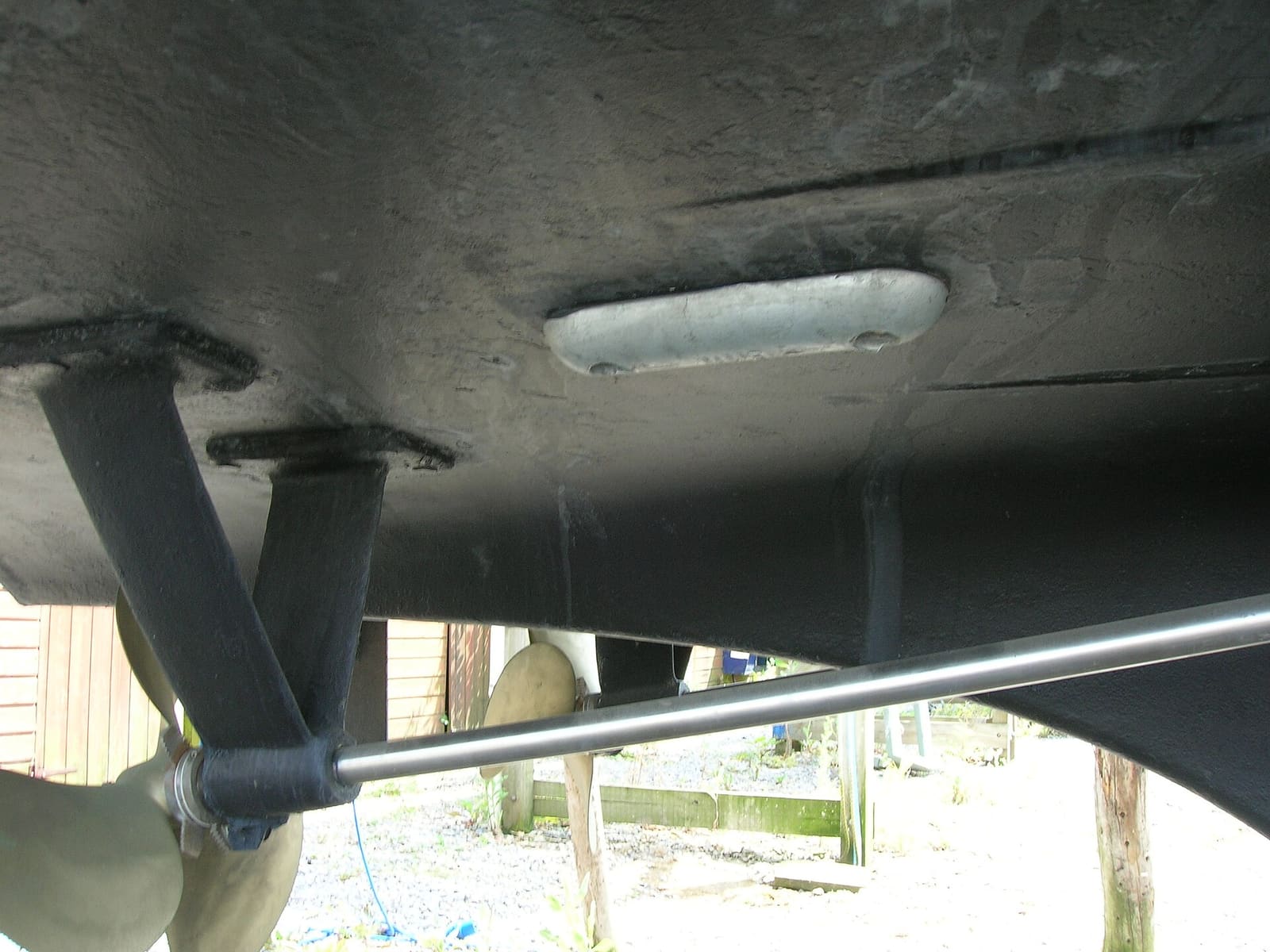
How to Inspect and Replace Sacrificial Anodes (Zincs)
Check the anodes on your outboard, sterndrive or inboard running gear, replace them when they are half gone, and choose the right metal for the water you boat in. Fresh anodes are cheap insurance against expensive corrosion damage to your lower unit, drive and prop.
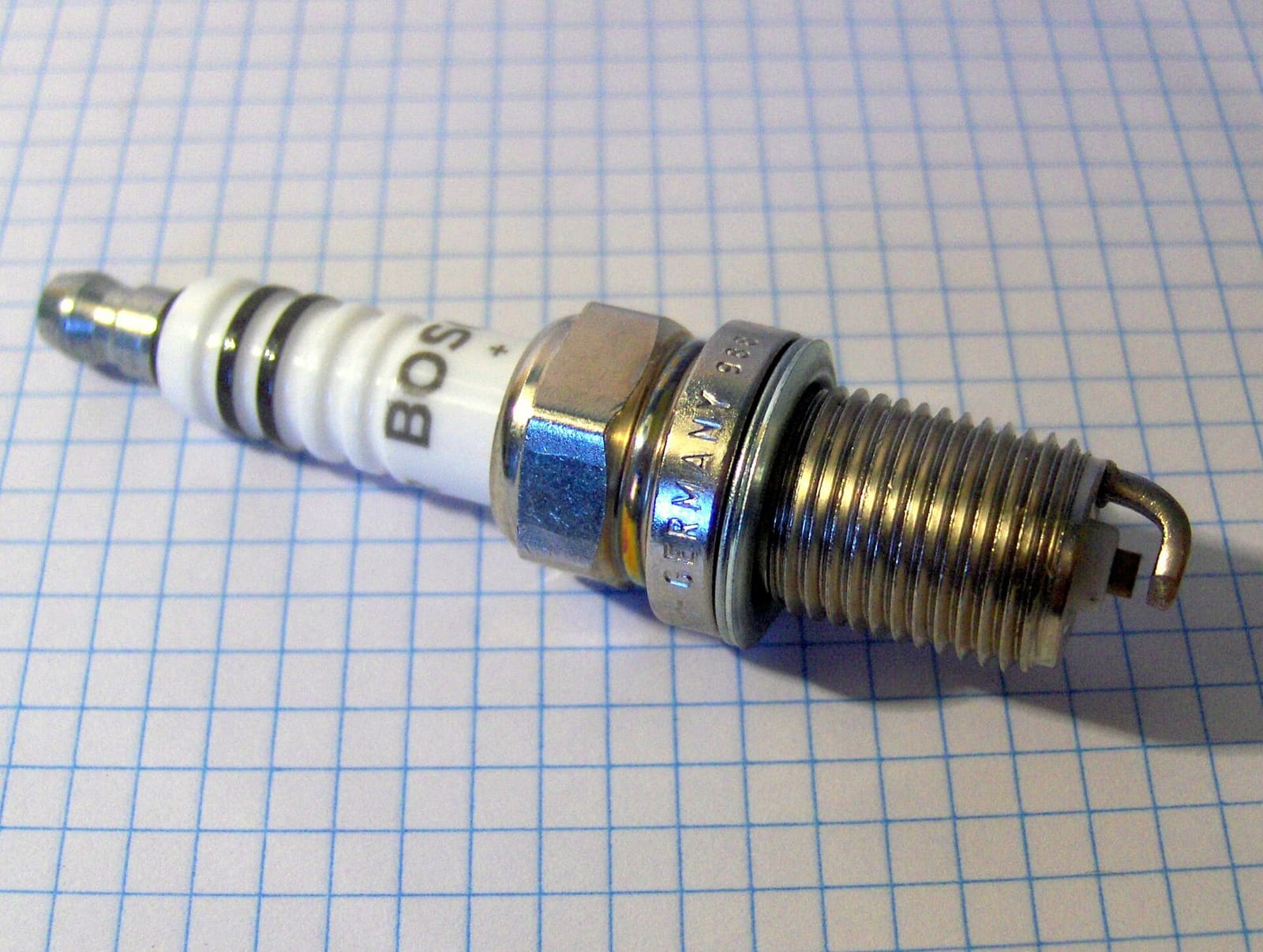
How to Inspect and Replace Spark Plugs
Pull, read and replace the spark plugs on a gas outboard, sterndrive, inboard or PWC. Fresh, correctly gapped plugs help the engine start easily and run smoothly, and the old plugs tell you a lot about the engine's health.
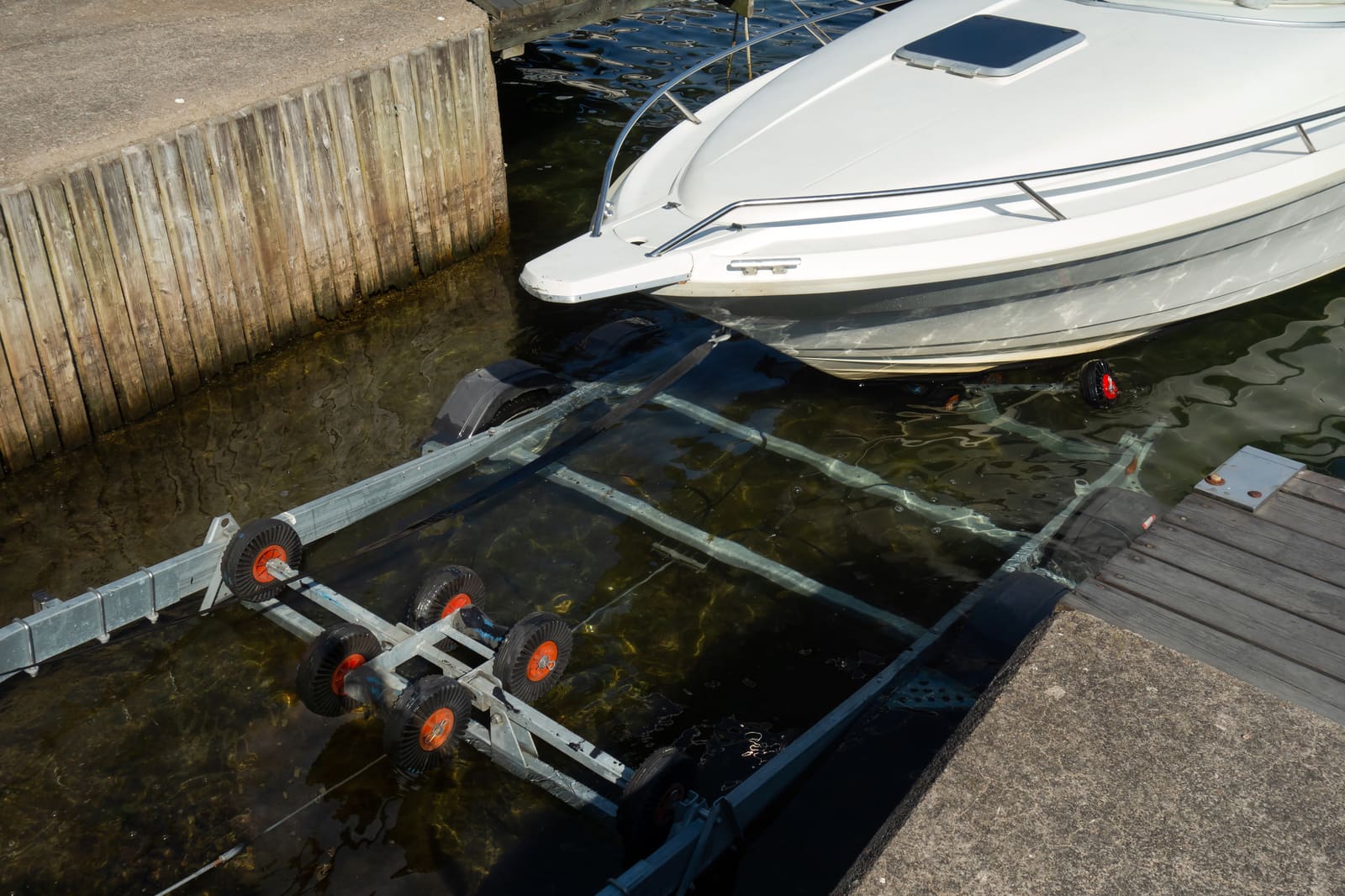
How to Inspect and Replace Your Bow Eye and Transom Eyes
Check the bow eye and transom tie-down eyes for rust, loose nuts and missing backing plates, and replace and reseal them properly, because a failed bow eye can let the boat slide off the trailer.
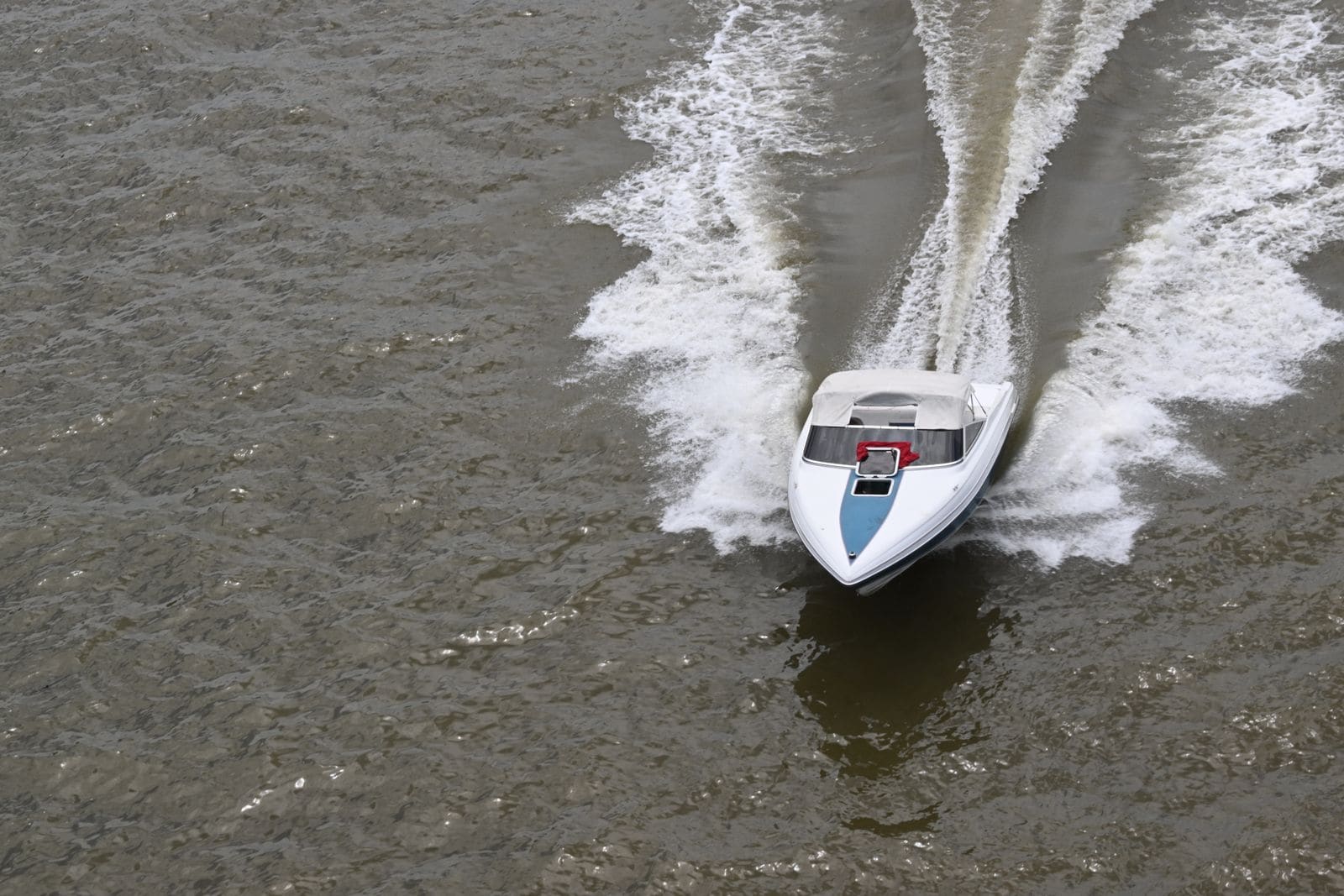
How to Inspect and Troubleshoot Hydraulic and Electric Trim Tabs
Keep your trim tabs working with a simple seasonal check of the blades, anodes, fluid, lines and wiring, and track down the usual faults when a tab won't move, only one side works, or the tabs stay stuck down.
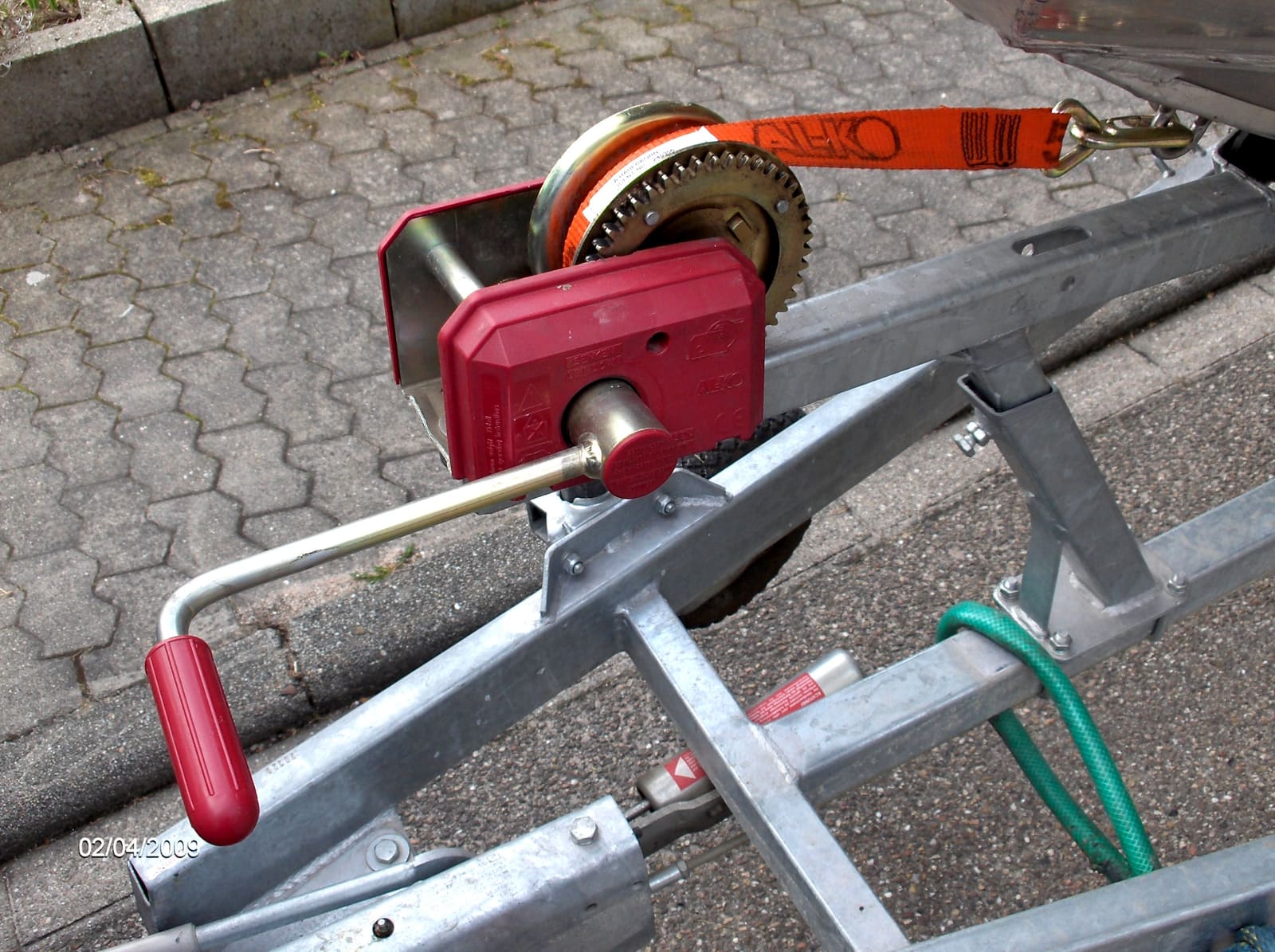
How to Inspect and Use the Trailer Winch, Strap, Tie-Downs and Safety Chains
Check the winch, strap or cable, bow safety chain, transom tie-downs and the safety chains to your vehicle, and learn how each one is meant to be used. These parts keep the boat on the trailer and the trailer behind your truck.
How to Inspect Boat Trailer Axles, Leaf Springs and Hangers
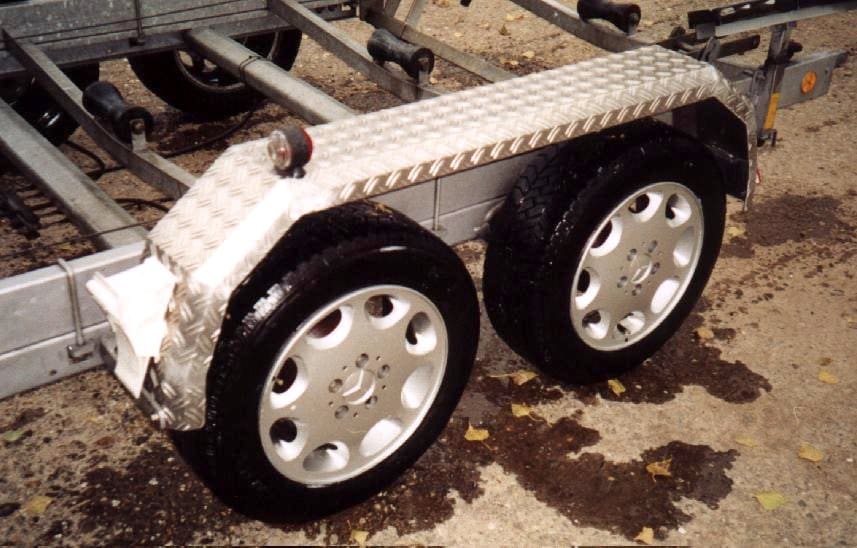
Check the parts that actually hold your boat off the road: the axle tube, leaf springs, hangers, shackles, bushings and U-bolts (or the rubber torsion axle on newer trailers). Learn what rust-through, broken leaves and worn shackles look like, how uneven tire wear points to a bent axle, and when it's time to replace instead of patch.
How to Inspect Engine Belts and the Tensioner on Sterndrives, Inboards and Diesels
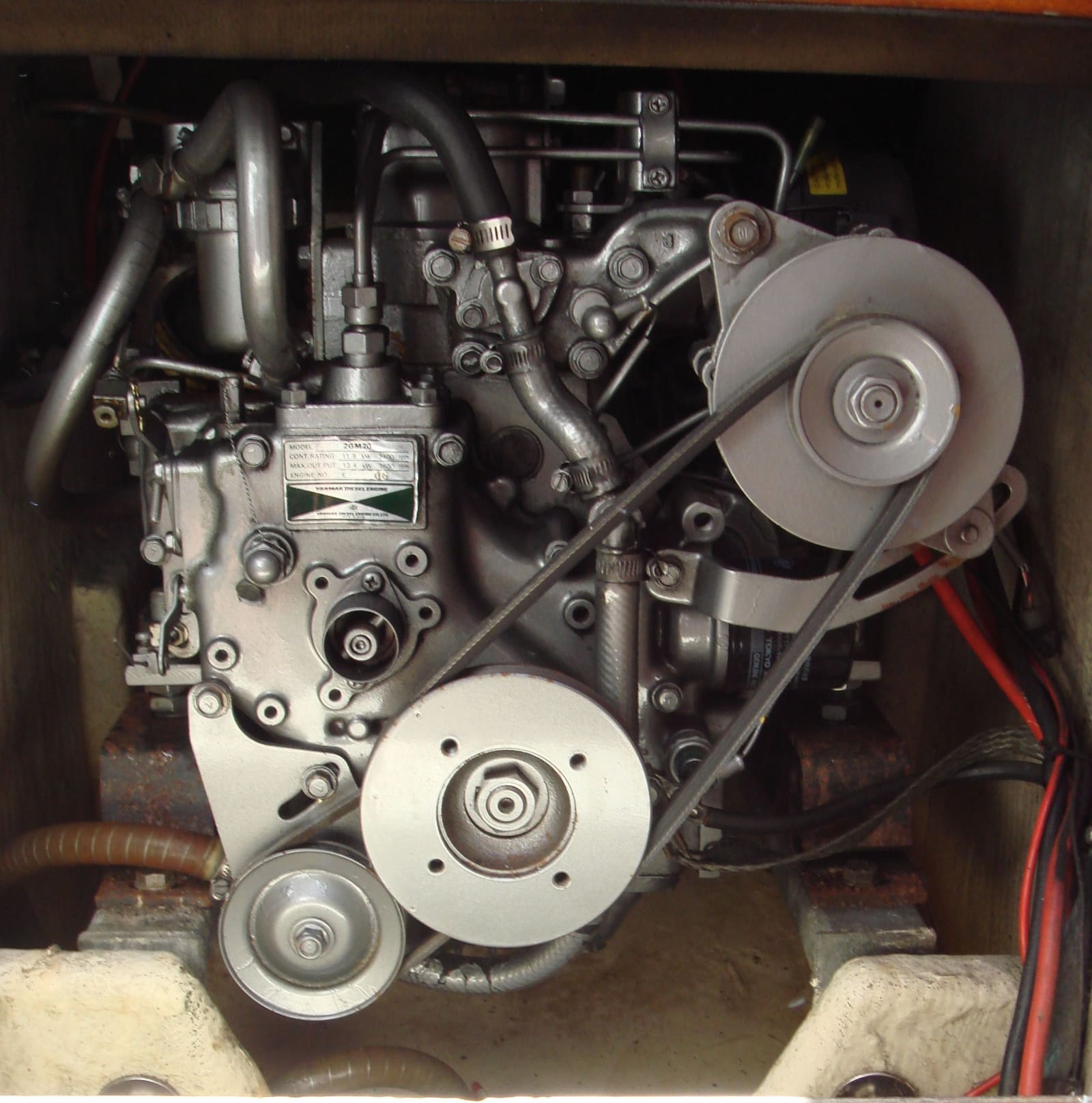
On many inboard, sterndrive and diesel engines, one belt runs the water pump, the alternator and often the power steering. If it breaks or jumps off, the engine overheats and the steering goes heavy at the same moment. Learn how to inspect the belt, tensioner and pulleys, check tension, and carry the right spare.
How to Inspect Exhaust Manifolds and Risers on a Sterndrive or Inboard
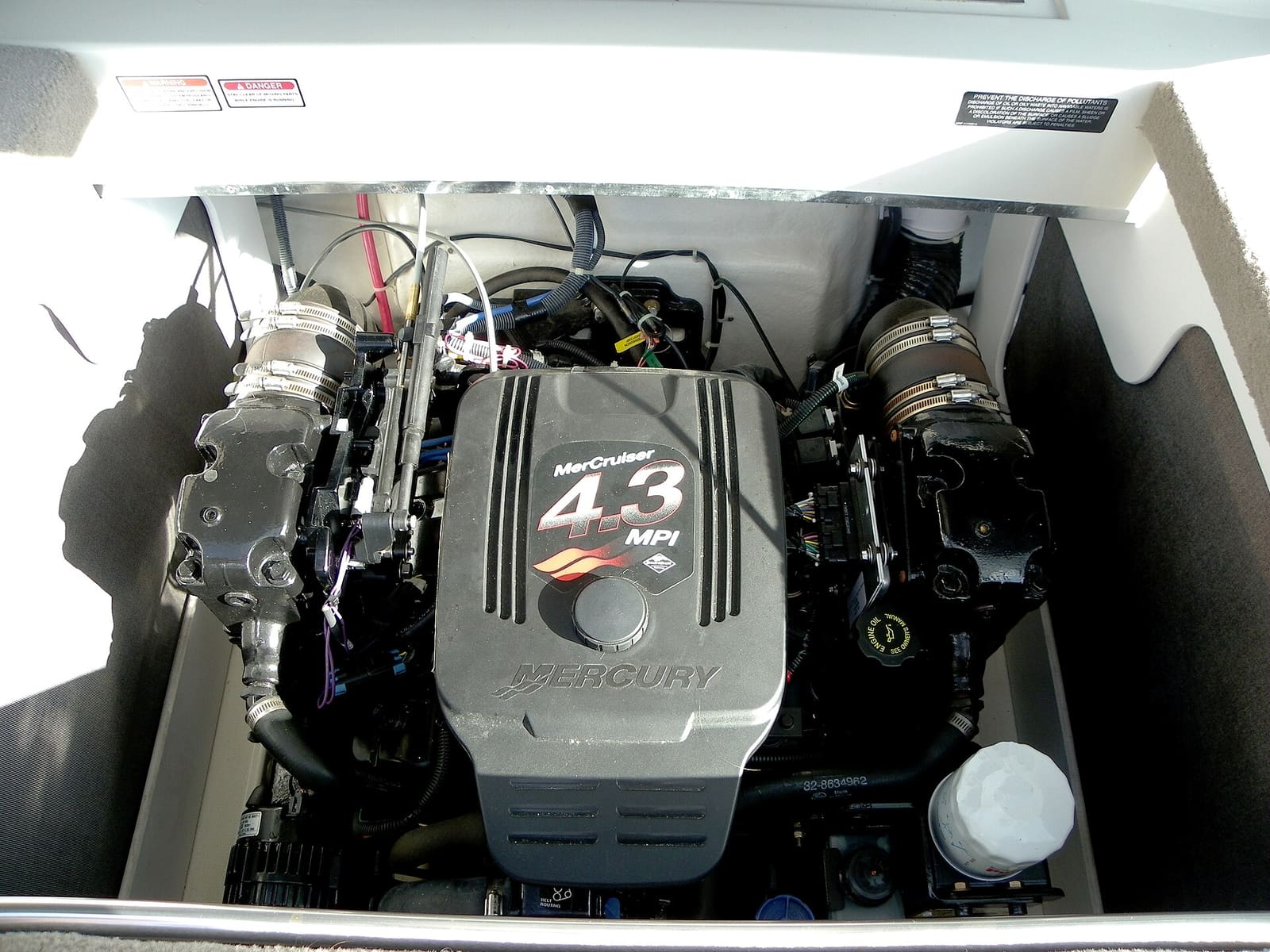
Cast-iron exhaust manifolds and risers rust from the inside, and when they fail they can let water into the cylinders and ruin the engine. Learn the warning signs, how often to inspect them in salt and fresh water, how to check a riser yourself, and when replacement is a job for a pro.
How to Inspect Wakeboard Tower, T-Top and Bimini Hardware
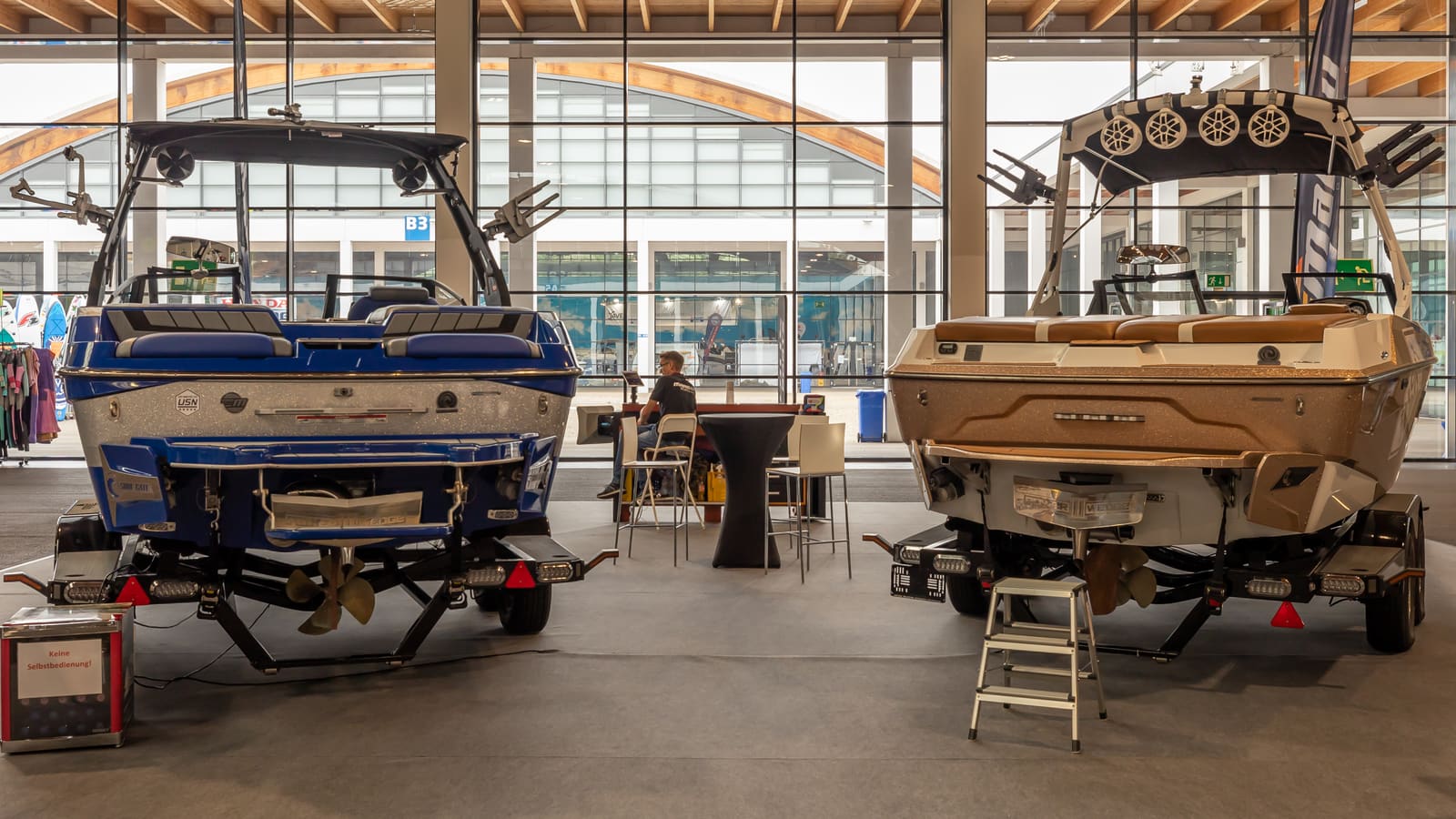
Towers, T-tops and biminis carry tow ropes, speakers, boards, electronics and wind loads, all on a handful of bolts. Learn how to check the welds, bases, backing plates, bolts, folding hinges and accessory loads before a crack or a loose bolt becomes an accident.
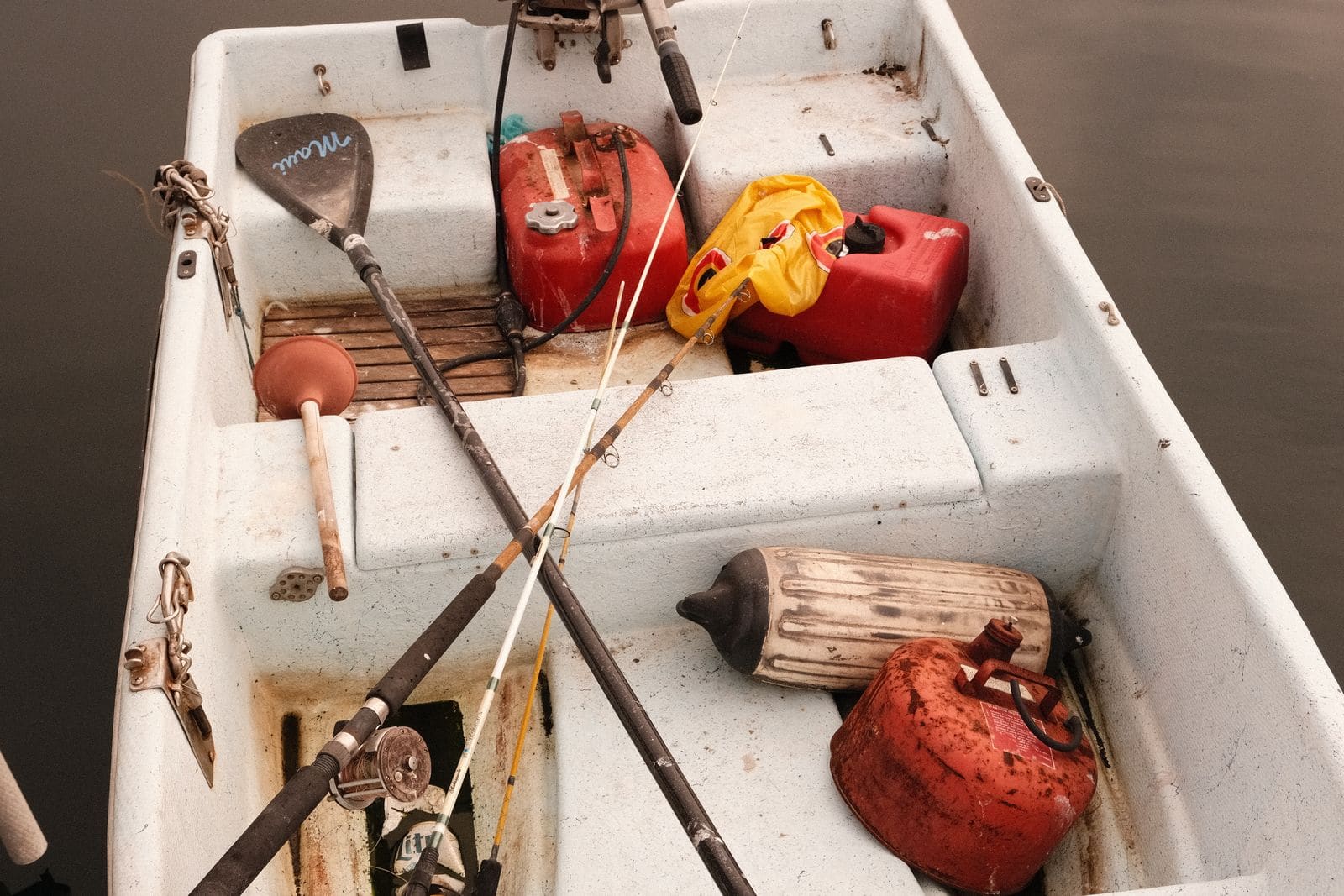
How to Inspect Your Boat's Fuel Tank, Fill, Vent and Hoses
A leaking gas tank is one of the most dangerous problems a boat can have, and it usually starts out of sight. Learn how to inspect portable and built-in tanks, spot aluminum tanks corroding from below, know the ethanol risk for old fiberglass tanks, and check the fill, vent, hoses, clamps and sender, plus why tank replacement is a job for a pro.
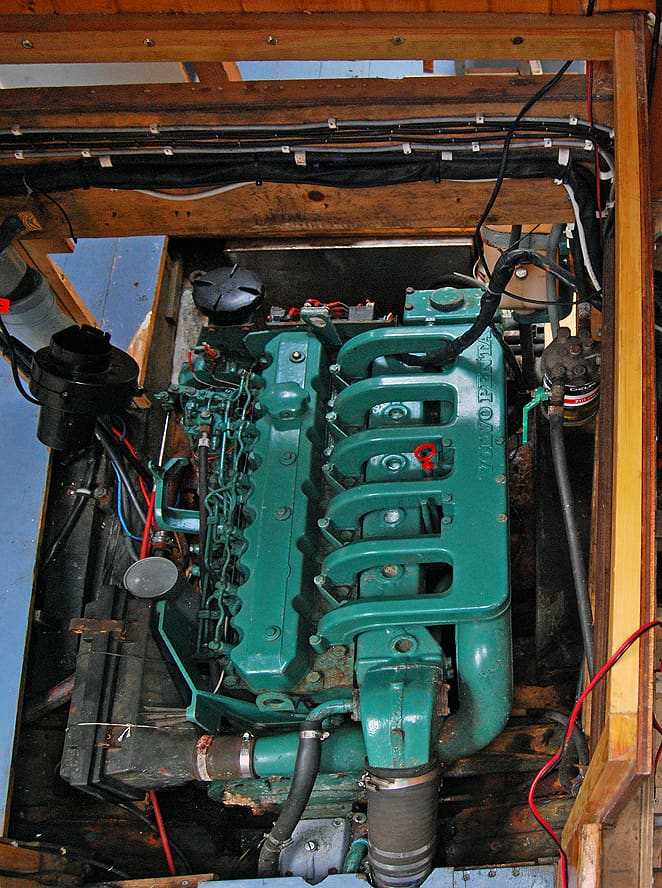
How to Inspect, Clean and Replace Vented Loops (Anti-Siphon Valves)
A vented loop is a small, easy-to-forget fitting that stops seawater from siphoning into your engine or through your head and into the boat. Learn where they live, why they must sit well above the waterline, how to clean a sticky or clogged valve, when to replace it, and how to spot the hydrolock damage a failed one can cause.
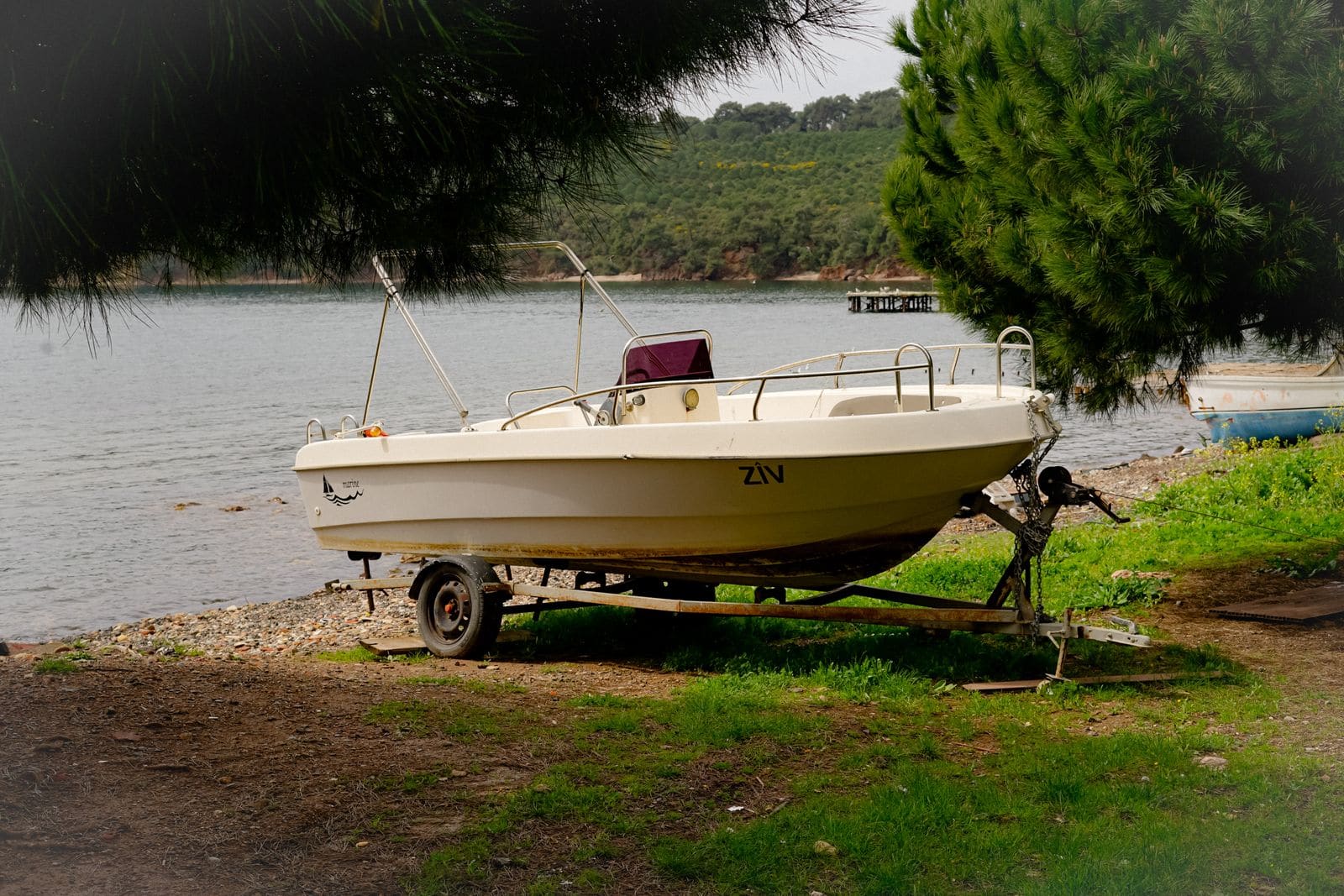
How to Inspect, Inflate and Replace Boat Trailer Tires
Check your trailer tires the way the pros do: the right type (ST), the right load range, the right cold pressure, and an honest look at their age. Tires are the number one reason boat trailers end up on the side of the highway.
How to Install a Backup Bilge Pump and High-Water Alarm
Add a second, larger automatic bilge pump mounted above the primary, with its own overboard discharge and a loud high-water alarm wired so it works even with the battery switch off, then test it every month so it buys you real time if the boat starts taking on water.
Safety: BoatMend is for information only and does not replace a certified marine technician. You are responsible for your safety and your boat. Read the full disclaimer.