Closed-Cooled Gas Engines: Why the Exhaust Elbows Still Need Checking
Closed (freshwater) cooling protects the block, but on gas sterndrives and inboards the exhaust elbows or risers, and on some systems the manifolds, are still cooled by raw water. Learn which parts still see salt or lake water, the warning signs, what the engine makers and BoatUS say about intervals, and how to inspect and look after them.
Time
1 h 30 min
Shop would charge
$800-3000
Applies to
Sterndrive (I/O), Gas inboard · Bowrider / runabout, Cabin cruiser, Fishing boat, Yacht
Safety first: A leaking elbow, riser, gasket or exhaust hose can fill the boat with carbon monoxide (CO), which you can't see or smell and which can kill in minutes. If anyone feels headachy, dizzy or sick, shut the engine off, get everyone into fresh air and call 911 or the Coast Guard on VHF channel 16. Keep CO alarms working. A rusted-through elbow can also let water into the cylinders and destroy the engine, so if the engine knocks or won't turn over fully, stop cranking. Never remove an elbow or exhaust hose with the boat in the water: an open exhaust is a direct path for water into the hull.
Fuel smell, water coming in, CO alarm or smoke? Stop, get everyone in life jackets and call USCG on VHF 16 or 911. For a tow: Sea Tow or TowBoatUS.
Owners often ask
- My engine has closed cooling. Do I still need to worry about the exhaust elbows and risers?
- Do I need to flush a closed-cooled or SeaCore engine after running in salt water?
This guide walks you through it. Still stuck? Ask the AI Mechanic about your engine.
Tools
- Your engine owner's and maintenance manual
- Flashlight and inspection mirror
- Infrared (IR) thermometer
- Phone camera and masking tape for labels
- Screwdrivers and sockets for hose clamps and heat exchanger end caps
- Flushing attachment approved for your engine and drive
- Safety glasses and gloves
Parts & supplies
- Heat exchanger zinc anode(s), end cap gaskets or O-rings (if your engine uses them)
- Coolant of the type your manual specifies
- Raw-water pump impeller for your engine
- Gasket set for your exact engine and cooling type (only when elbows or manifolds come off)
- Marine-grade stainless hose clamps
Before you start
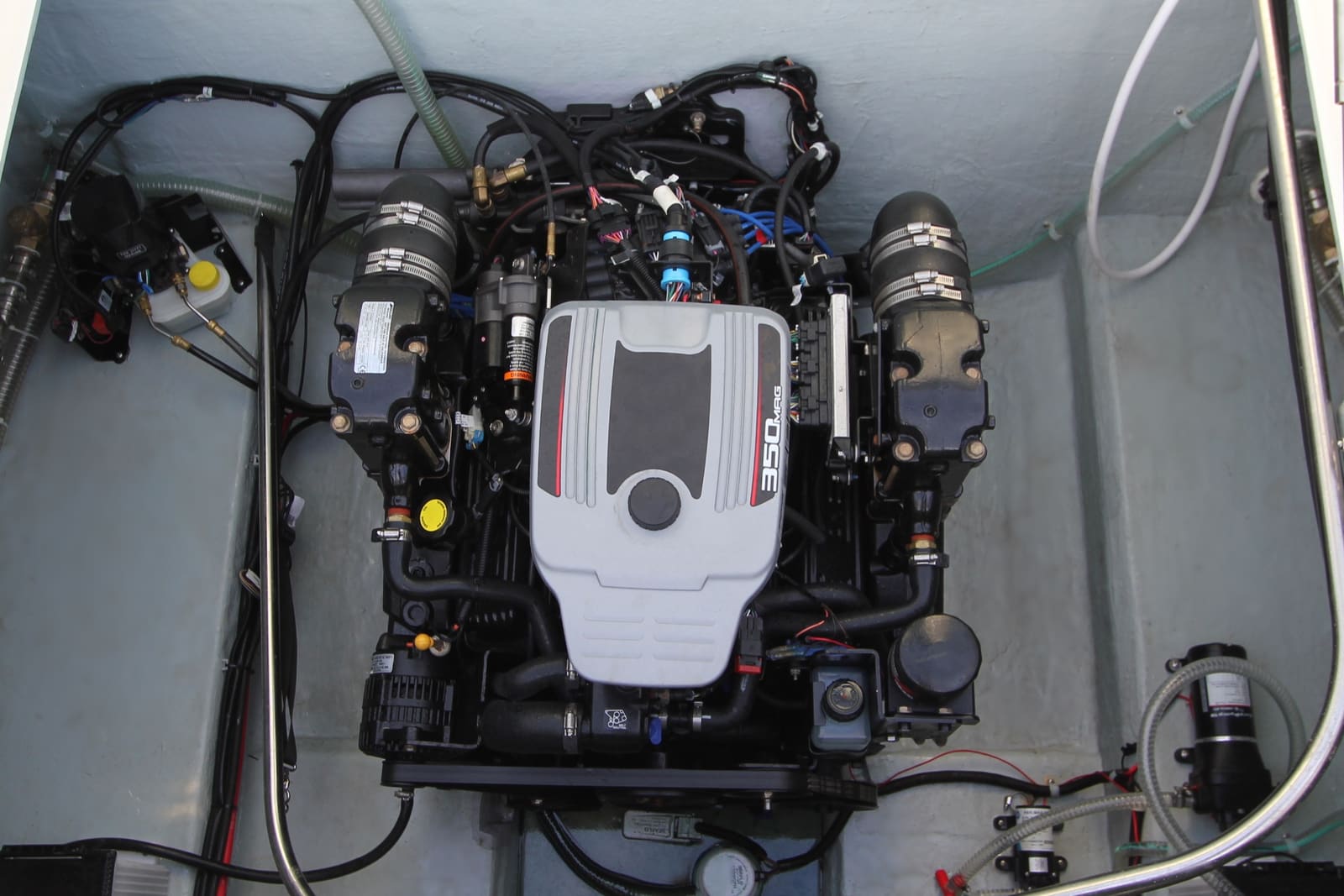
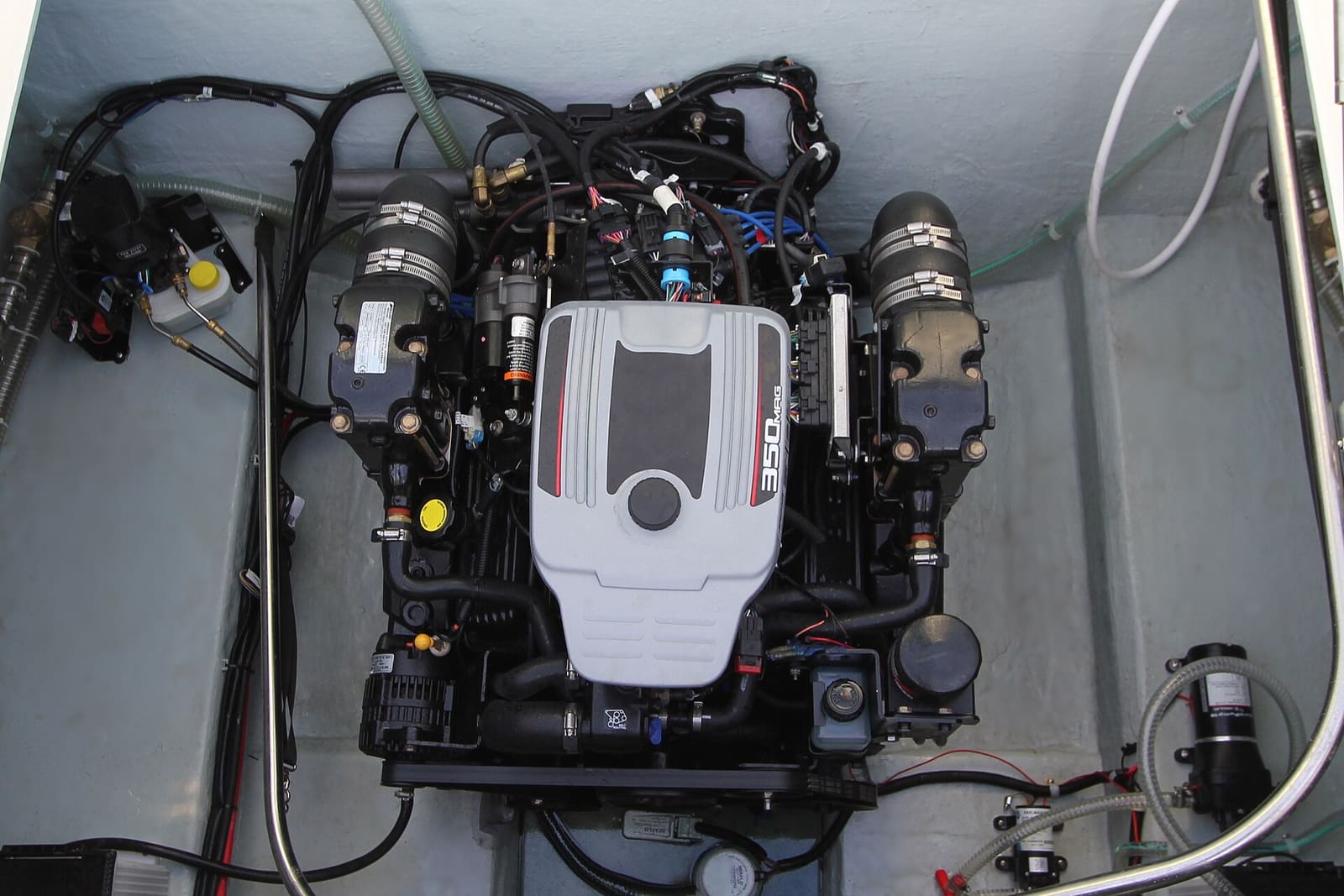
What "closed cooling" covers, and what it doesn't. On a closed-cooled (freshwater-cooled) gas sterndrive or inboard, a mix of antifreeze and water circulates through the block and heads, much like a car. Raw (lake or sea) water is still pulled in by the raw-water pump and used to cool that coolant in a heat exchanger. Discover Boating notes closed cooling is common on larger boats and many modern sterndrives.
But the raw water still has a job after the heat exchanger: it's dumped into the exhaust to cool the hot gas before it reaches the rubber exhaust hose. That happens in the exhaust elbows or risers, the cast parts at the back of each manifold. BoatUS puts it plainly: even after a freshwater cooling conversion, risers are always raw-water cooled, so they still need regular inspection.
There are two common layouts (your manual shows which you have):
- Full closed cooling: coolant runs through the block, heads and exhaust manifolds; raw water only flows through the heat exchanger, a few coolers and the elbows. BoatUS notes coolant-cooled manifolds usually last much longer than raw-water ones.
- Half (partial) closed cooling: coolant runs through the block and heads, but the manifolds are still raw-water cooled, so they age like a raw-water engine's manifolds.
Parts that still see raw water on most closed-cooled gas engines: the water pickup, the raw-water pump and its impeller, the hoses, the heat exchanger tubes (and often power steering, fuel or oil coolers), the elbows or risers, the exhaust hoses and, on half systems, the manifolds.
About SeaCore. Mercury's SeaCore package for MerCruiser engines is built for salt water, with closed cooling and corrosion-resistant parts. Mercury gives SeaCore sterndrives a four-year limited corrosion warranty instead of three. But Mercury also says SeaCore engines should still be flushed to clear salt water from the heat exchanger and the exhaust. Closed cooling and SeaCore slow corrosion; they don't make the exhaust maintenance-free.
Why elbows fail. They're iron (or aluminum on some engines) with hot, acidic exhaust on one side and hot raw water on the other. BoatUS explains that risers usually fail before manifolds because the water is hottest by the time it reaches them, which speeds corrosion and makes salt stick to the walls, and their top and aft sides see water and air together. Once the wall between the water side and the gas side rusts through, water can run into an exhaust port while the engine sits and rust the cylinder or hydrolock the engine.
Steps
Look for a coolant reservoir or pressure cap and a heat exchanger (a metal cylinder with hoses at both ends, often near the front of the engine). Then check your owner's manual or ask a dealer, giving the engine serial number, whether it's a full or half closed system, and whether the elbows are iron or aluminum. Write it in your BoatMend boat profile. Everything below depends on it.
There's no single number for every engine. Here's what the sources say (typical; confirm in your manual):
- Mercury (MerCruiser): change closed-cooling coolant every 5 years; flush with fresh water after every saltwater use, SeaCore engines included. MerCruiser maintenance schedules also call for inspecting the cooling and exhaust systems for damage and leaks at regular service intervals and cleaning the seawater side of the closed cooling system less often. Your manual's table gives the hours and years for your model.
- BoatUS, risers and elbows: remove and inspect them roughly every year once they're three to five years old in salt water, and about every other year in fresh water. In practice, BoatUS reports Florida boats may get only two or three years from risers, Maine boats five or six, and freshwater boats a few more.
- BoatUS, manifolds: inspect at least every two to four years, more often in salt water. That matters most on half systems with raw-water manifolds. BoatUS's 2019 manifold article treats a raw-water-cooled manifold as a service part with a typical life of about six to eight years, as little as three with heavy salt-water use and up to about 20 on a lightly used freshwater boat; manifolds cooled by the engine's coolant usually last much longer. It also warns that rust scale can block passages inside and create hot spots that never show on the temperature gauge.
- Diesel and generator makers for comparison: Westerbeke's published schedule lists a check of the water-injected exhaust elbow every 500 hours, and Northern Lights recommends a visual check of a generator's wet elbow once a year. Use them as a sense of scale, not as a schedule for your gas engine.
Put your engine's intervals into your BoatMend maintenance plan so you get reminders.
- Water with the exhaust. You should see and hear a steady flow of water at the exhaust outlets. Less water than usual, steam, or a change in the exhaust sound is worth investigating.
- The gauges, all of them. On closed-cooled engines, a scaled-up elbow restricts raw-water flow at the very end of the system. Some newer engines have exhaust temperature sensors and will warn you or cut power (Mercury's Engine Guardian, for example) after a few minutes at speed, even though the coolant temperature looks normal. Owners often chase thermostats and coolant first; on a closed system, think about the raw-water side and the elbows too.
If the temperature alarm goes off, follow the overheat alarm response guide first.
With the engine off and cool, use a flashlight and mirror on each elbow or riser and the joint where it bolts to the manifold. Warning signs:
- Rust streaks, bubbling paint or flaking metal, especially on the top and aft side.
- Weeping water, rust or white salt crust at the manifold-to-elbow joint. BoatUS says a gasket leaking to the outside often leaks to the inside soon after, so don't wait on it.
- Cracked, soft or scorched exhaust hoses, and rusty or loose hose clamps.
BoatUS also notes that rust on the outside of a manifold or riser often means damaging rust on the inside.
Run the engine to normal temperature on the water (or on the flushing setup your manual approves). Use an IR thermometer to compare the same spot on the port and starboard elbows and the exhaust hoses just behind them. BoatUS suggests that one side running noticeably hotter can mean clogged water passages on that side. No thermometer? BoatUS's engine inspection article describes a rough check: flick a few drops of water onto the top of each riser and watch; if the drops vanish much faster on one side, that side is getting less water. Keep hands, sleeves and hair clear of the belts while the engine runs. Note the readings in your log: a change from season to season is more useful than any single number.
The heat exchanger is the main raw-water component on a closed system.
- Zinc anode: many heat exchangers have a zinc "pencil" under a threaded plug that protects the tubes. BoatUS says to check it at least once a year: scrape it bright if lightly corroded, replace it if it's heavily eaten or gone. Some engines don't use one; your manual says.
- Raw-water side: over time the tubes collect scale, shell bits and impeller pieces, which cuts flow to the elbows as well. Clean the seawater side at the interval your manual gives, with the seacock closed and the engine cold. The Coast Guard's 2026 safety alert on overheat alarms makes the same point: heat exchangers (and oil coolers) need periodic service so they keep working and don't foul or leak, and a clogged raw-water strainer shortens impeller life.
A tired impeller moves less water. On a closed system the coolant may still look fine for a while, but the elbows and exhaust hoses get less of the water that keeps them cool. Replace the impeller on your engine maker's schedule and after any time the engine ran dry or sucked up sand or mud (see the impeller guide). On many engines the raw-water pump or the circulating pump is belt-driven, and BoatUS notes a broken belt can cause a sudden temperature rise; check belt condition at the same time.
Check the coolant level only with the engine cold. Use the coolant type your manual specifies; Mercury calls for a 50/50 antifreeze and water mix in closed cooling, never plain water, even in warm climates, for corrosion and boil-over protection. Change it on schedule (every 5 years on MerCruiser closed cooling, per Mercury). The closed cooling coolant guide covers testing and changing it.
Mercury recommends flushing after each saltwater use, and specifically says SeaCore engines should be flushed to clear salt from the heat exchanger and exhaust. Use the method your manual allows. Mercury notes that its MerCruiser flush kits work with the boat in or out of the water on Bravo, inboard and towsport engines, the Alpha flush kit only out of the water, and that the engine must be running whenever a flush kit is used. Never run a sterndrive or inboard without its cooling water supply.
Closed cooling protects the block from freezing, but the raw-water side (pump, heat exchanger tubes, coolers, hoses and, on half systems, the manifolds) can still hold water that freezes and cracks parts. Mercury requires propylene glycol antifreeze with a rust inhibitor in the seawater section of MerCruiser engines for storage. Follow your manual's draining or filling procedure (see the sterndrive winterizing guide).
When the age or warning signs say it's time, the elbows come off. On some engines this is a reasonable DIY job; on closed-cooled engines it's often easier to have a technician do it, because hoses, sensors and gaskets differ between cooling layouts. Either way:
- The boat must be out of the water. Plug the open exhaust hoses and tie them up above the waterline; BoatUS reports boats sink every year because exhaust ports were left open.
- Look at the water passages (open or scaled shut?), probe for flaking rust with a screwdriver, and check the gas side: expect black carbon, but any rust in the gas passage means water has been getting in.
- Check the mating faces for pitting. A pitted face will leak again even with a new gasket.
- Use the exact gasket set for your engine and cooling type. On many closed systems the gasket between manifold and elbow keeps the coolant in the manifold separate from the raw water in the elbow, while raw-water and half systems use gaskets that let water pass. The wrong gasket can mix coolant and raw water, block flow, or let water into the exhaust.
- Replace elbows or risers in pairs, as BoatUS recommends, and tighten bolts in the sequence and to the torque in your service manual.
The exhaust manifold and riser guide has the full step-by-step for removal and inspection.
Stop and call a mechanic if you notice:
- Hard starting, a knock or clunk when cranking after the boat has sat, or white smoke at start-up (BoatUS lists these as signs of water in the cylinders).
- Milky or gray engine oil on the dipstick.
- A spark plug that looks wet, rusty or steam-cleaned compared with the others.
Don't keep cranking an engine that knocks or won't turn a full revolution. Each attempt can bend a connecting rod.
Write down the date and hours when elbows, manifolds, gaskets, impeller, zinc and coolant were last done, plus what the old parts looked like. BoatUS points out that manifold damage from corrosion is usually not covered by insurance, so planned replacement is far cheaper than an engine.
Common mistakes
- Assuming "closed cooling" or "SeaCore" means the exhaust never needs inspection.
- Chasing a thermostat or coolant problem when the elbows or heat exchanger are scaled up.
- Skipping the freshwater flush after salt because the block is on coolant.
- Forgetting the heat exchanger zinc for years.
- Using a raw-water style gasket on a closed system (or the reverse) when replacing elbows.
- Replacing just the one elbow that leaked.
- Winterizing the coolant side and forgetting the raw-water side.
- Removing an elbow with the boat in the water, or leaving an exhaust hose unplugged overnight.
- Topping up coolant on a hot engine.
When to call a pro
- Exhaust temperature warnings, reduced power or overheating at speed with normal coolant temperature
- Rust in the gas side of an elbow or manifold, or a pitted mating face
- Milky oil, a wet plug, a knock on start-up or an engine that won't turn over fully
- Any exhaust leak or CO alarm (fresh air first; 911 or VHF 16 in an emergency)
- Seized or broken bolts, or tight engine bays where access is poor
- Converting a raw-water engine to closed cooling (a dealer should confirm parts and gaskets)
- On the water with an overheating or smoking engine: shut down and call TowBoatUS or Sea Tow
Tips
- Ask the shop to show you the old elbows when they come off. The amount of scale tells you how soon to plan the next set.
- Keep the IR thermometer readings from step 5 in your log; they make slow clogging visible long before an alarm.
- If you're buying a used boat with closed cooling, ask when the elbows were last replaced and get it in writing. No records means plan on doing them.
- Salt-water boats kept in the water all season wear exhaust parts fastest. A consistent flush routine is the cheapest protection you have.
Official references
We read these to write this guide. Your engine's own manual always wins.
- BoatUS Magazine – Inspecting Exhaust Manifolds and Risers
- BoatUS – Exhaust Manifolds
- BoatUS – Inspecting Marine Gasoline Engines (riser water-drop check)
- BoatUS Magazine – Exhaust Manifolds (life expectancy and warning signs, 2019)
- BoatUS – Heat Exchanger Maintenance
- US Coast Guard – Marine Safety Alert 07-26, Responding to an Engine High Temperature Alarm (heat exchanger and strainer maintenance)
- BoatUS – What If Your Temperature Gauge Spikes? (belt, injection nipple)
- Mercury Marine – Owner FAQs (closed cooling coolant, flushing, SeaCore corrosion warranty, flush kits)
- Mercury Marine – Maintenance Made Easy, Preventing Corrosion (flushing SeaCore engines)
- Discover Boating – The Ultimate Guide to Boat Engine Cooling Systems
- Westerbeke – Maintenance FAQ and schedule (exhaust elbow check)
- Northern Lights – Top 10 Generator Maintenance Tips and Tricks (wet elbow, heat exchanger)
Safety: BoatMend is for information only and does not replace a certified marine technician. You are responsible for your safety and your boat. Read the full disclaimer.
Last updated 2026-10-24
Related guides
How to Inspect Exhaust Manifolds and Risers on a Sterndrive or Inboard
Cast-iron exhaust manifolds and risers rust from the inside, and when they fail they can let water into the cylinders and ruin the engine. Learn the warning signs, how often to inspect them in salt and fresh water, how to check a riser yourself, and when replacement is a job for a pro.
How to Check and Change Coolant in a Closed Cooling System
Check, test and change the coolant in a freshwater-cooled (closed cooling) inboard, sterndrive or diesel, and learn the heat exchanger basics that keep it working. Old coolant quietly eats hoses, pumps and engine passages, and many boats go a decade without a change.
Overheat Alarm: What to Do in the First 60 Seconds
A short, practiced routine for the moment the temperature alarm goes off: take the load off, look for cooling water, shut down if it isn't there, and check every space the exhaust runs through for heat or fire. Based on a June 2026 Coast Guard safety alert about a fatal fire that started with an overheat alarm.
Engine Overheating - Troubleshooting Guide
Work through the most likely causes of a hot engine or overheat alarm, from a blocked water intake to a worn impeller or stuck thermostat. Acting fast and in the right order can save your engine and often gets you home without a tow.
How to Replace the Water Pump Impeller
Replace the rubber impeller that pumps cooling water through your engine, the part most often behind overheating. On many outboards it is a two-hour driveway job that saves a shop bill of several hundred dollars and prevents far costlier heat damage.
How to Winterize a Sterndrive (MerCruiser, Volvo Penta and Similar)
Get the water out of your sterndrive engine, protect it with antifreeze, and service the drive before storage. A cracked block or manifold from one missed drain plug can cost thousands, and doing it yourself saves a shop bill of several hundred dollars.
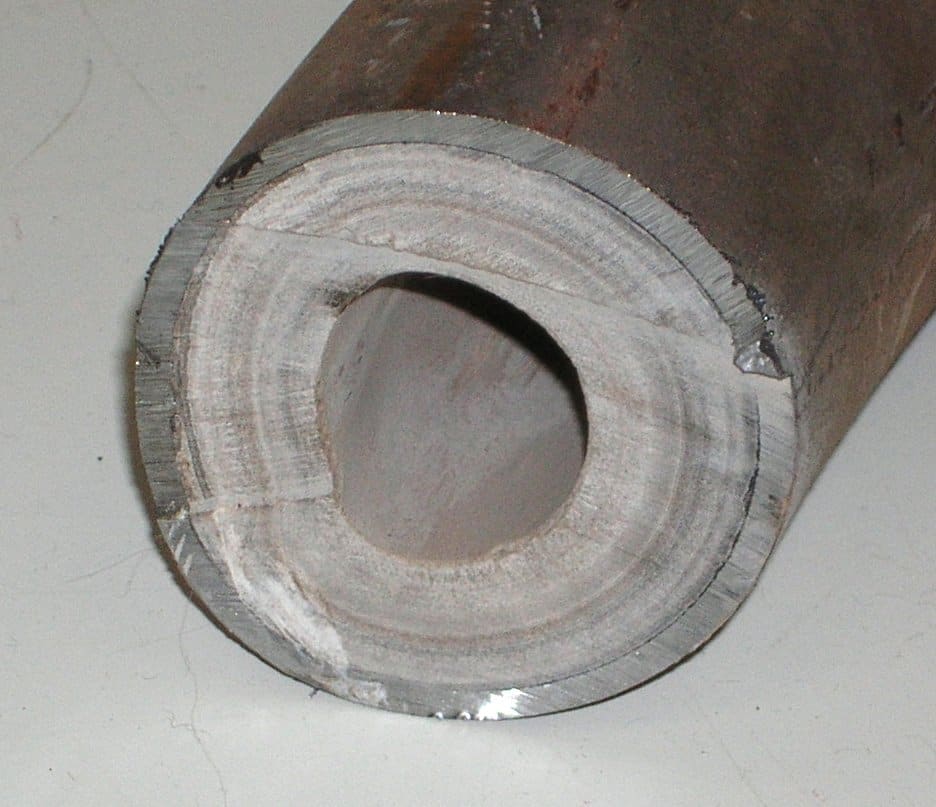
Salt and Scale in Raw-Water Cooling: Flushing Habits, Descaling and When It's a Shop Job
Learn how salt and scale slowly narrow your engine's cooling passages, how to spot the warning signs (a temperature that creeps up over seasons, a weak telltale, thermostats sticking), the flushing habits that prevent it, which descaling products and methods engine makers accept, what never to pour through an engine, and when to hand the job to a shop.
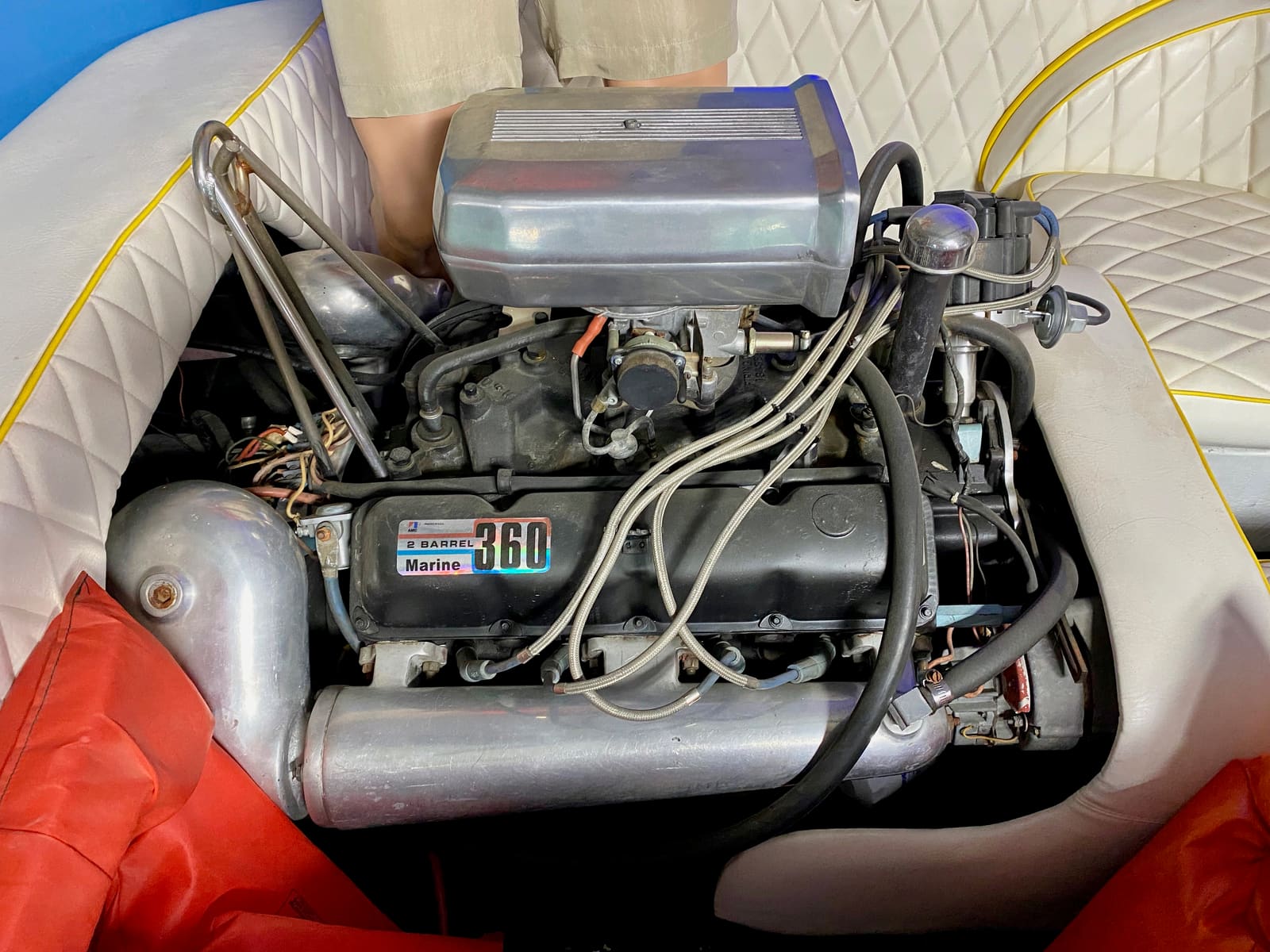
Milky Engine Oil or Water in the Oil - What It Means and What to Do
Milky, creamy or rising engine oil usually means water is getting into the engine. Learn why you should stop running it right away, how to tell harmless condensation from a real leak, and which parts are the usual suspects: head gaskets, exhaust risers and manifolds, intake manifold gaskets, oil coolers and freeze cracks.
Carbon Monoxide on Boats: Where It Comes From, CO Alarms and Warning Signs
Carbon monoxide can build up in cabins, under canvas and around the swim platform, and its first symptoms look like seasickness. Learn the danger zones, where to mount marine CO alarms, how to test and replace them, and exactly what to do if an alarm sounds or someone feels sick.
Sterndrive Corrosion: Paint Blisters, Anodes, MerCathode and Galvanic Isolators
Learn to spot the early signs of corrosion on an aluminum sterndrive, check the anodes and the MerCathode or Volvo Penta ACP system, and understand when a galvanic isolator or a hull potential test is needed. Caught early, corrosion costs a few anodes; caught late, it can cost the whole drive.
How to Test and Replace the Engine Thermostat
Find, test and replace the thermostat that controls your engine's operating temperature. A stuck thermostat can make an engine overheat or run too cold. On most outboards and many sterndrives it is a one-hour job with basic tools.