Galley Stove Safety: Propane, Alcohol and Electric Cooktops Aboard
Cook aboard without fires or carbon monoxide scares by ventilating the galley, storing fuel the right way, checking flame-failure devices, using gimbals and pot holders, keeping an extinguisher and fire blanket in reach and never using the stove to heat the cabin.
Time
45 min
Shop would charge
$150-500
Applies to
All engines · Cabin cruiser, Yacht, Sailboat
Safety first: If you smell propane (a rotten-egg odor), turn off the stove and the tank valve or solenoid, put out every flame, do not touch any electrical switch, open the hatches and get everyone off the boat or on deck. If the smell does not clear, stay off the boat and call the fire department (911) or USCG on VHF 16. If anyone has a headache, dizziness or nausea while the stove is on, treat it as carbon monoxide poisoning: get them into fresh air right away and call for medical help.
Fuel smell, water coming in, CO alarm or smoke? Stop, get everyone in life jackets and call USCG on VHF 16 or 911. For a tow: Sea Tow or TowBoatUS.
Owners often ask
- Is it safe to run the galley stove or oven to warm up the cabin on a cold night?
- My propane stove burner goes out as soon as I let go of the knob. What's wrong?
This guide walks you through it. Still stuck? Ask the AI Mechanic about your engine.
Tools
- Flashlight or headlamp
- Soapy water in a spray bottle (for propane leak checks)
- Soft brush and rags
- Screwdriver set (burner caps and pot holders)
Parts & supplies
- Marine CO alarm(s), if you do not have working ones
- Fire blanket
- Portable fire extinguisher suited to galley fires
- Spare pot-holder clamps or fiddles (if missing or loose)
- Denatured alcohol in its original container (alcohol stoves only)
Before you start
Know which stove you have, because each fuel has its own risks:
- Propane (LPG). The most common fuel on newer boats. BoatUS warns that propane is heavier than air, so a leak sinks into the bilge where a spark can set off an explosion.
- Alcohol. Older pressurized alcohol stoves must be preheated, and West Marine says they can flare up dramatically if that is done wrong; many boat fires have started this way. Newer non-pressurized (wick-style) alcohol stoves have no priming and much less flare-up risk. Liquid alcohol does not explode, and alcohol is often said to be put out with water, but Practical Sailor warns that water poured on spilled, burning alcohol often just pushes the flames somewhere else. Smother a small alcohol fire (lid, fire blanket) or use an extinguisher instead.
- Electric and induction. No open flame and no carbon monoxide, which West Marine calls probably the safest choice. The risks move to the electrical system: these cooktops draw a lot of power from shore power, a generator or a big inverter.
- Butane canister stoves and CNG also show up on boats. Treat them with the same care as propane.
Every stove that burns fuel makes carbon monoxide (CO). The Coast Guard lists cooking ranges, along with engines, generators and heaters, as CO sources aboard.
This guide covers safe use and simple checks. Installing or changing a propane system is a job for a qualified marine technician; see propane system safety for the system side.
Steps
Open a hatch or port and run the galley fan whenever a burner is lit. A flame uses up oxygen and gives off CO and lots of moisture. The Coast Guard's advice is to keep fresh air moving through the boat at all times. Be extra careful in a closed-up boat in cold or rainy weather, which is exactly when people shut everything.
Fit a marine-rated CO alarm in the cabin and in each sleeping area, test it before each trip, and replace it when the maker says. The Coast Guard says never to ignore an alarm. Early CO symptoms (irritated eyes, headache, nausea, weakness, dizziness) are easy to mistake for seasickness. See CO detector safety.
Do not leave burners or the oven on to warm the boat, and never cook or run a flame while people are asleep. A galley stove is not vented to the outside like a proper cabin heater, so its CO and moisture stay inside. If you need heat, use a heater built and installed for boats; see cabin heater safety.
- Propane: cylinders, including spares and small 1-pound bottles, belong in a sealed locker that drains overboard, not tossed into a cockpit locker. BoatUS explains that the locker should hold nothing but gas cylinders, open only from the top and have a drain at its lowest point.
- Alcohol: keep it in its original, tightly closed container, away from the stove and secured so it cannot spill.
- Butane canisters: store them on deck or in a vented locker, never in the cabin, and keep them out of hot sun. Practical Sailor's stove test explains that the ABYC standard for these stoves allows only the small butane canister in the living area, one at a time, with spares kept outside in a compartment vented overboard. Unlock or remove the canister from the stove between uses, as the stove maker recommends.
West Marine's routine: when you finish, leave the burner lit and turn off the solenoid at the galley switch. The flame dies as it burns the gas left in the line, which proves the solenoid works and leaves the line empty. Never leave propane flowing to the stove when you are not using it. If you have a gas sniffer alarm, test it as its maker says.
With the system on and burners off, spray soapy water on the hose ends and fittings you can reach at the stove. Growing bubbles mean a leak: turn the gas off at the tank and get it fixed before you cook again. Never use a flame to look for a leak. Replace hoses that are cracked, stiff or chafed.
On most marine propane stoves, each burner has a flame-failure device (a thermocouple) that shuts off the gas if the flame goes out. Practical Sailor measured one stove's device stopping the gas about 10 seconds after flame-out. To check yours:
- Light a burner the normal way. Many stoves need the knob held in for several seconds to heat the thermocouple before it will stay lit; Practical Sailor's test stove needed about 20 seconds.
- Turn the knob off and listen and sniff: the gas should stop.
- If a burner will not stay lit after the knob is released, or you smell gas after a flame goes out, stop using that burner and have it serviced. Never wedge a knob in to defeat the device.
For older pressurized alcohol stoves, follow the priming steps exactly and never add fuel to a hot stove. Have a pan lid or fire blanket handy. For wick-style stoves, refill only when the burner is cold and wipe up any spilled alcohol before lighting. Alcohol flames can be hard to see in daylight, so assume a burner is lit until you are sure it is not.
West Marine notes that marine stoves are designed to work at angles up to 30 degrees without pots sliding off and to have latched oven doors. On a sailboat, a gimbaled stove swings to stay level as the boat heels; make sure it moves freely and has a lock for when it should stay put. Fit pot holders (the clamps that grip the base of a pot) every time the boat is moving, and use pots that fit them. Never let anyone lean on a gimbaled stove.
- Stay with the stove whenever a burner is on. The US Fire Administration's rule at home is "stand by your pan," and it matters more afloat.
- Turn pot handles inward so they cannot catch on clothing or a passing body.
- Keep paper towels, dish towels, curtains and charts away from the burners.
- Wear an apron or foul-weather bib when cooking in a seaway, to keep hot spills off your skin.
- In rough water, cook simple one-pot meals or eat cold.
Mount a fire blanket and a fire extinguisher where you can reach them without leaning over the stove, ideally between the galley and the exit.
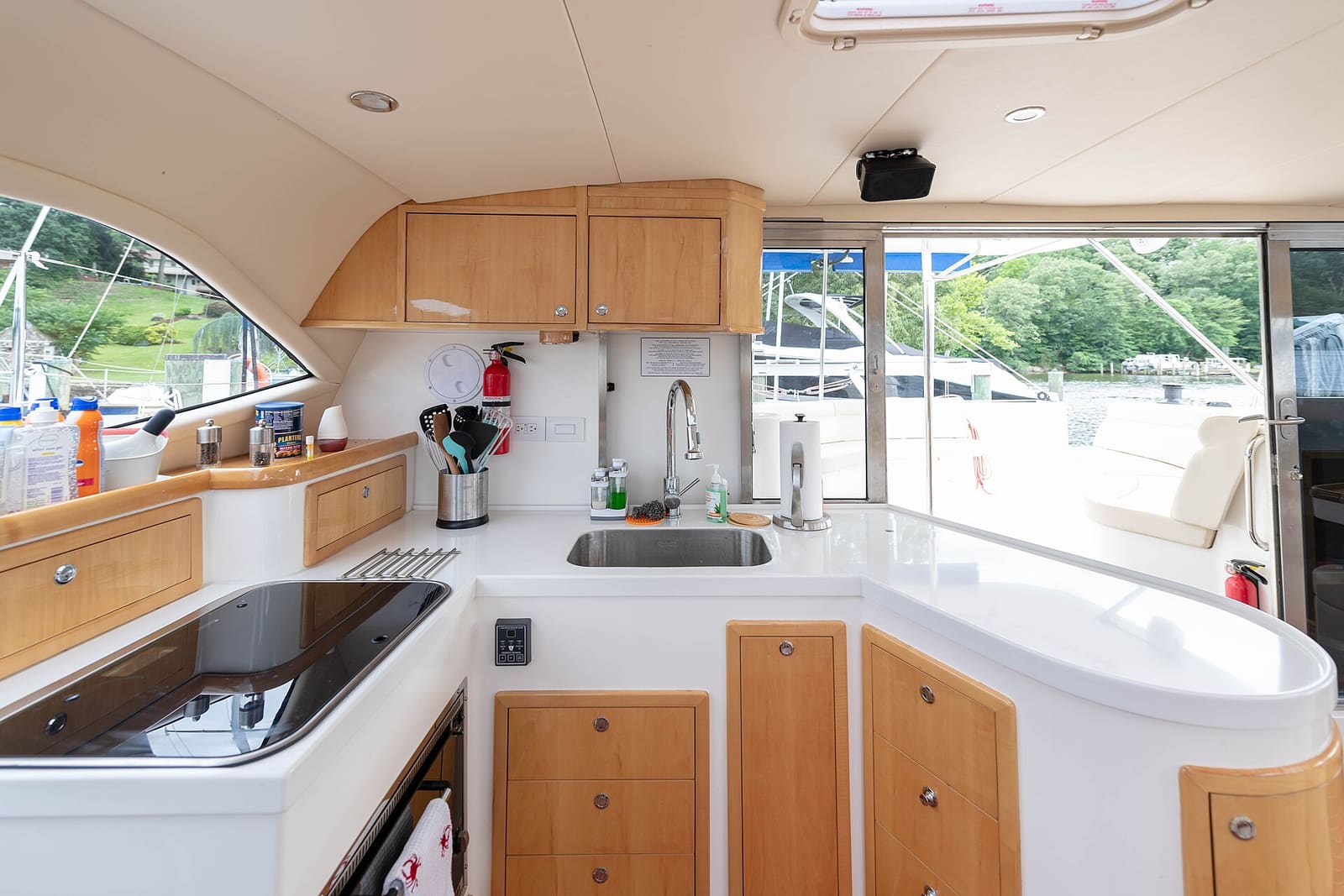
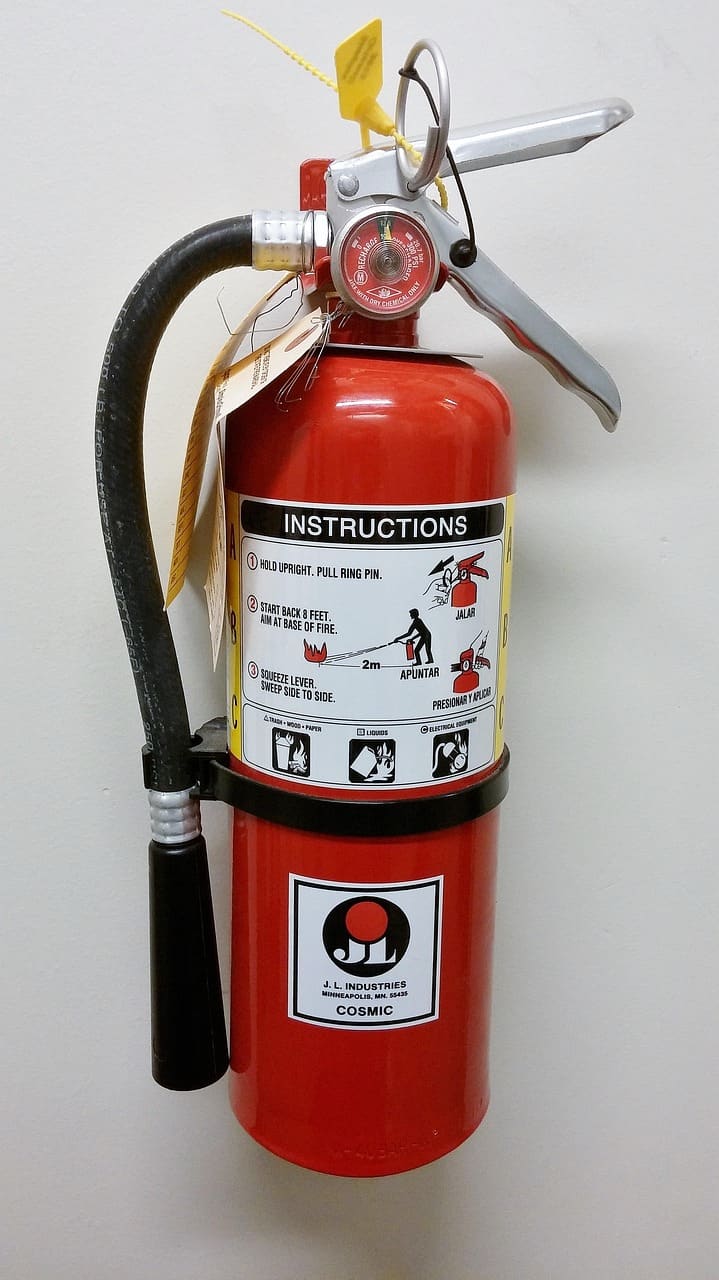
An extinguisher within reach of the cooktop. Photo: Craig Stanfill / Wikimedia Commons · CC BY-SA 2.0 For a pan of burning grease, the US Fire Administration's advice is to slide a lid or baking sheet over the pan and turn off the burner; a fire blanket does the same job. Never throw water on burning grease. If the fire spreads beyond the pan, get everyone out of the cabin, call for help and follow your onboard fire escape plan. See fire extinguisher care for checking and choosing extinguishers.
Turn them off at the panel when not in use, keep the surface clean, and do not let pots sit on a hot element while the boat moves. Make sure your inverter, cables and breakers are sized for the cooktop's draw; West Marine puts a single induction burner at 1,200 to 1,800 watts. Warm cables, a hot inverter or tripping breakers are a warning. See inverter safety.
Wipe up spills and grease after every use; built-up grease is fuel. Clean burner ports with a soft brush so the flame burns blue and even. A yellow, lazy or sooty flame can mean poor combustion and more CO; stop using that burner and have it checked.
Common mistakes
- Running the oven or burners to warm the cabin on a cold night.
- Cooking with every hatch closed and no fan running.
- Leaving the propane solenoid on after cooking.
- Throwing spare propane bottles into a cockpit or cabin locker.
- Refilling an alcohol stove while it is still hot, or priming a pressurized one carelessly.
- Wedging a stove knob in so a burner with a failed flame-failure device stays lit.
- Cooking underway without pot holders, or letting someone lean on the gimbaled stove.
- No CO alarm, or one with a dead battery.
When to call a pro
- You smell propane, find a leak, or a sniffer alarm keeps going off
- A flame-failure device or solenoid does not shut off the gas
- Flames are yellow, sooty or uneven after cleaning, or the stove soots the overhead
- You want to add, move or replace a stove, propane locker, hose, regulator or solenoid
- An electric cooktop trips breakers, or wiring, outlets or the inverter get hot
- There has been any galley fire, even a small one
Tips
- Keep a pan lid near the stove at all times; it is the fastest tool for a pan fire.
- Label the propane solenoid switch so guests know how to shut it off.
- Show every guest where the fire blanket and extinguisher are when you brief them on boarding.
- A pressure cooker or a deep pot is safer than a frying pan in a seaway.
- Keep a box of matches or a long lighter in a dry spot as a backup to the electronic igniter.
Official references
We read these to write this guide. Your engine's own manual always wins.
- West Marine – Stove Selection Advice
- Practical Sailor – Galley Ranges and Small Stoves Update
- Practical Sailor – The Boiling Point: Five-Way Single-burner Galley Stove Test
- BoatUS – How to Handle Propane on a Boat
- USCG Boating Safety – Carbon Monoxide Dangers
- USCG Boating Safety – Protect Yourself From Carbon Monoxide
- US Fire Administration – Cooking Fire Safety
Safety: BoatMend is for information only and does not replace a certified marine technician. You are responsible for your safety and your boat. Read the full disclaimer.
Last updated 2026-10-25
Related guides
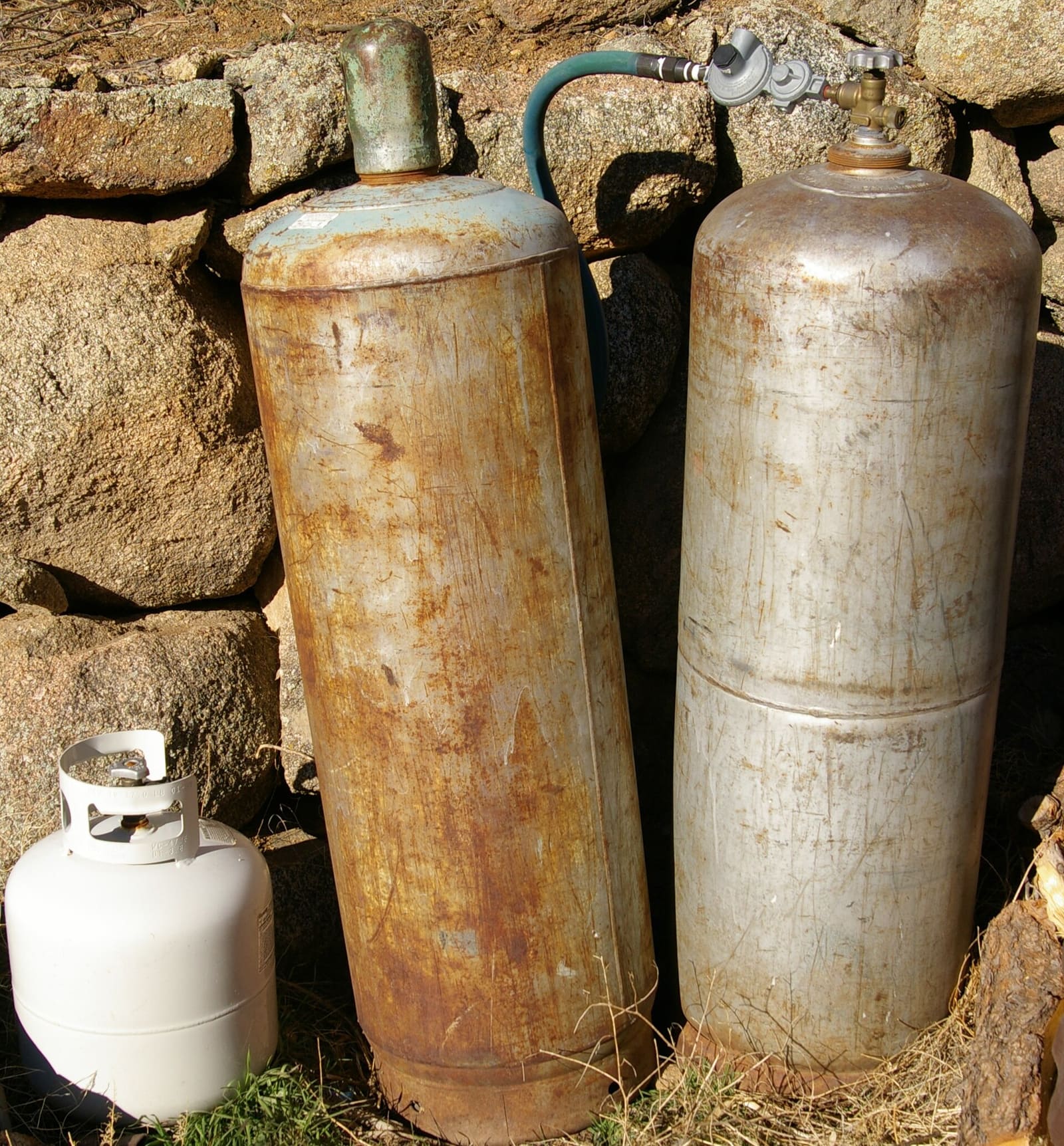
Propane (LPG) Safety on Boats - Locker, Solenoid, Sniffer and Leak Test
Learn why leaking propane sinks into the bilge, how to inspect the locker, cylinders, hoses, solenoid and gas alarm, and how to run a simple leak test. Repairs to a propane system belong to a qualified marine technician.
Carbon Monoxide on Boats: Where It Comes From, CO Alarms and Warning Signs
Carbon monoxide can build up in cabins, under canvas and around the swim platform, and its first symptoms look like seasickness. Learn the danger zones, where to mount marine CO alarms, how to test and replace them, and exactly what to do if an alarm sounds or someone feels sick.
How to Check, Mount and Replace Boat Fire Extinguishers
A monthly five-minute check of every fire extinguisher aboard, plus how the 2022 Coast Guard rule changes affect you, where to mount them, and when to recharge or replace. A boat fire spreads in seconds, and an extinguisher with a dead gauge, missing pin or expired date will not help you or pass a boarding.
Cabin Heater Safety Aboard: Diesel, Propane and Electric Heaters
Heat your cabin without poisoning the crew or burning the boat. Covers carbon monoxide alarms, exhaust and through-hull checks for diesel and propane heaters, fuel and ventilation, why household and camping heaters don't belong in a closed cabin, and how to use electric space heaters on shore power safely.
Smoke and Heat Detectors on a Boat: Where They Make Sense, What to Buy and How to Test
A fire in a closed cabin, engine room or lazarette can grow for minutes before anyone notices. Learn where smoke alarms and heat detectors make sense aboard, why boats are hard on household alarms, how to power and test them, how they fit with CO alarms, and how automatic engine-room extinguishers and engine shutdown tie in.
Make a Fire Escape Plan for Your Boat: Exits, Extinguishers, Roles and Shutoffs
Map two ways out of every cabin, put extinguishers where you can actually reach them, assign who does what, and practice shutting off fuel and power and getting everyone off upwind. A boat fire leaves only a few minutes, so the plan has to be made and walked through before you need it.
Boat Inverters and Inverter/Chargers: Sizing, Safe Use and What a Pro Must Install
An inverter turns battery power into 120-volt household current, which makes it as dangerous as shore power and a serious fire risk if it is fused or wired wrong. Learn how to size one realistically, what a safe installation looks like, the owner checks to do, and the mistakes (like backfeeding) that hurt people.