Boating on High-Altitude Lakes: Power Loss, Prop Changes, Cold Water and Mountain Weather
Engines lose roughly 3% of their power for every 1,000 feet of elevation, so a boat that flew at sea level can struggle on a mountain lake. Learn what's normal, when a lower-pitch prop or a dealer adjustment helps, and how to handle the strong sun, cold water and fast-changing weather up high.
Time
45 min
Shop would charge
$100-600
Applies to
Outboard, Sterndrive (I/O), Gas inboard, Jet ski / PWC
Safety first: Mountain lakes are often cold enough to cause cold shock even in summer, and storms can build in an hour. Wear life jackets, watch the sky, and head in at the first thunder. If you're stranded, call 911 or the local marine patrol (many mountain lakes have no Coast Guard coverage), or a tow service if one operates there.
Owners often ask
- My boat is way slower and will not reach full RPM on a mountain lake. Is something wrong with the engine?
- Do I need a different prop or to re-jet my carburetor for a lake at 6,000 feet?
This guide walks you through it. Still stuck? Ask the AI Mechanic about your engine.
Tools
- Tachometer (or engine display that shows RPM)
- GPS speed (chartplotter or phone app)
- Notepad for RPM and speed readings
Parts & supplies
- Lower-pitch propeller recommended by your dealer, if needed
- Spare prop hardware (thrust washer, nut, cotter pin) per your manual
- Sunscreen, sunglasses and hats
Before you start
If you trailer from a low-elevation home to a lake in the Rockies, the Sierra or the high desert, expect your boat to feel weaker. A Colorado Mercury dealer quoted in Mercury's Dockline says every summer visitors from Arizona or California bring their boats in the next day convinced something is broken, and usually nothing is.
Why it happens. Air is thinner up high, so each breath the engine takes holds less oxygen and it makes less power. Mercury puts the loss at about 3% of horsepower for every 1,000 feet above sea level, so roughly 15% at 5,000 feet, even on a properly tuned engine. Hot summer air makes it worse: Mercury notes cool spring and fall air is denser and lets an engine make more power than in summer heat.
What you'll notice: slower planing (hole shot), lower top speed, and the engine not reaching its normal wide-open-throttle RPM. Wakesurf and ski boats feel it most because they carry heavy loads.
This applies to gas outboards, sterndrives, inboards and PWCs. Diesels also lose power with altitude; ask your engine dealer how yours is set up.
Steps
Before the trip, on your home water, note your wide-open-throttle RPM and top speed with a normal load. Check your owner's manual for the recommended WOT RPM range for your engine. This baseline tells you how much the altitude is actually costing you.
- Fuel injection (EFI), which Mercury says all new outboards and sterndrives have, automatically adjusts the fuel mixture for altitude and air temperature. It still can't make up the lost power, but it keeps the engine running cleanly.
- Carbureted engines don't adjust themselves. Mercury notes an untuned carbureted engine loses even more power than the 3% rule. Running rich up high can mean rough idle, smoke and fouled plugs.
If you boat at altitude regularly with a carbureted engine, have a dealer re-jet or adjust it for your typical elevation, and set it back before you return to low water. Don't guess at jet sizes yourself; the right change depends on the engine and elevation. See carburetor cleaning for general carb care.
On calm water with your normal load and fuel, trim for best speed and run up to wide-open throttle briefly. Note RPM and GPS speed. If RPM falls below your manual's recommended WOT range, the prop is effectively "too big" for the power you now have.
Running below the recommended range for long periods is hard on an engine, because it's laboring under load. Mercury's dealer note says occasionally topping out at 4,000 to 4,500 RPM won't hurt a modern outboard, which is why some anglers on short trips simply accept slower performance.
The Colorado dealer's experience is that simply changing to a lower-pitch propeller usually gives an acceptable improvement. A lower pitch lets the engine spin back up into its proper RPM range, improving hole shot and pulling power.
Rules of thumb:
- A day trip or a short vacation: many owners accept the slower boat.
- A week or more, heavy loads, watersports, or you live up high: a dealer-recommended lower-pitch prop is worth it.
- Some Midwest boaters buy the lower-pitch prop for the mountains and keep it as their spare at home, a tip from that dealer.
Ask a dealer or prop shop with altitude experience; many lend test props. See propeller for how pitch works and how to swap one.
On some sterndrive boats, a prop change alone isn't enough. The Colorado dealer describes sterndrives needing such a low prop pitch at altitude that the boat could barely get anywhere; changing the drive's gear ratio let them use a normal pitch with good hole shot and some speed. This is a dealer job, often ordered when the boat is built for a high-altitude dealer. Outboards from the factory may already come with suitable gearing.
Every pound counts more when you have less power. Leave extra gear at the dock, carry only the water and fuel you need, and spread weight evenly. Wakesurf boats may need less ballast to plane. See weight distribution and loading.
Mountain lakes are usually cool, but summer heat, long idle runs at no-wake speed, and silty or weedy intakes can still cause trouble. Check the telltale stream on outboards and keep an eye on the temperature gauge. See engine overheating if the alarm sounds.
UV is stronger at elevation. The EPA advises limiting midday sun (about 10 a.m. to 4 p.m.) even in winter and especially at higher altitudes, and notes that water reflects UV, raising your chance of sunburn. On a boat you get it from above and from the water. Wear hats, sunglasses, long sleeves and sunscreen, and reapply often. Drink plenty of water; thin, dry mountain air dehydrates people quickly.
Snow-fed lakes stay cold well into summer. The National Weather Service warns that warm air doesn't mean warm water, that cold shock can be just as severe in 50 to 60 °F water as in near-freezing water, and that gasping can be triggered in water as warm as 77 °F. The gasp reflex can cause drowning within the first minutes, even for strong swimmers.
- Everyone wears a life jacket, especially on cold water.
- Dress for the water temperature, not the air, in spring and fall.
- Watersports riders should consider a wetsuit.
- Know how to get someone back aboard quickly. See cold-weather boating.
The Colorado dealer in Mercury's article says weather along the Rockies is nearly impossible to predict: 88 °F one day, snow the next. Summer afternoons often bring fast-building thunderstorms with lightning and strong, gusty winds that kick up steep waves on big reservoirs.
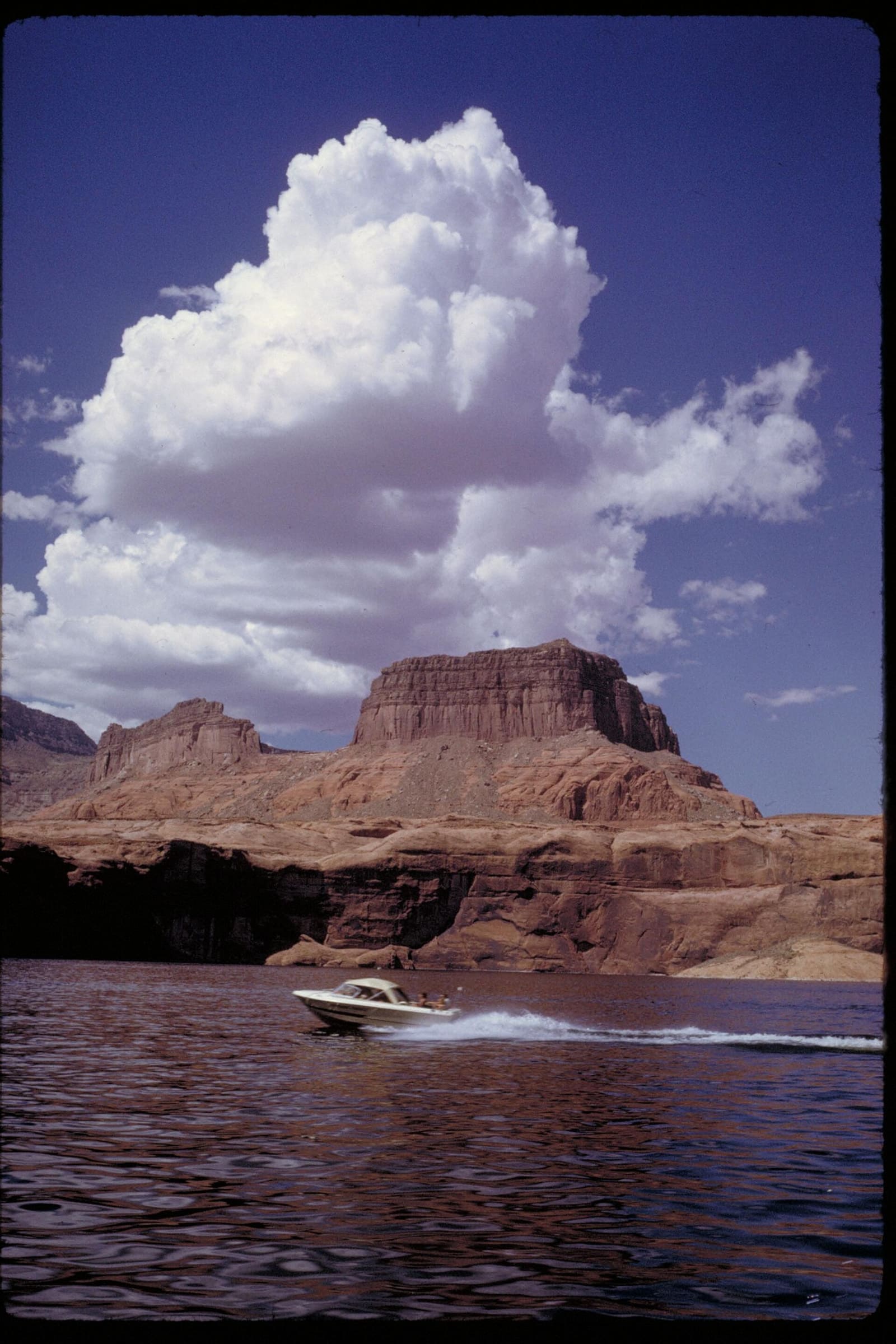
A towering cumulus like this can turn into a thunderstorm by afternoon. Head in early. Photo: NPS staff / Wikimedia Commons · Public domain - Check the forecast before you launch and plan to be off the water by early afternoon in storm season.
- Watch for towering clouds building over the peaks.
- At the first thunder, head for the ramp or a protected cove; don't wait. See lightning protection.
Many mountain lakes are remote, with no Coast Guard station and limited cell coverage. File a float plan with someone ashore, carry a handheld VHF if the lake has a marina or patrol on it, and save the local sheriff's or marine patrol number. Carry extra fuel; a heavier, slower boat burns more.
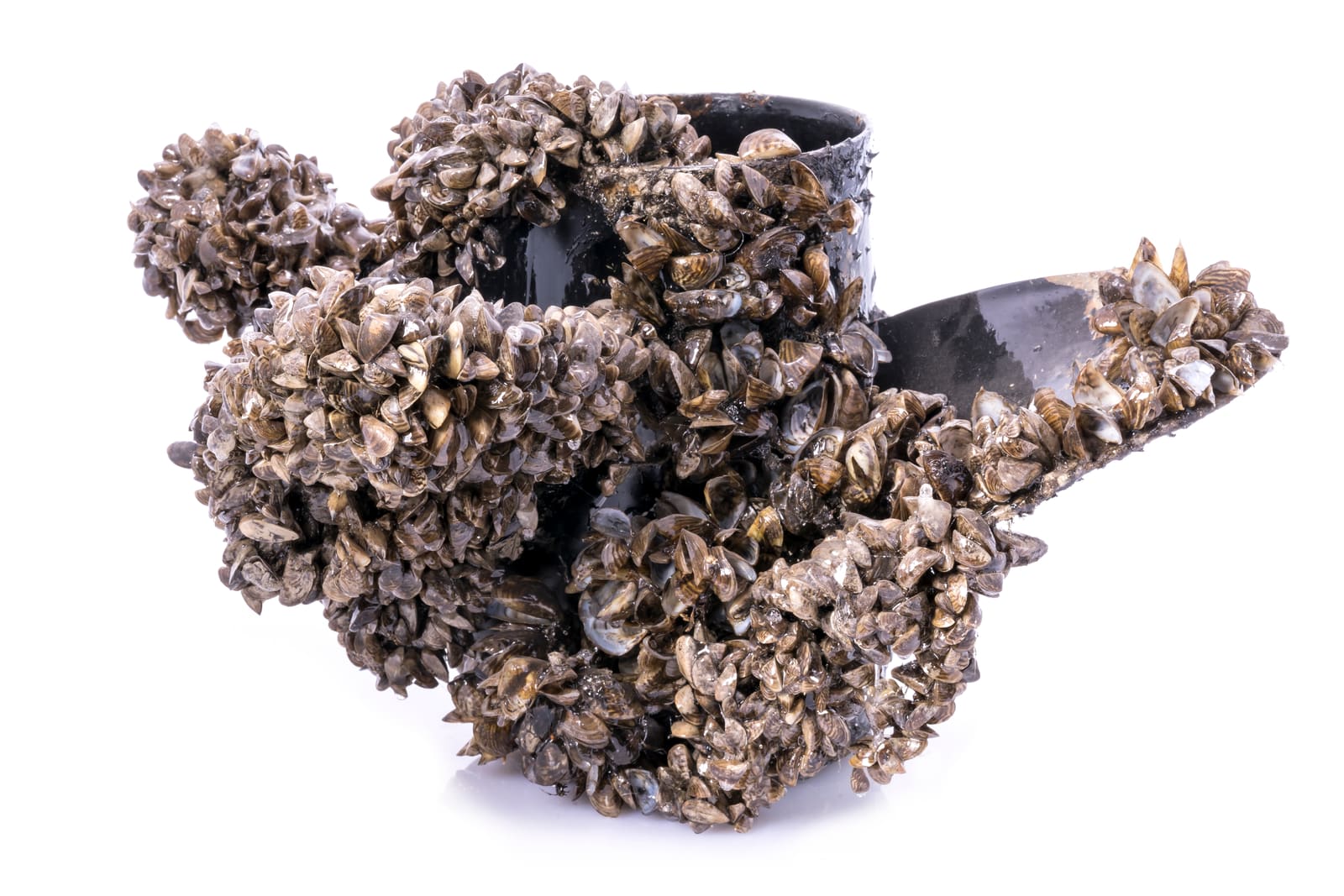
Budget time for the inspection station. Many western mountain states screen boats for invasive mussels before launch. Colorado, for example, is a mandatory inspection state: every trailered or motorized boat must be inspected by state-certified staff before it goes in the water, and motorized boats and sailboats also need an Aquatic Nuisance Species (ANS) stamp. Colorado Parks and Wildlife asks you to arrive with the drain plug out (and on hand), tarps and straps off, anchor and ropes out of their lockers, and your bait receipt ready. Arrive clean, drained and dry so you don't face a decontamination wait, and check the rules of each state and lake on your route.
Some lakes add their own rules. At Lake Tahoe, every motorized boat (even an eFoil or a kayak with a trolling motor) gets an inspection and a decontamination before launch, and the boat leaves the station with a sticker and a wire seal tying it to the trailer, which is removed at the ramp. The Tahoe program says arriving clean, drained and dry cuts the decontamination fee in half; that includes emptying ballast tanks, live wells and sea strainers and lowering the outdrive so its intakes drain. Bring any flush adapters your engine needs. Tahoe also bans most carbureted two-stroke outboards: direct-injected two-strokes and those certified to the newer California or EPA emission standards are allowed. Check your engine before you make the drive.
If you had a carbureted engine adjusted for altitude, have it set back for low elevation; an engine leaned for the mountains can run too lean at sea level. Swap back to your normal prop and check that WOT RPM is in range again.
Common mistakes
- Assuming the engine is broken because it's slower at altitude.
- Leaving a carbureted engine set for sea level on a long high-altitude trip, or leaving it set for altitude when returning home.
- Buying a lower-pitch prop without checking WOT RPM first.
- Overloading a wakesurf boat that already has 15% less power.
- Skipping life jackets because the air is warm while the water is snow-fed.
- Staying out "a little longer" while a thunderstorm builds over the ridge.
When to call a pro
- Re-jetting or adjusting a carbureted engine for altitude: a dealer with high-altitude experience.
- Gear ratio changes on sterndrives.
- Choosing a prop: a dealer or prop shop, ideally with test props.
- If the engine runs rough, smokes heavily, overheats, or loses more power than expected for the elevation, have it checked; something else may be wrong. See loss of power.
Tips
- Write your sea-level and lake RPM/speed numbers in BoatMend so you can compare next trip.
- Launch early: cooler morning air means a bit more power, calmer water and fewer storms.
- Expect slower planing with a full load; give yourself more room before reaching shallow water or other boats.
- Watersports boats may need to shorten the ski or surf session to stay within the engine's comfortable range.
Official references
We read these to write this guide. Your engine's own manual always wins.
- Mercury Marine – Prep Your Boat for High Elevations (Dockline)
- Mercury Marine – Why Fall Is the Best Time to Evaluate Your Boat Propeller (Dockline)
- National Weather Service – Cold Water Hazards and Safety
- U.S. EPA – Sun Safety Tips
- U.S. EPA – Ultraviolet (UV) Radiation and Sun Exposure (RadTown)
- Colorado Parks and Wildlife – Boat Inspections (mandatory ANS inspections)
- Tahoe Regional Planning Agency – Prepare for Inspection and Decontamination (Lake Tahoe Boat Inspections)
- BoatUS Foundation – Dealing with an Accident (hypothermia and cold water)
Safety: BoatMend is for information only and does not replace a certified marine technician. You are responsible for your safety and your boat. Read the full disclaimer.
Last updated 2026-10-25
Related guides
Propeller Care: Inspect, Remove, Replace and Choose the Right Pitch
Check your prop for damage, pull it to clear fishing line and grease the shaft, reinstall it correctly, and learn how pitch affects your engine's wide-open-throttle RPM. The right prop in good shape protects your engine and often makes the boat run better and use less fuel.
Boat Slower Than It Used to Be? How to Find the Cause
When your boat loses top speed or takes longer to get on plane, the cause is usually something you can check yourself: extra weight, water in the hull, trim, a dinged or fouled prop, or a dirty bottom. This step-by-step diagnosis goes from the cheapest checks to the harder ones and explains what your RPM and GPS speed are telling you.
Loss of Power, Hesitation or Misfire - Troubleshooting Guide
Figure out why your engine bogs down, stumbles, will not reach full rpm or runs rough. Work from simple checks like trim, prop and fuel filter to ignition and engine protection modes before paying for diagnostics.
How to Clean the Carburetor on a Small or Older Outboard
Old fuel turns to varnish and plugs the tiny jets in a carburetor, so the engine only runs on choke, surges or will not idle. Learn when the carburetor really is the problem, how to drain and clean it, and when a rebuild kit or a replacement makes more sense.
How to Get Better Fuel Economy From Your Boat
Boat fuel is expensive, but most owners can stretch every gallon further without buying anything. Learn how to find your boat's most efficient cruise RPM, why a clean bottom, the right prop, good trim and less weight matter most, which tune-up items count, how fuel flow data helps, and which fuel-saving myths to ignore.
Cold-Weather Boating: Cold Water Safety, Gear and Engine Care in Late Fall and Winter
Boating after the crowds leave can be beautiful, but cold water changes the risks. Learn why cold shock is the first danger, why the popular 1-10-1 rule needs caution, what to wear, how to plan, and how to care for the engine, battery and anything that holds water between trips.
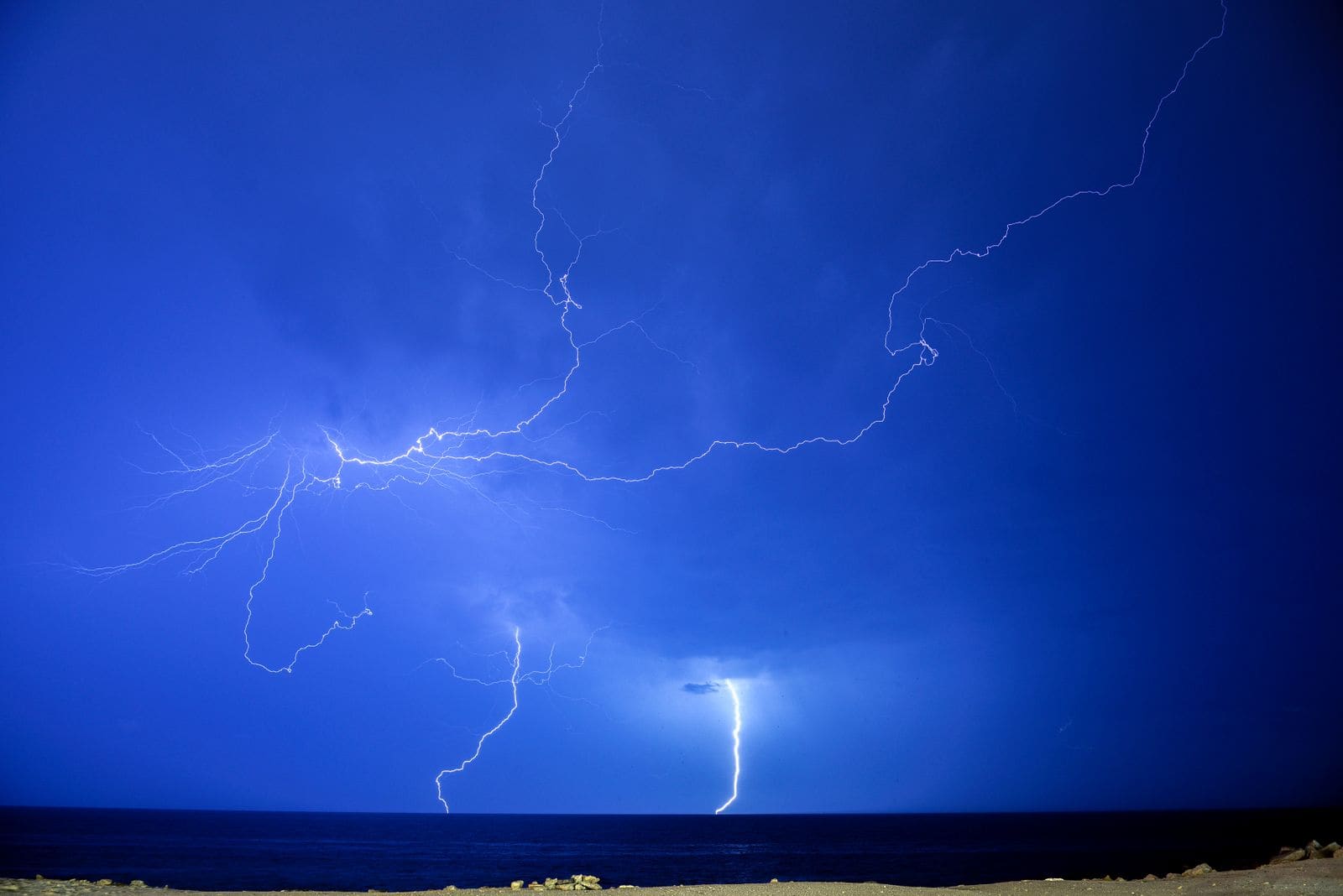
Lightning and Your Boat: Protection, Storm Safety and After-Strike Inspection
How lightning damages boats, what a professionally installed protection system (ABYC and NFPA 780 guidance) can and cannot do, what to do when a storm catches you on the water, and a step-by-step inspection checklist after a strike, including the haul-out, compass, electronics, through-hulls and the insurance claim.
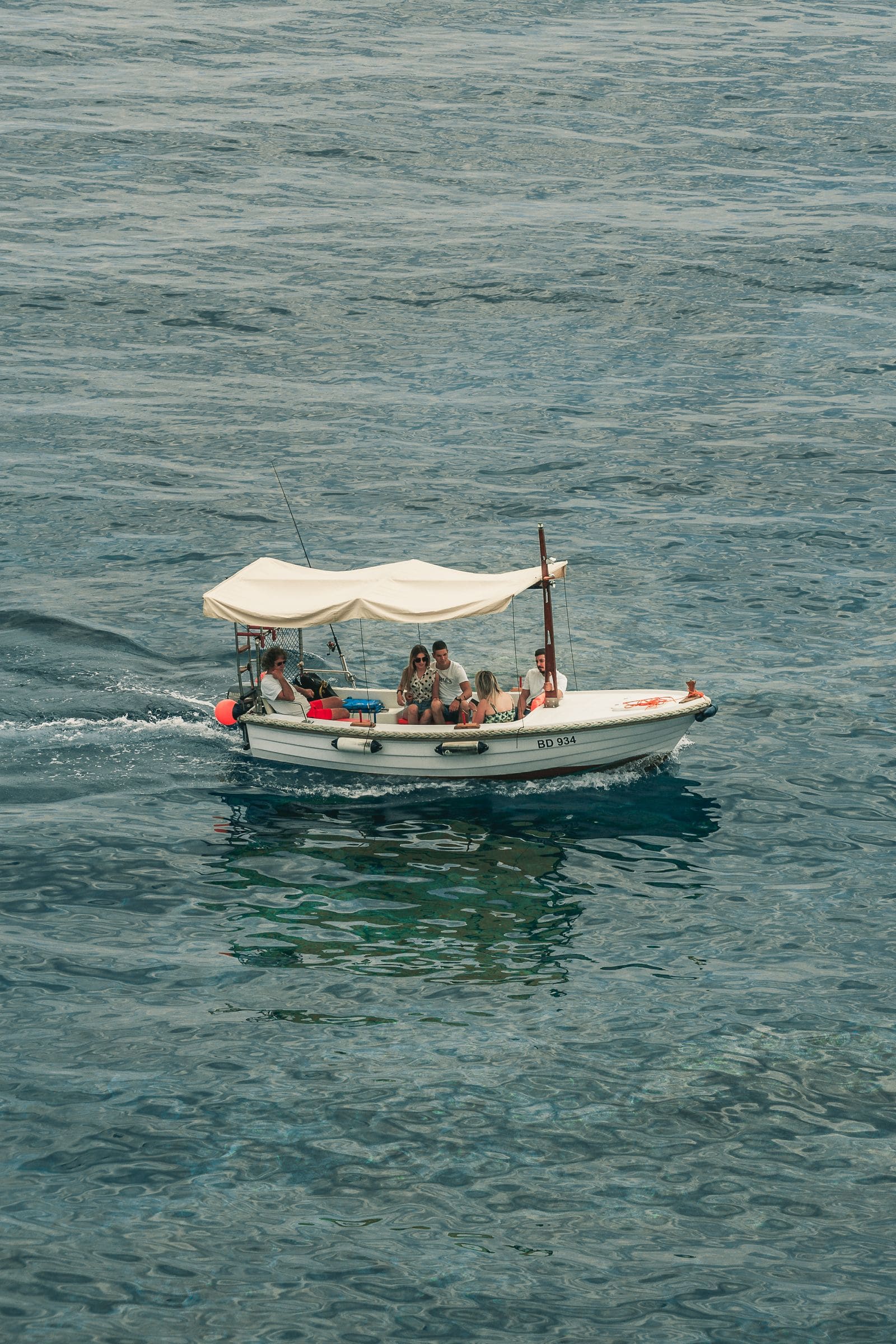
How to Load Your Boat Safely: Capacity Plate, Balance and Stability
Too much weight, or the right weight in the wrong place, is behind most small-boat capsizes and swampings. Learn to read the capacity plate (persons, weight and horsepower), add up your real load, balance it side to side and fore and aft, and adjust for rough water, water aboard and towing riders.
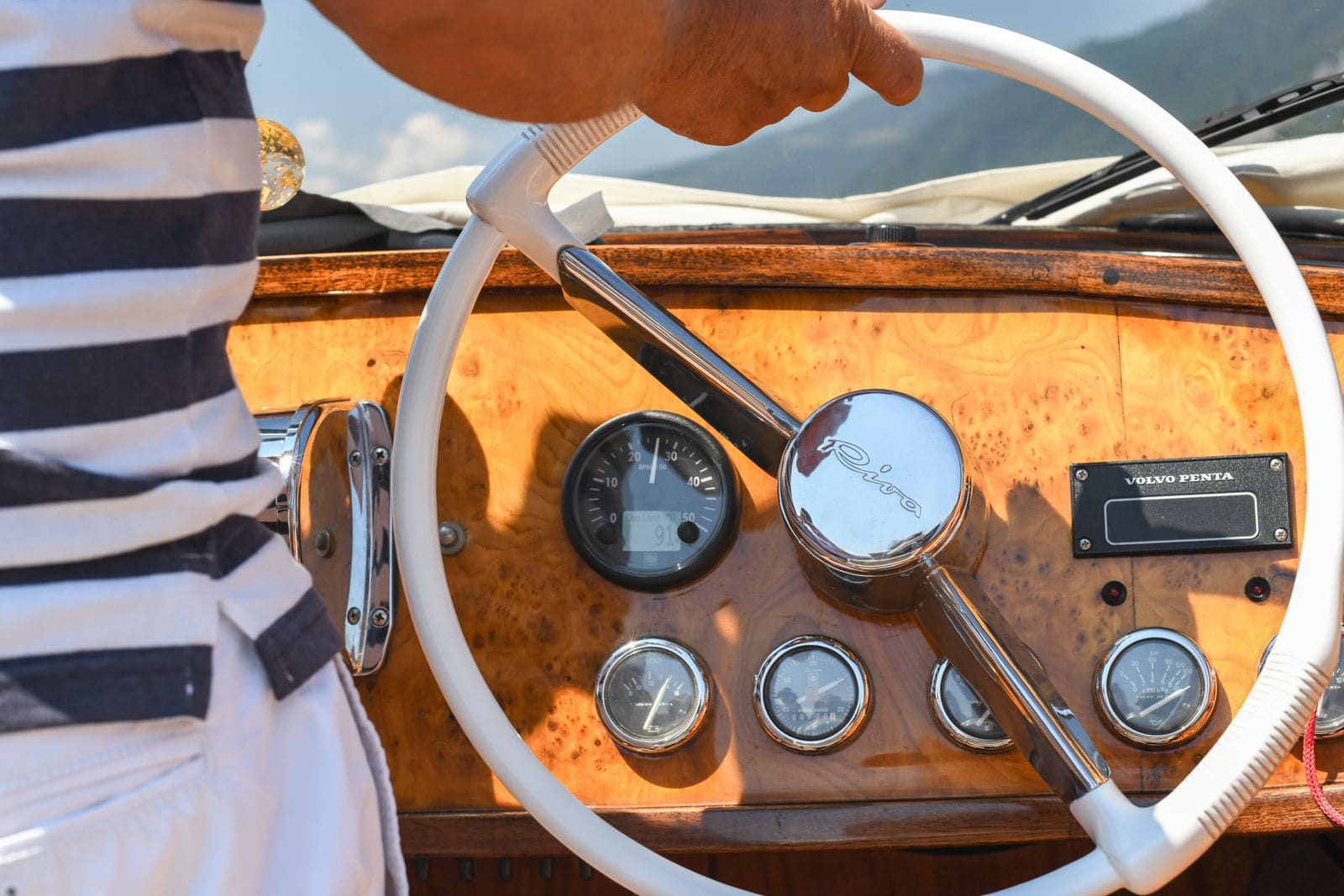
Engine Overheating - Troubleshooting Guide
Work through the most likely causes of a hot engine or overheat alarm, from a blocked water intake to a worn impeller or stuck thermostat. Acting fast and in the right order can save your engine and often gets you home without a tow.
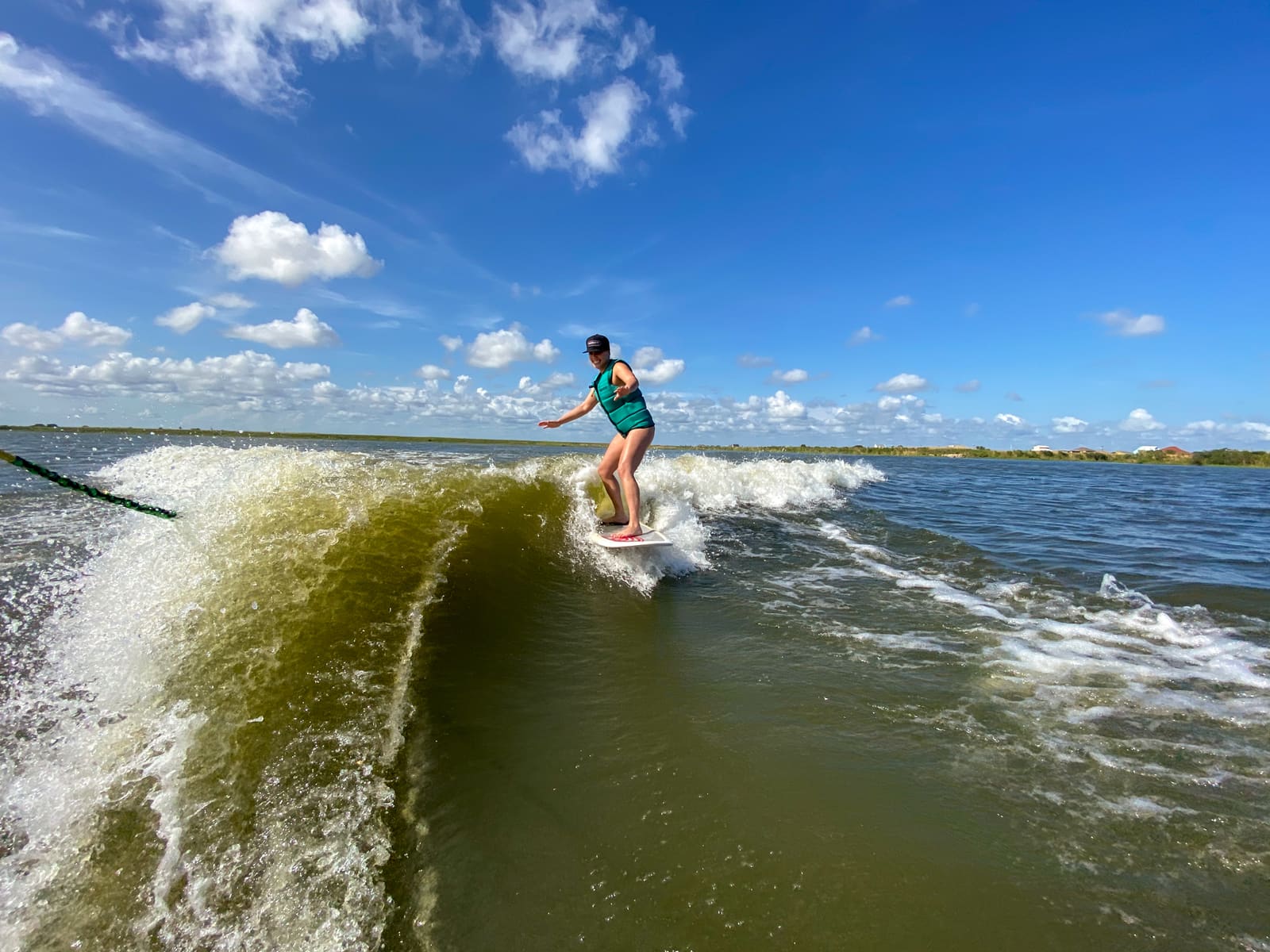
Wakesurf Safety: The Right Boat, Carbon Monoxide, Spotters and Distance
A pre-ride checklist for wakesurfing - surf only behind inboard or V-drive boats built for it, keep riders away from exhaust and the engine off when they board, use a spotter and a short surf rope, stay well away from shore, docks and other boats, and never overload the ballast.
Clean, Drain, Dry: Stopping Zebra and Quagga Mussels and Other Invasive Species
What Clean, Drain, Dry means in practice for your boat, trailer and motor, what to drain before you leave the ramp, what happens at a watercraft inspection or decontamination station, and examples of state rules you may run into when you trailer between lakes.