Lake Engine Restrictions: Two-Stroke Bans, Horsepower Limits, Electric-Only and No-Wake Lakes
Some lakes ban older two-stroke outboards, cap horsepower, allow only electric motors, or make the whole lake no-wake. Learn the common types of rules (with dated real examples like Lake Tahoe and Ohio's lake list), how to tell what kind of engine you have, and how to check before you tow the boat three hours to a ramp you can't use.
Time
30 min
Applies to
All engines
Safety first: Lake rules change, and the examples in this guide are dated so you can tell how old they are. Always confirm the current rule with the agency that manages the lake before you go. If you have to leave a restricted lake under electric power or at idle, check the weather first: a small motor may not get you home against wind and waves, so carry a paddle, an anchor and a way to call for help (VHF channel 16 or 911).
Owners often ask
- Can I launch my old two-stroke outboard on Lake Tahoe?
- How do I find out if a lake has a horsepower limit or is electric motors only?
This guide walks you through it. Still stuck? Ask the AI Mechanic about your engine.
Tools
- Phone or computer to check agency websites
- Flashlight (to read engine ID and emission labels)
- Notebook or notes app for each lake's rules
Parts & supplies
- Electric trolling motor or small kicker, if you want to fish restricted lakes (optional)
Before you start
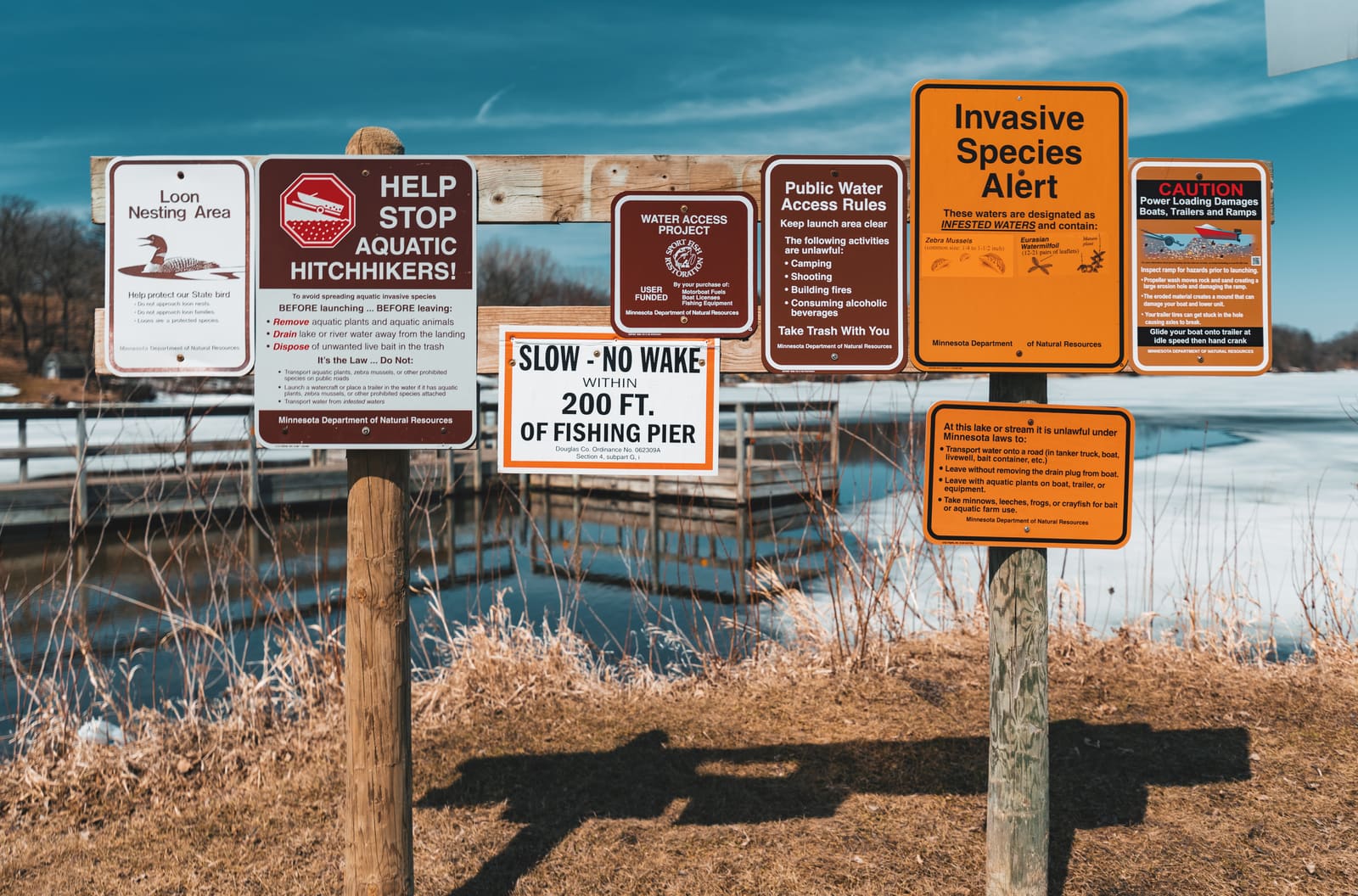
Why lakes restrict engines. Common reasons are water quality (especially drinking-water reservoirs), noise, shoreline erosion, small size, wildlife, and safety on busy water. Lake Tahoe's two-stroke ban, for example, was adopted in 1997 to cut gasoline pollution such as MTBE from older engines, according to a 1999 announcement from California's Attorney General.
Who makes the rules. It varies, which is why checking is hard:
- State law or state agency rules (for example, Ohio's state-adopted horsepower list).
- Regional agencies (the Tahoe Regional Planning Agency for Lake Tahoe and nearby lakes).
- Local governments. Wisconsin's DNR explains that towns can adopt their own boating ordinances for speed limits, shore zones, water skiing and more, stricter than state law.
- Whoever owns the water: water utilities, county park districts, federal agencies, private lake associations.
The main kinds of restrictions:
- Engine type or emissions (no carbureted two-strokes; sometimes no gas motors at all)
- Horsepower caps (anything from a few hp to several hundred)
- Electric motors only
- No motors at all
- No-wake or speed limits, either lake-wide, near shore, or only for bigger engines
- Inspection or permit requirements before you can launch
Steps
Before checking any lake, write down:
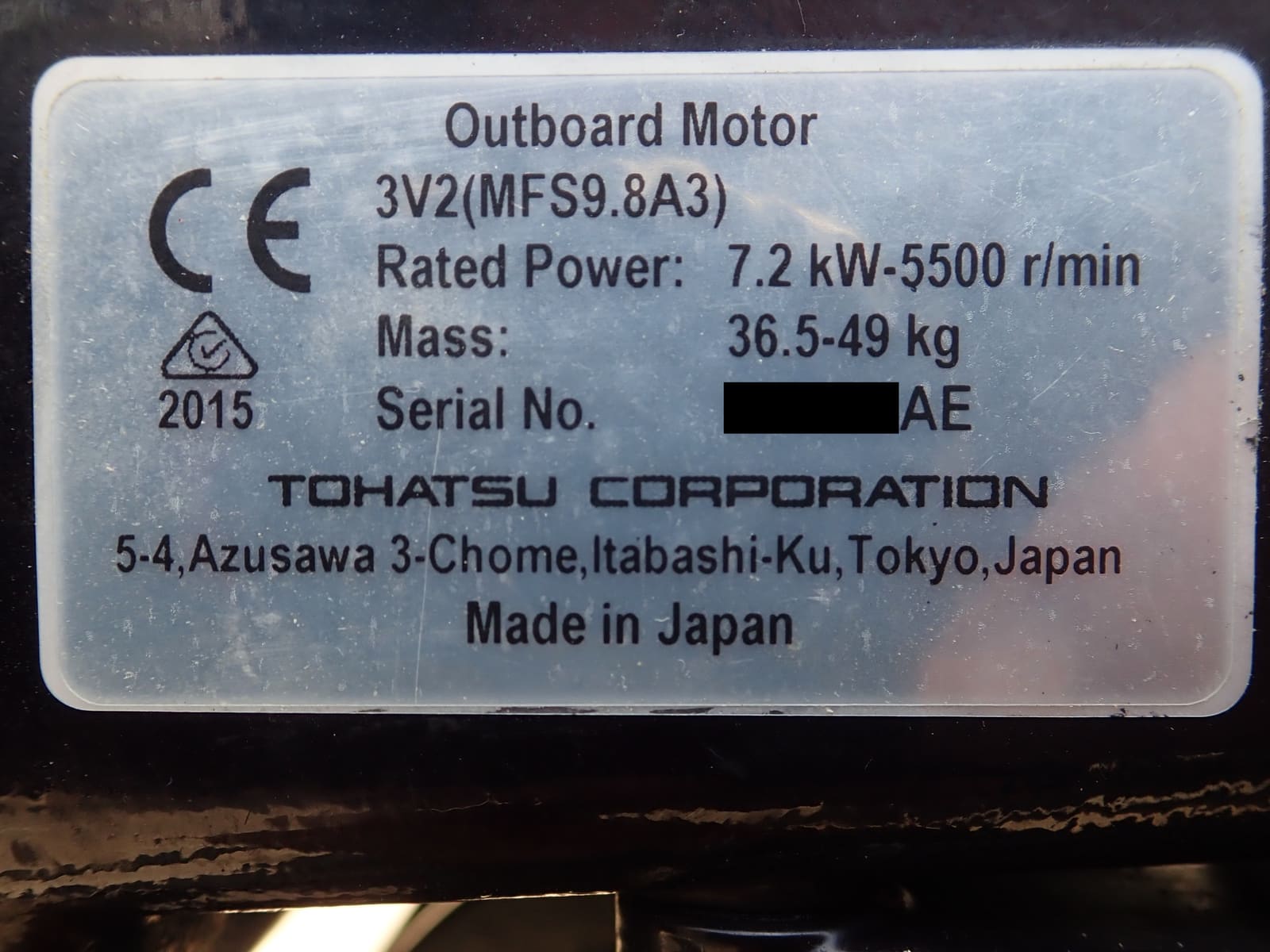
- Make, model, horsepower and year. These are on the engine's ID plate (usually on the clamp bracket or transom bracket). Our engine ID guide shows where to look.
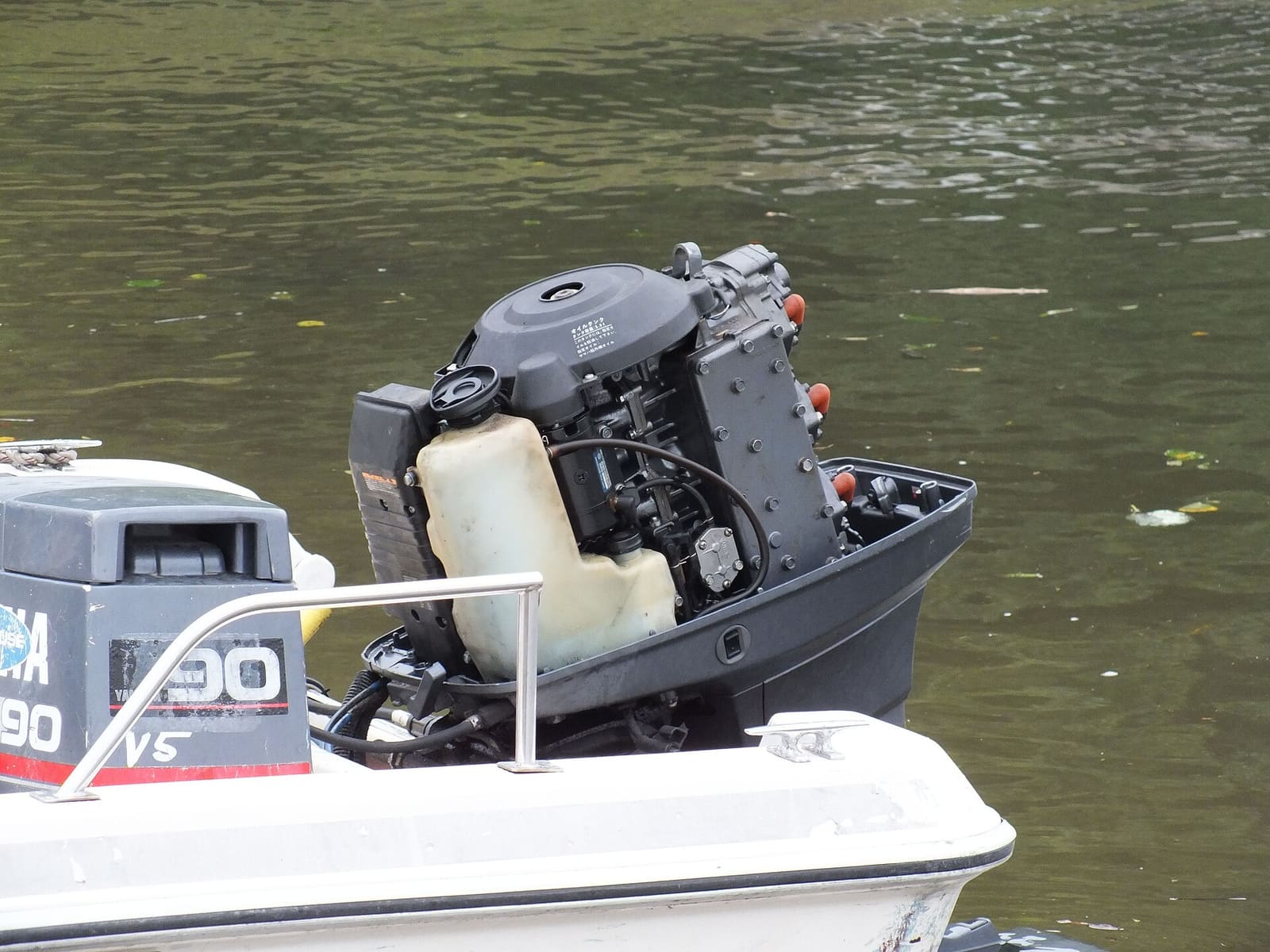
- Two-stroke or four-stroke. If you mix oil in the gas or fill an oil tank for injection, it's a two-stroke.
- Carbureted, EFI or direct injection (DFI). Your owner's manual or dealer can confirm. Lakes that ban "carbureted two-strokes" usually still allow direct-injection two-strokes.
- Emission labels. Many engines carry an EPA emission label and, on engines sold in California, a star-rating hang tag or label. Take a photo; inspectors may ask.
- Any second motor: kicker, trolling motor, or the dinghy outboard.
Lake Tahoe is the best-known engine ban in the U.S. According to the Tahoe boat inspection program's FAQ:
- The Tahoe Regional Planning Agency prohibits launching and using most carbureted two-stroke engines on Lake Tahoe and the surrounding lakes in the region.
- Direct fuel-injected (DFI) two-strokes are allowed, as are engines certified to California Air Resources Board 2001 or EPA 2006 standards. Examples the FAQ lists: Evinrude E-TEC, Mercury Optimax, Yamaha HPDI, and Nissan/Tohatsu TLDI.
- If you're not sure about your engine, the FAQ gives a TRPA contact to ask.
The rule took effect June 1, 1999 (California Attorney General, 1999). So an older carbureted two-stroke outboard or PWC can't go on Tahoe, even if it runs perfectly.
Engine rules rarely come alone. At Tahoe (FAQ, October 2026):
- A 600-foot no-wake zone around the whole shoreline: 5 mph or less within 600 feet of shore. The FAQ's trick for judging the distance: idle out from shore for about 90 seconds.
- Mandatory inspection for every motorized boat (including hand-launched electric craft like eFoils), and since 2025 decontamination for motorized and trailered boats without a valid Tahoe seal, because of the threat from invasive golden mussels. There are fees.
Our watercraft inspection station guide explains what to expect and how to arrive clean, drained and dry.
Ohio's Department of Natural Resources publishes a statewide list that shows how varied the rules can be on lakes in a single state:
- No motors: a few lakes allow no motorized boats at all (some allow only non-powered sailboats).
- Electric motors only: dozens of lakes and reservoirs.
- Under 10 hp (4 hp and 6 hp limits), 10 hp, 20 to 25 hp, and even 250 to 400 hp caps on some larger lakes.
- On some 10 hp lakes, bigger motors are allowed if run at idle/no-wake.
- No-wake lakes, some of which apply only to boats over 10 hp.
- And a group with no horsepower restriction.
ODNR warns the list is not complete: there are hundreds of other waters where the local agency sets its own rules, and it advises checking with the local city, township or county. Expect the same kind of patchwork in other states.
"Electric only" usually means an electric outboard or trolling motor, and many lakes also require no-wake speed. Before you go:
- Read whether the gas outboard must be removed or just tilted up and not used. Rules differ; some lakes don't allow a gas motor mounted at all.
- Example (Pennsylvania, rule read October 2026): on lakes owned or controlled by the Pennsylvania Fish and Boat Commission and on State Park lakes, electric motors are allowed where boating is permitted, but boats running on electric motors may go no faster than slow, no-wake speed. A gas motor attached to or installed in the boat doesn't have to be removed, but running it is prohibited (58 Pa. Code 107.2). Where a lake also has a horsepower limit, the electric motor can't exceed that limit or its equivalent kilowatt rating. Other states and lake owners write this differently, so read the rule for the lake you're heading to.
- Make sure your battery can get you back. Plan for wind and a full day; our electric outboard guide covers battery care and range.
- Some lakes allow no motors of any kind, not even electric.
A no-wake rule means slow enough that the boat isn't creating a wake, usually idle speed. Watch for:
- Lake-wide no-wake (common on small lakes and drinking-water reservoirs)
- Shoreline zones (Tahoe's 600 feet is one example; distances vary by state and lake)
- Zones around piers, ramps, swim areas and marinas, often on local ordinance signs at the launch
- Time-of-day rules on some lakes (for example, no high speed in the evening or early morning)
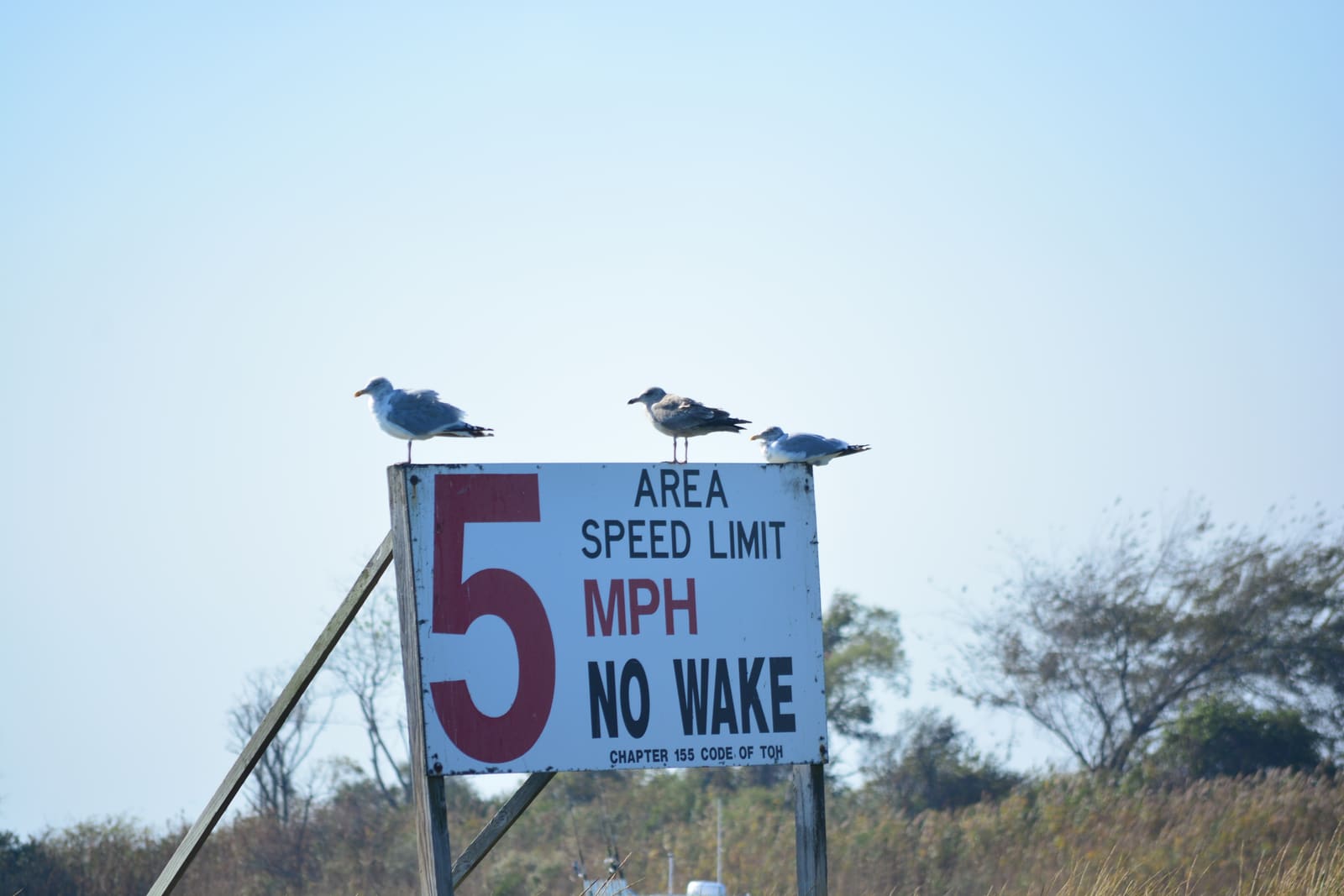
Speed and no-wake limits are often posted on the water or at the ramp. Photo: Joe Mabel / Wikimedia Commons · CC BY-SA 4.0 In this order:
- The agency that manages the lake. State park, regional authority, water utility, county park district, Corps of Engineers project office, or lake association. Search "[lake name] boating rules" and look for a .gov or official site.
- Your state boating agency's lake list, if it has one (Ohio's is an example).
- Local ordinances. Wisconsin's DNR tells boaters to check for a sign at the public landing before boating on unfamiliar water, because local rules may be stricter than state law.
- Call. Ask: engine type limits, horsepower limit, electric only, speed or no-wake rules, permits, inspection or decontamination requirements, hours and fees.
Write it down with the date you checked. Rules and inspection programs change, sometimes mid-season.
Even after checking online, read the sign board at the launch. It's often where local no-wake ordinances, AIS rules, ramp hours and closures show up first. If the sign and the website disagree, follow the stricter one and ask the managing agency.
Options owners use:
- A small kicker or portable outboard under the horsepower cap (see our kicker bracket and portable outboard guides)
- An electric trolling motor big enough to move the boat, with a fully charged battery
- A second, smaller boat (jon boat, kayak) for electric-only waters
Check whether the lake measures the limit by the motor's rated horsepower (on the ID plate) and whether a bigger motor may stay on the transom unused.
If you boat on restricted water, factor the rules into a repower:
- A four-stroke or direct-injection two-stroke avoids most two-stroke bans.
- A horsepower cap on your favorite lake may make a smaller main engine, or a kicker, the smarter buy.
- Electric outboards keep improving and open up electric-only lakes.
Our repower and two-stroke guides have more detail.
Common mistakes
- Assuming "two-strokes are banned at Tahoe" means every two-stroke. Direct-injection and certified engines are allowed.
- Driving hours to a lake with only an old web page or a forum post to go on.
- Showing up at an electric-only lake with a gas outboard you planned to "just not use," when the lake requires it removed.
- Ignoring the no-wake shoreline zone because the lake is empty.
- Forgetting the kicker or dinghy outboard also counts.
- Not planning the battery for a full day against the wind on an electric-only lake.
When to call a pro
- You can't tell whether your engine is carbureted, EFI or direct injection, or what emission standard it meets: ask an authorized dealer for your engine brand, with the serial number.
- You need an emission label replaced or documentation for an inspector: the engine maker's dealer can help.
- You're stuck on a restricted lake with a dead battery or a motor that won't run, especially in wind: call TowBoatUS, Sea Tow, the lake's marine patrol, or the Coast Guard on VHF 16 if you're in danger.
Tips
- Keep a "lake card" in your phone for each lake you use: allowed engines, hp, no-wake zones, inspection rules, ramp hours, date checked.
- Photograph your engine ID plate and emission labels and keep them with your registration.
- Inspection programs often post hours and seals on their sites; Tahoe's offers appointments in summer.
- When renting a cabin on a new lake, ask the owner or lake association about boating rules before you tow your own boat.
Official references
We read these to write this guide. Your engine's own manual always wins.
- Tahoe Boat Inspections – Frequently Asked Questions (two-stroke rule, 600-foot no-wake zone, inspections)
- California Office of the Attorney General – Attorney General Lockyer Wins Protections for Lake Tahoe (1999)
- Ohio Department of Natural Resources – Horsepower Restrictions for Boats on Inland Lakes
- Cornell LII – 58 Pa. Code 107.2, Electric motors (Pennsylvania Fish and Boat Commission and State Park lakes)
- Wisconsin DNR – Ordinances and waterway markers
Safety: BoatMend is for information only and does not replace a certified marine technician. You are responsible for your safety and your boat. Read the full disclaimer.
Last updated 2026-10-26
Related guides
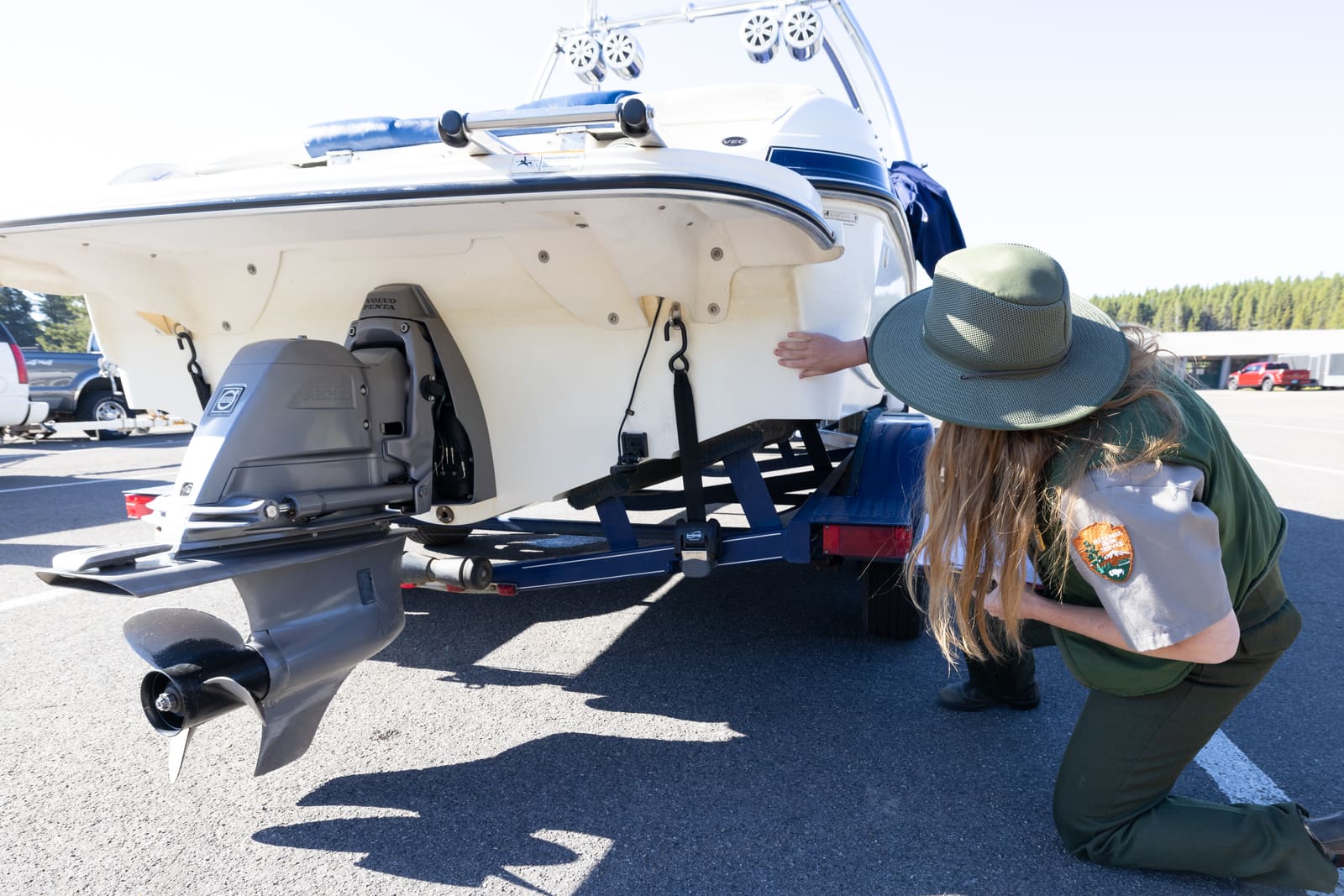
How to Get Through Aquatic Invasive Species Boat Inspection Stations
Many states, especially in the West, make you stop at an inspection station before you launch or when you cross the state line, to keep zebra and quagga mussels out. Learn what inspectors check, when they decontaminate, what decals, courses and seals you may need, and how to arrive clean, drained and dry so you're through fast.
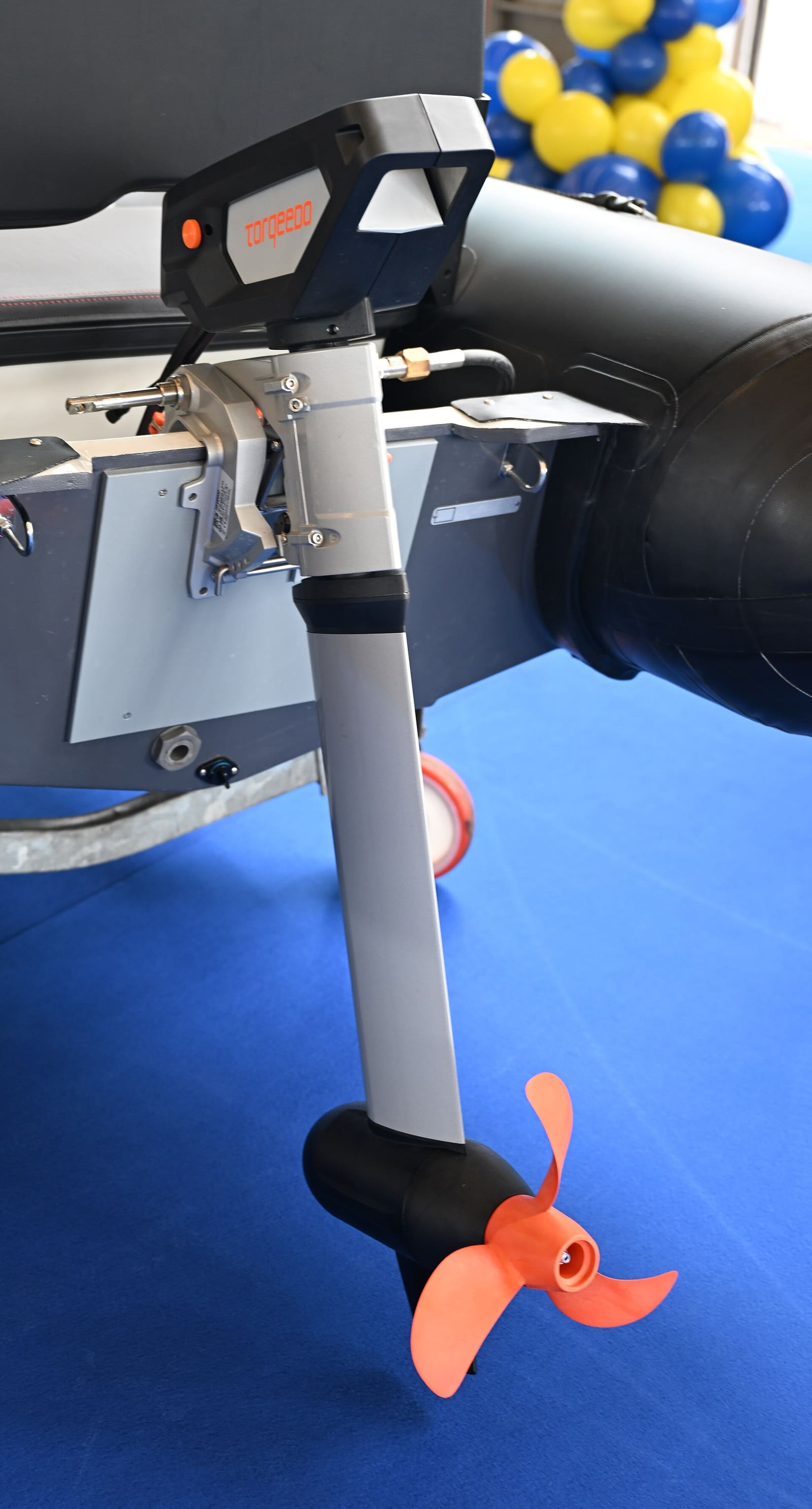
Electric Outboard Care: Battery Storage, Connectors, Saltwater Rinse and Updates
Electric outboards like Torqeedo, Mercury Avator and ePropulsion need far less work than gas engines, but the lithium battery, the connectors and the prop still need care. Charge and store the battery the way the maker says, keep plugs dry and clean, rinse after salt water, check the prop, fin and anodes, install updates, and follow the rules for transporting lithium batteries.
How to Find Your Engine's Serial Number, Model and Year (and Get the Official Manual)
Find the ID label on your outboard, sterndrive, inboard diesel or PWC, read the model and serial number correctly, tell it apart from the boat's HIN, and use it to open the free official owner's manual. It's the first step for ordering the right parts and following the right maintenance plan.
Two-Stroke Premix Conversion: Living With an Engine That Had Its Oil Injection Removed
Bought a two-stroke outboard or PWC whose oil injection was removed, or thinking of doing it? Learn how to confirm what was done, mix fuel at the ratio from your manual every single time, label your tanks so nobody forgets, choose NMMA TC-W3 oil and understand the real risks.
Two-Stroke Oil Injection vs. Premix: How It Works and How to Check It
A two-stroke engine dies quickly without oil in its fuel, so the oil injection system and its alarms deserve regular attention. Learn how injection and premix differ, what the warning horn is telling you, how to check the system, how to premix safely using your manual's ratio, and the real risks of disabling injection.
Small Portable Outboard Care (2.5 to 20 hp Kickers and Dinghy Motors)
Keep your dinghy motor or kicker starting on the first few pulls. Use fresh fuel, flush it, run the carburetor dry before you put it away, carry and lay it down on the correct side so oil doesn't flood the cylinders, and check the shear pin or prop, gear oil and engine oil on schedule.
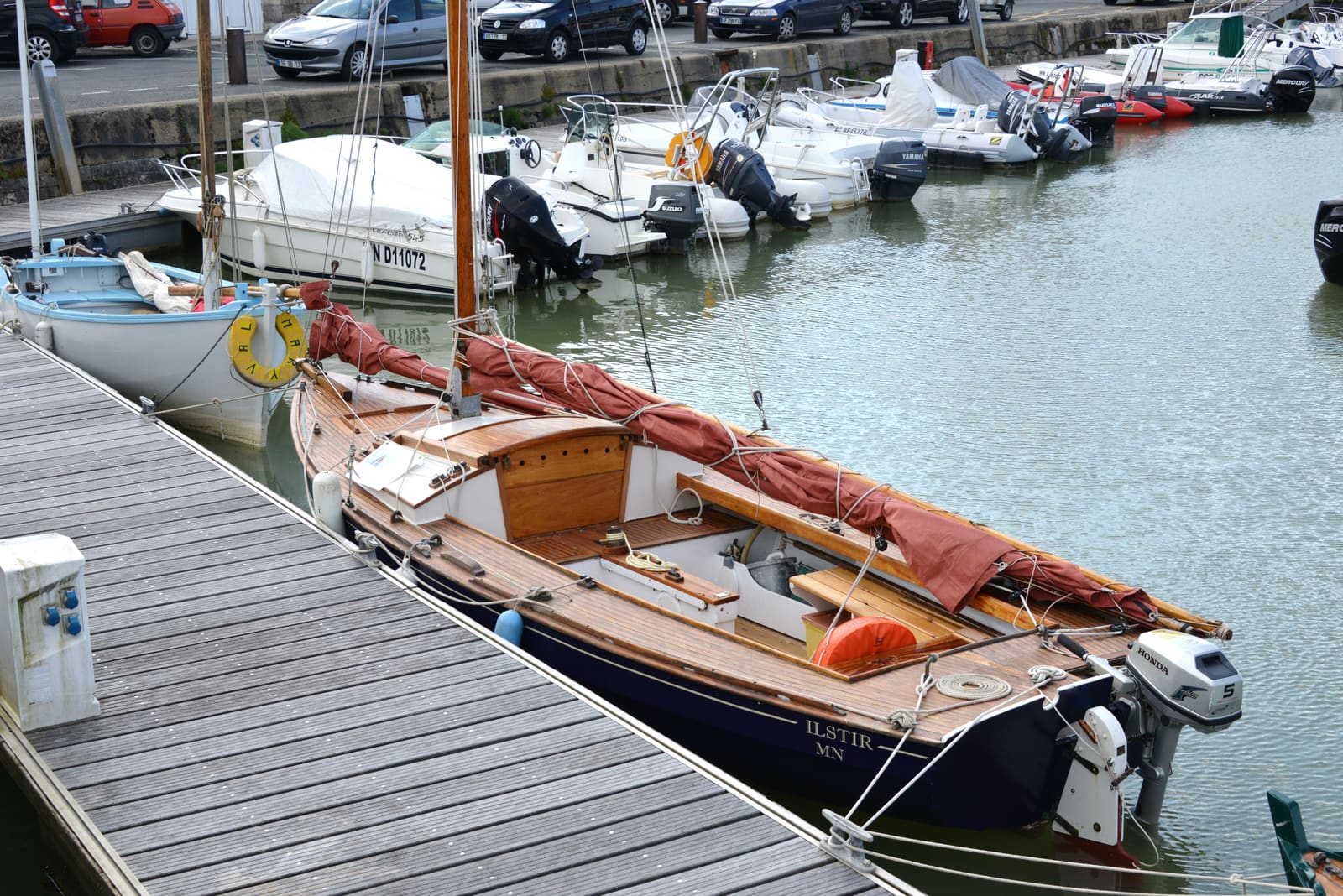
How to Mount and Maintain a Kicker Motor Bracket
Set up a small auxiliary outboard (a kicker) the right way: choose a manual or spring-assisted bracket, through-bolt it to a sound transom with a backing plate, add a safety cable, sort out steering and fuel, and keep the bracket working season after season.
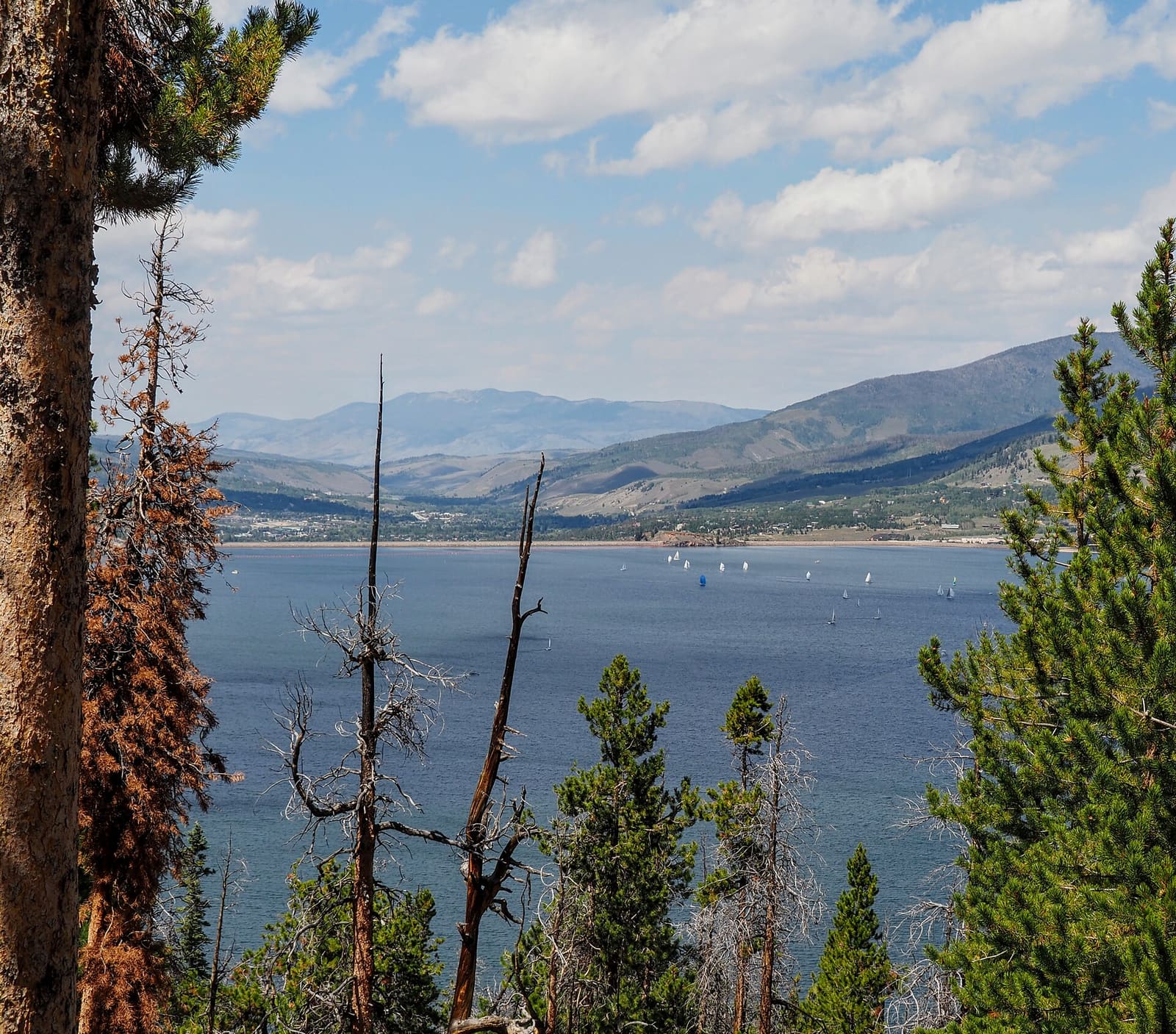
Boating on High-Altitude Lakes: Power Loss, Prop Changes, Cold Water and Mountain Weather
Engines lose roughly 3% of their power for every 1,000 feet of elevation, so a boat that flew at sea level can struggle on a mountain lake. Learn what's normal, when a lower-pitch prop or a dealer adjustment helps, and how to handle the strong sun, cold water and fast-changing weather up high.
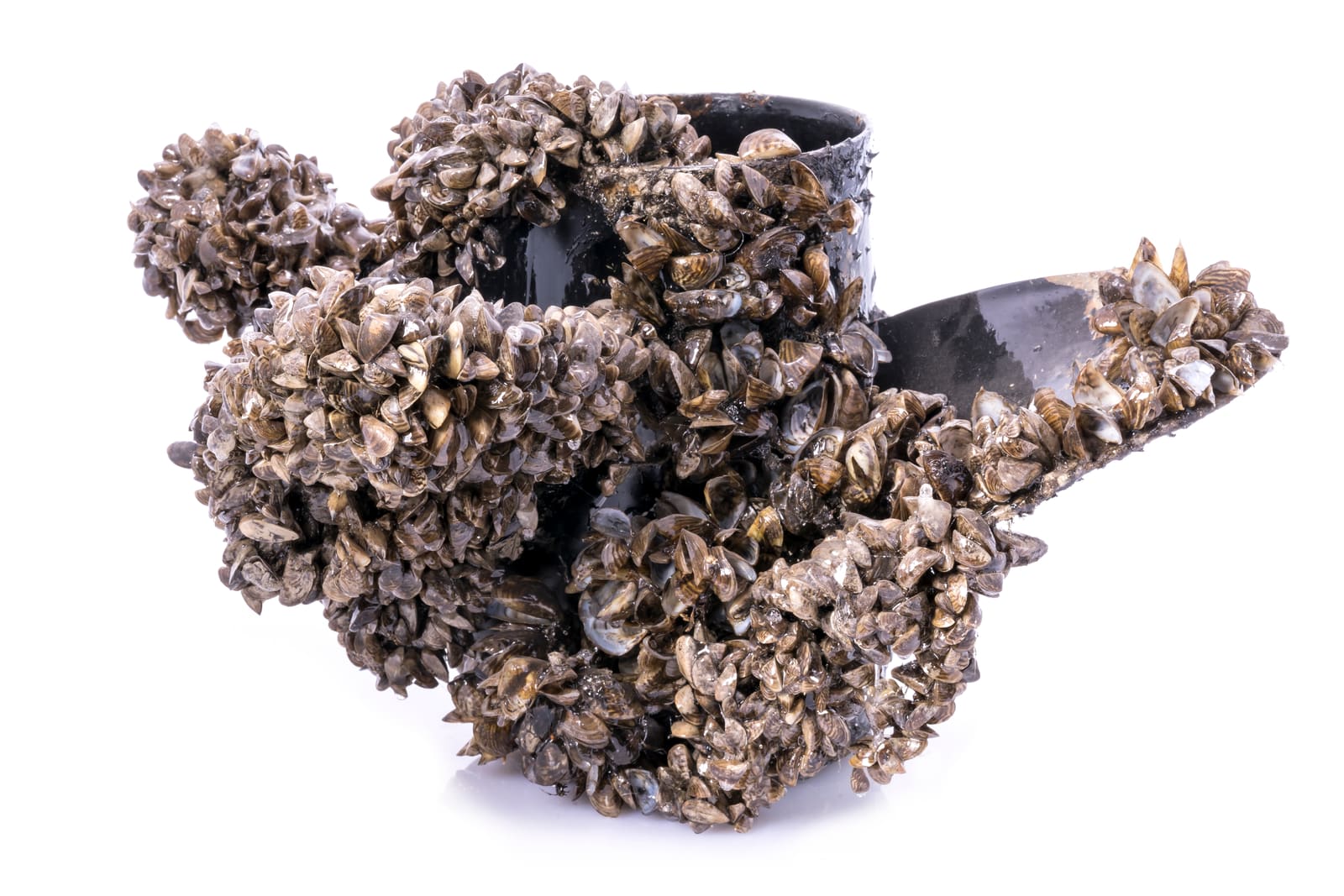
Clean, Drain, Dry: Stopping Zebra and Quagga Mussels and Other Invasive Species
What Clean, Drain, Dry means in practice for your boat, trailer and motor, what to drain before you leave the ramp, what happens at a watercraft inspection or decontamination station, and examples of state rules you may run into when you trailer between lakes.
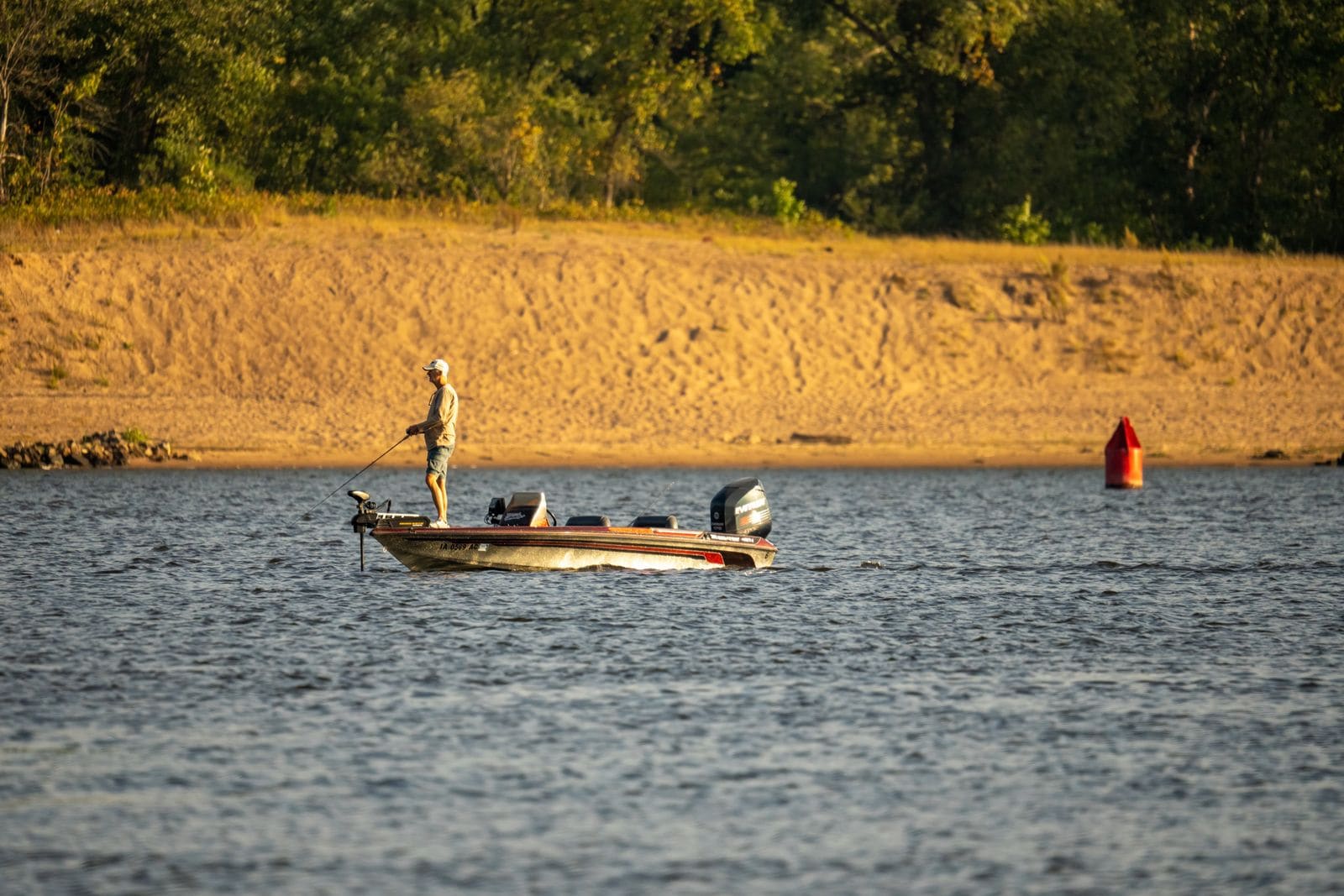
Trolling Motor Won't Run, Runs Weak or Cuts Out: How to Troubleshoot It
Work through a dead, weak or on-and-off trolling motor from the cheapest checks to the hardest: battery charge and load test, connections, the breaker, line wrapped behind the prop, stow and deploy problems and GPS anchor glitches. Most problems turn out to be power supply; motor head and steering electronics are a service-center job.