Choosing How to Store Your Boat: Trailer at Home, Dry Stack, Lift, Wet Slip, Mooring or Indoors
Compare the main ways to keep a boat in season and over winter: on a trailer at home or in a lot, in a dry stack, on a lift, in a wet slip, on a mooring or indoors. See what each costs, how it affects growth, corrosion, UV and upkeep, what to check about insurance, HOA rules and security, and how winter changes the choice.
Time
2 h
Applies to
All engines
Safety first: A boat stored badly can fall off its stands, sink at the dock or freeze and crack. Never stay aboard or under a boat that's being lifted, racked or blocked, and never swim near docks with shore power (electric shock drowning risk). If a stored boat is taking on water, sinking or has a fuel smell, call the marina, TowBoatUS or Sea Tow, or 911, and don't board it. This guide is general information: storage contracts, local ordinances, HOA rules and insurance policies vary, so read yours.
Owners often ask
- Is dry stack storage worth it compared to keeping my boat in a wet slip?
- My HOA says I can not keep my boat in the driveway. What are my cheapest options?
- My marina contract has a hold-harmless clause. Should I sign it?
This guide walks you through it. Still stuck? Ask the AI Mechanic about your engine.
Tools
- Tape measure (boat length overall, beam and height on the trailer)
- Phone for photos and quotes
- Copy of your insurance policy
Before you start
Know your boat's numbers. Storage is usually priced by length, and Discover Boating notes height and beam can matter too. Measure length overall (including the swim platform and bow pulpit), beam, and the total height on the trailer with the top down. Note the weight with fuel and gear if you'll use a lift or dry stack.
Ask yourself three questions:
- How often will I use the boat, and how far will I drive to it?
- Do I have a tow vehicle and a place to park a trailer?
- Do I want to do my own maintenance?
Cost ranges (very rough, 2026). Discover Boating says most owners pay about $50 to $600 a month, some pay nothing and premium coastal slips cost much more. Its examples:
- Outdoor lot: about $2 to $6 per foot per month, roughly $50 to $300 a month for most trailerable boats
- Covered (roof, open sides): about $100 to $400 a month
- Indoor building: about $150 to $600 or more a month; Discover Boating says rack and dry stack marinas often charge $10 to $25 per foot (ask whether that's per month or per season)
- Climate controlled: 25% to 50% more than standard indoor
- In-season wet slip: $1,000 to more than $5,000 per season, with indoor rack storage often about 1.5 times that (Discover Boating's ownership costs page)
- Winter storage: $300 to $1,500 for the season, plus winterization and shrink-wrap
Get local quotes; location changes everything.
Steps
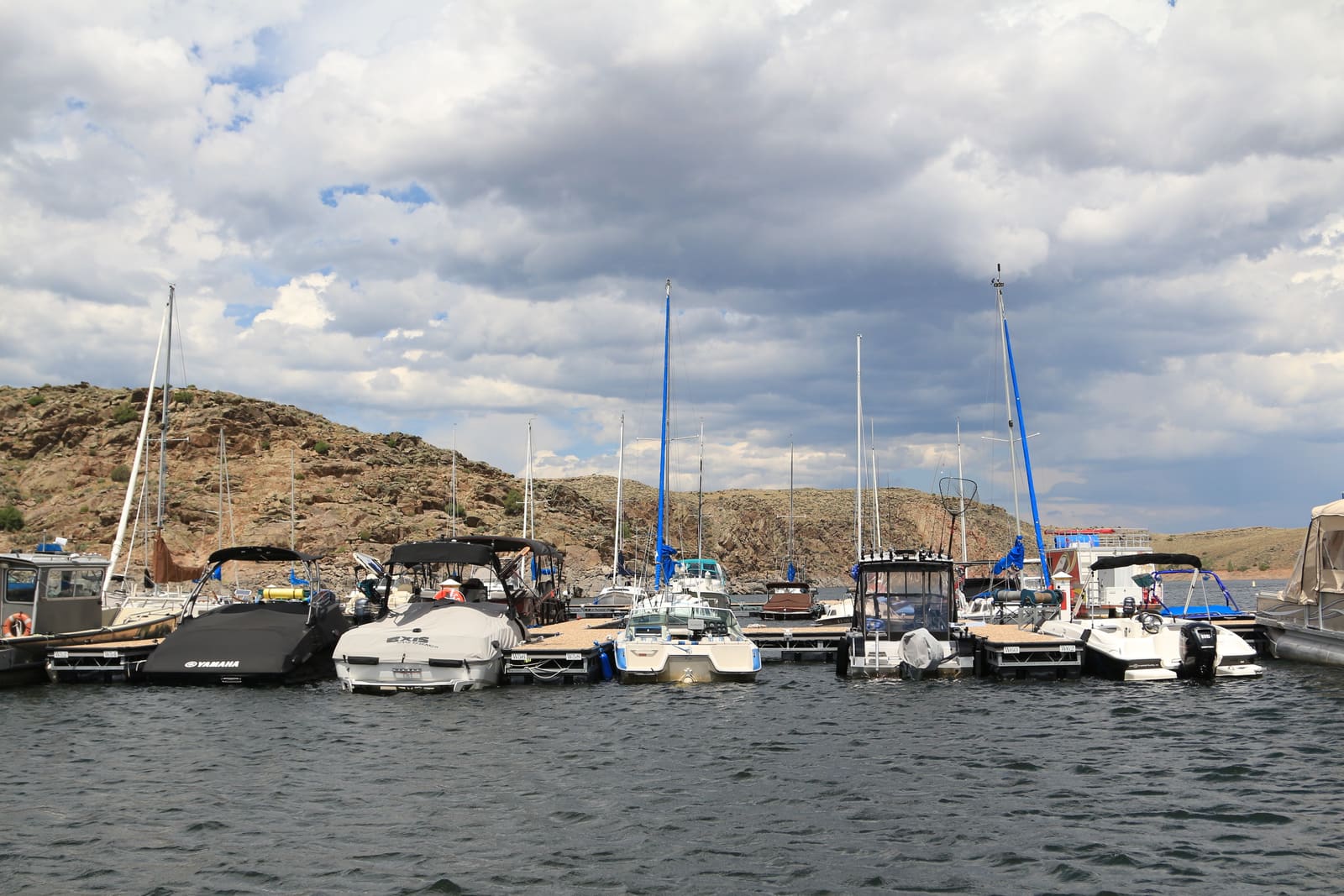
Pros: cheapest (often free), the boat is where you can work on it, and you can trailer to different lakes. Cons: you need a capable tow vehicle and must launch and retrieve every time; the boat sits in sun and weather unless covered; security is up to you. Check first: Discover Boating warns that many local ordinances and HOA rules restrict where and how you can park a boat. Read your covenants before you buy, not after a violation letter. BoatUS (2014) noted HOA and city rules are one reason small-boat owners move to dry stack. Upkeep: a good cover (or a carport), wheel chocks, a coupler lock, and trailer care (tires, bearings, lights). Rinse the boat and trailer after salt water; BoatUS recommends doing it within a few hours of leaving the ramp. If you'll move the trailer around a yard or driveway by hand, look at the tongue jack: BoatUS (2026) notes that swing jacks generally top out at 1,000 to 2,000 pounds of tongue weight, and that jacks with two wheels roll better over grass and soft ground, single wheels better on concrete.
Pros: cheap, easy to find near most boating areas, and Discover Boating notes some marinas with ramps let you leave the boat and trailer in a lot year-round at a low rate. Cons: outdoor exposure, and you still need a tow vehicle; few marinas will launch it for you. Check: fencing, locked gates, lighting and cameras, which Discover Boating says to look for. Ask whether you can work on the boat on site, and whether they allow battery tenders.
BoatUS describes dry stack as boats stored on racks, often inside a steel building, and launched by forklift. You call ahead, the marina puts the boat in the water (some fuel it), you go boating, and they wash it and rack it when you return.
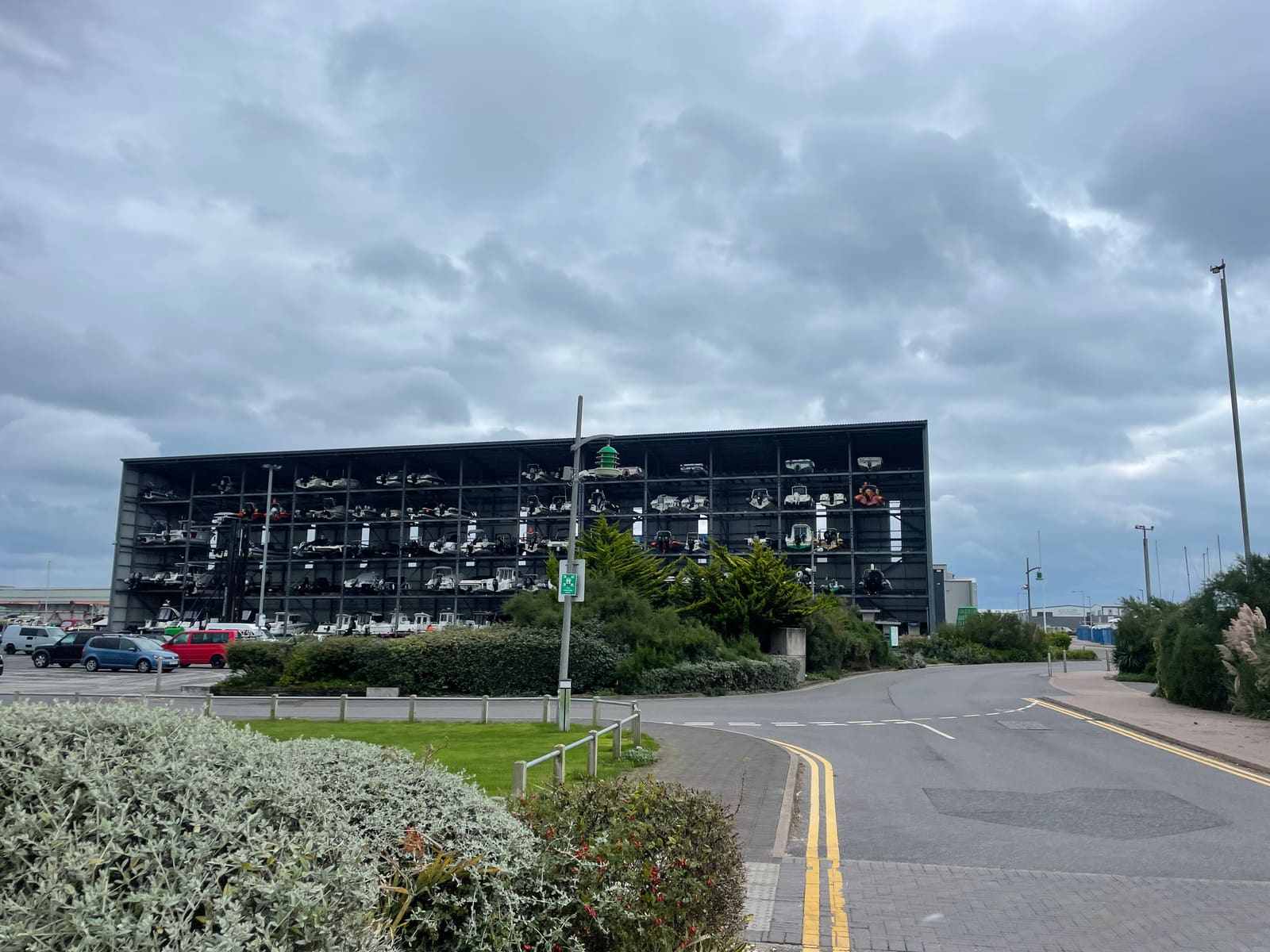
Dry stack storage keeps boats out of the water on forklift-served racks, often under a roof. Photo: Eirian Evans / Wikimedia Commons · CC BY-SA 2.0 Pros: no trailer to buy or maintain, no bottom growth and usually no need for bottom paint because the boat isn't sitting in the water, and less UV in an enclosed building (open sheds still let some sun in). BoatUS notes many buildings have security systems and some have fire suppression or are built to hurricane codes. Cons: cost and limited availability; you have to plan ahead and use the boat during business hours; size and weight limits (many buildings top out around 35 to 40 feet). Discover Boating notes some facilities don't let owners work on boats on site, so you may pay for basic jobs like oil changes. Ask: what happens in a hurricane, who's liable for forklift damage, and whether the boat lives there year-round (Discover Boating notes year-round dry stack can replace both a summer slip and winter storage).
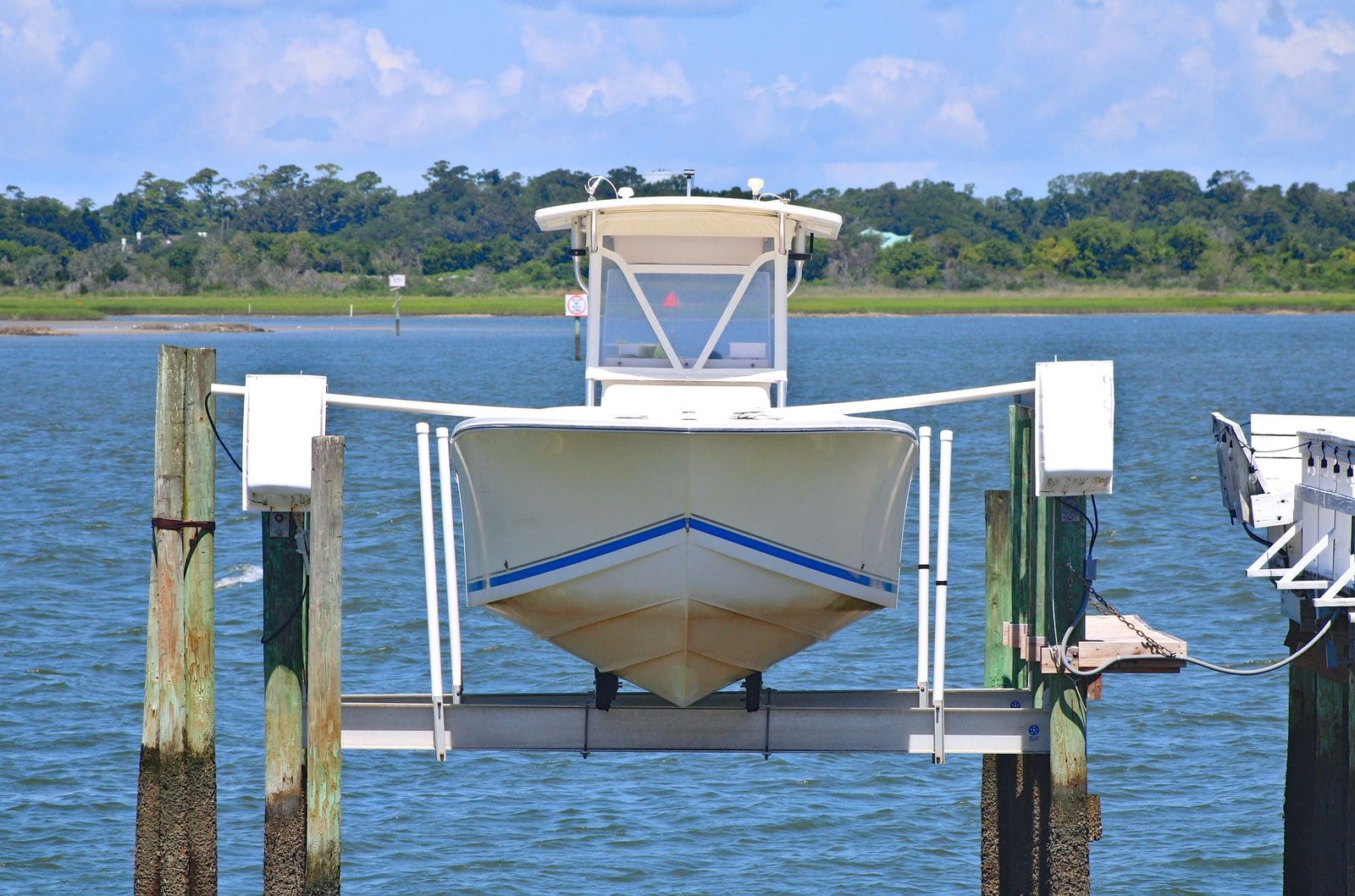
A lift (at your own dock or a rented slip) holds the boat above the water between trips. Pros: the hull stays out of the water, so less growth, less blistering risk on fiberglass, and less corrosion on drives and outboards; it's ready to go in minutes. Discover Boating notes some slip holders leave the boat on the lift over winter. Cons: the lift itself costs money and needs care (cables, pulleys, motors, bunks); the boat is still outside in sun and storms; ice and high water can damage lifts. Upkeep: see our boat lift care guide. In storms, follow the lift maker's tie-down advice; a lift is not a hurricane plan by itself.
Pros: the most convenient: walk down the dock and go. Marinas often have amenities and, as Discover Boating notes, a year-round slip means no separate winter storage bill (but you'll still pay for haul-outs for maintenance). Cons: the highest-maintenance option for the hull. In the water, the bottom grows algae and barnacles, so most boats need antifouling bottom paint and regular cleaning; drives and metal parts corrode faster, especially in salt water; anodes wear faster. Thru-hulls, hoses and bilge pumps are working all the time; a failure can sink the boat at the dock. Check: dockline and fender setup (BoatUS notes boats caught under docks are a common winter sinking), chafe guards, shore power condition (galvanic isolator, ELCI protection) and the marina's rules on liveaboards, DIY work and contractors.
A mooring is a permanent anchor on the bottom with chain, swivels and a pendant (the line to your boat) at the surface, out in a mooring field.
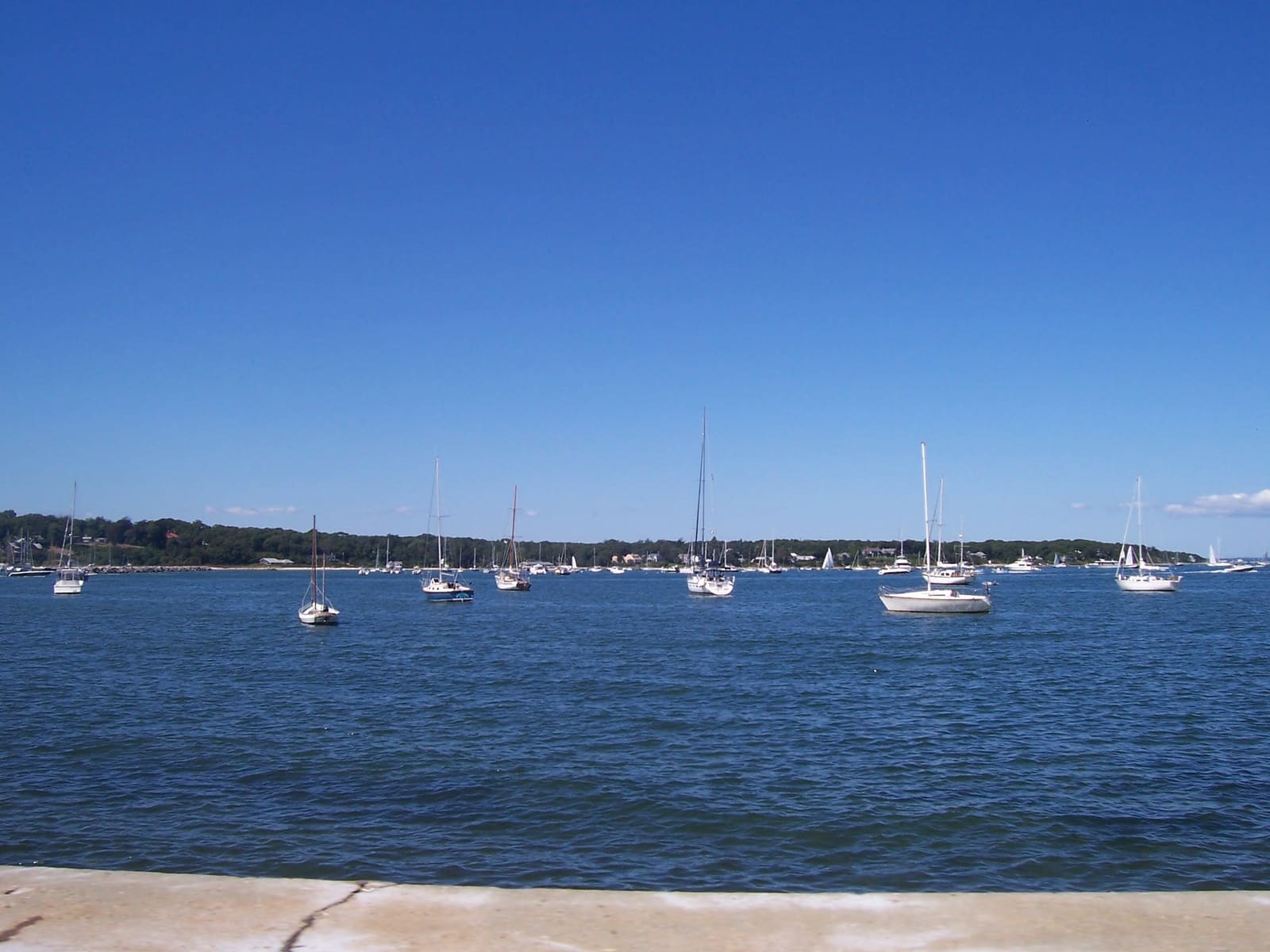
In a mooring field each boat swings on its own permanent anchor, chain and pendant. Photo: EgorovaSvetlana / Wikimedia Commons · CC BY-SA 4.0 Pros: usually cheaper than a slip, and boats on moorings swing to the wind, which suits sailboats. Cons: you need a dinghy or launch service to get aboard; no shore power for charging; same growth and corrosion as a wet slip. Upkeep: BoatUS claim files show everyday mooring failures split roughly evenly between dragged anchors, failed pendants and problems in between. Have the whole system inspected every year, replace worn pendants and add chafe gear. BoatUS also reports that helical (screw-in) mooring anchors hold far better than traditional mushroom or deadweight anchors. Many harbors require a permit and annual inspection.
Pros: Discover Boating calls indoor storage the most protective option: out of the sun, rain and snow, with better security. That can mean less cover wear, less fading and higher resale value. Cons: expensive and hard to find, unless your own garage fits the boat. Measure height on the trailer, including the windshield, tower or T-top. Check: humidity and mildew in closed buildings (vent the boat; see our mold and mildew guide), rules about batteries and chargers, and fuel (many buildings require tanks treated and some want them nearly full or empty; follow the facility's rule).
Put the choice next to what you'll spend keeping the boat in shape:
Storage Growth and bottom paint Corrosion UV and weather Trailer (home or lot) None Low (rinse after salt) High unless covered Dry stack None Low Low indoors, moderate in open sheds Lift Very little Low to moderate High Wet slip or mooring Yes; bottom paint and cleaning Highest High Indoor None Low Lowest - Tell your insurer where the boat is kept. Policies are written around the storage location, and BoatUS (2025) reports some insurers won't bind new policies when a named storm is approaching and may require boats to be above a certain latitude, or hauled out, during hurricane season. In storm areas they may ask for a written hurricane plan.
- Winter in the water in freezing areas may need a specific endorsement or a winterization plan; BoatUS describes freeze coverage as an optional endorsement on some policies.
- Damage while stored: BoatUS (2010) points out that sudden accidents in a boatyard, like a dropped boat, are typically covered, but slow damage from poor support over years counts as wear and tear and is not.
- Read the storage contract: who's liable for damage by staff, required insurance limits, payment terms (unpaid storage can lead to a lien sale; see our storage lien guide), and whether you can use outside mechanics.
- Watch for "hold-harmless" and insurance clauses. BoatUS (2012) warns that more marina and storage contracts release the facility from liability even for its own staff's negligence, ask to be named as an "additional insured" on your policy, or ask you to waive your insurer's right to recover from the facility (a "waiver of subrogation"). Those terms can clash with your boat policy and, in the worst case, leave a claim unpaid. Send the contract to your insurer before you sign, and remember terms can be negotiated before signing, not after.
BoatUS (2013) says its claim files suggest a boat is less likely to be damaged, short and long term, when stored on land rather than in the water: no slow leak from a small underwater fitting nobody notices, no damage from rising and falling water and winter storms, and a hull that dries out each winter is less prone to blisters. The catch is that air cools faster than water, so a boat ashore is more exposed to a sudden freeze and has to be winterized earlier. BoatUS's rule of thumb: if you won't use the boat for a month or more, winterize it.
In cold regions, the choice splits again:
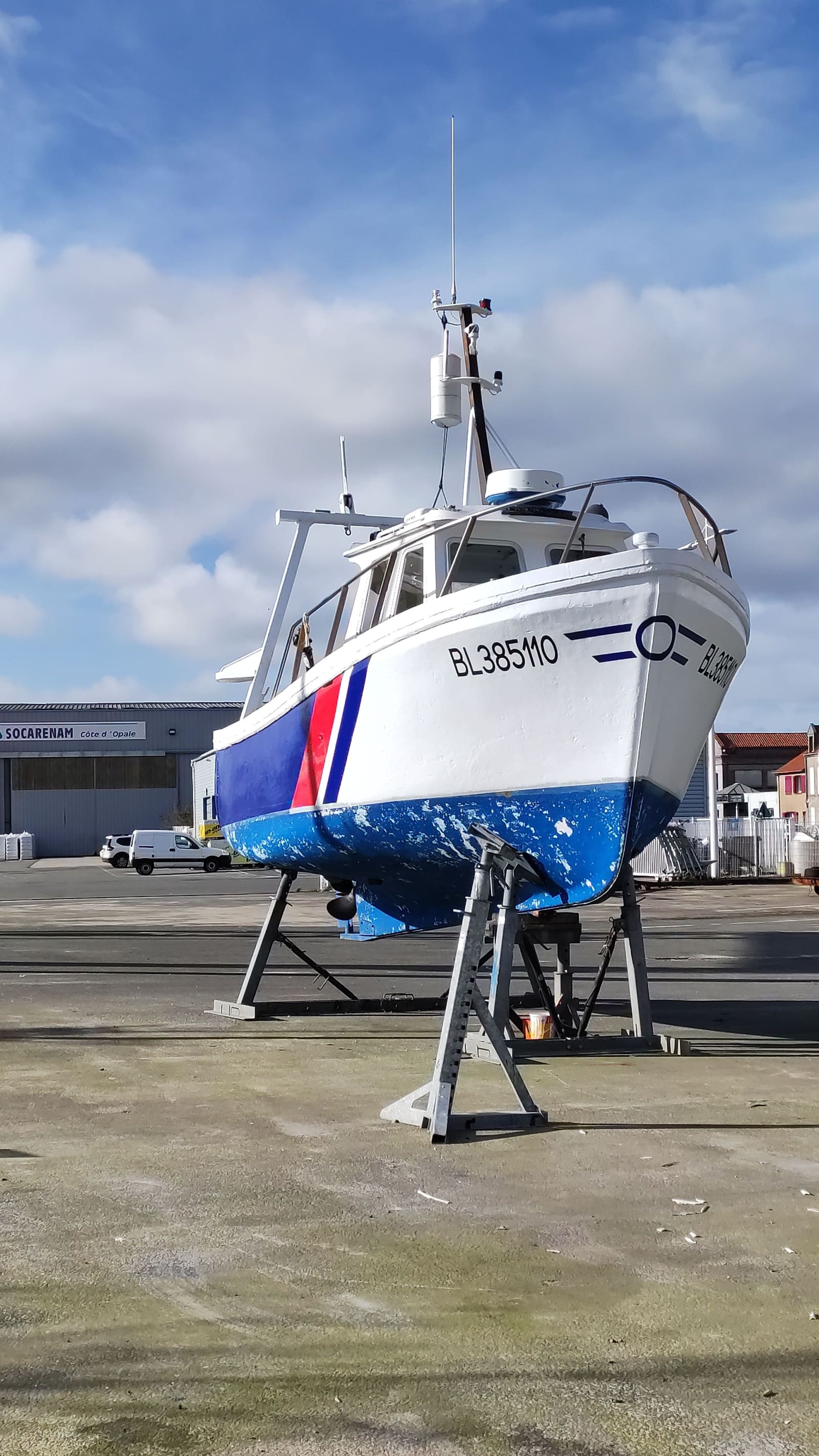
- Ashore, outside: the most common and cheapest; the boat needs proper winterization and a good shrink-wrap or cover. BoatUS stresses solid blocking: enough jackstands (at least three per side for boats over 26 feet), stands chained together, plywood under each base, and never tying a tarp to the stands.
- Ashore, inside: costs more but protects from snow load and UV.
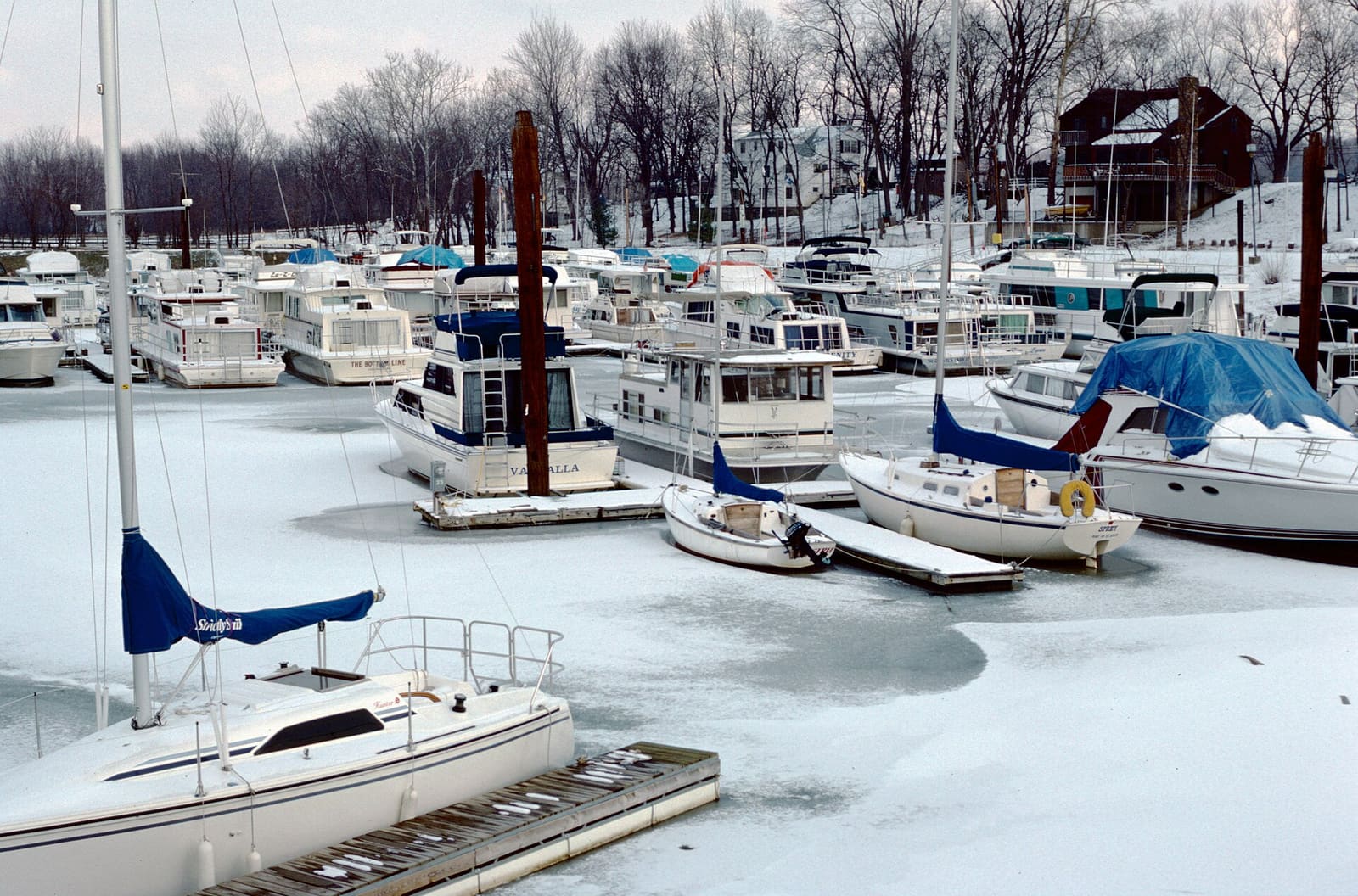
- In the water: Discover Boating says this works where winters are mild, or with a de-icer (bubbler or agitator) to keep ice off the hull, but if power fails the hull can freeze in place. BoatUS says to close all seacocks except cockpit drains, double-clamp hoses, keep the bilge pump wired directly to the battery, and store ashore if any below-waterline thru-hull can't be closed.
- On a lift: some owners leave the boat on the lift; follow the lift maker's ice advice.
See our winter layup checklist, shrink-wrap and in-water de-icer guides.
Walk the facility. Look at how other boats are blocked or racked, whether stands are rusty, whether docks and power pedestals look maintained, and how the lot drains after rain. Ask how they handle storms and who to call after hours. Photograph your boat when you drop it off, inside and out, and again when you pick it up.
Your use changes. If you went out only a few times last season, a cheaper lot or dry stack may beat a wet slip. If you're spending weekends scrubbing the bottom, a lift may pay for itself. Discover Boating also notes that storage a short drive away from the coast can cost much less, and that reserving early matters because space sells out.
Common mistakes
- Buying a boat before checking HOA rules, garage height or what a slip actually costs.
- Comparing only the monthly fee and ignoring bottom paint, haul-outs, launch fees and trailer upkeep.
- Leaving a boat in the water without bottom paint or with neglected anodes.
- Storing outdoors without a proper cover, or covering a wet boat and growing mildew.
- Not telling the insurer that the boat moved to a different place or type of storage.
- Assuming a dry stack or yard will winterize the boat unless that's in the contract.
- Trusting a mooring nobody has inspected in years.
When to call a pro
- The boat will spend winter in the water in a freezing area: have the marina or a technician set up de-icing and winterize systems that stay wet
- Blocking or cradling a larger boat, a sailboat with a keel or a boat with special support needs: let the yard do it and check against your manual
- Your mooring needs inspection, a new pendant or a new anchor: use a licensed mooring service
- Installing a lift, dock power or shore power at a private dock: hire a lift dealer and a licensed electrician
- A stored boat shows water in the bilge, a fuel smell or a list: call the facility right away
Tips
- Ask friends at the ramp or marina what they pay and what they'd change.
- Sign up for a slip or dry stack waitlist early, even if you're not sure yet.
- Keep a copy of your storage contract and drop-off photos with your insurance papers.
- Whatever the storage, check on the boat every few weeks, especially after storms or heavy snow.
- Mice and other rodents are a top complaint from owners whose boats sit all winter in barns, garages and outdoor lots: they nest in cushions and chew wiring. Take food and soft bedding off the boat and see our rodent prevention guide.
- BoatUS notes boats in gated or patrolled facilities are much less likely to be stolen; take portable electronics home for the off-season.
- Put the storage renewal date in the BoatMend app with your registration and insurance dates.
Official references
We read these to write this guide. Your engine's own manual always wins.
- Discover Boating – Boat Storage
- Discover Boating – How Much Does Boat Storage Cost?
- Discover Boating – Costs of Boat Ownership
- BoatUS Magazine – The How-Tos Of Dry Rack Storage (2014)
- BoatUS Magazine – What To Look For In Winter Boat Storage (2010)
- BoatUS Magazine – How To Store Your Boat In The Water For The Winter (2013)
- BoatUS Magazine – Everyday Moorings (2014)
- BoatUS Magazine – Boat Insurance and Financing (2025)
- BoatUS Magazine – 5 Things To Know About Boat Insurance (2013)
- BoatUS Magazine – How To Wash A Trailer (2013)
- BoatUS Magazine – How To Store Your Boat For The Winter (2013)
- BoatUS Magazine – Hit The Road, Jack (2026, trailer jacks)
- BoatUS – Boat Marina Liability (2012)
Safety: BoatMend is for information only and does not replace a certified marine technician. You are responsible for your safety and your boat. Read the full disclaimer.
Last updated 2026-10-25
Related guides
How to Inspect and Maintain a Boat Lift (Cables, Pulleys, Motor, Bunks and Storm Prep)
Inspect the cables, pulleys, motor, wiring and bunks on your boat lift, center the boat correctly, and prepare the lift and boat for storms and winter. Cable failures and overloading from rainwater or snow are the most common ways lifts drop boats.
How to Keep Your Boat in the Water Over Winter (De-Icers, Covers and Checks)
Wintering afloat can be safe if you still winterize every water system, keep the bilge pump and batteries working, use a de-icer correctly on a GFCI-protected circuit, respect the shock and thin-ice risks, and visit the boat regularly.
Winter Boat Cover vs Shrink Wrap: Support, Ventilation, Safety and Spring Removal
Choose between a reusable winter cover and shrink wrap, build a support frame that sheds snow, vent it so the boat doesn't mildew, and know the fire risks before you try DIY shrink wrap. Includes spring removal and recycling.
Storing a Boat on Stands and Blocks: Keel Blocking, Stand Placement and Safety Chains
Learn how a boat should sit on keel blocks and boat stands for winter or a haul-out, so you can check the yard's work, spot dangerous setups, and keep your boat from settling, distorting or falling over in wind, rain or a storm.
Winter Layup Master Checklist (Step-by-Step, With Links to Each Job)
One ordered checklist for putting any boat away for winter, from booking storage and treating the fuel to winterizing the engine, water systems, head and batteries, then blocking, covering and securing the boat. Each step links to the detailed BoatMend guide for that job.

How to Prepare Your Boat for a Hurricane or Tropical Storm
Make a written storm plan before the season, then haul out or secure the boat with doubled lines and chafe gear, strip off everything that catches wind, and check it safely after the storm. Never ride out a hurricane aboard.
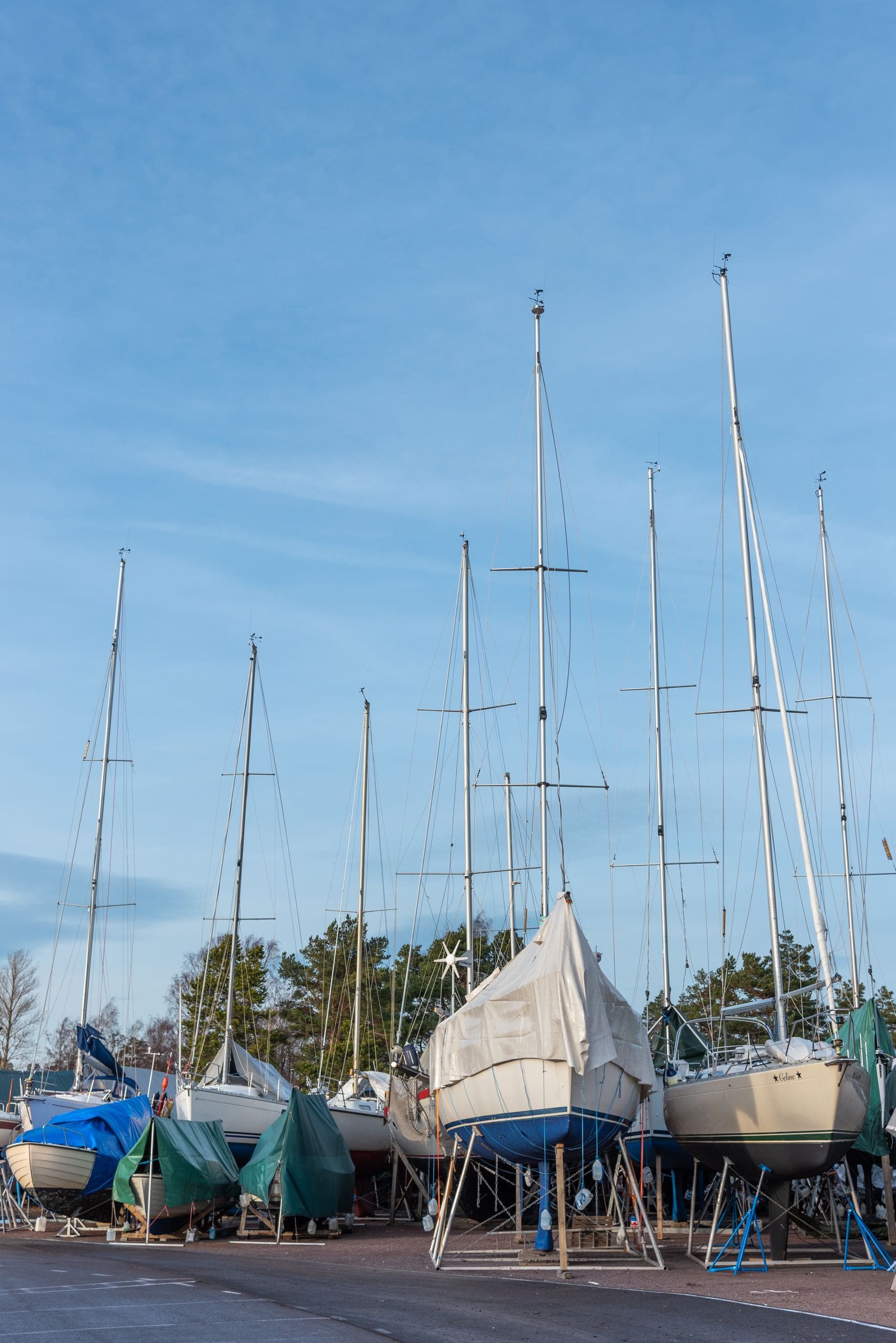
Bottom Paint (Antifouling): Do You Need It, Which Type, and How to Repaint
Learn whether your boat needs antifouling bottom paint, how ablative and hard paints differ, and how to prep and roll on a fresh coat safely, without poisoning yourself or the water and without ruining an aluminum hull.
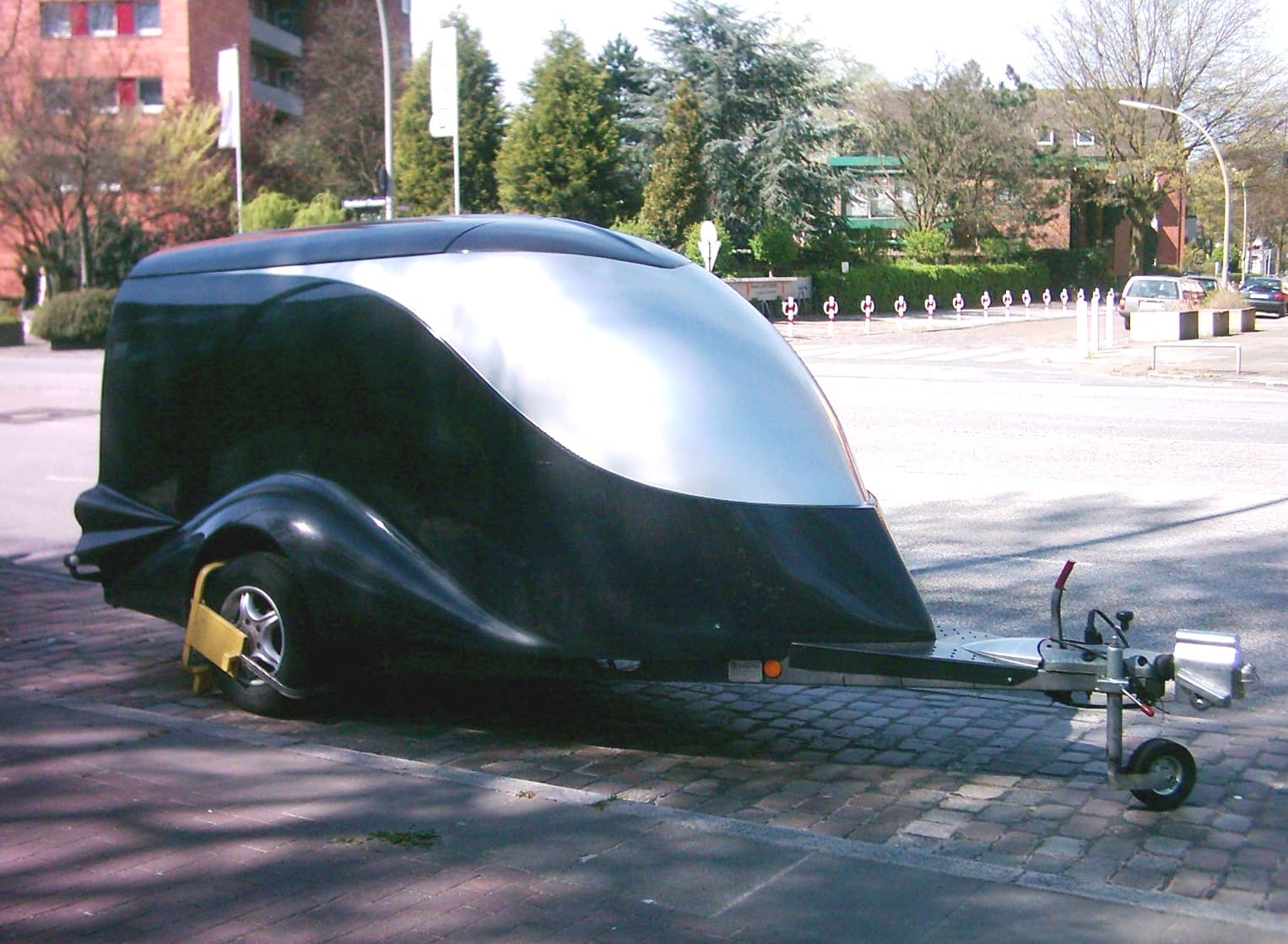
How to Protect Your Boat, Motor and Trailer From Theft
Practical, layered security for boat owners: outboard locks, trailer coupler and wheel locks, disabling the boat, GPS trackers, engraving and marking, photo and serial number records, safer storage, and exactly what to report (HIN and serial numbers) if your boat is stolen.
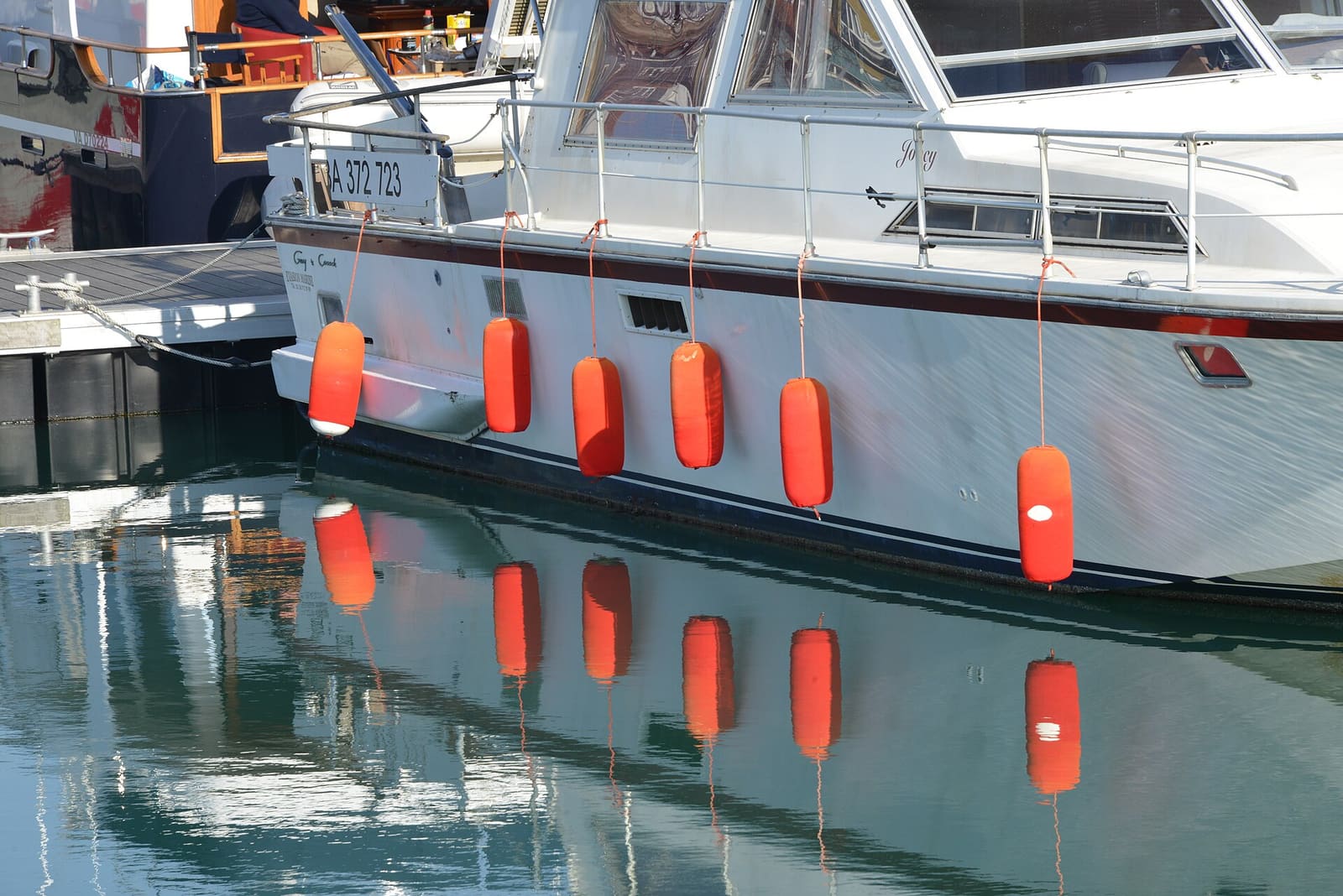
How to Size, Rig and Inspect Dock Lines and Fenders
Pick the right dock line diameter and fender size for your boat, set up bow, stern and spring lines in a slip, add chafe gear, inspect for wear and UV damage, and double everything up before a storm.
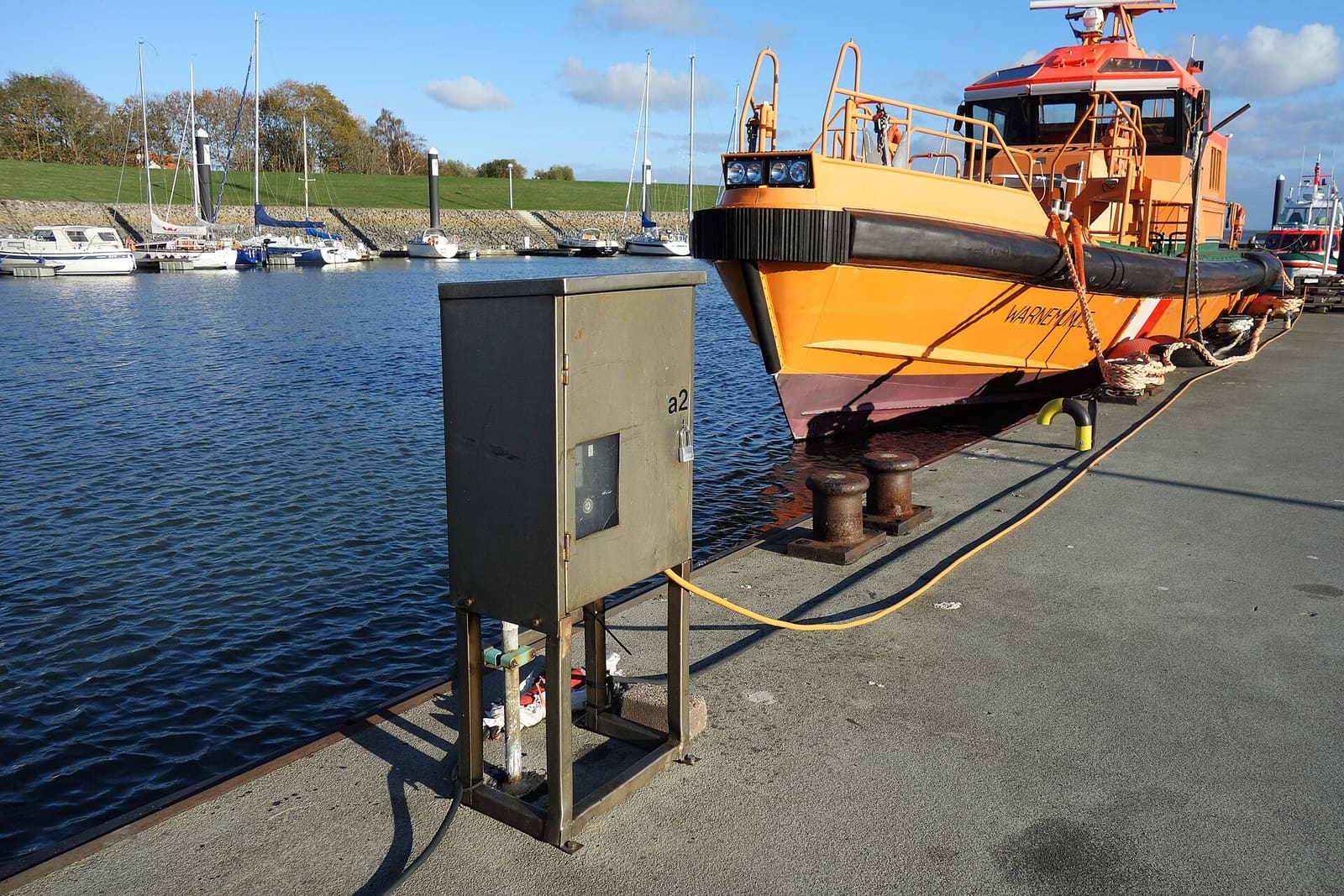
Shore Power Safety: Cords, Inlets, Burned Plugs and Electric Shock Drowning
An owner's inspection routine for your shore power cord, plugs, boat inlet, galvanic isolator and ground-fault protection, plus the right way to plug in and the facts about Electric Shock Drowning. This guide is for looking and testing only; any electrical repair belongs to an ABYC-certified marine electrician.

How to Keep Mice and Rodents Off Your Stored Boat
Mice love a stored boat: dry, quiet and full of soft nesting material and tasty wire insulation. Learn how to remove what attracts them, close their way in, choose deterrents and traps that actually work, avoid the risks of poison, and check the wiring safely in spring.