Boater Education Cards: Who Needs One, How to Get It and When It Works in Other States
Most states require some boat operators to complete an approved boating safety course and carry proof. Learn how to find your state's rule (age, horsepower, boat type), pick a NASBLA-approved course, get the card, use it when you visit other states, and what rental and other exemptions usually look like. Practical guidance, not legal advice.
Time
4 h
Applies to
All engines
Safety first: A card doesn't make anyone a safe skipper; practice does. Never hand the helm to someone who doesn't meet your state's education or age rule, even for "just a minute." If you're the owner, you can be held responsible for who operates your boat. Rules change: confirm the current requirement with your state boating agency before every season and every trip to another state.
Owners often ask
- Do I need a boating license to drive my own boat, and does my card from home work in another state?
- Can I rent a pontoon or jet ski on vacation without a boater education card?
This guide walks you through it. Still stuck? Ask the AI Mechanic about your engine.
Tools
- Computer, tablet or phone for an online course (or a seat in a classroom course)
- Photo ID (driver license or state ID)
- Waterproof wallet or zip bag to keep the card aboard
Before you start
What it is. In most states a "boating license" is really a boater education card (or certificate): proof that you passed an approved boating safety course. It usually doesn't expire and doesn't need renewing, unlike a driver license. It's different from your boat's registration, which belongs to the boat, and from a Coast Guard captain's license, which is for carrying paying passengers (see our passengers-for-hire guide).
Why it matters. The Coast Guard's 2024 statistics found that roughly 70% of boating deaths happened on boats whose operator had not received boating safety instruction. The Coast Guard recommends a boating safety course for every boater, required or not.
Who sets the rules. Each state (and territory) writes its own education law. There's no single federal card for recreational boaters. That's why the answer to "do I need one?" depends on where you boat, your age or birth date, and what you drive.
Typical cost and time. Many state-approved online courses take a few hours; the Coast Guard notes that popular basic classroom courses run about 6 to 13 lessons. Some courses are free (for example, the BoatUS Foundation offers free online courses in many states), others charge a fee, and states may charge a small fee for the card itself.
Steps
Look up the boating agency for the state where you'll operate (not just the state where you live). It's usually the state wildlife, natural resources or parks department; NASBLA keeps a directory of state boating contacts. Search the agency site for "boater education" and read the official page or the law it cites. Course sellers' summaries are handy, but the state page is the one that counts.
Most state rules key on some mix of:
- Age or birth date: many states require the course only for people born on or after a certain date.
- What you operate: a horsepower threshold, a personal watercraft (PWC), or a sailboat over a certain length.
- Who's aboard: some states allow an uncertified operator if a qualified adult is right there supervising.
Two examples we checked on the official sources (October 2026):
- Florida: anyone born on or after January 1, 1988, needs a boating safety identification card (or an accepted alternative) to operate a vessel with a motor of 10 horsepower or more (Florida Statutes 327.395).
- Texas: you must complete a boater education course if you were born on or after September 1, 1993, and will operate a PWC, a motorboat over 15 horsepower, or a sailboat over 14 feet (Texas Parks and Wildlife).
Other states draw the lines differently, and some now require the course for all ages. New York's Brianna's Law, for example, requires all operators of motorized vessels, including PWCs, to complete a course. California phased in its California Boater Card by age group starting in 2018; since January 1, 2025, it applies to all persons regardless of age who operate a motorized vessel (Harbors and Navigation Code 678.11, as listed by the Ventura Port District's Harbor Patrol). Always read your own state's page.
Education rules and age rules are separate. Many states also set a minimum age to operate a motorboat or PWC at all, or to operate without an adult aboard, even with a card. The Coast Guard's state boating laws tables summarize what each state reported, but the state agency has the current answer.
Choose a course your state accepts:
- NASBLA-approved courses meet the ANSI/NASBLA Basic Boating Knowledge standards. NASBLA says a provider that wants to offer an approved course in another state must also submit it to that state's boating agency for approval, so check that the course is approved for your state, not just "NASBLA approved."
- Options: online courses with an online test, classroom courses from the Coast Guard Auxiliary, America's Boating Course from the U.S. Power Squadrons (which now goes by America's Boating Club; the Coast Guard's course page still uses the older name), and state-run classes. The Coast Guard's Boating Safety Courses page lists many providers.
- Some states require a proctored exam (taken in person) for certain situations; your state page will say.
Set aside a few quiet hours. Courses cover the navigation rules, aids to navigation (buoys and markers), required safety equipment, what to do in emergencies, and state-specific laws. Take notes on the parts you'll use every trip: who gives way in a crossing, what a red nun means, the sound signals and the light rules for night. Our right-of-way, buoys, horn signals and navigation lights guides are good refreshers afterward.
After you pass, follow the state's steps to get the permanent card; some states issue a temporary certificate first. Then:
- Carry it whenever you operate. Many states require the card (or an accepted form of it) on your person or aboard, usually with photo ID. Florida, for example, requires photo ID plus the card or an accepted alternative aboard. New York State Parks says operators must have the original, physical certificate on them or on board; a copy isn't accepted.
- Some states allow a digital card, or a note on your driver license; others don't. Check before you rely on a phone photo.
- Keep it in a waterproof wallet or zip bag with your registration.
If you're visiting, many states accept an education card from your home state if the course was NASBLA-approved. A Coast Guard table of state answers on education reciprocity shows most states saying yes, but not all, and some add conditions (for example, accepting only cards issued by a state agency, or only proctored courses). Florida's law lets a nonresident operate with photo ID and proof of an approved course from another state. Washington State Parks takes a time-based approach: a visitor from another state or country doesn't need a Washington card when boating there for less than 60 days; after 60 days, a Washington card is required (holders of another state's card can apply to have it recognized).
Moving to a new state is different. Once you're a resident, the new state's rules apply, and it may or may not accept your old card. Check with the new state's boating agency as soon as you move (our out-of-state buying guide covers the registration side).
Rules for renters vary widely:
- Some states exempt adult renters from the card if the rental business gives a safety briefing or short instruction.
- Some offer a short temporary certificate or exam you take at the livery. Florida, for example, has a temporary certificate exam; the certificate is valid for 90 days.
- PWC rentals often have stricter rules, such as minimum ages and required orientation.
New York is a good example of how specific these rules get. New York State Parks says a renter at least 18 years old may rent and operate a motorized boat or PWC from a livery without the certificate, because the livery staff must give basic instruction and safety information before you leave the dock. Renters under 18 must hold a boating safety certificate. That exemption covers only the rental; it doesn't let you run a friend's boat without your own certificate.
Ask the rental company what your state requires before you show up, and bring your card if you have one.
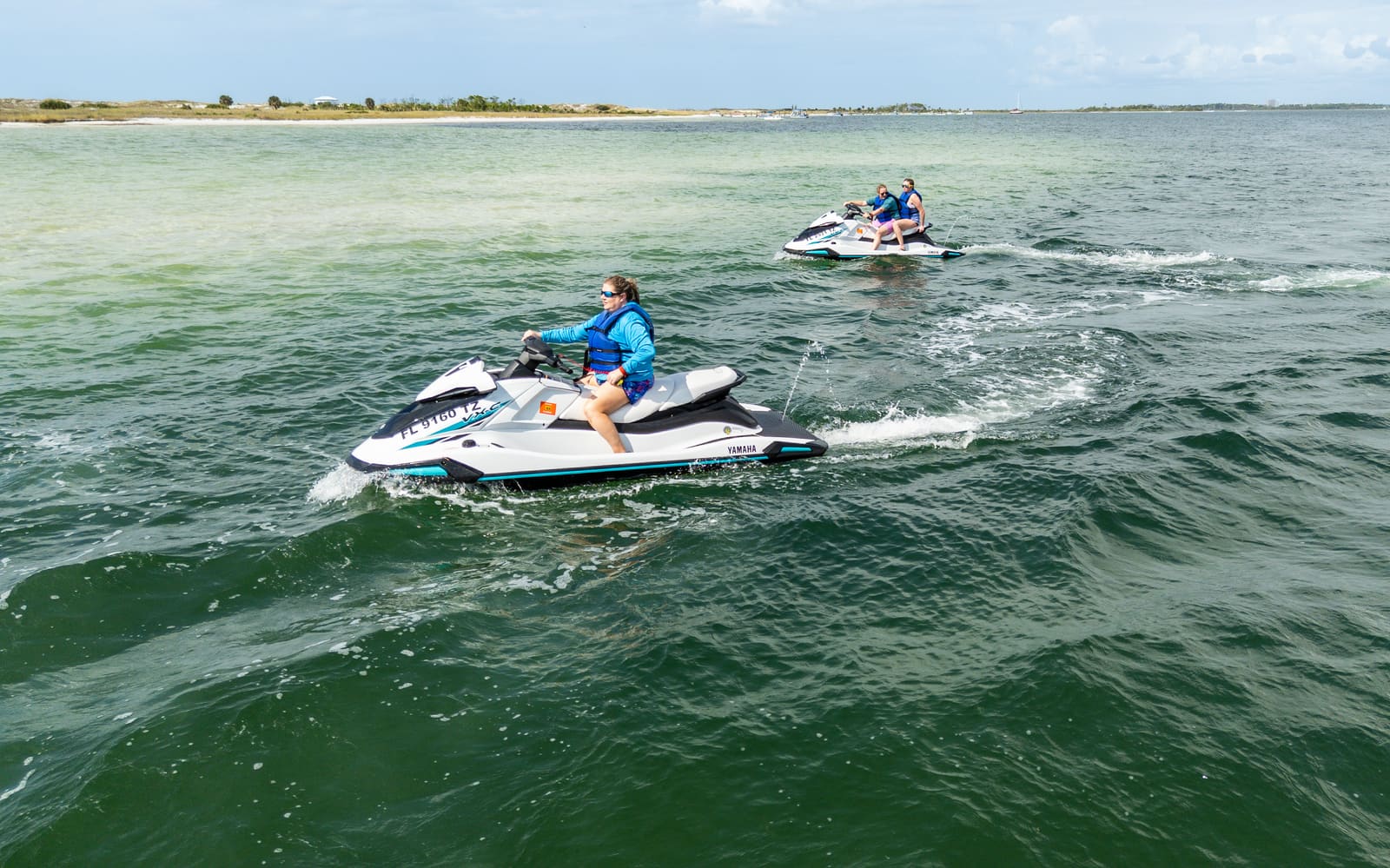
PWCs often have their own age and education rules, including for rentals. Photo: Nonrev.me / Wikimedia Commons · CC BY 4.0 States commonly exempt people who hold a Coast Guard captain's license (often you must carry a copy of it), people operating on a private pond, and new owners for a short period after purchase. Florida's law, for example, exempts operation within 90 days after buying the boat if the bill of sale is aboard, and an operator accompanied by an exempt or card-holding adult (18 or older) who is responsible for the boat's safe operation. Don't assume an exemption applies to you; read the exact words.
If your spouse, teen or a friend drives the boat, they need to meet the rule too. Getting everyone certified also means someone else can bring the boat home if you're hurt or go overboard, which is why our passenger briefing guide asks you to teach at least one adult to stop the engine and use the radio.
The card is the minimum. Consider an on-water skills course, a free Vessel Safety Check from the Coast Guard Auxiliary or U.S. Power Squadrons, and practicing docking and man-overboard drills with a fender on a calm day.
Common mistakes
- Thinking "I've boated for 30 years, I'm grandfathered." Some states now cover all ages; check the current rule.
- Taking a cheap online course that isn't approved for your state.
- Leaving the card at home, or keeping only a photo of it where the state requires the original.
- Assuming your home-state card works everywhere, or that it carries over when you move.
- Handing the helm or a PWC to a teen guest who doesn't meet the age or education rule.
- Confusing the education card with the boat's registration or with a captain's license.
When to call a pro
- You're not sure whether you, a family member or a guest can legally operate: call your state boating agency or a local marine patrol office.
- You were cited or want to know how a violation affects you: talk to a local attorney.
- You want to carry paying passengers: an education card isn't enough; contact your local Coast Guard office about a captain's license (see our passengers-for-hire guide).
- You want hands-on skills: book an on-water course with the Coast Guard Auxiliary, U.S. Power Squadrons or a reputable boating school.
Tips
- Take a photo of the card and store it in your phone as a backup, but keep the card itself aboard if your state requires it.
- Before a trip to another state, read that state's boater education page the week before you go.
- Many insurers offer a premium discount for completing a boating safety course; ask yours.
- Teens often find the online course easy; take it together and quiz each other on the rules of the road.
Official references
We read these to write this guide. Your engine's own manual always wins.
- U.S. Coast Guard Boating Safety – Boating Safety Courses
- U.S. Coast Guard Boating Safety – State Boating Laws, Education Reciprocity (Table 3.1)
- NASBLA – NASBLA Course Approval (ANSI/NASBLA Basic Boating Knowledge standards)
- U.S. Coast Guard News – Coast Guard reports fewest boating fatalities in more than 50 years (2024 statistics, July 2025)
- Florida Statutes 327.395 – Boating safety education
- Texas Parks and Wildlife – Boater Education
- New York State Parks – Boating Education
- Washington State Parks – Boater Education Card (visitors, renters, new owners)
- Ventura Port District Harbor Patrol – California Boating Safety Card Info (Harbors and Navigation Code 678.11 phase-in)
Safety: BoatMend is for information only and does not replace a certified marine technician. You are responsible for your safety and your boat. Read the full disclaimer.
Last updated 2026-10-26
Related guides
The Pre-Departure Safety Briefing: What to Tell Every Passenger (with a Printable Checklist)
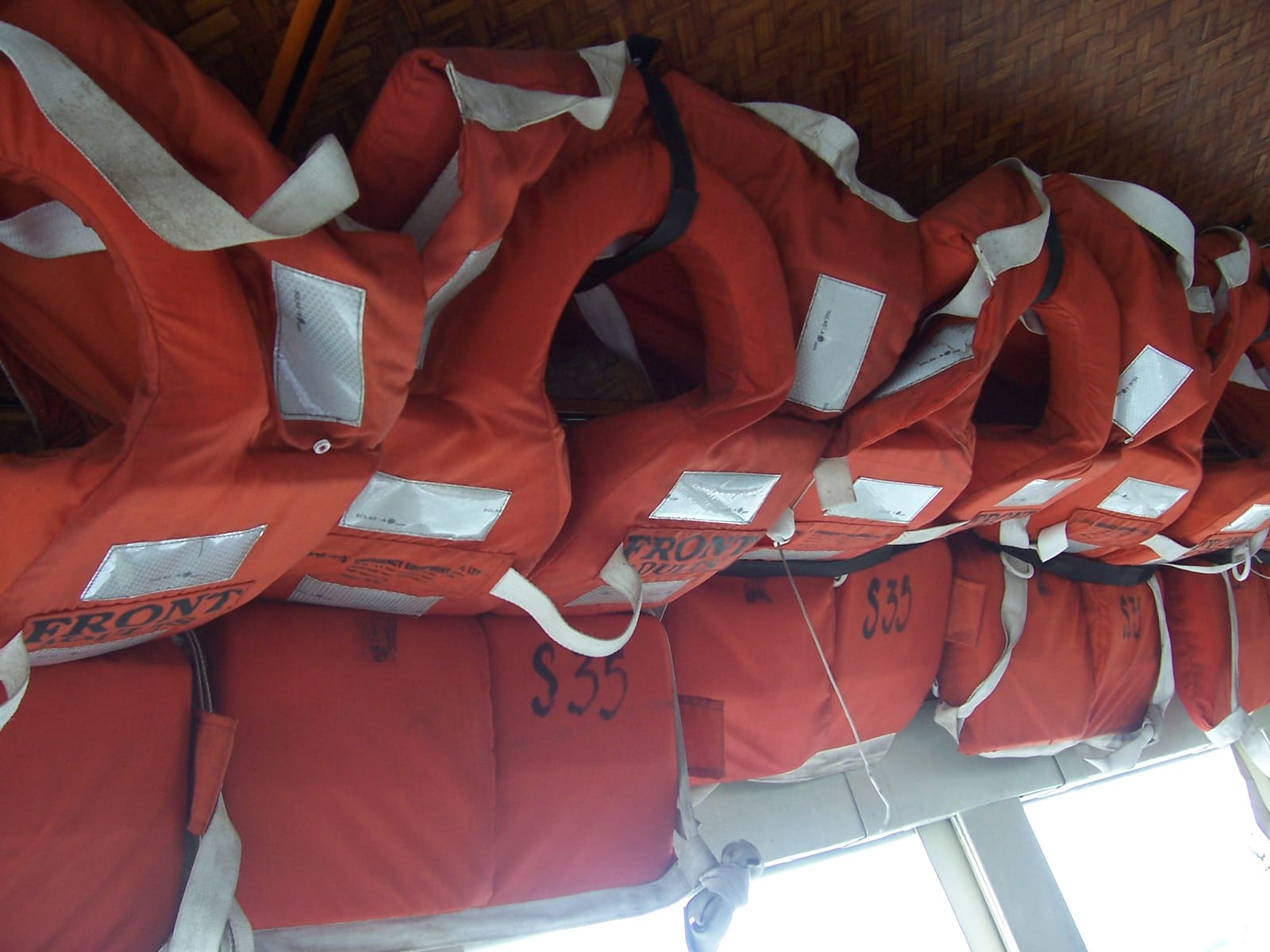
A five-minute talk before you leave the dock turns guests into a crew that can help in an emergency. Cover life jackets, the engine cut-off switch, the fire extinguisher, how to call for help on the VHF, what to do if someone falls overboard, staying seated, seasickness and carbon monoxide near the stern, then use the printable checklist every trip.
Boating Under the Influence (BUI): The Law, the Limits and How to Plan a Sober Skipper
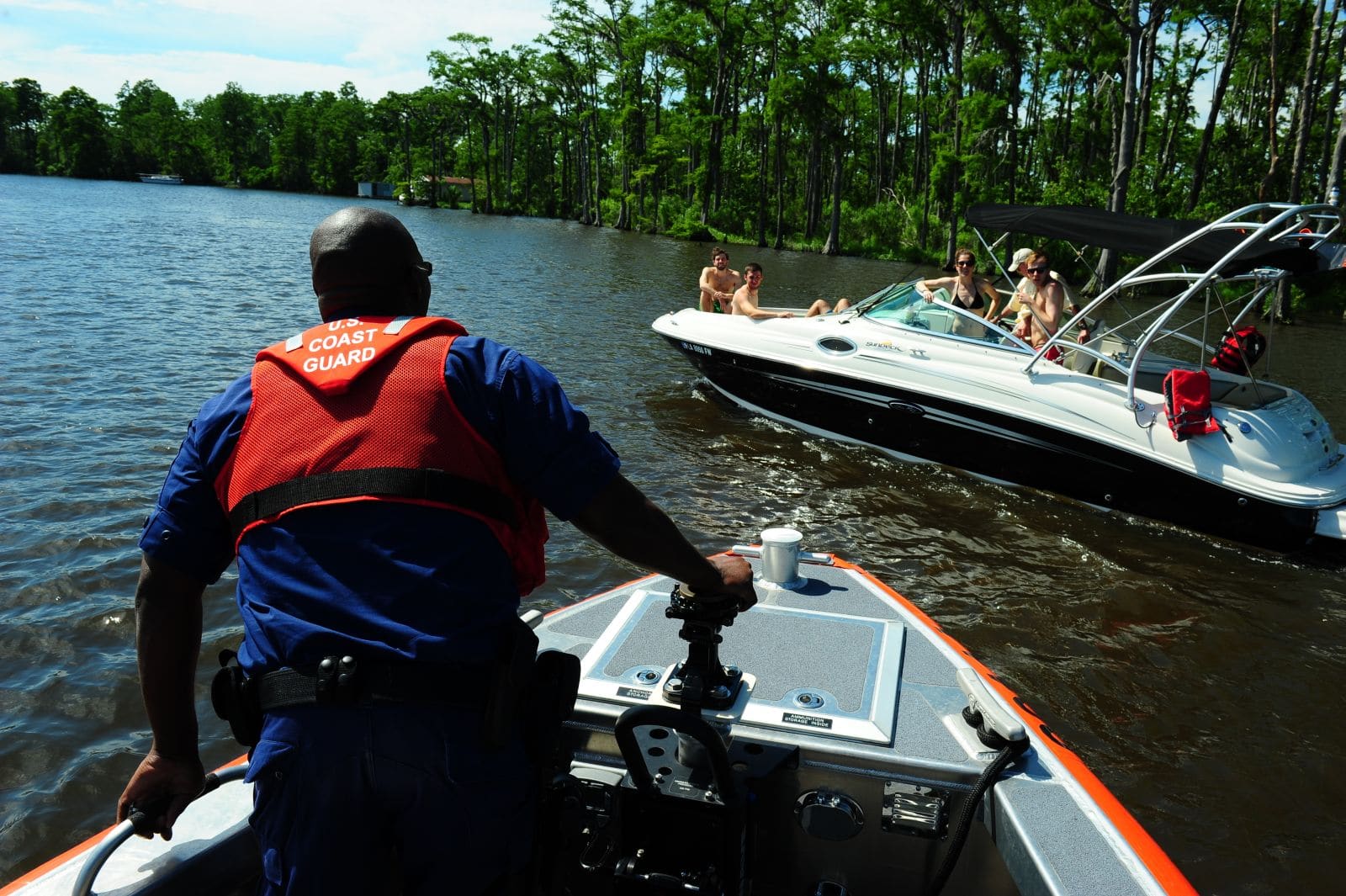
Operating a boat drunk or high is illegal in every state and under federal law, with a 0.08 BAC standard for recreational boats under 33 CFR Part 95. Learn why the sun, wind, noise and motion make alcohol hit harder on the water, what happens at a boarding (field sobriety tests, chemical tests and implied consent), the penalties, and how to plan a designated skipper. Practical guidance, not legal advice.
Right-of-Way on the Water: The Navigation Rules Every Recreational Boater Should Know
There are no lanes or stop signs on the water, so the Navigation Rules decide who keeps course and who gets out of the way. Learn stand-on and give-way, meeting head-on, crossing, overtaking, sail versus power, narrow channels, big ships, safe speed and keeping a proper lookout, with the rule numbers from the U.S. Inland Navigation Rules (33 CFR Part 83).
How to Read Buoys and Channel Markers: Red Right Returning and the U.S. Aids to Navigation System
Learn what the red and green buoys, daymarks and lights are telling you: red right returning, nuns and cans, odd and even numbers, preferred channel, safe water, isolated danger, the orange-and-white regulatory and information markers, the yellow symbols on the Intracoastal Waterway and how the Western Rivers system differs. Based on the Coast Guard's U.S. Aids to Navigation System rules (33 CFR Part 62).
When Guests Chipping In Becomes an Illegal Charter: Passengers-for-Hire Rules for Boat Owners
Friends voluntarily sharing the gas money is fine, but if anyone must pay or bring something as a condition of the trip, your boat is carrying passengers for hire and needs a Coast Guard-credentialed captain, and more than six passengers needs an inspected boat. Learn the legal tests, the six-pack (OUPV) license, what a real bareboat charter looks like, the risks of renting through peer-to-peer apps, and the insurance questions to ask. Practical guidance, not legal advice.
USCG Required Safety Equipment Check by Boat Length
Walk through your boat and confirm you carry every piece of safety gear the US Coast Guard requires for your boat's length and type, and that none of it is expired or worn out. Missing or expired gear is one of the most common tickets on the water, and it is the gear you need when things go wrong.
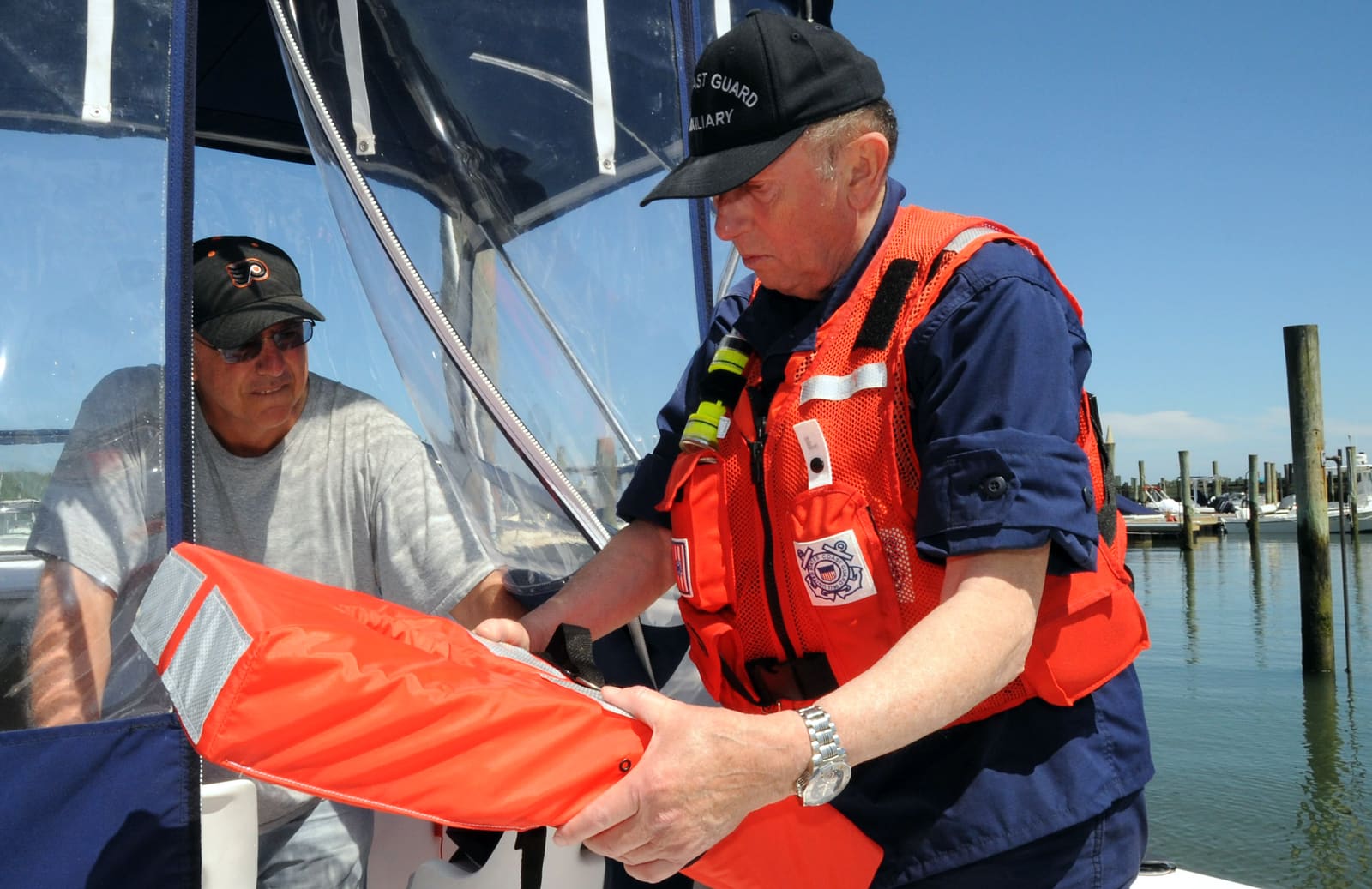
How to Prepare for a Free Vessel Safety Check
Volunteers from the Coast Guard Auxiliary and America's Boating Club will inspect your boat's safety gear for free, with no ticket if something is missing. Learn how to request a Vessel Safety Check, what the examiner looks at, how to get your boat ready and what to do with the fix list.
Engine Cut-Off Switch (Kill Switch) and Lanyard: The Law, Testing and Daily Use
How the engine cut-off switch (ECOS) and its lanyard or wireless fob work, when federal law requires you to wear it (boats under 26 feet, 3 hp or more, on plane), how to test it before every trip, and why a spare clip aboard matters.
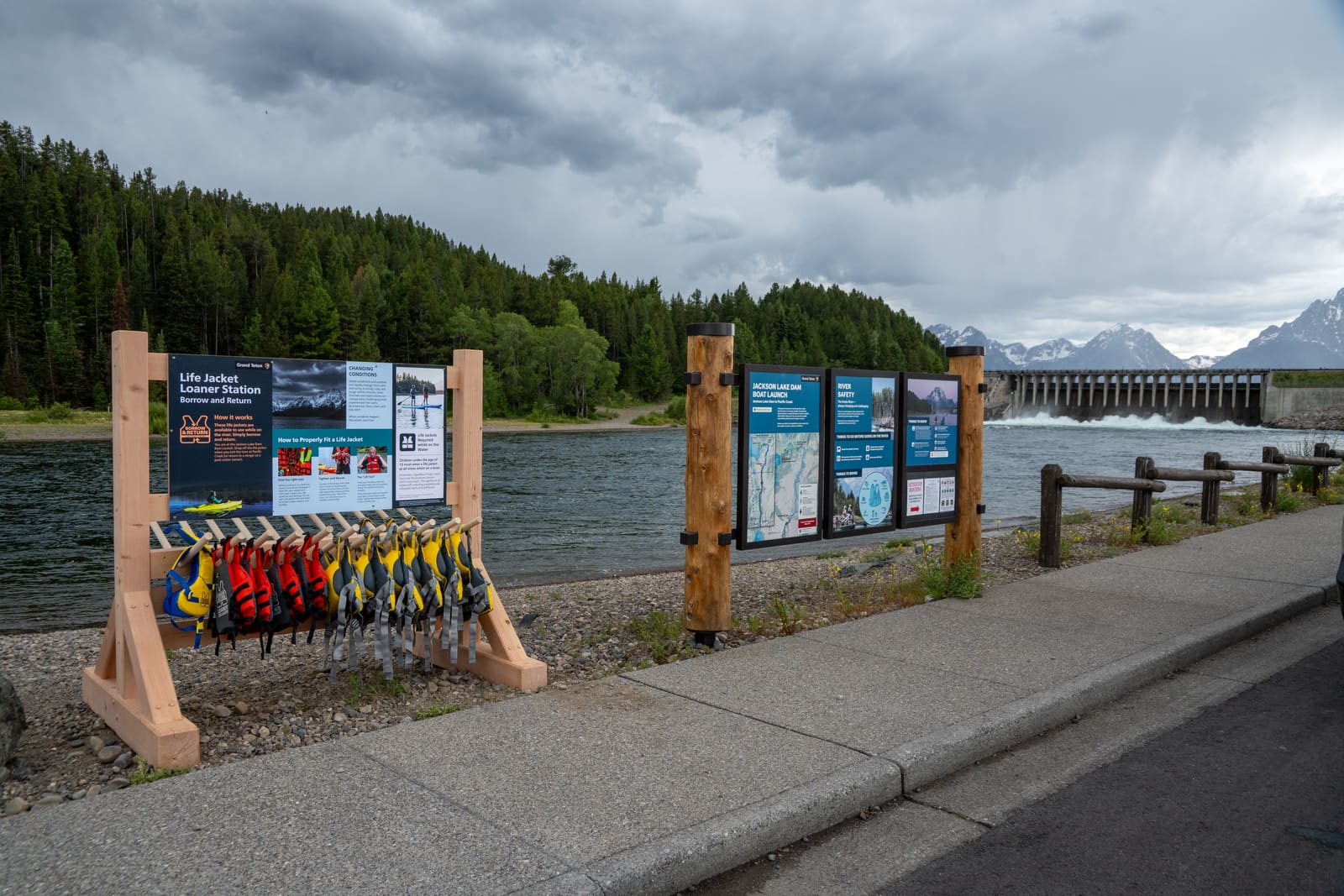
How to Choose and Fit Life Jackets for Children and Babies
Pick the right Coast Guard-approved life jacket for each child by weight, check the fit so it can't slip off, look for head support and a crotch strap on little ones, and learn the federal and state wear rules. Inflatables are not for kids, and a life jacket never replaces an adult watching.
Boat Registration Numbers and Validation Decals: Federal Display Rules, State Placement and Renewals
Display your state registration number and validation decal the way federal rules (33 CFR 173 and 174) and your state require: size, block style, contrast, spacing, placement on the forward half, decal position, what documented boats show instead (name and hailing port), what to carry aboard, and how to never miss a renewal. States add their own details, so check your state boating agency.
How to Test and Fix Your Boat's Navigation Lights
Learn which navigation lights your boat must show and when, then test them and fix the usual culprits such as corroded sockets, loose pole-light plugs and blown bulbs. Working lights are legally required at night and in poor visibility and are how other boats see which way you are heading.
Boat Horns and Sound Signals: Requirements, Testing and the Signals Every Skipper Should Know
Every boat needs a way to make an efficient sound signal, and bigger boats need a proper whistle or horn. Learn the Coast Guard requirements by boat length, how to test and fix an electric horn, why a canister air horn makes a good backup, and the basic passing, danger and fog signals.
Buying a Boat in Another State: Survey, Paperwork, Taxes, Registration and Getting It Home
A step-by-step plan for buying a boat that is hundreds of miles away: checking it remotely with a local surveyor, matching the HIN and VIN to the title, avoiding long-distance scams, paying the right sales or use tax, registering in your home state, the trailer's own paperwork, temporary permits, and legal towing or professional transport for wide boats. Rules vary by state, so confirm each step with the agencies involved.