Docking in Wind and Current: Read the Conditions, Use Spring Lines and Know When to Go Around
Wind and current decide most docking jobs. Learn to watch your drift before you commit, approach into the stronger force, set fenders and lines with a clear crew plan, use a spring line to pin the boat to the dock, handle single and twin engines, and back out to try again before it turns into a collision.
Time
30 min
Shop would charge
$150-400
Applies to
All engines
Safety first: Never let anyone put a hand, foot or body between the boat and the dock or a piling to fend off, and nobody jumps to the dock with a line in hand. Bump, don't crash: approach no faster than you're willing to hit the dock. If a line or anything else gets near the propeller, shift to neutral right away. Keep the engine cut-off lanyard attached until the boat is tied up.
Owners often ask
- How do I dock when the wind is blowing my boat off the dock?
- How do I use a spring line to hold my boat against the dock?
- How do I dock a pontoon boat in a strong crosswind?
This guide walks you through it. Still stuck? Ask the AI Mechanic about your engine.
Tools
- Dock lines rigged and led outside the rails before you arrive
- A boat hook
Parts & supplies
- Fenders sized for your boat (enough for both sides)
- Spare dock line long enough to use as a spring line
Before you start
Why it's hard. A boat has no brakes, steers from the stern, and is pushed around by wind on everything above the water and by current on everything below it. Discover Boating notes that boats with tall sides or lots of canvas, like cabin cruisers, feel the wind much more than low boats like bass boats, and that pontoons are especially sensitive to crosswinds. Boats with deep keels or inboard running gear get pushed more by current.
Which one wins? Wind usually rules in a lake marina. In rivers and tidal water, current can be the bigger force, and it can change direction with the tide (our tides and currents guide shows how to look up the timing). Read both every time.
Practice first. Pick a calm day and an empty dock or a fender floating as a target, and learn how your boat drifts, pivots and backs. Every boat is different. Discover Boating's instructors stress practice until it's second nature.
Steps
Well before you arrive:
- Hang fenders on the side you expect to dock, and have spares ready for the other side in case plans change. Our dock-lines guide covers sizes and heights.
- Cleat one end of the bow, stern and spring lines aboard, and lead each line outside the rails and lifelines so it can be handed or tossed straight to the dock.
- Coil the free end so it won't tangle, and keep all lines inside the boat and out of the water, away from the propeller.
- Slow to idle well before the fairway.
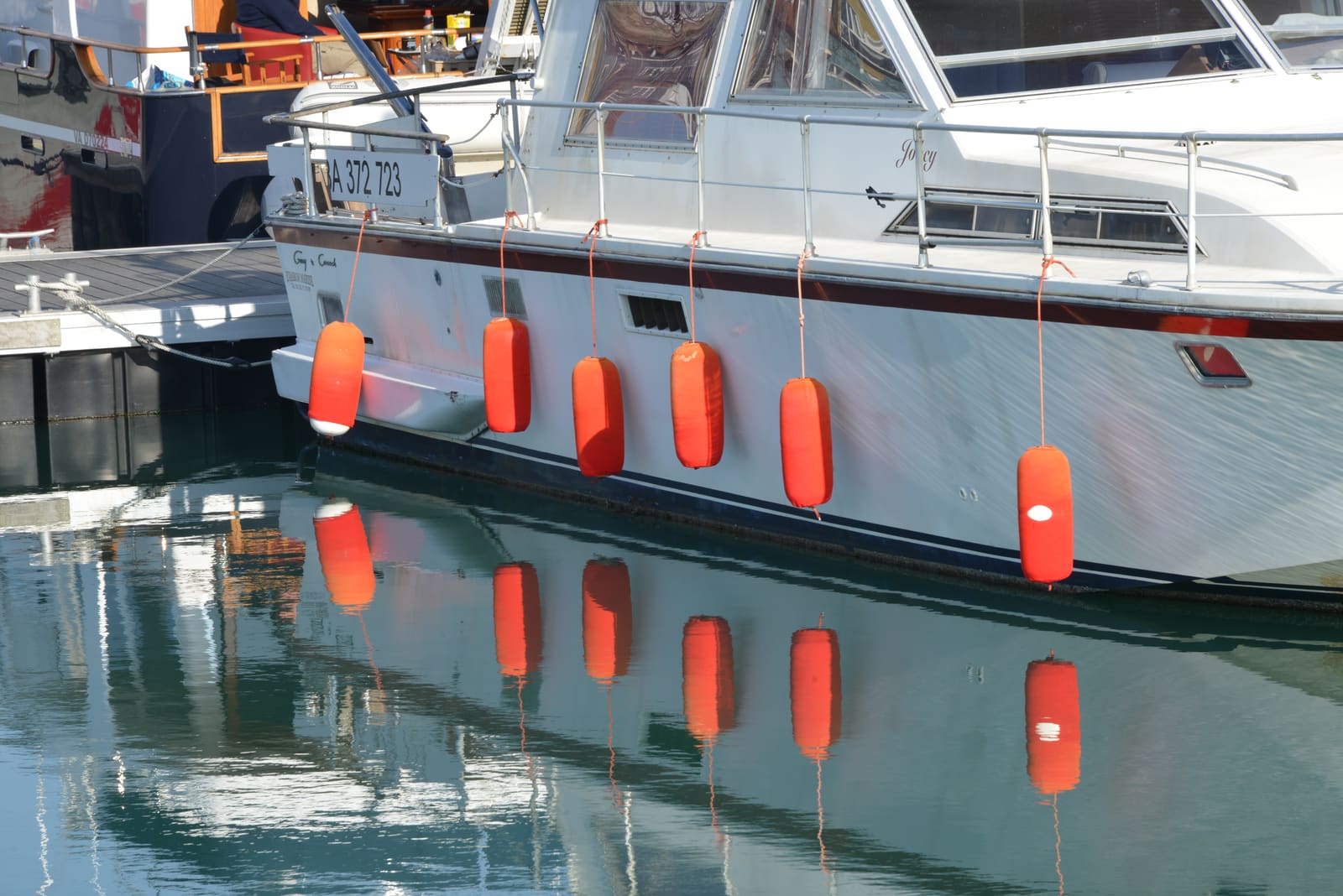
Spread fenders along the whole side that will touch, hung low enough to meet the dock. Photo: Jean-Pierre Bazard / Wikimedia Commons · CC BY-SA 3.0 Don't assume guests know what you want. Discover Boating's docking guide reminds skippers to be specific. Tell each person:
- Who has which line and which cleat on the dock it goes to
- When to step off: only when the boat is stopped and touching, onto a dry spot, never a leap
- Hands and feet inside the boat; fenders, not people, stop the boat
- Everyone else sits down and stays out of the way
Why this matters: the BoatUS Foundation's docking lesson points out that passengers tend to drift to the rail and drape arms, legs and fingers over the side as the boat nears the dock. It describes a woman who lost a finger when a passing boat's wake pushed her boat into a piling and pinched her hand. It also warns against sending an inexperienced crew member to stand on the bow and jump for the dock: bring the boat alongside so they can step off. A gust or a wake can swing the boat in a second, so make "hands inside" part of every docking, not just windy ones.
If you dock alone, rig a midship line you can drop over a dock cleat or piling from the helm area. Our solo-launch guide covers short-handed tricks.
Discover Boating's tip: stop well clear of the dock and anything solid, and just watch for a minute or two. Which way does the bow fall off? How fast does the boat slide sideways? Read the clues:
- Wind: flags, treetops, other boats swinging on moorings, ripples on the water
- Current: water piling up against pilings, floating debris moving past fixed objects, and dock lines in the water being pulled in one direction
Watch out for lines that hang from piers or pilings and disappear into the water; current can stretch them across your path and foul the propeller.
The easiest approach is into the wind or current, because it acts like a brake. Discover Boating says it's worth going past your slip and turning around to approach from the other direction if that puts the bow into the wind or current.
- Wind or current on the bow: you can come in at a steeper angle and turn parallel at the last moment.
- Wind or current from astern: the hardest case. Come in more parallel, slower, and use short bursts of reverse to control speed.
- Crosswind or cross-current: aim the bow upwind (or up-current) of where you want to end up and let the boat get pushed down into place.
- Pontoons: Discover Boating's pontoon docking guide notes their tall profile makes them very sensitive to crosswinds. It suggests a reconnaissance pass first (approach, which side, where the cleats are, dock height for the fenders), standing at the helm for a better view, opening the front gate to judge distance, aiming a little upwind, and shifting into reverse to take off speed when you're about 10 feet away.
Make small corrections with short shifts between forward, neutral and reverse. Discover Boating warns against using the throttle to steer in tight spaces; that's how you end up going too fast. Remember:
- You need some way on to steer. Out-drives and outboards steer by pointing thrust; in neutral you have little or no steering.
- Reverse is your brake, but most single-prop boats "walk" the stern to one side in reverse (to port with a typical right-hand prop). Know which way yours goes.
- As the boat slows, wind and current take over. Have your next move planned before you stop.
Discover Boating's simple method: bring the boat parallel to the dock, about two feet off, and stop. The wind will push you in. Make sure the fenders are low enough and spread along the side, then secure bow, stern and spring lines. Come in gently; a strong onshore wind can slam the boat against the dock, so keep it slow and let the fenders touch first.
This is where boats get away from you. Discover Boating's method for an outboard or sterndrive:
- Approach at a 20 to 30 degree angle, a bit faster than in calm air so the wind doesn't push the bow off.
- Get the bow line (or a forward spring) onto a cleat first.
- Turn the motor toward the dock and shift briefly into reverse. That pulls the stern in.
- Secure the stern line.
If the stern won't come in, the next step does the work for you.
A spring line plus gentle engine power can hold the boat against the dock in a stiff breeze. Boating Magazine describes it this way: with a line from the dock tied to the boat's spring cleat, power gently forward with the wheel turned away from the dock, and the boat is held against it.
- Outboard or sterndrive: the line from the midship or forward cleat runs aft to a dock cleat (an "after bow spring"). Idle forward, wheel turned away from the dock: the stern swings in and the boat pins itself alongside.
- Inboard with a rudder: Discover Boating describes the same idea: after bow spring on, engine idling forward, wheel turned away from the dock. The rudder pushes the stern in.
- Hold it there at idle while the crew sets the other lines. Then shift to neutral.
The same trick works in reverse for leaving a dock when the wind is pinning you on (step 12).
Twins give you more control than a single engine. Boating Magazine explains counterthrust: one engine forward and one in reverse spins the boat almost in place, about a boat length. Keep the wheel (rudders or drives) centered and steer with the shifters:
- Port forward, starboard reverse: the bow turns to starboard. Swap them to turn the other way.
- Both in reverse to back into a slip, bumping each engine in and out of gear to correct.
- Both forward briefly to stop sternway before tying up.
Boating Magazine notes that pivoting is less effective with twin outboards because they're mounted close together. Discover Boating adds that with practice some twin-screw boats can even be walked sideways against the wind. If one engine idles faster than the other, docking gets harder; our twin-engine sync guide covers that. Joystick systems make this easier, but learn the manual method too in case the joystick fails.
Line up early, a few feet upwind or up-current of the slip, and let the wind or current carry you into alignment as you back in. Use short bursts of reverse to keep momentum low. Have a crew member at the stern with a stern line and a boat hook, not a foot. In a strong crosswind, get a windward line on first so the boat can't be blown onto the boat next door.
If it isn't working, back out and go around. Boating Magazine puts it simply: abort and restart away from the dock; getting it right on the third try is better than damaging your boat or someone else's. Signs it's time to go around:
- You're too fast or at the wrong angle
- The bow or stern is being blown toward another boat
- A line is in the water near the propeller
- Someone is about to jump or fend off by hand
Back away into open water, re-check the drift, and try a different approach, maybe from the other direction or with a different first line.
- Wind or current pushing you off: cast off, pull in fenders, let the boat drift clear, then idle away. Discover Boating says to make sure you've been pushed well clear before shifting into forward.
- Wind or current pinning you on: Discover Boating's method: cast off everything except an after bow spring, add a fender at the bow, turn the motor or rudder to push the stern away from the dock, and idle forward slowly. The stern swings out. When it's clear, cast off the spring and back away, then idle forward.
Stow lines and fenders once you're clear so nobody trips.
Common mistakes
- Coming in too fast "to keep control"; momentum doesn't equal control.
- Not watching the drift before committing, so the boat ends up sideways in the fairway.
- Guests jumping to the dock with a line, or fending off with hands and feet.
- Lines trailing in the water and getting wrapped in the prop.
- Fenders set too high, too few, or on the wrong side.
- Pushing on with a bad approach instead of backing out and trying again.
- Forgetting the current has turned since you left, and docking as if it hadn't.
When to call a pro
- A line or something else is wrapped in the propeller and you can't clear it from the boat safely: shut down and call TowBoatUS or Sea Tow; never go in the water with an engine running
- The boat hit the dock or another boat hard: check for water coming in, and if it is, life jackets on, call for help on VHF 16 or 911
- You hit a piling or the dock with the drive or prop: have a mechanic check the lower unit and prop before the next long run
- You're new to the boat: hire a captain or instructor for an on-water docking lesson on your boat; many marinas and schools offer one
Tips
- Set up the same way every time (fenders, lines, crew jobs) so it becomes routine.
- At an unfamiliar marina, call the dock office on VHF or by phone; they can tell you the slip, the side and what the current is doing.
- On a windy day, pick an easier slip or a T-head if you're given a choice.
- A midship cleat and a spring line are the single-hander's best friends.
- Spectators don't matter. Going around is what good skippers do.
Official references
We read these to write this guide. Your engine's own manual always wins.
- Discover Boating – Maneuvering Your Boat in Different Conditions, Assessing Wind & Current
- Discover Boating – Boat Dock Safety, Tips and Step-by-Step Guide
- Discover Boating – Docking & Undocking (provided by Boatsafe.com)
- Discover Boating – Docking Tips Continued
- Boating Magazine – Three Docking Techniques to Master
- Boating Magazine – Twin Engine Stern-In Docking
- BoatUS Foundation – Boating Safety Study Guide, Docking
- Discover Boating – How to Dock a Pontoon Boat
Safety: BoatMend is for information only and does not replace a certified marine technician. You are responsible for your safety and your boat. Read the full disclaimer.
Last updated 2026-11-06
Related guides
How to Size, Rig and Inspect Dock Lines and Fenders
Pick the right dock line diameter and fender size for your boat, set up bow, stern and spring lines in a slip, add chafe gear, inspect for wear and UV damage, and double everything up before a storm.
How to Synchronize Twin Engines (RPM and Trim)
Twin engines running at slightly different RPM cause a pulsing drone, extra vibration, uneven wear and wasted fuel. Learn how to sync them by tach, sync gauge or ear, use the one-button sync on digital controls, check that your tachs tell the truth, match trim, and know when uneven engines or cable adjustment are a dealer job.
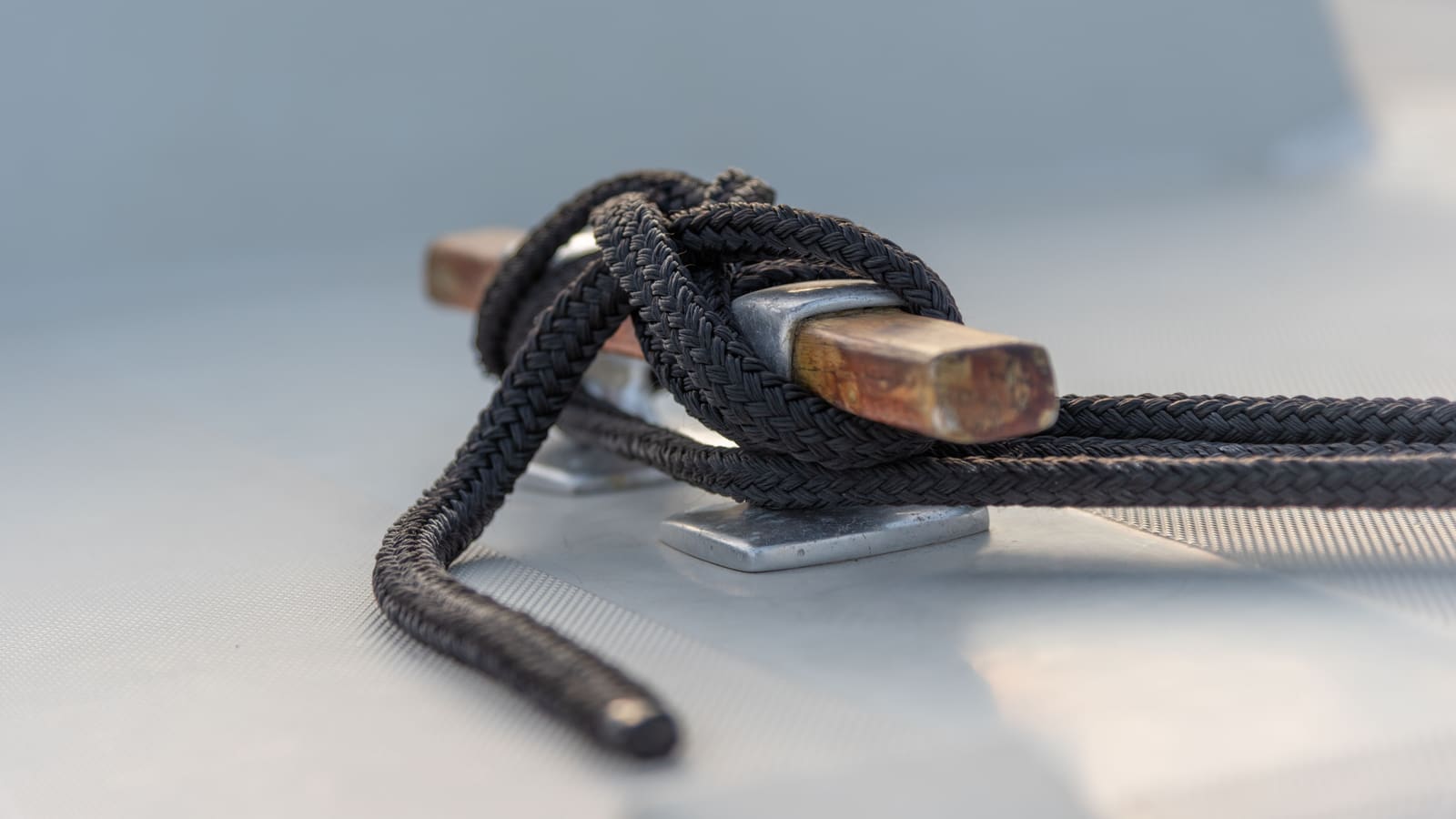
How to Add or Upgrade Boat Cleats (Sizing, Placement and Backing Plates)
Most cleats that fail don't break; they pull out of the deck. Learn how to size a cleat to your dock lines, where to put new cleats for docking and spring lines, how to through-bolt them with real backing plates, how to protect a cored deck, and what's different about pop-up and pull-up cleats.
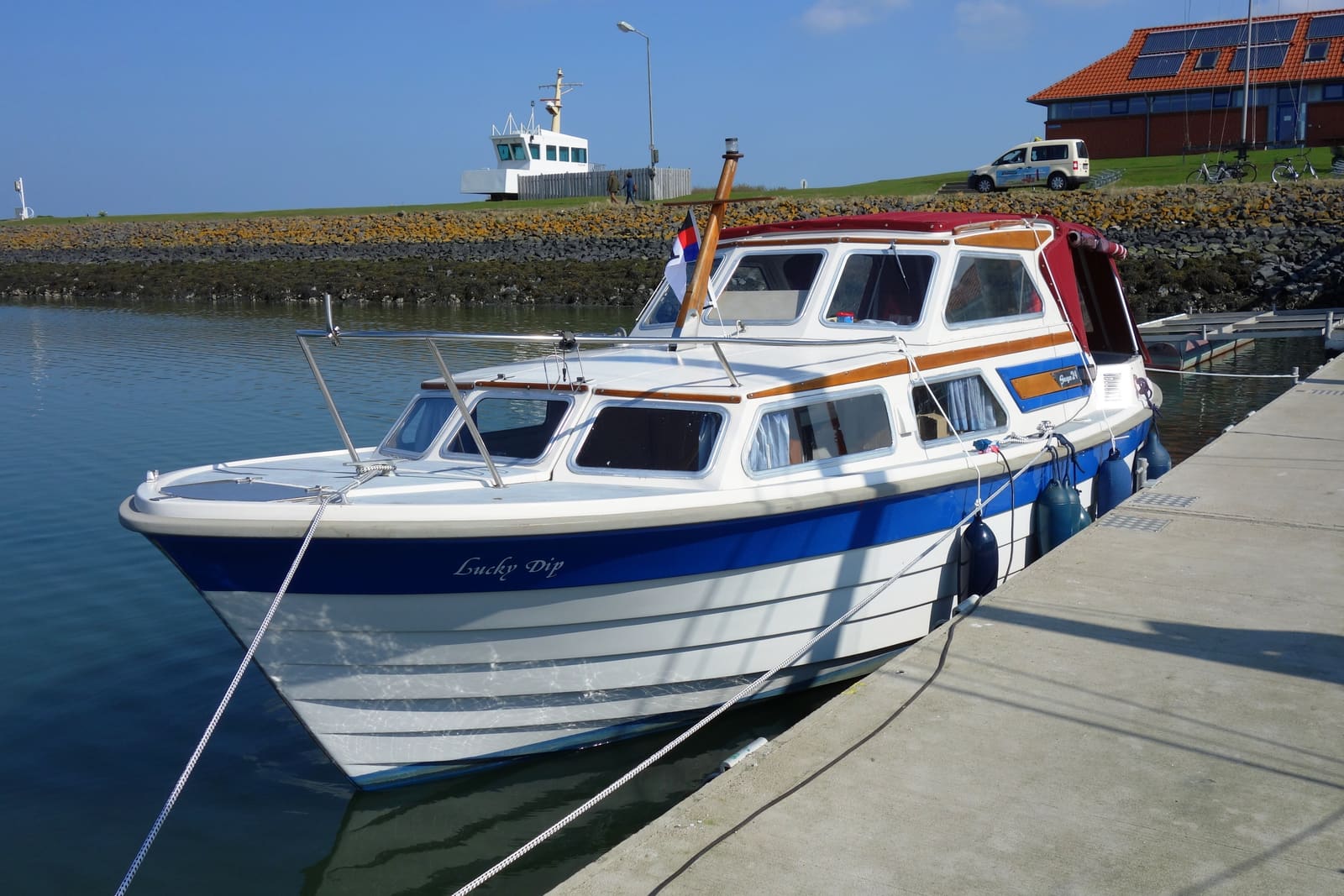
Protecting a Docked Boat: Mooring Whips, Bumpers, Fender Boards and Chafe Gear
Set up your dock or slip so wakes, wind and tides don't grind your hull against it, using mooring whips, dock bumpers, fender boards, spring lines and chafe gear, and know what these can and can't do in a storm.
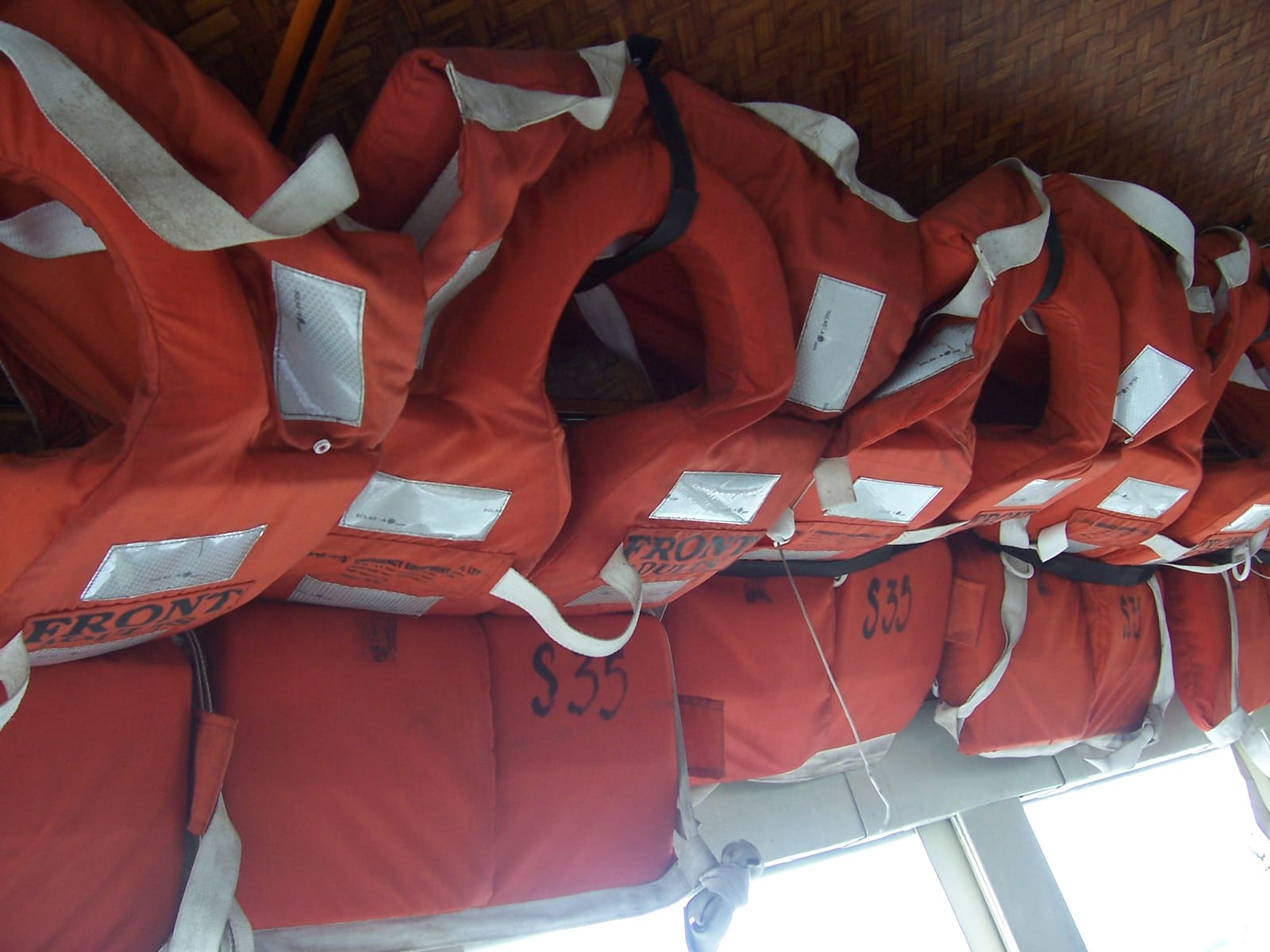
The Pre-Departure Safety Briefing: What to Tell Every Passenger (with a Printable Checklist)
A five-minute talk before you leave the dock turns guests into a crew that can help in an emergency. Cover life jackets, the engine cut-off switch, the fire extinguisher, how to call for help on the VHF, what to do if someone falls overboard, staying seated, seasickness and carbon monoxide near the stern, then use the printable checklist every trip.
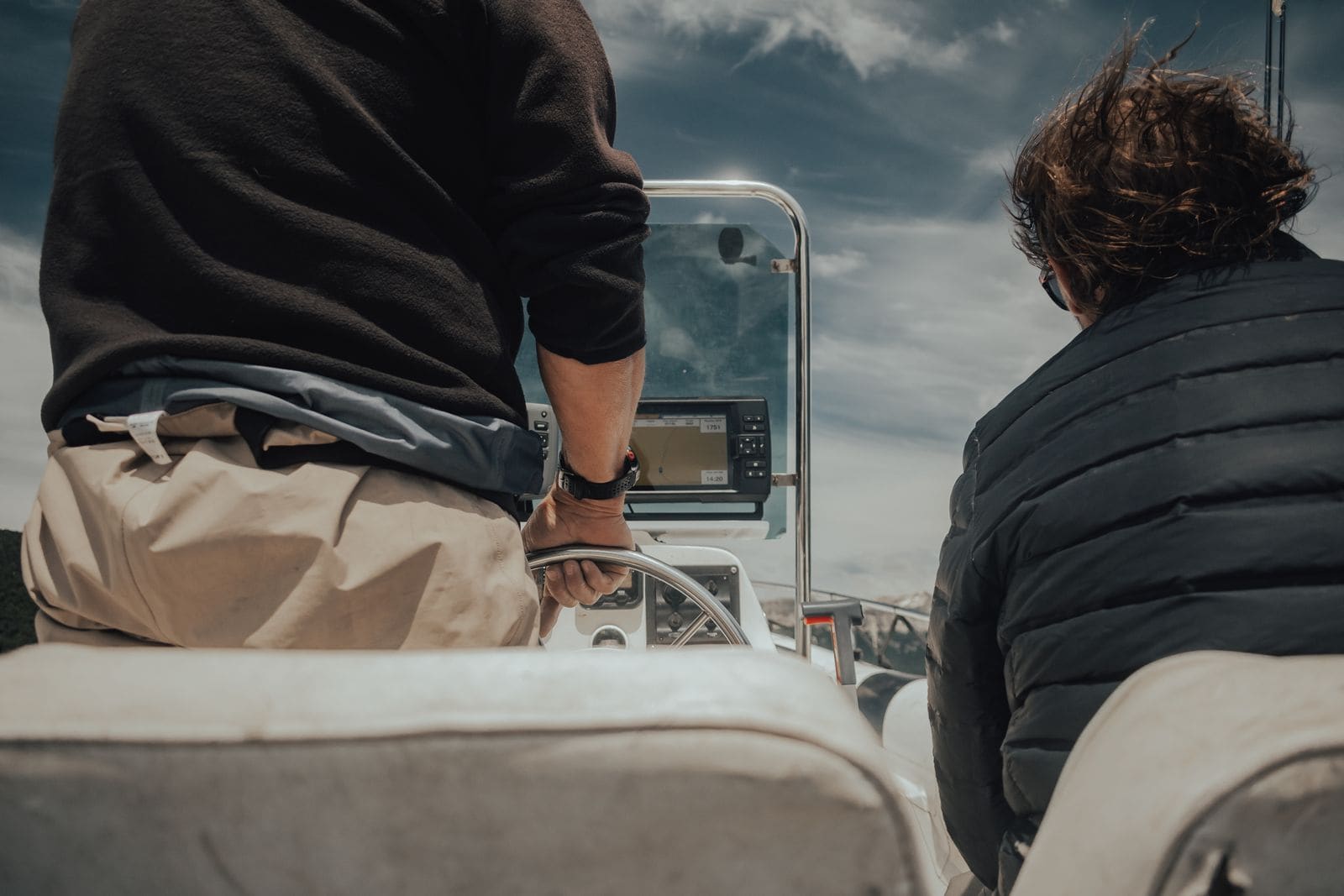
Engine Cut-Off Switch (Kill Switch) and Lanyard: The Law, Testing and Daily Use
How the engine cut-off switch (ECOS) and its lanyard or wireless fob work, when federal law requires you to wear it (boats under 26 feet, 3 hp or more, on plane), how to test it before every trip, and why a spare clip aboard matters.
Reading Marine Weather Forecasts: Advisories, Wind, Waves and Go/No-Go
Learn where to get the official NOAA marine forecast for your waters, what small craft advisories and warnings really mean, how to read wind and wave numbers, and how to make a simple go/no-go call before you leave the dock.
Reading NOAA Tide and Current Predictions for Trip Planning (MLLW, Slack Water and Bridge Clearance)
Tide is the water going up and down; current is the water moving sideways, and their timing doesn't always line up. Learn to find the right NOAA station, read high and low tides against chart datum (MLLW), find slack water and peak current, check bridge clearance against mean high water, and plan launches, anchoring and inlet crossings around them.
How to Launch and Retrieve Your Boat Alone
A repeatable routine for putting a trailer boat in and taking it out by yourself: what to do in the staging area, how to rig one long line so you can control the boat from the dock, when power loading is off-limits, and the safety habits that keep you, your boat and the next boater out of trouble.
Prop Ventilation vs. Cavitation - Why Your Engine Revs Up and the Boat Loses Grip
Sudden RPM spikes, blowouts in turns, or a prop that slips when you accelerate are usually ventilation, not cavitation. Learn to tell them apart, then work through the fixes in order: trim, load, prop damage, the hull ahead of the prop, engine height, and finally a different prop.