Buying a Documented Boat With an Expired or Deleted Coast Guard Certificate
What an expired or deleted Certificate of Documentation means when you buy a used boat, how to check the record and any mortgage with an Abstract of Title, your two paths (keep it documented or move it to a state title), and how to spot private sites that look like the Coast Guard. General information, not legal advice.
Time
2 h
Applies to
All engines · Cabin cruiser, Sailboat, Yacht, Center console
Before you start: This is general information, not legal advice. Don't pay for a boat until you've seen the Coast Guard's own record of who owns it and whether a mortgage is recorded against it. If there's a recorded mortgage, a gap in the chain of bills of sale, or an owner who has died or can't be found, use a maritime attorney or an experienced documentation professional before closing.
Owners often ask
- The boat I want to buy has expired Coast Guard documentation. Is that a problem?
- How do I check if a documented boat has a mortgage on it?
- I got a reinstatement notice for my expired boat documentation asking me to pay online. Is it from the Coast Guard?
This guide walks you through it. Still stuck? Ask the AI Mechanic about your engine.
Tools
- The boat's official number (on the old Certificate of Documentation and marked inside the hull)
- Seller's ID and every bill of sale back to the owner shown on the Coast Guard record
- Computer to use the Coast Guard's eStorefront (the official online system)
Before you start
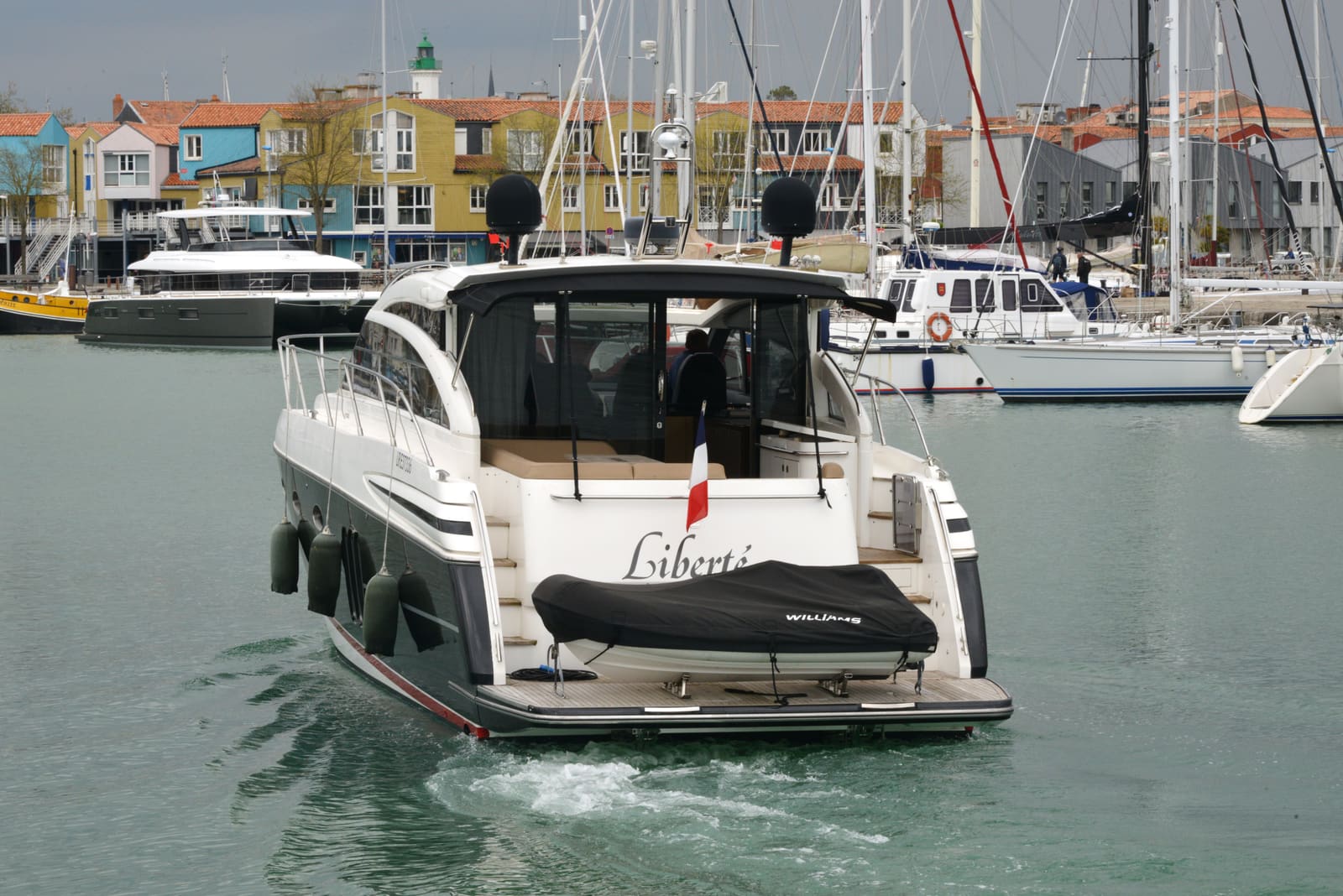
What documentation is: a federal registration run by the Coast Guard's National Vessel Documentation Center (NVDC). Recreational boats of at least five net tons, wholly owned by US citizens, can choose it; BoatUS notes boats over about 27 feet usually qualify. A documented boat carries an official number, a Certificate of Documentation (COD), and its name and hailing port on the hull instead of state numbers. BoatUS adds that a documented boat can't also hold a state title, though some states still require state registration and every owner pays state taxes.
What "expired" and "deleted" mean:
- Expired: recreational endorsements are renewed for 1 to 5 years at a time (46 CFR 67.163). If the owner stopped renewing, the certificate lapsed. Federal rules list failure to renew as a reason the boat becomes subject to deletion from the roll of documented vessels (67.171).
- Deleted: the boat has been removed from active documentation, either because the owner asked or because of a lapse or another cause in 67.171.
Why it matters to you as a buyer:
- A COD becomes invalid the moment ownership changes (67.167), so you never "inherit" the seller's certificate; you must apply for an exchange into your name or take the boat out of documentation.
- A preferred mortgage recorded against the boat doesn't disappear because the certificate expired. Federal rules keep the certificate valid for mortgage purposes while a recorded mortgage is outstanding (67.161), and the NVDC can't exchange the certificate for an ownership change without the lender's consent (67.145).
Steps
Ask the seller for the old COD (any copy) and the official number. Federal rules require the official number, preceded by "NO.", to be permanently marked on a clearly visible interior structural part of the hull (67.121); find it and make sure it hasn't been tampered with. Note the vessel name and hailing port. Compare them with the boat in front of you and the HIN.
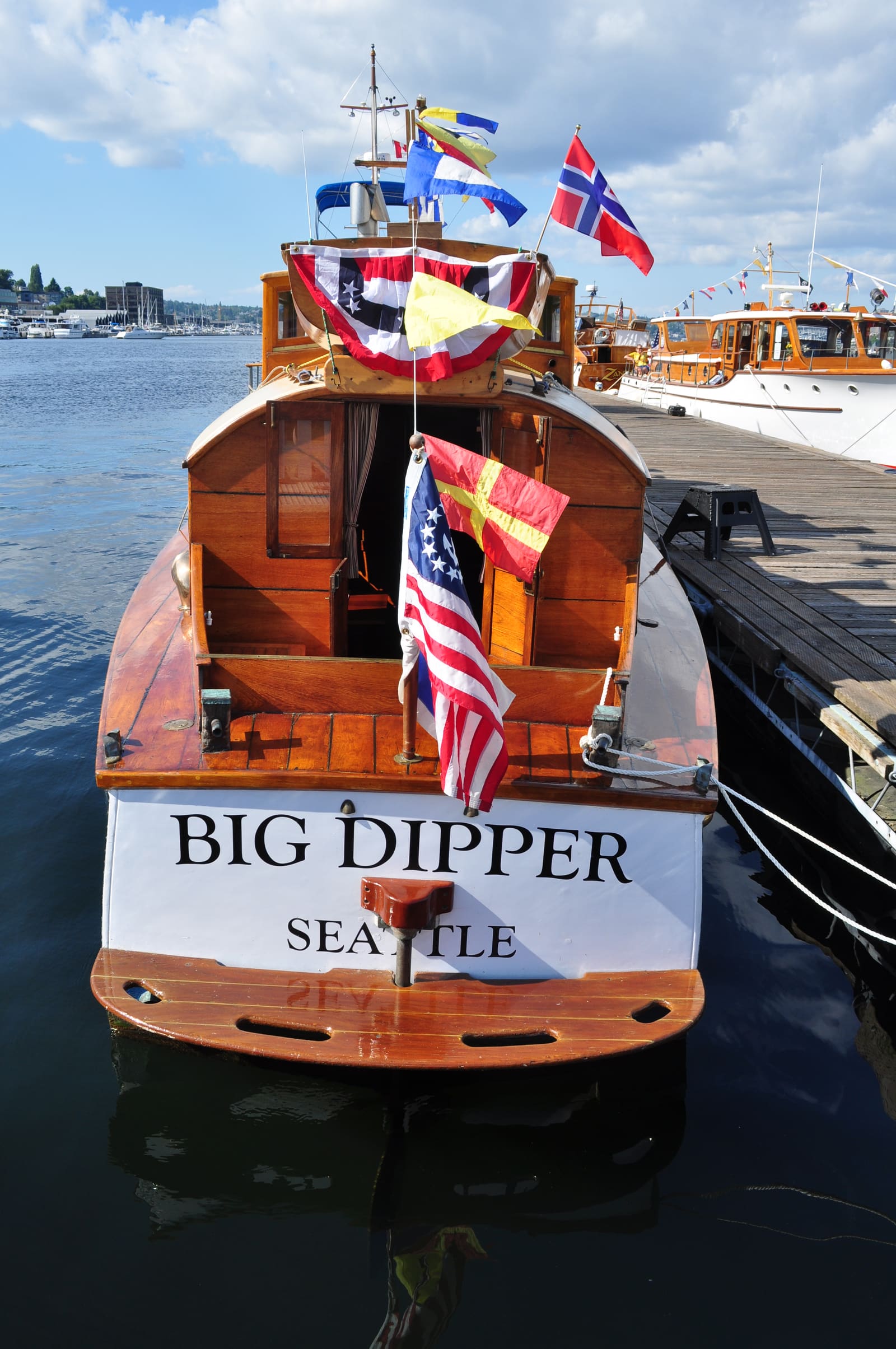
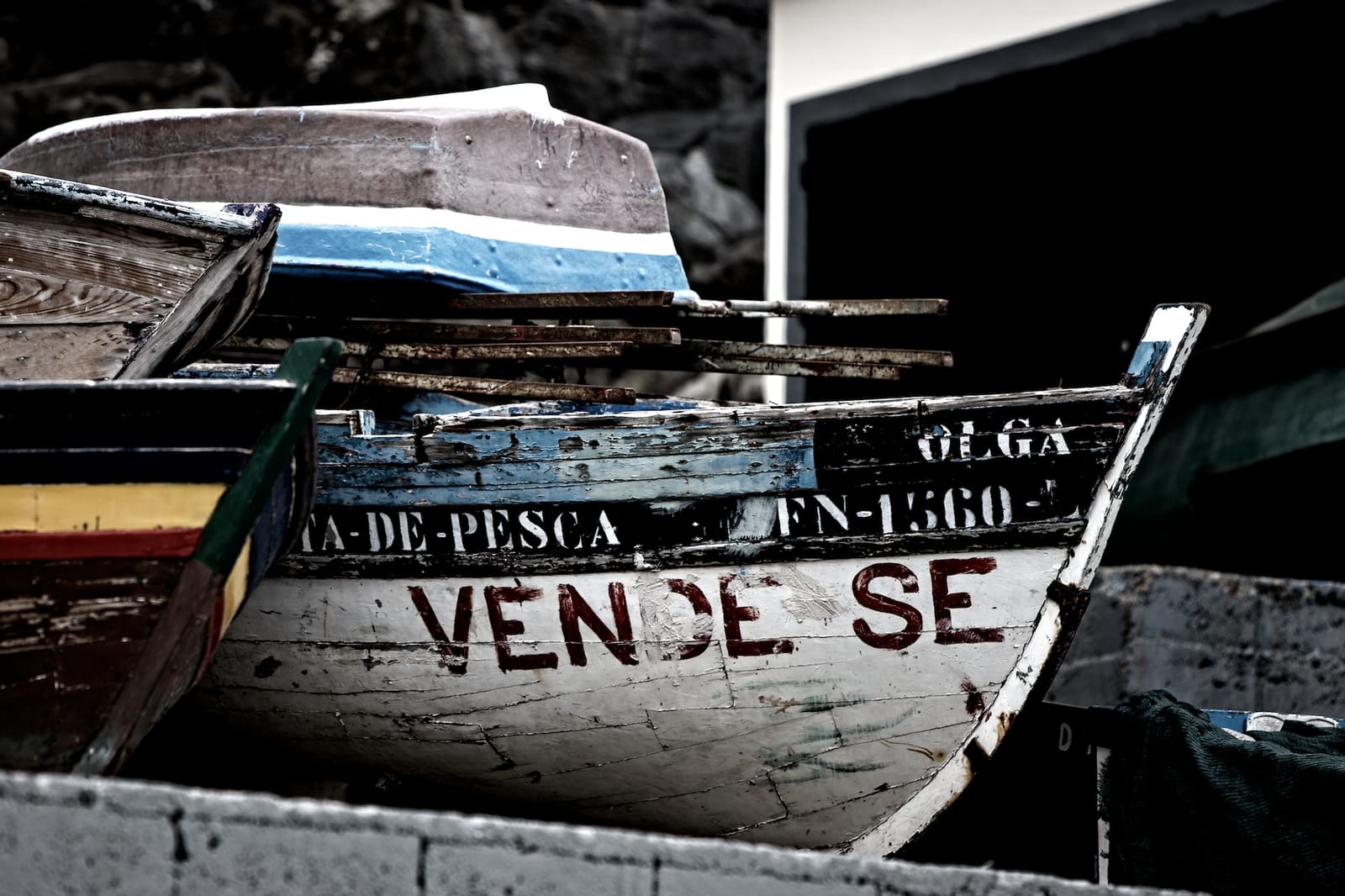
A name and hailing port on the hull is how a documented boat is marked; check that both match the Coast Guard record. Photo: Joe Mabel / Wikimedia Commons · CC BY-SA 3.0 Anyone can ask the NVDC for an Abstract of Title (46 CFR 67.301). It's ordered through the Coast Guard's official eStorefront and shows the recorded owners and the mortgages, liens and other instruments filed against the boat. This is the single most important check. Don't accept a printout the seller "got online"; order your own from the official system. The NVDC's Instructions and Forms page also lists a paper request form (CG-7043, Abstract of Title or Certified Copy of COD Request) if you can't use eStorefront.
Check:
- Owner of record: is it the person selling to you? If not, you'll need every bill of sale connecting that owner to your seller.
- Mortgages: any preferred mortgage not marked satisfied must be paid off and a satisfaction or release filed. Make payoff part of the closing.
- Notices of claim of lien: repair yards and suppliers can file these; ask how each will be cleared.
- Status: active, expired or deleted, and when.
Documented boats change hands by bill of sale. If the boat was sold once or twice without the paperwork being filed, there's a gap. Get the missing signed bills of sale from earlier owners before you pay. An unfixable gap may make documentation in your name very hard, and it can push you toward state processes for boats with incomplete ownership papers, which are slower and costlier.
What the NVDC expects (per its Exchange, Reinstatement or Return to Documentation instructions, revised June 2026):
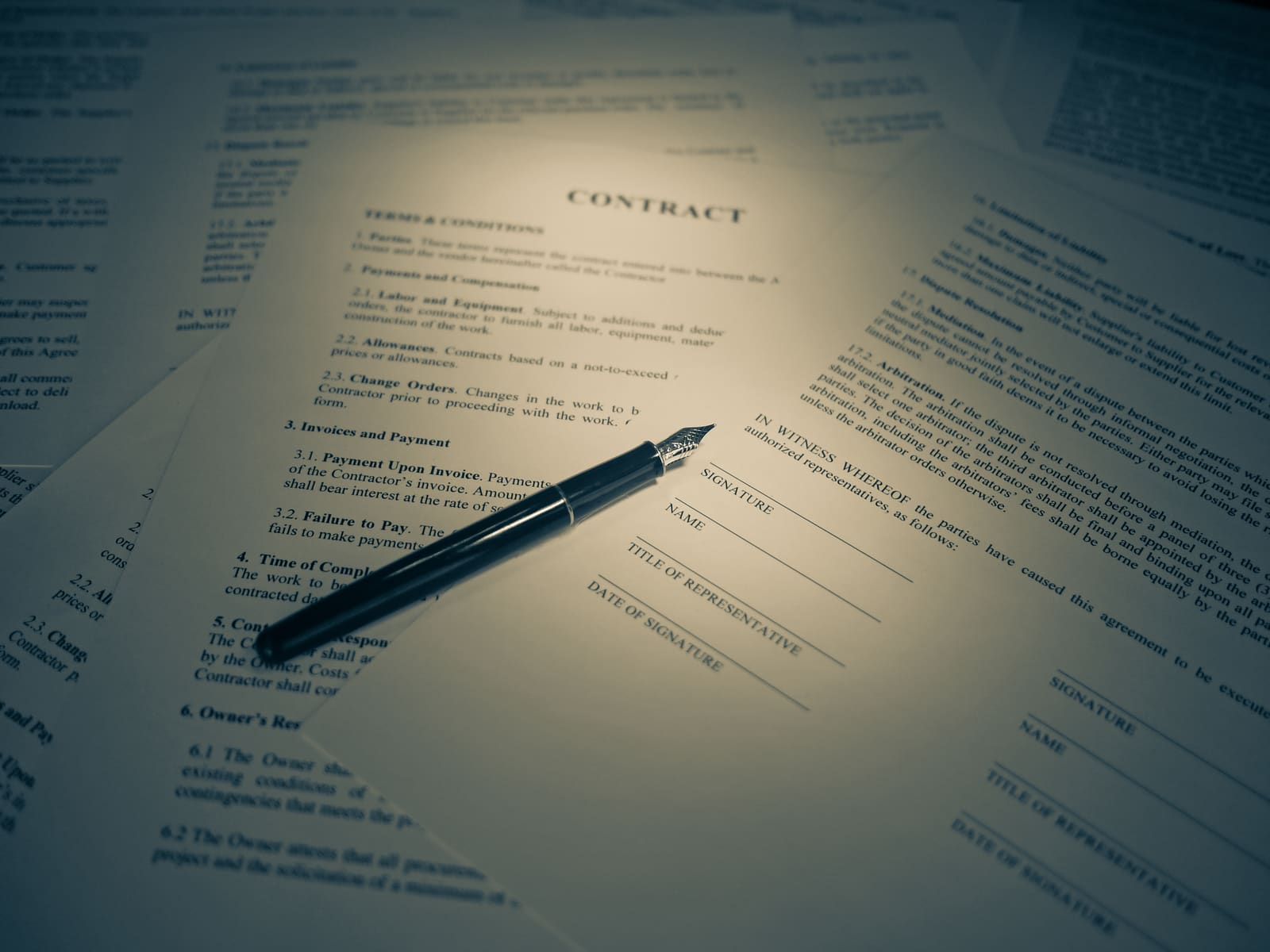
- A bill of sale (the Coast Guard's form is CG-1340) signed by everyone transferring an interest, with the seller's signature acknowledged by a notary public. Altered bills of sale may be rejected.
- Instead of a separate bill of sale, the last documented owner can sign the transfer section on the back of the original or a copy of the COD (CG-1270), also before a notary.
A casual handwritten receipt that works for a state-titled skiff often won't be enough here, so bring a notary to the closing.
Keep it documented if you'll cruise to other countries, your lender requires documentation for a preferred mortgage, or you prefer the name-and-hailing-port look. BoatUS lists these as the usual reasons to document.
Move to state titling if none of those apply and you'd rather deal only with your state. You'll need the boat deleted from documentation first, because a documented boat can't also be state titled. The NVDC eStorefront offers a deletion letter for this. Ask your state titling agency exactly what deletion proof it accepts.
Either way, any recorded mortgage has to be dealt with first.
After the sale, the new owner applies to the NVDC for a COD in their name. Under 46 CFR 67.141, an application for an exchange, or for a return to documentation after deletion, includes the application form (CG-1258), title evidence such as the bills of sale, and mortgagee consent if a mortgage is recorded. The NVDC groups exchange (new owner, name or hailing port), reinstatement and return to documentation in one set of instructions. For an expired certificate, those instructions point owners to the eStorefront option "I need a Certificate of Documentation (COD) OR I need to make changes to a COD"; if you're not sure which case fits your boat, call the NVDC before you pay. Two details from the same instructions:
- If a mortgage is recorded, send either the lender's acknowledged satisfaction of mortgage or form CG-4593 signed by both the owner and the lender.
- If the boat was deleted and then state titled, the NVDC's "chain of title simplified method" lets you prove ownership from the state title or registration plus the bill of sale from the owner shown on it, instead of tracing every owner since it was last documented (with an exception for large commercial coastwise vessels).
Expect fees, and a late renewal fee may apply if the lapsed renewal has to be brought current (67.517). Check the NVDC fee schedule for current amounts.
- The owner of record (usually the seller) or an authorized agent requests the deletion through eStorefront, so make it part of the purchase agreement and closing checklist.
- If a mortgage is recorded, the NVDC's deletion instructions require a release signed by the lender before the boat can leave documentation.
- As of October 2026, those instructions (revised June 2026) list a $15 fee for the letter showing removal from documentation, and fees aren't refundable. Confirm the current amount on the NVDC fee schedule.
- Take the deletion letter, bills of sale and any other papers your state asks for to the state titling and registration office.
- Pay any sales or use tax due (our tax guide explains how states handle this).
- Put state numbers and the validation decal on the boat as your state requires (our registration guide covers display). Remove or cover the old documentation markings only once you're no longer documented.
Make the deal conditional on a clean abstract, satisfaction of any mortgage, the seller signing the needed bills of sale and, if you're going to a state title, the seller's deletion request. Many buyers use a closing agent or escrow for this. Our purchase agreement and escrow guides explain how to set it up safely.
Search for "Coast Guard documentation renewal" and private companies often appear before the official site. BoatUS reports these businesses are legal but not endorsed by the Coast Guard, often use official-looking logos and photos, typically charge about three times the NVDC fee, and push multi-year prepayment. The NVDC's own Third Party Awareness notice says these companies don't operate on behalf of the Coast Guard and can't issue any documentation, travel letters or permits to operate a vessel, and it points complaints to the FTC. BoatUS adds that paying a third party doesn't get you faster service.
How to stay on the official path:
- Start from the Coast Guard's NVDC page (dco.uscg.mil) and follow its link to eStorefront.
- Read the fine print at the bottom of any site or letter; private firms must say they aren't the government.
- Never pay anyone for a "temporary" or "travel" letter that claims to let you use the boat.
Your new COD or state title may take time. Ask your state boating agency what you need on board to operate in the meantime, and don't rely on the seller's old certificate: it became invalid when the boat changed hands. Keep the bill of sale and proof of your applications aboard.
If you keep the boat documented, choose a renewal period (1 to 5 years for recreational endorsements), renew only through the NVDC, and keep your address current so notices reach you. Our documentation renewal guide covers the details.
Common mistakes
- Taking the seller's word that "the documentation just expired, it's no big deal" without ordering an abstract.
- Assuming an expired certificate means any mortgage went away.
- Paying a look-alike website several times the official fee, or buying a worthless "travel letter."
- Closing before the seller signs the deletion request or missing bills of sale.
- Trying to state-title a boat that's still on the documentation roll.
- Operating on the seller's old certificate after the sale.
When to call a pro
- The abstract shows an unsatisfied mortgage, a claim of lien, or an owner who isn't your seller.
- The record owner has died, is a company that no longer exists, or can't be found.
- The boat was bought at auction, through a lien sale, or from another country.
- You're financing the purchase: let the lender's documentation agent or a maritime attorney handle filings.
Tips
- Order the abstract early; it's cheap insurance against an expensive surprise.
- Save the abstract, bills of sale, deletion letter or new COD in your BoatMend boat file.
- If you change the boat's name or hailing port later, that also requires an exchange of the certificate (67.167); see our renaming guide.
- Put your renewal date in your phone calendar, and ignore renewal letters that don't come from the Coast Guard.
Official references
We read these to write this guide. Your engine's own manual always wins.
- U.S. Coast Guard – National Vessel Documentation Center (eStorefront services and Third Party Awareness notice)
- U.S. Coast Guard NVDC – FAQ, General Information (updated 10/2025)
- U.S. Coast Guard NVDC – Instructions and Forms (CG-1258, CG-1340, CG-4593, CG-7043 and instruction sheets)
- U.S. Coast Guard NVDC – Exchange, Reinstatement, or Return to Documentation (instructions, revised 06/2026)
- U.S. Coast Guard NVDC – Deletion from Documentation (instructions, revised 06/2026)
- eCFR – 46 CFR 67.163, Renewal of endorsement
- eCFR – 46 CFR 67.167, Requirement for exchange of Certificate of Documentation
- eCFR – 46 CFR 67.171, Deletion; requirement and procedure
- eCFR – 46 CFR 67.161, Validity of Certificate of Documentation (mortgaged vessels)
- eCFR – 46 CFR 67.141, Application procedure (exchange and return to documentation)
- eCFR – 46 CFR 67.145, Restrictions on exchange; mortgagee consent
- eCFR – 46 CFR 67.121, Official number marking requirement
- eCFR – 46 CFR 67.301, Issuance of Abstract of Title
- eCFR – 46 CFR 67.517, Application for late renewal
- BoatUS – U.S. Coast Guard Vessel Documentation FAQs (2020)
- BoatUS Magazine – A Warning On Vessel Documentation (2020)
- BoatUS Magazine – Boat Documentation Double Take (2021)
Safety: BoatMend is for information only and does not replace a certified marine technician. You are responsible for your safety and your boat. Read the full disclaimer.
Last updated 2026-10-26
Related guides
USCG Documentation Renewal: When, How, What It Costs and How to Avoid Look-Alike Renewal Mailers
Keep your boat's Coast Guard Certificate of Documentation current: how long a recreational certificate lasts (1 to 5 years), the federal fee schedule, renewing directly with the NVDC online, what happens if it lapses, why many states still want registration and a decal, and how to spot the third-party letters that charge several times the real fee.
Used Boat Paperwork: Titles, Liens, HIN Checks, Bill of Sale and Registration
A practical checklist for the paperwork side of buying a used boat: state title or Coast Guard documentation, checking for liens and theft, verifying the hull ID number, writing a proper bill of sale, the trailer's own title, registering in your name, and transferring warranties and checking recalls. Rules vary by state, so confirm each step with your state agency.
Avoiding Boat-Buying Scams: Fake Listings, Fake Escrow, Overpayment Checks and Safe Payment
How to spot and avoid the scams that target boat buyers and sellers: too-good-to-be-true listings, sellers who are always overseas, look-alike escrow and shipping websites, overpayment checks and fake payment notices. Covers verifying the boat, the title, the HIN and the seller, paying safely, and what to do fast if you already sent money. Practical help, not legal advice.
Used Boat Purchase Agreement and Closing: Deposit, Contingencies, Bill of Sale and Who Pays What
A plain-English walk-through of buying a used boat on paper: getting ready before you offer, what the purchase and sale agreement should say, how the deposit is held and when it comes back, survey, sea trial, financing and insurance contingencies, paying off the seller's loan, the bill of sale, closing and transferring the paperwork, and the costs each side usually covers. Practical help, not legal advice; rules vary by state.

Financing a Boat: Loan Terms, Survey and Insurance Requirements, Liens and the True Cost of Ownership
Understand a boat loan before you sign: typical terms and down payments, what lenders check, why they want a survey and insurance, how the lien is recorded (Coast Guard preferred mortgage for documented boats, state title for the rest), how the payoff works when you sell, and how to add up the real yearly cost beyond the monthly payment. Practical guidance, not financial advice.
Boat Registration Numbers and Validation Decals: Federal Display Rules, State Placement and Renewals
Display your state registration number and validation decal the way federal rules (33 CFR 173 and 174) and your state require: size, block style, contrast, spacing, placement on the forward half, decal position, what documented boats show instead (name and hailing port), what to carry aboard, and how to never miss a renewal. States add their own details, so check your state boating agency.
Renaming a Boat: Paperwork, Removing the Old Name and the Optional Ceremony
Change your boat's name the right way: what a state-registered boat needs versus a Coast Guard documented boat (name change and hailing port go through the NVDC before you letter the hull), getting every trace of the old name off, lettering rules for documented boats, who else to tell (insurer, marina, MMSI, EPIRB, AIS), and the traditional renaming ceremony if you want the fun.
Buying a Boat in Another State: Survey, Paperwork, Taxes, Registration and Getting It Home
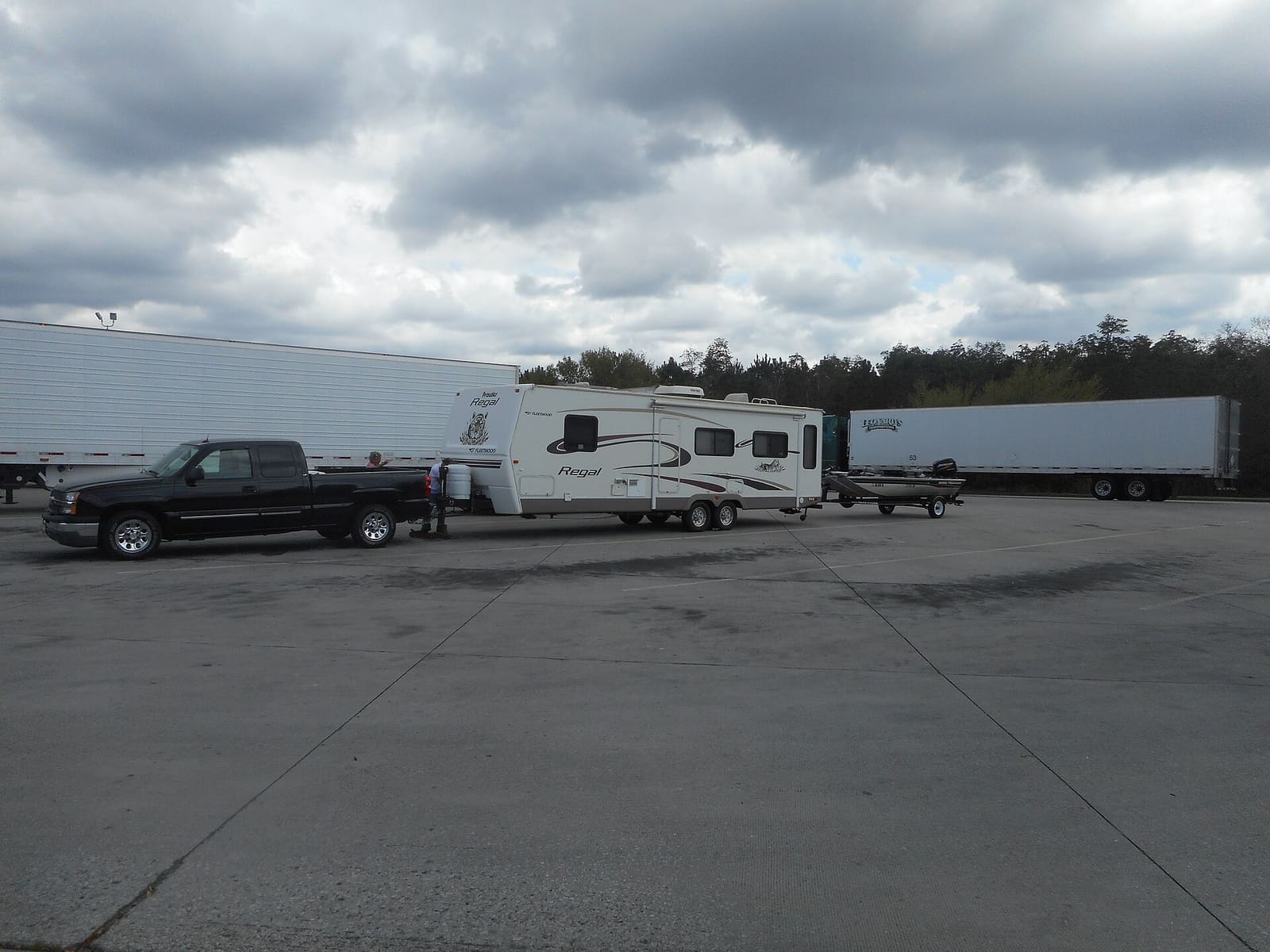
A step-by-step plan for buying a boat that is hundreds of miles away: checking it remotely with a local surveyor, matching the HIN and VIN to the title, avoiding long-distance scams, paying the right sales or use tax, registering in your home state, the trailer's own paperwork, temporary permits, and legal towing or professional transport for wide boats. Rules vary by state, so confirm each step with the agencies involved.
Boat Taxes by State: Sales and Use Tax, Yearly Property or Excise Tax, Visiting Limits and Moving
Understand the taxes a boat can trigger in the US (sales or use tax when you buy, a yearly property or excise tax where you keep it, and deadlines when you visit or move to another state) so you can budget for them and avoid penalties. General information, not legal or tax advice.
Buying a Boat at Auction: Insurance Salvage, Impound and Lien-Sale Boats Without Nasty Surprises
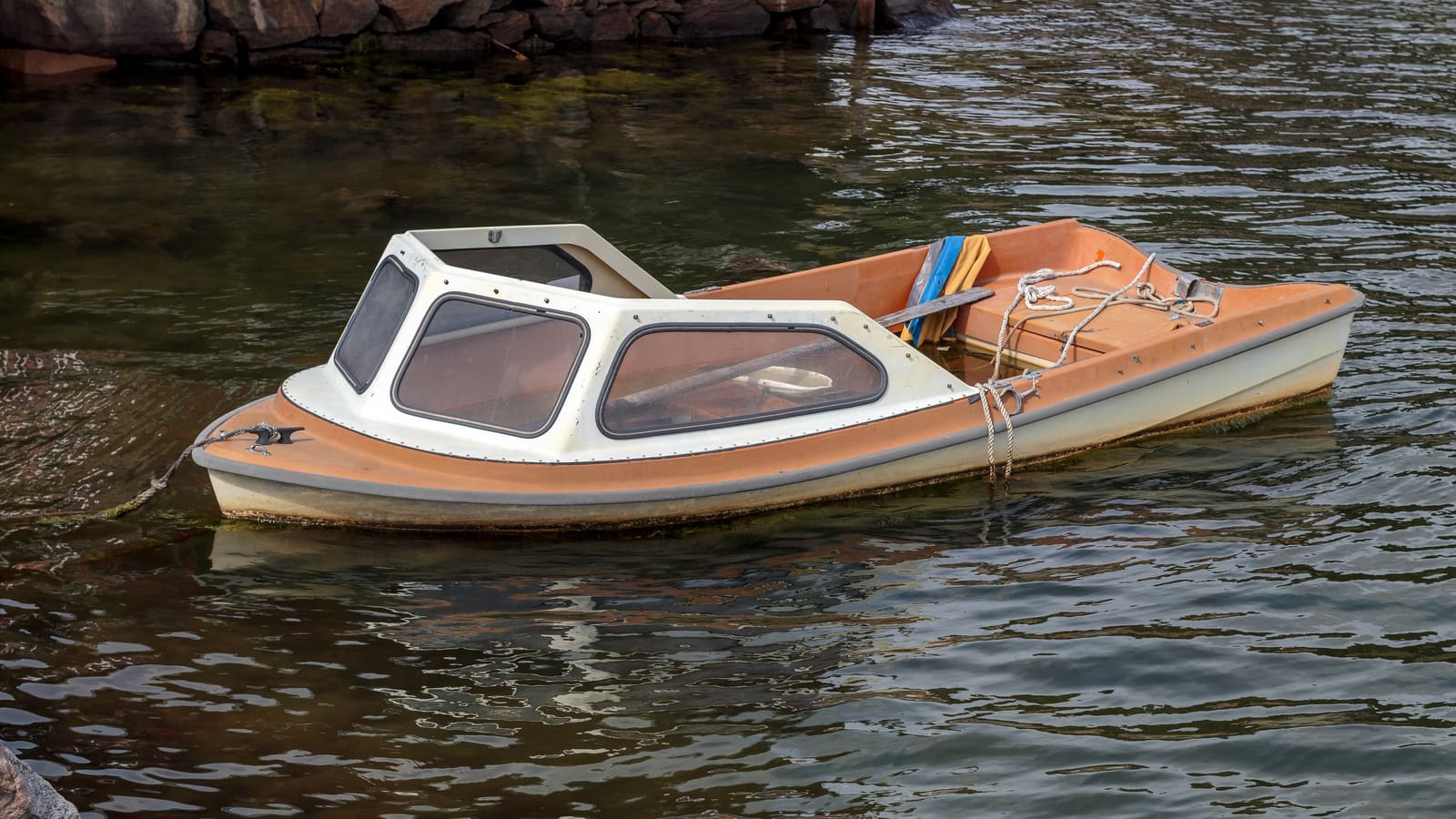
How insurance salvage, impound, lien-sale and government boat auctions work, what kind of title you'll actually get, why the engine warranty may not follow the boat, how to inspect when you can't sea trial, and how to budget for liens, fees and getting the boat home. General information, not legal advice.