How to Winterize a Pontoon Boat: Engine, Tubes, Furniture, Cover and Storage
Put a pontoon away for winter the way pontoon builders describe it, covering the outboard, the tubes and their drain plugs, furniture, vinyl and flooring, rodents, a cover that won't collapse under snow, and trailer or lift storage. Engine and water jobs link to the detailed BoatMend guides.
Time
4 h
Shop would charge
$300-700
Applies to
Outboard · Pontoon
Safety first: Never run an outboard out of the water except on flush muffs or in a test tank; a built-in flush port is for engine-off flushing unless your owner's manual says otherwise. Keep everyone clear of the propeller, and pull the kill-switch lanyard while you work on the engine. Never get under a pontoon held up only by a jack or a lift; use proper stands. If you smell gasoline, stop, ventilate and fix the leak before going on.
Owners often ask
- Can I use my pontoon mooring cover for winter storage?
- Water came out of my pontoon tube drain plug when I pulled the boat. What should I do before winter?
This guide walks you through it. Still stuck? Ask the AI Mechanic about your engine.
Tools
- Outboard flush muffs or the flush fitting your engine maker approves
- Oil drain pan, filter wrench and gearcase pump (if doing the oil and lower unit yourself)
- Shop vacuum, soft brush, bucket and a vinyl-safe cleaner
- Grease gun with marine grease
- Battery charger or maintainer
- Ladder or step stool, flashlight
- Lumber or PVC pipe for a cover frame (if you build one)
Parts & supplies
- Marine fuel stabilizer
- Engine oil, filter and gearcase lube listed in your outboard manual
- Fogging oil, if your outboard maker calls for it
- Vinyl protectant and a mildew inhibitor made for marine vinyl
- Rodent deterrent or traps
- Winter cover with support poles or frame, or professional shrink wrap
Before you start
Most of the work is the engine, and the rest is pontoon-specific. Bennington, Harris and Avalon all say a dealer winterization is the easy route, but the jobs are manageable for a handy owner. The outboard steps are the same as any outboard boat, so this guide sends you to the outboard winterizing guide for those and focuses on what makes a pontoon different: the tubes, a big deck full of vinyl and carpet, and a wide cover that has to hold snow.
Do it early. Mercury's advice is to winterize once temperatures stay below about 50°F and to finish before the first hard freeze.
Out of the water if you can. Harris recommends dry storage where snow and ice are likely, because ice can damage the boat. Bennington also says to store on land if possible. If yours stays on a lift or in the water, see steps 12 and 13.
Live somewhere mild? Still winterize. BoatUS reports that Texas has topped its insurer's list of freeze claims for 15 years running, mostly boats that weren't winterized or relied on a heater that lost power. Its storage-ashore article adds that a boat on a trailer or lift, surrounded by air, freezes faster than one sitting in water, so a single cold night can do damage. If a freeze is possible where you keep the boat, even for a few weeks, winterize the engine and anything that holds water.
Hiring it out? BoatUS's advice is to get a written list of exactly what the shop will do and when. "Winterizing" means different things to different people. If your policy has an ice-and-freeze endorsement, it may require a professional, and that coverage usually has to be added before cold weather arrives, so read your policy early.
Steps
Avalon and Harris both put cleaning first: the season's grime, algae and water spots come off far more easily now than in spring. Wash the tubes with a cleaner labeled safe for aluminum (never a harsh acid), scrub the deck, wipe down the furniture and vacuum the carpet, as Bennington suggests. Let everything dry completely before it gets covered.
Avalon says life jackets, skis, tubes, wakeboards, towels and fishing gear trap moisture and cause mildew, so take them off. Remove electronics you can unplug and take them home to protect them from cold, moisture and theft. Bennington stresses removing all food and drink, which is what draws mice in.
Avalon and Harris say to store the tank at least three-quarters full so there's less air space for condensation. Mercury goes further: fill to about 95% (leaving room for expansion), add a marine fuel stabilizer, and run the engine 10 to 15 minutes so treated fuel reaches the whole system. Run it on flush muffs or in the water. See the ethanol fuel care guide.
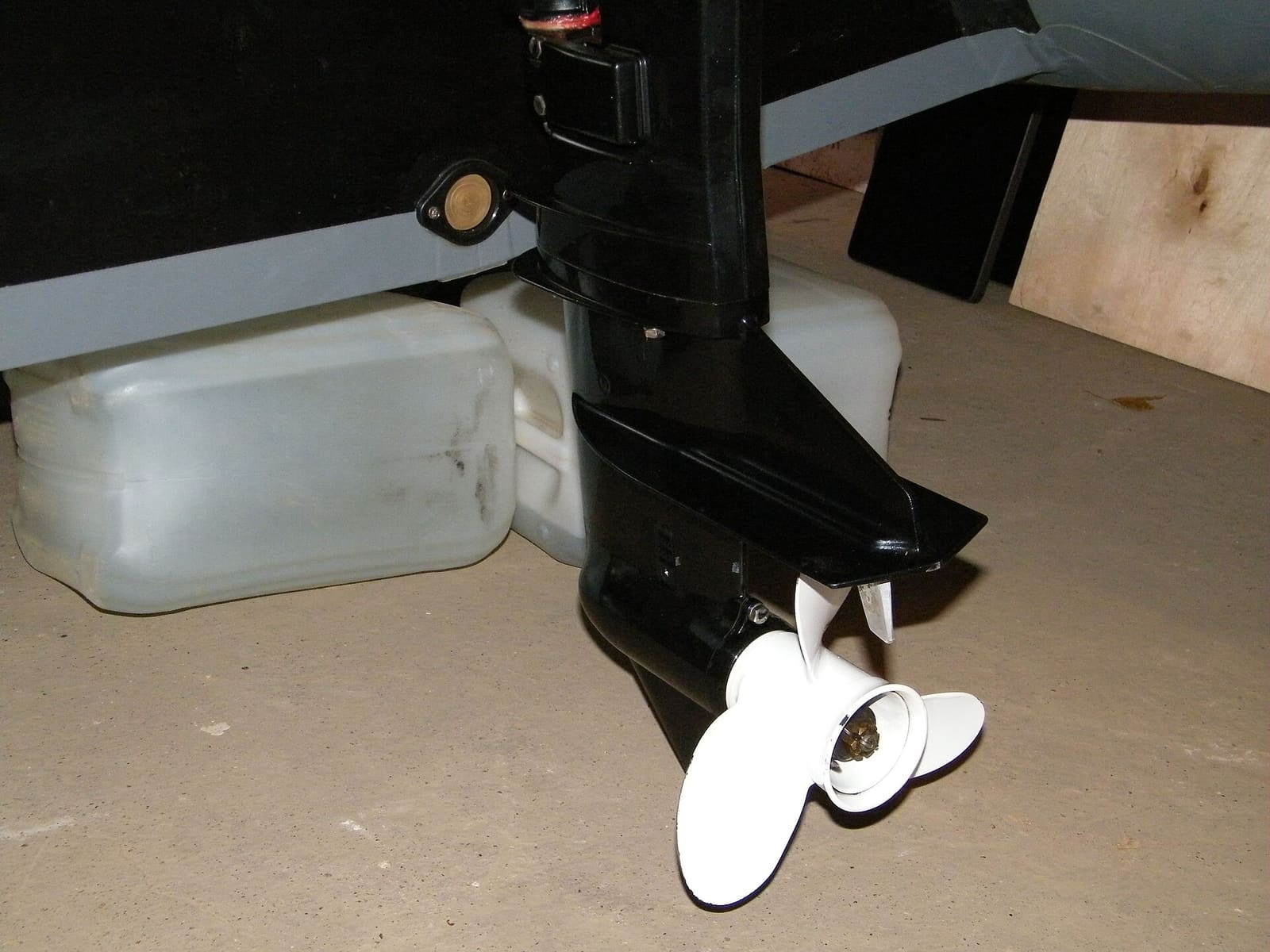
Mercury says used oil holds acids that attack internal parts during storage, so change the oil and filter on four-strokes before layup, and check or replace the gearcase lube. Water in the lower unit oil can freeze and crack the gearcase, so milky lube is a warning. The outboard oil change and lower unit oil guides walk you through both.
Mercury, Avalon and Harris all mention fogging oil. Avalon and Bennington describe spraying it into the spark plug holes; Mercury says to follow the fogging procedure in your operator's manual, because modern fuel-injected engines often have their own method. Don't improvise on an EFI engine; see the fogging guide.
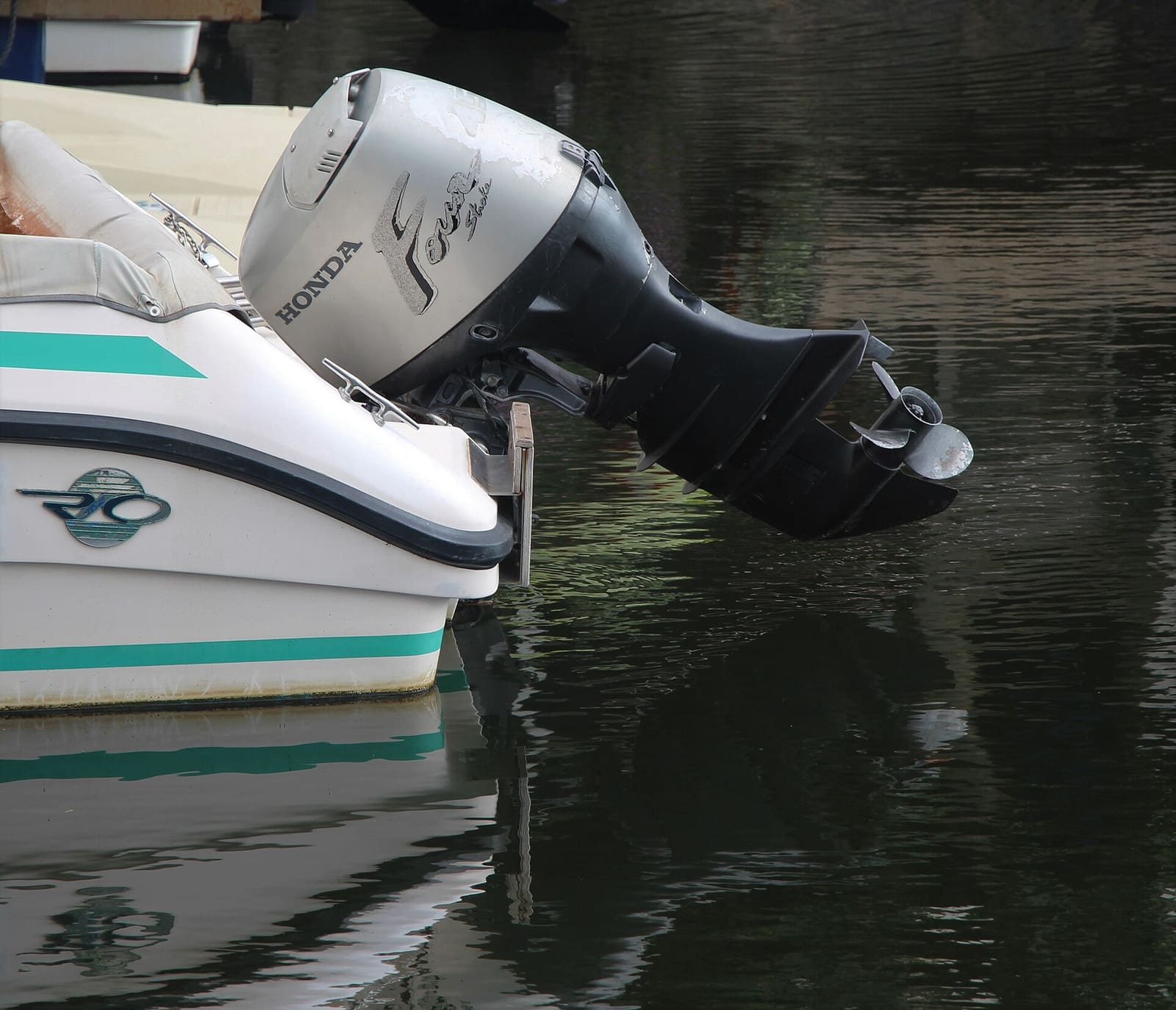
Flush with fresh water using muffs or the approved fitting, then, as Mercury explains, tilt the motor all the way down so water trapped in the cooling passages drains out. An outboard left tilted up can hold water that freezes. Store it down (vertical) unless your manual says otherwise. The full outboard routine is in the outboard winterizing guide.
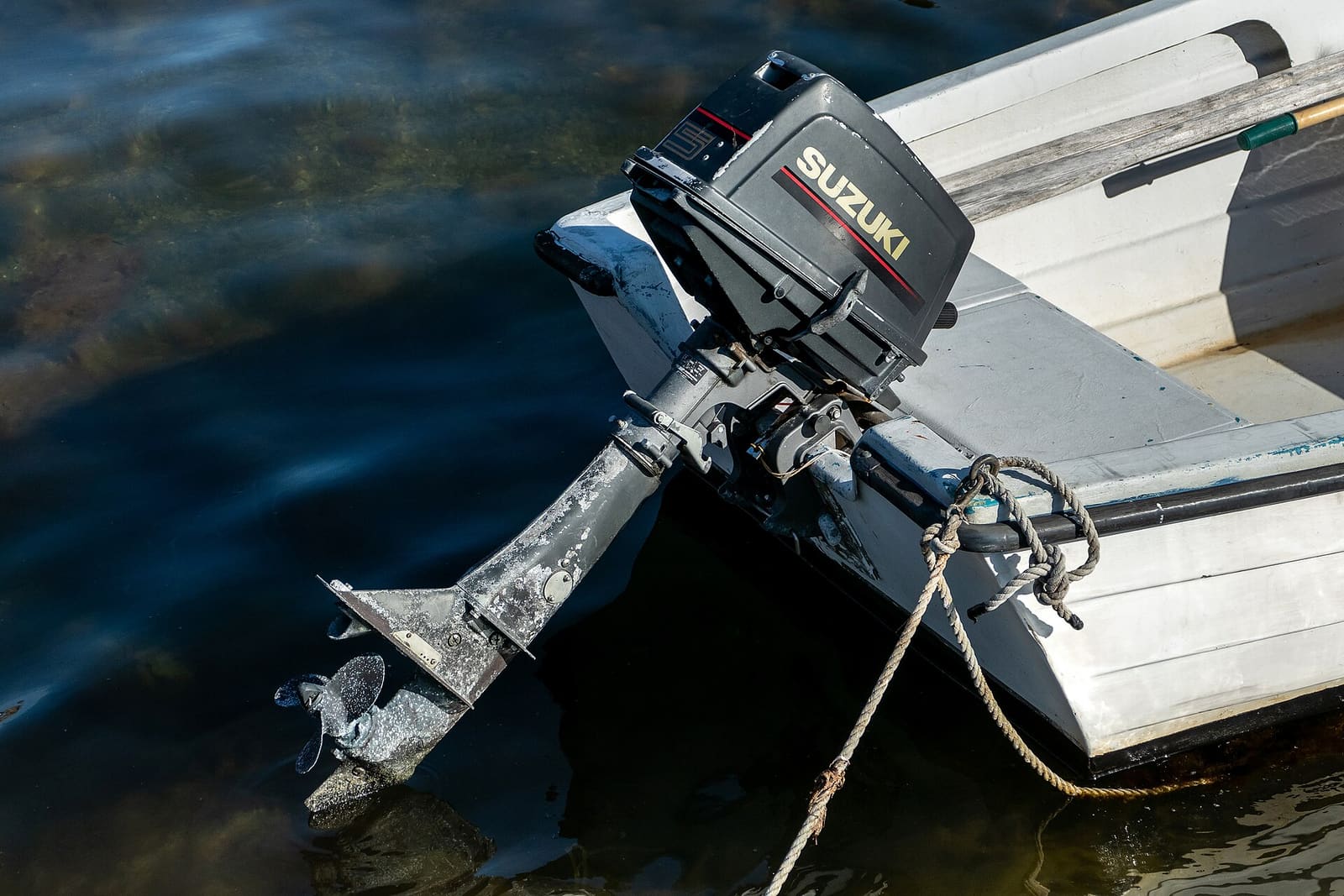
Avalon points owners to the grease fittings, often around the steering. Grease the steering, the outboard's tilt tube and swivel points and any other fittings your manuals list. The outboard grease points guide shows where they usually are.
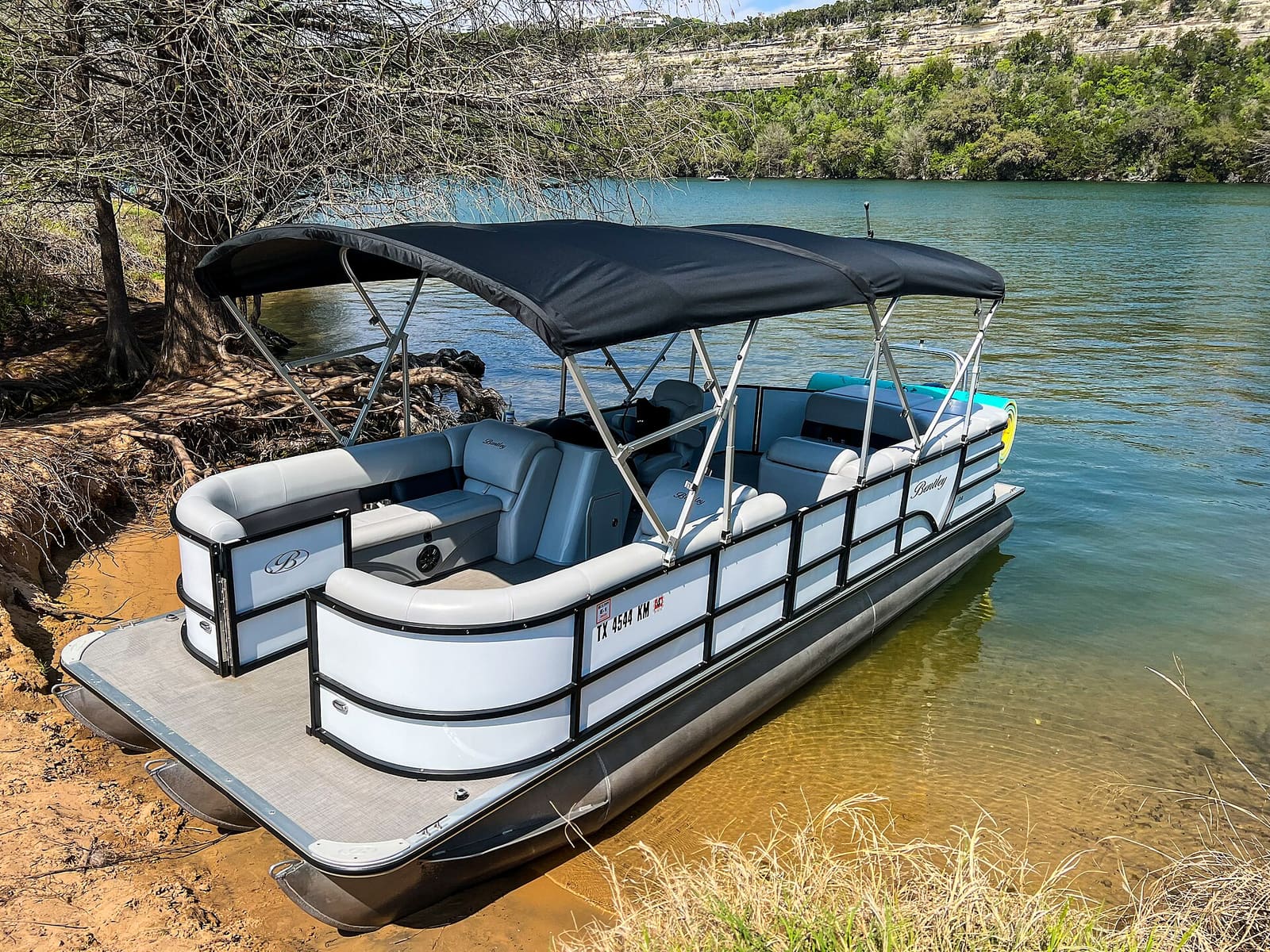
Avalon notes that every Avalon pontoon has a drain plug at the bottom of each tube, which you can only reach with the boat out of the water. Many other brands have them too; some don't. With the boat on the trailer or blocked, open each plug (if fitted) and see if water comes out. Water in a tube can freeze over winter, and it means there's a leak to find. Avalon is clear that you also need to fix the source, which may mean a dealer or an aluminum welding shop. Reinstall the plugs unless your owner's manual says otherwise, and note any tube that had water. The pontoon tube leak guide explains how to find leaks.
Avalon warns that carpet, teak and vinyl breed mildew under a cover with little airflow. Clean seats with a vinyl-safe product, let them dry, then use a marine vinyl protectant. Lift seat cushions and open storage lids so air can circulate. Vacuum and dry the carpet or vinyl floor; look for soft spots in the deck while it's clean. See the pontoon deck and furniture guide.

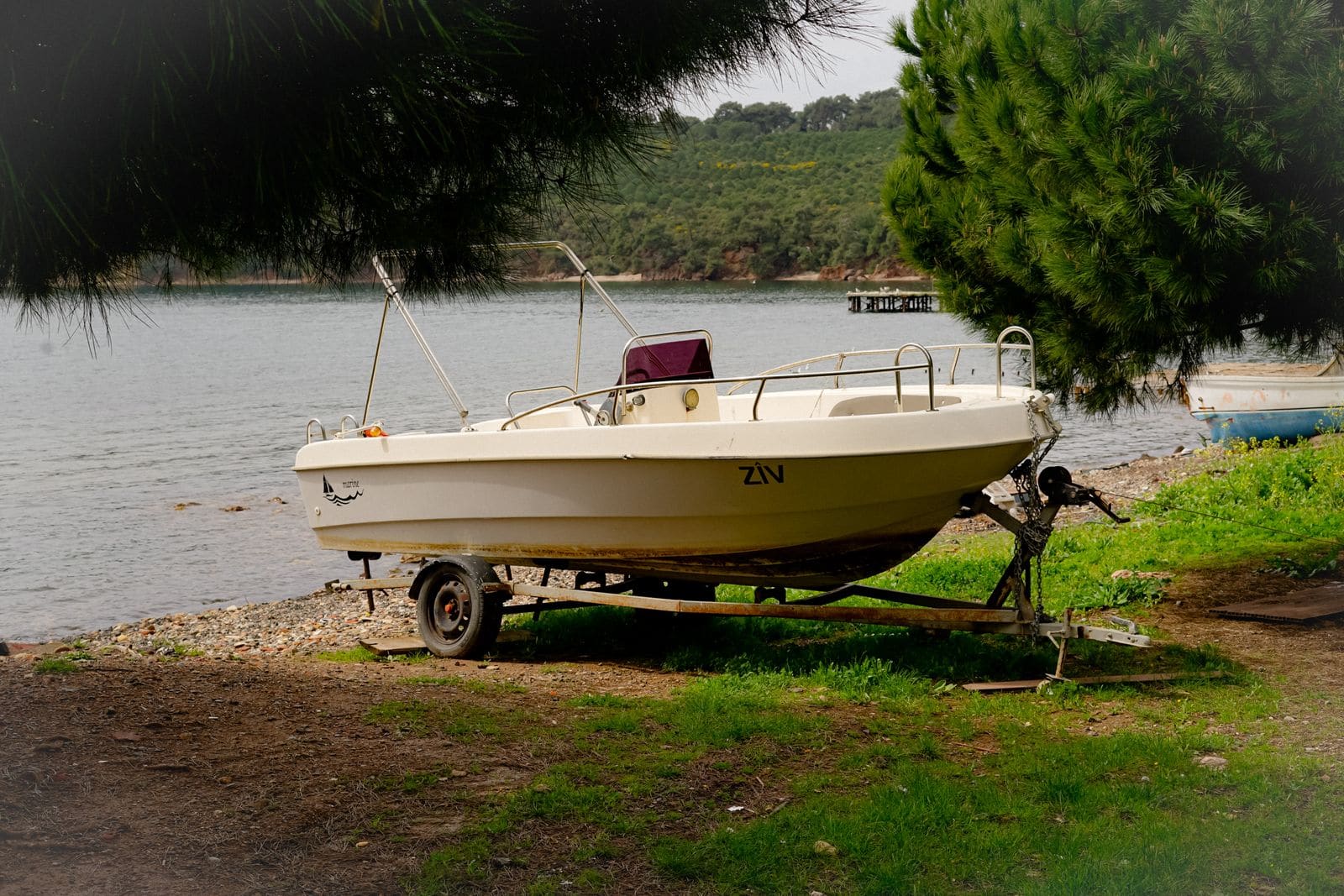
Photo: Tümay Hasret / Pexels Harris suggests a rodent repellent to stop mice chewing through the cover and upholstery, and Bennington suggests putting rodent bait on the deck. If you use bait, follow the label and remember pets, kids and wildlife; traps and deterrents are alternatives. Remove all food, seal openings you can, and check the boat during the winter. The rodent prevention guide has more.
Harris says to remove the battery, charge it fully and store it somewhere cool. Avalon adds topping it off during the winter, or, if the boat stays in the water, keeping it aboard and charged so any bilge pump keeps working. Drain livewells, washdown pumps, sinks and any freshwater system so nothing can freeze (see the freshwater winterizing guide if your pontoon has one).
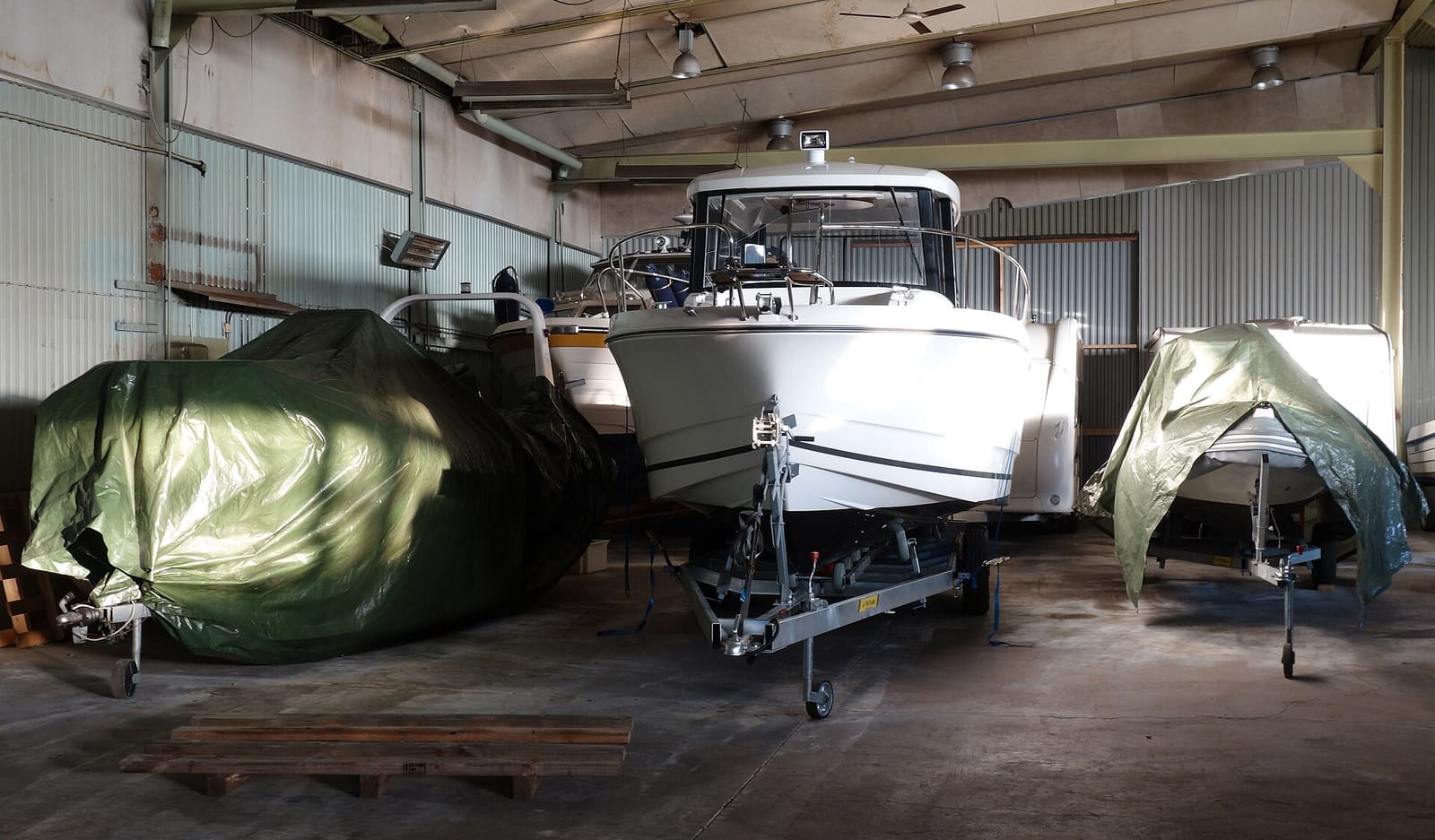
Bennington says to keep the tubes off the ground to prevent corrosion, either on the trailer or on blocks placed under the tube welds. On a trailer, check the bunks, take weight off the tires if you can and look over the tires and bearings before storage. See the trailer tires guide.
Harris says year-round boaters need a good lift and a quality enclosure. In freezing areas, raise the boat fully out of the water before ice forms; never leave it sitting in ice. Unplug or switch off lift motors as your lift maker suggests. See the boat lift and in-water winter storage guides.
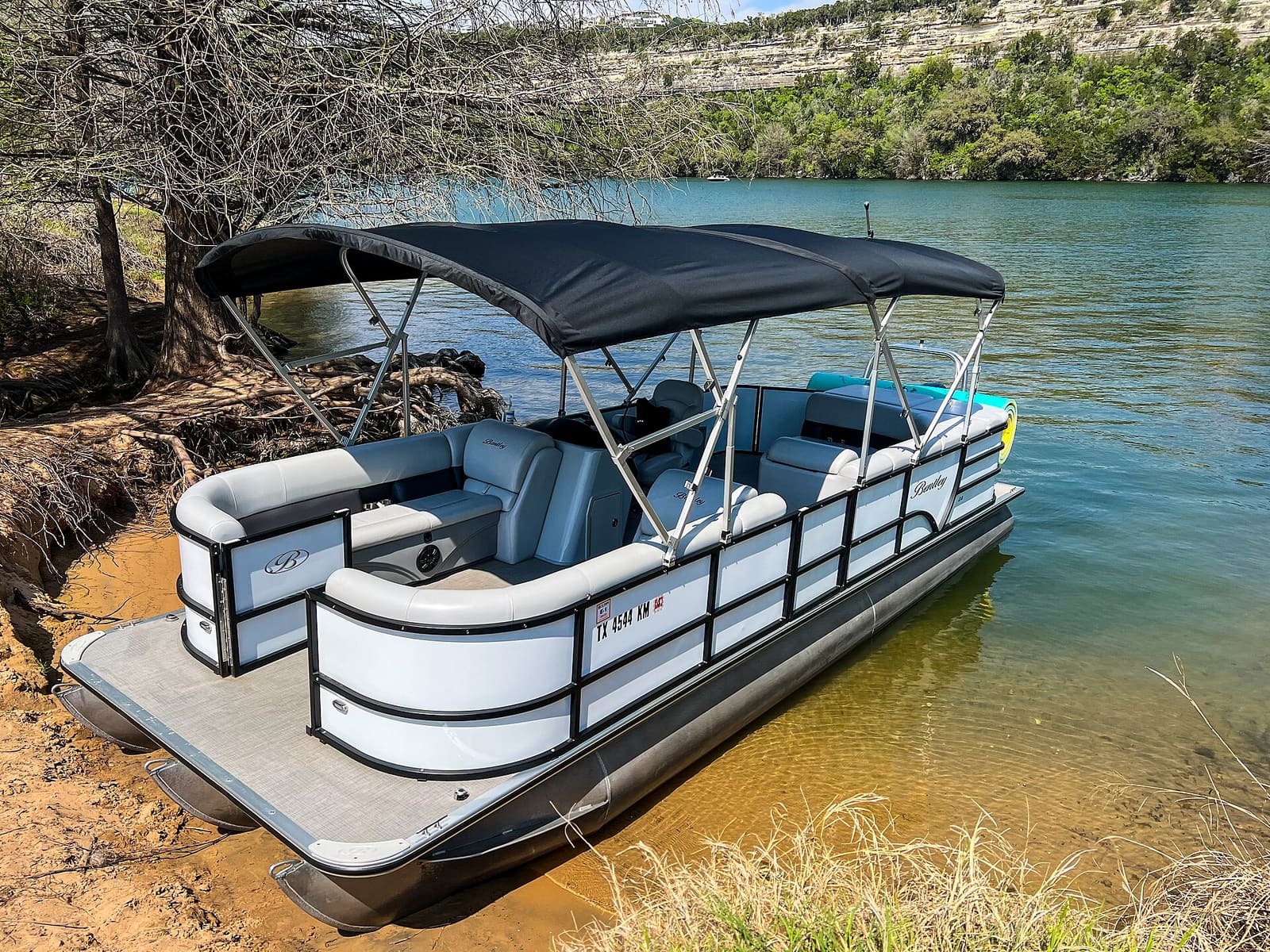
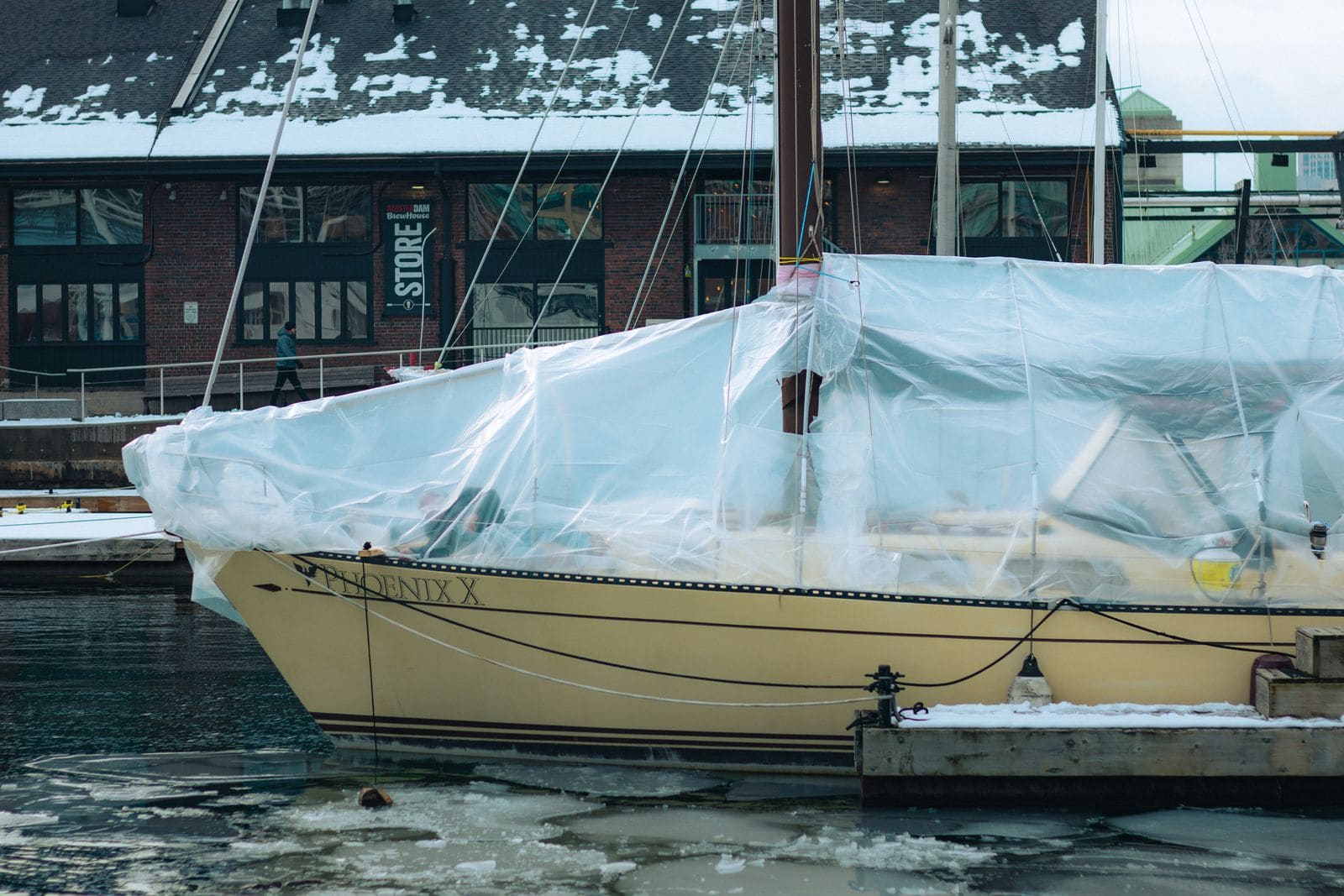
This is the pontoon-specific danger. Harris explains that a pontoon cover spans a wide, flat area; if rain or snow pools and the cover collapses, it can damage rails and trap moisture in the deck and furniture, which is worse than no cover. Bennington suggests building a frame from cheap lumber or PVC so the tarp sheds water, snow and ice. Bennington and Avalon both say a mooring cover is not meant for winter storage. Shrink wrap is the most weather-tight option and is usually a pro job. Leave vents so moisture can escape. Mercury's winter storage myths article adds two cautions: a cheap blue tarp isn't "better than nothing," because its woven surface rubs gelcoat, paint and the tube finish when it flaps, and it tears under snow (if you must use one in an emergency, pad the outboard cowl and furniture with old blankets under it); and don't wrap the gearcase in a plastic bag taped shut, since condensation collects under the plastic and can freeze. Leave the lower unit tilted down and open to the air or under a breathable cover. See the boat cover care and shrink wrap guides.
Common mistakes
- Using the summer mooring cover for winter, which sags and tears under snow.
- Storing the outboard tilted up after flushing, so water stays in the powerhead.
- Covering a damp boat, then finding mildew on every seat in spring.
- Leaving snacks, drinks or bait aboard, which invites mice.
- Ignoring water draining from a tube plug instead of finding the leak.
- Setting tubes directly on the ground or blocking anywhere other than solid structure.
- Waiting until after the first hard freeze to winterize.
- Leaving a heater or heat lamp running on the boat instead of winterizing. BoatUS sees fires from heaters and cords on unattended boats every winter, and the power tends to fail in the very storm that brings the freeze.
- Letting "my buddy" winterize it without a checklist. BoatUS says many cracked-block claims start exactly that way.
When to call a pro
- Water in a tube that comes back, a cracked weld or a dented tube
- Milky gearcase lube, or any fuel leak or strong gas smell
- Shrink wrapping, which needs special tools and training
- Soft or rotten deck plywood
- Engine work you're not comfortable with: Avalon, Harris and Bennington all recommend a dealer if you're new to winterizing
Tips
- Take photos of the helm, wiring and furniture layout before covering.
- Tag the ignition with what you did (fogged, plugs, battery out).
- Check the cover after every big snow and clear it if it sags.
- A breathable cover plus vents beats an airtight tarp for mildew.
Official references
We read these to write this guide. Your engine's own manual always wins.
- Bennington – Getting Your Pontoon Boat Ready for Storage, 5 Steps to Prevent Damage
- Harris Pontoon Boats – How to Winterize a Pontoon Boat
- Avalon Pontoon Boats – How to Winterize a Pontoon Boat
- Avalon Pontoon Boats – Pontoon Boat Maintenance Tips (drain plugs, mooring covers)
- Mercury Marine – 7 Mistakes to Avoid When Winterizing Your Mercury Outboard
- BoatUS – Why You Should Winterize (freeze claims)
- BoatUS – Avoid These 8 Boat Winterizing Mistakes
- BoatUS – Winterizing Tips For Storage Ashore
- Mercury Marine – Winter Boat Storage Myths Debunked
Safety: BoatMend is for information only and does not replace a certified marine technician. You are responsible for your safety and your boat. Read the full disclaimer.
Last updated 2026-10-25
Related guides
How to Winterize an Outboard Engine
Protect your outboard from freeze damage, stale fuel and internal corrosion over the off-season. Most owners can do it in an afternoon with basic tools, compared with a shop bill that often runs several hundred dollars.
Winter Layup Master Checklist (Step-by-Step, With Links to Each Job)
One ordered checklist for putting any boat away for winter, from booking storage and treating the fuel to winterizing the engine, water systems, head and batteries, then blocking, covering and securing the boat. Each step links to the detailed BoatMend guide for that job.
Ethanol (E10) Fuel Care: Stabilizer, Phase Separation, Fuel Lines and Tank Vents
Keep E10 gasoline from damaging your boat engine. Learn how to use stabilizer, test for water and phase separation, and inspect the fuel lines, primer bulb, anti-siphon valve and tank vent. Most fuel-related breakdowns start with one of these.
How to Fog an Engine for Storage
Coat the inside of your engine's cylinders with fogging oil before a long layup so rust does not form over the winter. Learn when fogging applies, how it differs for carbureted, fuel-injected and direct-injection engines, and why your maker's instructions come first.
How to Change Lower Unit (Gearcase) and Sterndrive Oil
Drain and refill the gear oil in your outboard lower unit or sterndrive, and learn to spot water intrusion before it destroys the gears. It is a 30-minute job that protects a gearcase costing thousands to replace.
How to Grease Your Outboard's Lubrication Points
Grease the swivel bracket, tilt tube, steering and shift linkages, trim rams and prop shaft splines on your outboard. Grease keeps salt and water out of the moving joints. A 30-minute job once or twice a season prevents seized steering, stuck props and corroded brackets.
How to Find a Leak When Water Gets Into a Pontoon Tube
A pontoon that sits low on one side, lists or sloshes when you rock it probably has water in a tube. Learn how to confirm it, drain it, track down the pinhole or cracked weld, and choose between a temporary patch and a proper weld repair.

How to Care for a Pontoon Deck, Flooring, Fence and Furniture
Keep a pontoon's carpet or vinyl floor clean and dry, find soft spots in the plywood deck before they spread, check fence rails, gates and seat bases, care for furniture vinyl, and cover and store the boat so mildew and sun do not win.

How to Repair or Replace Vinyl Flooring on a Pontoon or Bowrider
Fix small tears, lifted seams and bubbles in marine vinyl or woven vinyl flooring with the right adhesive, tell when a soft spot means the plywood underneath is rotting, and understand what a full floor replacement involves. Structural deck and stringer repairs are pro work.

How to Keep Mice and Rodents Off Your Stored Boat
Mice love a stored boat: dry, quiet and full of soft nesting material and tasty wire insulation. Learn how to remove what attracts them, close their way in, choose deterrents and traps that actually work, avoid the risks of poison, and check the wiring safely in spring.
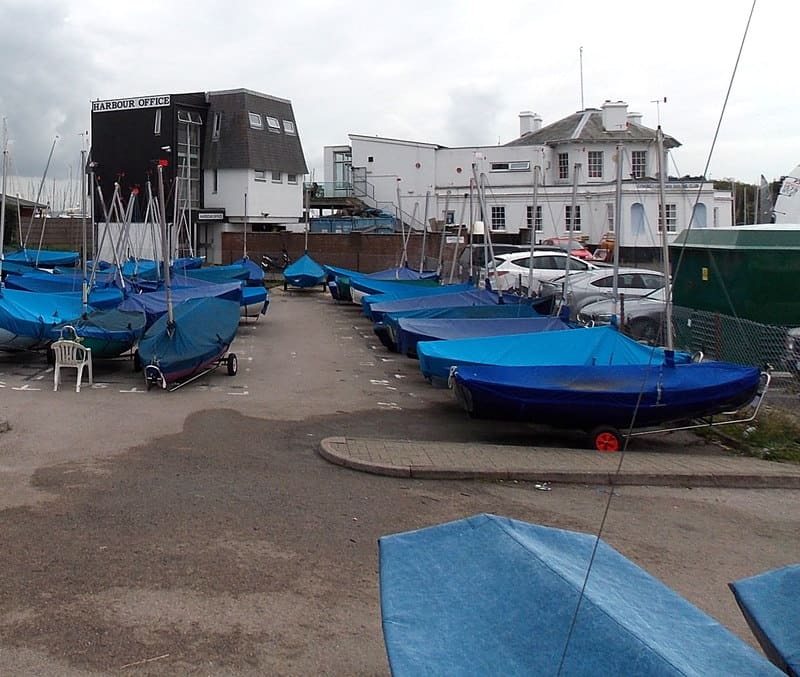
How to Fit, Support, Clean and Store a Boat Cover
Make your mooring or storage cover last for years by getting the fit right, supporting and venting it so water never pools, using a cover that's rated for the highway, cleaning and re-waterproofing it the right way, and fixing small tears before they grow.
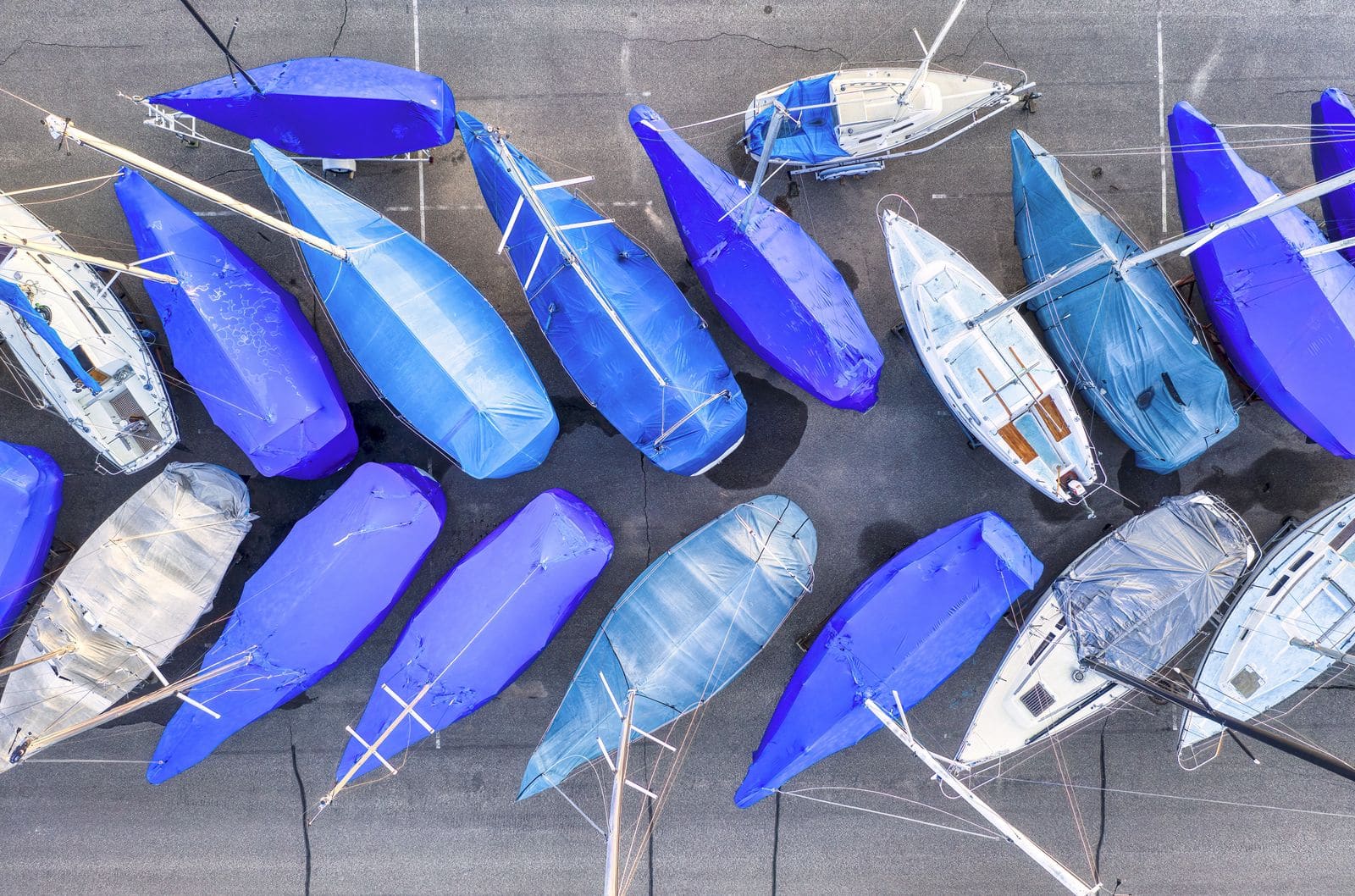
Winter Boat Cover vs Shrink Wrap: Support, Ventilation, Safety and Spring Removal
Choose between a reusable winter cover and shrink wrap, build a support frame that sheds snow, vent it so the boat doesn't mildew, and know the fire risks before you try DIY shrink wrap. Includes spring removal and recycling.
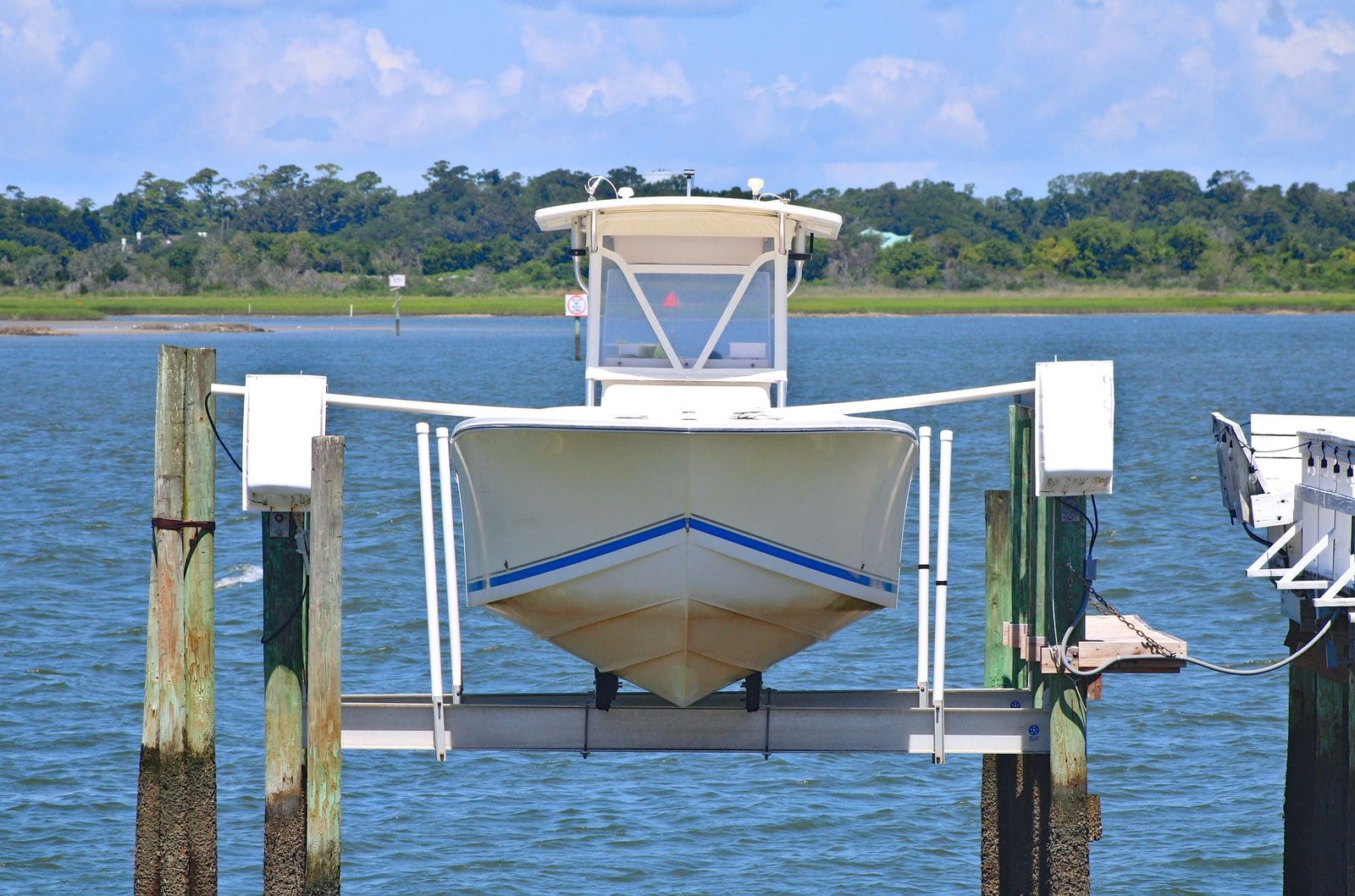
How to Inspect and Maintain a Boat Lift (Cables, Pulleys, Motor, Bunks and Storm Prep)
Inspect the cables, pulleys, motor, wiring and bunks on your boat lift, center the boat correctly, and prepare the lift and boat for storms and winter. Cable failures and overloading from rainwater or snow are the most common ways lifts drop boats.
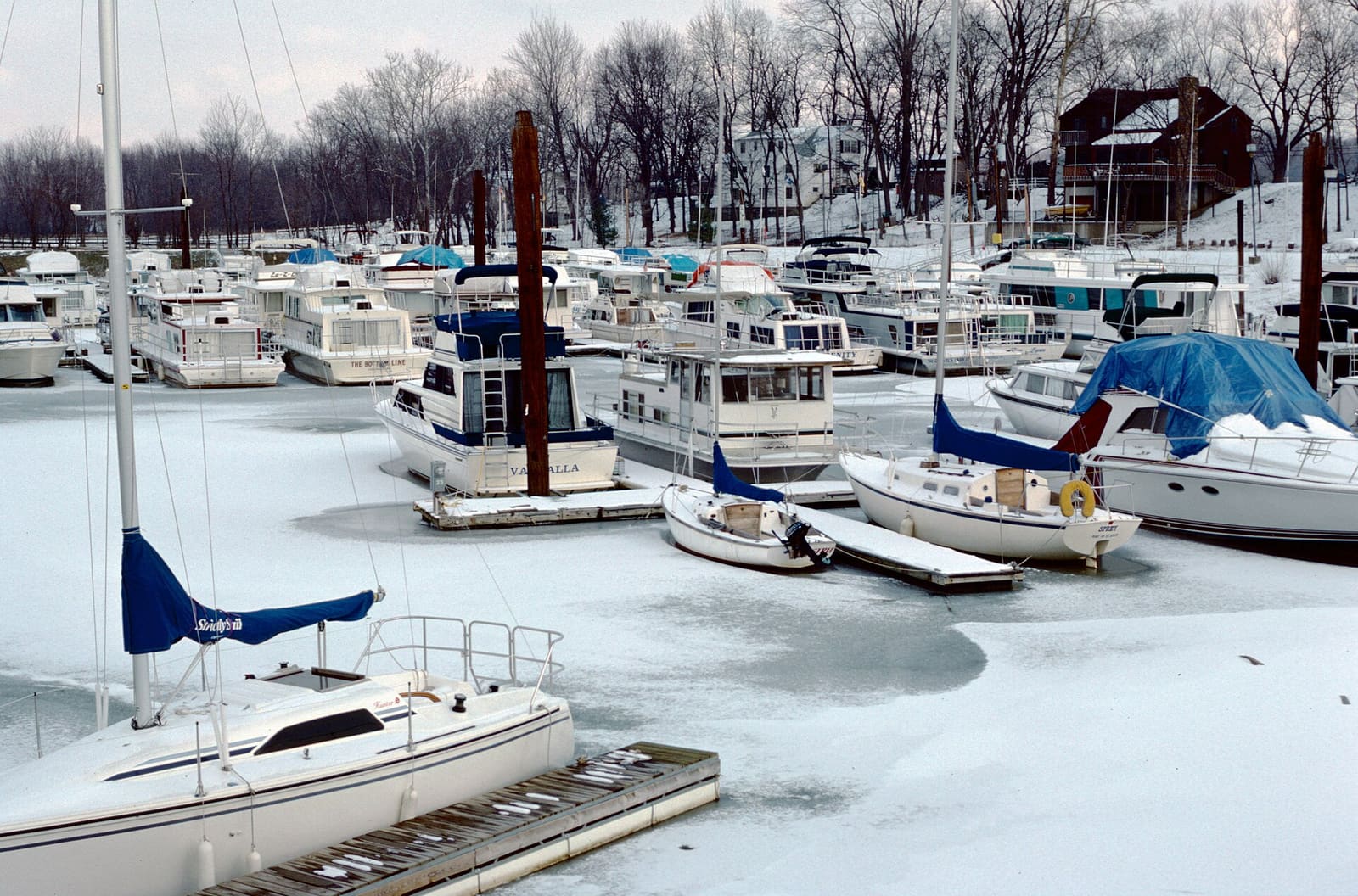
How to Keep Your Boat in the Water Over Winter (De-Icers, Covers and Checks)
Wintering afloat can be safe if you still winterize every water system, keep the bilge pump and batteries working, use a de-icer correctly on a GFCI-protected circuit, respect the shock and thin-ice risks, and visit the boat regularly.
How to Inspect, Inflate and Replace Boat Trailer Tires
Check your trailer tires the way the pros do: the right type (ST), the right load range, the right cold pressure, and an honest look at their age. Tires are the number one reason boat trailers end up on the side of the highway.
Marine Battery Care: Test, Charge and Store for Winter
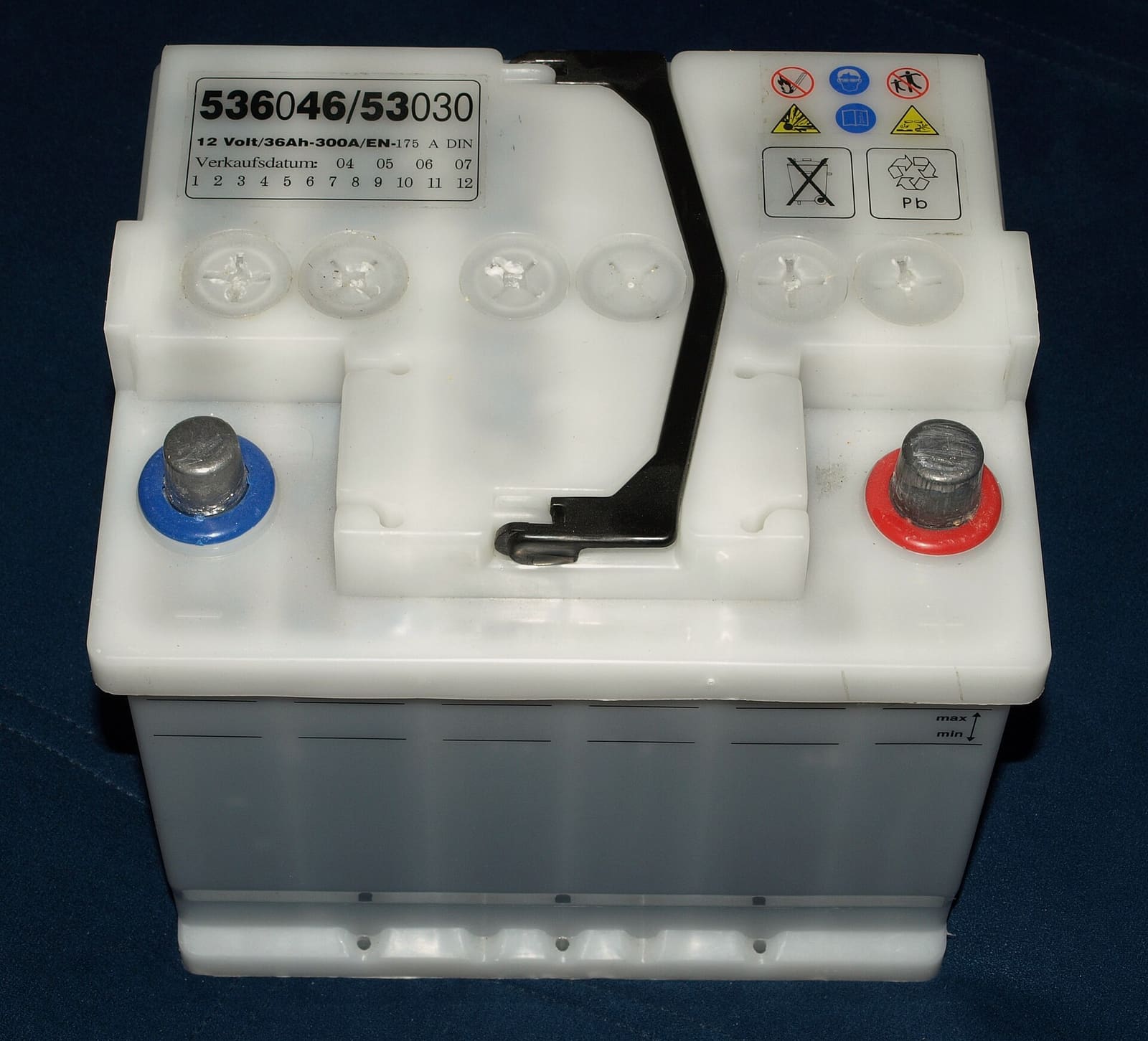
Check your boat battery's health, charge it the right way for its type (flooded, AGM or lithium), and store it so it is ready in spring. Most "boat won't start" calls start with a neglected battery.