Bigger Alternator and an External Smart Regulator: What It Takes for a Big House or Lithium Bank
A stock alternator with a built-in regulator rarely charges a large house bank well, and it can cook itself charging lithium. Learn how a high-output alternator and external smart regulator work, why belt load and temperature sensing matter, how to protect the alternator if a lithium battery disconnects, and which parts of the job belong with a marine electrician.
Time
8 h
Shop would charge
$1500-5000
Applies to
Marine diesel, Gas inboard
Safety first: An alternator can push well over 100 amps into a battery bank, and the cables between them carry enough current to melt metal and start a fire if they short. Switch the batteries off and disconnect the negatives before you touch any charging wiring, keep hands and loose clothing away from belts and pulleys, and never run the engine with belt guards removed. A lithium battery whose management system (BMS) disconnects while the alternator is charging it at full output can cause a voltage spike that damages the alternator and electronics, so lithium systems need a planned shutdown path (step 9). On a gasoline engine every alternator, regulator and relay in the engine space must be ignition protected. A battery that is hot, swollen, smoking or hissing is an emergency: get everyone off the boat and call 911 or the Coast Guard on VHF 16.
Owners often ask
- Do I need an external regulator if I put a bigger alternator on my sailboat diesel?
- Why does my high-output alternator keep overheating when charging lithium batteries?
This guide walks you through it. Still stuck? Ask the AI Mechanic about your engine.
Tools
- Digital multimeter and a DC clamp meter
- Infrared thermometer (to check alternator case temperature)
- Belt tension gauge or the deflection method from your engine manual
- Straightedge or pulley alignment tool
- Socket set and wrenches
- Hydraulic or ratcheting crimper for heavy cable, heat gun
- Laptop, phone app or display used to program your regulator
Parts & supplies
- High-output marine alternator rated for continuous duty, with a field (F) terminal for external regulation
- External multistage regulator programmable for your battery type (with alternator and battery temperature sensors)
- Serpentine or dual-belt pulley kit, or the belt your alternator and engine maker specify
- Tinned marine cable and fuse sized per the alternator and regulator manuals
- Ignition-protected components if the engine is gasoline
Before you start
Why upgrade: most marine engines come with a modest alternator and a built-in regulator set up to top up a starting battery. Steve D'Antonio, writing in Cruising World, notes that these stock setups often overcharge or undercharge deep-cycle house batteries and shorten their life. A larger alternator, controlled by an external "smart" regulator, charges in proper stages (bulk, absorption, float) with settings for your battery type, so the bank gets fuller in less engine time.
How an external regulator works: the regulator controls the alternator by sending current to the alternator's field winding through a field wire. More field current means more output. Because it's a separate box, it can watch more than voltage: battery temperature, alternator temperature, current and, on newer units, data from a lithium battery's BMS over a CAN network. Wakespeed, for example, describes its WS500 as able to take voltage, current and temperature from a compatible BMS and to regulate toward a target alternator temperature.
Why lithium changes the job: lithium (LiFePO4) batteries accept a very high charge current almost until they are full. A lead-acid bank naturally tapers what it accepts, which gives the alternator a break; a lithium bank keeps it at full output for most of the charge. That is exactly how alternators overheat. Battle Born calls direct alternator charging of lithium the fastest method but also the riskiest for the alternator, and says it needs a high-quality external regulator; the gentler alternative is a DC-to-DC charger (see that guide).
Is this a DIY job? Planning, measuring and checking are well within an owner's reach. The alternator swap, belt conversion, heavy cable runs and regulator programming for a lithium system are advanced work with engine and fire risk. Many owners do the planning and have an ABYC-certified marine electrician do the install, or at least check it. Use this guide to make good decisions either way.
Steps
Start with your daily energy use and bank size (see the battery bank sizing guide). If you mostly charge from shore power or solar, or the house bank is small, a DC-to-DC charger or a properly set charging relay may be enough. A bigger alternator with an external regulator pays off when you run the engine to charge a large bank, cruise or anchor out for days, or run inverter loads like a fridge, watermaker or induction cooktop.
Soundings' Mike Garretson suggests matching the alternator to how much current your battery type can accept, and gives the example that a 500 Ah AGM bank can take roughly 150 to 200 amps. Lithium can take more, so the limit is usually the alternator, belt and engine, not the battery. Two points matter more than the headline number:
- Hot rating: compare alternators by their output when hot. An engine room is a hot place, and cold ratings flatter.
- Duty: choose an alternator built for long periods near full output, or buy a larger one and limit it (step 7). A case-size or "large-frame" alternator usually copes better than an automotive-style one.
Every amp of charging takes engine horsepower through the belt. On a small sailboat diesel, a big alternator can take a noticeable share of the engine's power, which matters when you also need it to push the boat. Ask the engine maker or dealer what alternator size and drive the engine supports, and whether a bracket or pulley kit exists for your model. Check that the alternator will physically fit with room for the belt and for airflow.
A single V-belt is often not enough. D'Antonio writes that alternators of about 100 amps and up at 12 volts usually need a dual or serpentine belt, and that an overloaded belt slips, heats up and can wear out the alternator and water pump bearings. Garretson recommends a serpentine conversion where a kit exists. Whatever you install:
- check that the alternator and crank pulleys line up with a straightedge; even a new bracket can be off and may need shims
- don't change the pulley ratio so much that the alternator overspeeds at maximum engine rpm
- set tension to the engine or kit maker's spec, not by feel; Practical Sailor's author traced a water pump bearing failure to a belt that was too tight
See the serpentine belt and tensioner guide for inspection and tensioning.
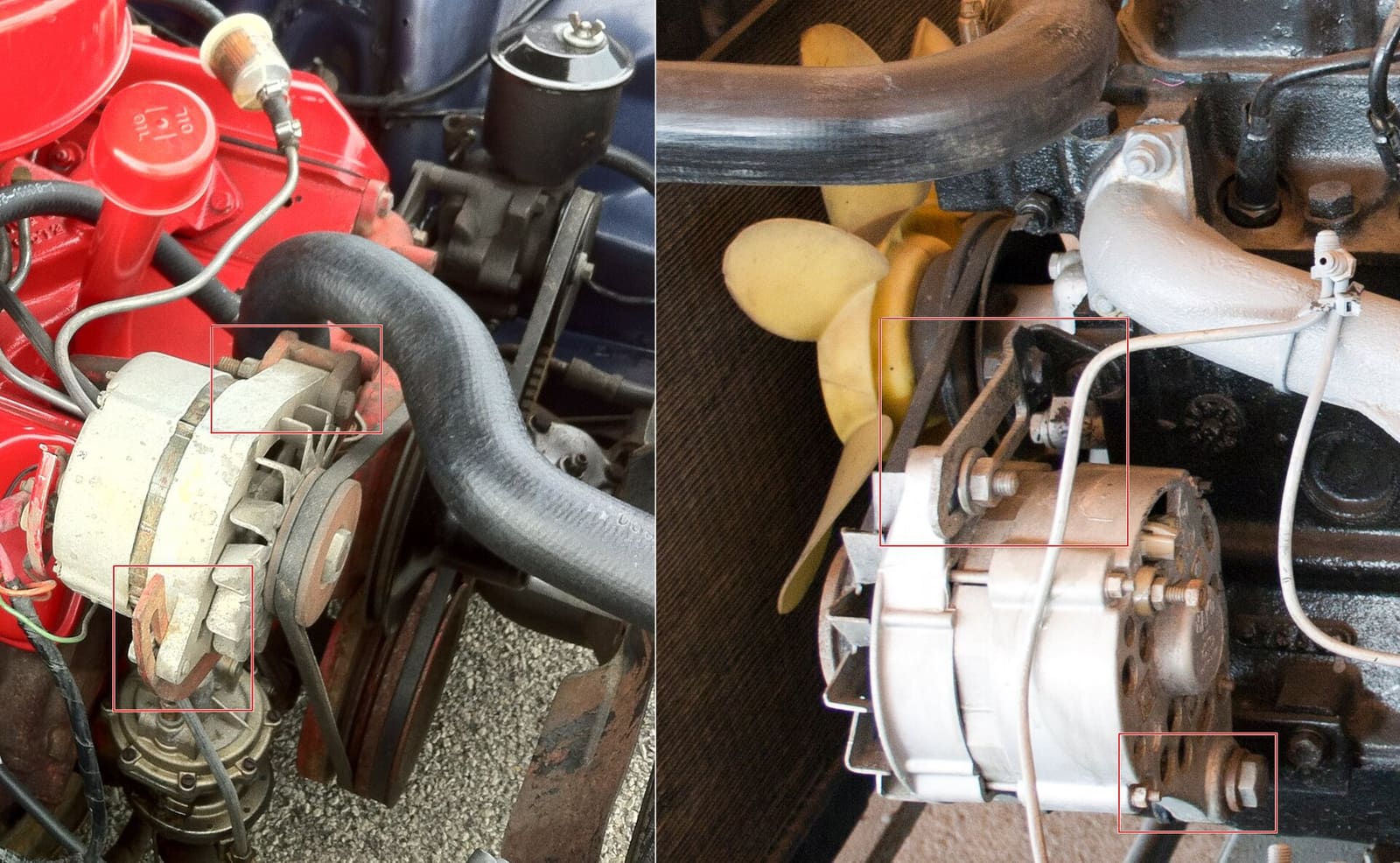
Many older engines tension a single V-belt by swinging the alternator on a pivot bolt and locking it in a slotted arm (boxed). A big alternator often outgrows this setup. Shown on cars; marine engines use the same idea. Photo: CZmarlin (Christopher Ziemnowicz) / Wikimedia Commons · CC BY-SA 3.0 Look for a regulator that is:
- multistage and programmable for your exact battery chemistry, with settings you can understand (D'Antonio suggests it should be simple enough for an average sailor to set)
- matched to your alternator's field type. Garretson stresses knowing whether your alternator is P-type or N-type; some regulators only work with one type, others offer a harness for each
- equipped with an alternator temperature sensor and a battery temperature sensor
- for lithium, able to talk to your BMS or at least take a signal from it (step 9)
D'Antonio recommends two: a sensor on the alternator case, so the regulator can cut back output before the alternator overheats, and a probe on the battery, so charge voltage can follow battery temperature. Practical Sailor describes a regulator set to reduce output when the alternator case reached about 100°C (212°F), the limit the author's technician recommended. Follow your regulator manual for where to mount each sensor; a sensor in the wrong place reads too low and won't protect anything.
Most smart regulators let you cap field output or current. Use it. Wakespeed lists a "small alternator" mode and adjustable limits, and other brands have similar belt or current settings. Balmar, for example, calls its version a Belt Load Manager: it lets you de-rate the alternator in small steps (Balmar says 4 percent increments) to take load off the belt and engine. Balmar's regulators also start gently after engine start, with a short delay before any field current and then a slow ramp-up, so the belt and engine aren't hit with full load the moment the engine fires; many other smart regulators have similar start-delay settings. Owners on forums commonly cap a big alternator below its rating so it can run for hours without overheating. Start with a conservative limit, then raise it carefully while watching alternator temperature (step 11). Many regulators also reduce output at idle so a small engine doesn't stall.
Use the cable size and fuse your alternator and regulator manuals call for, based on full output and the round-trip length. Garretson warns that long cable runs, some diode isolators and corroded lugs cause voltage drop that leaves batteries undercharged. Put the regulator's voltage sense wire at the battery it controls (not at the alternator), as your regulator manual describes, and run the battery-temperature probe and sense wires away from high-current cables. Fuse the alternator output cable close to the battery end, and protect every cable from chafe and heat.
A lithium BMS can disconnect the battery to protect it, for example when a cell gets too high or too cold. If that happens while the alternator is charging at full output, the alternator suddenly has nowhere to send its current, and the resulting voltage spike (a "load dump") can damage the alternator's diodes and other electronics. Wakespeed warns that some drop-in batteries disconnect without warning. Plan for it:
- the safest arrangement lets the BMS tell the regulator to shut down the field before it opens the battery, through CAN communication or a dedicated signal wire, as your battery and regulator manuals describe
- many designs keep the alternator connected to a lead-acid starting battery as well, so it always has a load
- some installers add an alternator protection device that clamps voltage spikes
How you do this depends on your battery and regulator brands. This step is where a marine electrician with lithium experience is worth the money.
Enter the battery maker's recommended absorption and float voltages, absorption time and temperature limits, not settings copied from another boat. Lithium battery makers generally publish charge settings for their batteries; ask for them if you can't find them. Remember that the regulator's lithium profile does not replace the battery's BMS. Write down every setting you entered.
With a partly discharged bank, run the engine at your normal charging rpm and record charge current with a clamp meter, battery voltage at the battery, and alternator case temperature with an infrared thermometer, every few minutes for at least half an hour. Output should settle without the alternator climbing past the limit you set. If it throttles back early, airflow may be the problem; the Practical Sailor author solved repeated overheating by improving engine-room airflow around the alternator rather than by changing parts. Check the belt for dust, squeal and glazing after the first runs.
A big alternator dumps extra heat into the engine room. Make sure ventilation is unobstructed and meets the engine maker's requirements (see the engine room ventilation guide), and recheck belt tension after the first few hours as a new belt seats.
Log the alternator model and hot rating, belt part, regulator settings, current limits, sensor locations and your test readings in BoatMend. Add a belt check to your maintenance plan; a heavily loaded belt wears faster.
Common mistakes
- Bolting a big alternator onto a single V-belt and living with dust, squeal and a hot water pump.
- Running a high-output alternator without an alternator temperature sensor, or with the sensor installed where it reads too cool.
- Choosing a regulator that doesn't match the alternator's P-type or N-type field.
- Sensing voltage at the alternator instead of the battery, so the bank never gets fully charged.
- Charging lithium directly with no plan for a BMS disconnect.
- Copying regulator settings from a forum instead of using the battery maker's numbers.
- Expecting an alternator to deliver its full cold rating continuously in a hot engine room.
- Forgetting that every amp of charging takes engine power from a small auxiliary diesel.
When to call a pro
- Any lithium bank charged directly from the alternator, including BMS-to-regulator integration
- Changing alternator brackets, pulleys, belt drives or the crank pulley
- Converting an internally regulated alternator for external regulation
- Heavy cable runs, fusing and busbar work you aren't sure about
- Gasoline engines, where every component in the engine space must be ignition protected
- Burning smells, melted insulation, a belt that keeps throwing or an alternator that keeps overheating
- A new engine that's still under warranty, before you change anything on it
Tips
- Ask your engine dealer first; some engine makers offer factory high-output alternator kits.
- A battery monitor with a shunt shows exactly how many amp-hours go in, which makes it much easier to tune the regulator.
- Keep the regulator's display or app where you can see it from the helm or nav station so you notice when it throttles back.
- Carry a spare belt that fits the new drive, and the tools to fit it.
- If you're not sure, a DC-to-DC charger is the simpler, lower-risk first step and can be kept even after a later alternator upgrade.
Official references
We read these to write this guide. Your engine's own manual always wins.
- Cruising World – Time To Upgrade Your Sailboat's Battery Bank? (Steve D'Antonio)
- Soundings – Is Your Marine Alternator Up to the Job? (Mike Garretson)
- Practical Sailor – Alternator Overheat: A Surprising Solution for Older Boats
- Wakespeed – WS500 Advanced Alternator Regulator
- Balmar – Voltage Regulation Technology (start delay, soft ramp, Belt Load Manager, temperature sensing)
- Battle Born Batteries – Alternator Charging 101 for Marine Applications
Safety: BoatMend is for information only and does not replace a certified marine technician. You are responsible for your safety and your boat. Read the full disclaimer.
Last updated 2026-11-06
Related guides

Installing a DC-to-DC Charger: Charging a Lithium or Second Battery Bank from Your Engine
A DC-to-DC charger lets the engine's alternator refill a lithium (or separate) house bank with the right charge profile while protecting the starting battery and the alternator. Learn why you need one, where it can and can't be mounted, how the fusing and cable sizing work, and which settings matter, so you can plan the job or check a technician's work.
Switching to Lithium (LiFePO4) Boat Batteries: What Changes and When It's Worth It
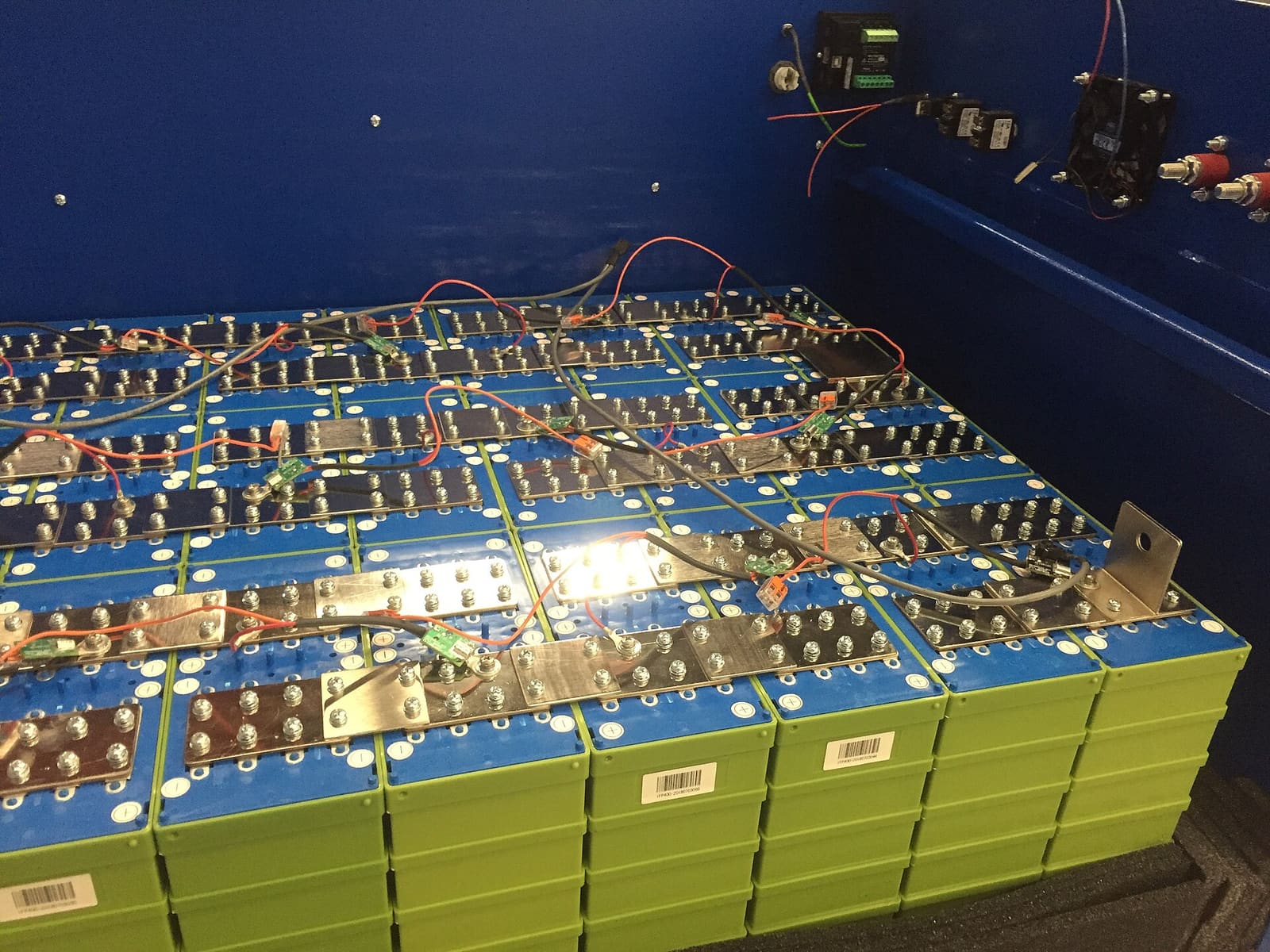
What really changes when you swap lead-acid for lithium iron phosphate (LiFePO4) batteries on a boat: the battery management system, charger settings, protecting the alternator with a DC-DC charger, not mixing chemistries, cold-weather charging, and which jobs (trolling, house, starting) suit lithium. House-bank conversions should be designed and installed by a qualified marine electrician.
How to Inspect Engine Belts and the Tensioner on Sterndrives, Inboards and Diesels
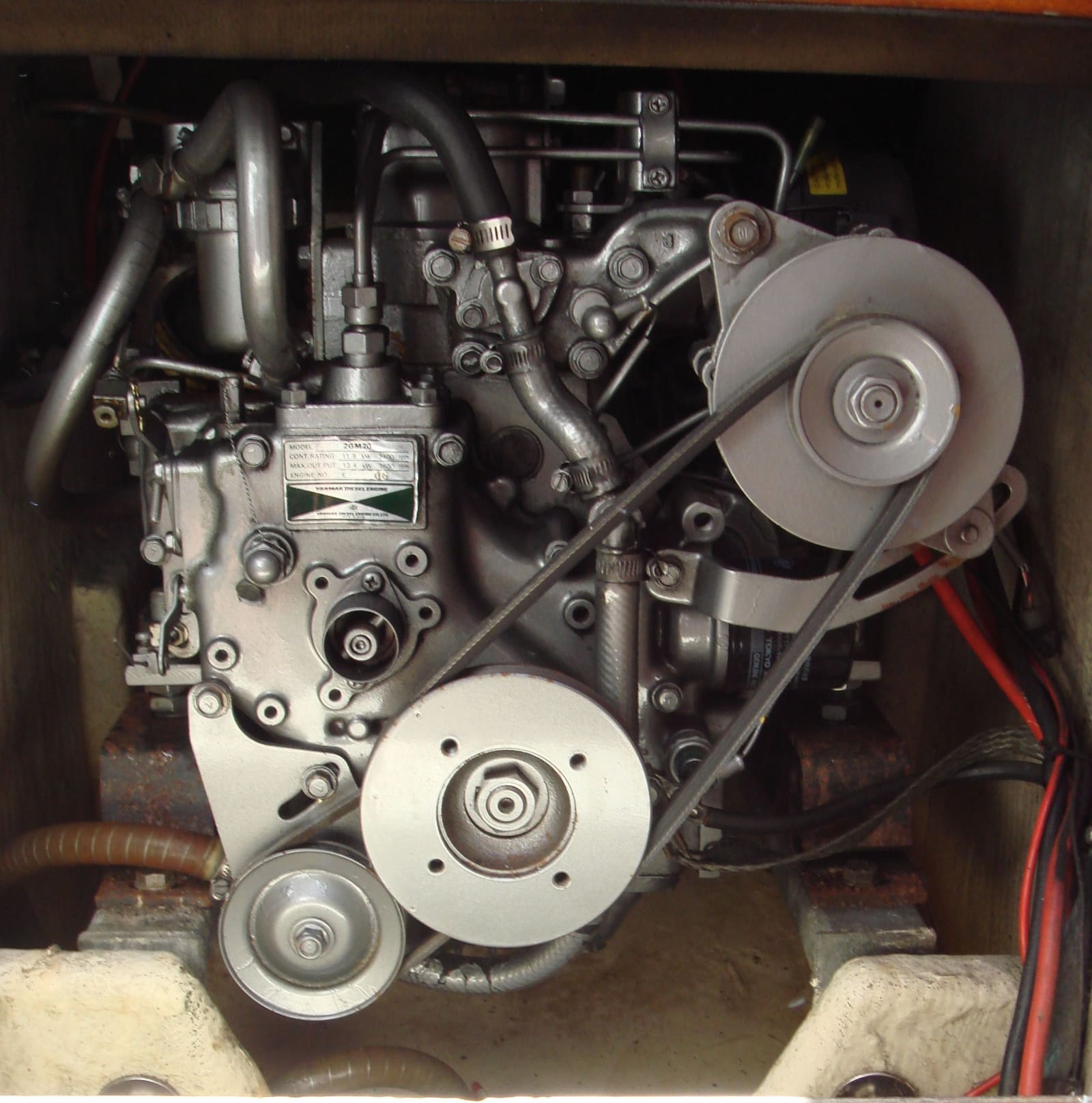
On many inboard, sterndrive and diesel engines, one belt runs the water pump, the alternator and often the power steering. If it breaks or jumps off, the engine overheats and the steering goes heavy at the same moment. Learn how to inspect the belt, tensioner and pulleys, check tension, and carry the right spare.

How to Size a House Battery Bank: Load List, Usable Capacity and Charging
Work out how many amp-hours your boat really uses in a day, how much of a battery's rated capacity you can actually use with lead-acid, AGM or lithium, how much reserve to add, and how your charging sources change the answer, so you buy the right house bank the first time.
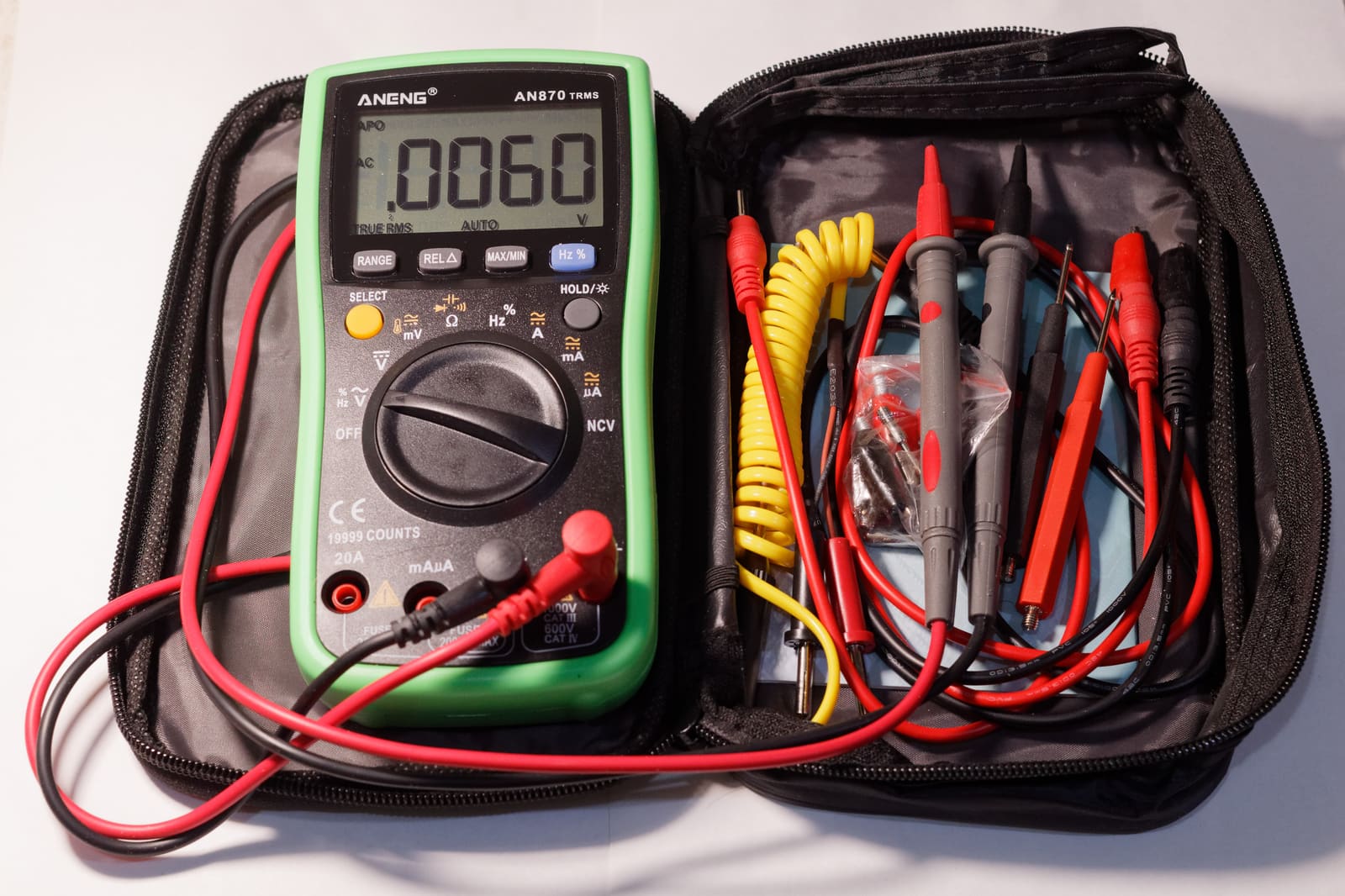
Is My Engine Charging the Battery? Test the Charging System With a Multimeter
A step-by-step way to find out whether your outboard's stator and rectifier/regulator or your inboard's alternator is really charging the battery, what the voltage readings usually mean, and when the problem is just a dirty connection. Exact test specs come from your engine's service manual.
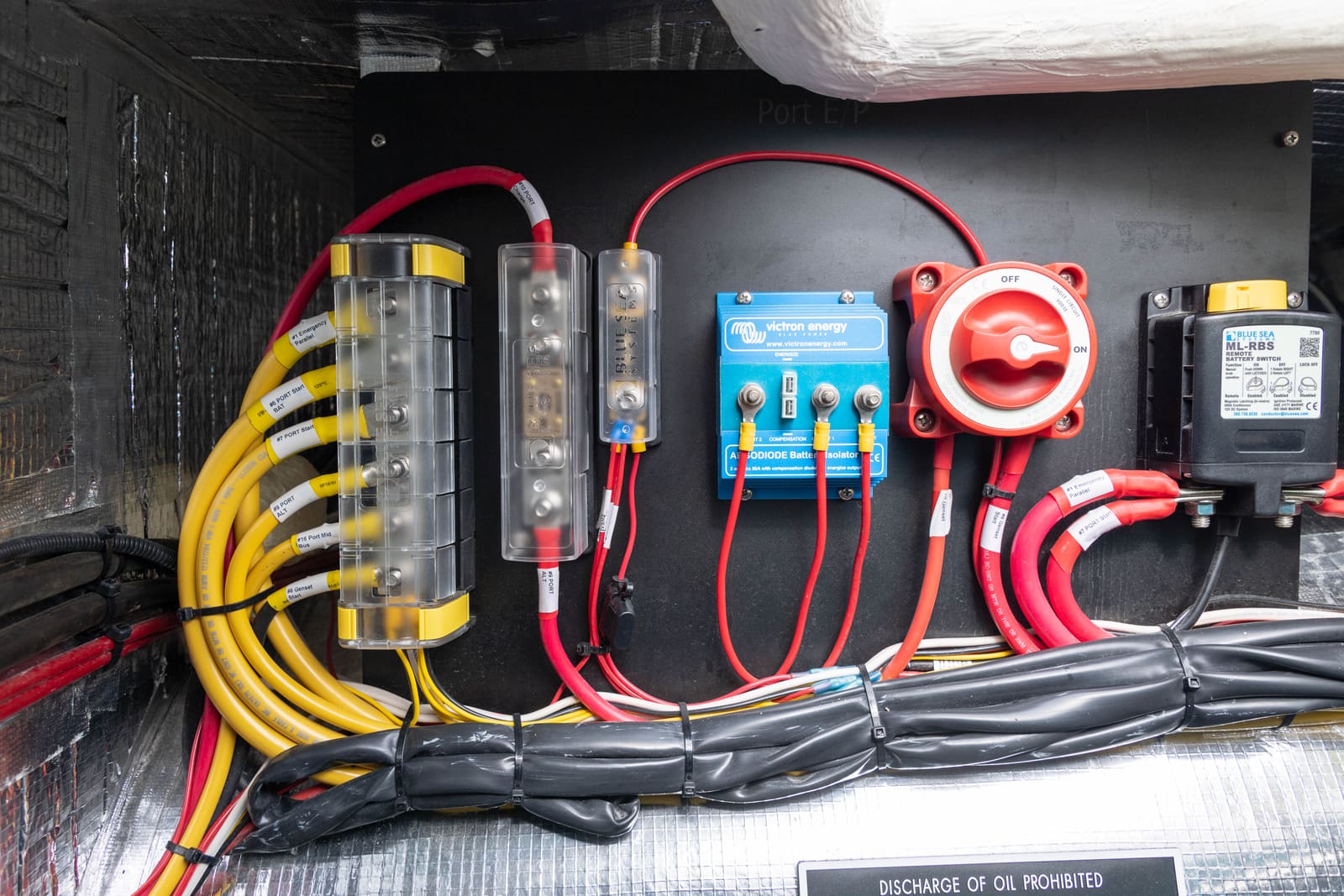
Battery Isolators Compared: Diode, ACR, Combiner and DC-DC Charger
Learn what the box between your engine and your batteries actually does, why an old diode isolator can leave batteries never quite full, and which charging setup suits an outboard, an inboard or a lithium house bank, plus a simple meter check of the one you have.
Start Isolation for Your ACR: Stop the Chartplotter and Stereo from Rebooting at Engine Start
If your plotter, radio or stereo reboots every time you turn the key even though you have two batteries and an automatic charging relay, the relay may be tying the house battery into the cranking dip. Learn how start isolation and dual-circuit battery switches keep the electronics on their own battery, how to find and test the start-only wire, and what to check after the job.
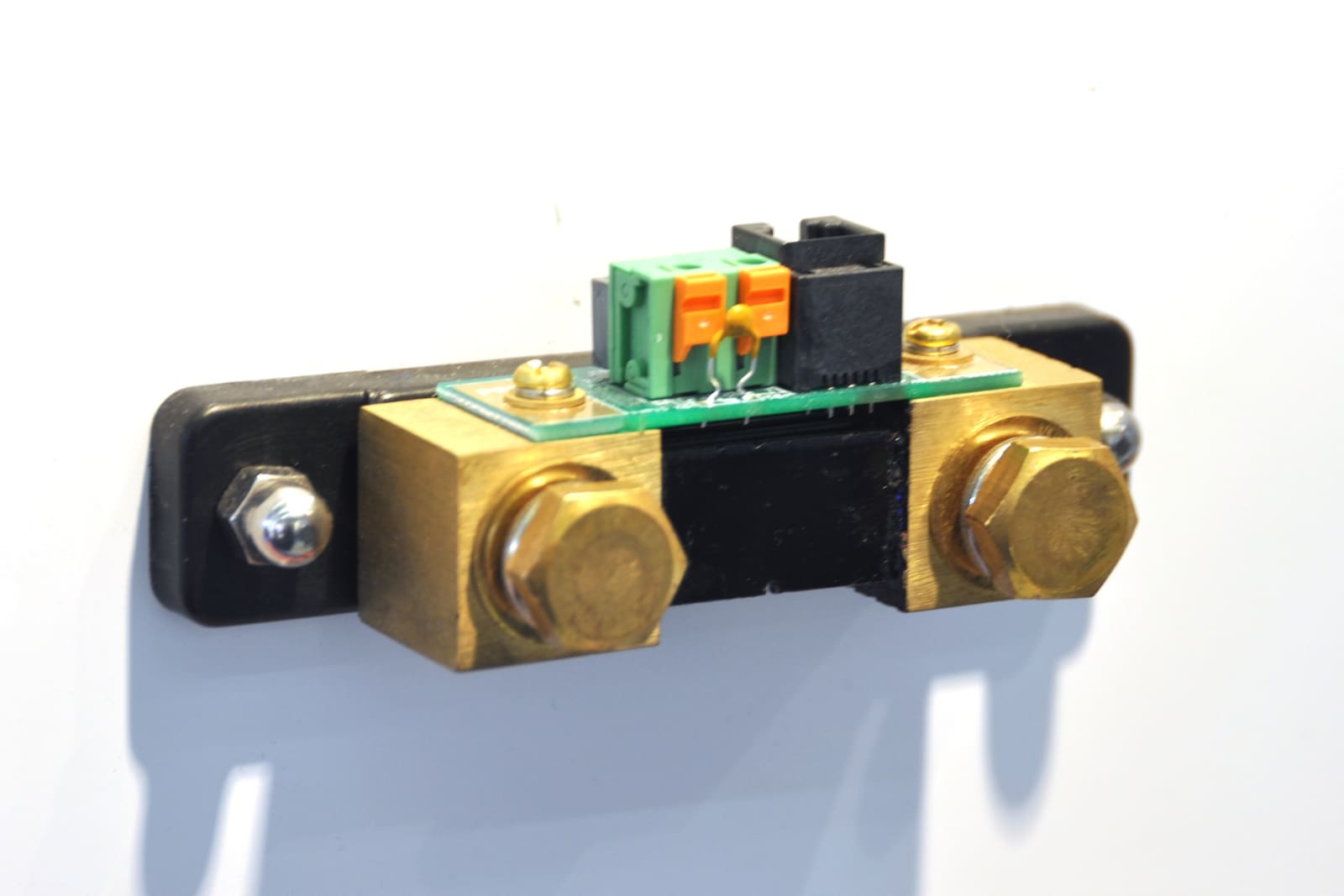
Battery Monitors with a Shunt: Installing, Setting Up and Reading State of Charge
A voltmeter can't tell you how full your house battery really is. Learn how a shunt-based battery monitor counts every amp going in and out, where the shunt goes on the negative side, which settings to change for lead-acid or lithium, and how to read the percentage without being fooled.
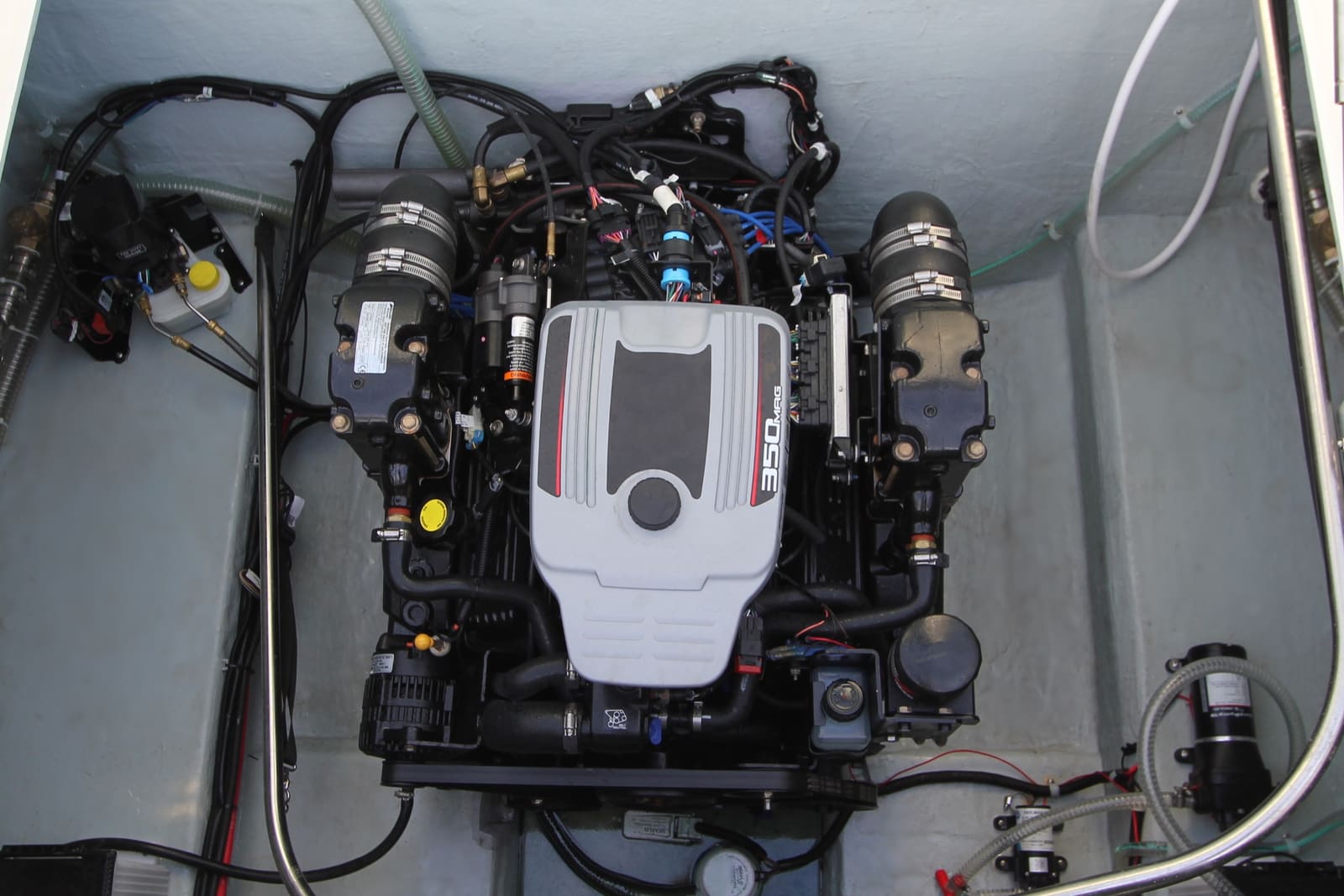
Ignition-Protected Parts: Why Car Starters and Alternators Don't Belong in a Gas Boat
On a boat with a gasoline inboard, sterndrive or generator, every spark-producing part in the engine space must be ignition protected so it can't set off fuel vapors. Learn what the term means under 33 CFR 183.410, which parts need it, how to read the markings, why cheaper automotive parts are dangerous, and how to check what's already in your engine compartment.
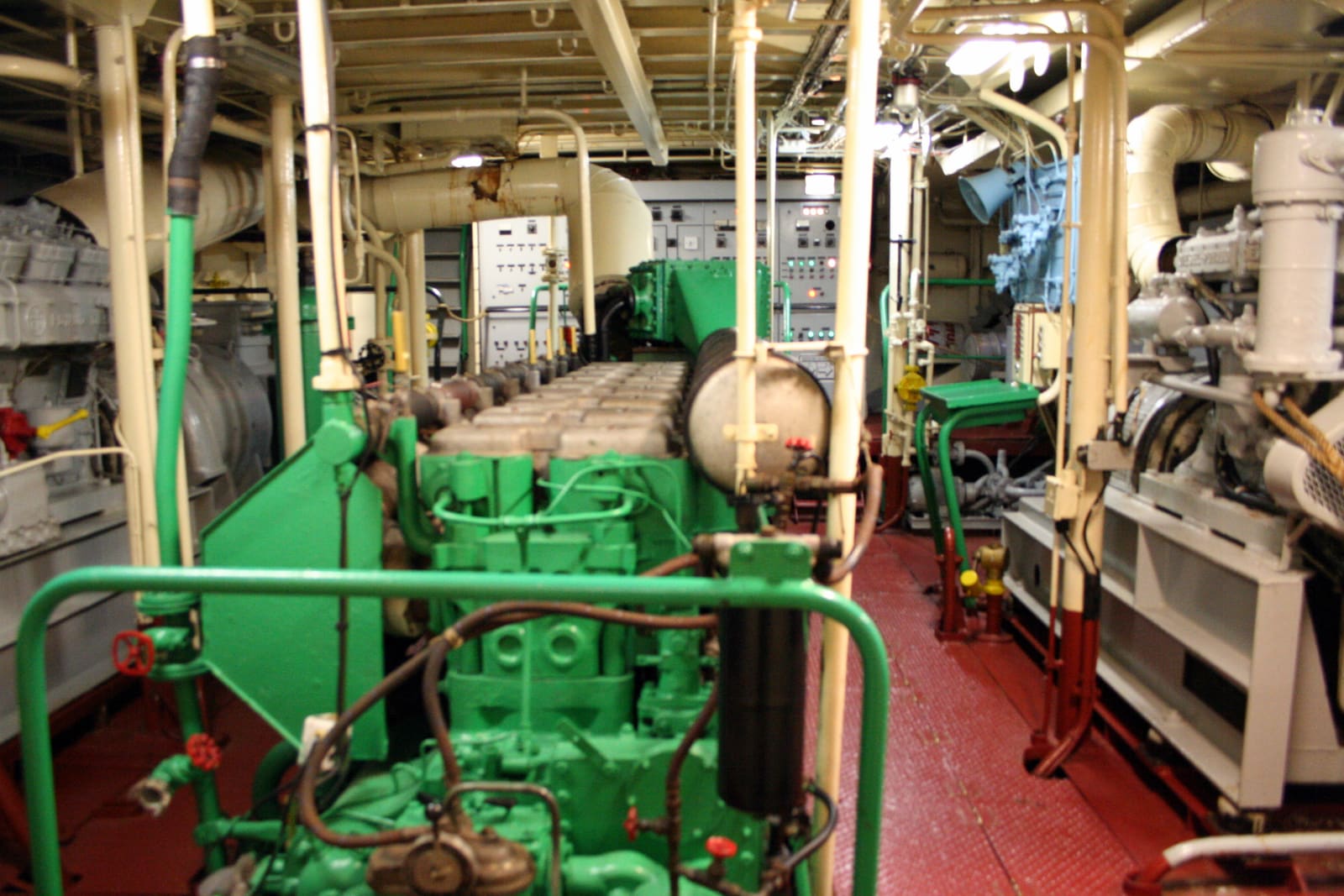
Engine Room Ventilation: Combustion Air, Blowers and Keeping Salt Out
Inboard engines, diesels above all, breathe huge amounts of air, and a hot or starved engine room quietly costs power, fuel and turbo life. Learn how engine-room air works, how to inspect vents, ducts, fans and salt-spray filters, the warning signs of too little air, and the separate gasoline blower rule.