How to Winterize a Sailboat: Rig, Sails, Engine, Plumbing and Storage
A sailboat-specific winter layup plan, from deciding whether the mast comes down to getting sails, running rigging and canvas off, protecting the diesel or saildrive, plumbing and head, and leaving the boat well supported, covered and ventilated. Each engine and water job links to its detailed BoatMend guide.

Time
8 h
Shop would charge
$500-1500
Applies to
All engines · Sailboat
Safety first: Never climb a mast or work aloft alone, and never on a boat sitting on stands or a cradle in the yard unless the yard allows it. Ladders against a hull on stands slip easily: tie them off and keep three points of contact. If the boat stays afloat and you open any hose below the waterline, close the seacock first; if water comes in faster than you can stop it, call the Coast Guard on VHF 16 or 911.
Owners often ask
- Should I take my sailboat mast down for winter or leave it up?
- Do I need to take the roller-furling jib off my sailboat for the winter?
This guide walks you through it. Still stuck? Ask the AI Mechanic about your engine.
Tools
- Notebook or phone for a boat-specific winter checklist and photos
- Masking tape and a marker for labels and "remove before start" tags
- Sail ties, sail bags and a clean, dry place to fold sails
- Buckets, a soft brush and mild soap for lines and canvas
- Basic hand tools (screwdrivers, wrenches, pliers)
- Flashlight or headlamp
- Moisture absorbers or a small dehumidifier if there's safe shore power
Parts & supplies
- Propylene glycol (pink "RV/marine") antifreeze rated for your winter low
- Engine oil, filters and fuel additives listed in your engine manual
- Messenger lines (thin cord) if you pull halyards out of the mast
- Fresh rigging tape, cotter pins or rings for any you replace
- Breathable winter cover, frame or shrink wrap, with vents
Before you start
A sailboat has more systems than its engine. Discover Boating's sailboat checklist groups the job into the hull, rigging, auxiliary engine, plumbing and anything else that can hold water, and reminds owners that even boats with no engine or plumbing still need the hull, rig and interior prepared. This guide is the sailboat "map." The engine, water system, head and battery each have their own BoatMend guide, linked in the steps below, so you don't miss details.
Decide where the boat spends the winter. On the hard (ashore on a cradle or stands) is the norm in freezing areas. Wintering afloat is possible where marinas use bubblers or de-icers, but the boat needs regular visits. SpinSheet's advice is to book storage early and to get a written list of exactly what the yard will do: "winterize the engine" does not automatically mean the seacocks get closed or the head gets done.
Make your own list. Every boat has hidden water traps: stern shower, shower sump, anchor washdown, deck wash, water heater, watermaker. Write them down once, then reuse the list every fall.
Steps
Walk the boat like a buyer would, as SpinSheet suggests: look for cracks, wear, corrosion, chafe and anything that broke this season. Note the jobs for the off-season and the spring. Take photos of hose routing, the engine and rigging details now; they help in March.
- Mast down is common where winters are windy or snowy. BoatUS points out that a tall rig adds a lot of windage to a boat on stands, and recommends unstepping the mast (plus extra jackstands) for deep-draft boats stored on trailers. With the mast down you can also inspect and service the masthead, sheaves, lights and fittings at ground level.
- Mast up saves crane fees and is allowed at many yards. If you leave it up, Jeanneau advises taking off and storing the running rigging and checking the standing rigging (chainplates, turnbuckles and attachment points), replacing anything worn.
- The hidden cost of leaving it up, according to Practical Sailor: it's easy to skip the close inspection, ice and salt residue can sit in the tops of the shroud terminals and speed corrosion, and chainplates take extra strain (and can start leaking) while a rigid boat holds a shaking spar. The hull can change shape a little in deep cold, so ask your rigger whether the standing rigging should be eased slightly for winter (not so loose that it slams back and forth). For a small trailer sailor with a deck-stepped mast, taking it down is the easy call, and in hurricane country unstepping improves the odds.
- Follow your yard's rules, and see the mast stepping and unstepping guide if it's coming down.
Discover Boating says to take all sails off and store them clean, dry and properly folded or rolled, including a roller-furling headsail. A furled jib left on all winter flogs in storms and keeps aging in the sun. Pick a calm day: SpinSheet calls sail removal one of the two days a year sailors want no wind. Look each sail over and decide whether it needs a sailmaker's cleaning, repair or storage. The sail care guide covers rinsing, drying and folding.
Remove sheets, control lines and (if the mast stays up and your yard permits) halyards. If you pull halyards out of the mast, tie in a thin messenger line first so you can pull them back through in spring. Soak lines in mild soapy water, rinse, dry completely and store them coiled indoors. Check for chafe, stiff spots and worn covers. If halyards stay rigged, tie them away from the mast so they don't slap all winter (SpinSheet notes neighbors and liveaboards appreciate it).
Jeanneau and Discover Boating both say to remove canvas, cushions, biminis, dodgers and anything that holds moisture, and store them somewhere dry so mildew doesn't take hold. Take electronics you can remove (handheld VHF, GPS, displays) home as well. Clean and dry canvas before storing it; see the canvas and vinyl care guide.
Discover Boating's list includes checking blocks, winches and cleats. While you're at it, look for cracked gelcoat around fittings (a sign of a leak path to the core), chainplate stains below deck, and bent or missing cotter pins. If a winch hasn't been serviced in years, winter is a good time to do it in the shop.
Most auxiliary diesels need fresh oil, filters, treated fuel, antifreeze through the raw-water side and the impeller out. Follow the diesel inboard winterizing guide for the full routine, which is built on Westerbeke's published lay-up checklist. On the hard, Westerbeke says to disconnect the propeller shaft coupling and check engine alignment in spring once the boat is back in the water, the mast is stepped and the rigging is tuned. Small sailboats with an outboard follow the outboard winterizing guide instead.
Haul-out is the time to check the saildrive leg's oil for a milky color, look over the rubber hull seal (diaphragm) and replace the drive's anode if needed. See the saildrive care guide and follow your drive maker's lay-up and seal-replacement schedule. Milky oil or a damaged seal is a job for a pro.
Drain or antifreeze every line, the pump and the water heater, as the freshwater winterizing guide explains. Discover Boating says to run antifreeze through each fixture until the pink color comes out the other end, and to remove and label any drain plugs for spring. Jeanneau adds cleaning the head and plumbing and emptying the tanks so nothing freezes. Pump out the holding tank, rinse it, and protect the head and its hoses as the marine head guide shows. Don't forget the shower sump, deck washdown and any watermaker (follow its maker's "pickling" steps).
Charge the batteries fully and turn off the battery switches (Jeanneau). Westerbeke's rule is that batteries left aboard must stay fully charged so they can't freeze; otherwise take them home. A small solar panel or a monitored charger can keep them topped up, as SpinSheet's crew does. See the marine battery guide.
Moisture is the cabin's biggest winter enemy, says Discover Boating. Take cushions, bedding, paper goods, food and liquids (soaps, sunscreen, cleaners) off the boat. Jeanneau suggests cleaning lockers and leaving them, plus doors and the fridge, open so air can move. Wedge the icebox open. Moisture absorbers help in a closed boat; use a dehumidifier only with safe, inspected shore power.
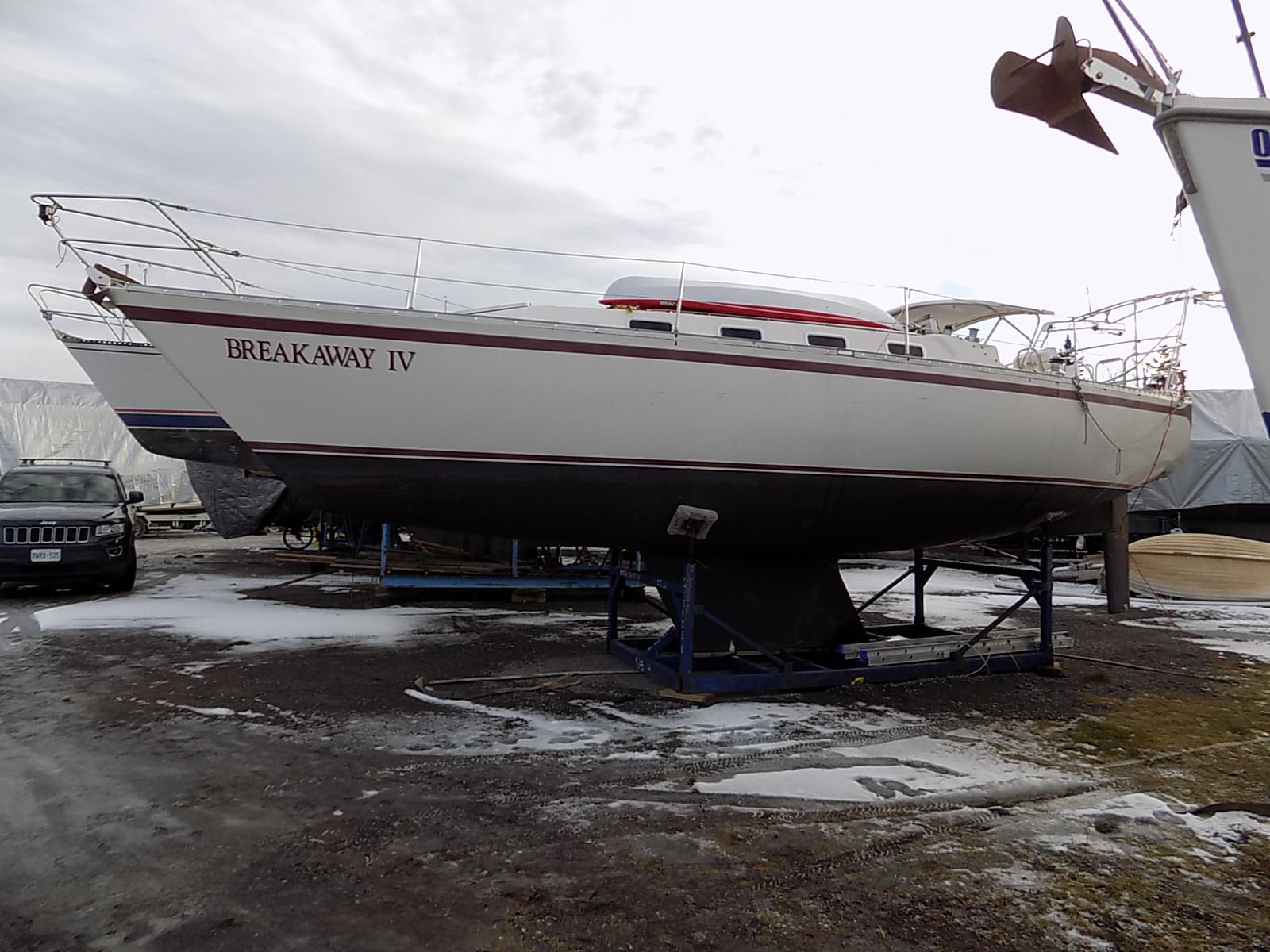
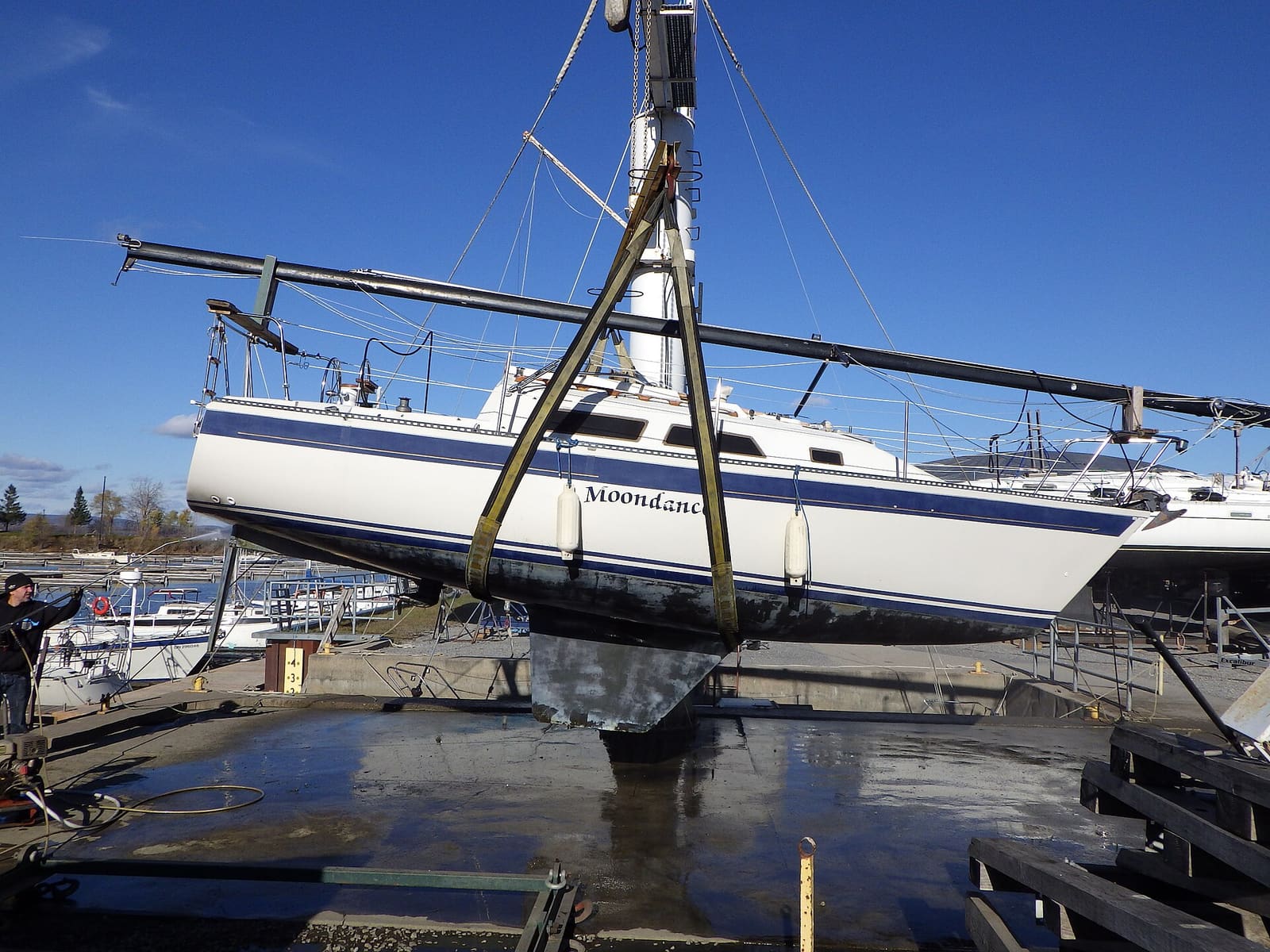
Photo: Ahunt / Wikimedia Commons · CC0 BoatUS says a cradle built for your model gives the best support; a cradle built for a different boat doesn't. On jackstands, its storage article calls for at least three stands per side on boats over 26 feet, set wide, chained together and resting on plywood, with the weight on the keel sitting on wide timbers (never cinder blocks). Sight along the hull after blocking and again about two weeks later. Some builders have special keel-support instructions, so check your manual. BoatUS suggests a written blocking plan (from the builder, or sketched with the yard manager) showing where stands and blocks go; keep it and hand a copy to whoever hauls the boat next time. In windy spots, straps from strong points on the boat to ground anchors add a lot of protection. Empty the water tanks before haul-out to take weight off the hull, but don't run the fuel tank low (condensation). The boat stands and blocking guide has the details.
Check the rudder and drain holes. If the rudder is still dripping a few days after haul-out, BoatUS says water is trapped inside and can freeze and split the laminate. Getting it out may mean drilling a small drain hole at the bottom of the leading edge; ask the yard or a fiberglass pro, then find where the water got in before spring. Also clear the little drain holes in stanchion bases, the mast step and cockpit lockers, and open the drain plugs on seacocks that have them so no trapped water freezes.
A fitted cover, frame and tarp, or shrink wrap all work if they shed snow and water and are vented. SpinSheet notes vented covers are what keep mildew away. BoatUS warns: never tie the cover or tarp to the jackstands, because wind loads on the cover can pull the stands out. Leave cockpit scuppers and drains open so water can escape. Build a real frame: BoatUS has seen snow and ice loads on a cover drive a stanchion straight through a deck, and tarps tied in a web of lines often shred in the first storm and dump snow into the boat. Its claims files also show shrink wrap fires every fall, so shrink wrapping is best left to a pro. See the shrink wrap and boat cover guides.
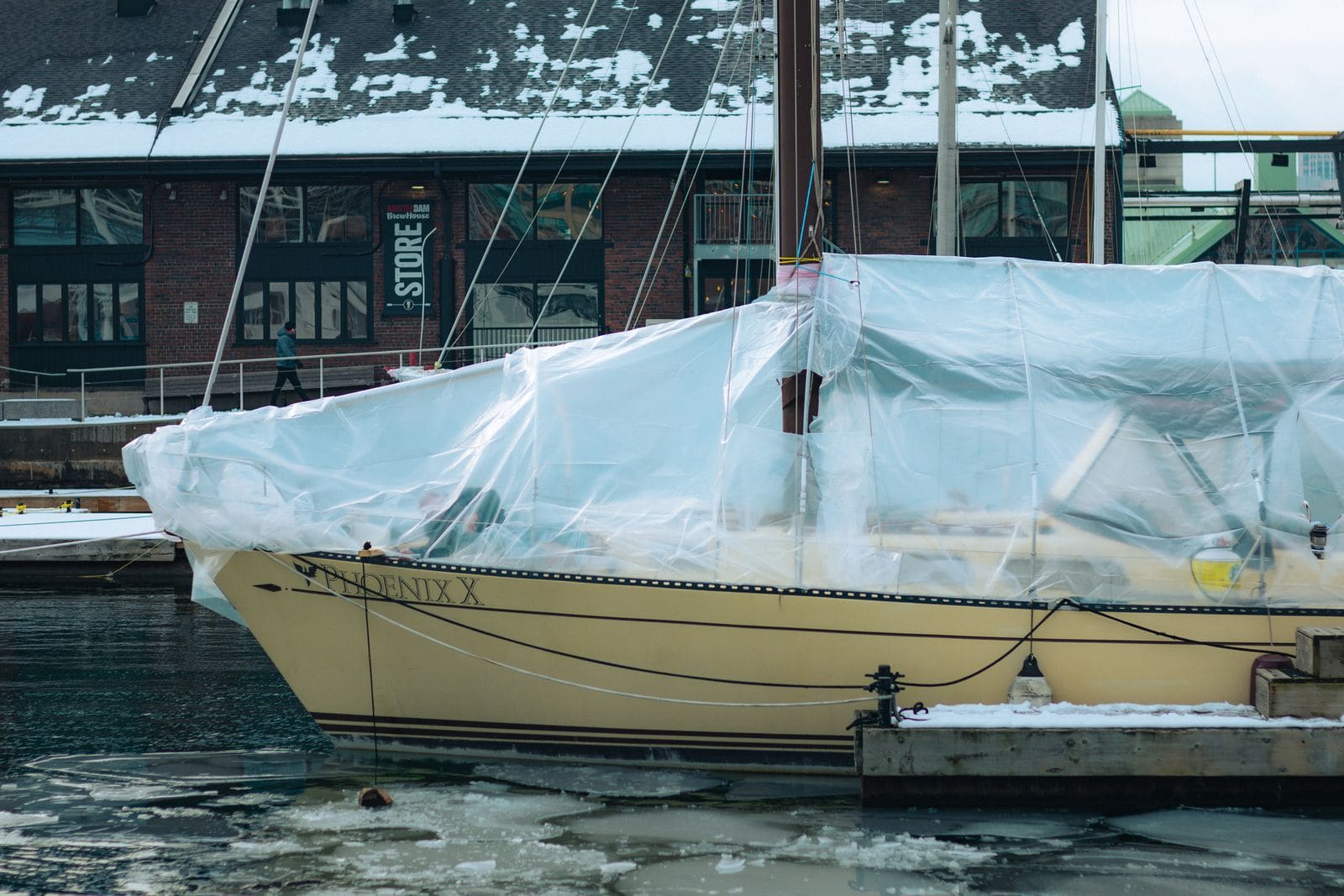
Photo: Anurag Jamwal / Pexels If the boat stays in, keep the engine raw-water side, plumbing and head protected exactly as above, close all seacocks you don't need (the cockpit drains usually stay open), keep the bilge pump powered and batteries charged, and check dock lines and chafe gear. In ice country, a bubbler or de-icer is essential; see the in-water winter storage guide. SpinSheet stresses visiting often, especially during storms, and confirming whether the marina checks lines and bilges.
Write down the date, engine hours, fluids used, what's been removed (sails, halyards, impeller, plugs) and where each item is stored. Tag the ignition and the companionway with your "remove before start" list. The sailboat spring commissioning guide picks up from that list.
Common mistakes
- Leaving a roller-furling headsail on all winter, where it chafes, flogs and keeps baking in UV.
- Pulling halyards without a messenger line, then paying someone to go up the mast in spring.
- Assuming "the yard winterized it" includes the head, washdown pump, shower sump and seacocks.
- Storing damp sails, lines or cushions, which grow mildew in a closed bag or cabin.
- Tying the winter cover to the jackstands.
- Letting stanchions and lifelines carry the cover and its snow load instead of a proper frame.
- Ignoring a rudder that keeps dripping after haul-out.
- Cinder blocks or bare dirt under stands and keel blocks.
- Leaving batteries partly charged in freezing weather.
- Sealing the boat up completely with no vents, so condensation drips inside all winter.
When to call a pro
- Unstepping a keel-stepped or large mast, or any crane work
- Cracked chainplates, swage fittings or a mast step that looks crushed or corroded
- Milky saildrive oil, a damaged saildrive seal, or water in the engine oil
- Rot, soft deck core or water stains around chainplates and deck hardware
- A cradle that doesn't fit the hull, or stands you're unsure about: talk to the yard manager before the boat is set down
- Any doubt about how to winterize the engine or watermaker: a yard job costs less than freeze damage
Tips
- Keep one master checklist for your boat and refine it every fall.
- Label every removed drain plug and store them together in one bag tied to the companionway.
- Measure your air draft while the mast is down; it's handy for bridges.
- A swim noodle split lengthwise can quiet an empty in-mast furling slot, SpinSheet's crew found.
- Order sail repairs and rigging parts in the fall, before the spring rush.
Official references
We read these to write this guide. Your engine's own manual always wins.
- Discover Boating – How to Winterize Your Sailboat
- BoatUS – What To Look For In Winter Boat Storage (cradles, jackstands, unstepping to reduce windage)
- Jeanneau – How to Winterize Your Jeanneau Sailboat
- SpinSheet – 10 Tips for Winterizing Your Sailboat
- Westerbeke – Maintenance and Use FAQs (How do I winterize my Westerbeke diesel engine/generator)
- BoatUS – Avoid These 8 Boat Winterizing Mistakes
- BoatUS – Winterizing Tips For Storage Ashore
- Practical Sailor – The Pros and Cons of Leaving Your Mast Up for Winter
Safety: BoatMend is for information only and does not replace a certified marine technician. You are responsible for your safety and your boat. Read the full disclaimer.
Last updated 2026-10-25
Related guides
Winter Layup Master Checklist (Step-by-Step, With Links to Each Job)
One ordered checklist for putting any boat away for winter, from booking storage and treating the fuel to winterizing the engine, water systems, head and batteries, then blocking, covering and securing the boat. Each step links to the detailed BoatMend guide for that job.
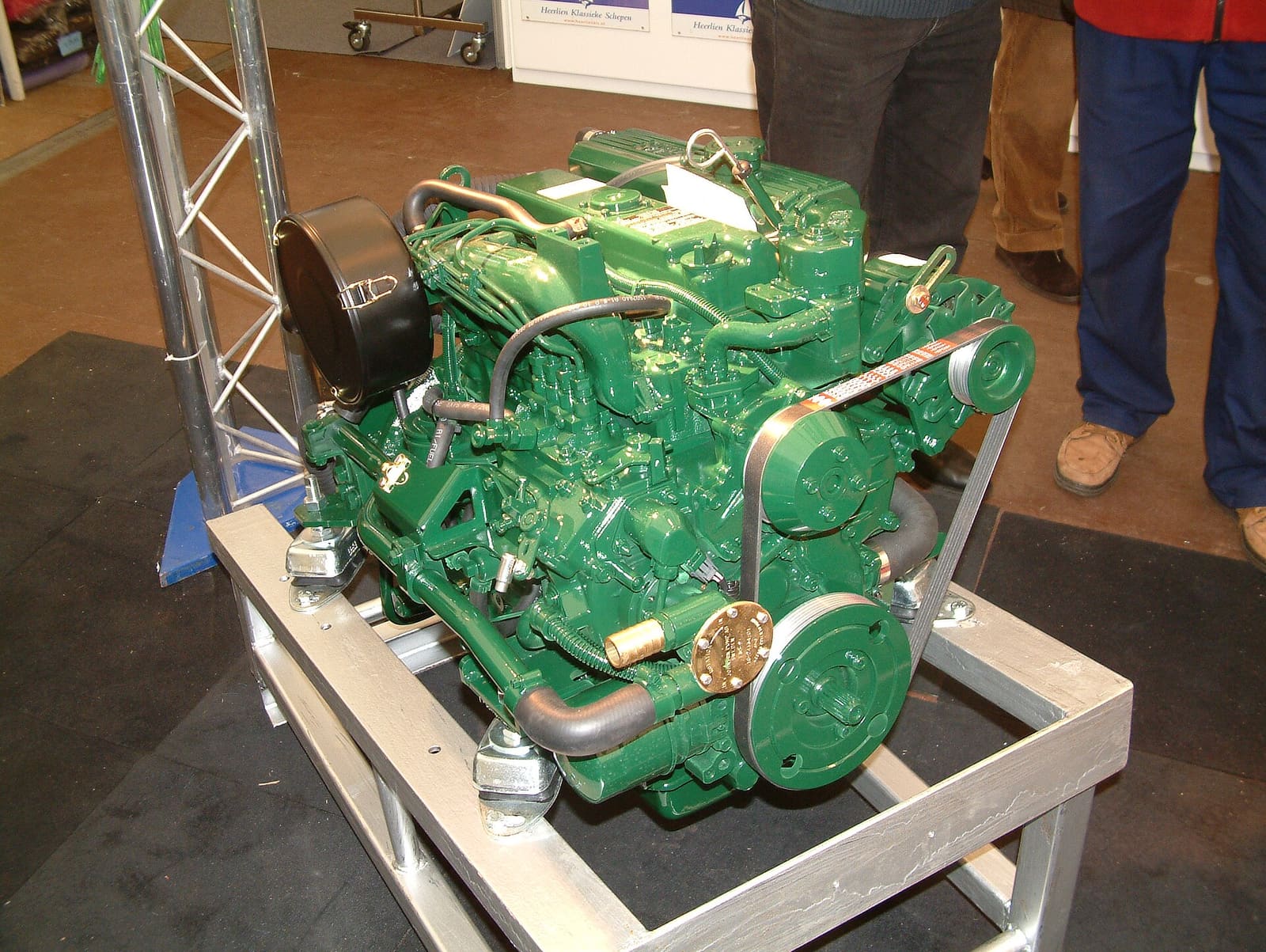
How to Winterize a Marine Diesel Inboard (Sailboat or Trawler)
Lay up a marine diesel for winter the way the engine makers describe it, covering fresh oil, a full and treated fuel tank, antifreeze through the raw-water side, the impeller out, the coolant checked, openings plugged and the battery cared for. Freeze damage to a diesel's raw-water circuit is one of the most expensive and most avoidable winter repairs.
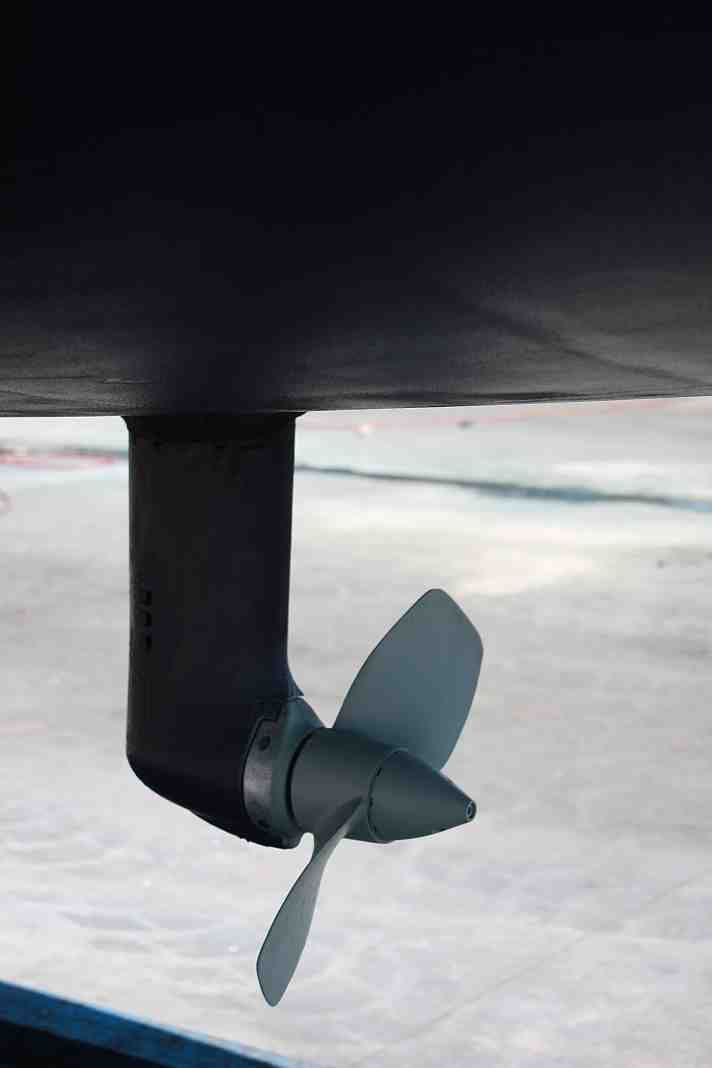
Saildrive Care: Leg Oil, Hull Seal, Anodes and Prop
Keep a Volvo Penta or Yanmar saildrive healthy with simple owner checks (leg oil level and color, anodes, paint, fishing line) and plan the big items, like the rubber hull diaphragm, before they become an emergency. The saildrive seal is one of the largest holes in a sailboat's hull, so it deserves attention.

Sail Care and Winter Storage: Rinse, Dry, Inspect, Fold and Store
Keep your sails out of the sun, rinse and dry them before they go away, catch small tears and rotten stitching early, and fold and store them so they come back in spring without mildew or hard creases. Good habits can add years to an expensive set of sails.
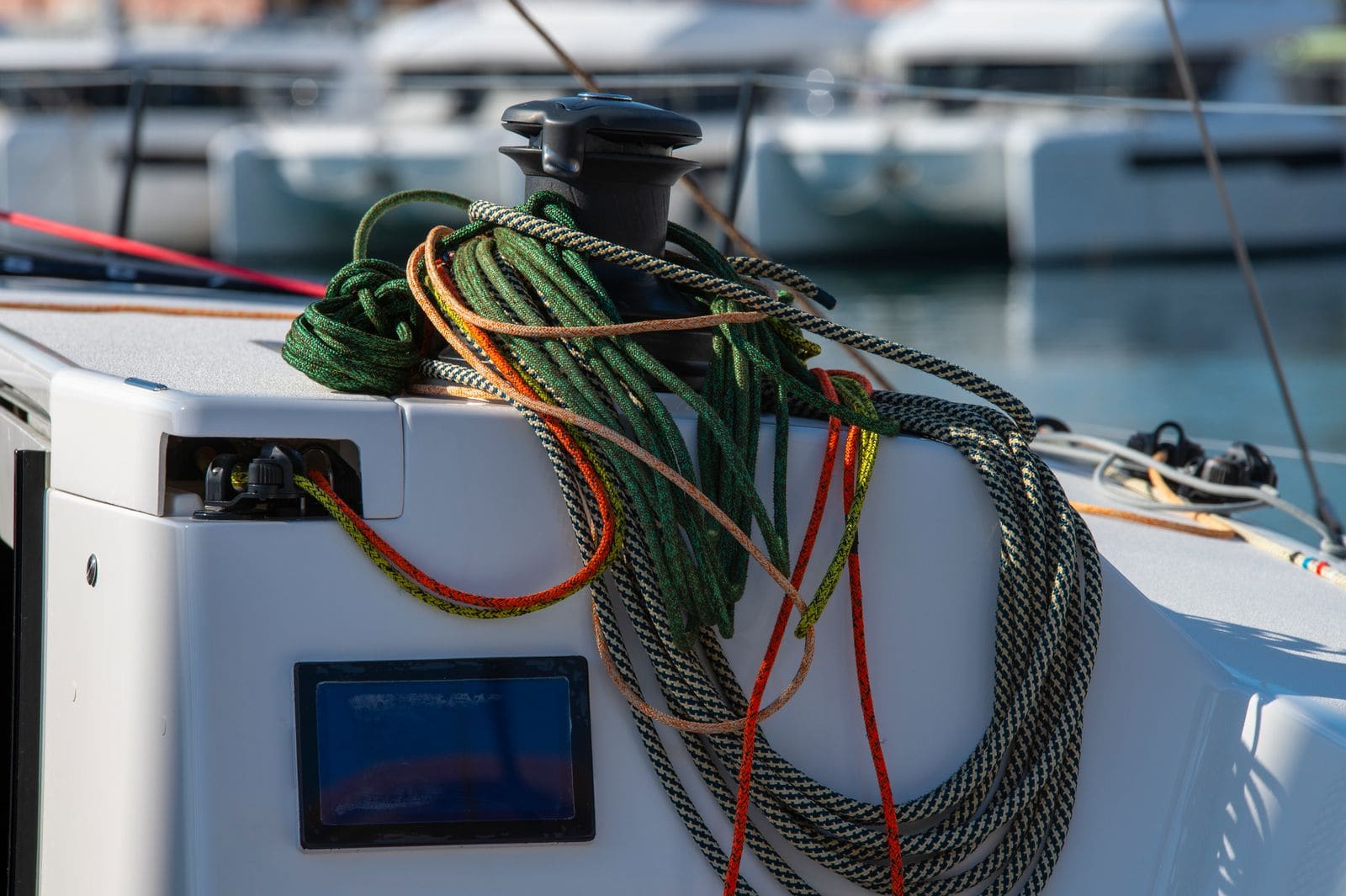
Running Rigging Care: Inspecting Halyards, Sheets and Dyneema Lines
Check your halyards, sheets and control lines for chafe, sun damage, glazing and cover slip, wash them the right way, end-for-end them to spread the wear, and know when a line has to go. A halyard that parts drops a sail; a sheet that parts in a gust can be worse.

Stepping and Unstepping a Sailboat Mast: Trailer Sailers and Yard Cranes
How to raise and lower a sailboat mast safely, whether you step a trailer sailer's mast at the ramp or help the yard crane do it, including power-line checks, mast wiring, basic tuning afterward, and when to leave the job to the yard.

How to Inspect Your Sailboat's Standing Rigging
A step-by-step owner's inspection of the wires, fittings, turnbuckles, pins, chainplates and mast that hold your rig up, plus how to decide when it is time for a rigger and new rigging. Includes what insurers commonly expect for older rigs.

Roller Furler Care: Inspection, Drum and Swivel Service, and Halyard Wrap
Keep your headsail roller furler turning easily with a yearly unroll-and-inspect, fresh-water rinses of the drum and swivel, a correct halyard angle and a clean furling line lead. A neglected furler can jam with the sail half out, and a halyard wrap can damage the forestay.

How to Winterize (and Recommission) Your Boat's Freshwater System
Protect the tank, pump, water heater, faucets and showers from freeze damage with non-toxic antifreeze, then flush and sanitize everything in the spring so the water is clean again. A cracked pump or split fitting is a common, avoidable winter repair bill.
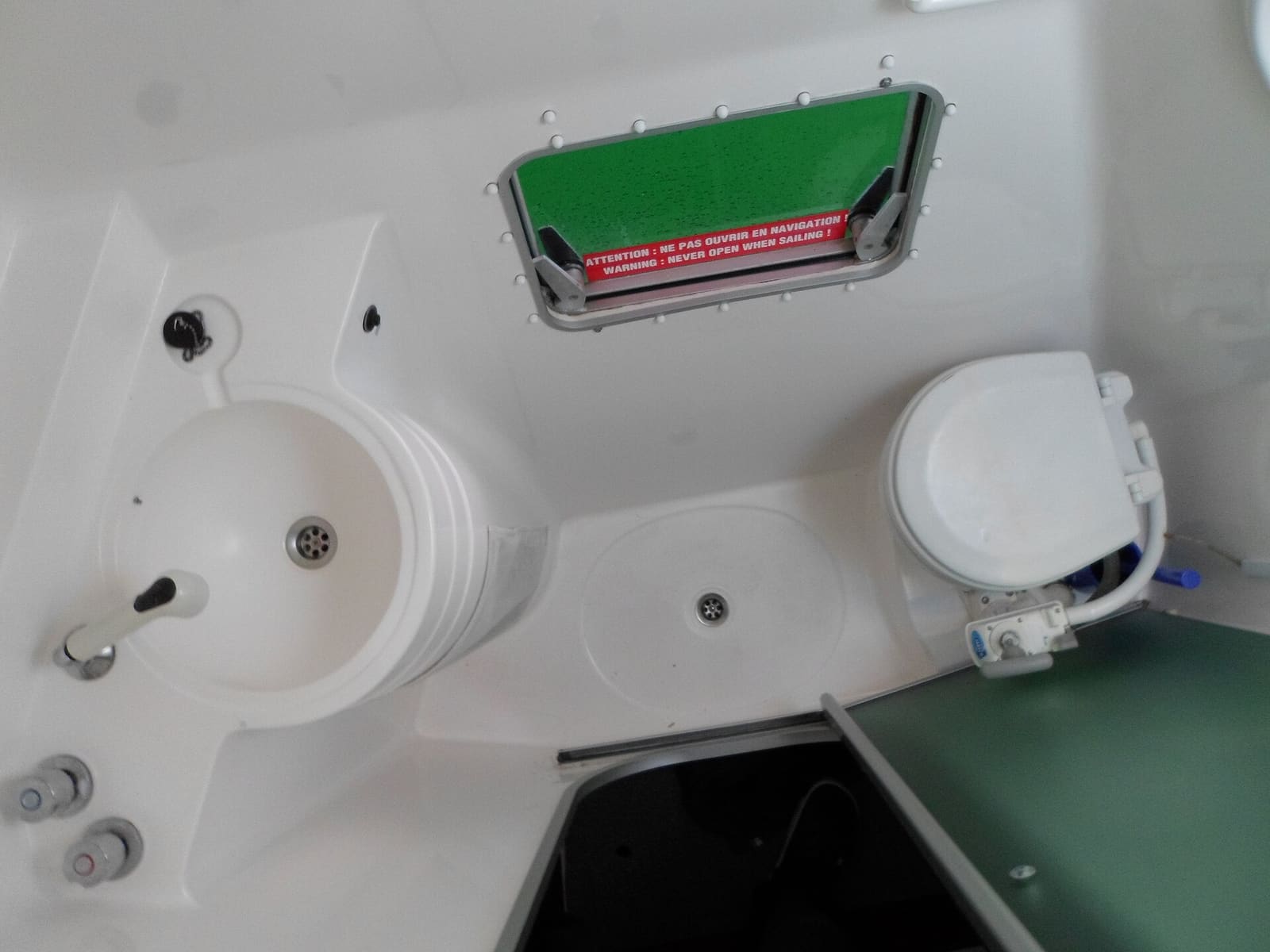
Marine Head and Holding Tank Care: Odors, Clogs, Pump-Outs and Winterizing
Keep your boat's toilet and holding tank working and odor-free, clear common clogs, pump out the right way, and winterize the system. Also covers the Y-valve and the federal no-discharge rules every owner with a head needs to follow.

Storing a Boat on Stands and Blocks: Keel Blocking, Stand Placement and Safety Chains
Learn how a boat should sit on keel blocks and boat stands for winter or a haul-out, so you can check the yard's work, spot dangerous setups, and keep your boat from settling, distorting or falling over in wind, rain or a storm.

Winter Boat Cover vs Shrink Wrap: Support, Ventilation, Safety and Spring Removal
Choose between a reusable winter cover and shrink wrap, build a support frame that sheds snow, vent it so the boat doesn't mildew, and know the fire risks before you try DIY shrink wrap. Includes spring removal and recycling.

How to Keep Your Boat in the Water Over Winter (De-Icers, Covers and Checks)
Wintering afloat can be safe if you still winterize every water system, keep the bilge pump and batteries working, use a de-icer correctly on a GFCI-protected circuit, respect the shock and thin-ice risks, and visit the boat regularly.
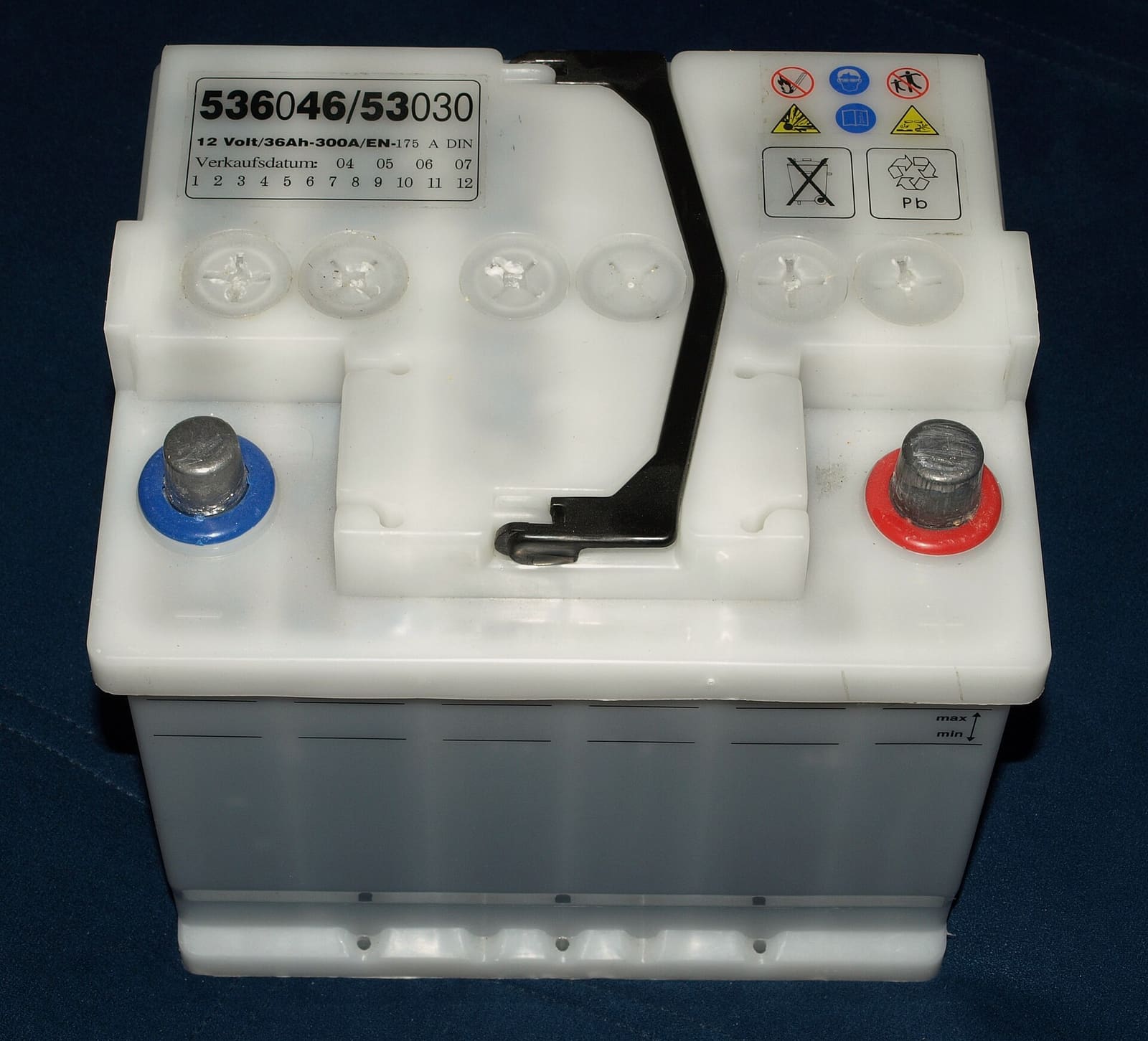
Marine Battery Care: Test, Charge and Store for Winter
Check your boat battery's health, charge it the right way for its type (flooded, AGM or lithium), and store it so it is ready in spring. Most "boat won't start" calls start with a neglected battery.

How to Prevent and Remove Mold and Mildew on Your Boat
Stop the musty smell and black spots before they start. Find and fix the water source, keep air moving, control humidity safely, and clean mold off gelcoat, vinyl and cabin surfaces with products that won't damage them.
Sailboat Spring Commissioning: Rig, Sails, Bottom, Engine and First Sail
A sailboat-specific spring checklist: inspect the rig before it goes up, bend on the sails, check through-hulls and the bottom, recommission the diesel or saildrive, bring the head and freshwater back, test electronics and safety gear, and shake it all down on a first sail. Each system links to its detailed BoatMend guide.