Repair & maintenance guides
Plain-English, step by step, written for owners. Pick your engine to see the guides that apply to it.
15 of 509 guides
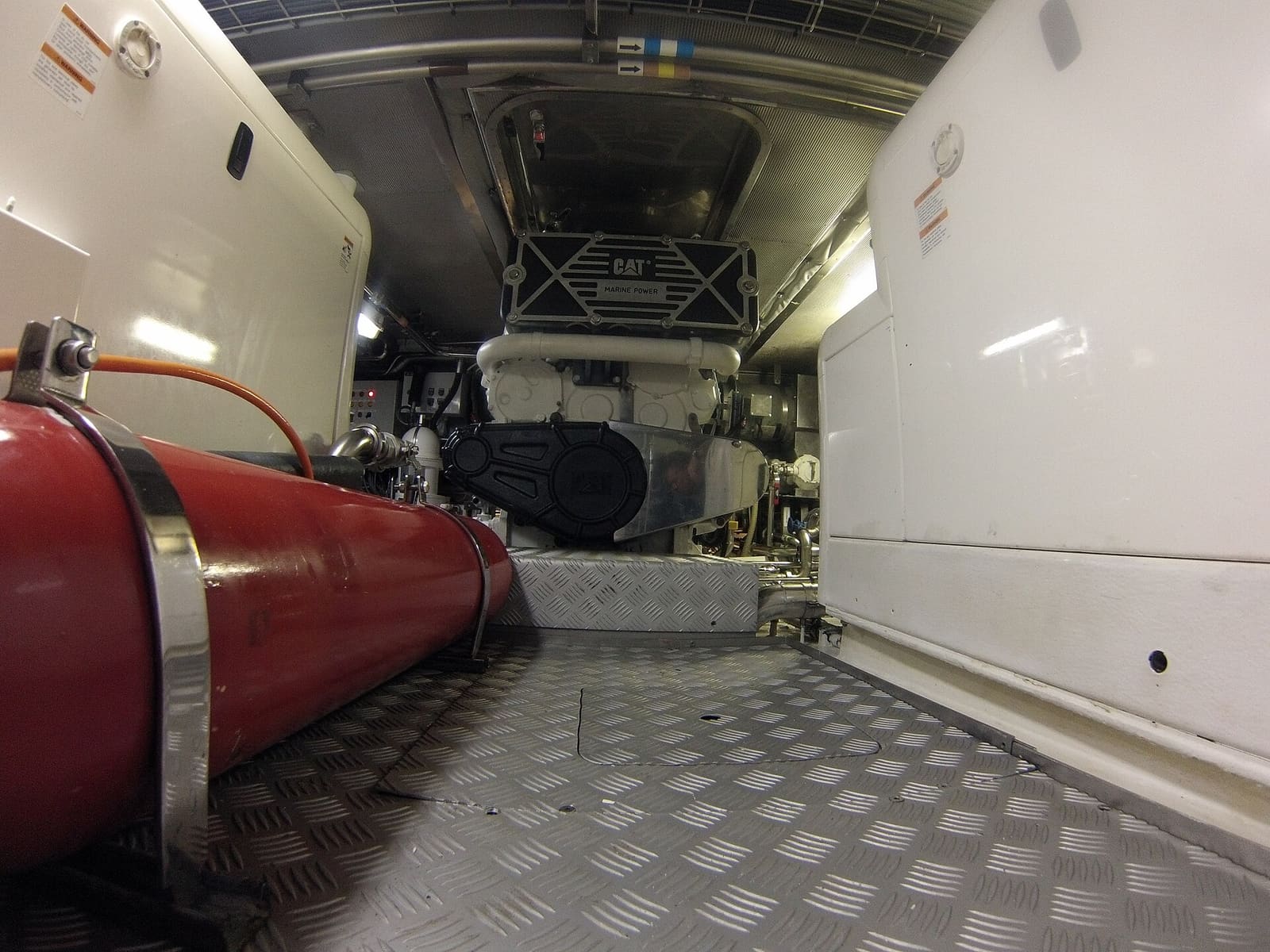
Boat Generator Runs Fine, Then Shuts Down Under Load: Step-by-Step Troubleshooting
A genset that starts and idles happily but quits once the air conditioning or water heater kicks in is almost always protecting itself. Learn how to read what it's telling you and check the usual causes in order, from water flow, the impeller and heat exchanger to overload, oil, fuel starvation and the safety switches, and know when to call a generator technician.

Diesel Exhaust Smoke: What Black, White and Blue Smoke Mean
Learn to read the color of your marine diesel's exhaust and run the simple checks that go with each color, from a dirty air filter or fouled prop to a worn mixing elbow or head gasket. Catching smoke early can save an engine.
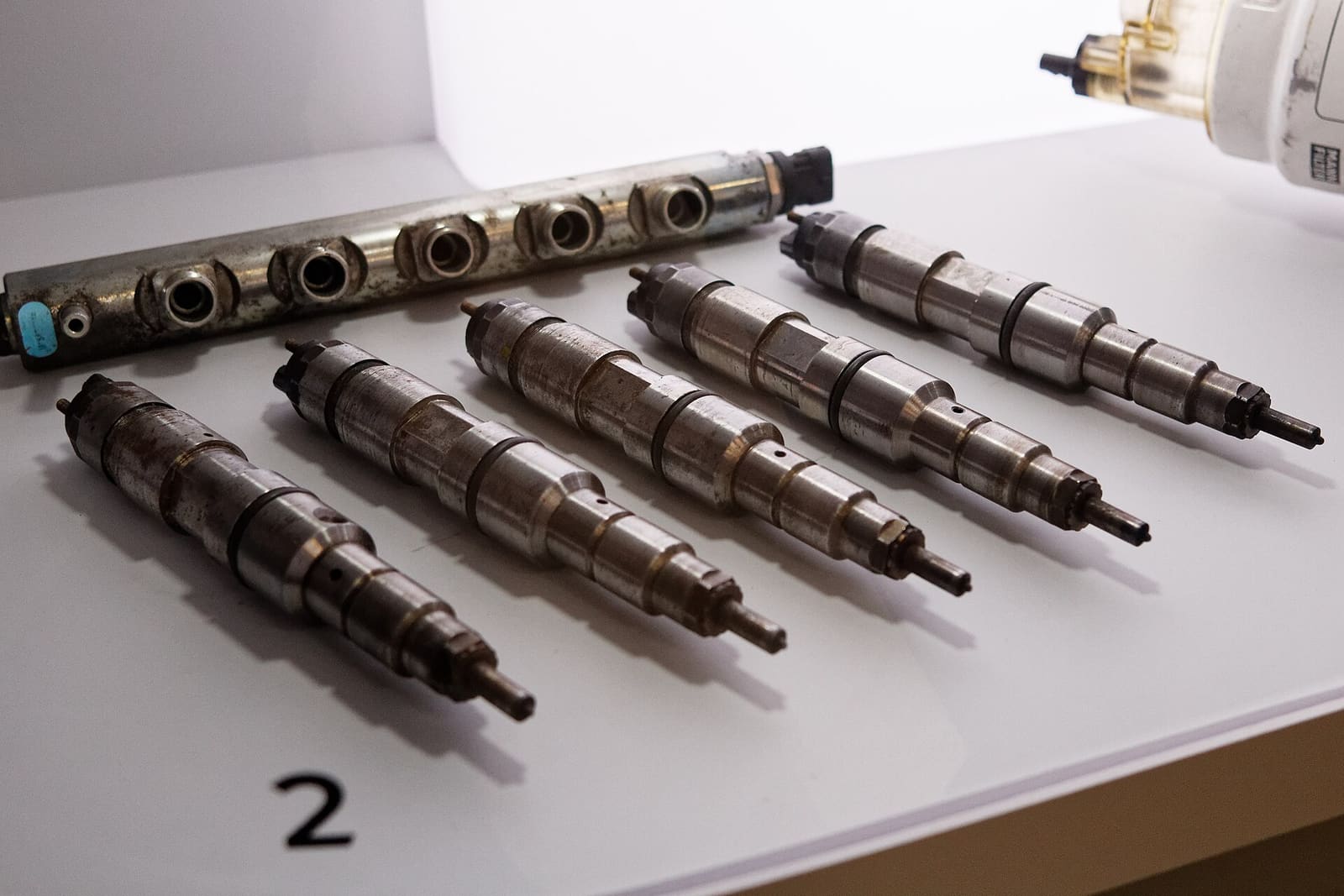
Diesel Fuel Injectors: Symptoms, Checks and When to Send Them Out
Learn the signs of a failing diesel injector (smoke, rough idle, hard starting, knocking), how to rule out the cheaper causes first, why testing and rebuilding injectors is a job for a fuel-injection shop, and how clean, dry, well-filtered fuel keeps them healthy.
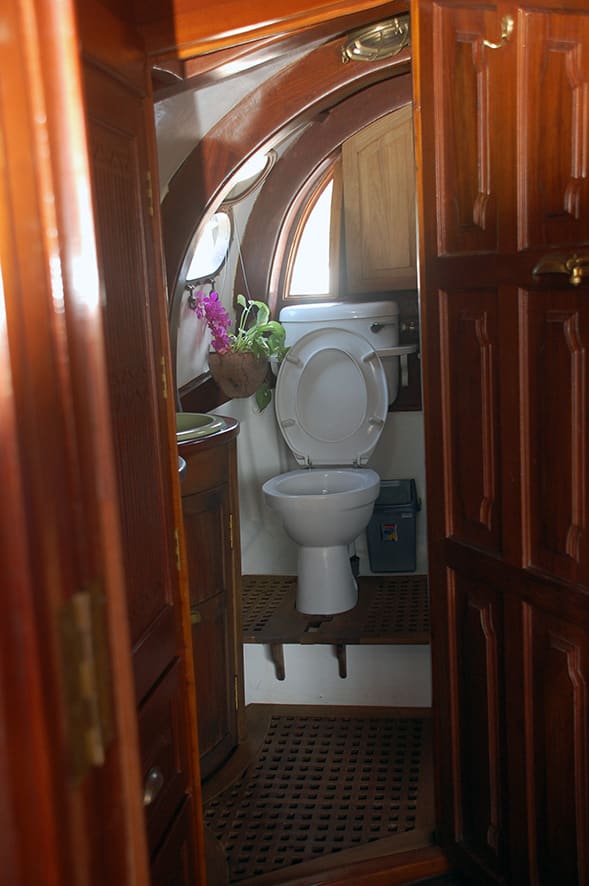
Electric Marine Toilet Troubleshooting: Won't Flush, Weak Flush, Won't Stop Filling
Electric and macerating marine heads fail in a handful of predictable ways. Work from the cheapest checks to the messiest ones to fix a toilet that won't run, flushes weakly, trips its breaker, keeps filling, loses or gains water in the bowl, or backs up, and learn what to keep out of it.
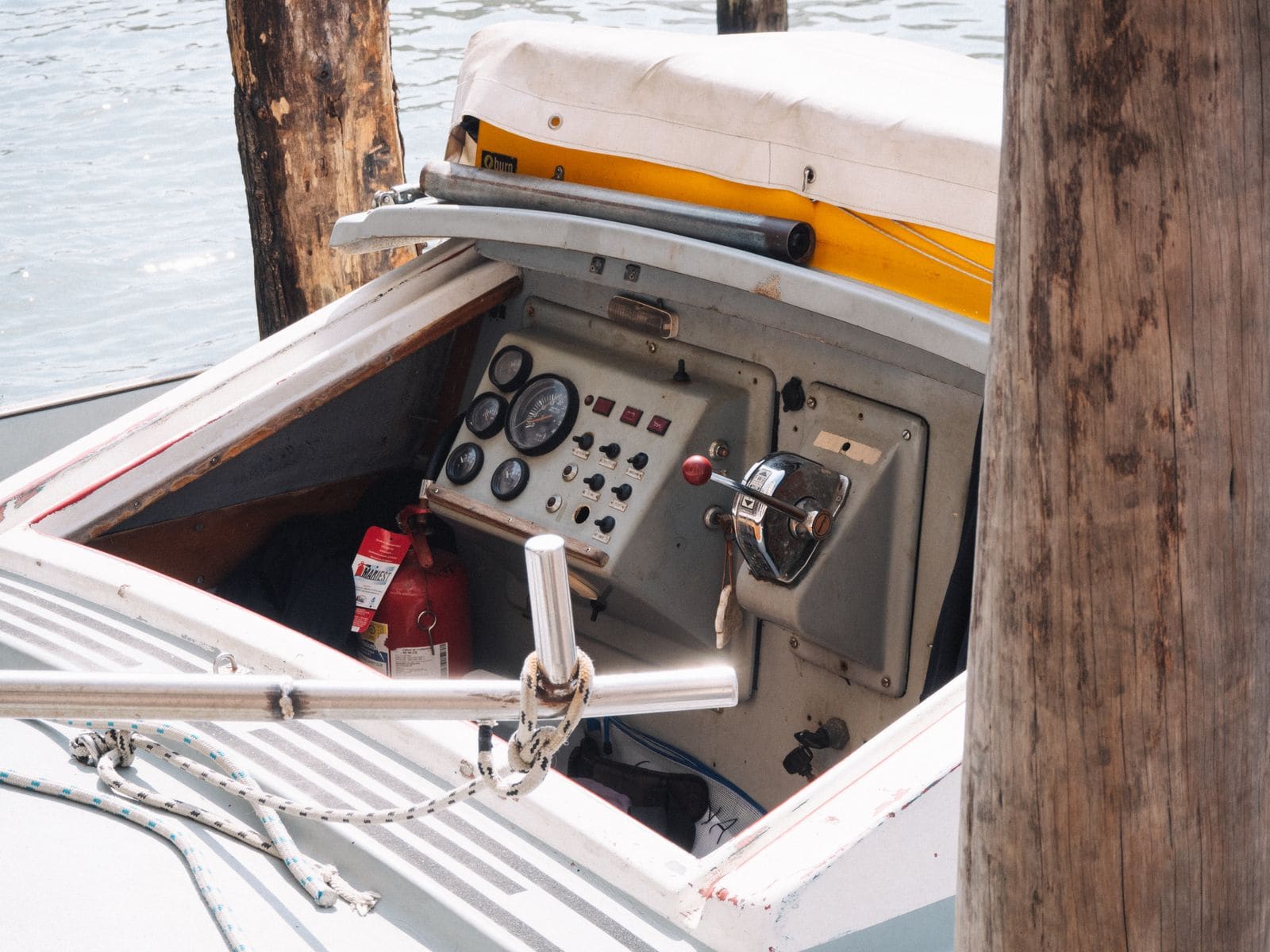
Guardian, Limp Home and Reduced Power Modes: Why Your Engine Cut Power and What to Do
Modern outboards and inboards cut power on their own when a sensor reports trouble. Learn what usually triggers Mercury's Engine Guardian, Yamaha's RPM reduction and other brands' limp-home modes, how to read the warning, and how to decide between idling home and stopping to call for help.
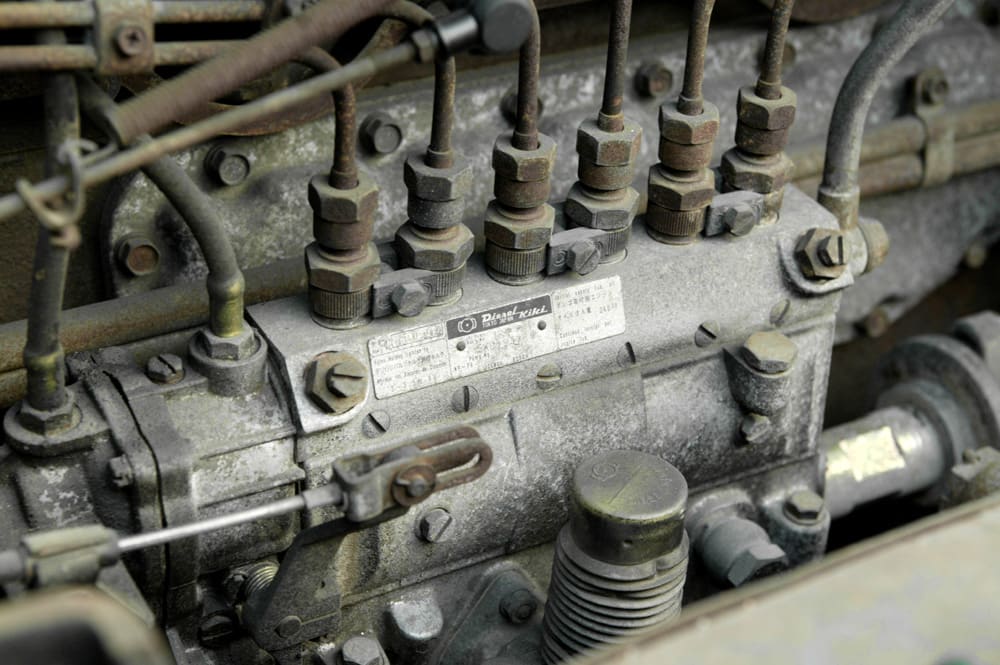
How to Bleed Air From a Marine Diesel Fuel System
A diesel that sucks air after a filter change, a fuel leak or running the tank dry may not start until the air is pushed out. Learn the order that works on most older mechanical diesels, why common-rail engines are different, how to protect the starter and exhaust while cranking, and the high-pressure fuel dangers you must respect.
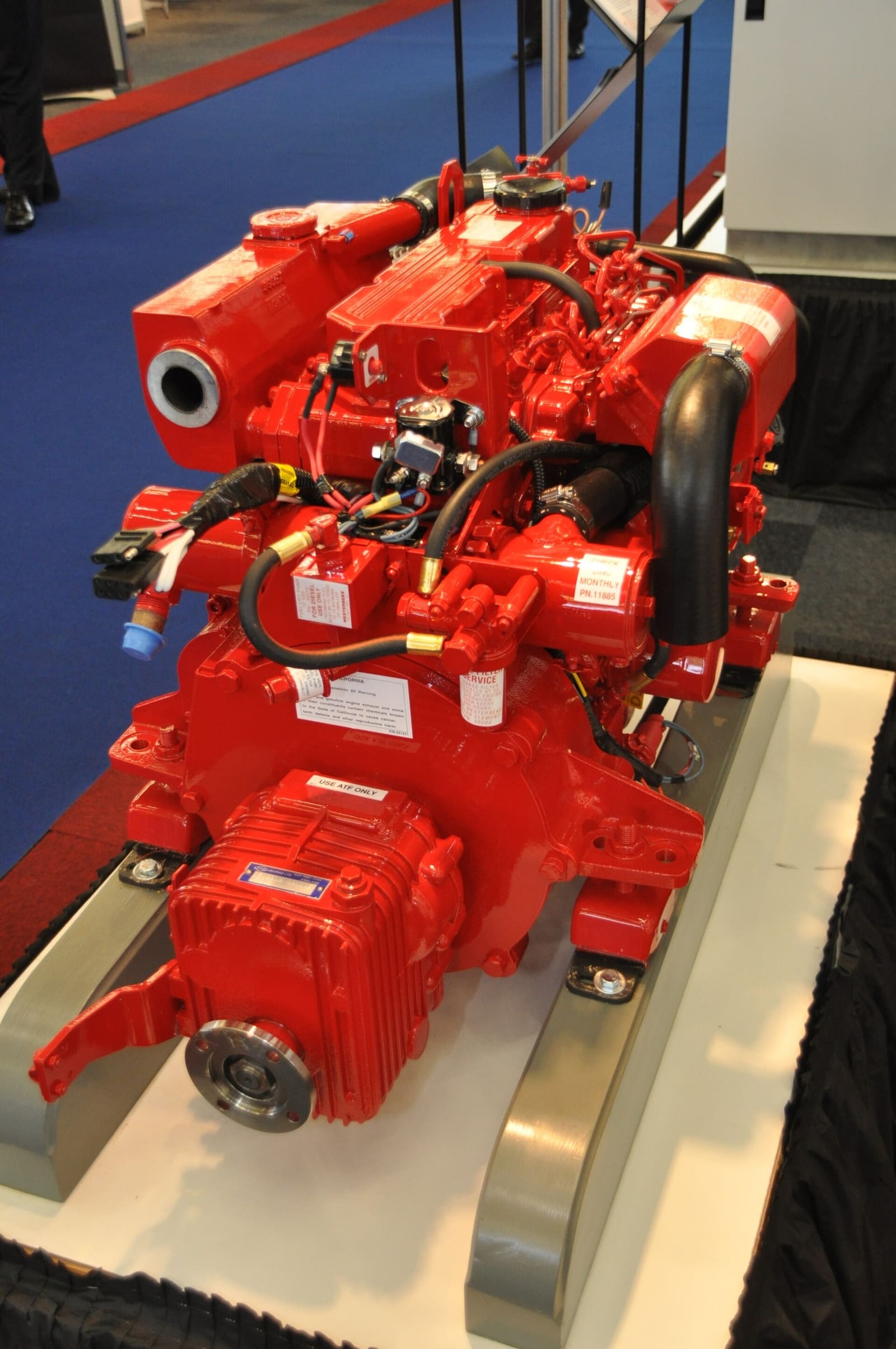
How to Test a Marine Diesel Lift Pump (Feed Pump): Flow Test, Vacuum Gauge and Warning Signs
The lift pump pulls diesel from the tank through the primary filter and feeds the injection pump. When it weakens, the engine starts hard, loses power or dies. Learn how to find it, tell a mechanical pump from an electric one, check it with the priming lever, run a simple flow test into a clear container, read a vacuum gauge on the primary filter, and spot a leaking diaphragm before it fills your oil with fuel.
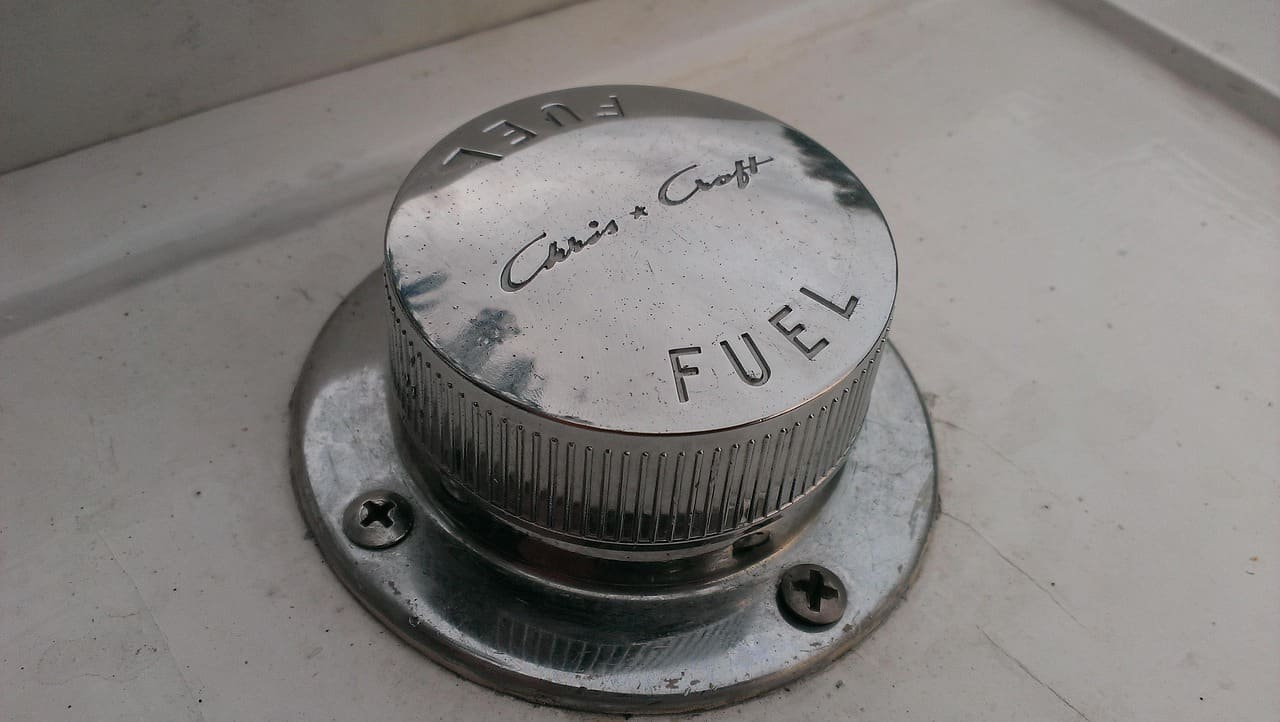
How Water Gets Into Boat Fuel (and How to Stop It)
Water in the fuel is one of the top causes of rough running and dead engines, and it almost always has an entry point you can find. Work from the jar test through the fill cap O-ring, a recessed deck fill, the tank vent, the sending unit gasket and your washdown habits, and learn how much condensation really matters.
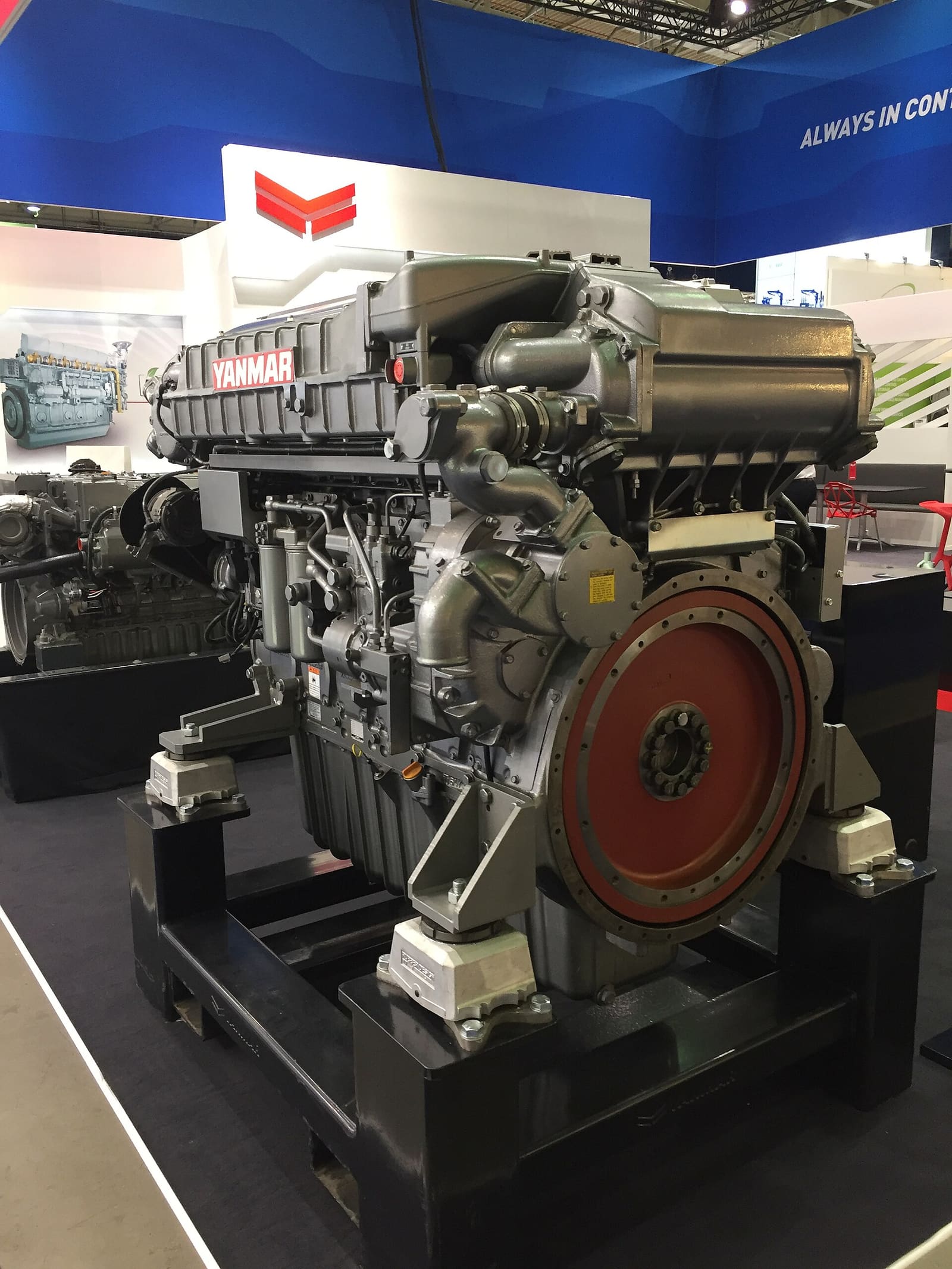
Losing Coolant With No Visible Leak? How to Pressure Test a Closed Cooling System and Its Cap
When the coolant level keeps dropping and you can't find a drip, a simple hand-pump pressure tester can show where it's going. Learn how to test the system and the pressure cap safely on a cold engine, isolate the heat exchanger and coolant-heated appliances, and recognize the signs of a head gasket or internal leak that need a mechanic.
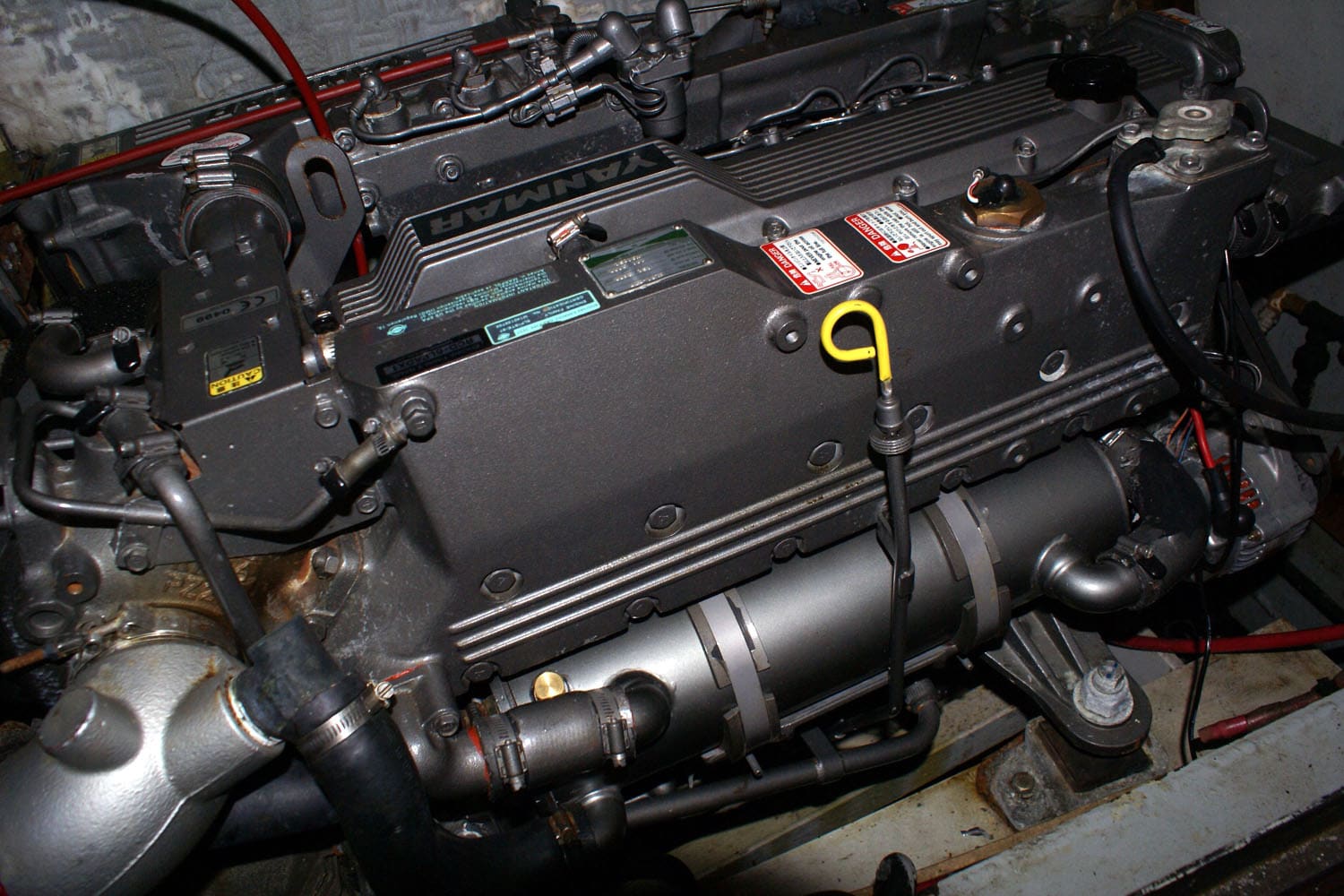
Marine Diesel Won't Start: Troubleshooting From Battery to Fuel
Work through the usual reasons a Yanmar, Volvo Penta, Westerbeke, Beta or similar marine diesel won't crank, or cranks but won't fire, starting with the free and simple checks. Most no-starts come down to the battery, preheat, air in the fuel or a fuel shutoff solenoid.
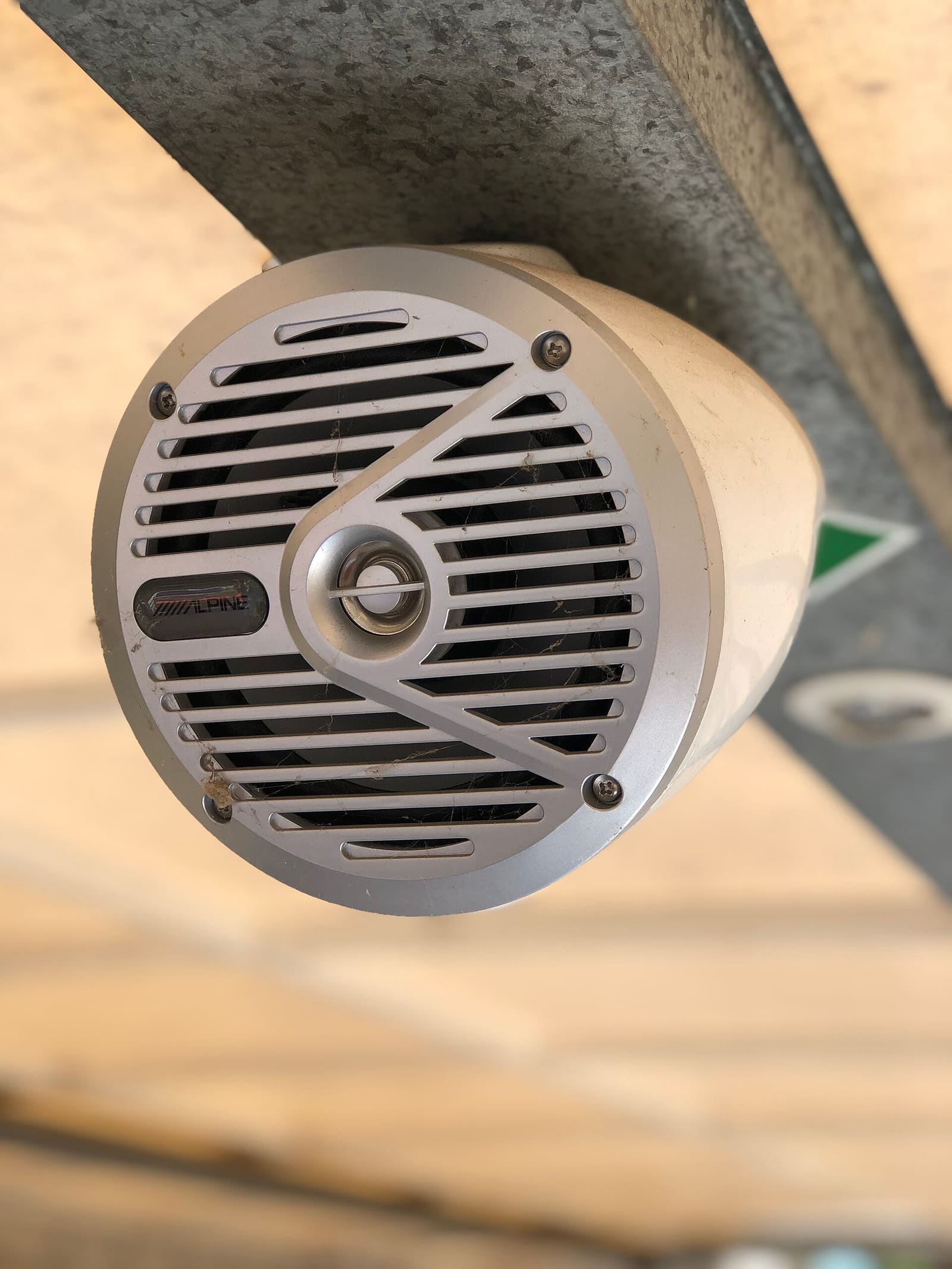
Marine Stereo Troubleshooting: No Power, Lost Settings, No Sound or Bluetooth Trouble
Track down a boat stereo that won't turn on, forgets its presets, resets when the engine cranks, plays no sound or won't keep a Bluetooth connection. Work from the free checks (switches, resets, fuses) to voltage tests, speaker wiring, water damage and software updates before you buy a new unit.
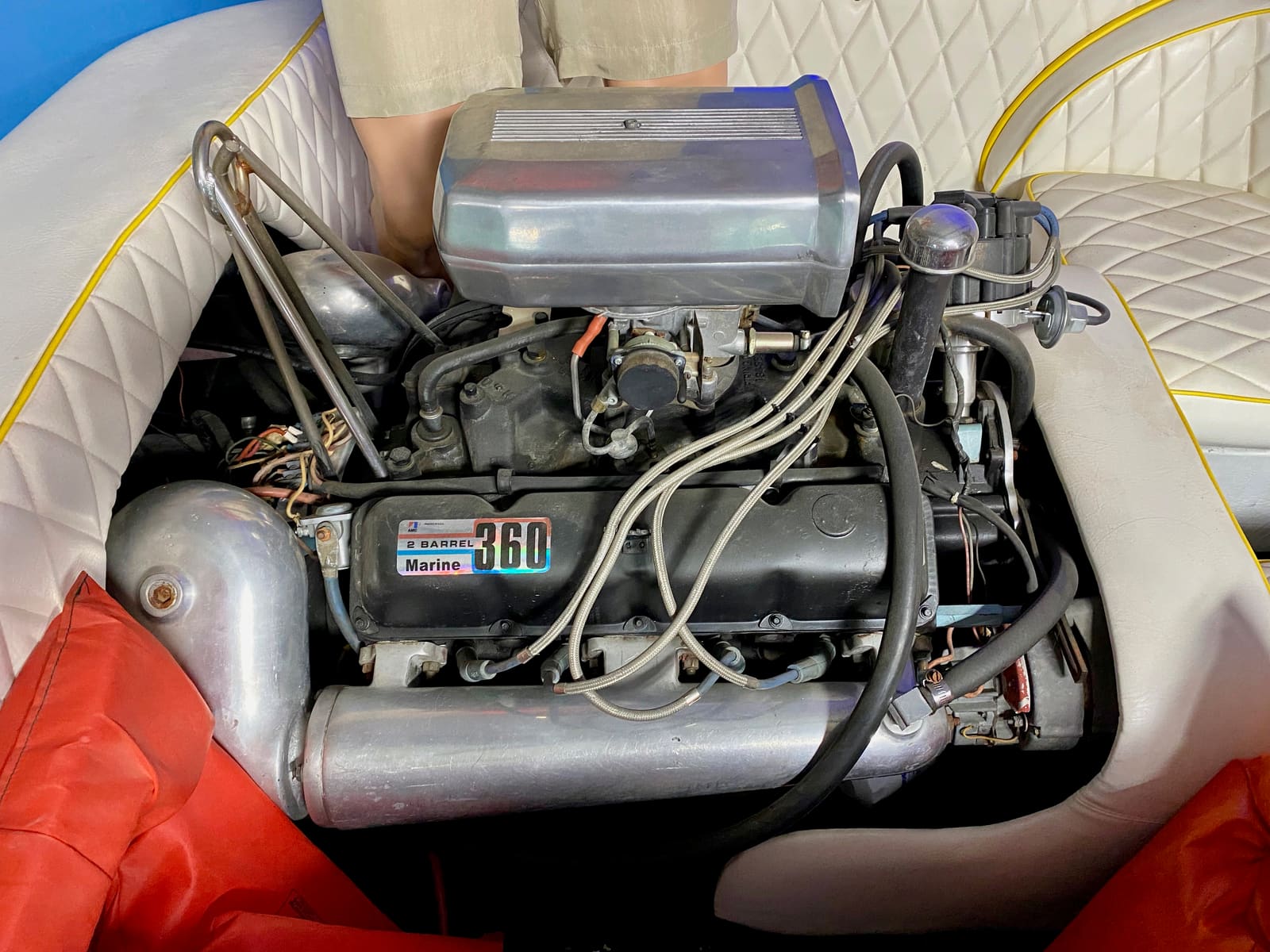
Milky Engine Oil or Water in the Oil - What It Means and What to Do
Milky, creamy or rising engine oil usually means water is getting into the engine. Learn why you should stop running it right away, how to tell harmless condensation from a real leak, and which parts are the usual suspects: head gaskets, exhaust risers and manifolds, intake manifold gaskets, oil coolers and freeze cracks.
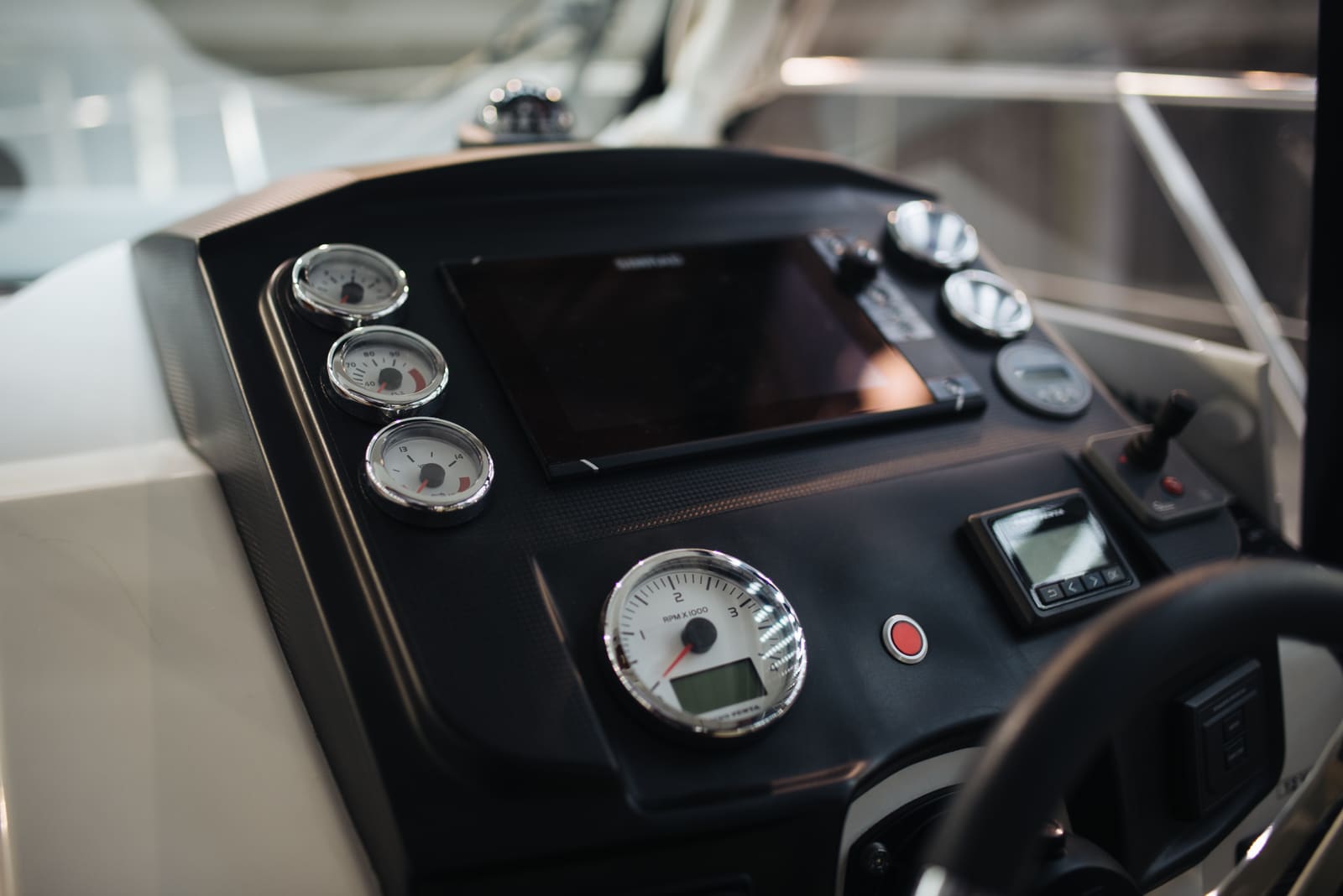
Overheat Alarm: What to Do in the First 60 Seconds
A short, practiced routine for the moment the temperature alarm goes off: take the load off, look for cooling water, shut down if it isn't there, and check every space the exhaust runs through for heat or fire. Based on a June 2026 Coast Guard safety alert about a fatal fire that started with an overheat alarm.
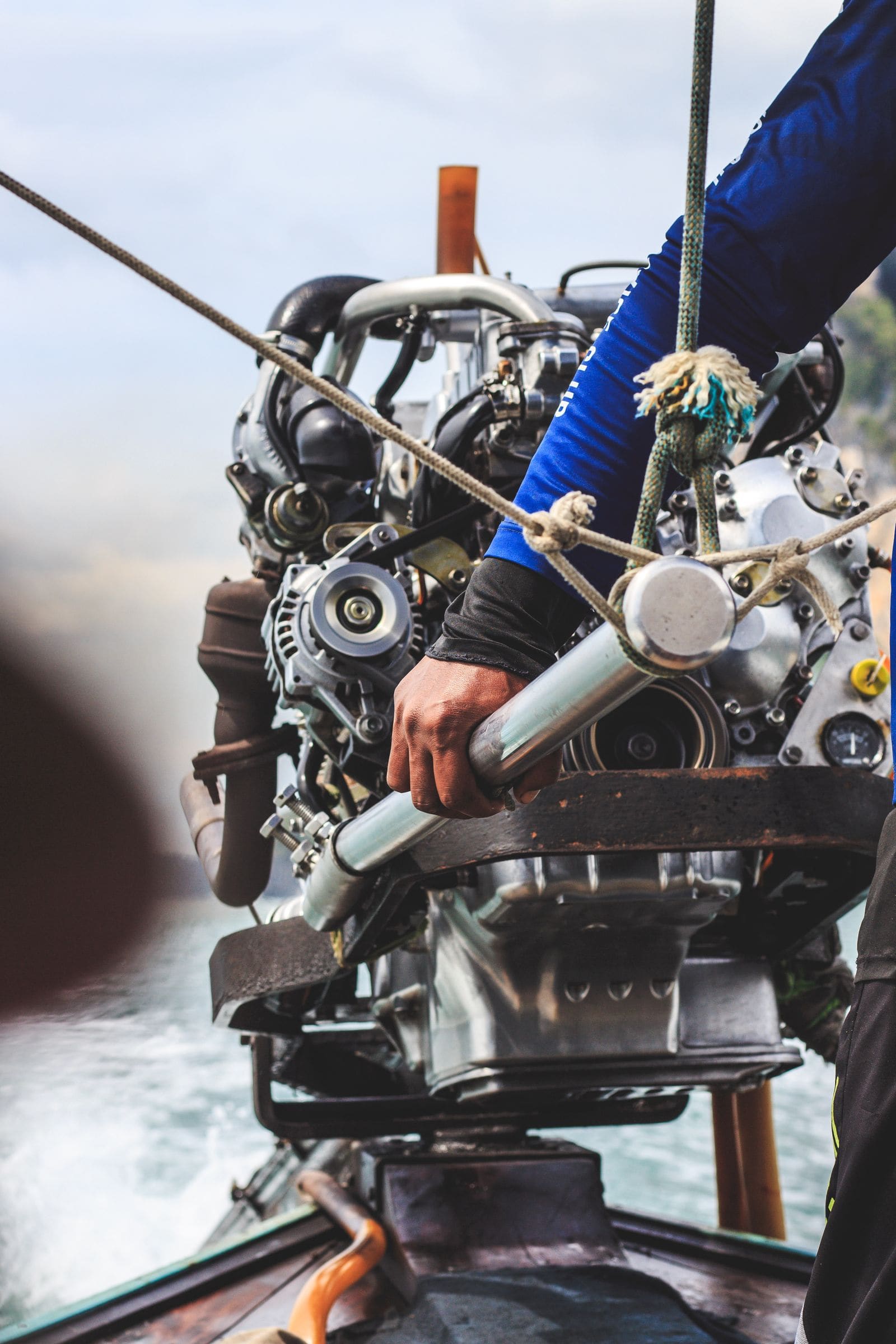
Strange Engine Noises - What a Knock, Tick, Rattle, Whine, Grind or Squeal Can Mean
Learn what common boat engine noises often point to, which ones mean shut down now, and the safe checks you can do yourself before describing the problem to a mechanic.
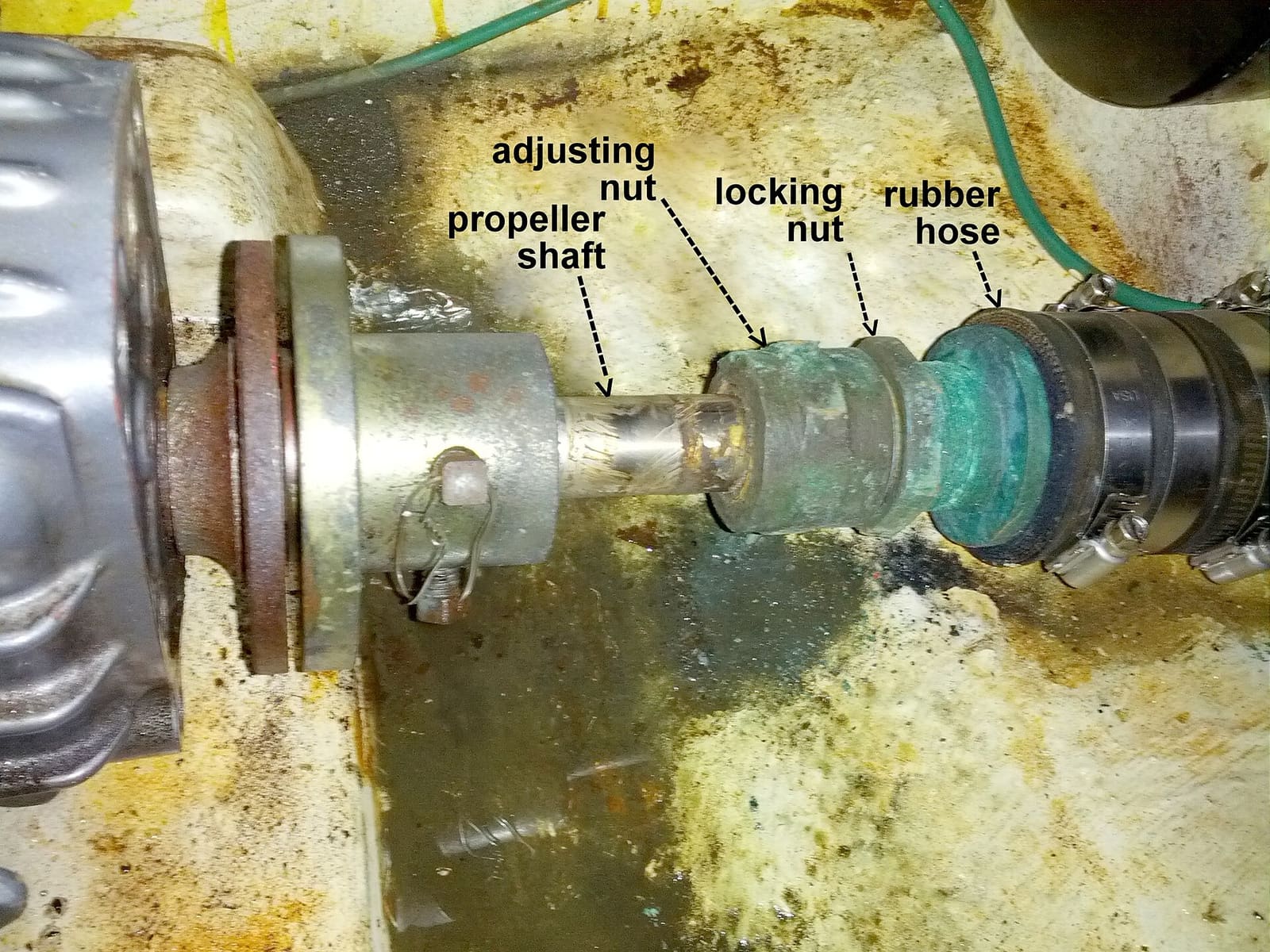
Where Is the Water in My Bilge Coming From? A Step-by-Step Leak Finder
Track down the source of water in your bilge, from the cheapest clues (when it appears, salt or fresh) to the usual suspects: rain and deck drains, the freshwater system, AC condensate, the shaft seal, raw-water hoses and through-hulls. Fix the leak instead of relying on the bilge pump.
Safety: BoatMend is for information only and does not replace a certified marine technician. You are responsible for your safety and your boat. Read the full disclaimer.