Repair & maintenance guides
Plain-English, step by step, written for owners. Pick your engine to see the guides that apply to it.
111 of 509 guides · page 5 of 5
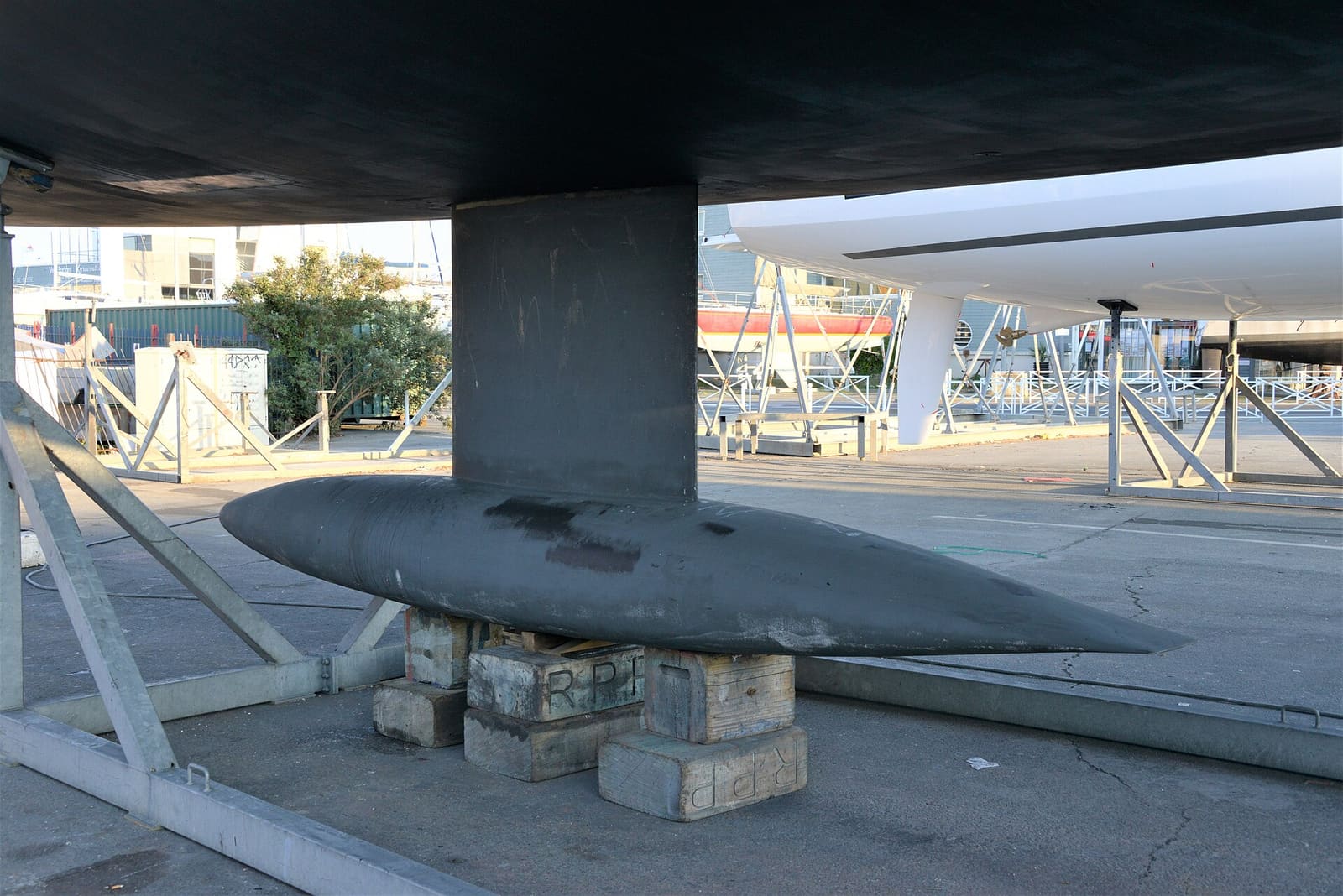
Sailboat Keel Bolts and the Keel-Hull Joint: Signs of Trouble and What to Do
Learn to spot the warning signs at your keel joint and keel bolts, from a "smile" crack and rust weeps to wet bilges and loose nuts, and what to check after any grounding. Explains why re-torquing, pulling bolts and dropping the keel are jobs for a surveyor and a yard.

Sailboat Wheel Steering Cables and Conduit - Service, Tension and Replacement
Keep a sailboat's wheel steering from failing: lubricate the chain, bearings and cables with what the maker specifies, set cable tension, check sheaves, idlers and conduit for wear and chafe, and replace worn cables or conduit before they part. Includes a dockside emergency tiller check.

Single-Line Reefing: Converting Slab Reefing and Leading Reef Lines to the Cockpit
Decide between two-line and single-line reefing, plan the blocks, clutches and line lengths, keep friction low enough that one person can actually pull the reef in, and test the new setup at the dock before you need it in a blow.
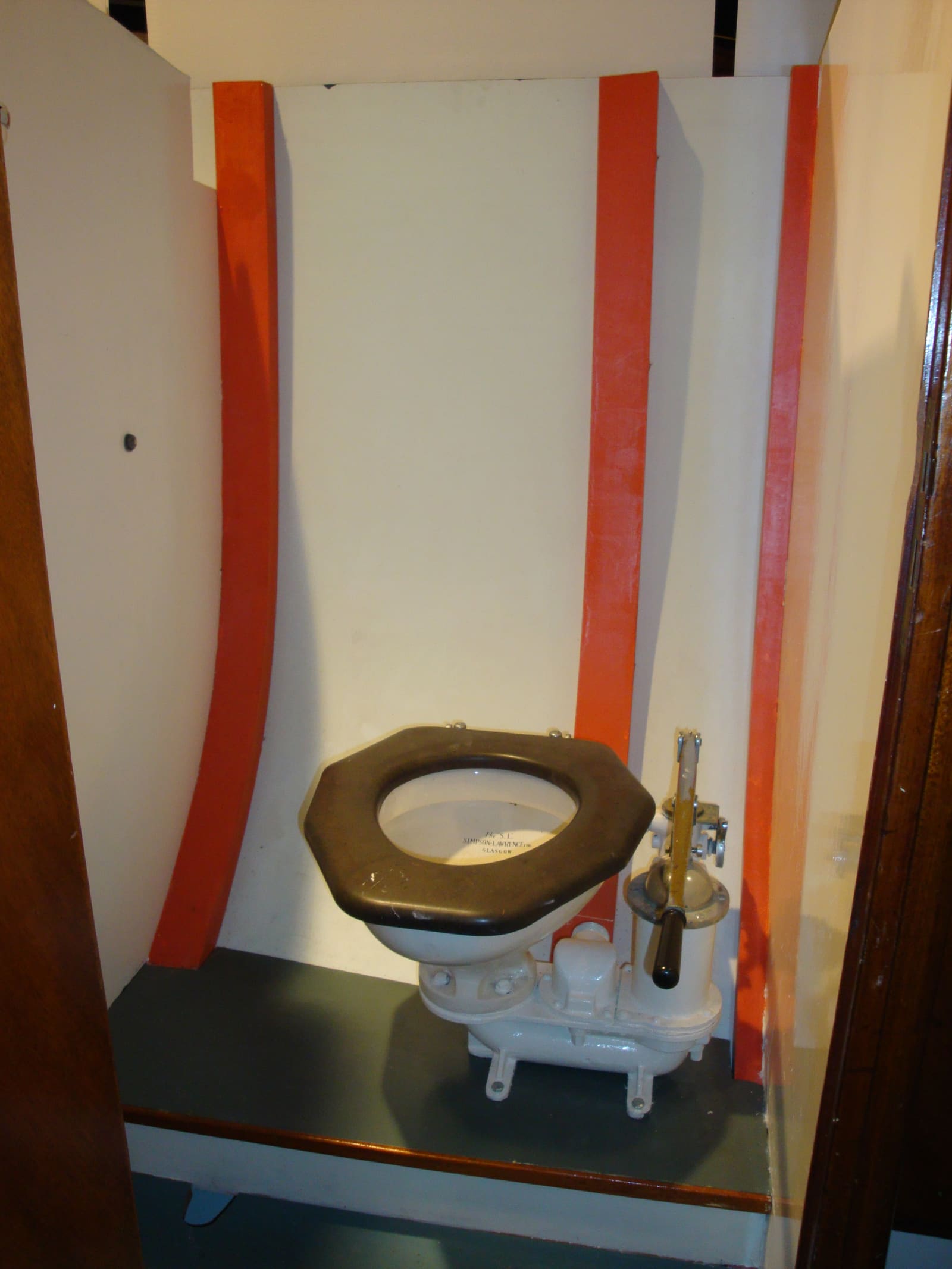
Smelly Head Hoses: How to Test, Choose and Replace Sanitation Hose
Find out if your toilet and holding-tank hoses are the source of that sewage smell with a simple hot-rag test, then pick the right sanitation hose, route and clamp it properly, and get rid of the old hose cleanly.

Spiders, Wasps and Insects on Your Boat: Prevention and Safe Cleanup
Why boats attract spiders, mud daubers, wasps and swarming lake insects, how to clean webs and droppings without harming gelcoat or canvas, and how to keep nests out of the vents, telltales and fittings your boat needs to breathe.

Stepping and Unstepping a Sailboat Mast: Trailer Sailers and Yard Cranes
How to raise and lower a sailboat mast safely, whether you step a trailer sailer's mast at the ramp or help the yard crane do it, including power-line checks, mast wiring, basic tuning afterward, and when to leave the job to the yard.
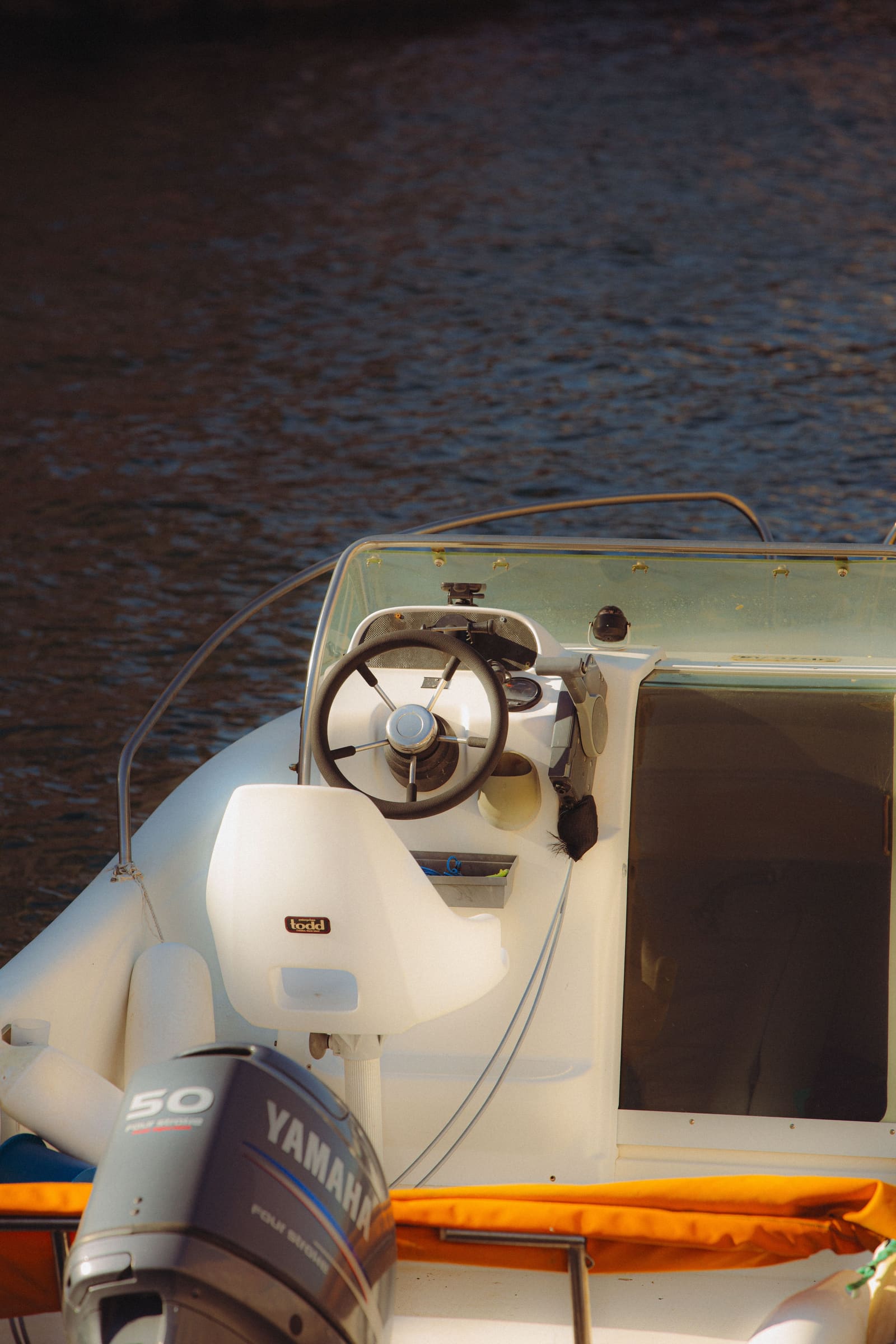
Stiff or Seized Mechanical Steering - Lubricate, Inspect and Replace the Steering Cable
Fix hard, notchy or loose cable steering on an outboard boat. Find out whether the engine, the tilt tube, the cable or the helm is the problem, clean and grease what can be serviced, and measure and install a new cable correctly when the old one is done.

Stress and Spider Cracks in Fiberglass, Cosmetic or Structural?
Learn what causes spider, stress and hairline cracks in your boat's gelcoat, how to tell cosmetic crazing from a structural problem with a simple tap and flex check, and when a gelcoat repair is enough or a pro is needed.
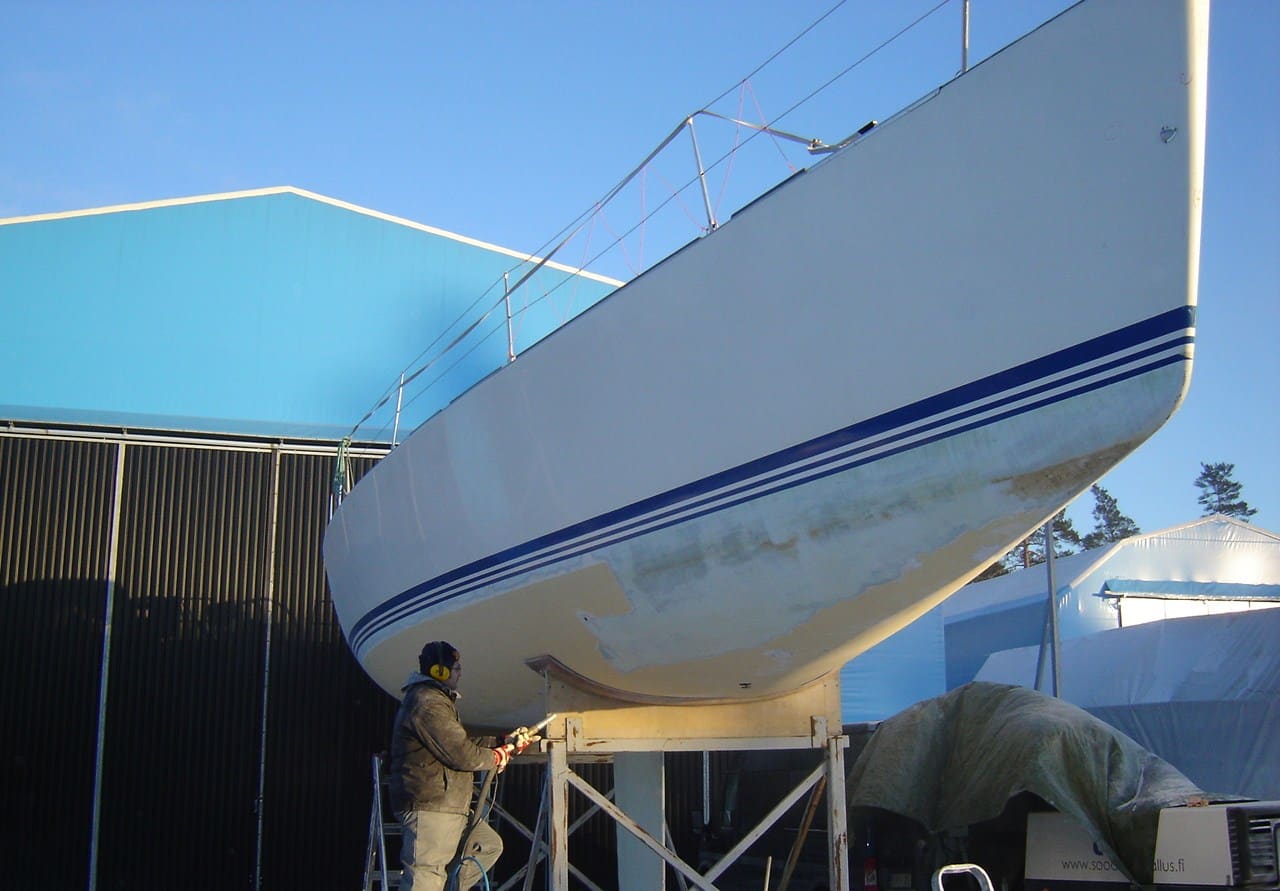
Stripping Old Bottom Paint: Chemical Strippers, Blasting and Sanding
Learn when old bottom paint has to come off, how chemical strippers, soda or media blasting and sanding compare, how to protect yourself and the water from toxic dust, and why a bare hull needs primer or a barrier coat before new antifouling.
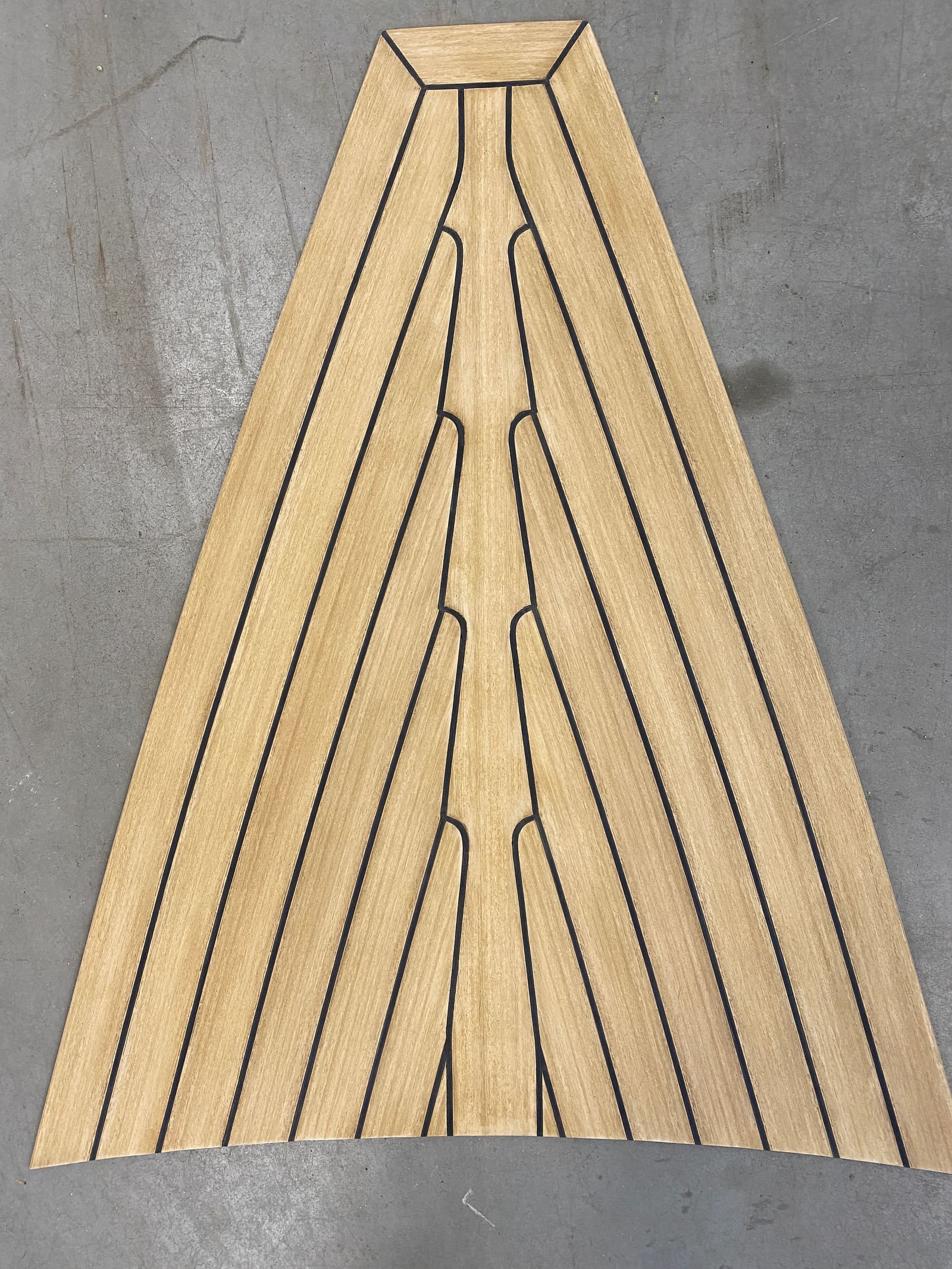
Synthetic Teak Decking: Choosing, Installing and Caring for PVC Teak
PVC "teak" such as Flexiteek, PlasDECK and Permateek gives you the teak look without oiling or recaulking, but it is glued down for good and it gets hot in the sun. Learn how it compares with real teak and foam, what a pro or DIY install involves, and how to clean, repair and keep the warranty valid.
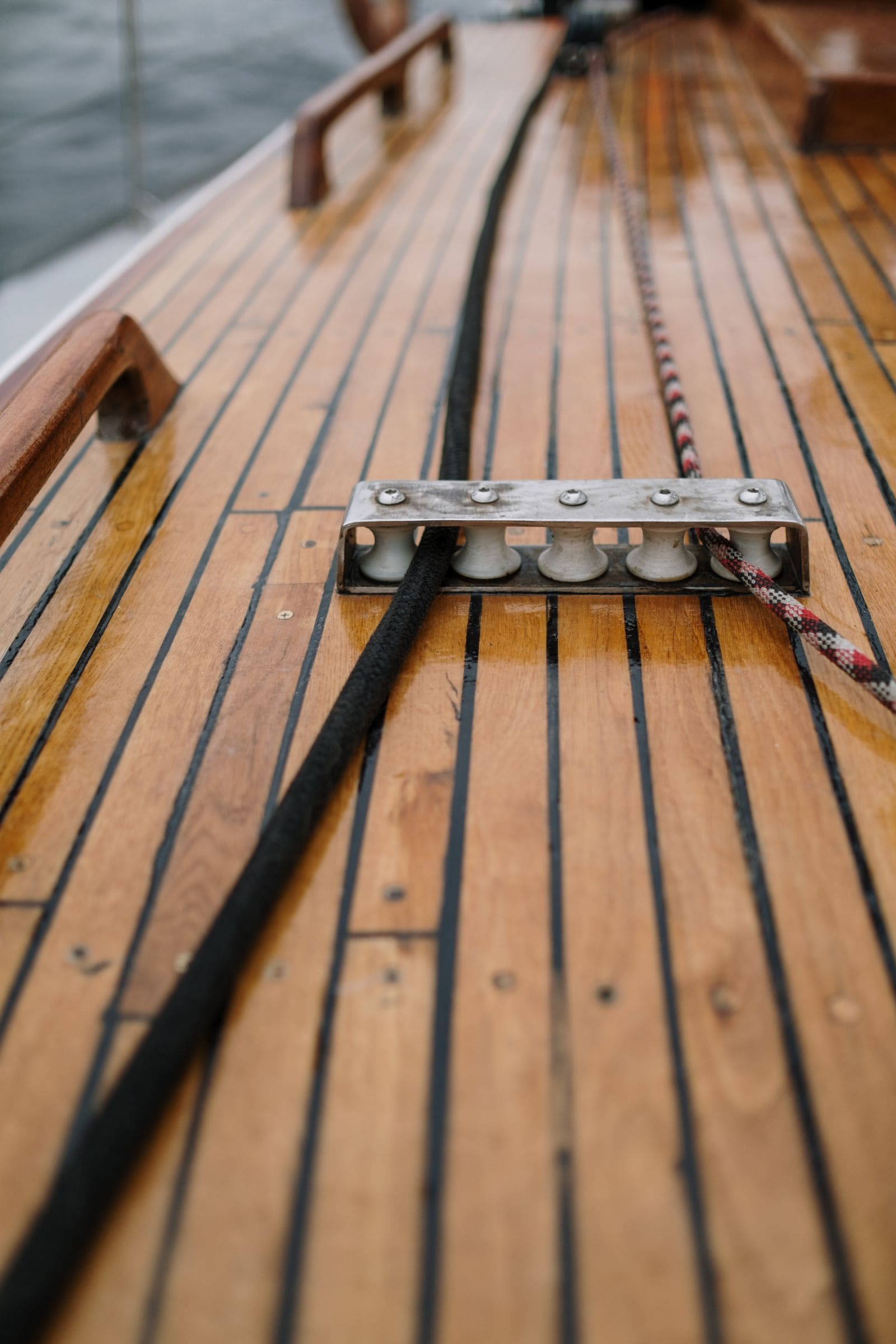
Teak Deck and Trim Care: Clean, Oil, Seal or Leave It Natural
Keep teak decks, rails and trim looking good without wearing them away. Choose between a natural gray look, oil, sealer or varnish, and learn how to clean teak gently so you don't destroy it with harsh cleaners or a pressure washer.
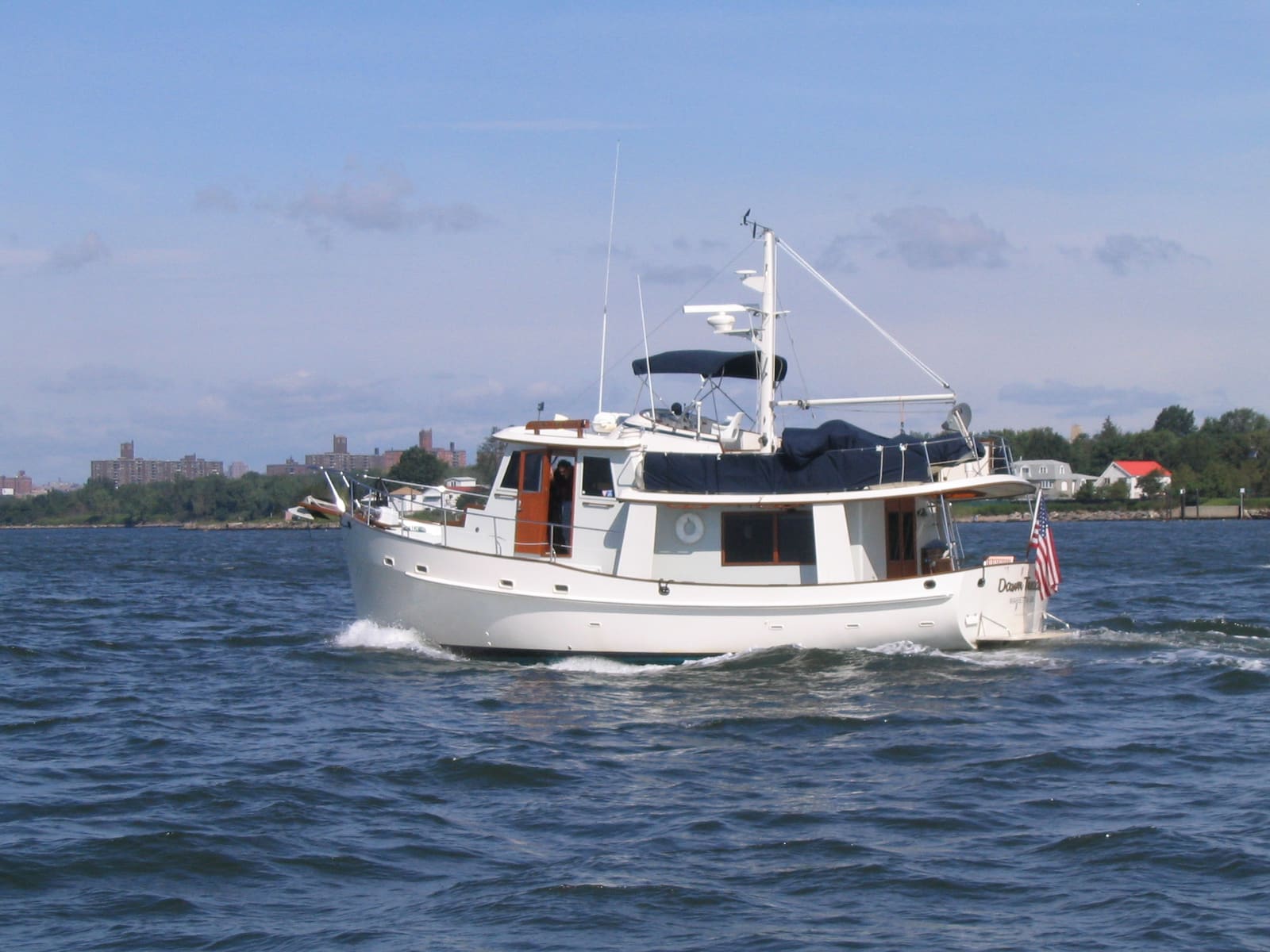
Type I and II Treatment Systems (Electroscan, Purasan, Lectra/San): Care, Salt, Tablets and Winter
A flow-through treatment system lets a boat discharge treated waste where the law allows, but only if it works and only outside no-discharge zones. Learn how these units work, why salt and tablets matter, how to keep electrodes and dispensers clean, how to lock the system in a no-discharge zone, and how to lay it up dry for winter.
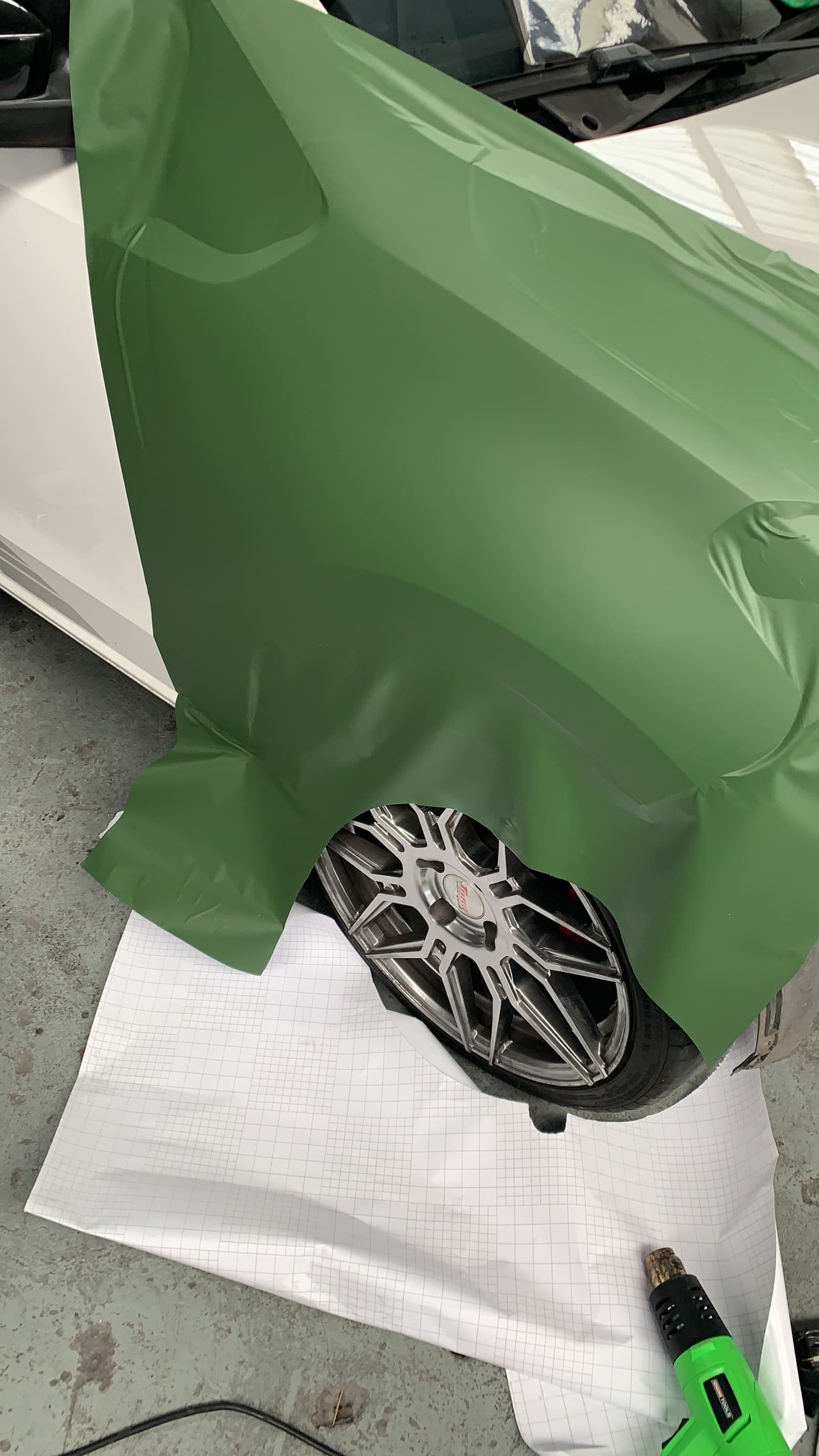
Vinyl Hull Wraps: Pros, Cons, Prep, Care and Removal
Find out whether a vinyl wrap makes sense instead of paint for your hull, how to prep for it, when to hire an installer, how to wash it without ruining it, and why wraps stop at the waterline.
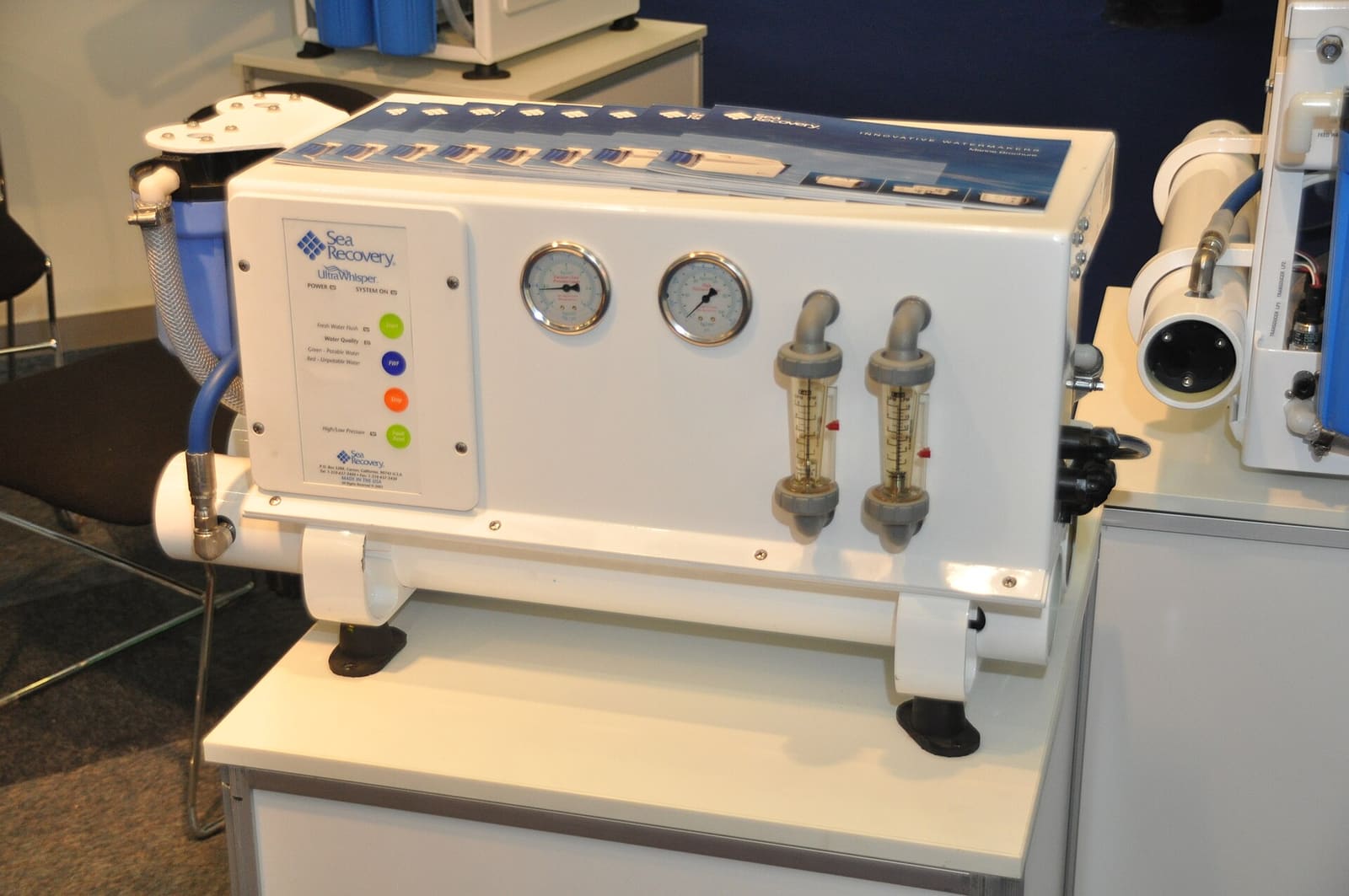
Watermaker Care: Pre-Filters, Flushing, Pickling and Production Checks
Keep a reverse osmosis watermaker making good water for years by changing pre-filters on time, flushing or pickling the membrane whenever it sits, staying out of dirty harbor water and checking every batch with a TDS meter before it goes in the tank.
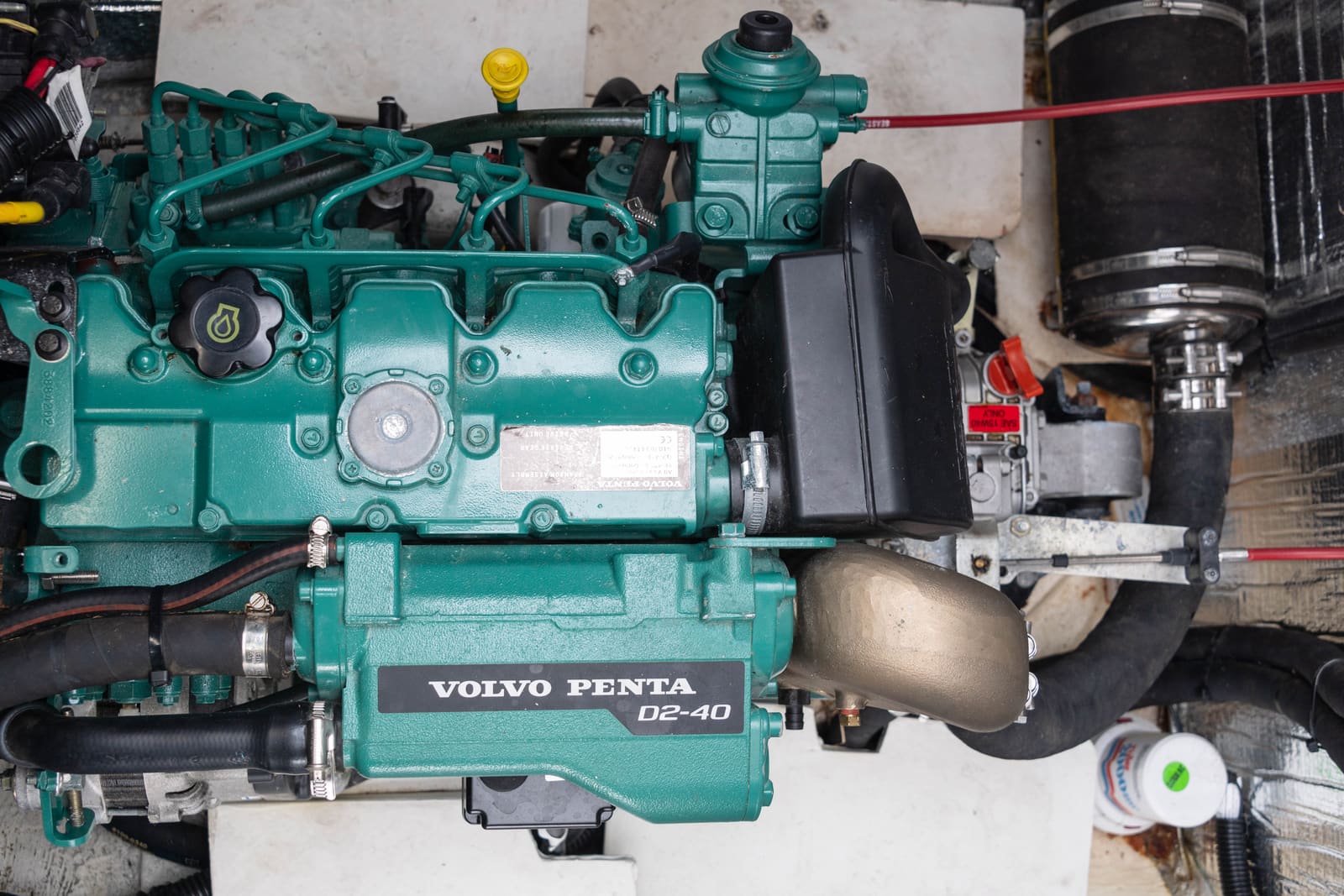
Wet Exhaust and Waterlift Mufflers: Stop Water Flooding the Engine and Catch Leaks Early
On most sailboats and many power boats, cooling water is sprayed into the exhaust and pushed out through a waterlift muffler. Learn how the system works, why long cranking can flood the engine with seawater (and when to close the seacock), and how to inspect the muffler, hoses, clamps and siphon break, including the scorch marks that tell you the exhaust once ran dry.
Safety: BoatMend is for information only and does not replace a certified marine technician. You are responsible for your safety and your boat. Read the full disclaimer.